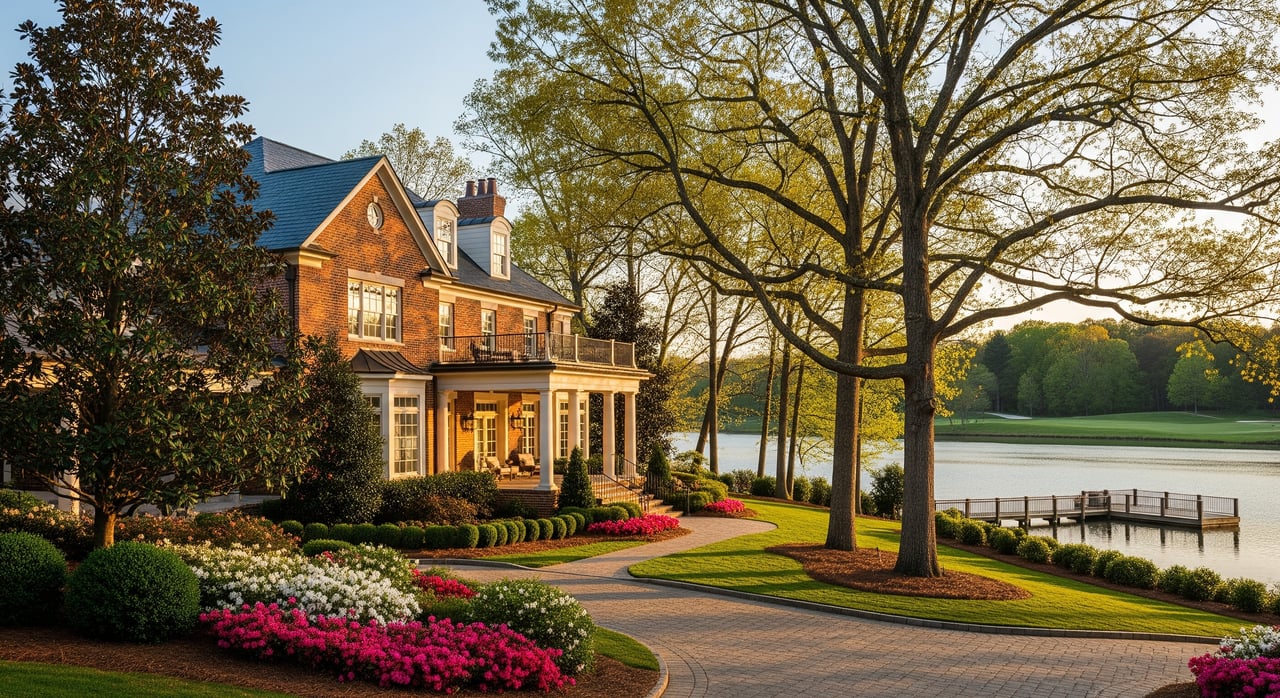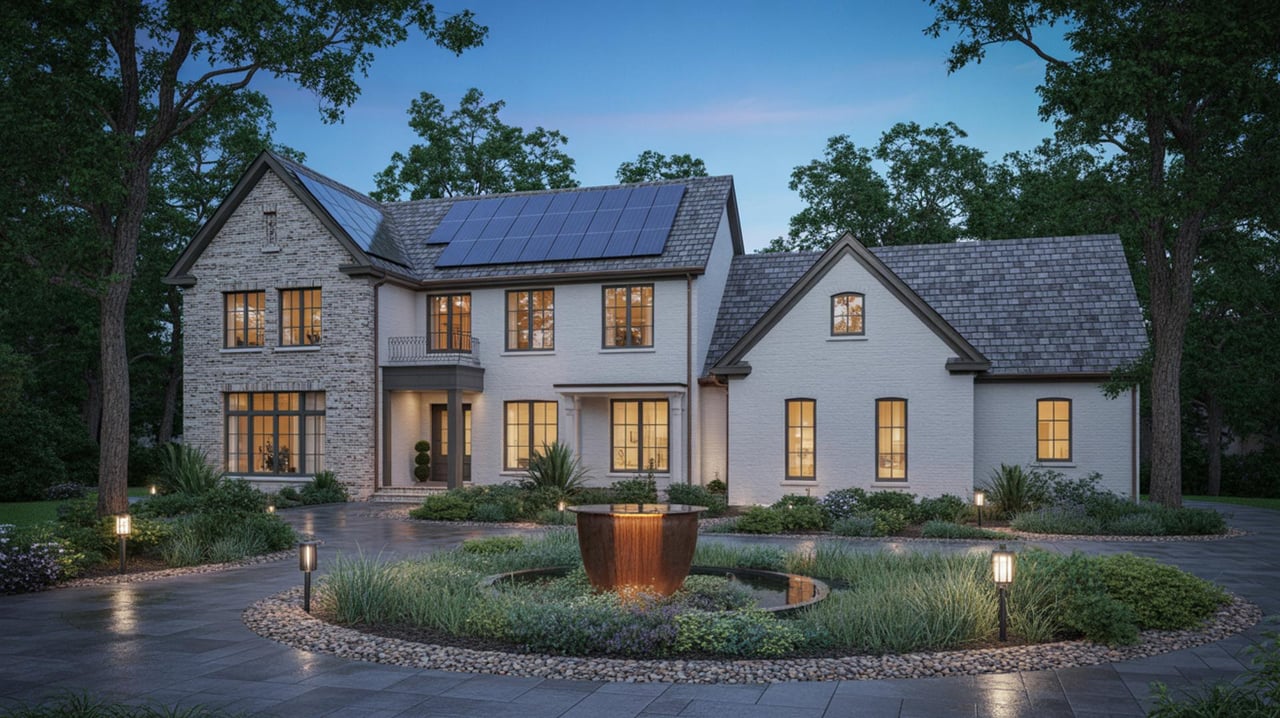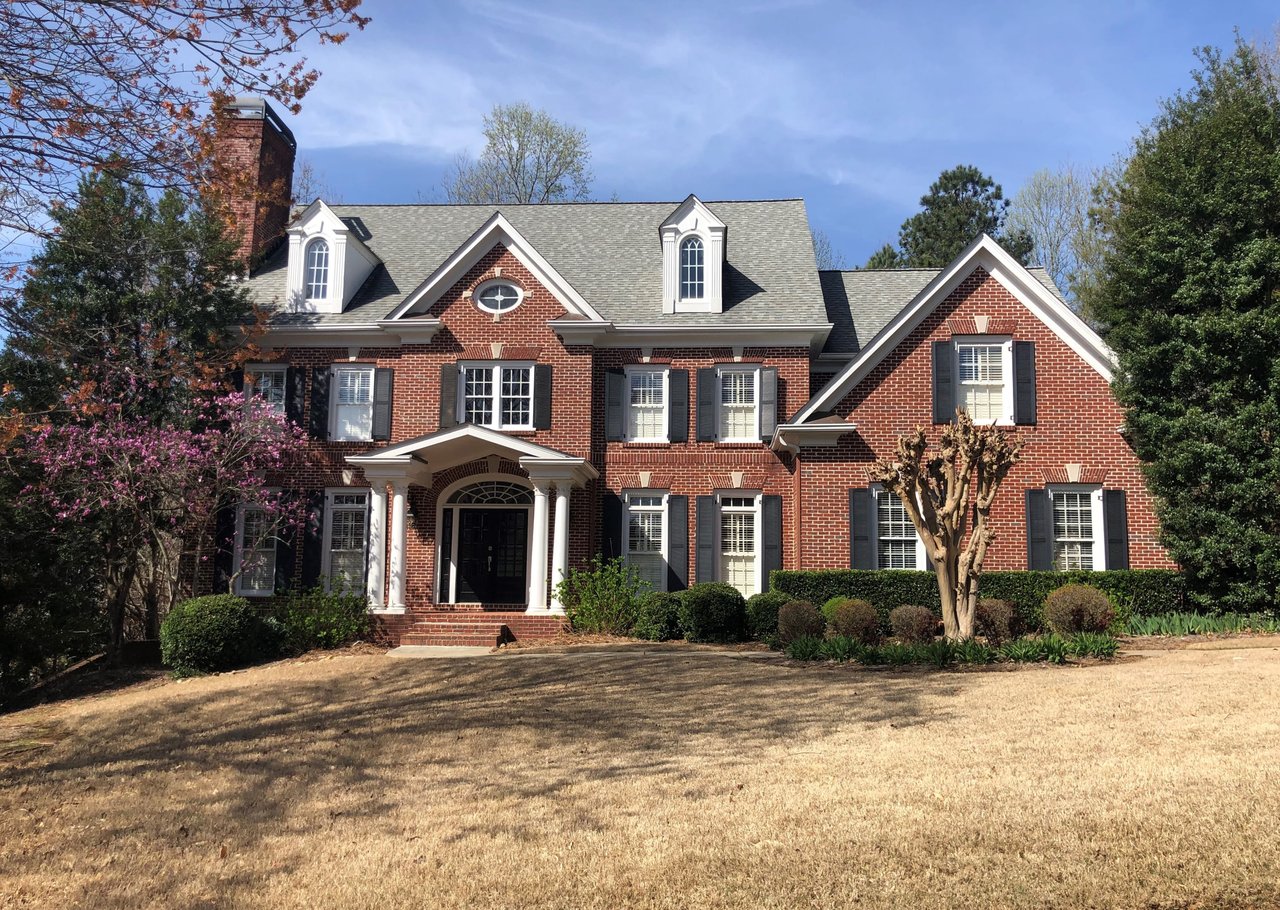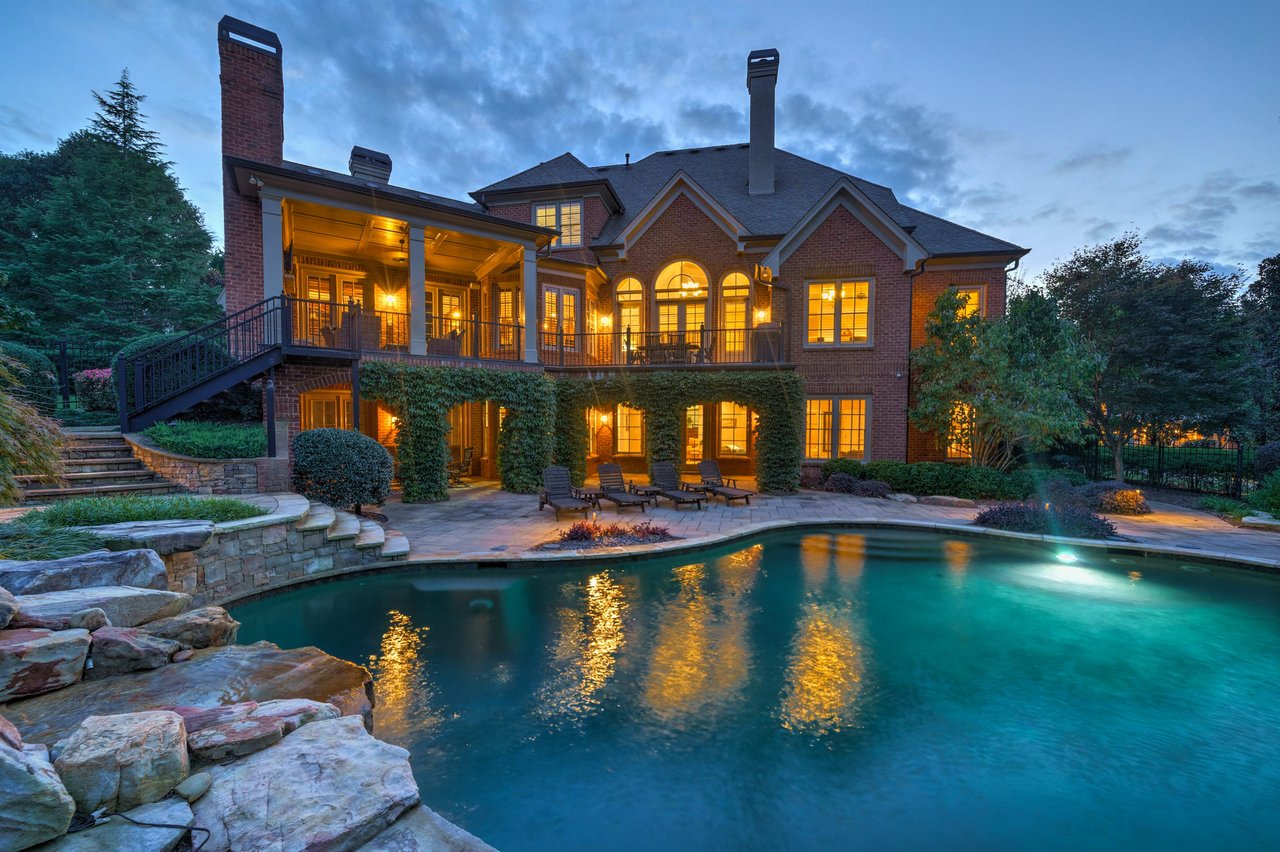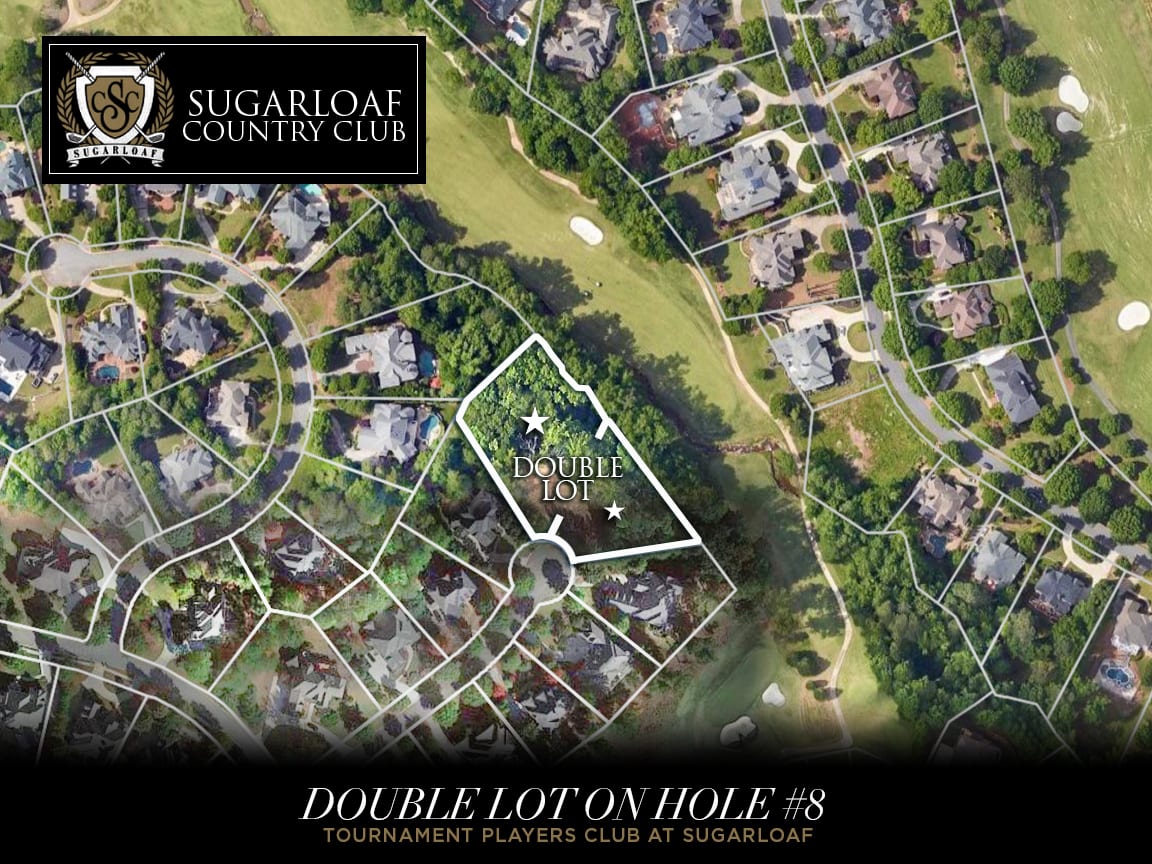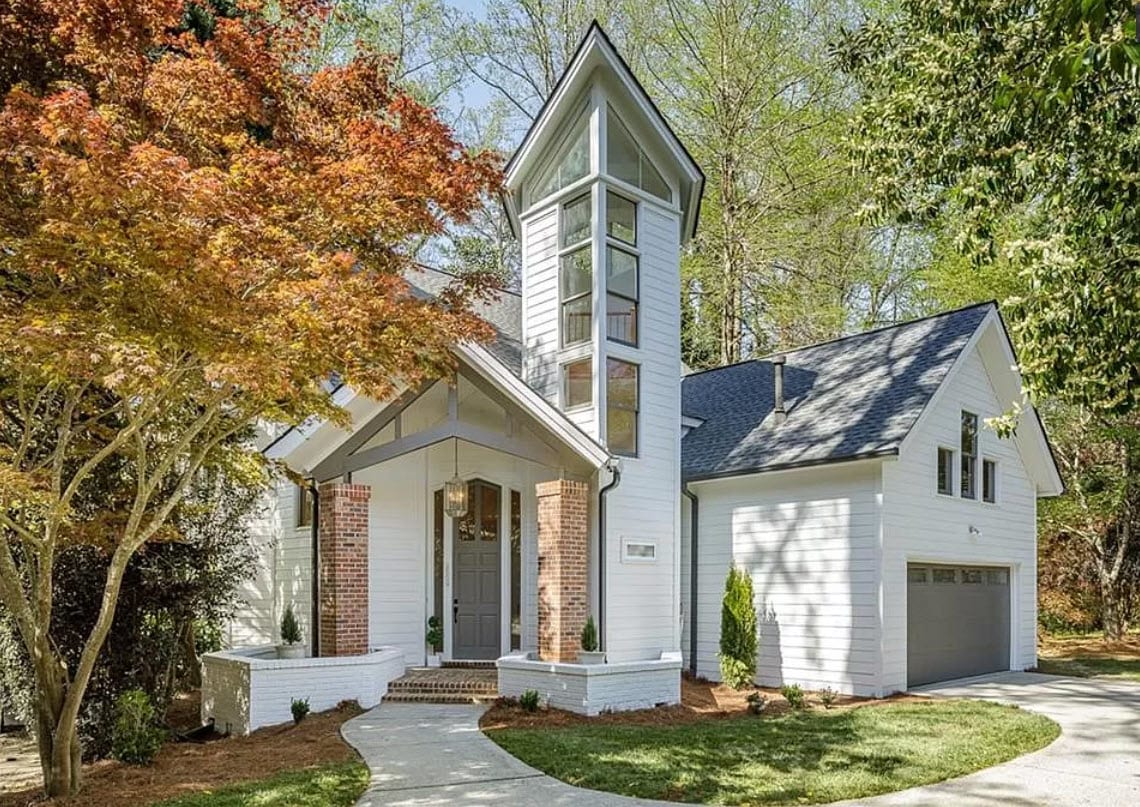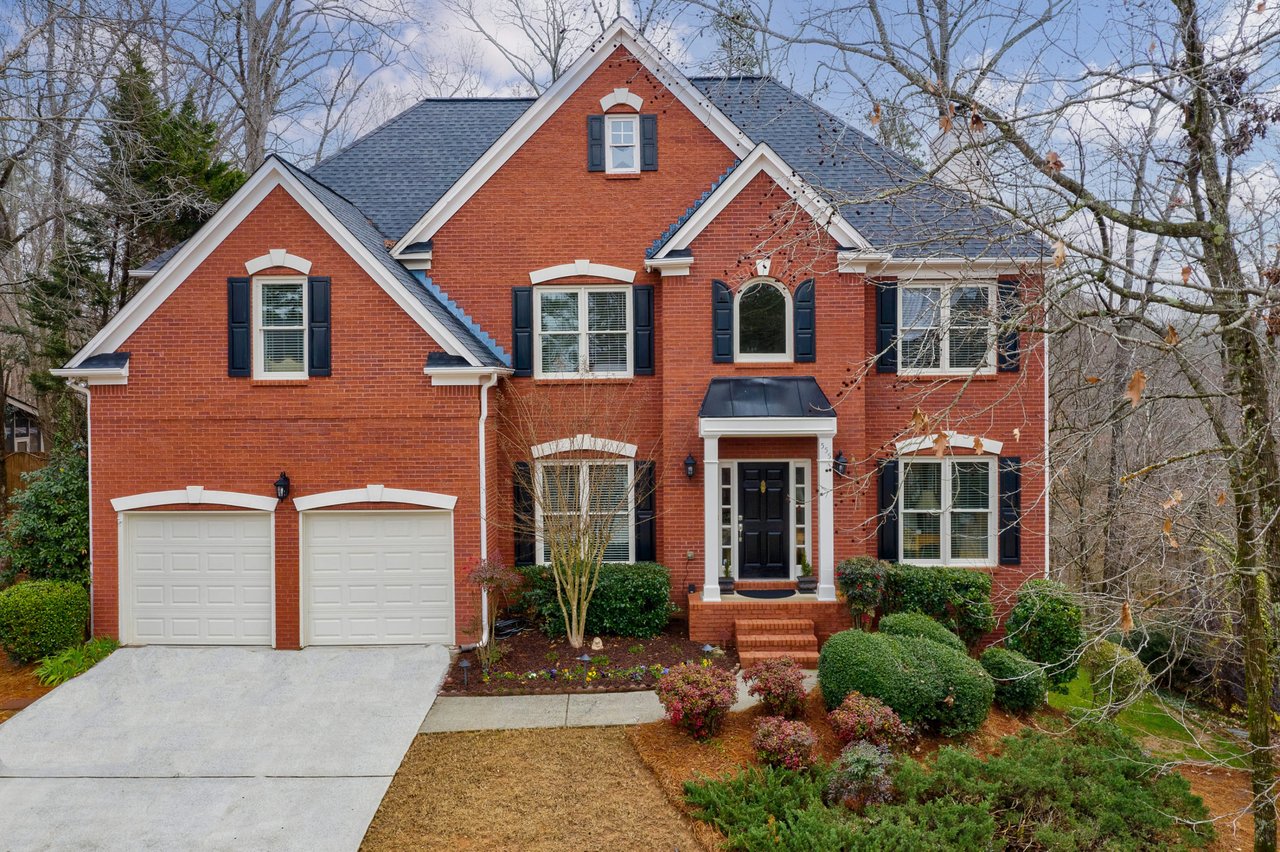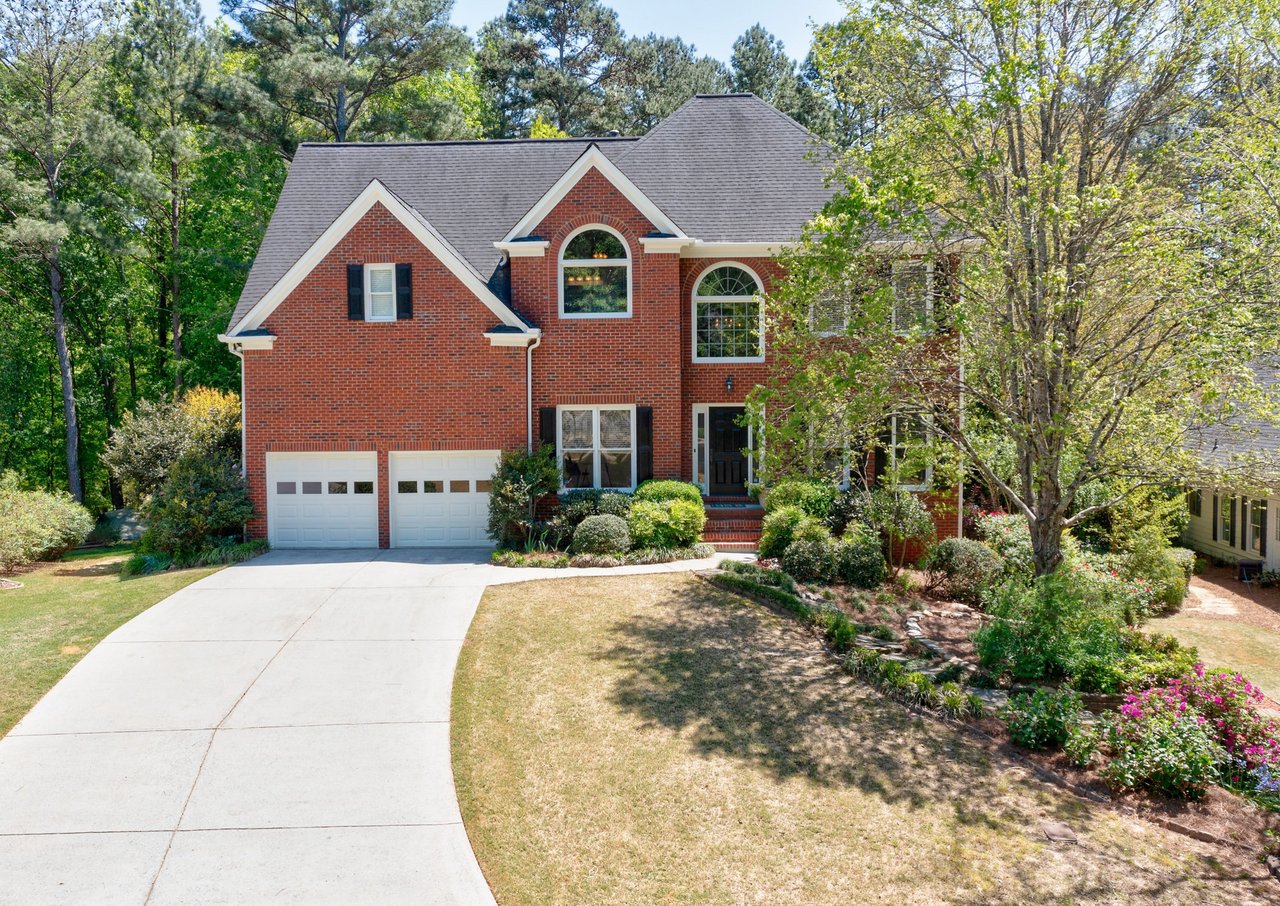
Some communities make a strong first impression. Sugarloaf Country Club stands out because the everyday experience can feel easier long after move-in day. If you are curious about what life here is really like, beyond the gates and golf-course views, this guide walks you through the practical perks that shape daily routine in Sugarloaf. Let’s dive in.
Everyday ease starts at the gates
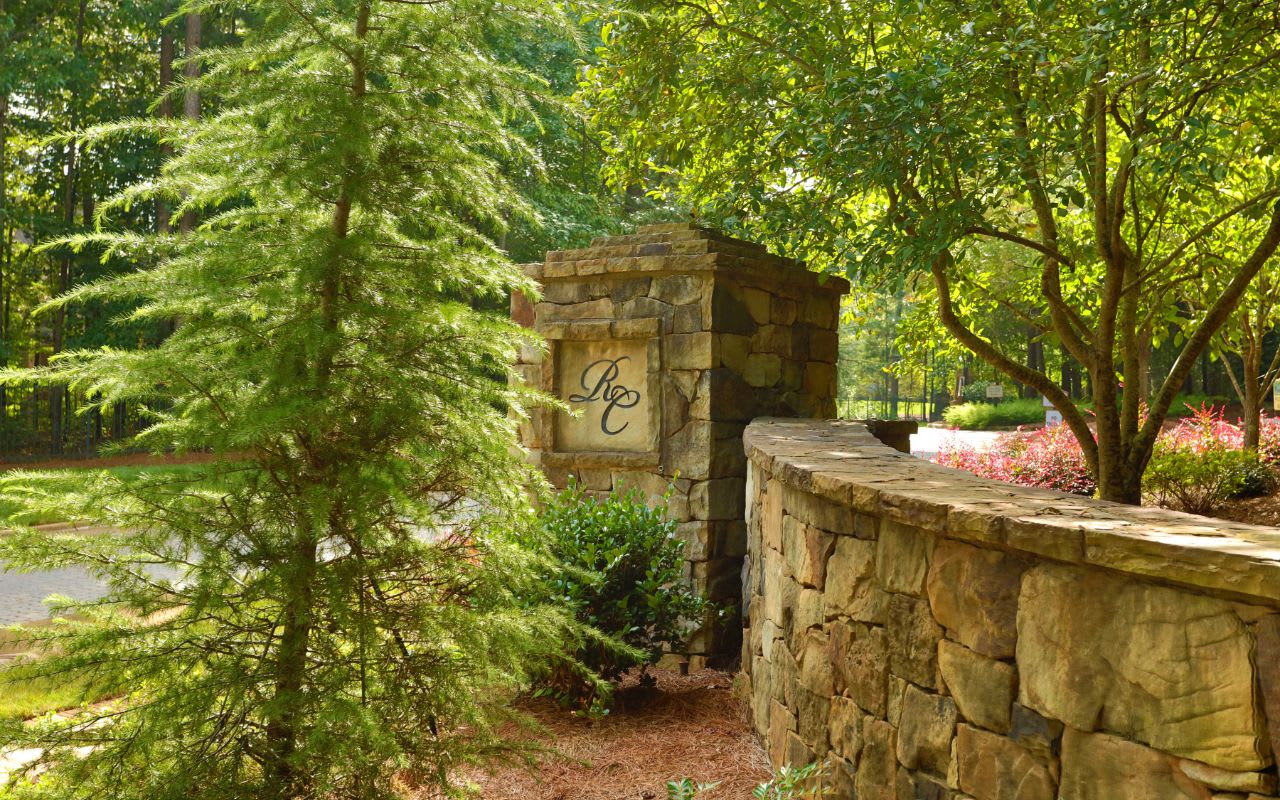
One of the most overlooked benefits of living in Sugarloaf Country Club is how much day-to-day activity is organized. The community’s property owners association manages gate access, visitor coordination, resident documents, and community rules, which creates a more structured rhythm than many open neighborhoods.
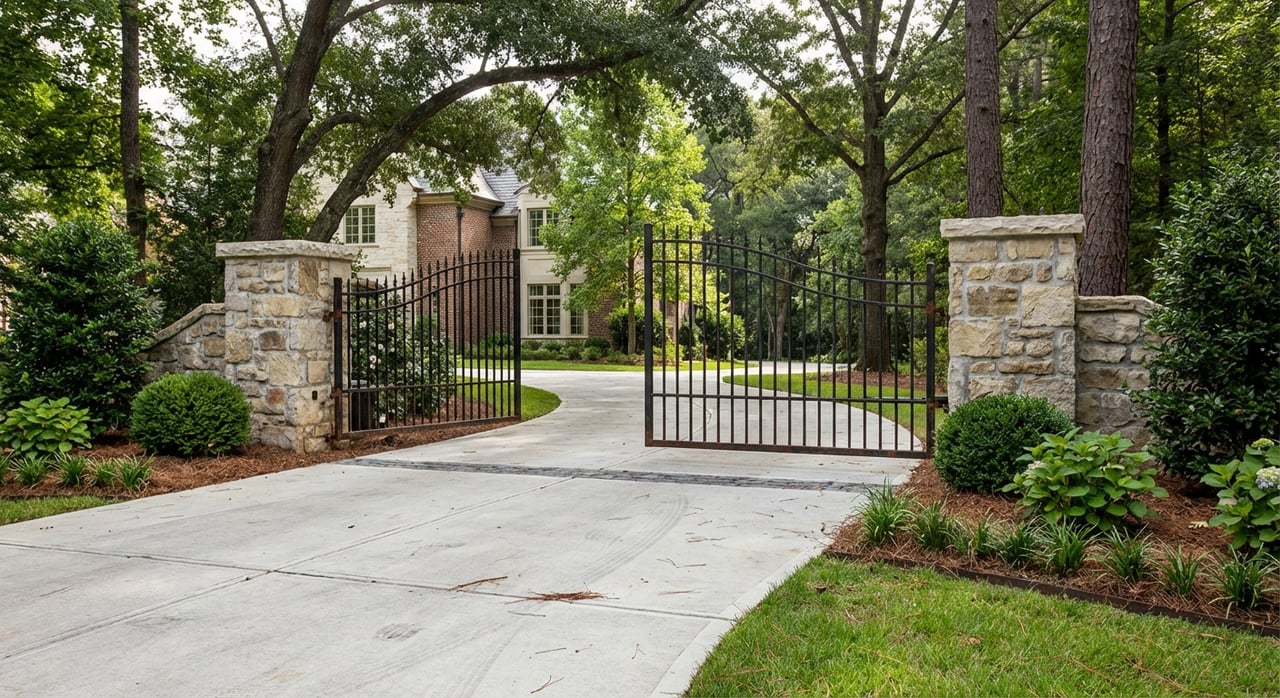
The gates operate 24 hours a day, and vehicles use transponders for entry. Guards at both gates use Dwelling Live for visitor management, and residents can create accounts to control guest access. In real life, that means fewer last-minute texts, fewer entry mix-ups, and a more streamlined way to handle visitors.
That same system extends to resident paperwork and community information. The resident portal provides access to community documents, so important records are centralized instead of scattered across emails and paper files. It is a small convenience that can make a big difference over time.
A managed community can reduce friction
Sugarloaf Country Club sits on roughly 1,200 acres and includes slightly fewer than 1,000 households and about 3,000 residents. At that scale, organization matters, and the community appears designed to keep routines orderly rather than informal.
Exterior changes require advance ACC application, review, and approval. Traffic is also monitored within the community. While that level of oversight is not for everyone, many buyers appreciate the predictability it can bring to property upkeep and daily movement.
In practical terms, this kind of structure can help protect the look and feel of the community over time. For many homeowners, that translates into one of the most valuable hidden perks of all: less uncertainty about what happens around you.
Amenities are centralized, not scattered
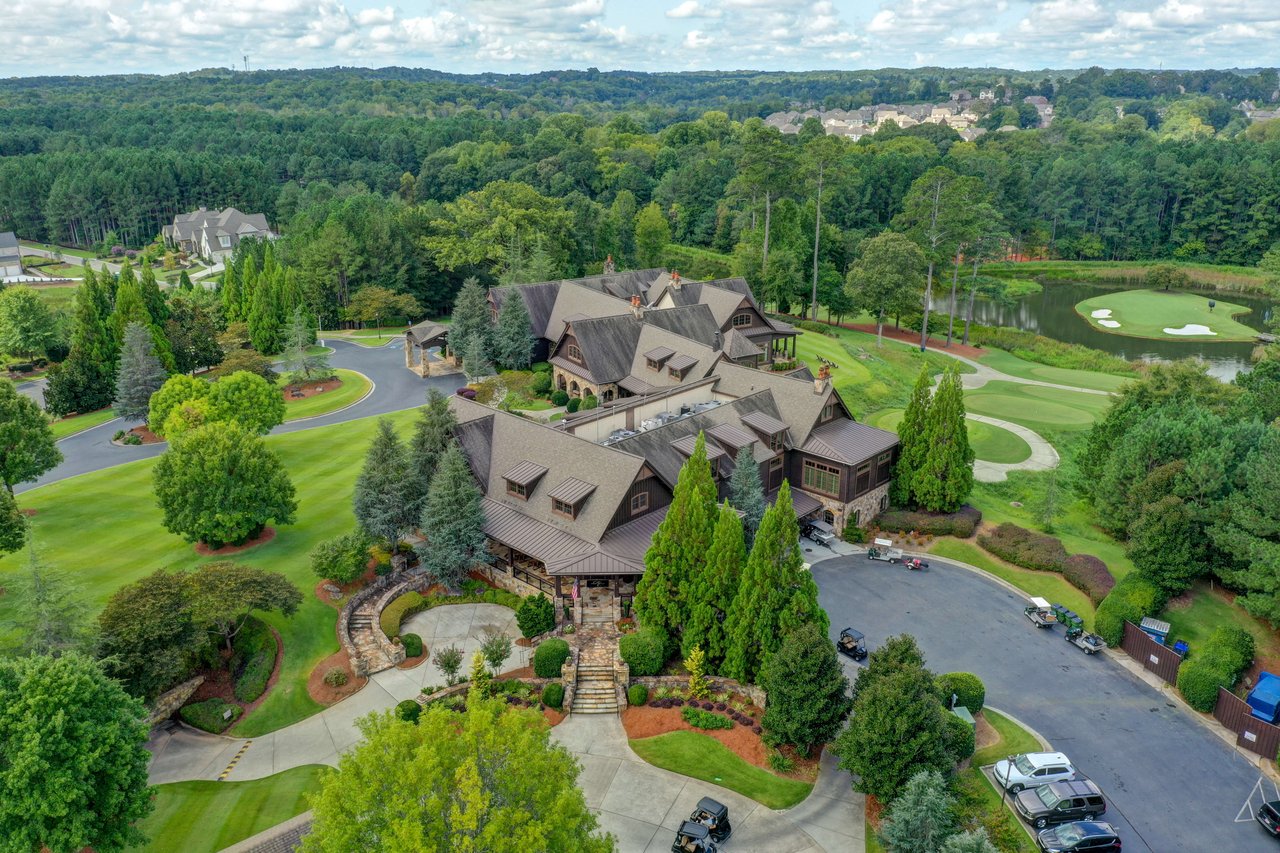
Another everyday advantage is how concentrated the amenity experience is within Sugarloaf. TPC Sugarloaf, located inside the gated community, serves as the anchor amenity for the property, and the club describes a dense campus of facilities rather than isolated features spread across a wide area.
The club identifies itself as Georgia’s only PGA TOUR club and offers 27 holes of championship golf. It also describes a 60,000-square-foot clubhouse and a seven-acre Lifestyle Center. That setup can make the routine feel more efficient because multiple activities are centered in one place.
It is important to note one key distinction. The POA manages community operations such as gates and documents, while TPC Sugarloaf describes dining, fitness, racquets, aquatics, and event services as member-and-guest benefits. In other words, homeowners should confirm club membership details separately rather than assume access is automatic.
Dining can be part of the routine
When a community has dining on site, it can change how you plan your week. TPC Sugarloaf lists RYE Kitchen & Bar and Tempo as part of its dining offerings, with RYE open for breakfast, lunch, and dinner and Tempo serving seasonal healthy options at the Lifestyle Center.
That matters because convenience is not always about saving time on errands. Sometimes it is about making it easier to meet a friend, grab a meal after a workout, or keep the day moving without leaving the property.
The clubhouse renovation details also point to a more polished everyday experience. The restaurant includes an expanded patio, wine cellar, full-service bar, and banquet kitchen, which supports both casual use and larger gatherings.
Fitness and racquet access support daily habits
For many buyers, the best community perks are the ones that help healthy routines stick. The Lifestyle Center is open seven days a week from 5:00 a.m. to 10:00 p.m., which offers a broad window for early workouts, mid-day breaks, or evening exercise.
The facility includes cardio equipment, weight machines, free weights, a group fitness studio, massage therapy space, and personal training. There is also poolside food and beverage service, cabanas, and a child swim-and-play area. When these options are close at hand, working out can feel more realistic on busy days.
The racquet sports center adds another layer of activity with competitive leagues, tournaments, and instructional programs scheduled throughout the year. For residents who enjoy a structured social sport, that kind of regular programming can become part of weekly life rather than a special outing.
Aquatics make weekends easier
Sugarloaf’s aquatics offerings are built for more than occasional summer use. TPC Sugarloaf describes a main competition pool, a zero-entry leisure pool with fountains and a double-loop slide, plus a wading pool for younger children.
That variety can make planning easier for households with different ages and interests. Instead of driving to separate activities, you may have options that fit lap swimming, casual pool time, and younger-child play in one setting.
The club also highlights Kids Korral programming, camps, family fun days, theme nights, and birthday-party support. For families, that can simplify weekends and school breaks by keeping recreation close to home.
Social life has built-in momentum
One hidden perk of living in a community like Sugarloaf is that social connection does not have to depend on constant planning. The club’s membership information emphasizes recurring activity such as tournaments, leagues, mixed golf, and year-round golf and racquet events.
That recurring calendar matters because it creates familiar rhythms. Instead of waiting for major holidays or occasional neighborhood events, members and guests can plug into activities that happen regularly across the year.
TPC Sugarloaf also notes that it can host business meetings, holiday parties, weddings, and other gatherings, supported by event planners and catering specialists. That adds flexibility for residents who like having event-capable spaces close by.
The Sugarloaf corridor adds convenience
Life in Sugarloaf Country Club is not only about what happens inside the gates. The surrounding Sugarloaf corridor adds another layer of day-to-day convenience, especially for commuting, dining, and entertainment.
The community’s official materials place Sugarloaf minutes from I-85, and the Sugarloaf CID describes the area as Gwinnett’s premier business and entertainment district with access to I-85, 316, and bus service. For many buyers, that combination of private community living and strong regional access is a major advantage.
The same area also offers a steady stream of events. Sugarloaf CID says more than 1 million visitors come annually to Gas South District events, conferences, and concerts, which gives residents nearby options for live entertainment and large-scale gatherings.
Duluth adds another layer of lifestyle
Outside the club setting, Duluth contributes to the everyday appeal. Explore Gwinnett describes Duluth as a top regional destination for dining, entertainment, shopping, and walkable small-town charm, with year-round events in Downtown Duluth.
That means living in Sugarloaf can give you two different lifestyle settings within easy reach. You have the structure and privacy of a gated community, plus access to a lively downtown environment for coffee, dinner, or local events.
For many buyers, that mix is what makes the location especially attractive. You are not choosing between a private residential setting and an active surrounding area. You are positioned near both.
Why these perks matter to buyers
The most meaningful benefits of Sugarloaf Country Club are often the ones that do not show up in a quick listing summary. Centralized guest access, organized governance, nearby amenities, recurring social programming, and proximity to the broader Sugarloaf and Duluth districts can all shape how smoothly your week runs.
That is why the appeal here is larger than any single feature. It is less about one standout amenity and more about how the community is set up to reduce friction across everyday life.
If you are considering a move to Sugarloaf Country Club, it helps to look beyond square footage and finishes. The day-to-day experience is often what turns a beautiful home into the right long-term fit.
If you want a private, informed conversation about buying or selling in Sugarloaf Country Club, Floyd Real Estate Group offers the kind of hyperlocal guidance and discreet, hands-on service that luxury clients value.
FAQs
What makes everyday life in Sugarloaf Country Club feel convenient?
- Everyday convenience in Sugarloaf Country Club comes from 24-hour gated access, resident visitor management through Dwelling Live, centralized community documents, and nearby amenity and entertainment options.
Do all Sugarloaf Country Club homeowners automatically get club access?
- No. The community POA manages gates, visitor access, and community operations, while TPC Sugarloaf describes dining, fitness, racquets, aquatics, and event services as member-and-guest benefits.
What amenities are available at TPC Sugarloaf?
- TPC Sugarloaf describes 27 holes of championship golf, a 60,000-square-foot clubhouse, a seven-acre Lifestyle Center, dining venues, fitness spaces, racquet facilities, aquatics areas, and event services.
How does Sugarloaf Country Club connect to the surrounding area?
- Sugarloaf Country Club is described as minutes from I-85 and is close to the broader Sugarloaf corridor, which includes business, dining, entertainment, and event destinations.
What is nearby outside Sugarloaf Country Club in Duluth?
- Nearby Duluth offers dining, entertainment, shopping, and year-round events in Downtown Duluth, giving residents additional options beyond the community itself.