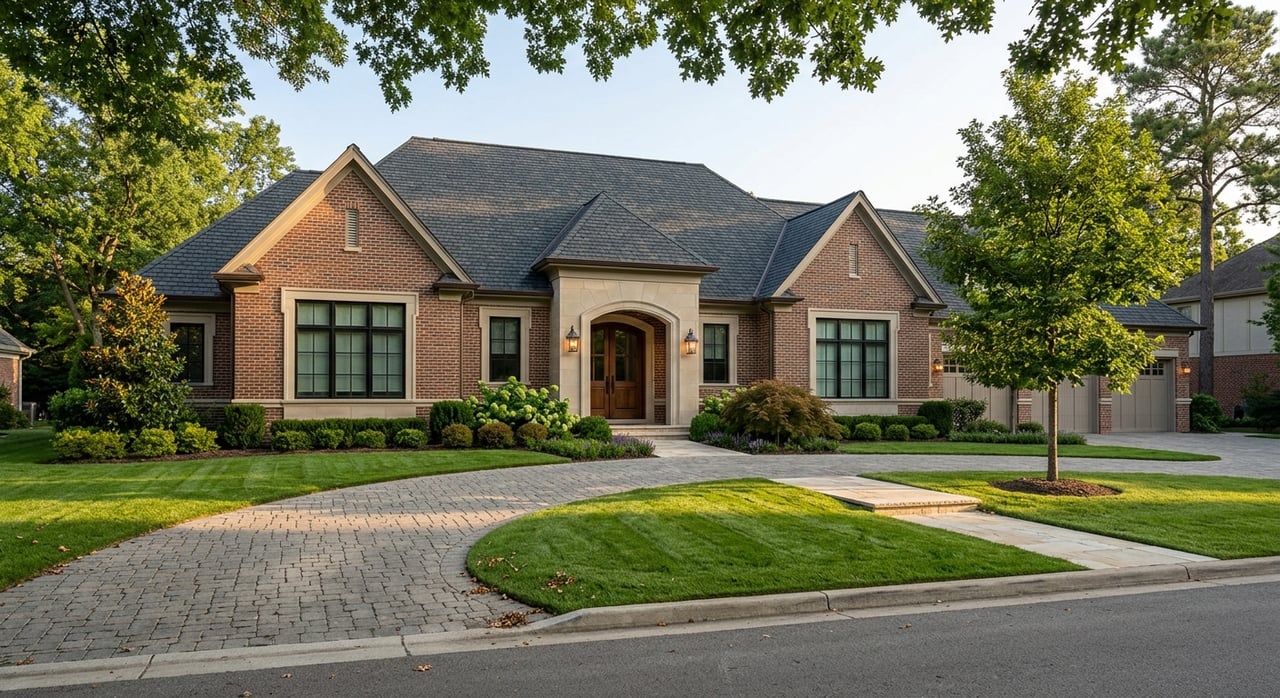
Eyeing a home in Sugarloaf Country Club and wondering how to finance it wisely? Many homes in this gated, golf community price above standard limits, which means jumbo mortgages often come into play. You want clarity on how these loans work, what lenders look for, and how to keep your offer competitive. In this guide, you’ll learn the local jumbo threshold, typical terms, appraisal and documentation tips, and smart steps for choosing financing or cash. Let’s dive in.
Jumbo loan basics
A jumbo mortgage is any loan that exceeds the conforming loan limit set by the Federal Housing Finance Agency. For 2024, the baseline single-family conforming limit is $766,550 in most counties. Gwinnett County follows the baseline limit, so loans above $766,550 are generally considered jumbo for properties in Sugarloaf Country Club.
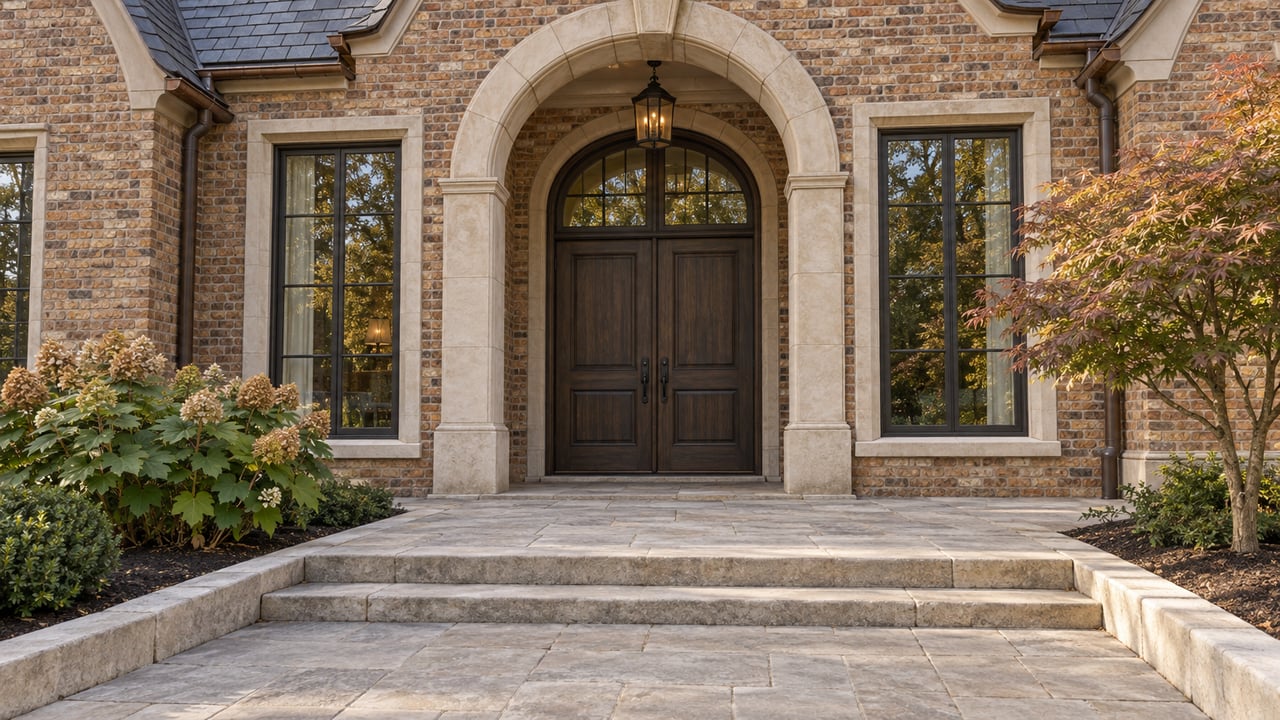
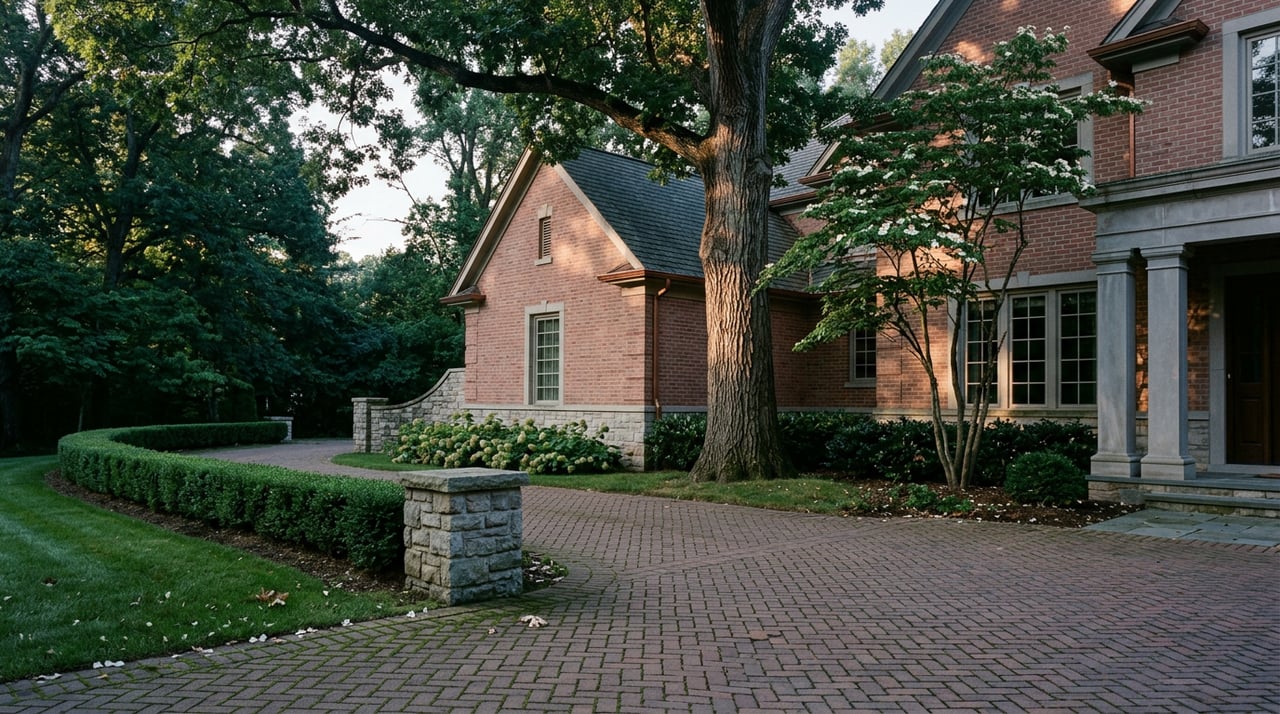
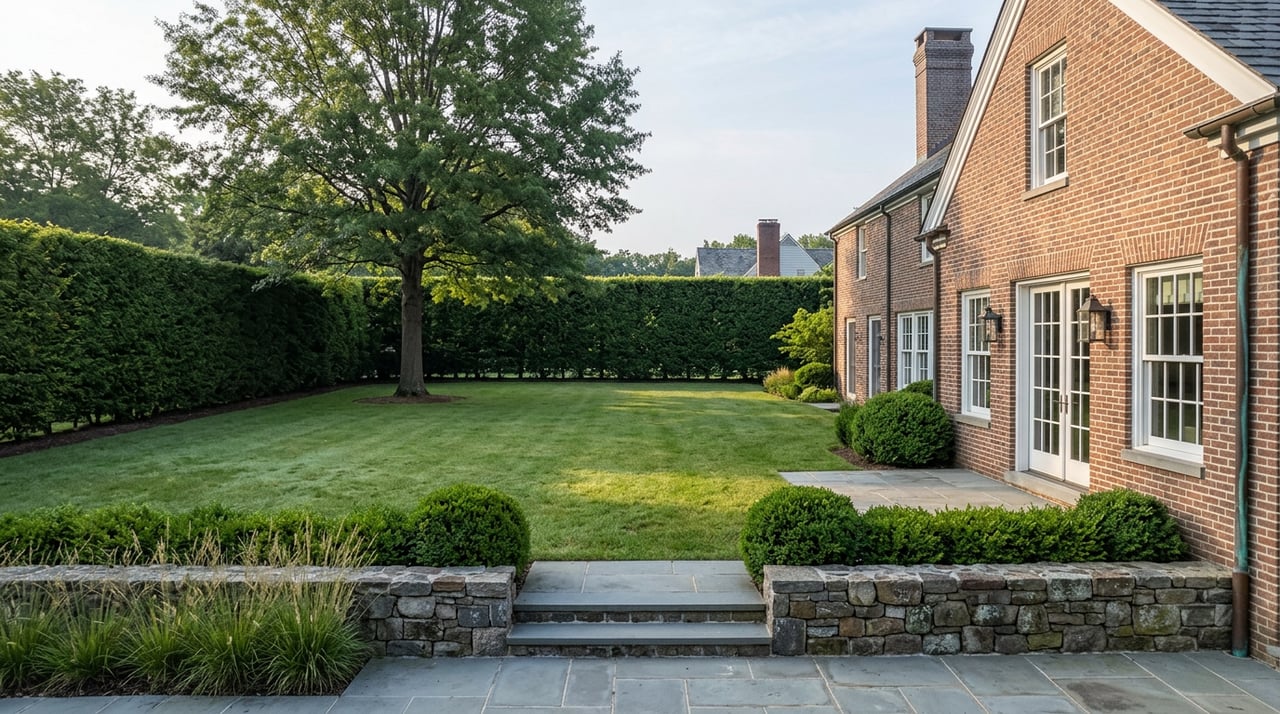
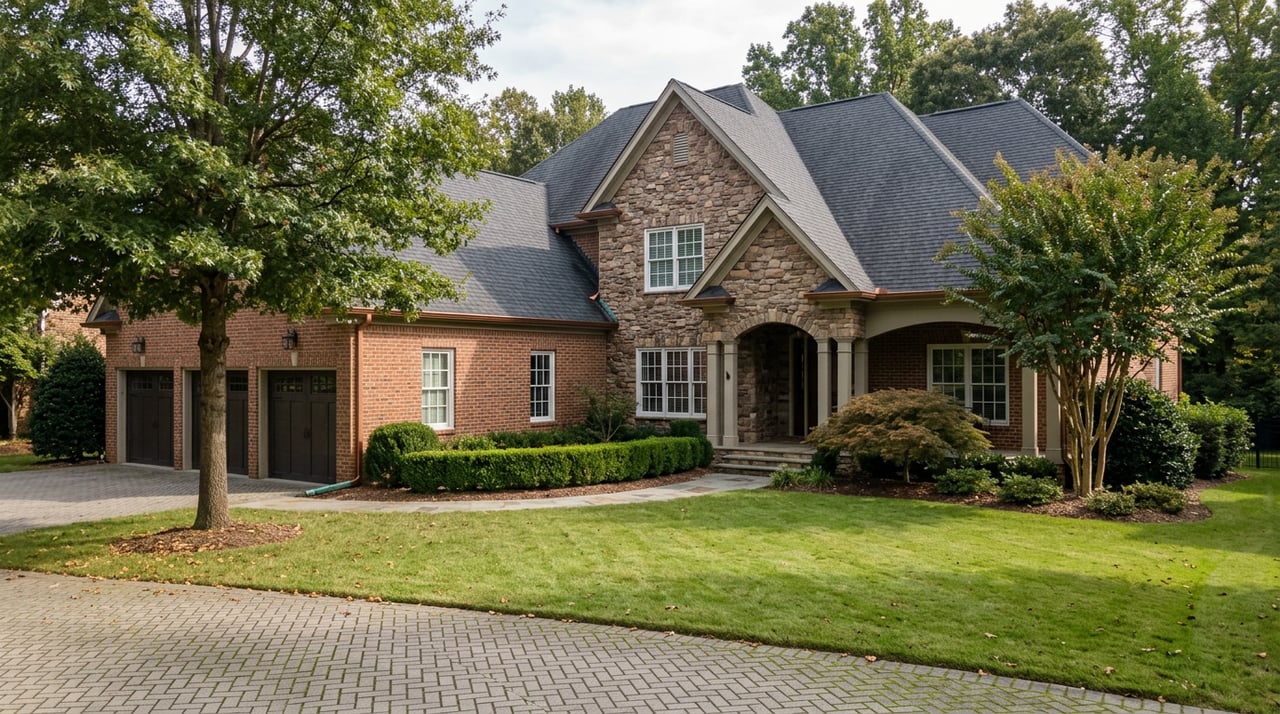
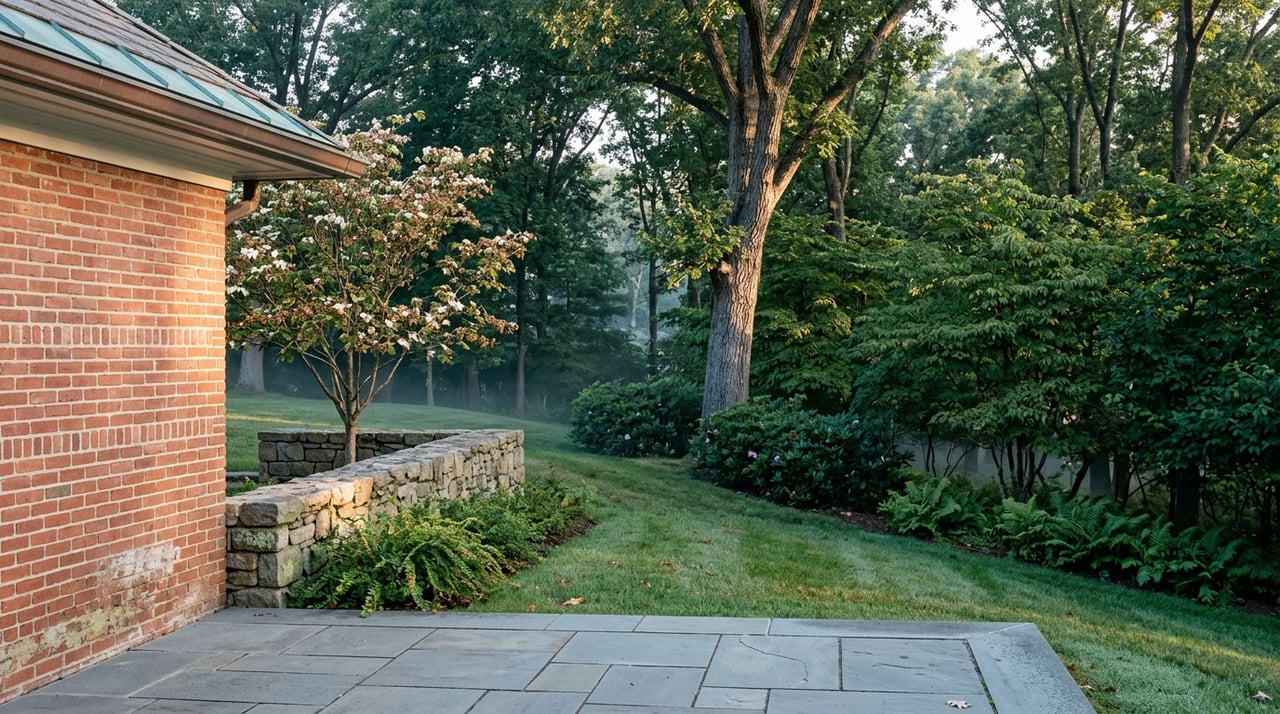
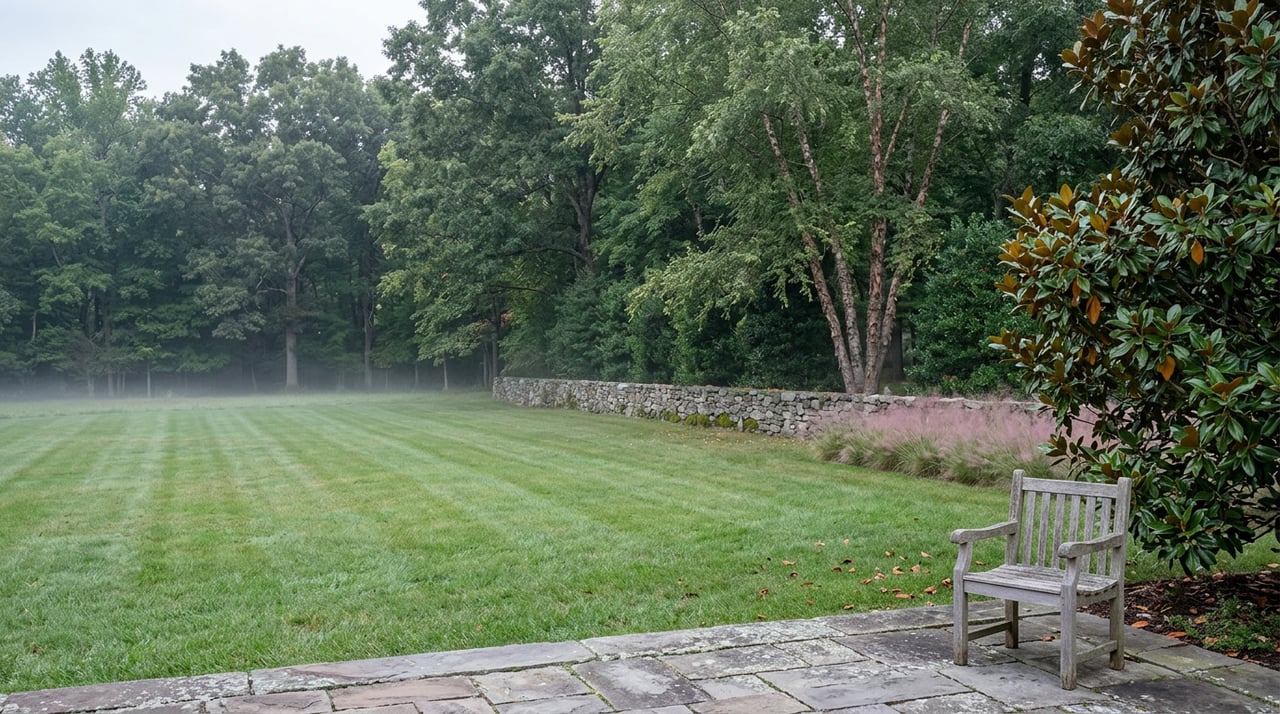
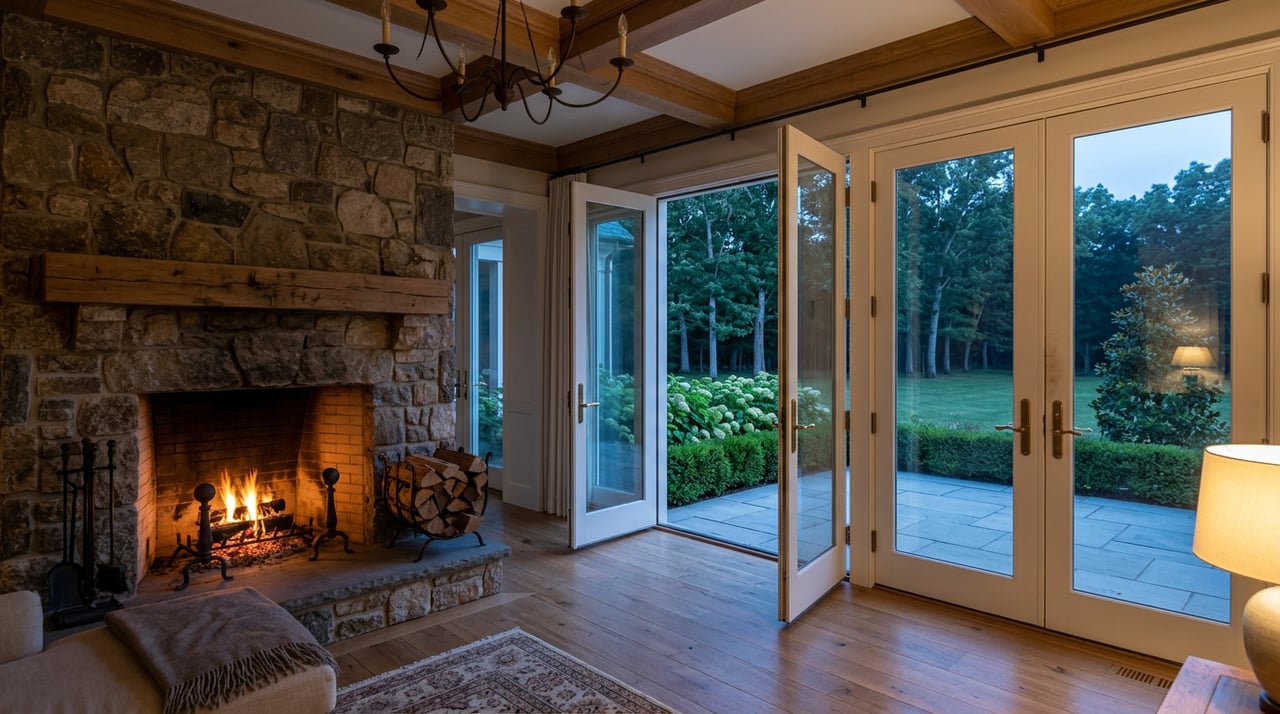
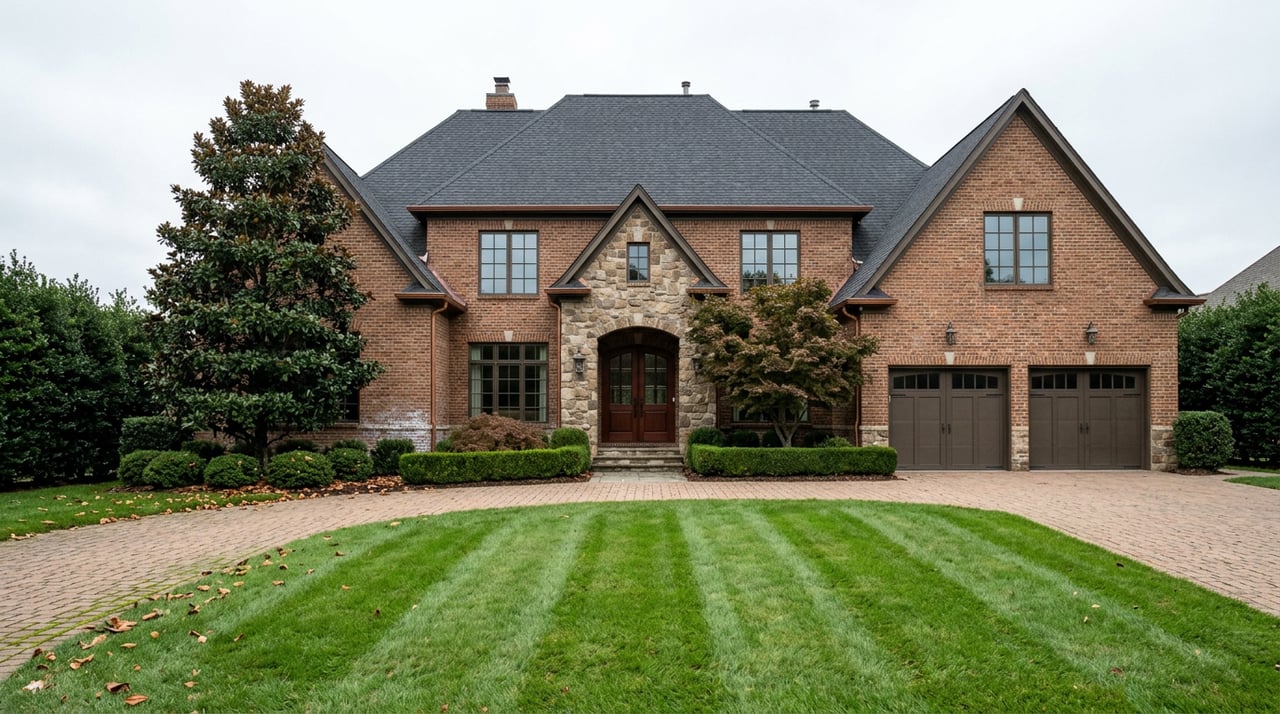
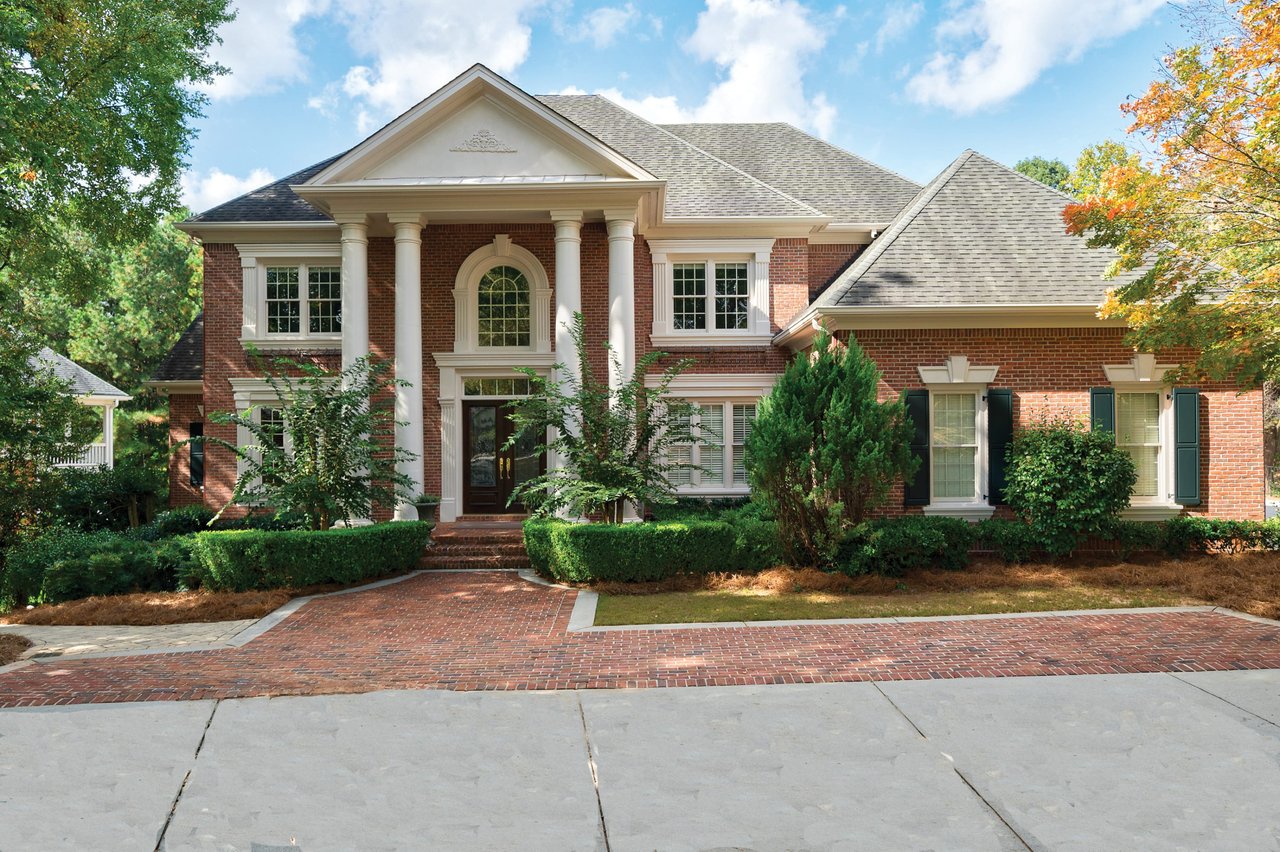
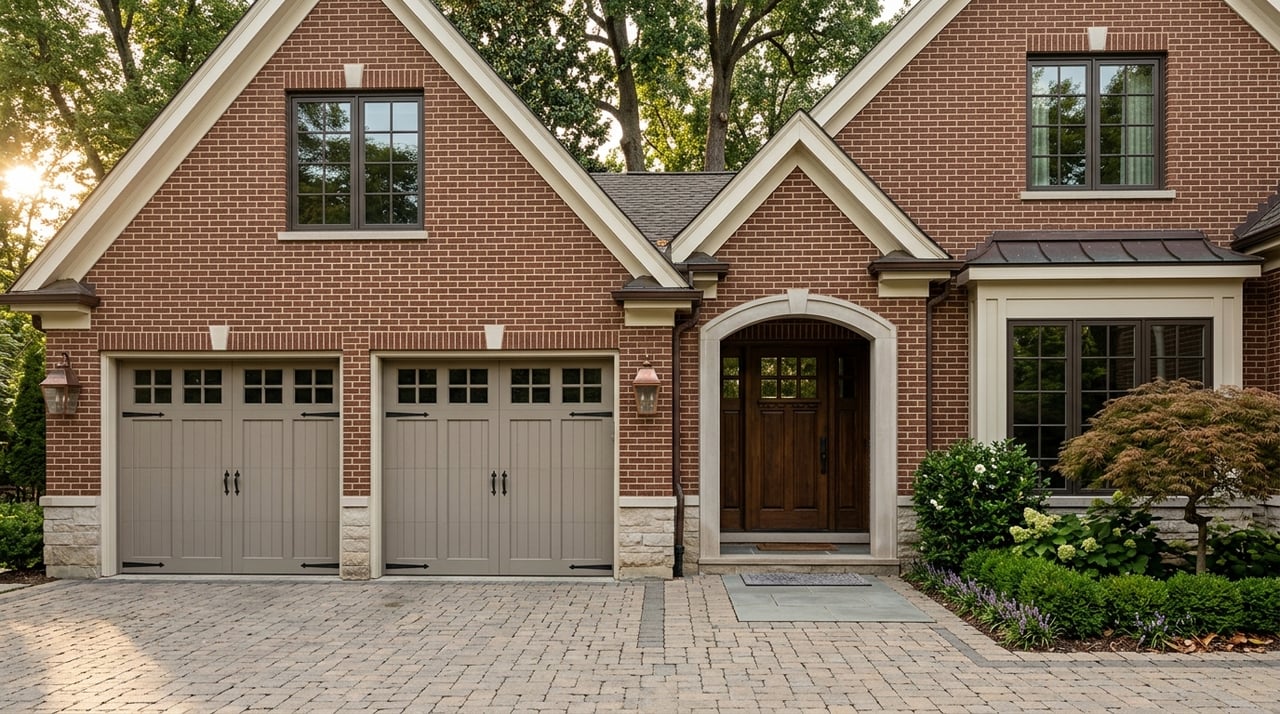
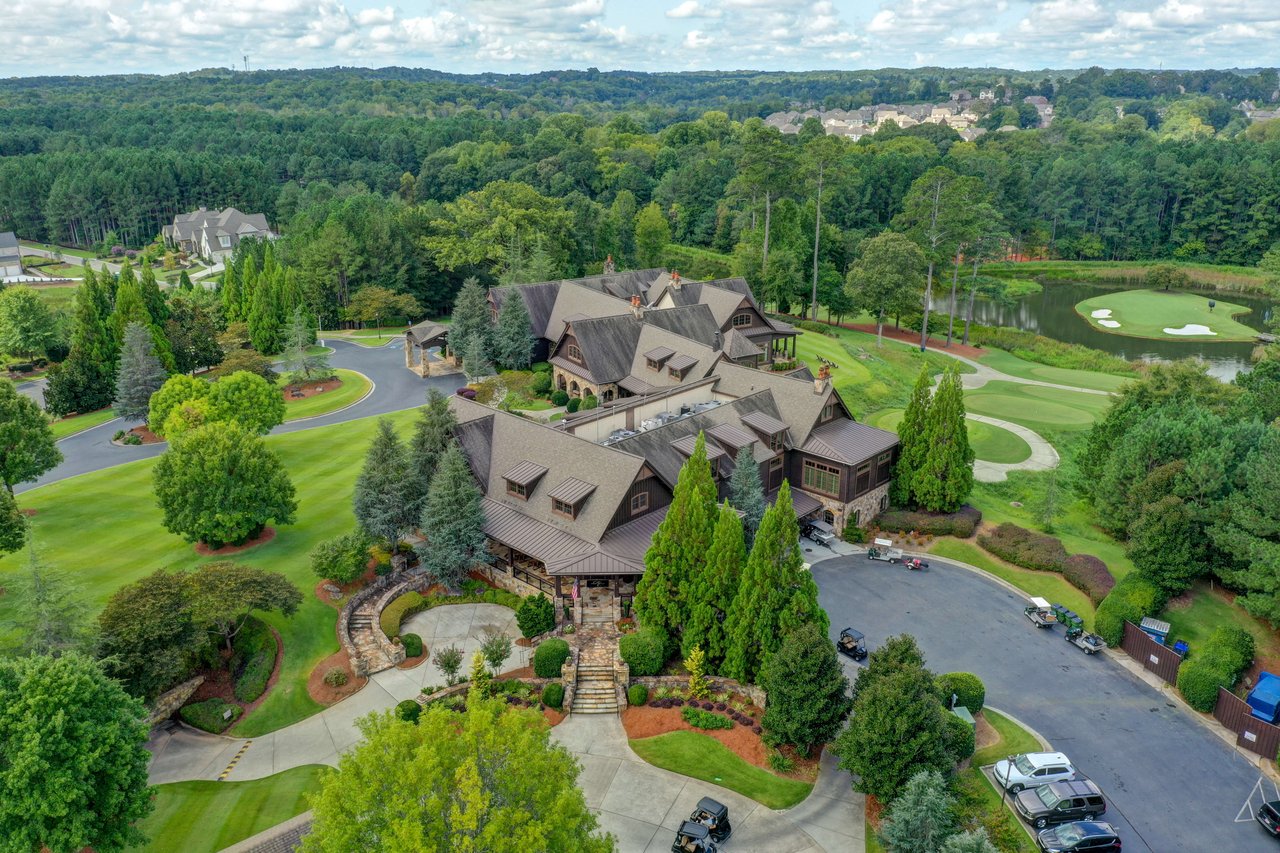
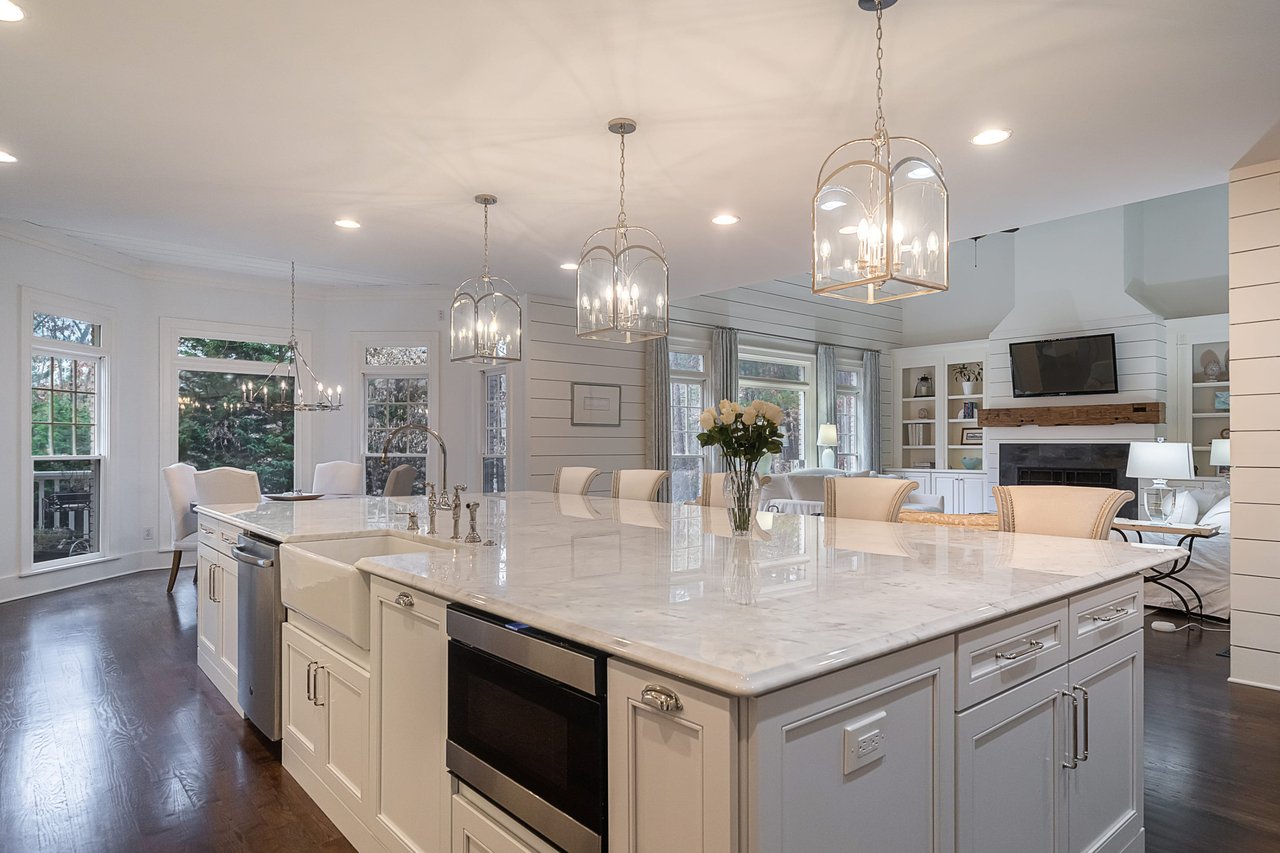
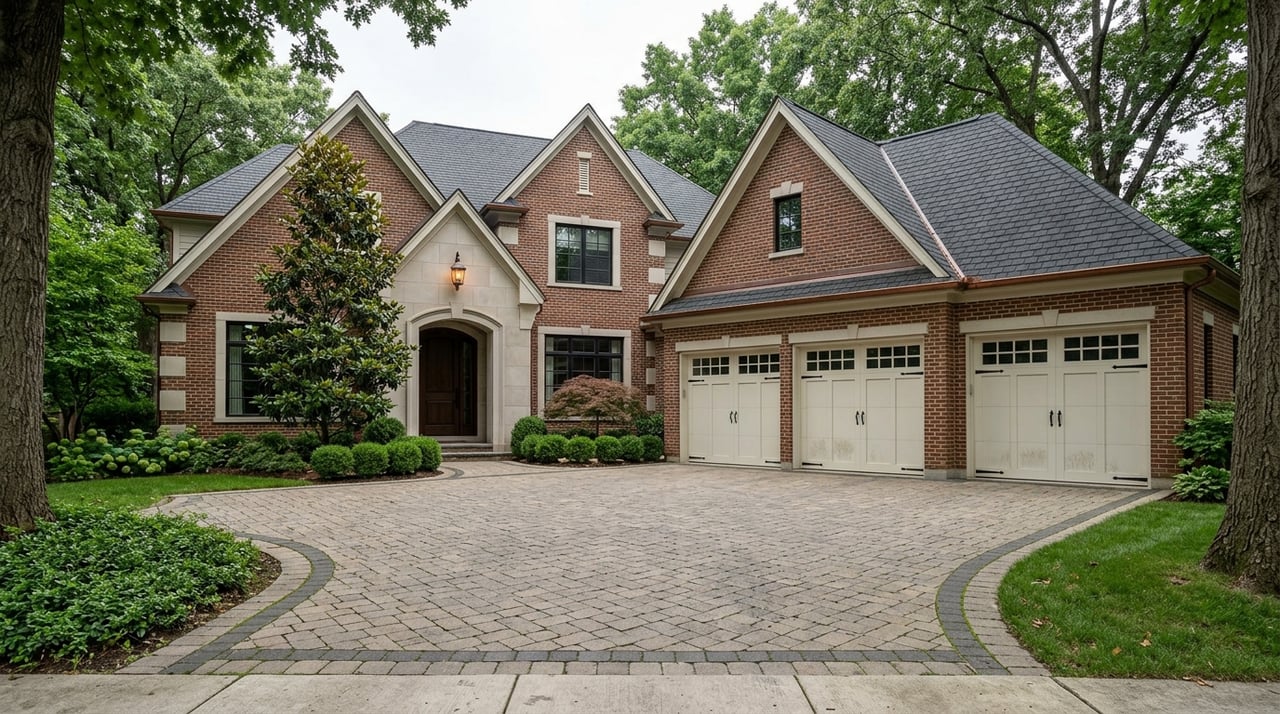
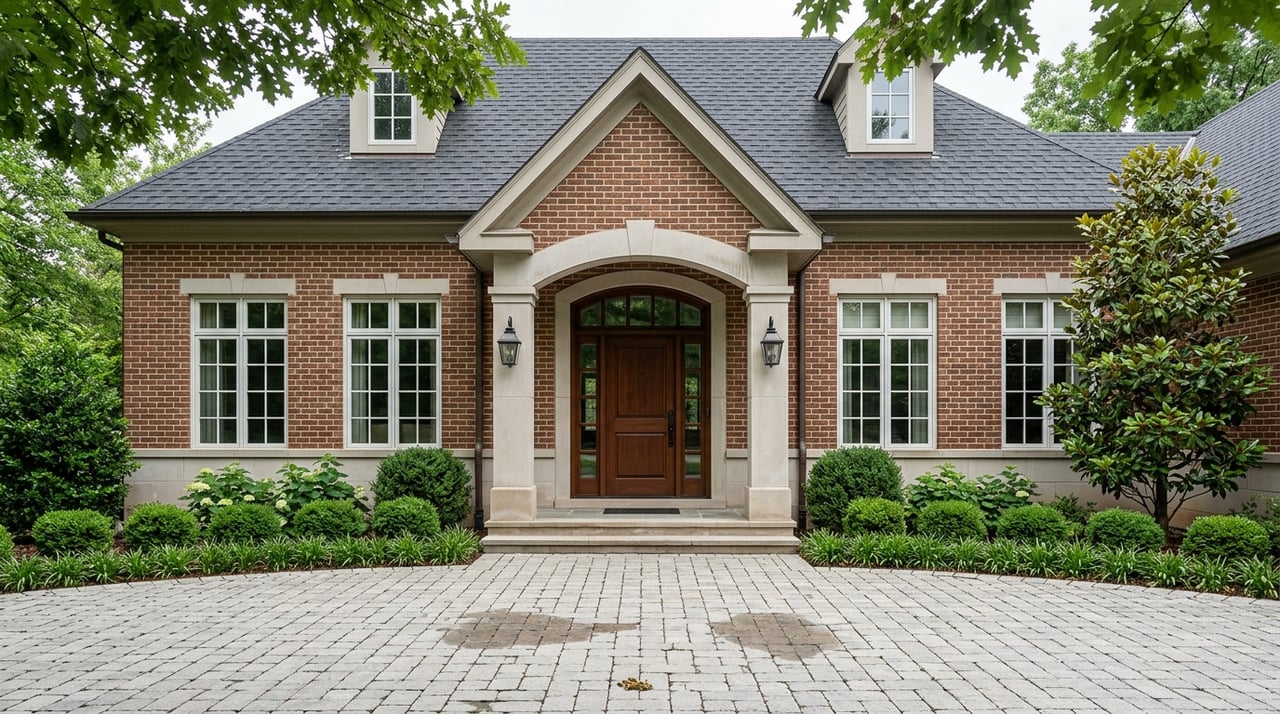
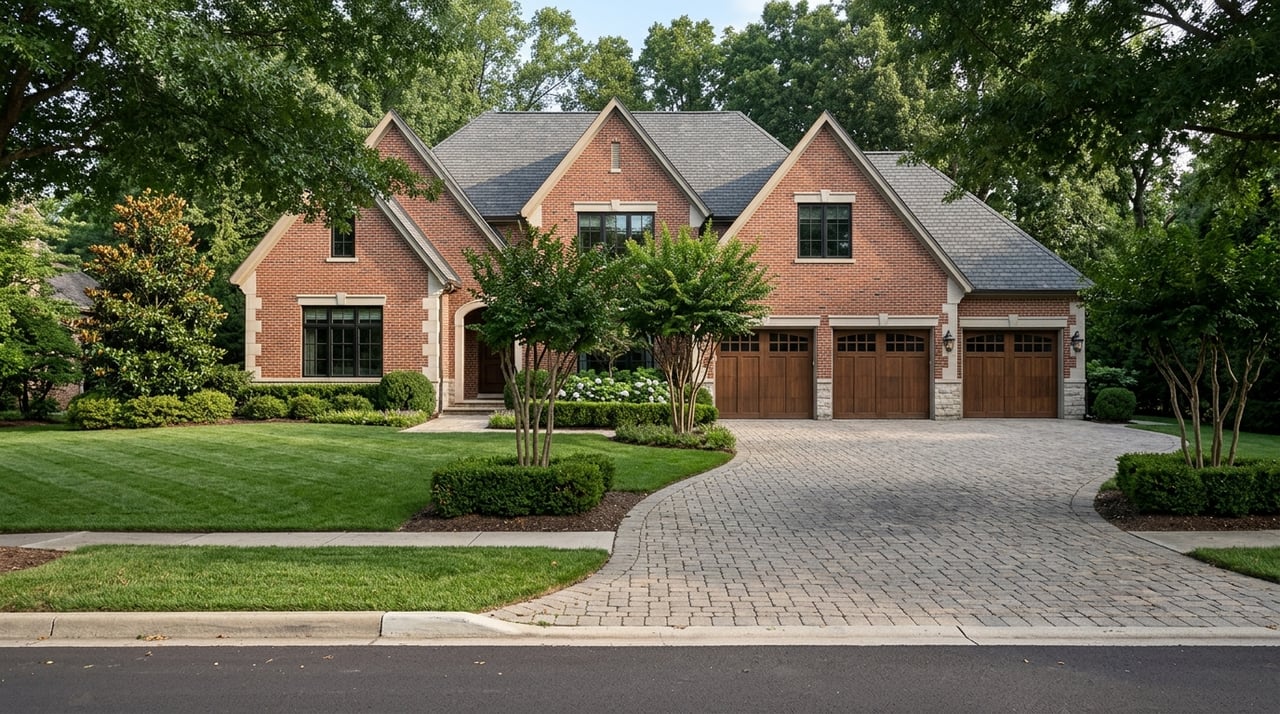
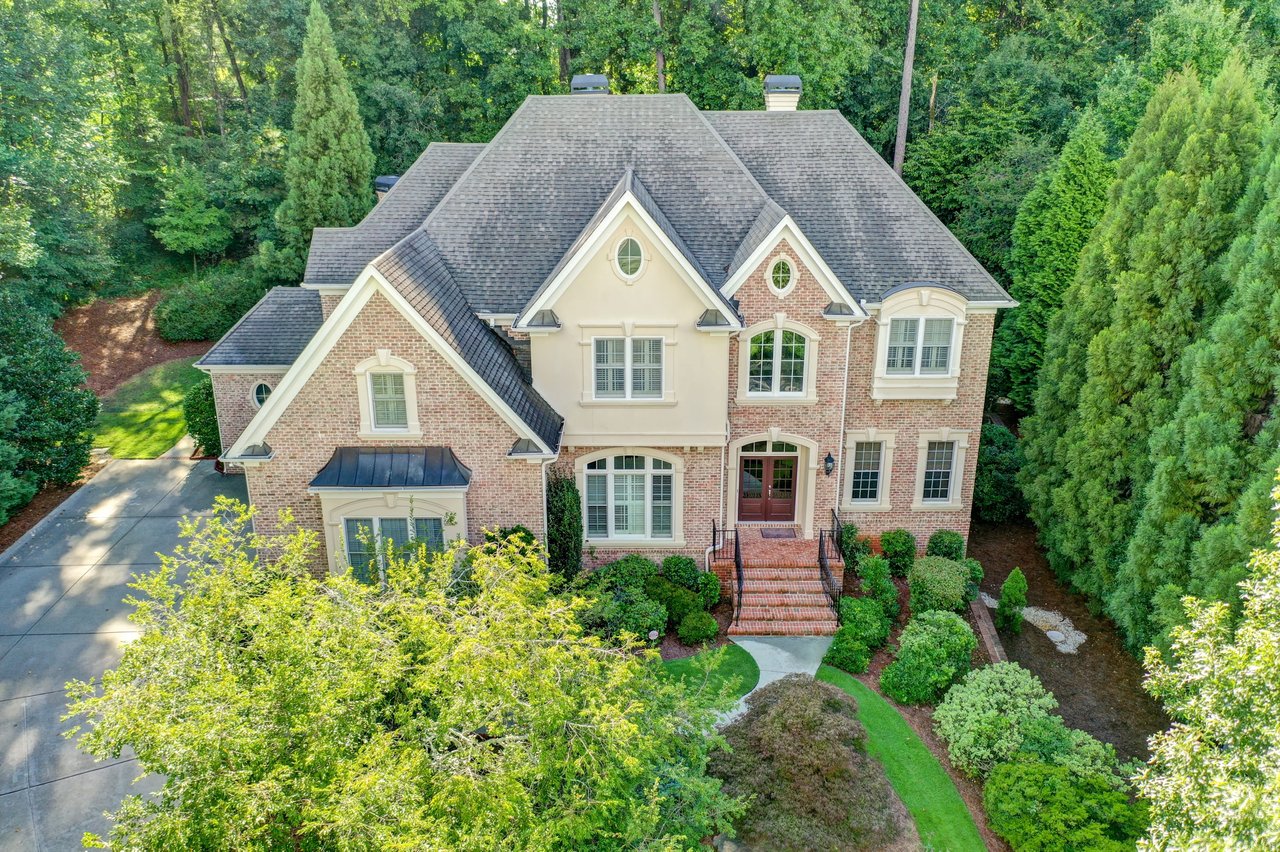
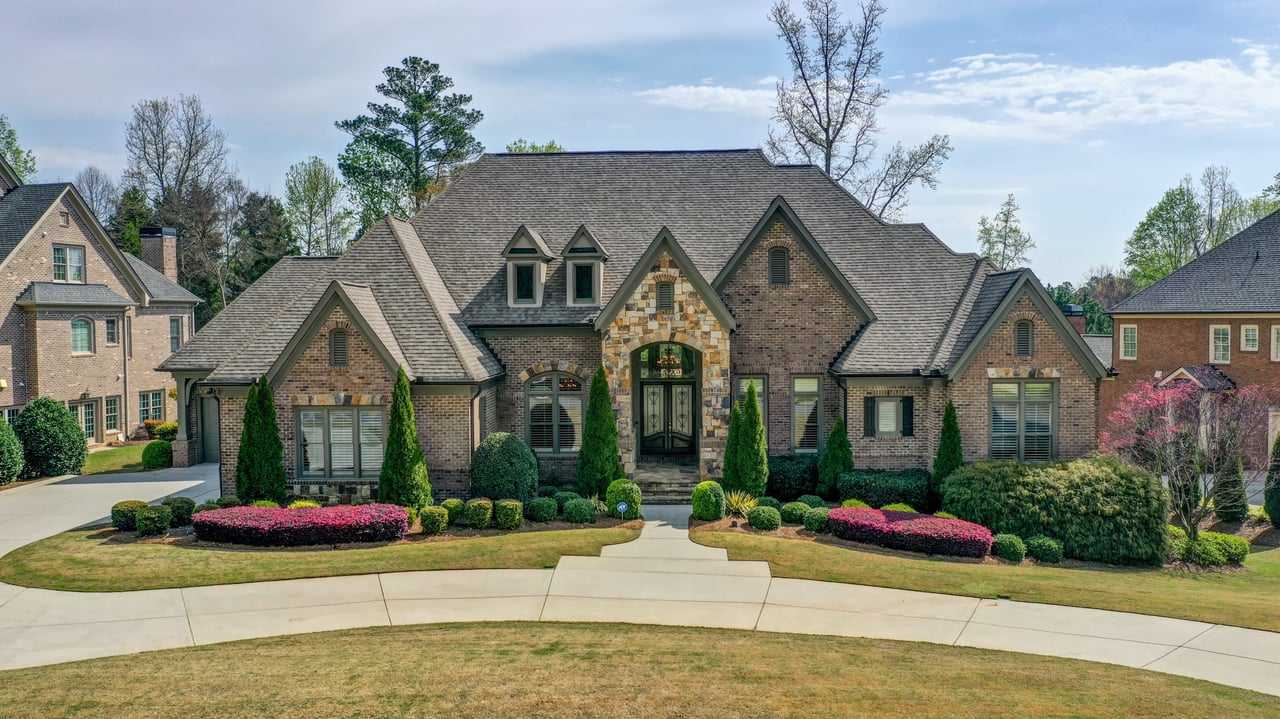
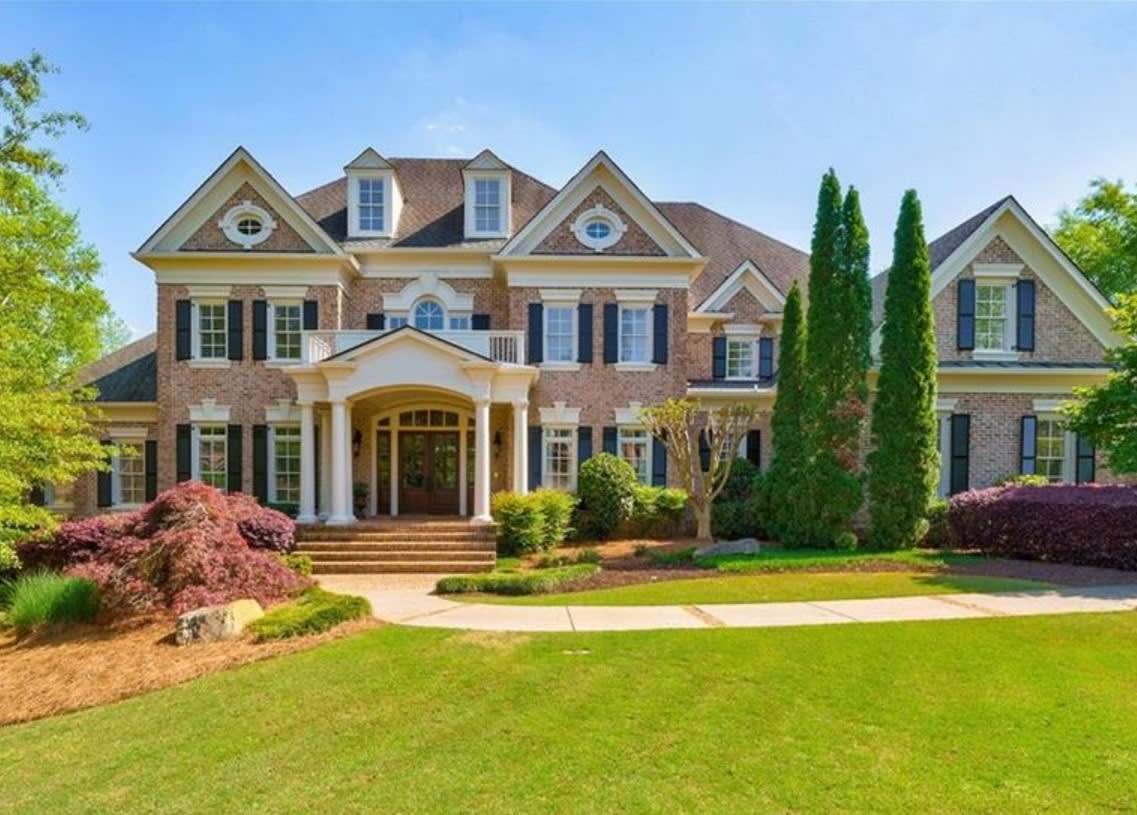
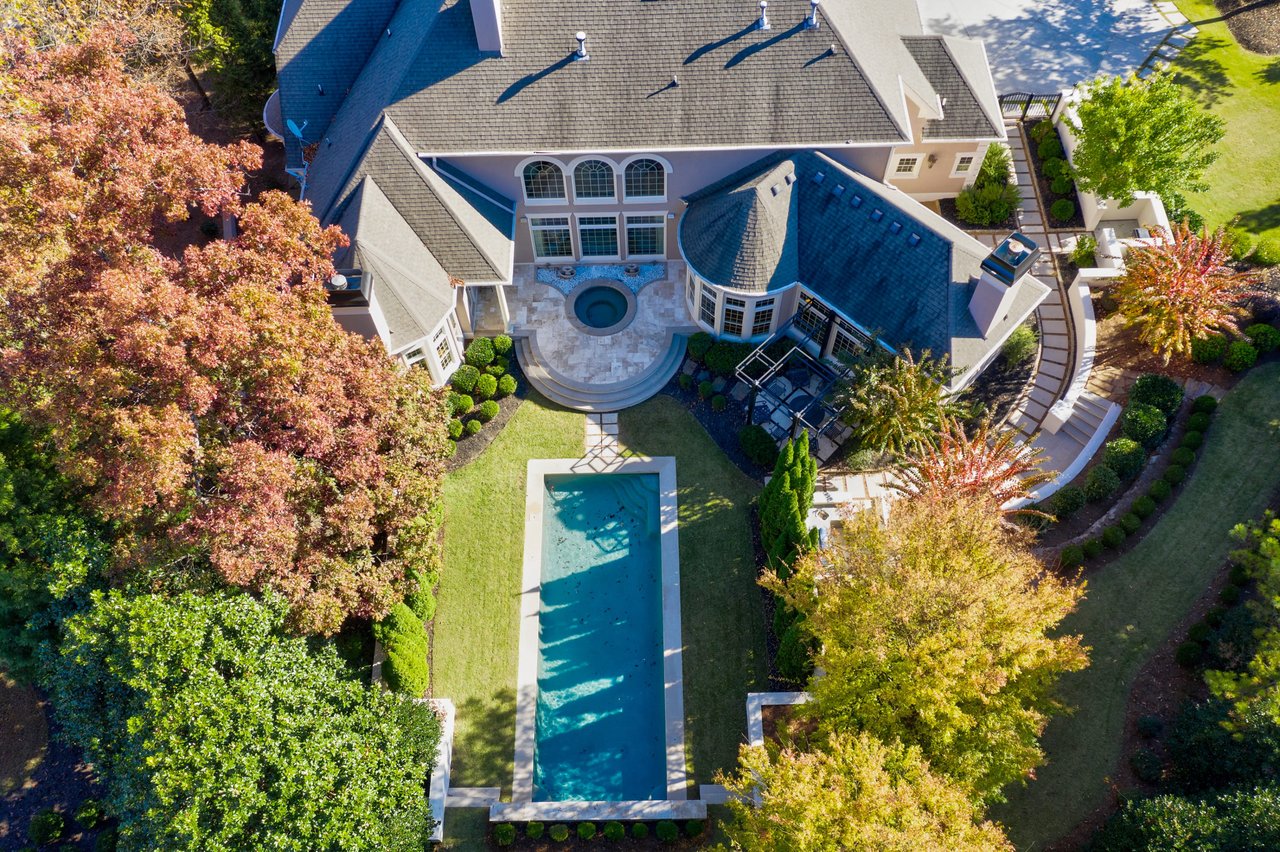
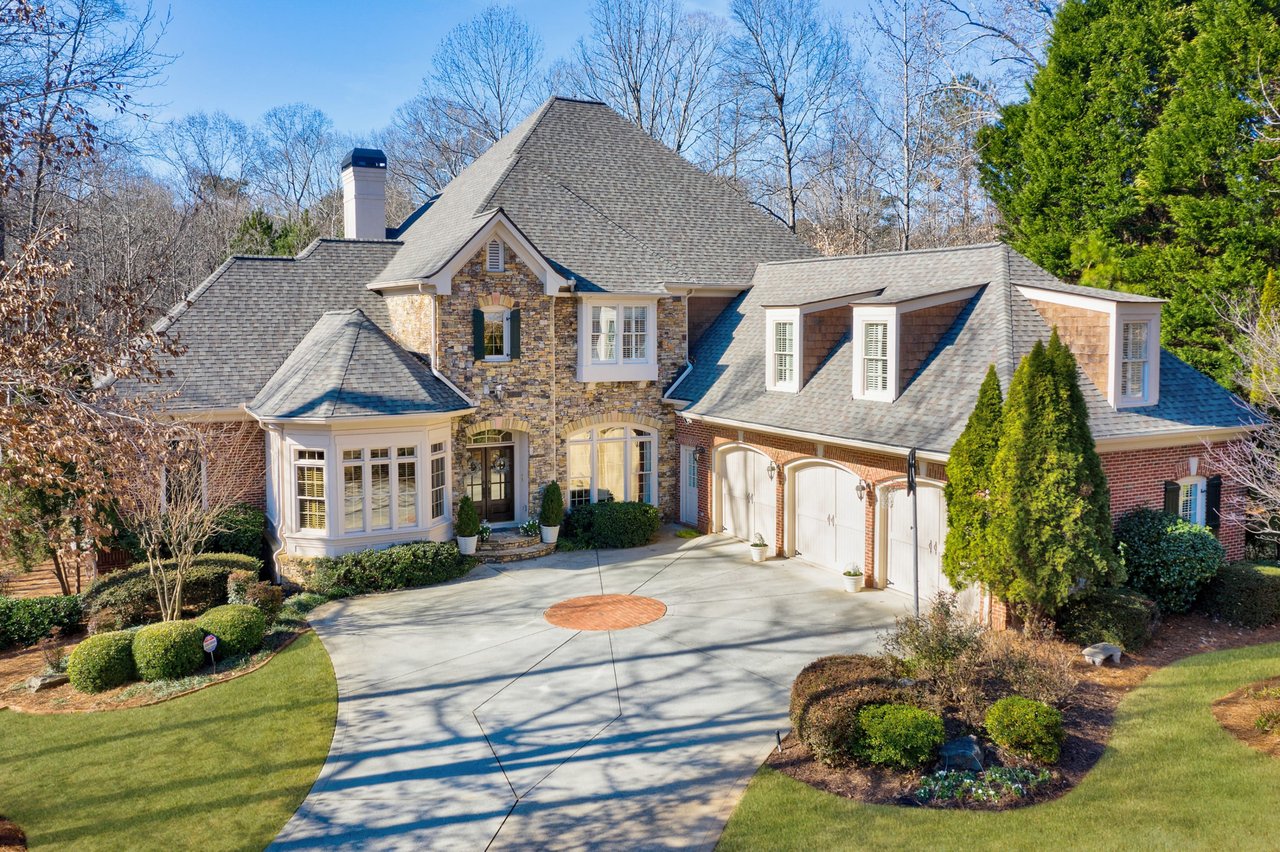
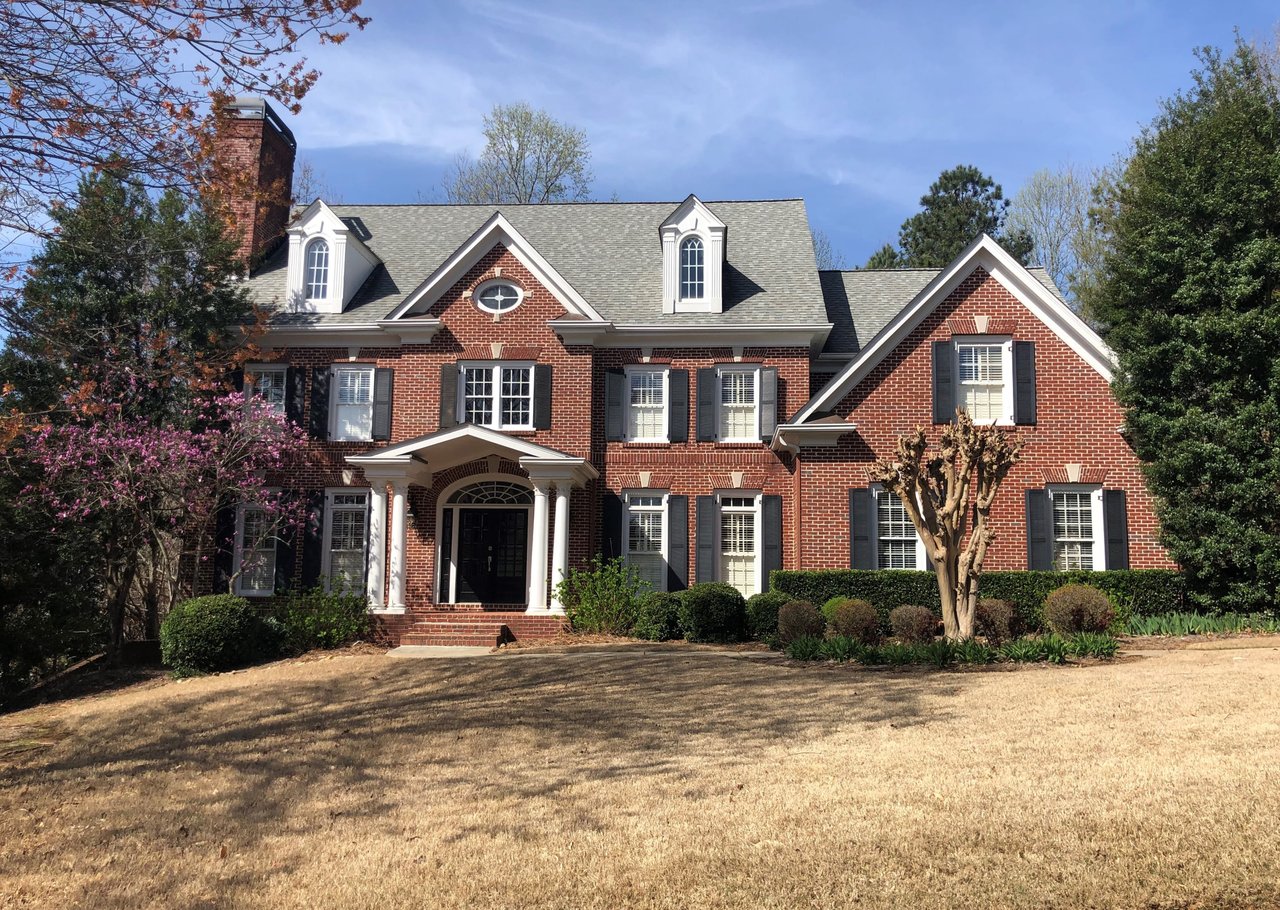
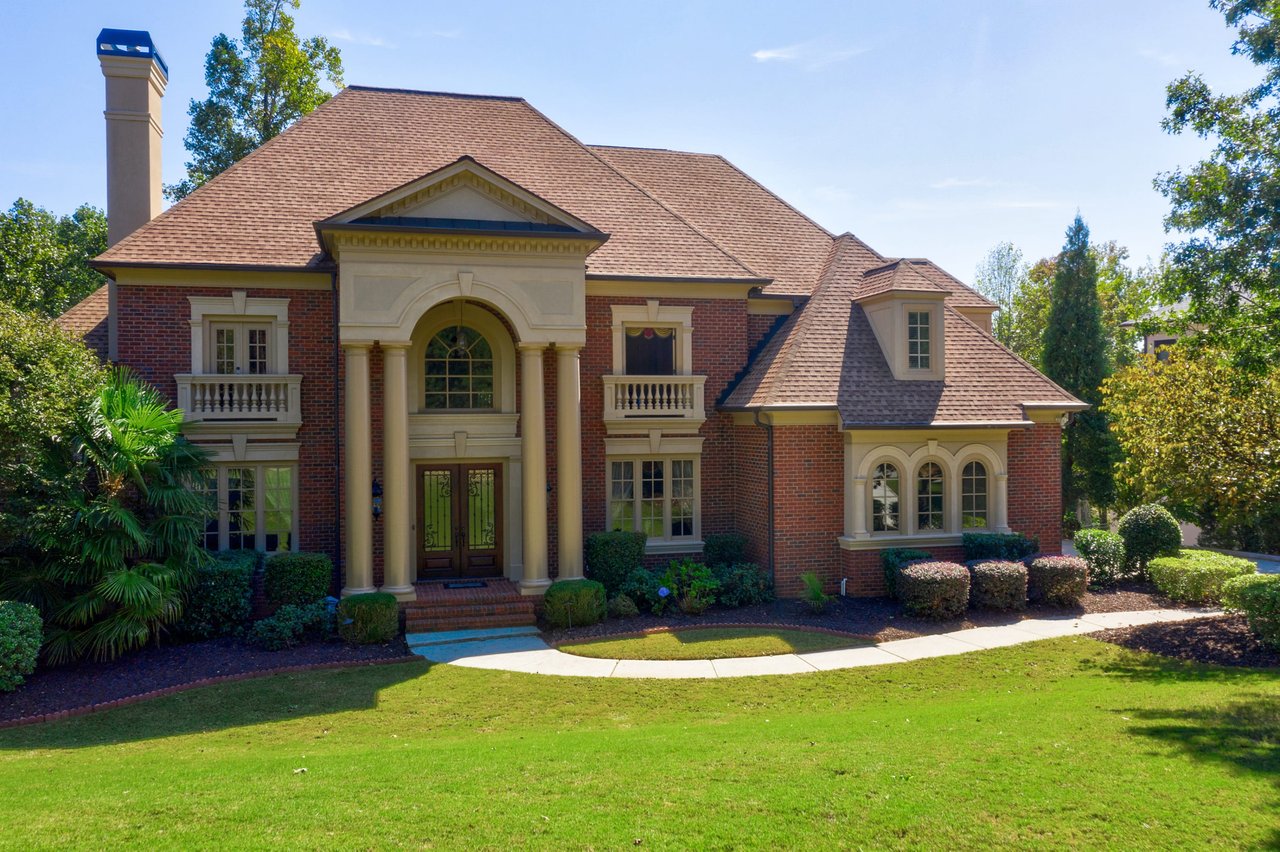
In a neighborhood with custom homes, golf-course views, and curated amenities, list prices often exceed the conforming cap. That makes jumbo financing a common and practical path for Sugarloaf buyers.
Why jumbos are common in Sugarloaf
Sugarloaf Country Club features many higher-end, amenity-rich homes that regularly list above the conforming limit. When purchase prices push beyond that threshold, you move into jumbo territory. That shift changes how lenders underwrite the loan, what documentation they require, and how much cash you may need to bring to closing.
Typical jumbo terms in 2024
Down payment and LTV
- Many jumbo programs expect 10–20% down for well-qualified borrowers. A 20% target is common to access stronger pricing and fewer overlays.
- Some portfolio lenders may offer 5–10% down to exceptional borrowers, but these options are less common and usually come with stricter requirements or higher rates.
Rates and mortgage insurance
- Jumbo rates often price slightly higher than comparable conforming loans, and spreads can shift with market conditions.
- Traditional mortgage insurance is not typically available for jumbos. Lenders price risk using loan-to-value, credit strength, and reserves, which is why higher down payments can help.
Cash reserves
- Expect stronger reserve requirements than for conforming loans. Many programs want 6 months of PITI in reserves, and higher-balance loans can require 12–24 months.
- Liquid assets matter. Lenders will verify that you can comfortably handle payments and potential financial shocks.
Appraisals in golf communities
Valuation complexity
Luxury and golf-course properties can be harder to appraise because there are fewer nearby sales with matching features. Appraisers weigh details like bedroom and bath counts, lot size and view, quality of renovations, and community amenities that carry market value.
Appraisal depth and timing
Jumbo lenders typically require a full interior and exterior appraisal. For higher loan amounts, some lenders order a second review. Appraisal timelines and fees are often higher than for conforming loans, so plan accordingly.
Contract implications
If an appraisal comes in below the contract price, you will need a plan: bring more cash, renegotiate the price, or cancel under the appraisal contingency. To reduce risk, consider sharing recent comparable sales, providing renovation receipts, and securing community documentation that supports value before or right after going under contract.
Documents to prepare for underwriting
Standard documentation
- 2 years of federal tax returns with all schedules, plus 2 years of W-2s if salaried
- Recent pay stubs covering 30 days, if employed
- 12–24 months of bank statements for personal and business accounts, as requested
- Statements for investment and retirement accounts to verify reserves
- Evidence of funds for down payment and closing, with a full paper trail
- Executed purchase contract and HOA or club documents for the property
- Explanations and documentation for large deposits or transfers
Alternative documentation options
Some lenders offer bank-statement or asset-depletion programs, especially for self-employed or high-net-worth buyers. These programs evaluate income differently and often carry higher pricing, stricter reserve requirements, or tailored structures like interest-only payments through private-bank or portfolio lending.
DTI and compensating factors
Jumbo lenders may allow higher debt-to-income ratios when offset by strong credit, significant liquid assets, or very stable income. Expect underwriters to request clear documentation for these compensating strengths.
Turnaround expectations
Jumbo loans undergo more detailed reviews and can take longer than conforming loans. Build extra time into your contract timeline and respond quickly to any lender requests for additional statements, clarifications, or updated documents.
Local costs that affect qualifying
HOA and club fees
Sugarloaf homes typically include HOA dues, and some purchases involve separate country-club initiation and annual fees. Lenders treat mandatory HOA assessments as recurring debt, which affects your qualifying ratios and reserve calculations. Obtain current dues schedules and fee disclosures early and share them with your lender.
Property taxes and insurance
Gwinnett County property taxes and your homeowner’s insurance feed into your monthly PITI and reserve requirements. Confirm the home’s tax history and make sure you have an accurate insurance quote. If the property sits in a special flood zone, your lender may require additional coverage.
Georgia closing practices
In Georgia, closings are handled by title companies or settlement agents, and many buyers engage local real estate attorneys. Lenders will require lender’s title insurance and standard payoff procedures. If you plan to close quickly or pay cash, you still need customary closing documentation.
Pre-approval vs. prequalification
For jumbo offers, a full pre-approval that verifies income, assets, and reserves underwrites the file to a much stronger standard than a basic prequalification. A pre-underwritten approval can improve your negotiating position in Sugarloaf’s competitive environment.
Timeline and buyer checklist
Early: pre-offer
- Confirm whether your target price will require a jumbo loan by checking current conforming limits for Gwinnett County.
- Complete a full jumbo pre-approval with an Atlanta and Gwinnett-experienced lender.
- Gather HOA and club fee details in advance if possible.
Under contract: first 0–21 days
- Order a full appraisal immediately and allow extra time for a luxury property.
- Deliver requested documents quickly: tax returns, bank and investment statements, and explanations for large transfers.
- Confirm insurance quotes and title requirements.
Underwriting to clear to close: 21–45+ days
- Respond promptly to conditions, including requests for additional statements or updated documents.
- Coordinate any large fund transfers with your lender’s instructions to avoid seasoning issues.
- Expect more than one round of conditions on a jumbo file.
Closing
- Verify final funds, HOA estoppel details, and club initiation or transfer steps that may run parallel to closing.
- Review the closing package and fund wire instructions carefully.
Finance vs. cash in Sugarloaf
Benefits of financing
- Preserve liquidity for investments, renovations, and club initiation fees
- Potential mortgage interest tax benefits, depending on your situation
- Strategic leverage in a changing market
Benefits of cash
- Faster closing timelines and fewer financing contingencies
- No interest expense and no risk of appraisal shortfall
- Strong negotiating position in tight inventory scenarios
Hybrid approaches
- Bridge financing or portfolio solutions to align purchase and liquidity timelines
- Larger down payment to move the loan below the conforming limit if feasible
- Interest-only structures through private-bank or portfolio lenders in select cases
Model your options by comparing the full cost of borrowing to the opportunity cost of using cash today. Factor in reserve requirements, realistic closing timelines, and seller preferences in Sugarloaf.
Action steps for Sugarloaf buyers
- Verify the current year’s conforming loan limit for Gwinnett County.
- Secure a full jumbo pre-approval with a lender experienced in Atlanta and Gwinnett luxury files.
- Gather 24 months of tax returns and at least 12–24 months of bank and investment statements now.
- Obtain HOA and club documentation early to avoid DTI or reserve surprises.
- Order the appraisal as soon as you are under contract and budget for higher cost and longer turn time.
- Consult your tax advisor and financial planner to align financing or cash with your broader plan.
- Coordinate with local title and closing professionals on Georgia-specific practices and recording fees.
If you want vetted introductions to jumbo-experienced local lenders or guidance on structuring a winning offer in Sugarloaf, our team is here to help. Start a private conversation with the Floyd Real Estate Group to map your best path.
FAQs
What counts as a jumbo loan in Gwinnett in 2024?
- Any single-family loan amount above $766,550 exceeds the conforming limit and is generally treated as a jumbo in Gwinnett County, including Sugarloaf Country Club.
How much down payment do I need for a jumbo in Sugarloaf?
- Many buyers target 10–20% down; some portfolio programs allow 5–10% for exceptional profiles, often with tighter criteria or higher pricing.
How long does a jumbo closing take in Duluth?
- Plan for roughly 21–45+ days, depending on appraisal timing, documentation complexity, and underwriting conditions typical of higher-balance loans.
Do HOA and club fees affect jumbo loan approval?
- Yes. Mandatory HOA dues and club fees can count toward debt-to-income calculations and affect reserve requirements, so provide fee schedules to your lender early.
What is different about appraisals for Sugarloaf homes?
- Appraisals often require deeper analysis due to custom features and golf views, and may take longer or cost more. Strong comps and documented upgrades help support value.