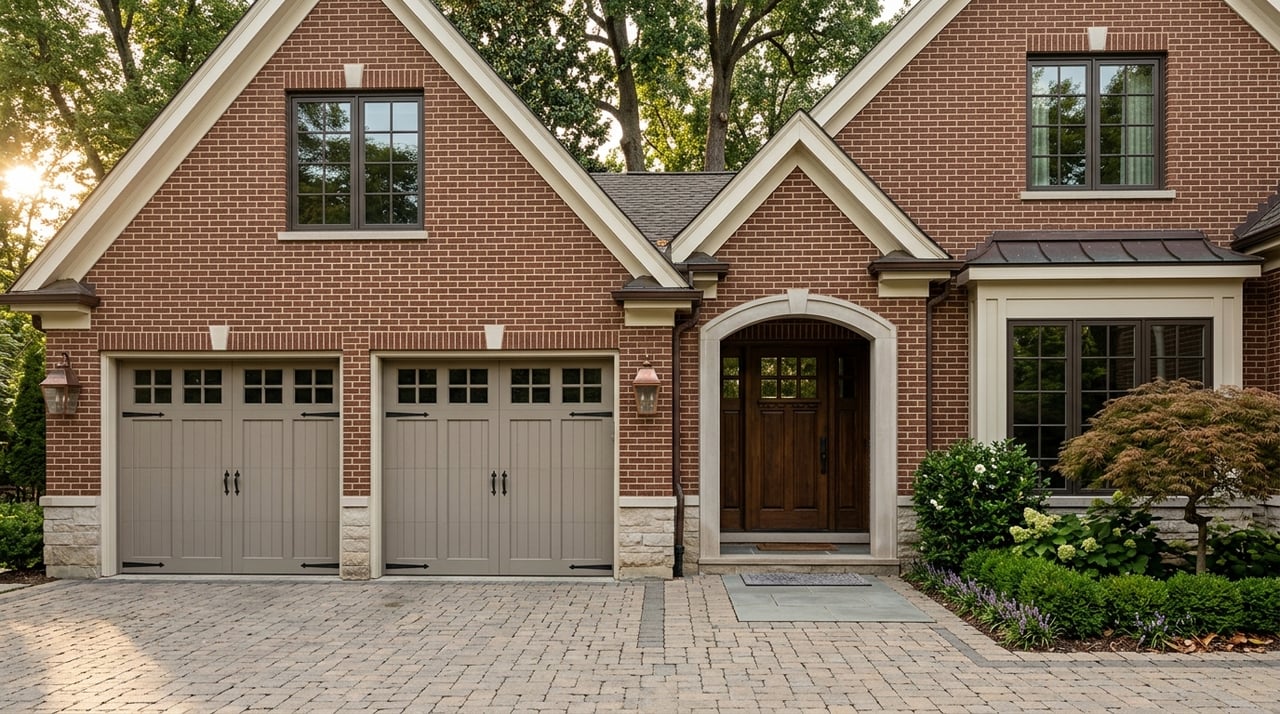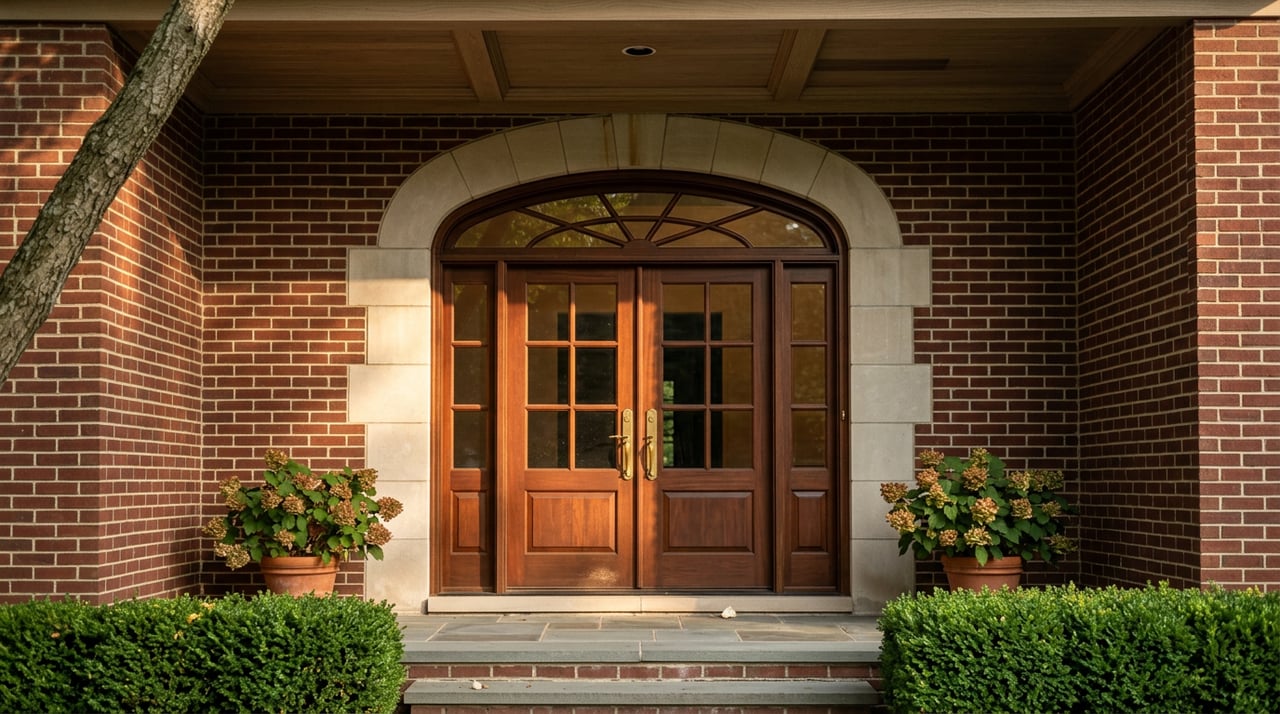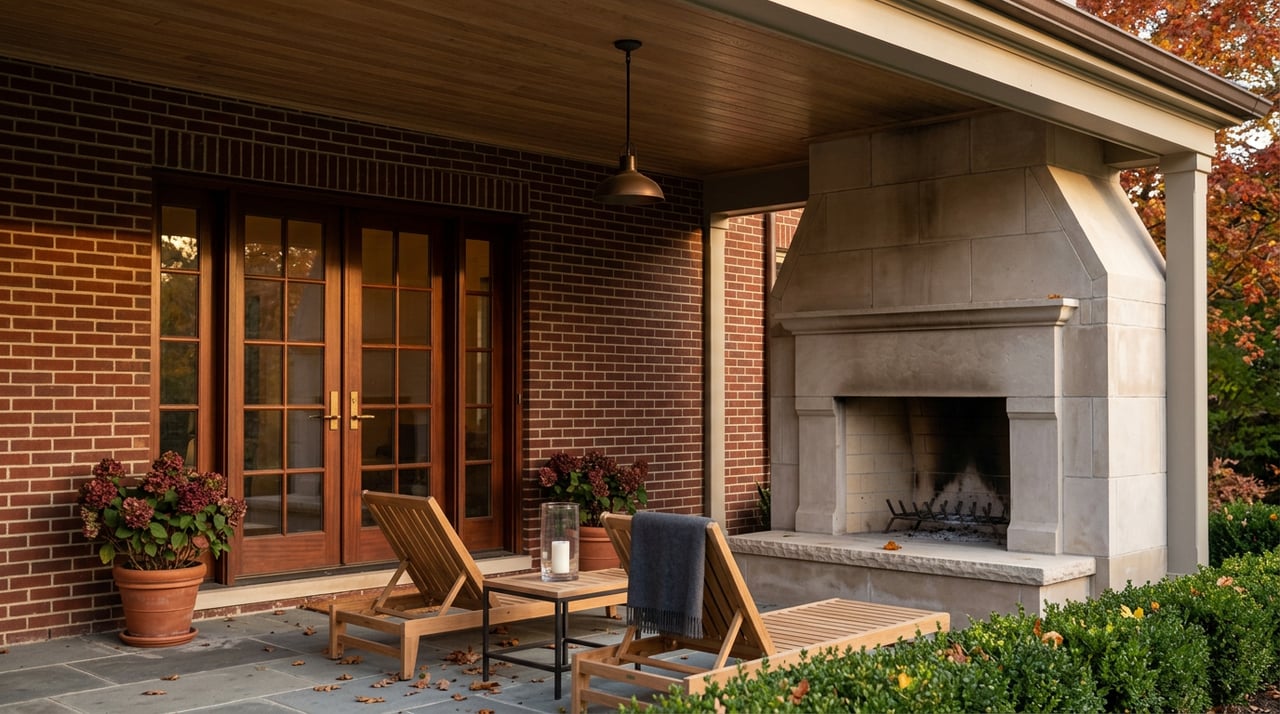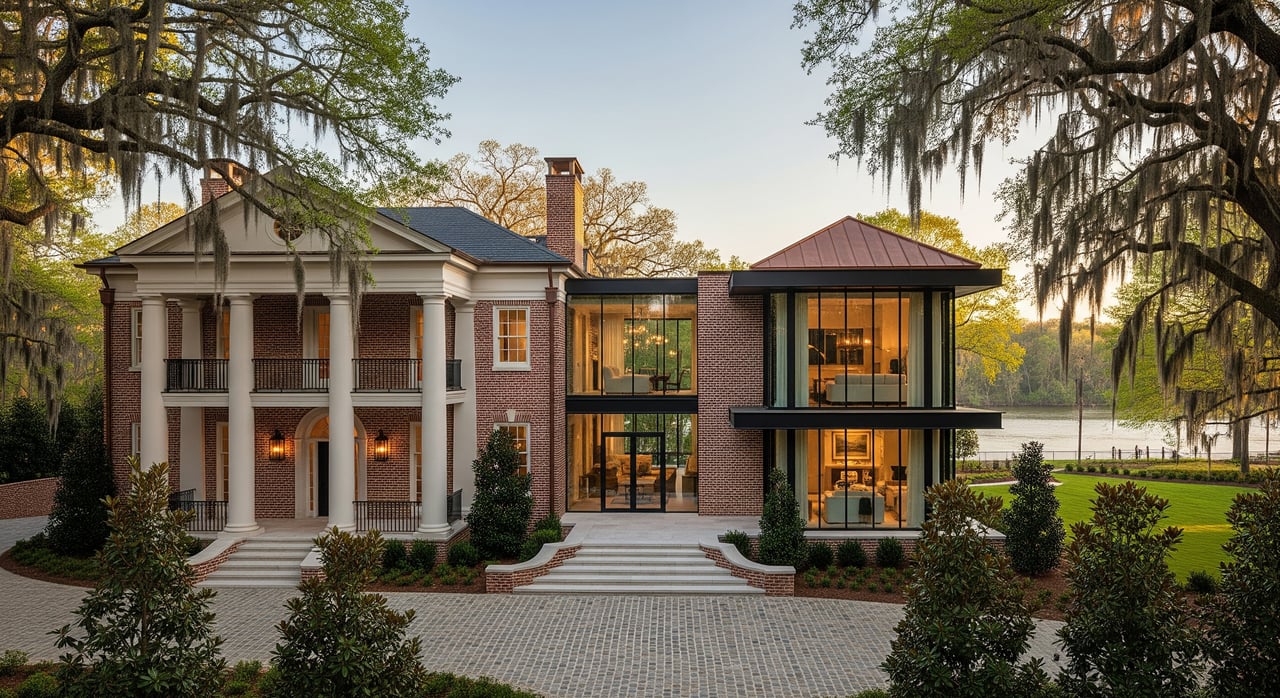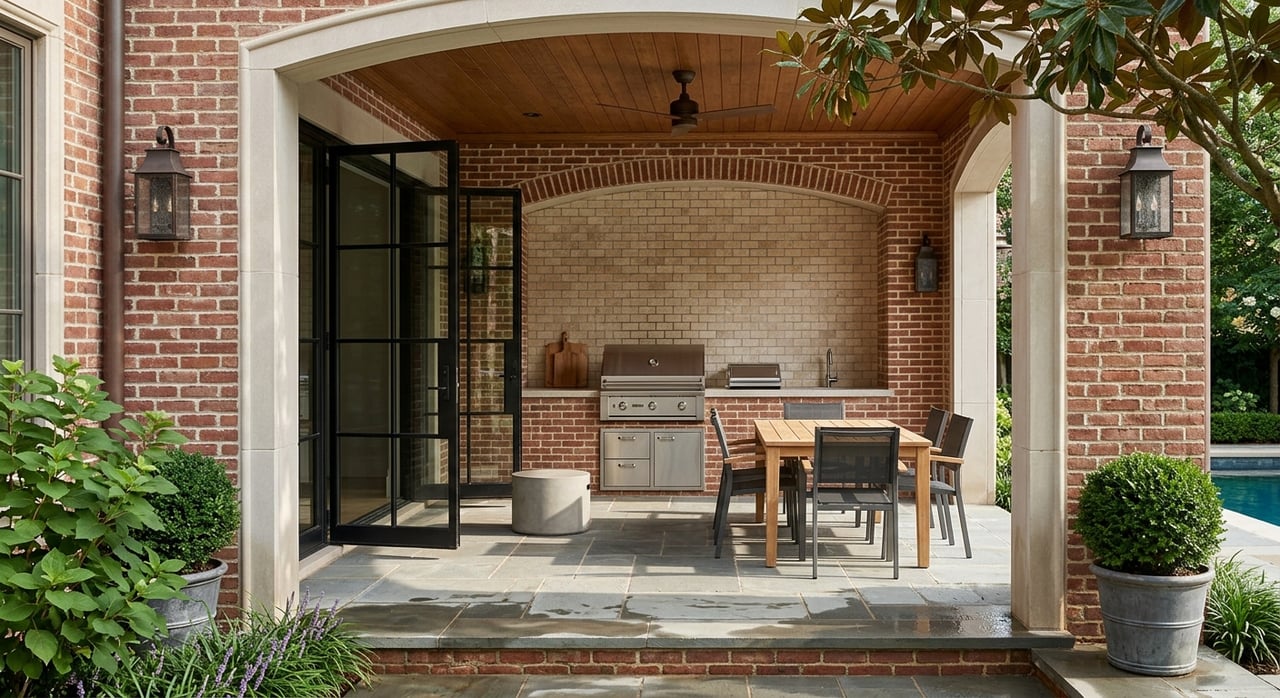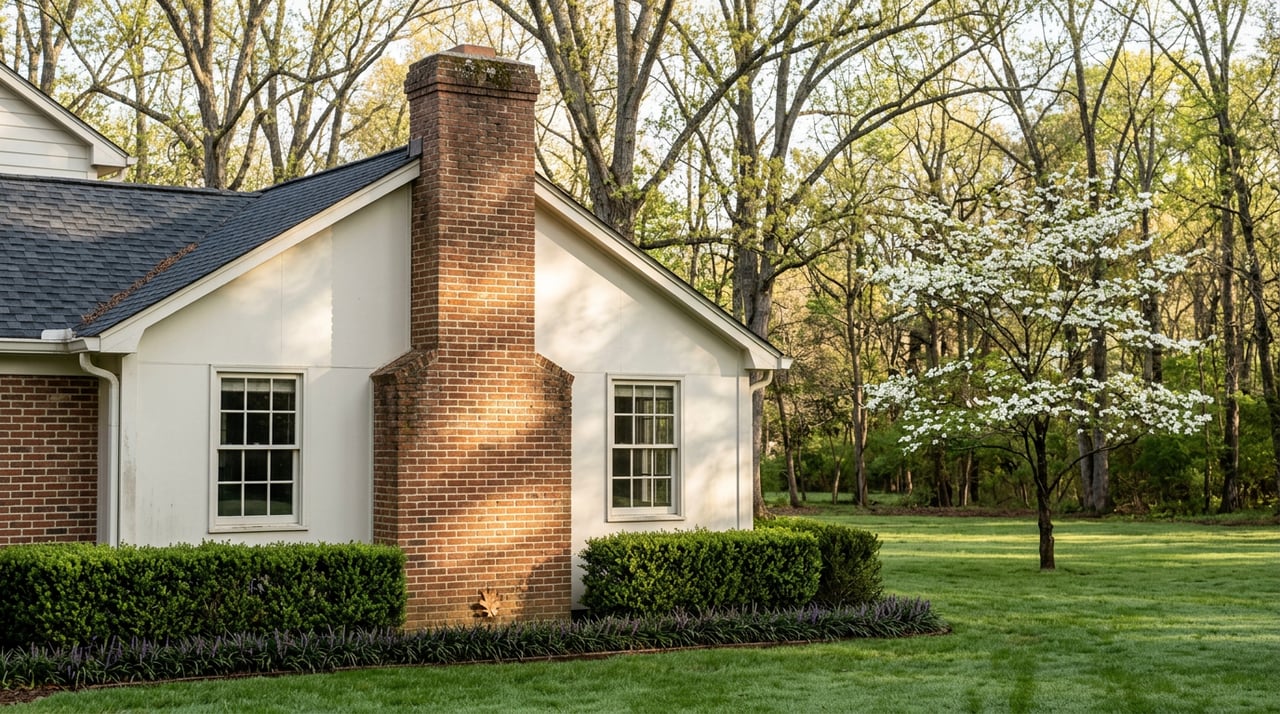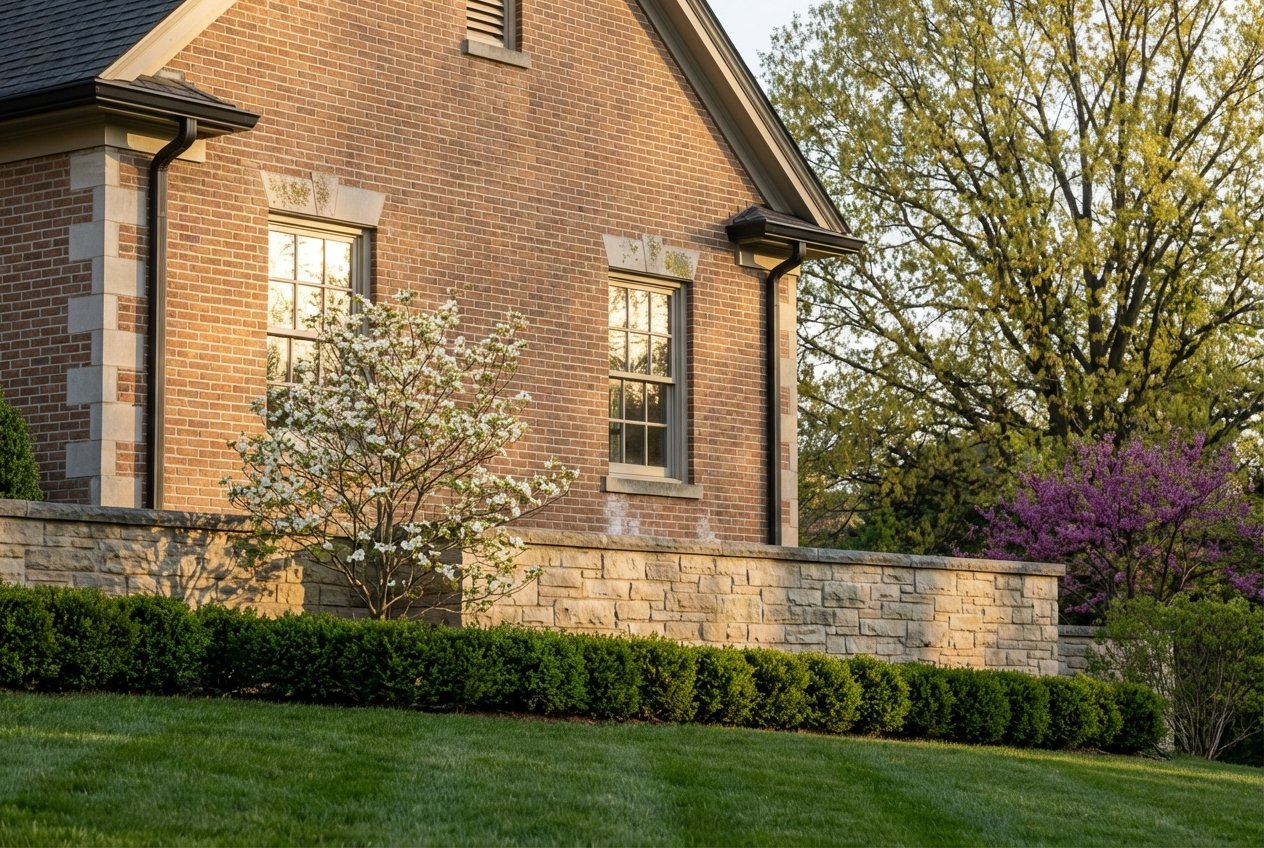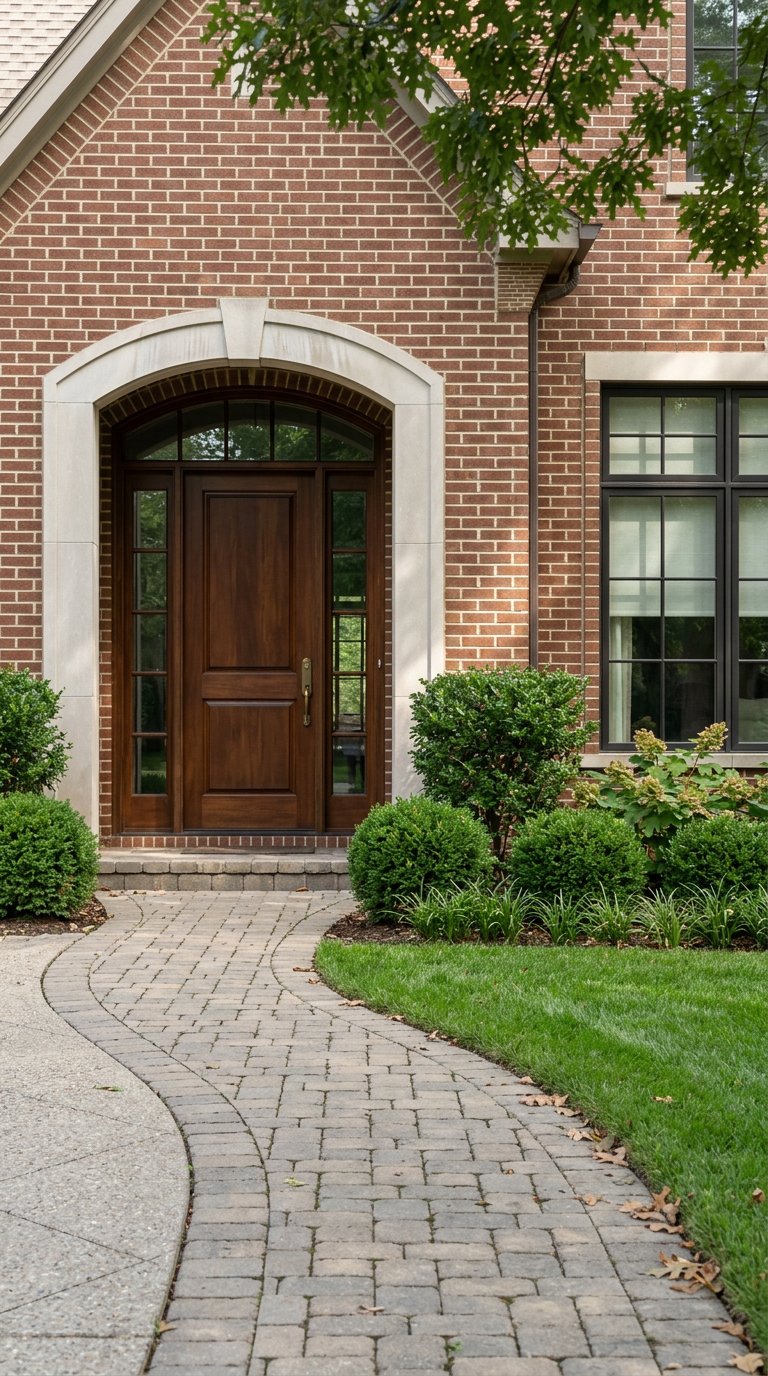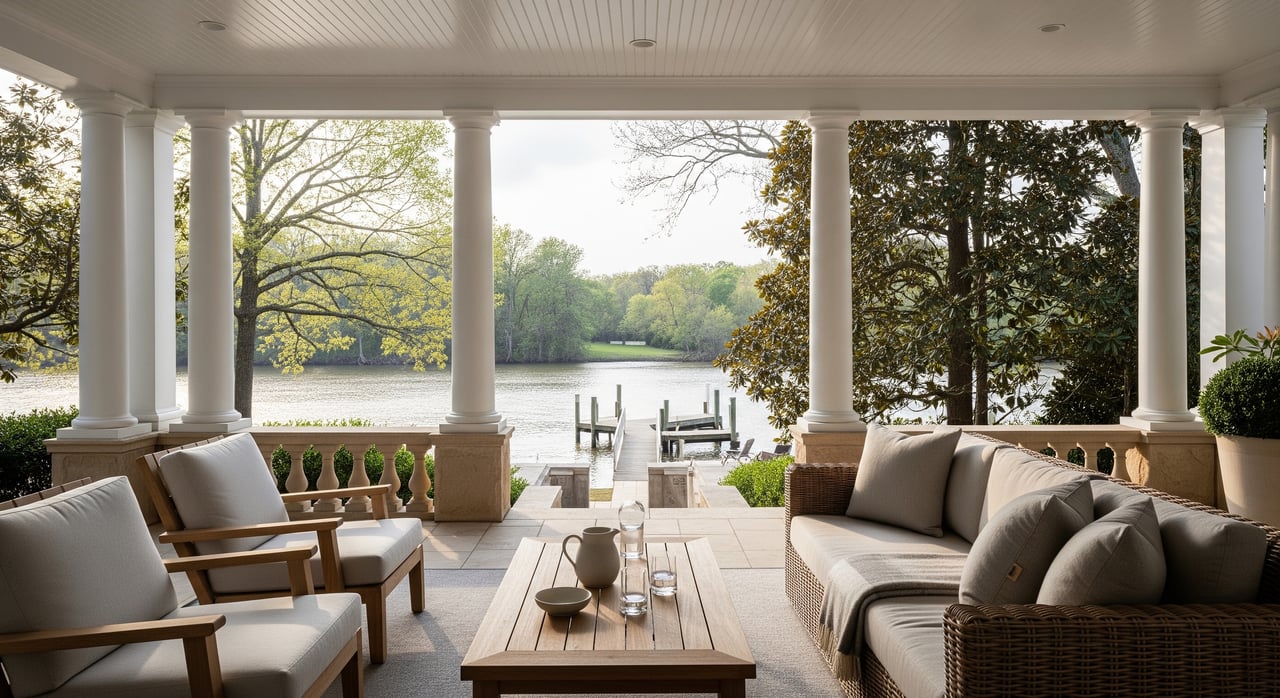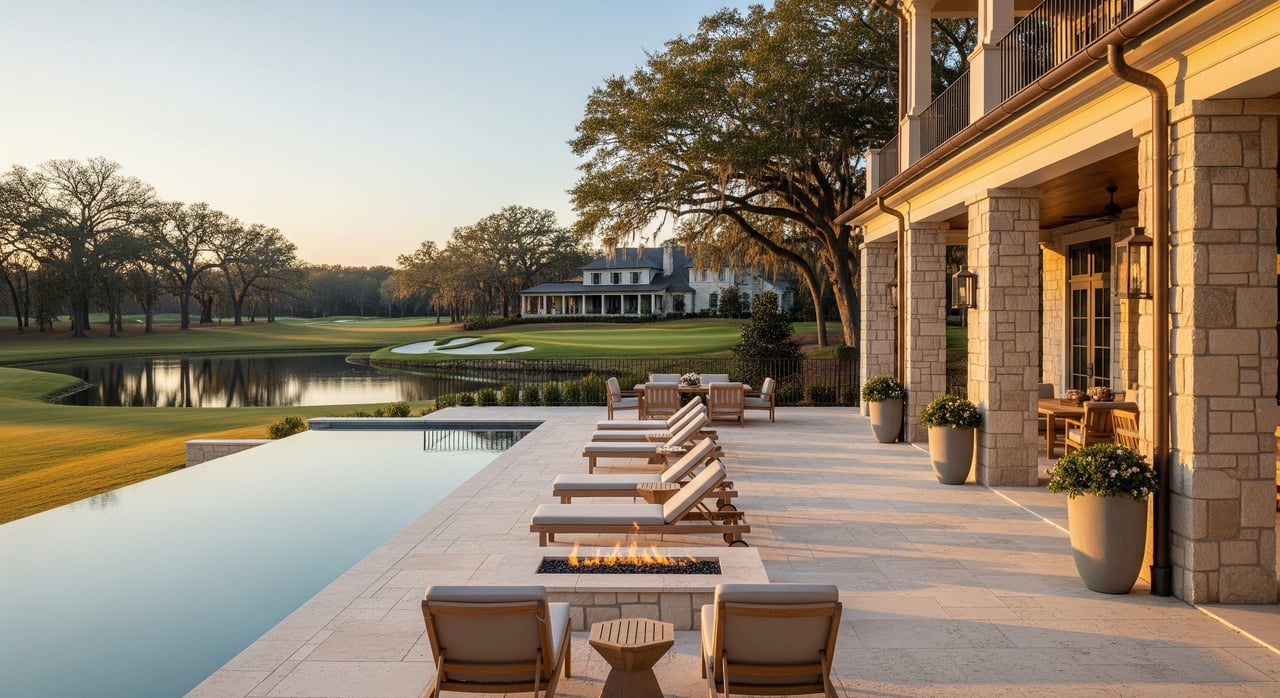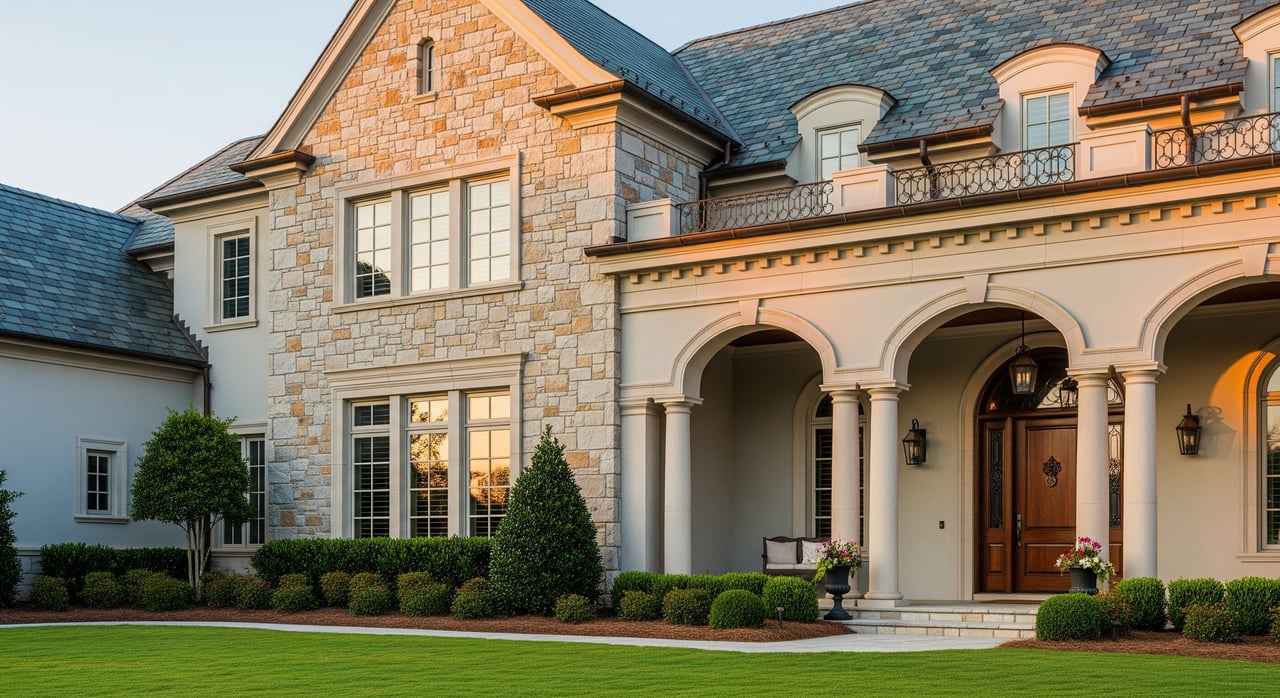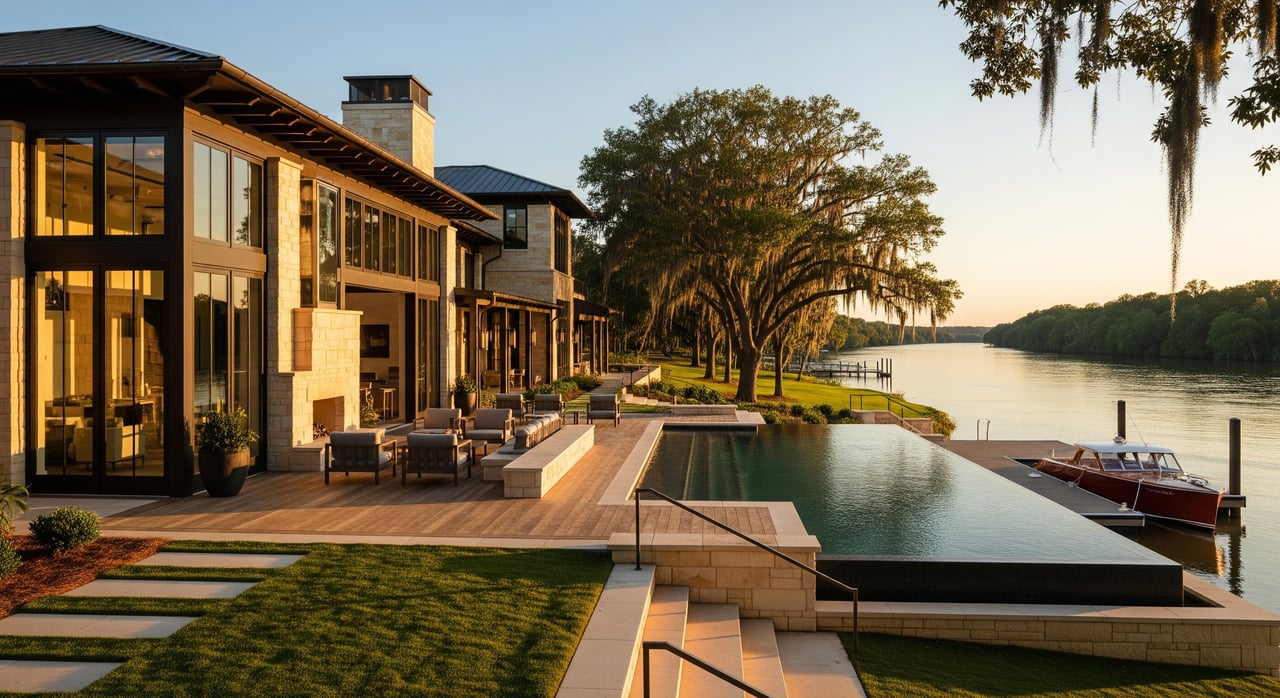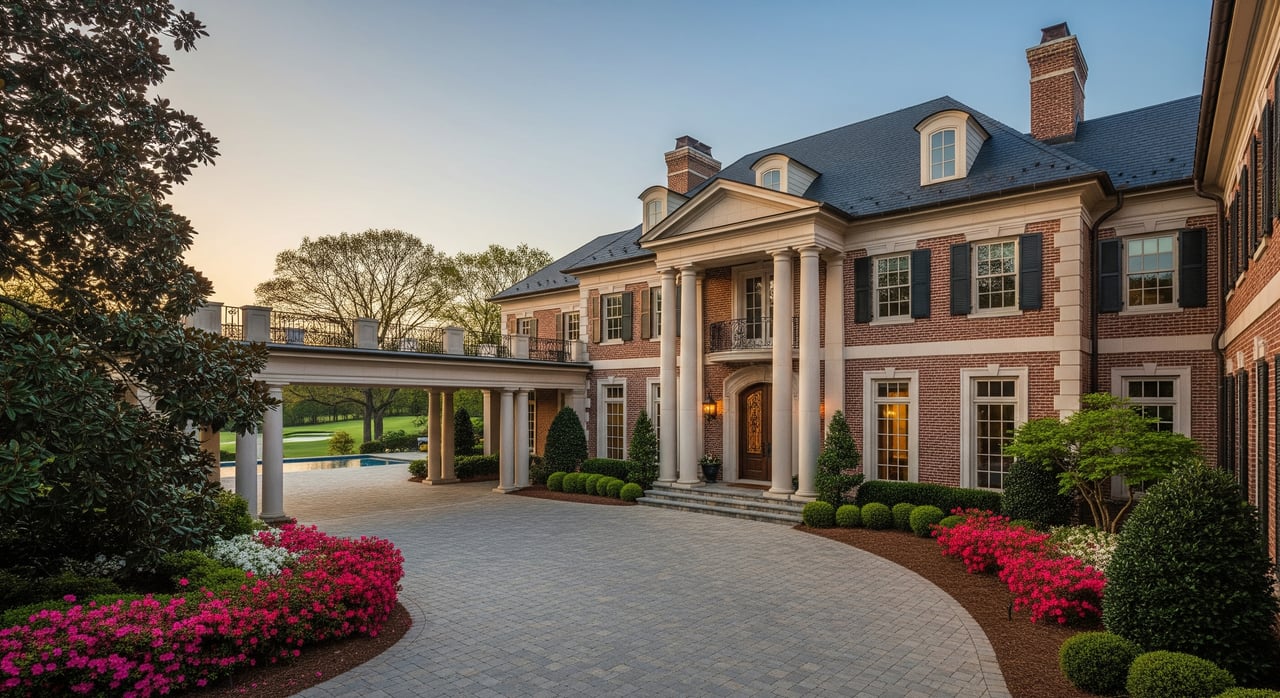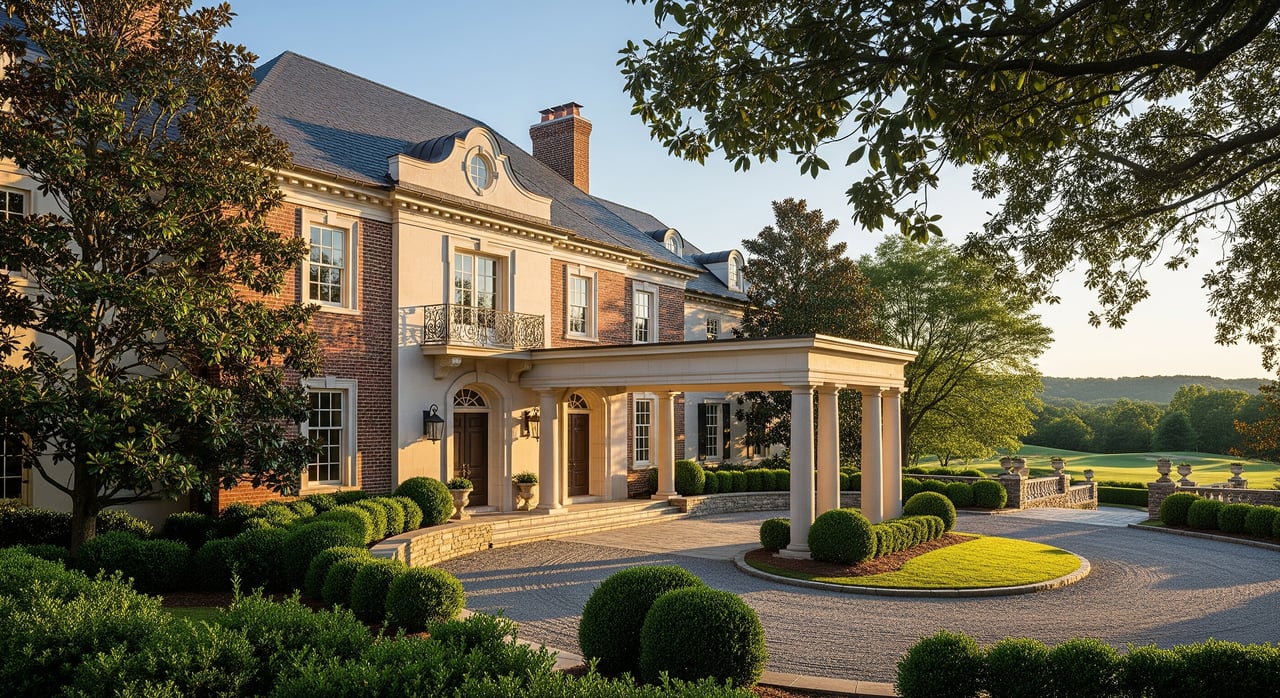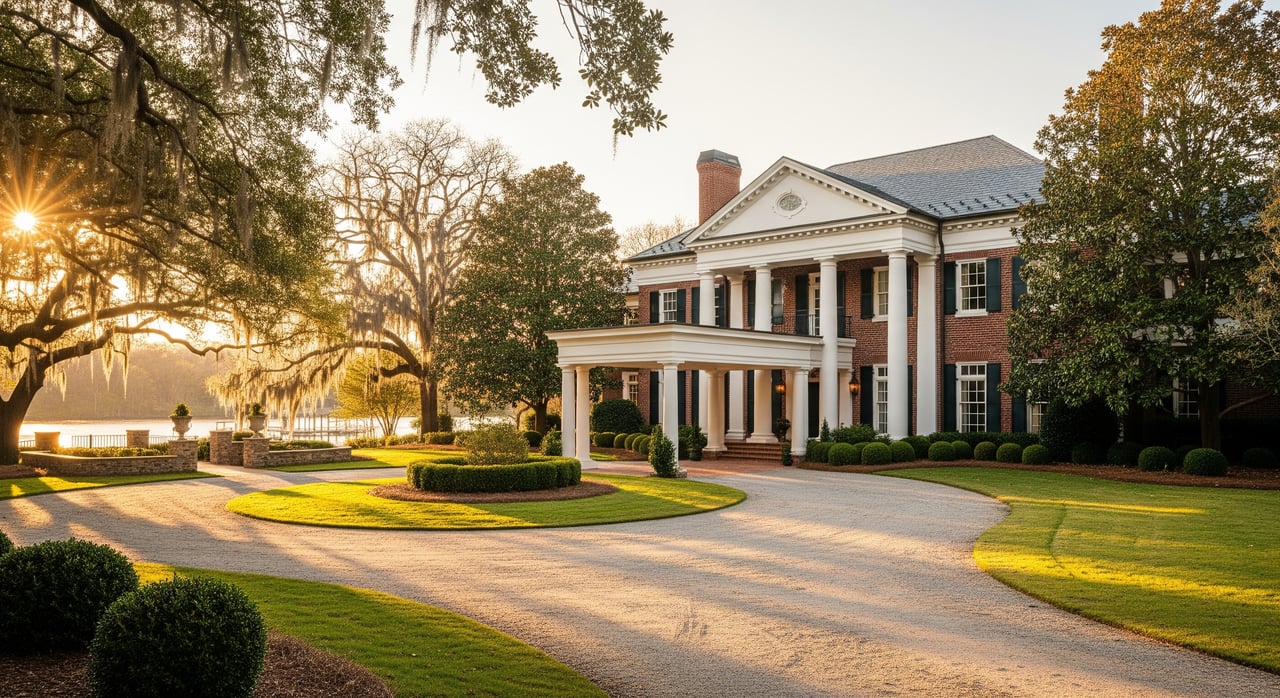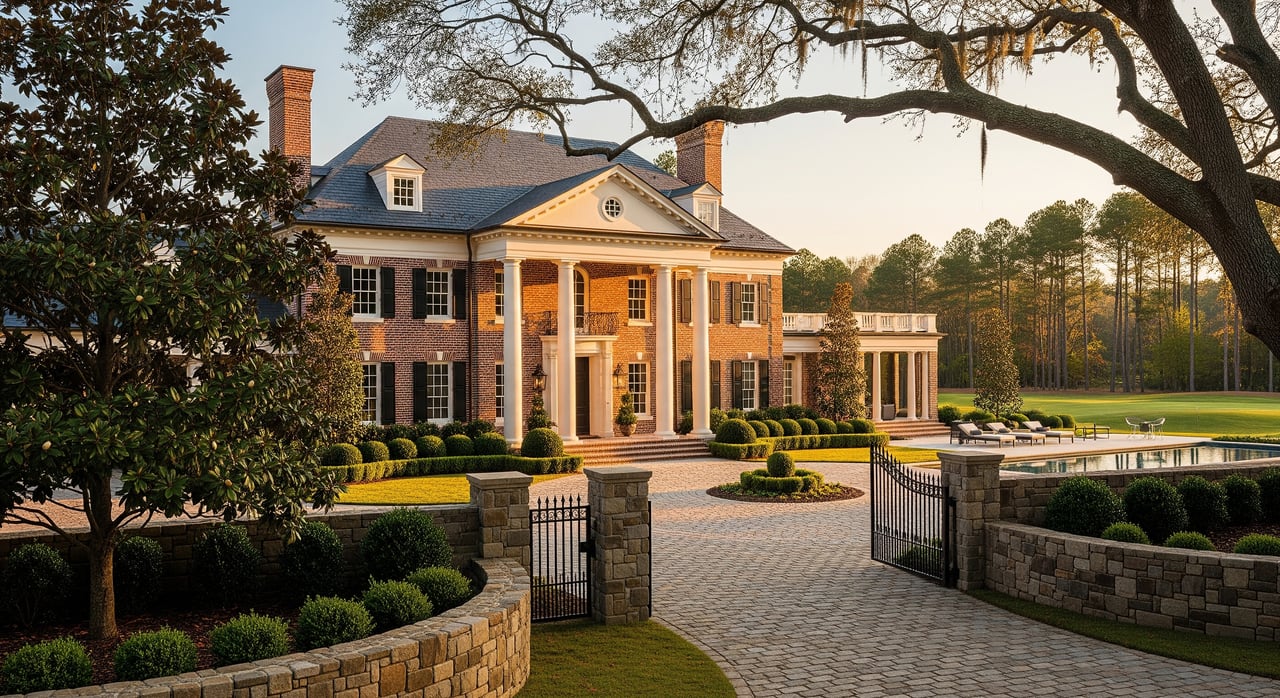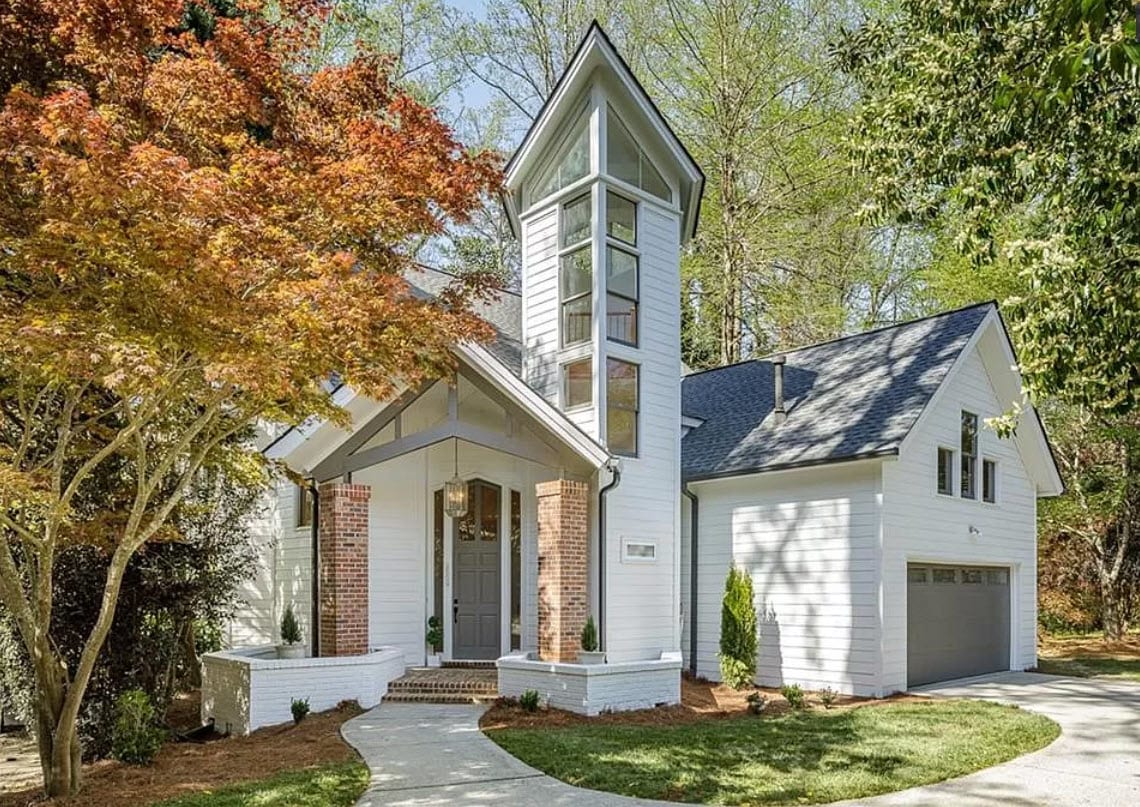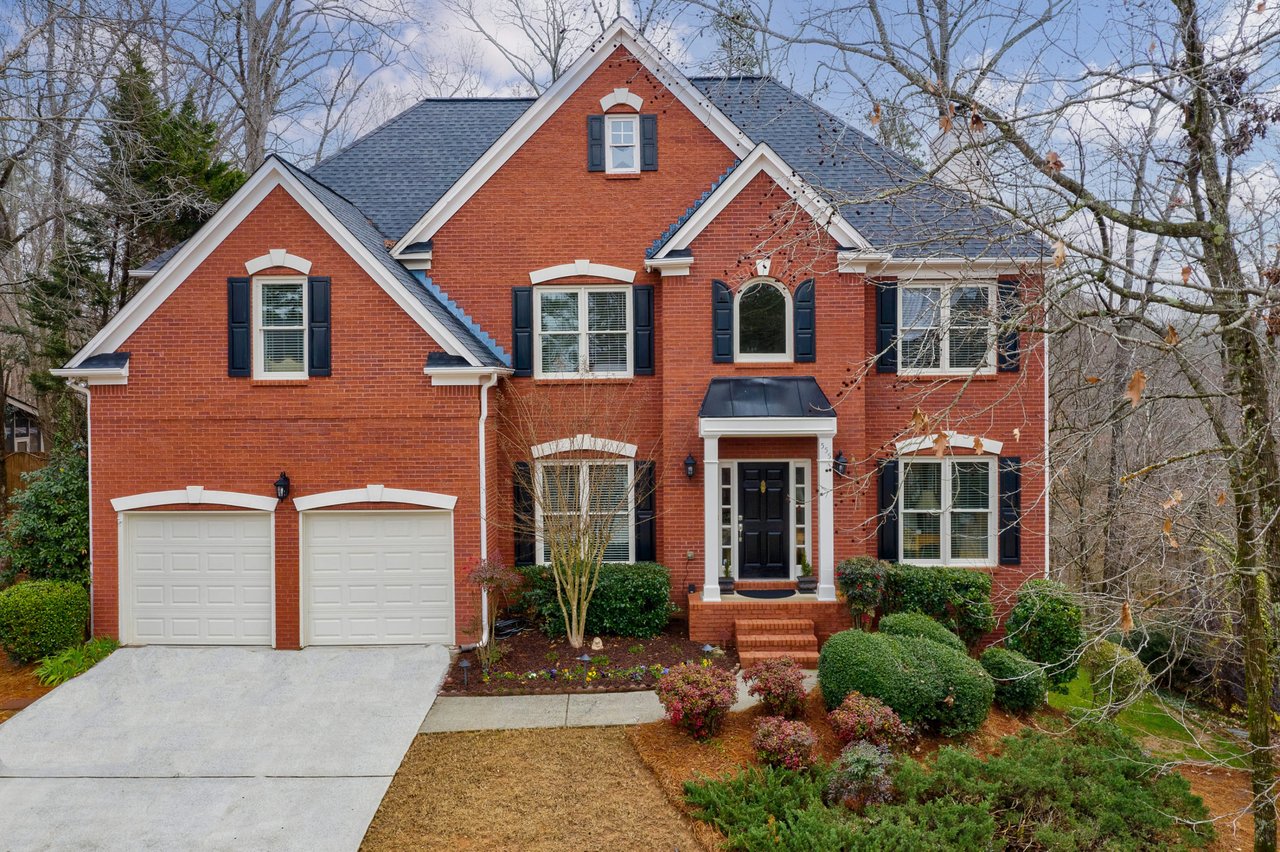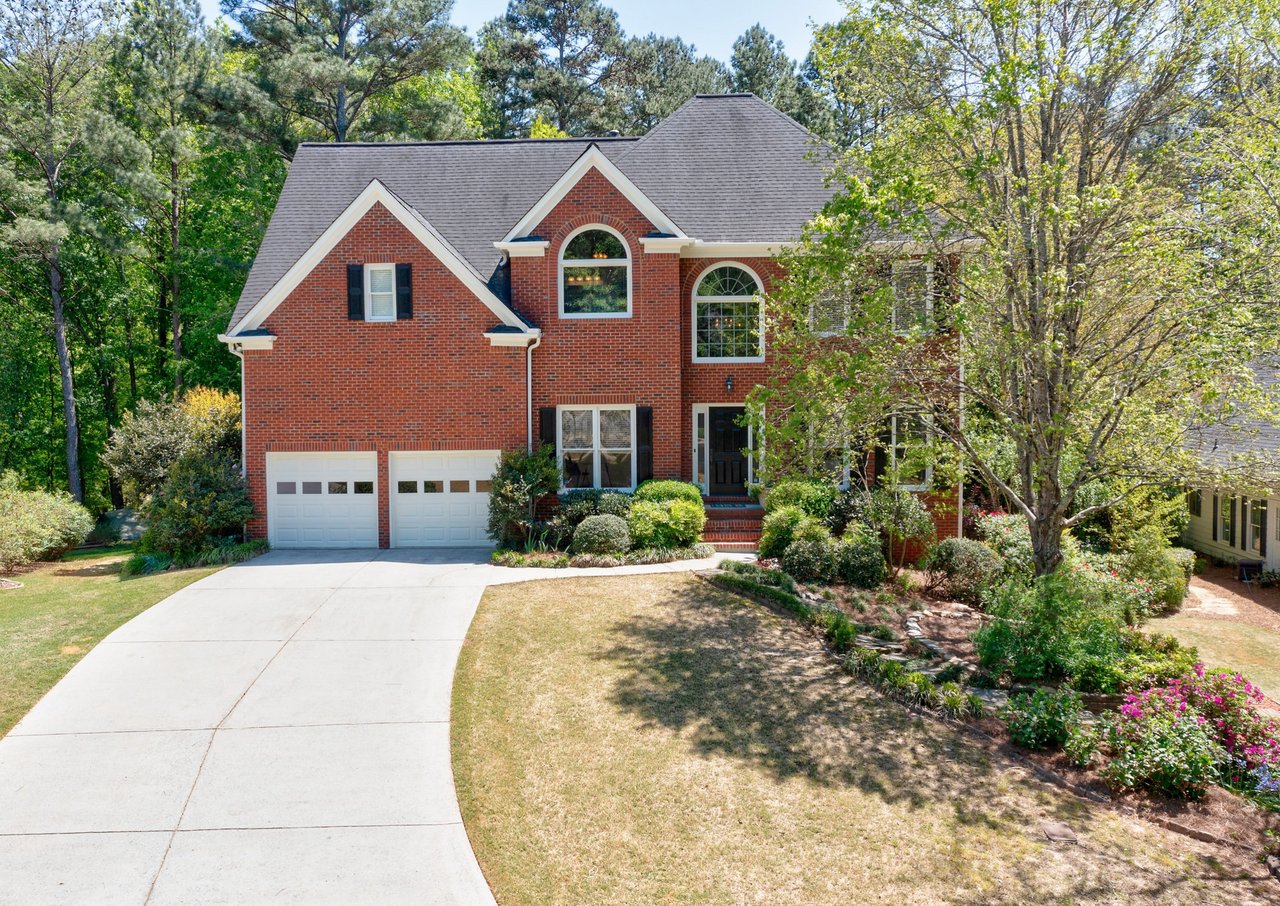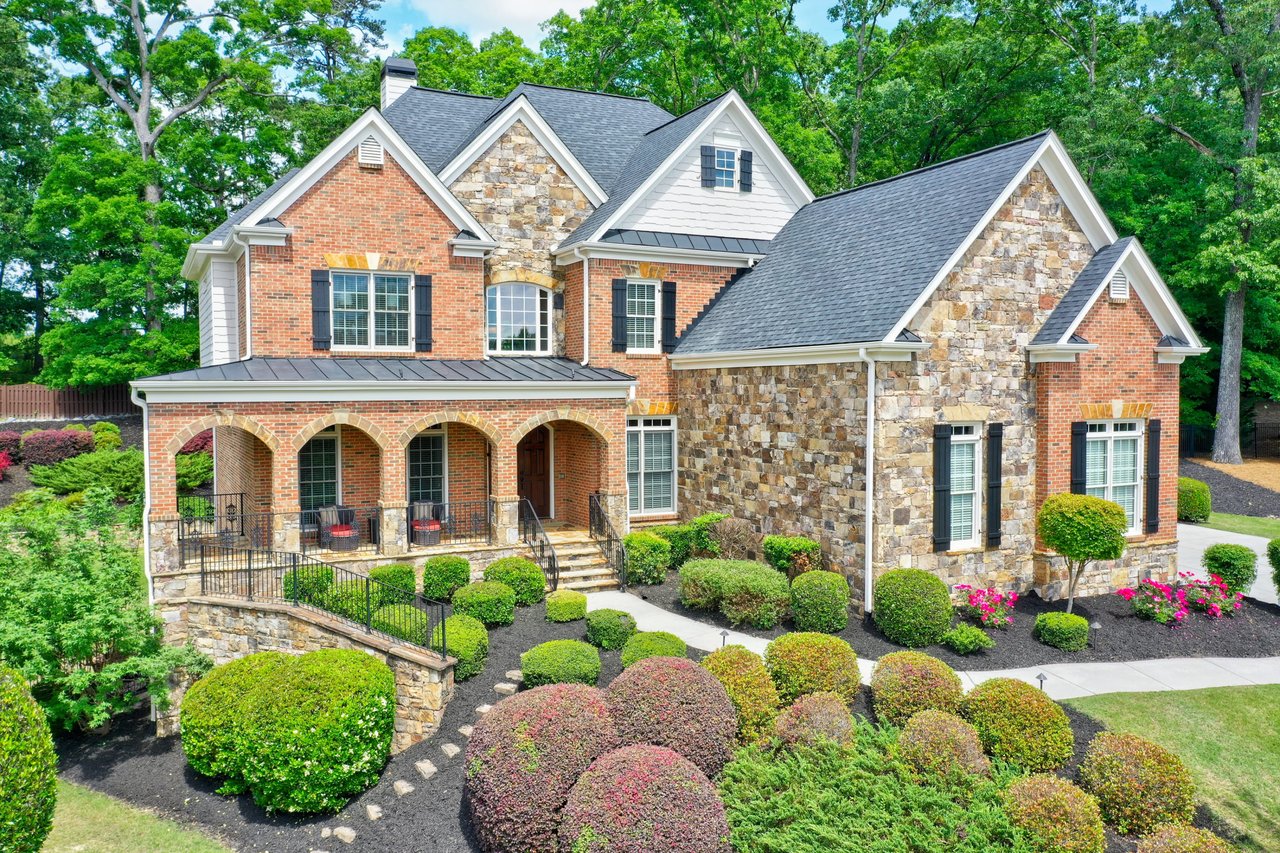
Thinking about a golf course home inside The River Club? The setting can be beautiful, but the right choice is about more than a great view. If you want to understand how golf-front living works here, what costs to plan for, and which details matter most before you buy, this guide will help you make a more confident decision. Let’s dive in.
Why buyers consider golf-course homes
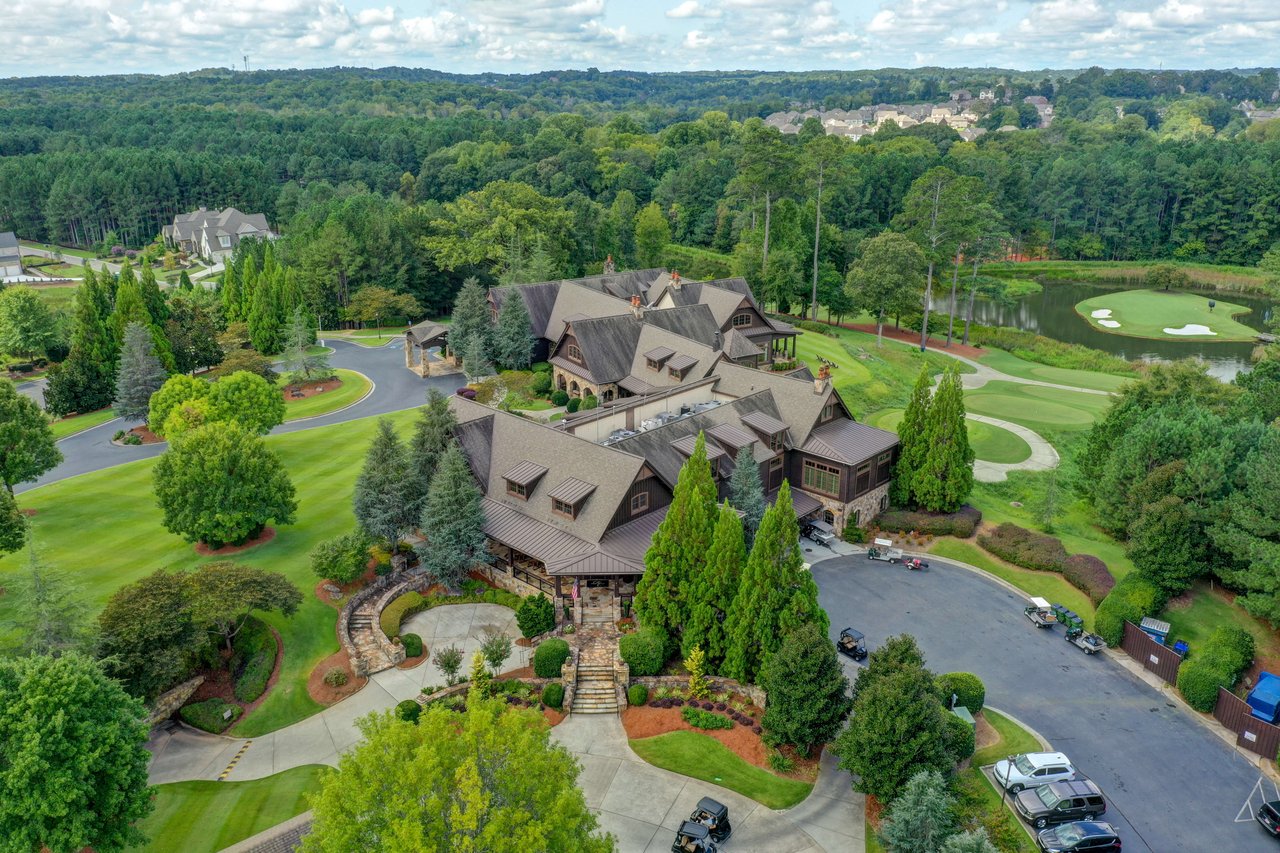
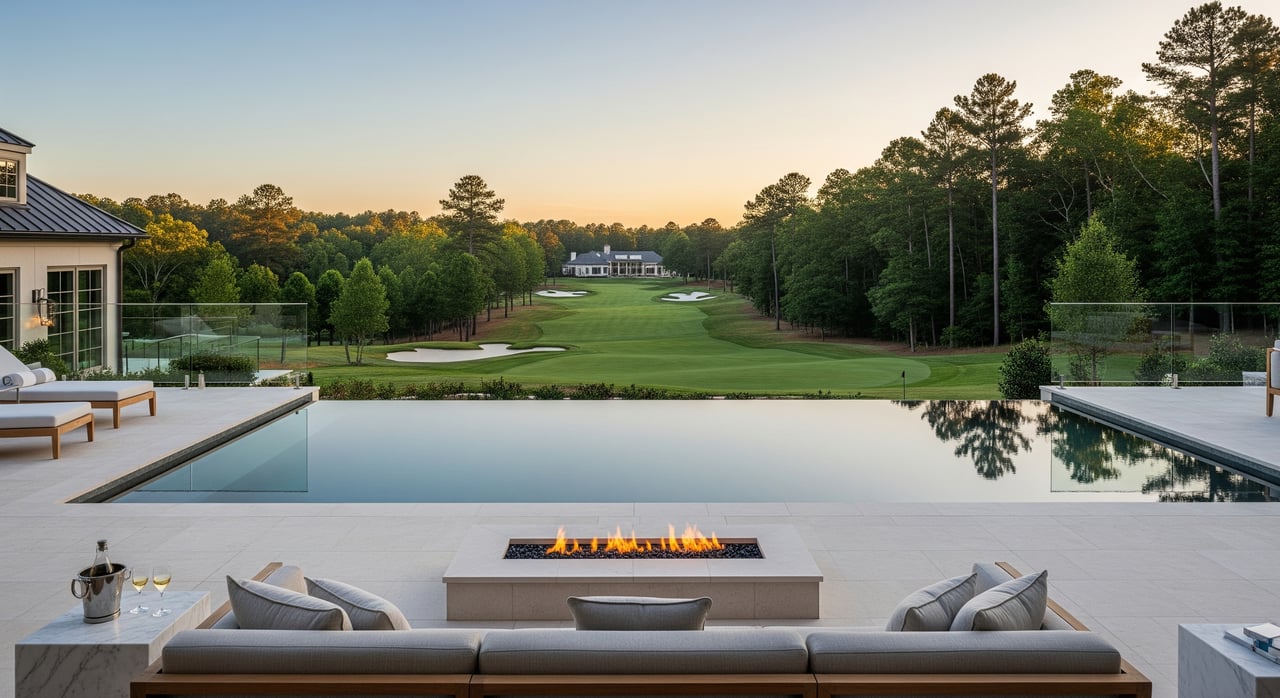
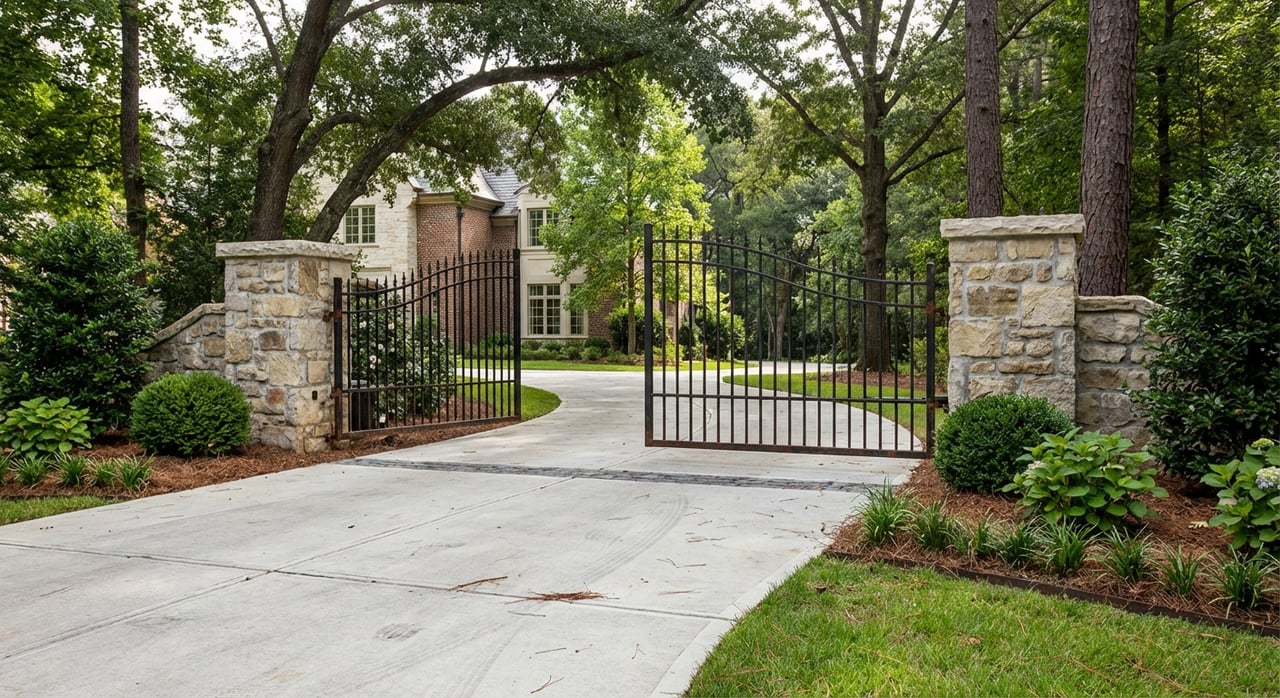
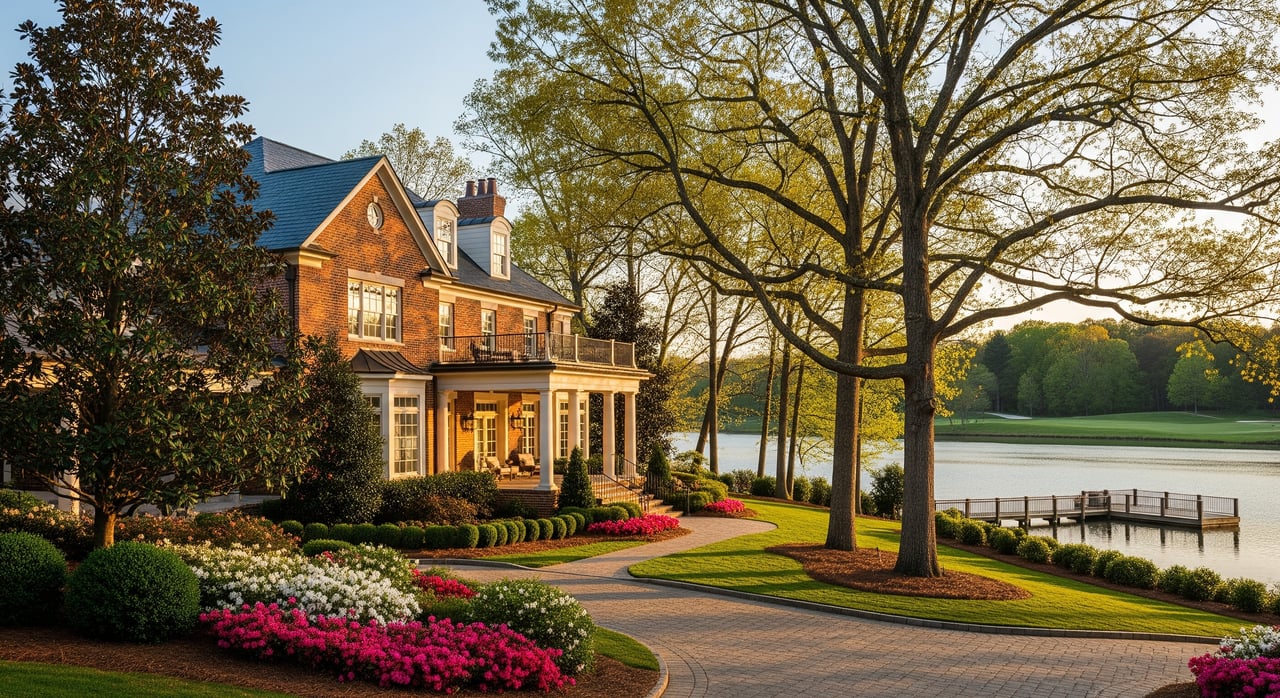
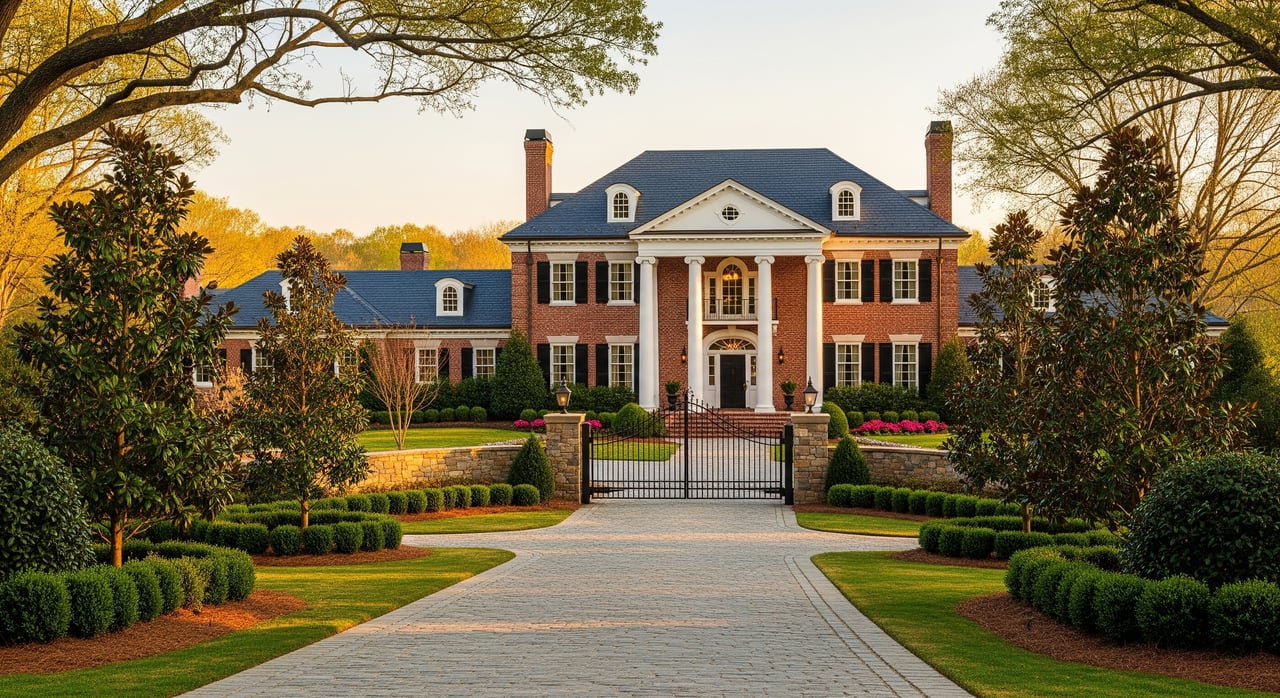
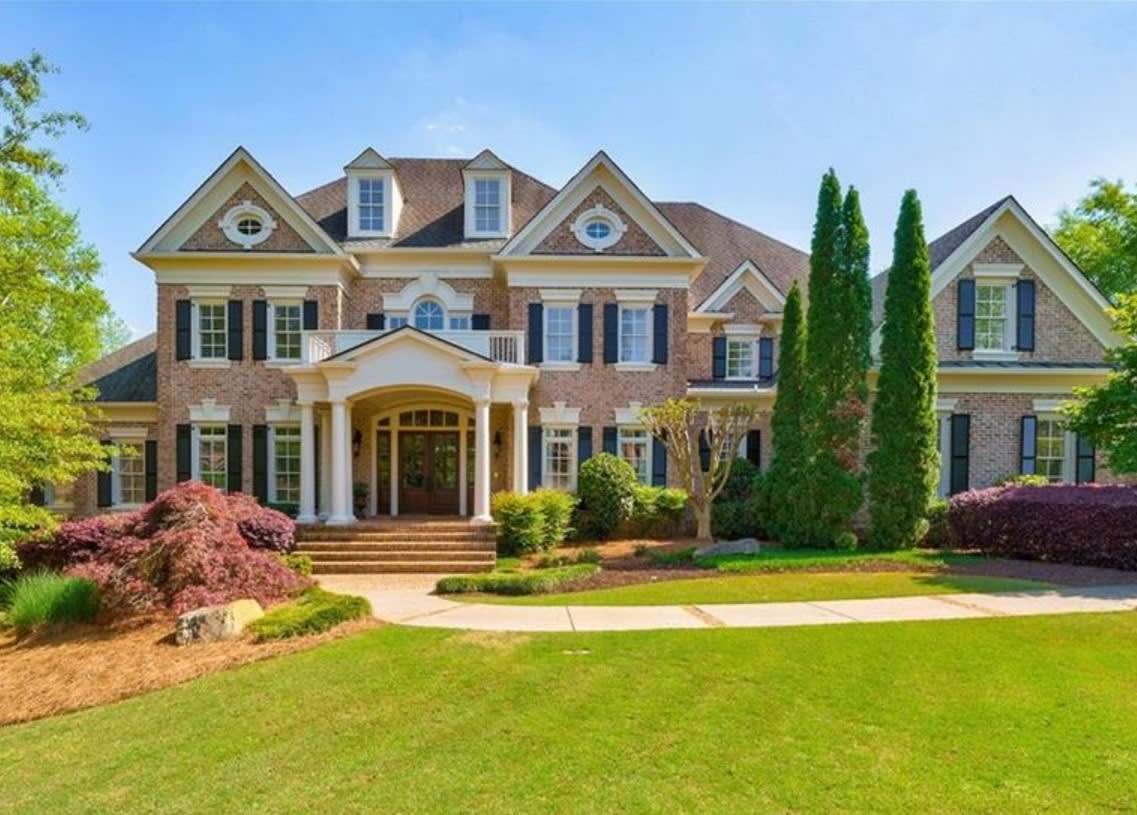
The River Club is a private, gated riverfront community in Suwanee, set across more than 700 acres with preserved open space and club-centered amenities, according to the community’s official location page. For many buyers, that mix of privacy, green space, and access to an established club lifestyle is the main draw.
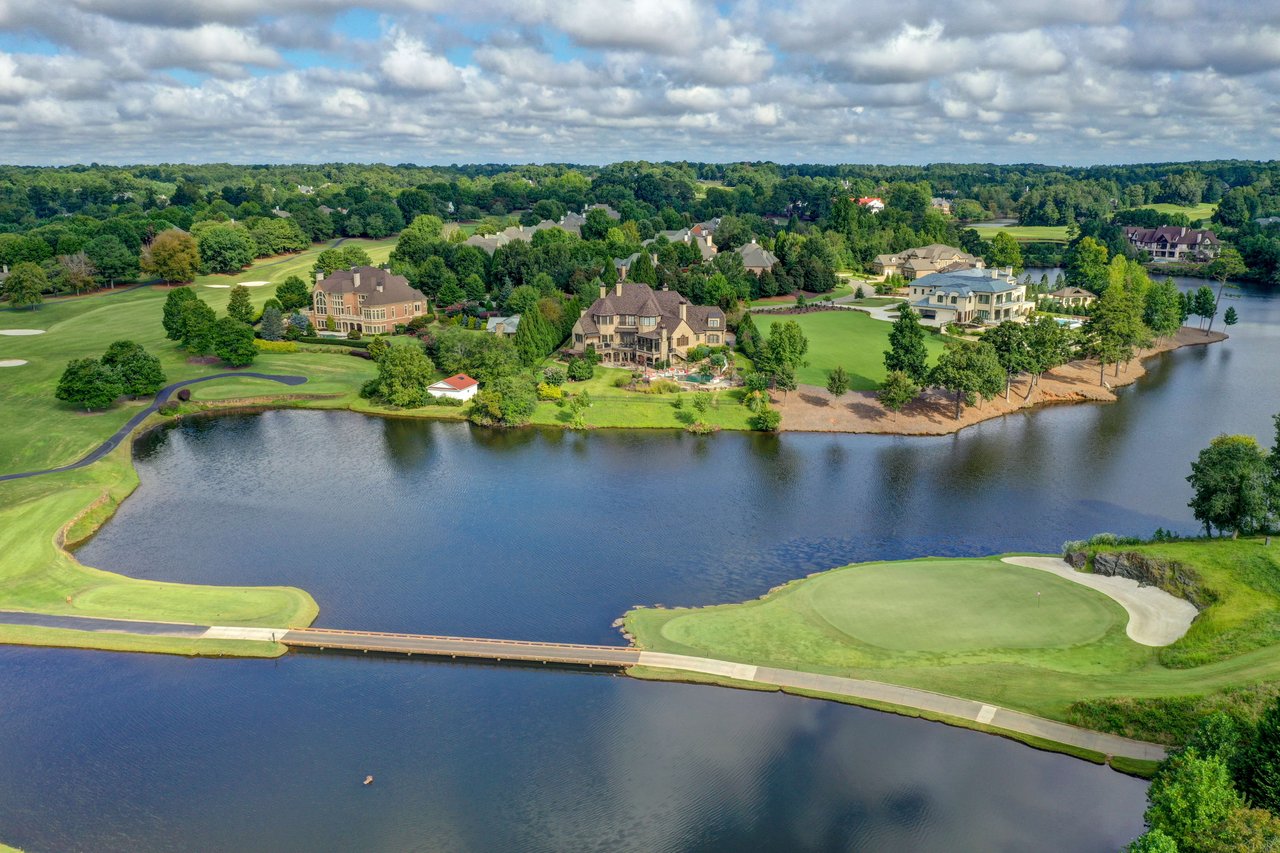
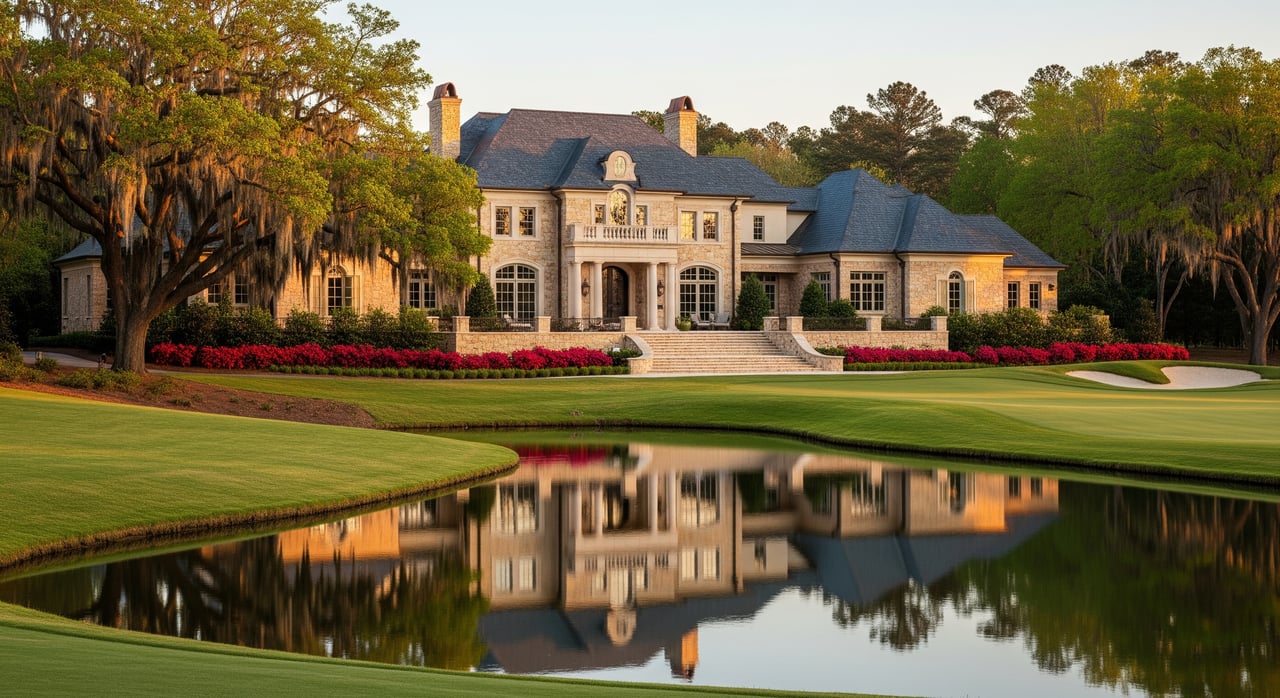
The community was established in 2005, and official club materials describe it as a certified Audubon Sanctuary. The golf course is a Greg Norman design that measures 7,212 yards, par 72, with elevation changes and river-valley views that shape the feel of many homesites.
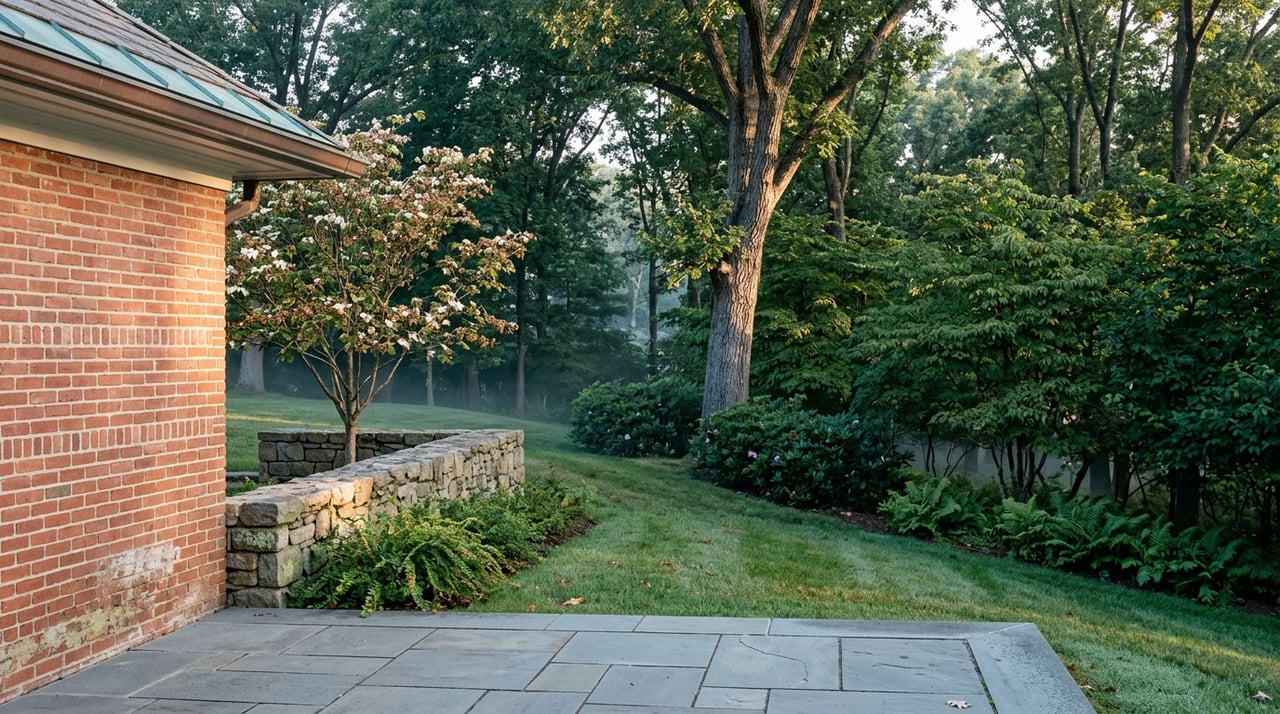
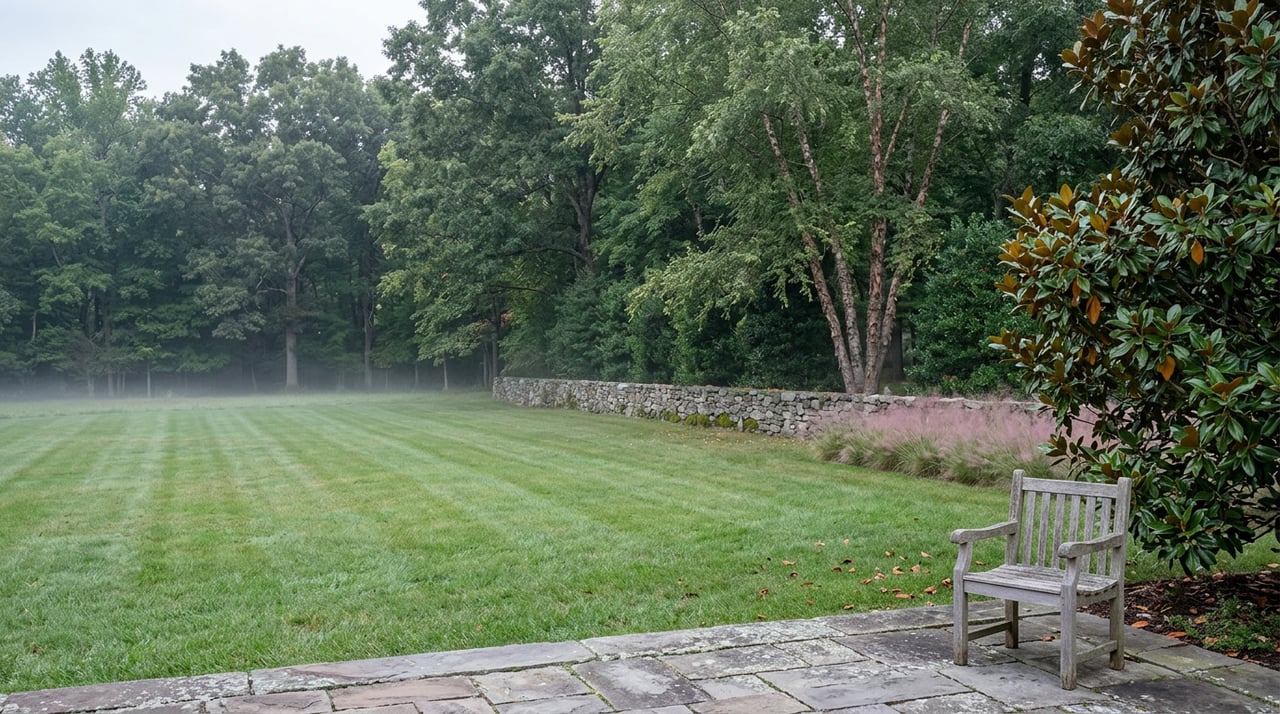
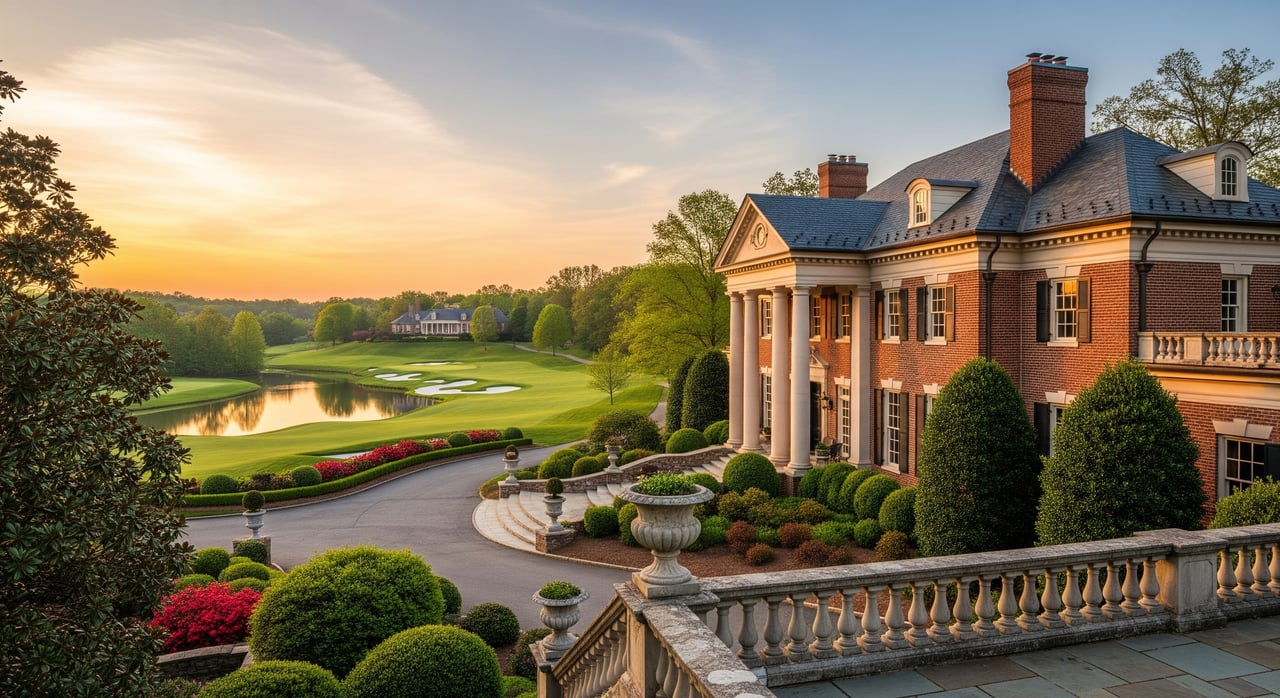
If you are focused on a golf-course home, you are usually choosing for sightlines, outdoor living, and day-to-day atmosphere. In The River Club, that decision can feel especially important because the course moves through both wooded areas and more open land near the river plain.
What golf-course living means here
Not every lot in The River Club lives the same way. Public homesite materials show a mix of interior and golf-view homesites, with examples often around 0.71 to 0.84 acres, and earlier inventory also included lake-view lots.
That means your decision is not simply golf view versus no golf view. You are also weighing how open the backyard feels, how much visual privacy you want, and how close you want to be to the activity that comes with the course.
In general, a golf-front or golf-view home is more likely to offer broad vistas and a more open setting. An interior or cul-de-sac location in the same community may feel more sheltered and wooded, even while still giving you full access to the neighborhood and club environment.
Compare lot types before you buy
Here is a simple way to think about the tradeoffs:
Lot type | What you may like | What to verify |
|---|---|---|
Golf-front | Wider fairway views and strong connection to the course | Nearby tee boxes, greens, cart paths, and daily course activity |
Golf-view | Scenic outlook without always sitting directly on the fairway edge | Depth of buffer, tree cover, and angle of the view |
Interior | More enclosure and privacy in some locations | Distance to amenities and whether the setting feels too closed-in for your goals |
Cul-de-sac or private-road lot | Reduced pass-through traffic and a quieter feel in some cases | Road access, lot shape, and usable backyard space |
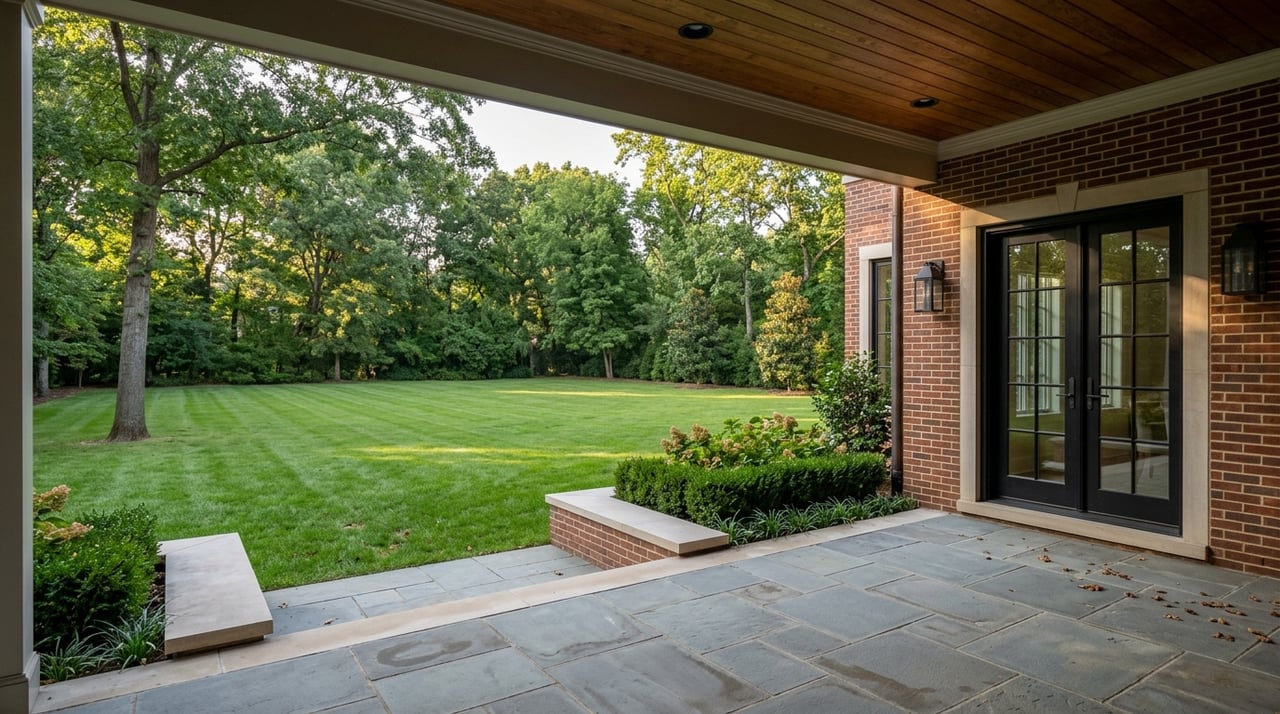
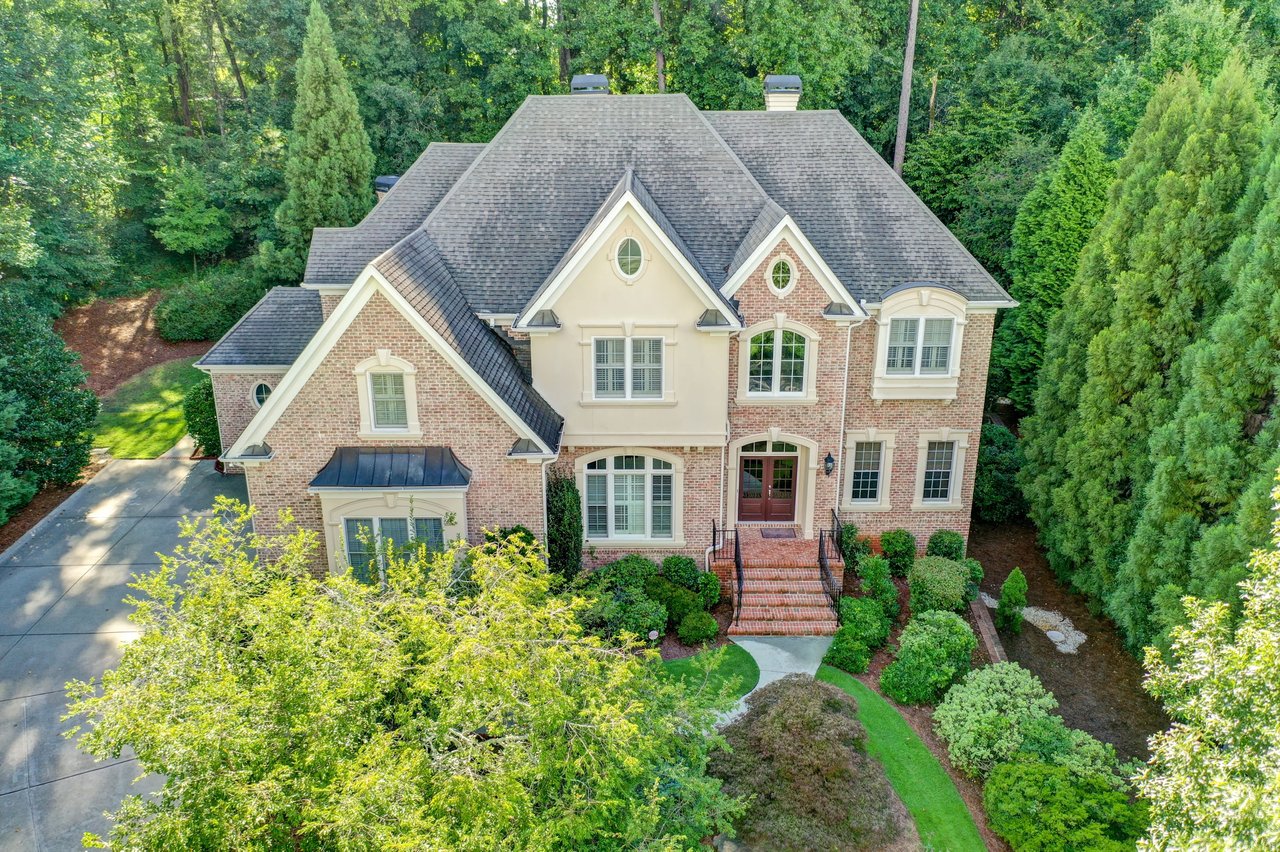
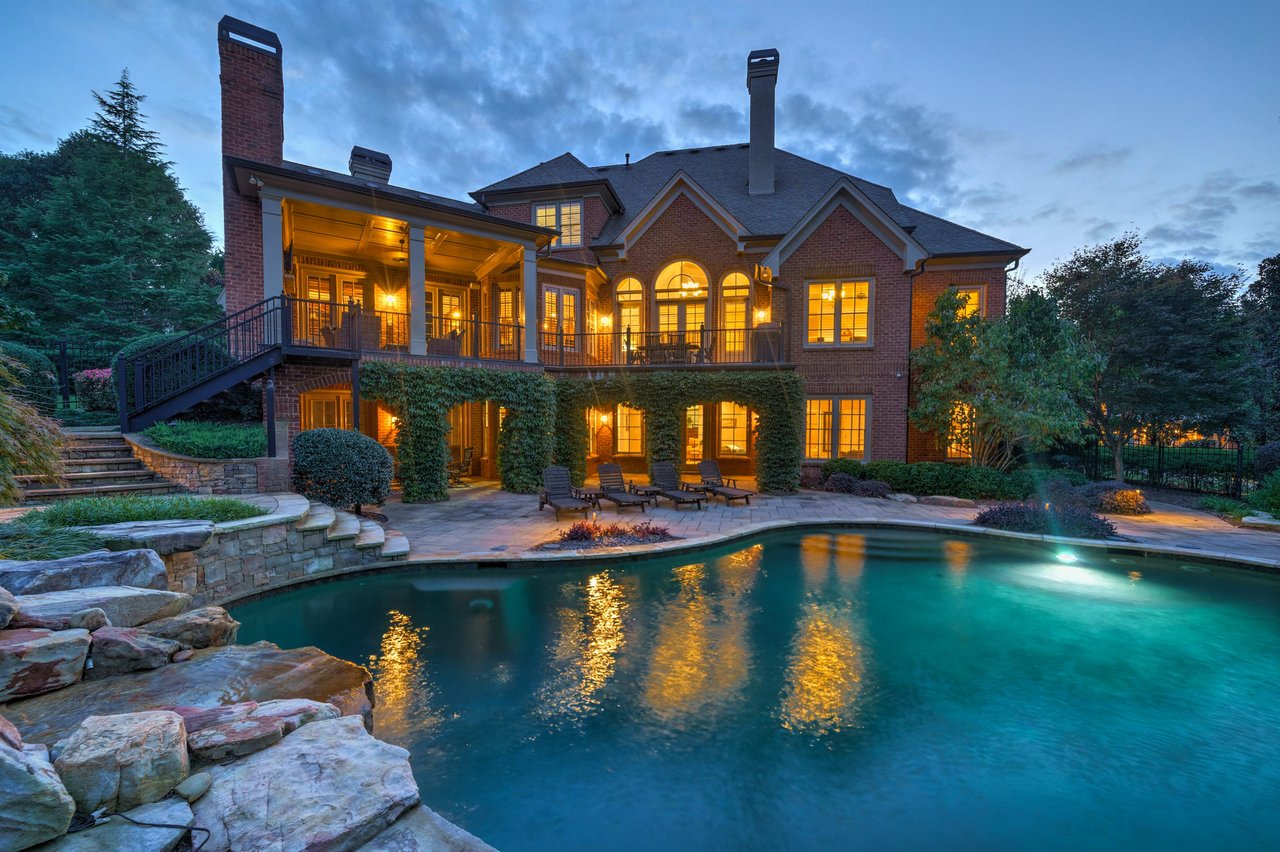
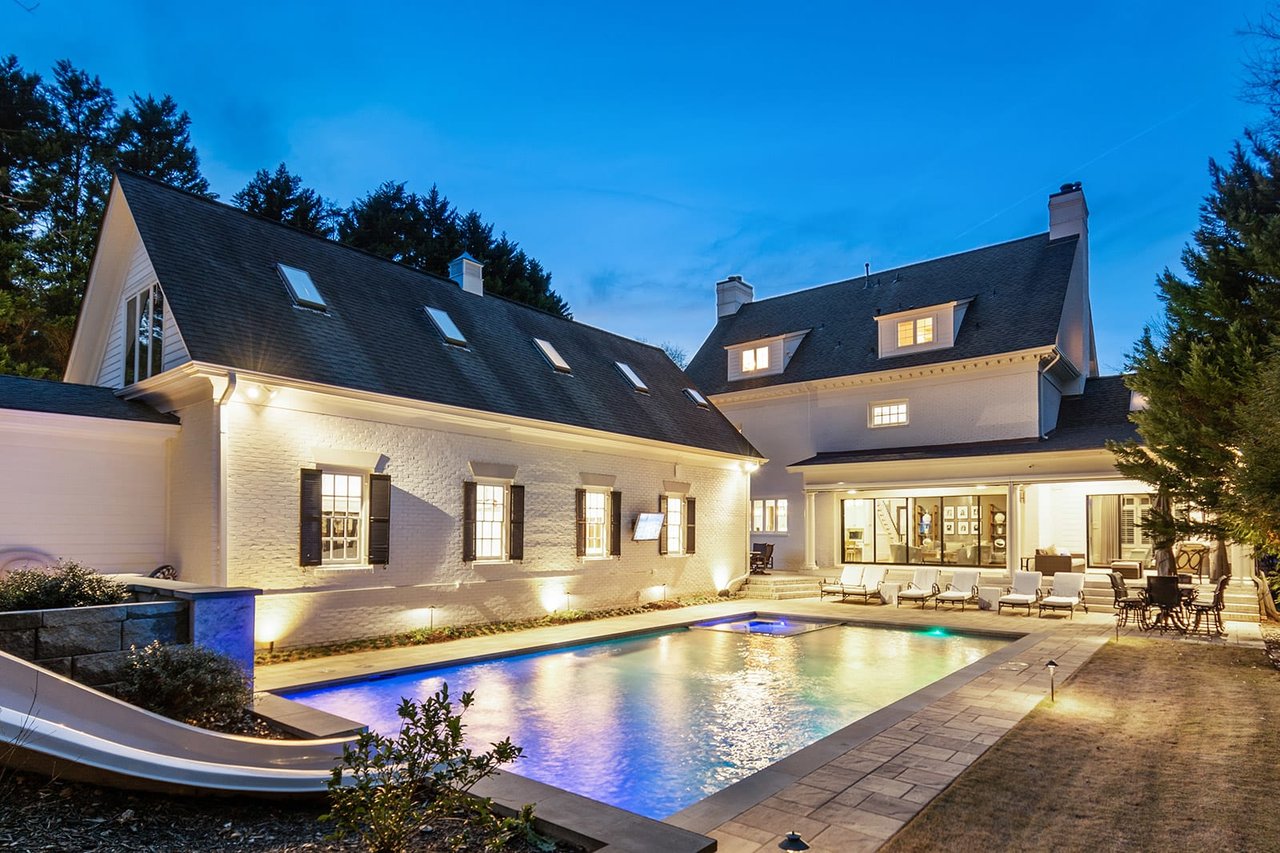
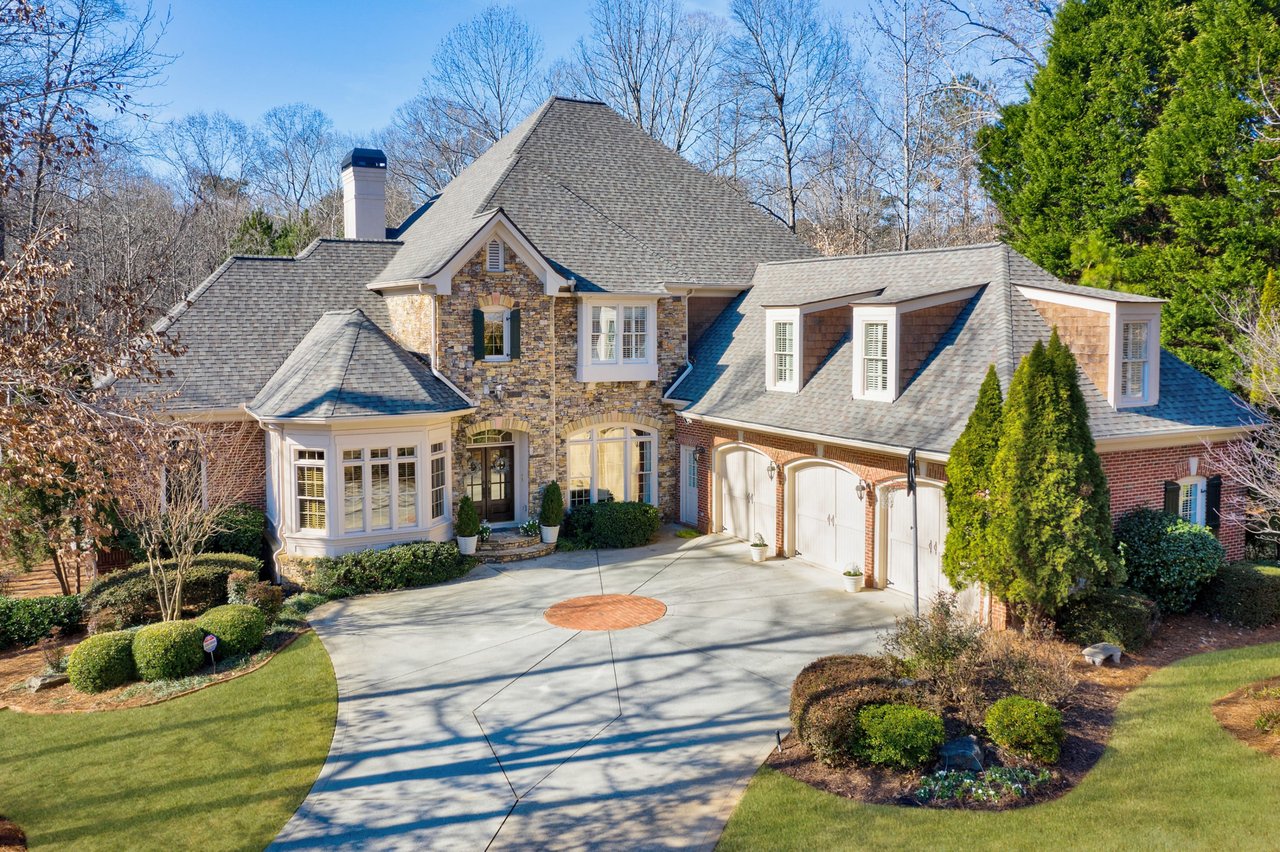
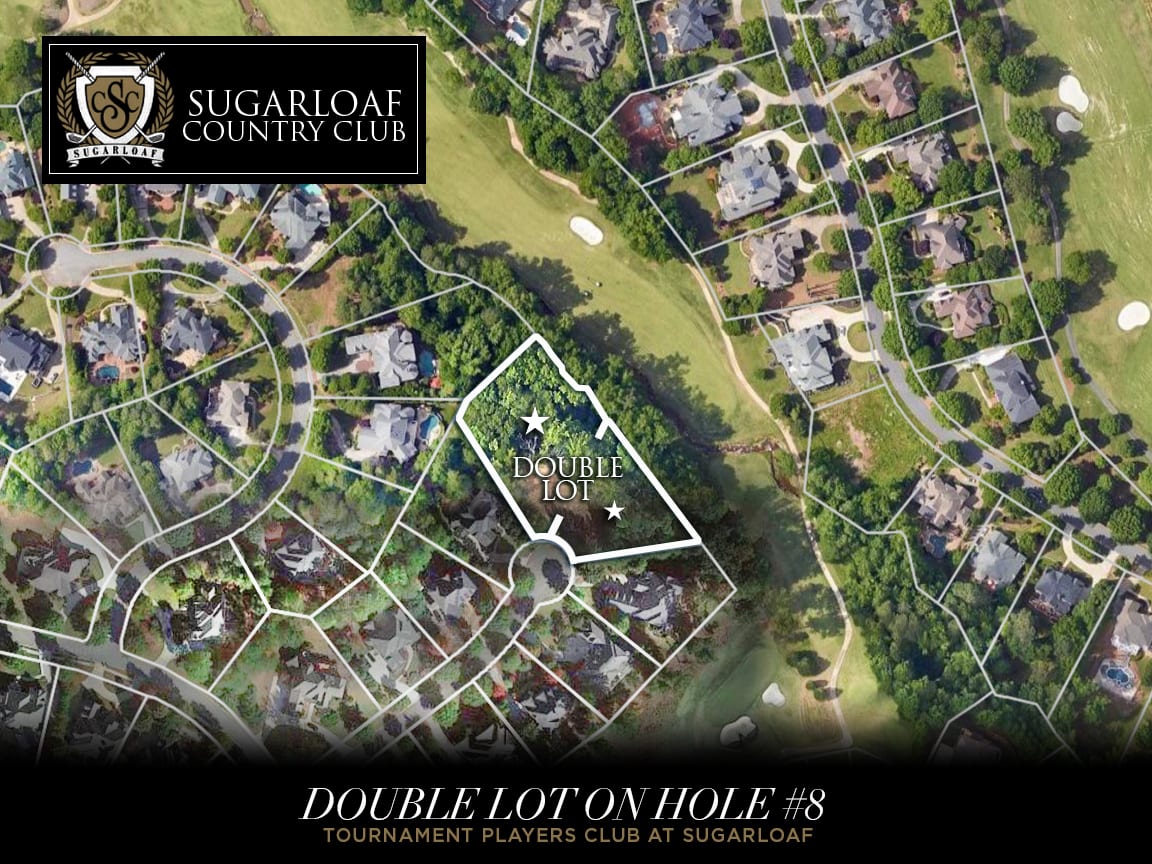
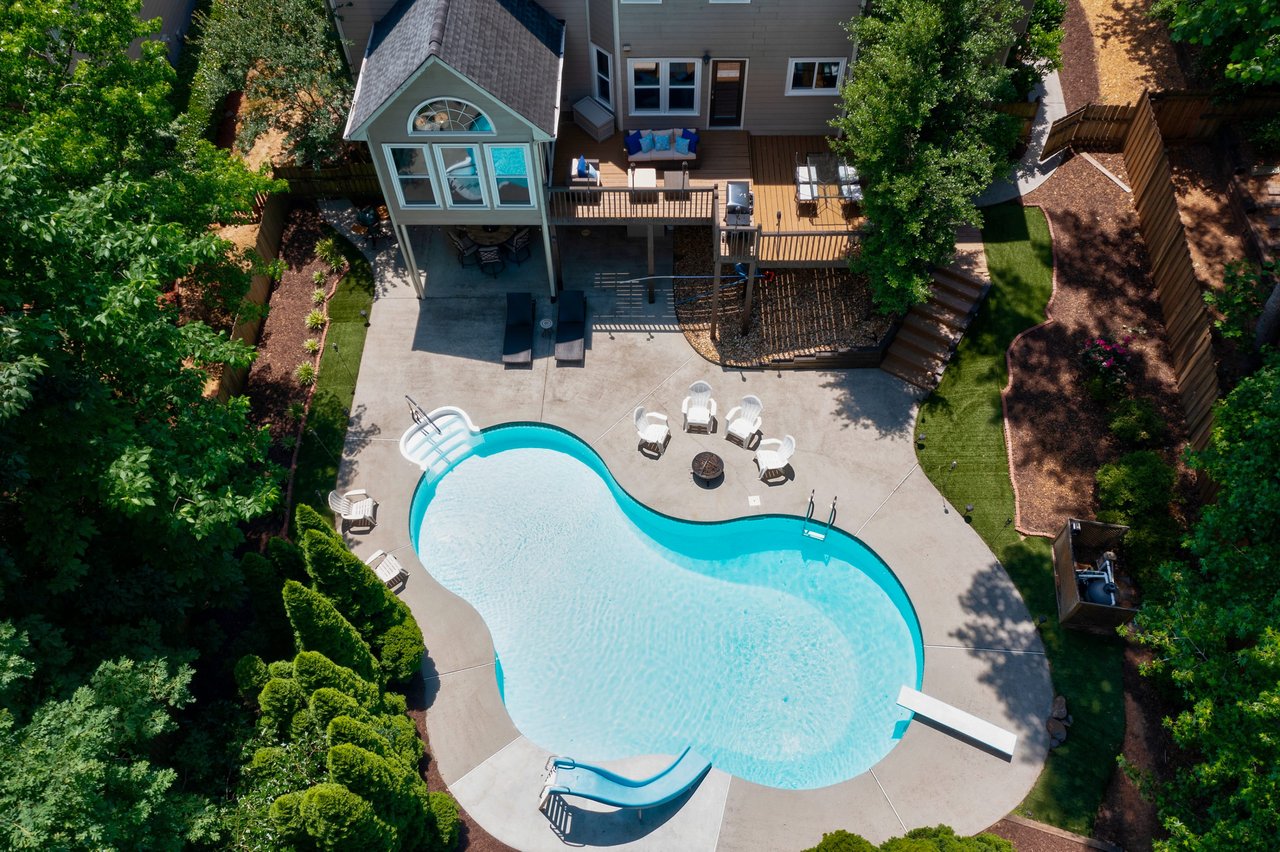
A public listing example referenced a lot on a private road with golf-course views, while another River Club home was described as a wooded private cul-de-sac lot with a pool-ready backyard and covered porch. Those examples show how much lot orientation can change the living experience inside the same community.
Look beyond the view
A fairway backdrop can be appealing, but the best golf-course purchase is usually the one that fits how you actually live. A beautiful rear elevation means less if the outdoor space does not feel usable or private enough for your needs.
As you tour homes, pay close attention to what sits behind and beside the property. Ask whether the closest course feature is a tee box, green, fairway, or cart path, because each can affect motion, noise, and sightlines differently.
It also helps to visit at more than one time of day if possible. Morning maintenance, afternoon play patterns, and seasonal foliage can all influence how a lot feels once you own it.
Understand club membership and costs
One of the most important things to understand is that buying a home and joining the club are related, but not identical decisions. The club states that membership is open to residents and non-residents, and that Sports Memberships are required for River Club residents. The club does not publish pricing publicly and directs prospects to its membership team and sponsorship process.
That makes it important to clarify your full carrying cost early. In addition to your mortgage and property taxes, you may also be budgeting for HOA fees, club dues, and initiation costs.
Public listing examples show how meaningful that can be. One example reflected a monthly HOA fee of $292 on a golf-course lot, another showed $375 on a single-family home, and one listing referenced a $21,000 initiation fee. These are listing-specific figures rather than universal community rates, but they are still useful in setting expectations.
Some listing information also notes that association fees may include items such as ground maintenance, management fees, and private roads. Before you move forward, confirm exactly what is included for the property you are considering.
Know what amenities support the lifestyle
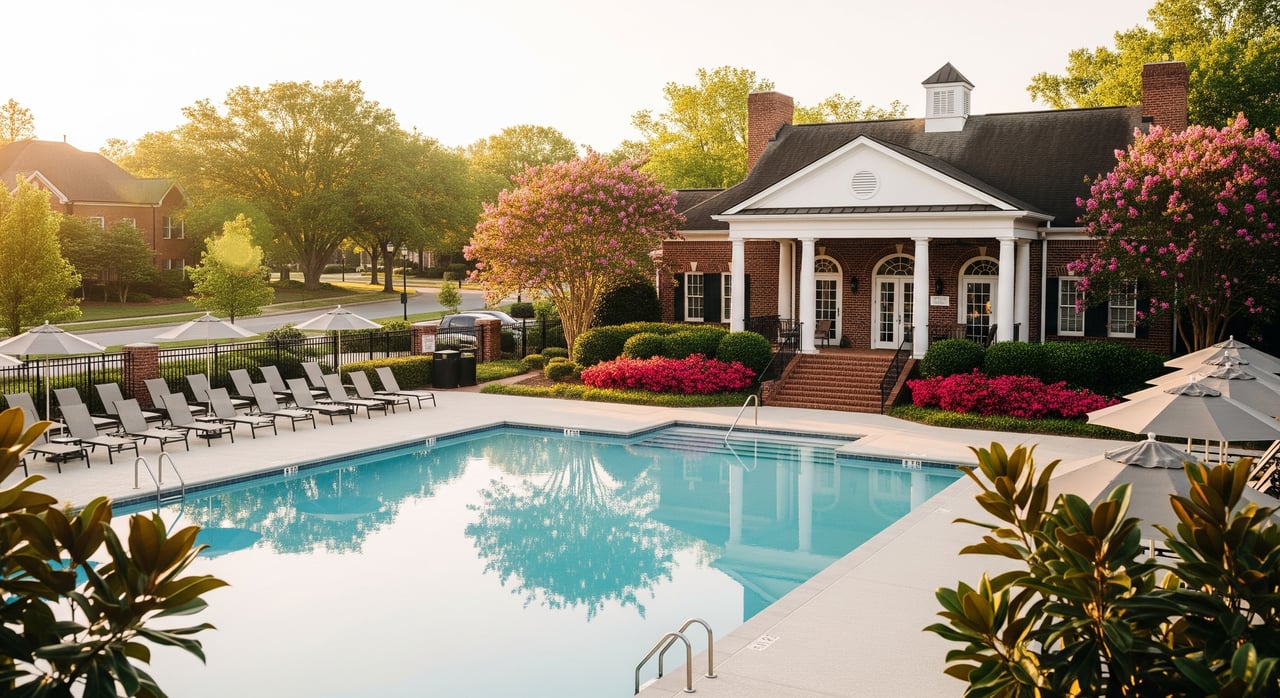
For many buyers, the recurring costs make sense because of the amenity package and the convenience of having it close to home. The River Club highlights golf, practice facilities, tennis and pickleball, pools, fitness, dining, social events, and a 1.4-mile river trail as part of the club environment.
Official materials also reference the clubhouse and Lodge, the Lakeside Sports Center, eight lighted tennis courts, and three pools. If you plan to use these regularly, a golf-course home may feel like an extension of the club lifestyle rather than just a home with a scenic lot.
That said, it is still wise to separate emotional appeal from practical value. A home that backs to the course can be a strong fit if you will truly use the amenities and appreciate the structure of club living.
Review architectural rules early
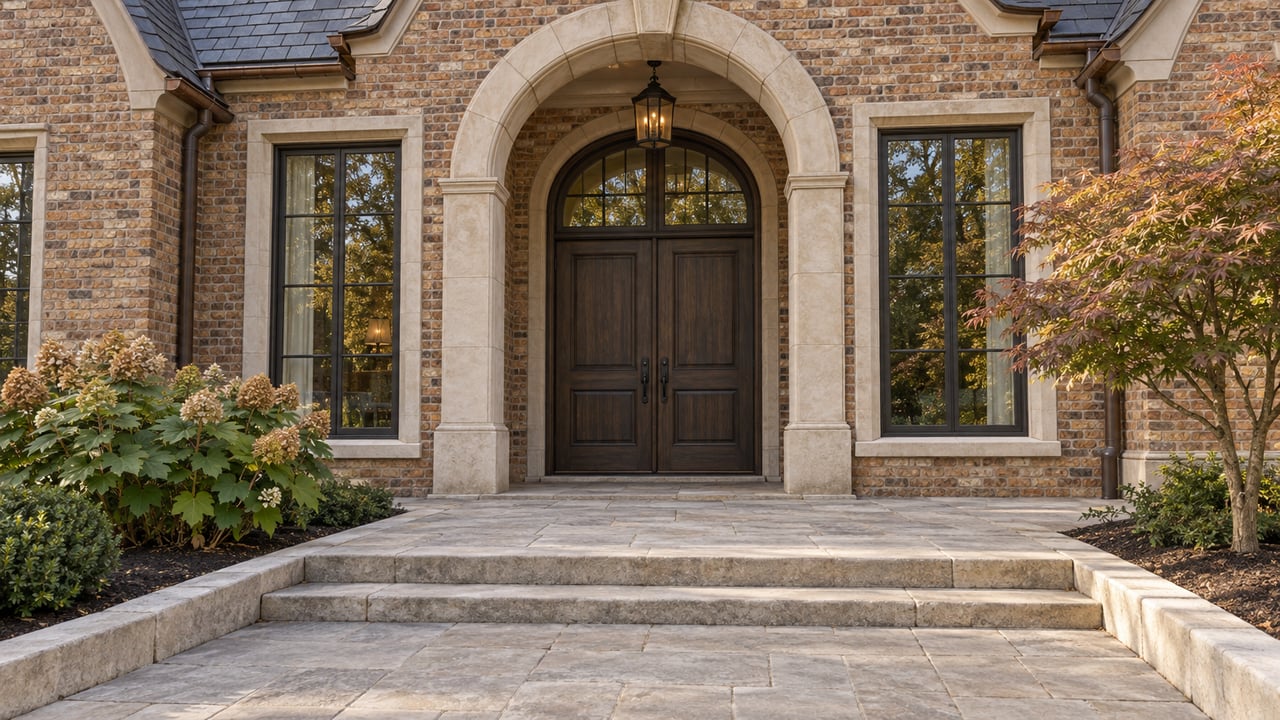
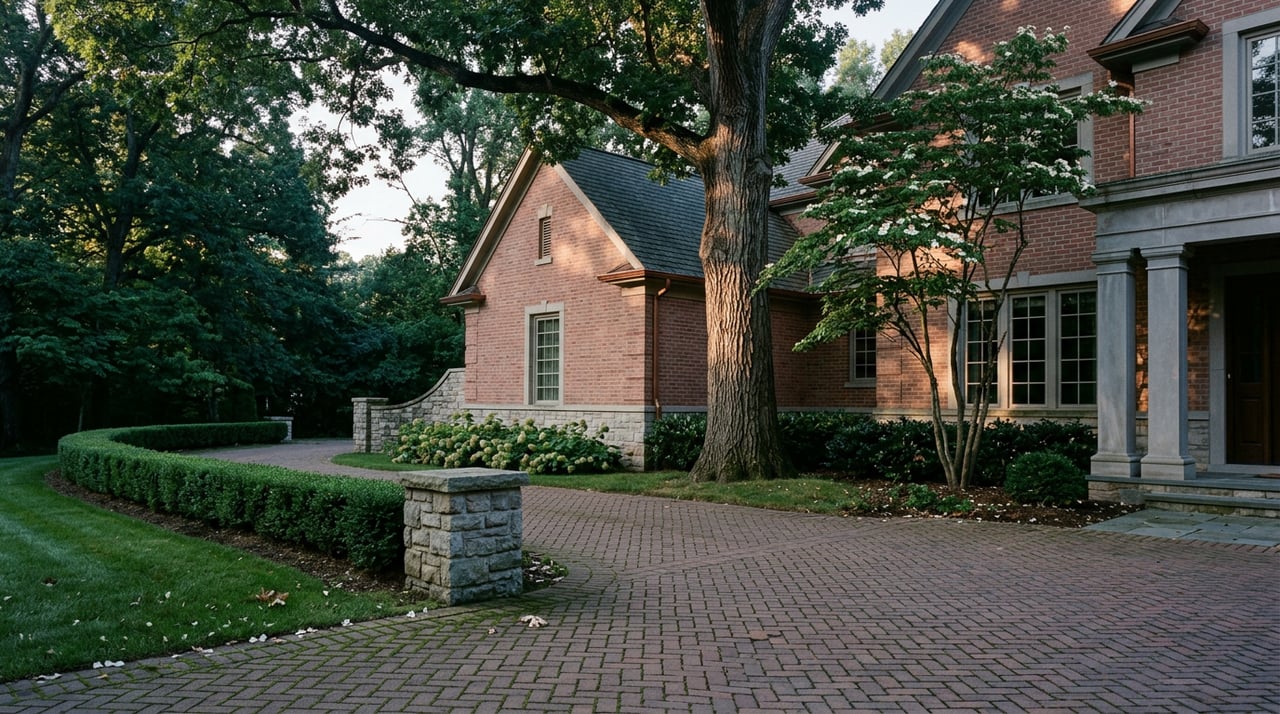
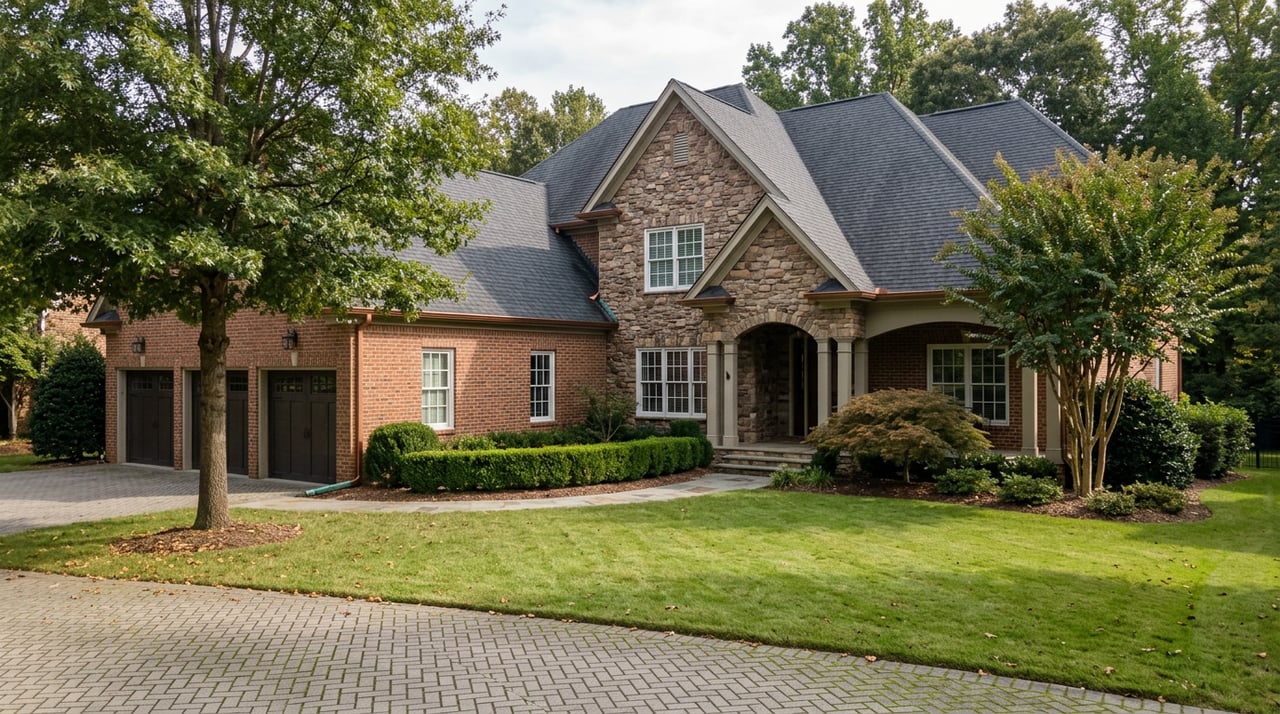
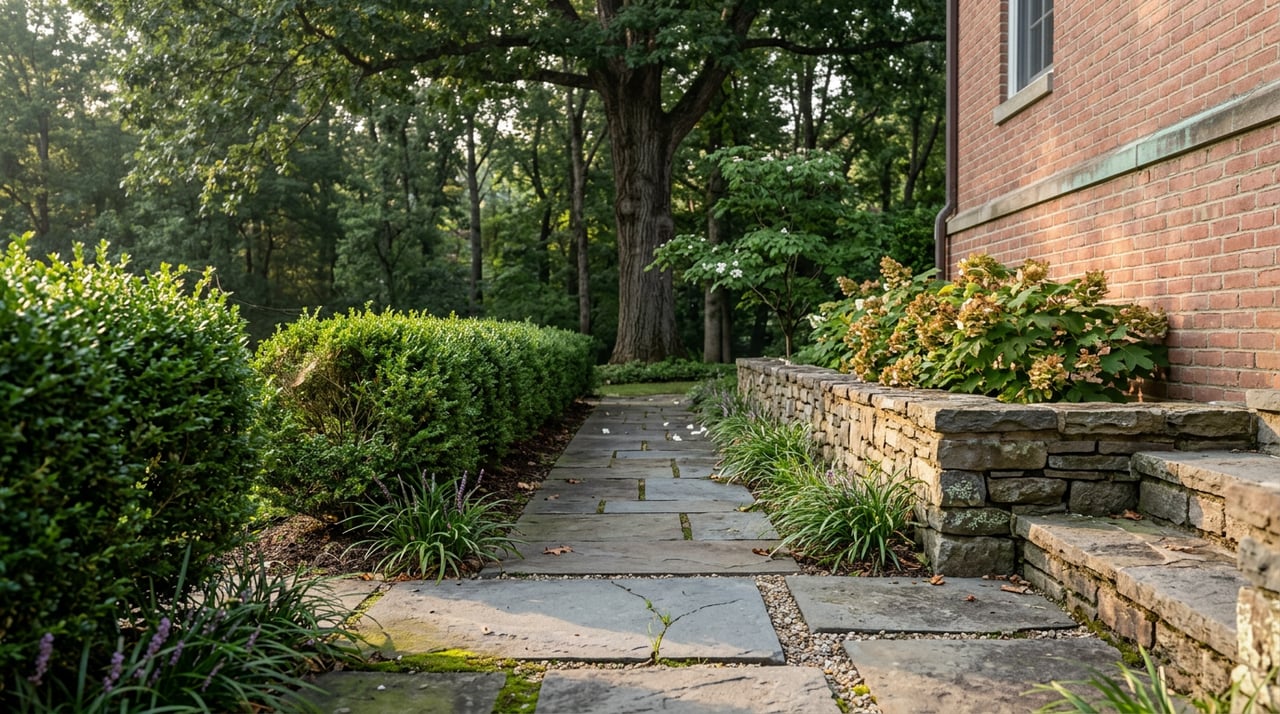
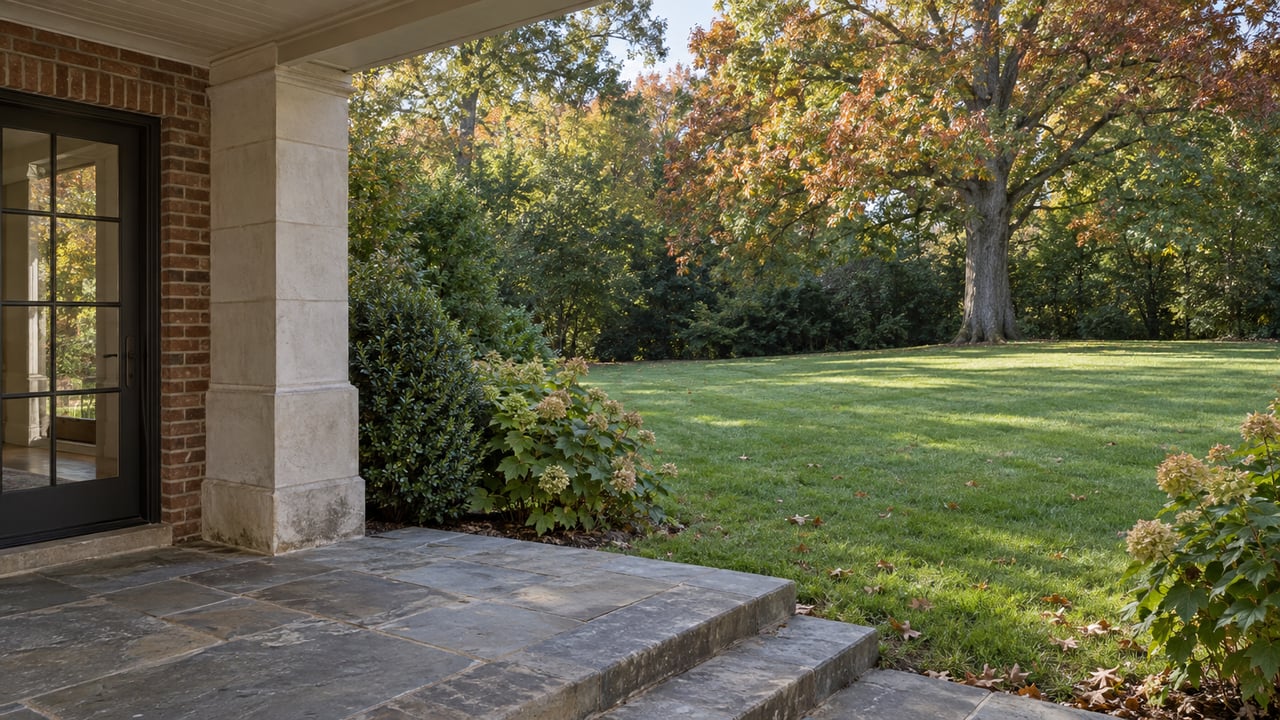
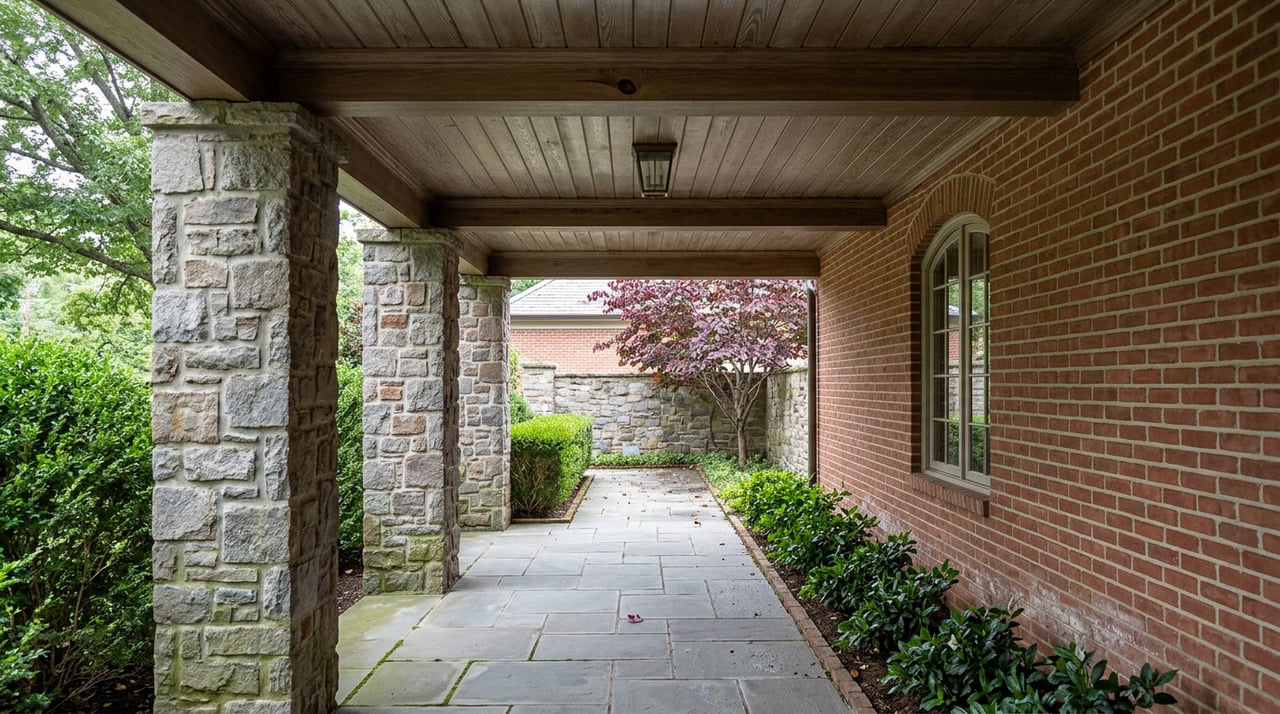
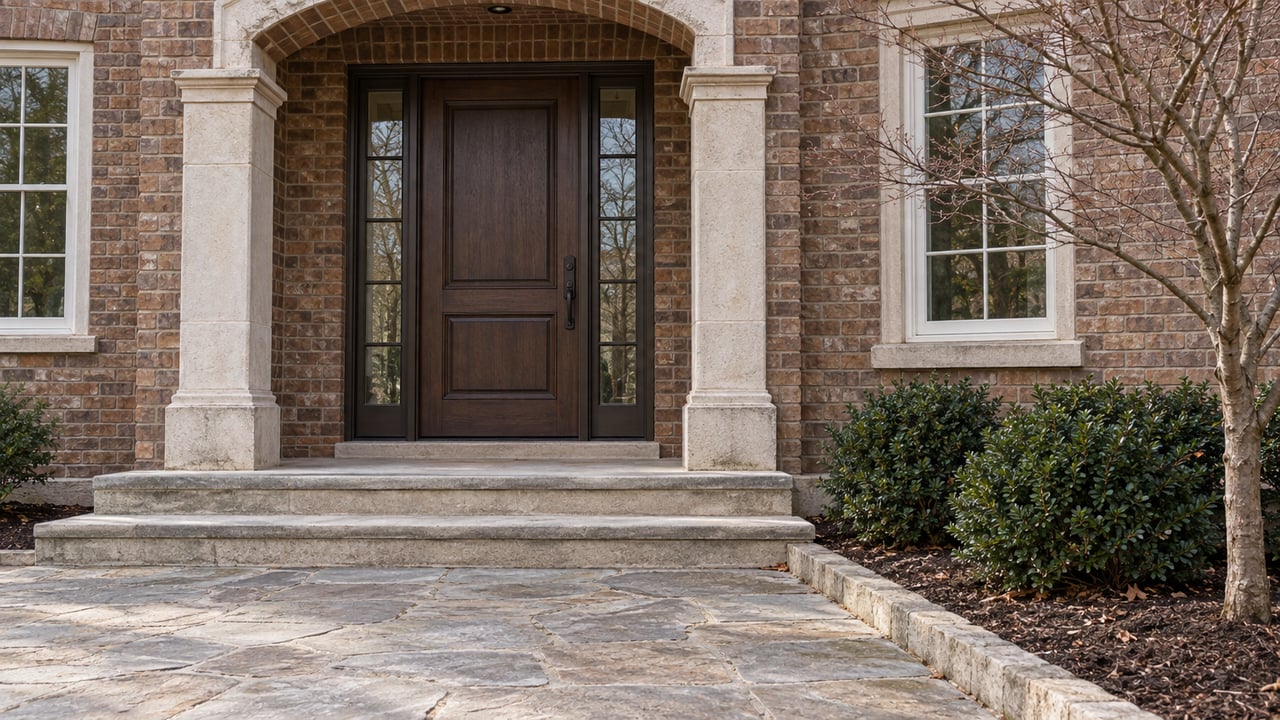
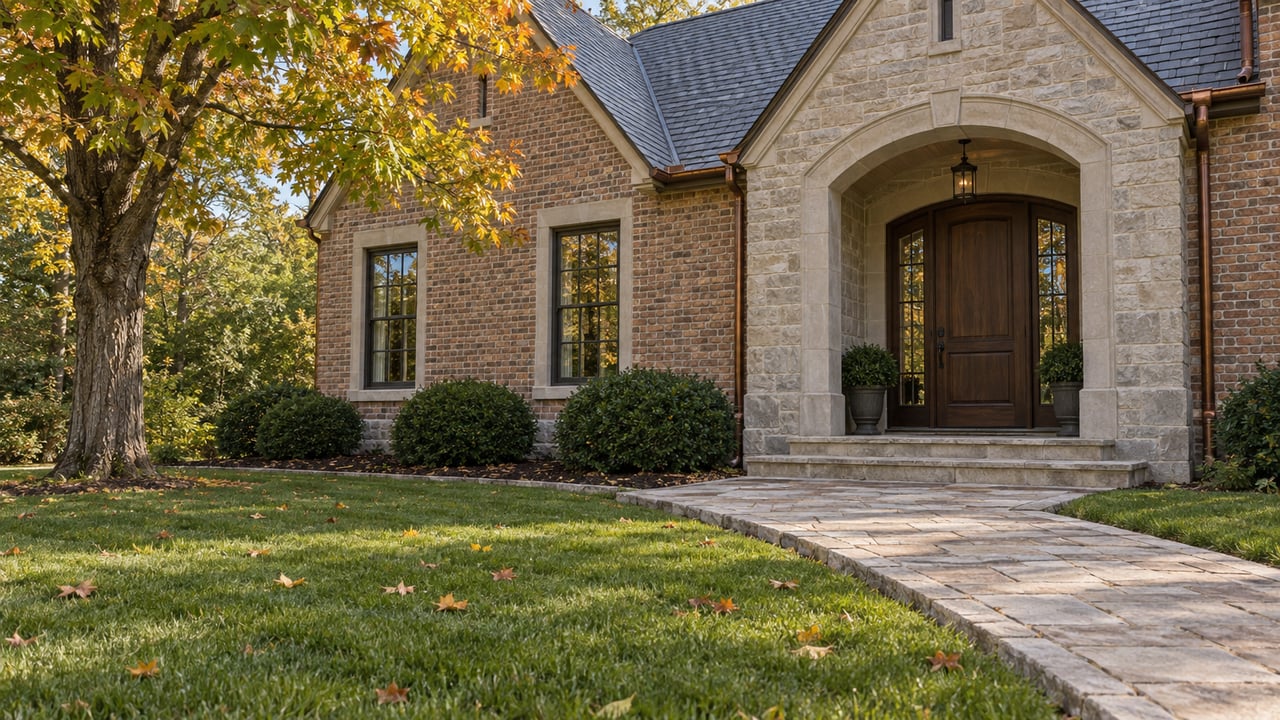
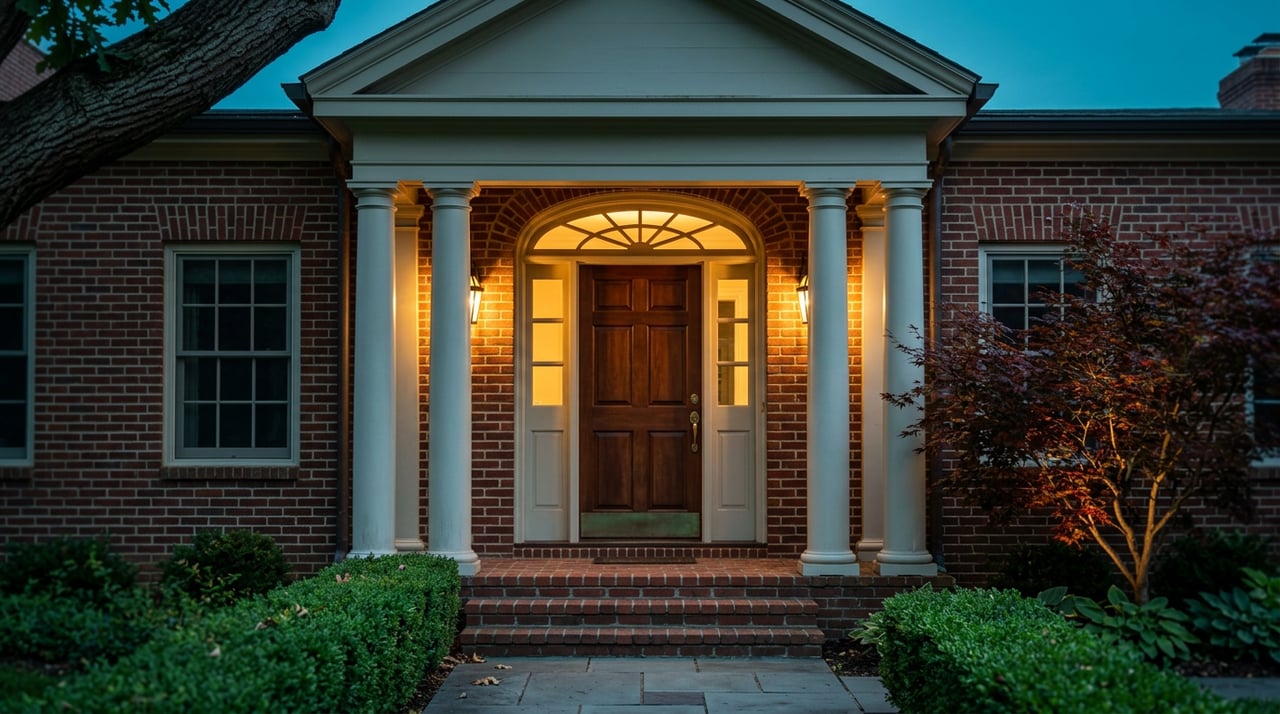
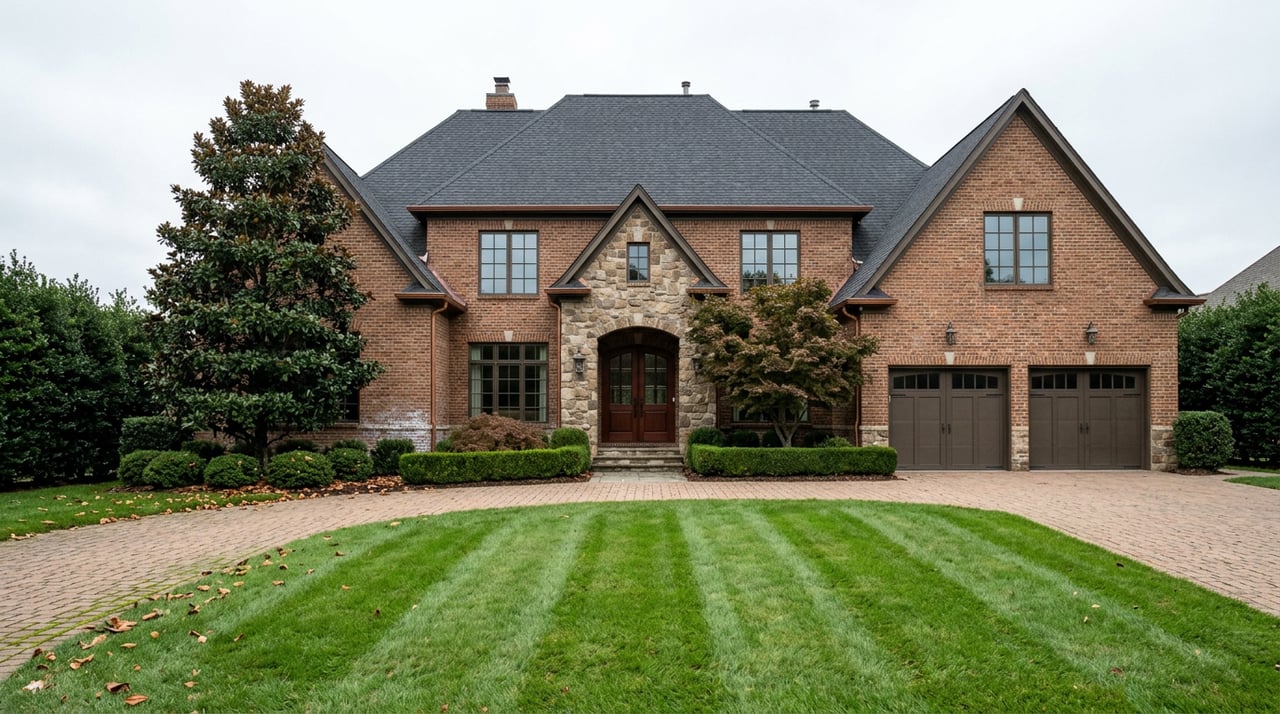
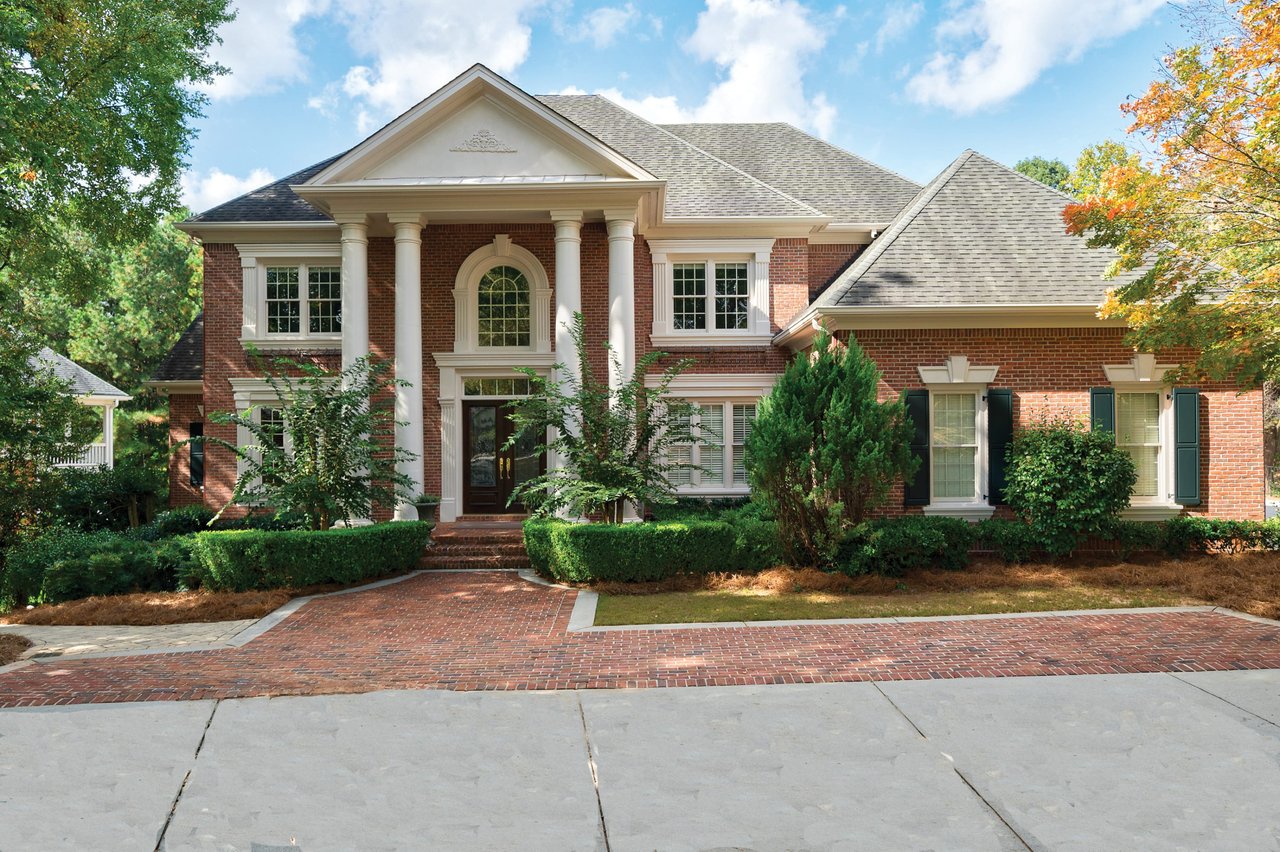
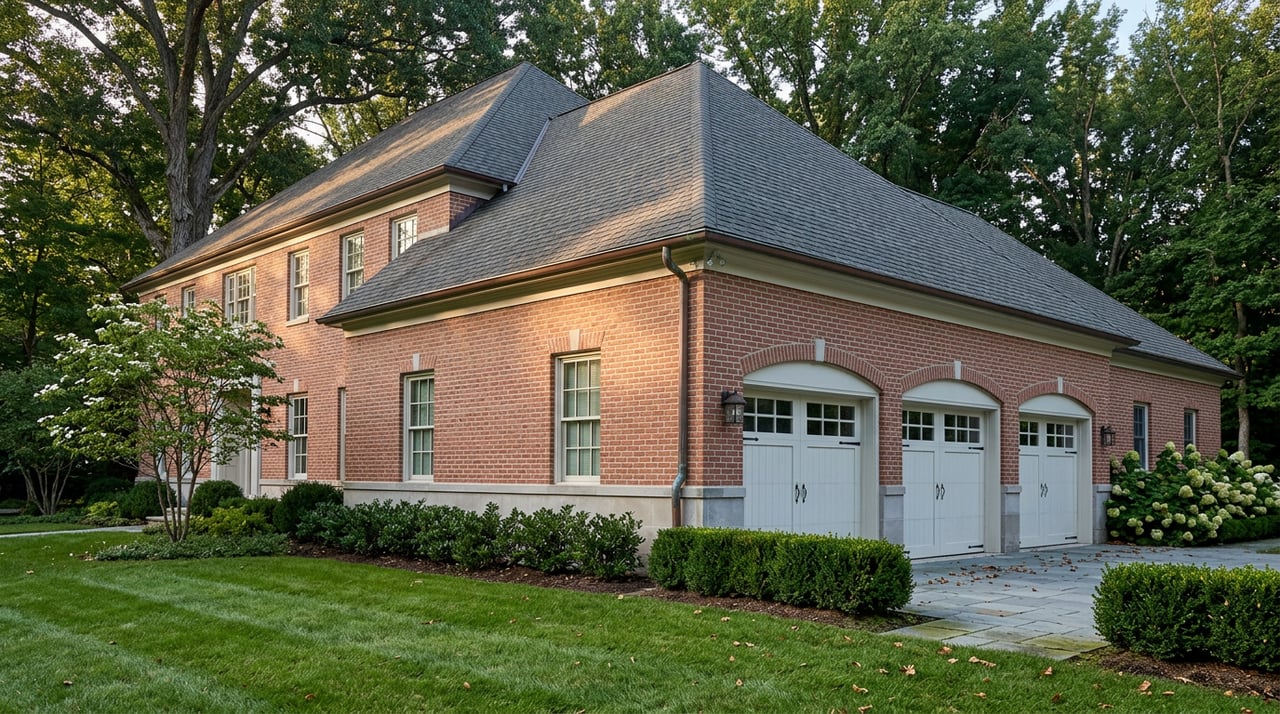
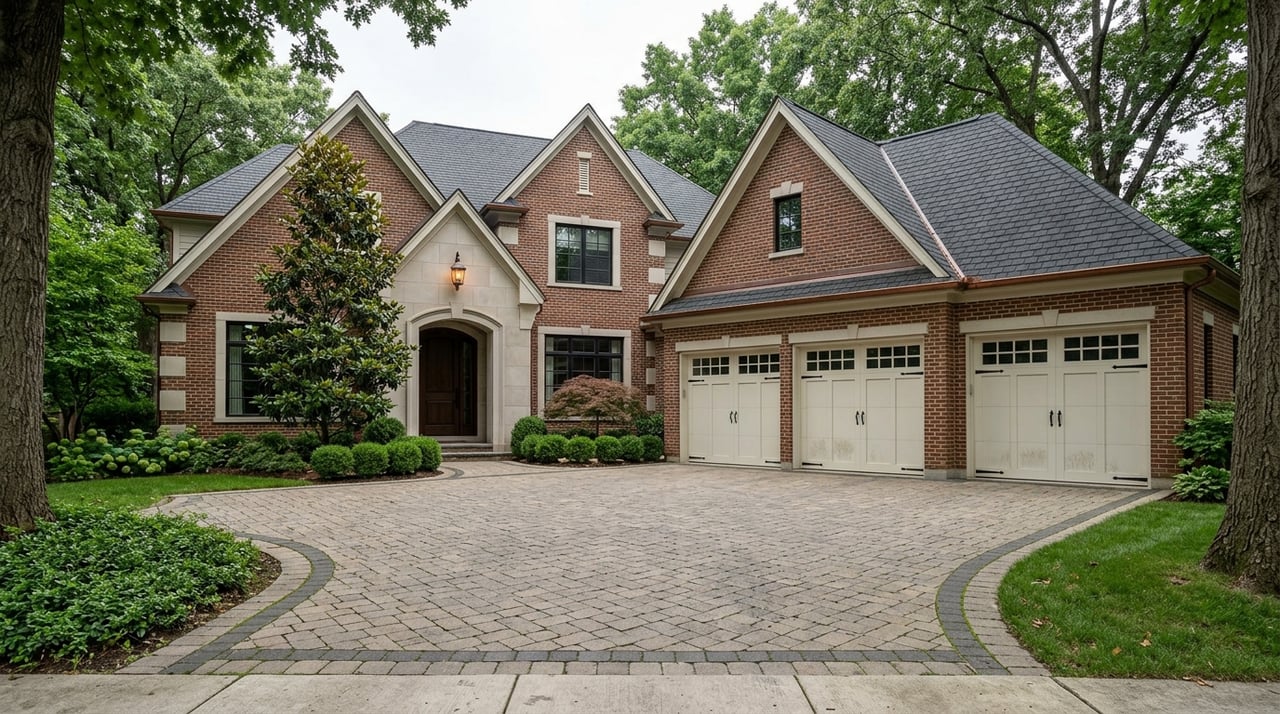
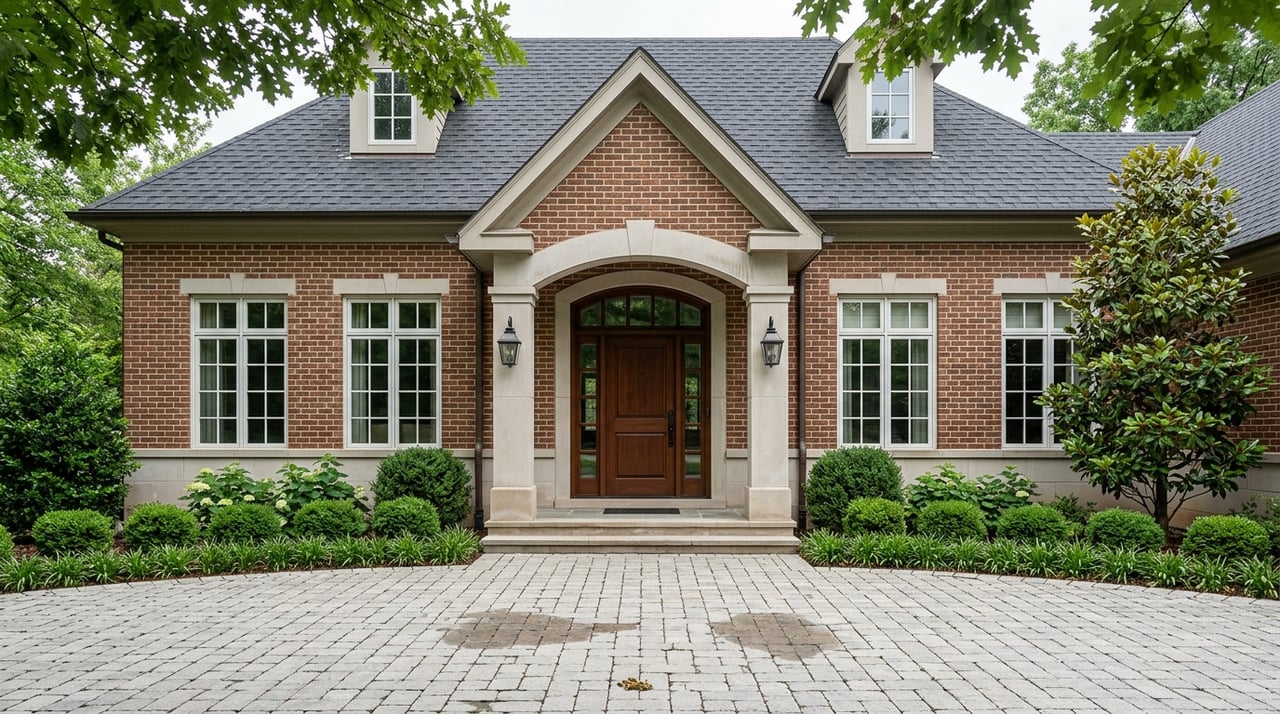
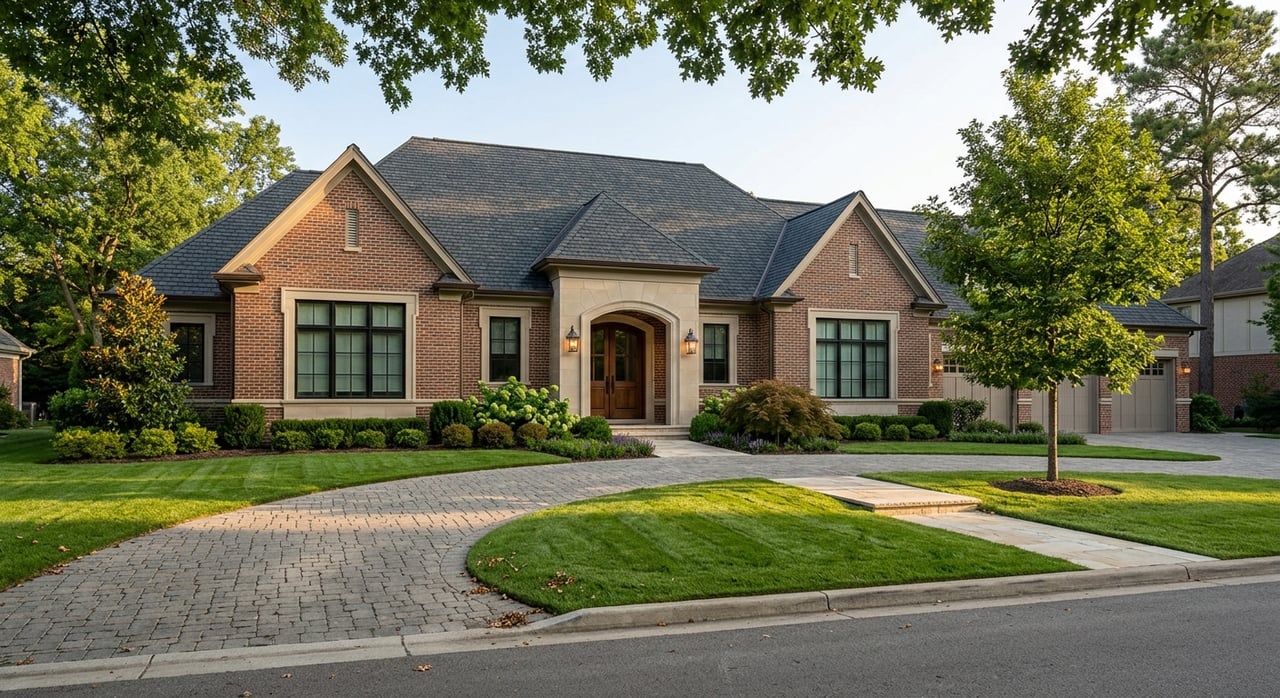
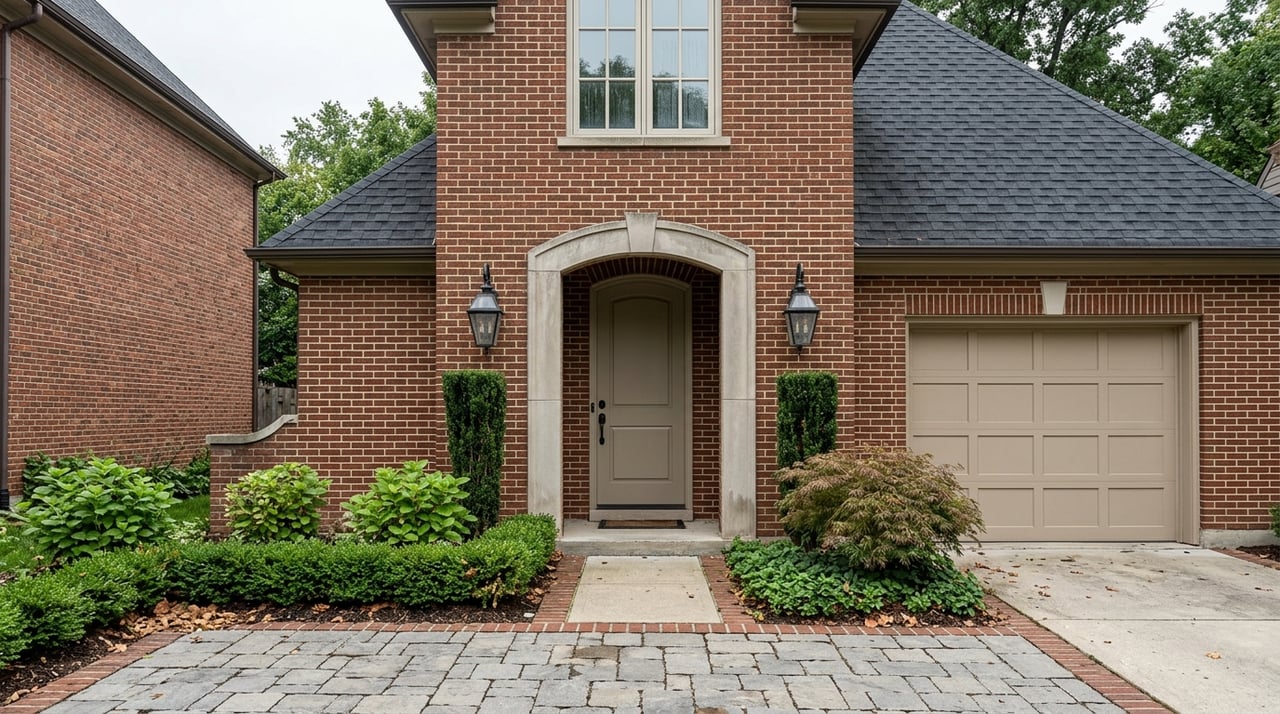
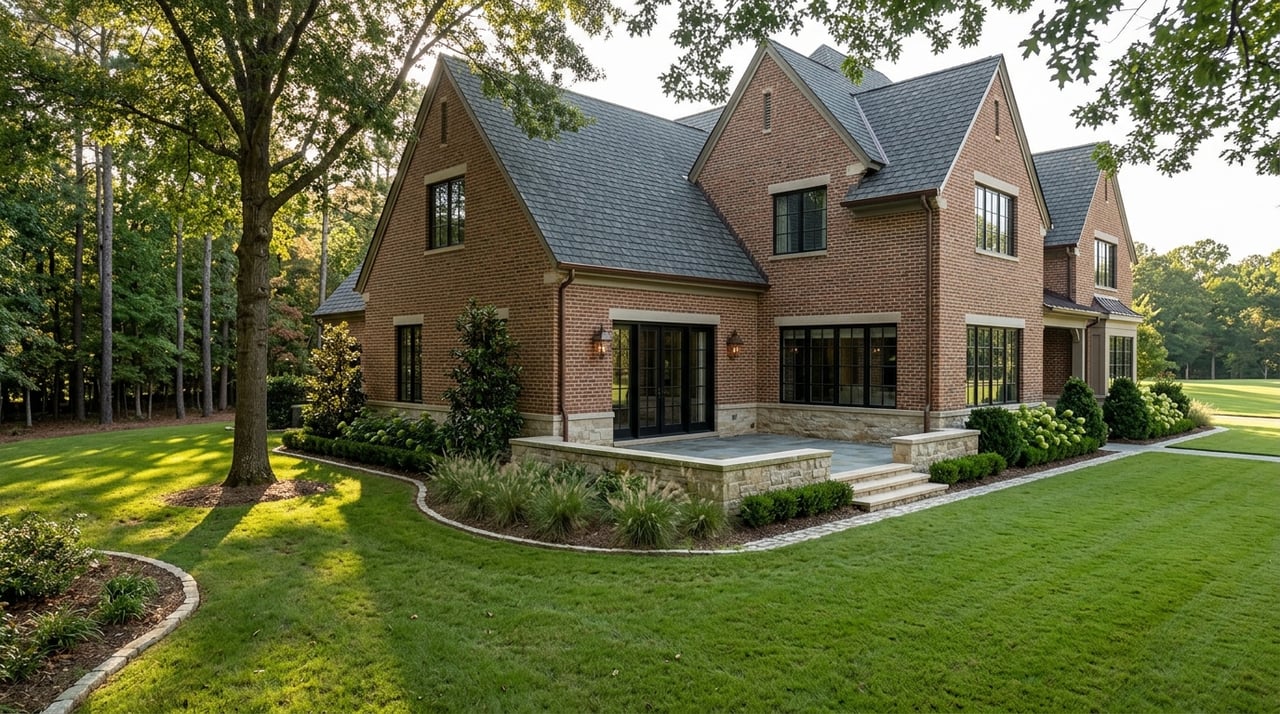
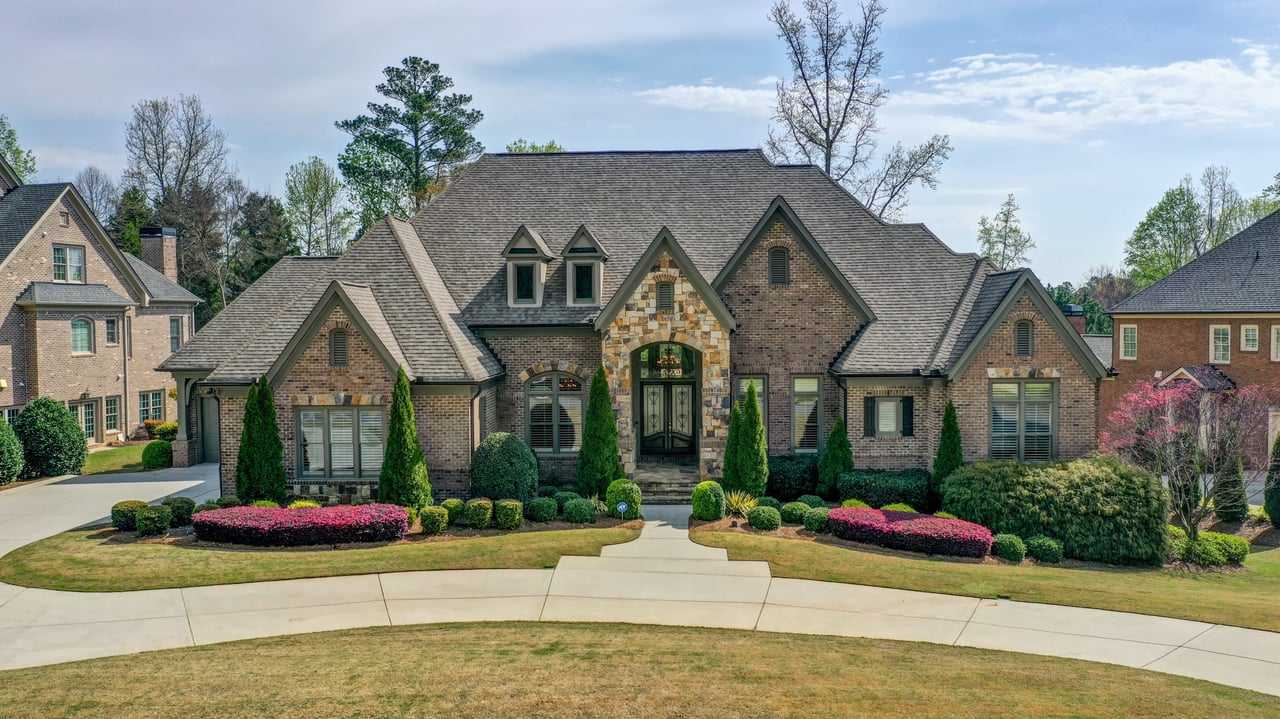
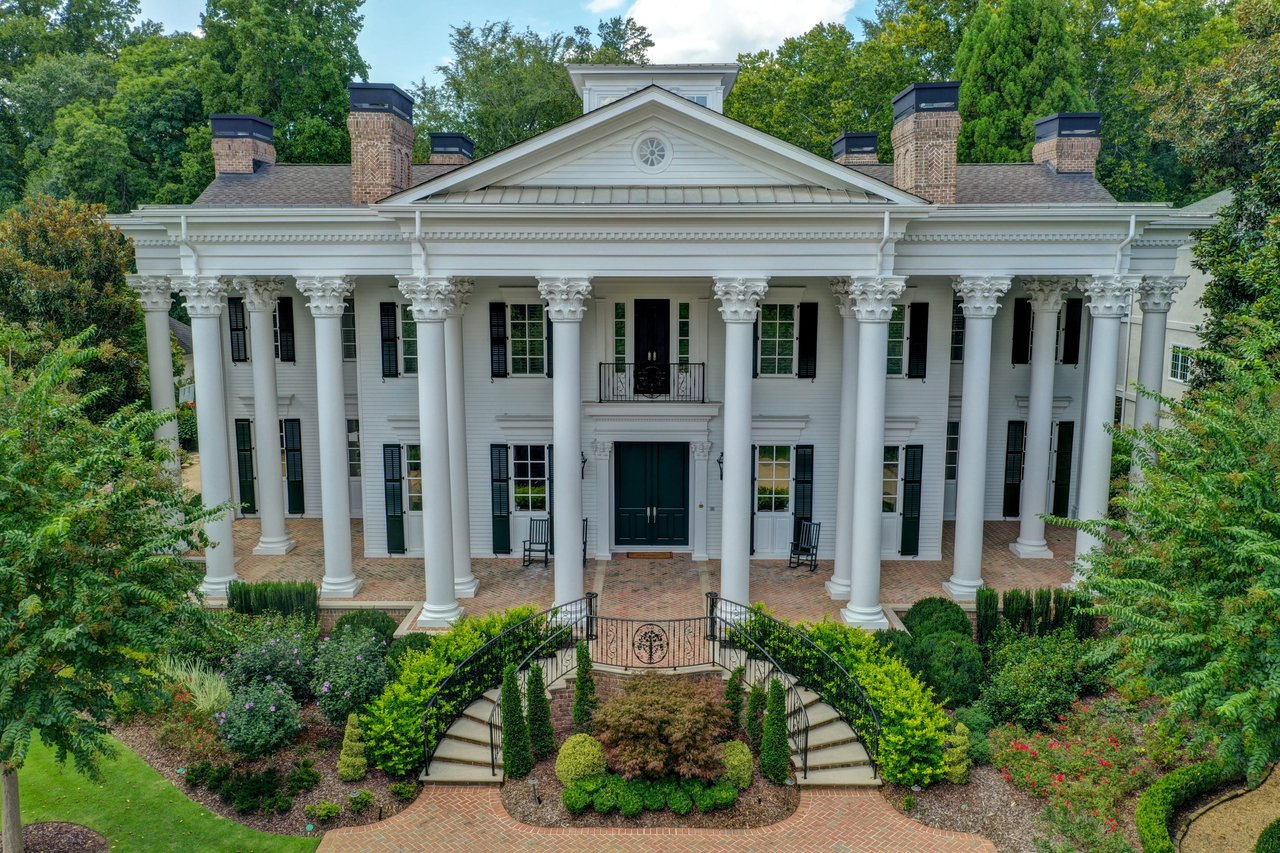
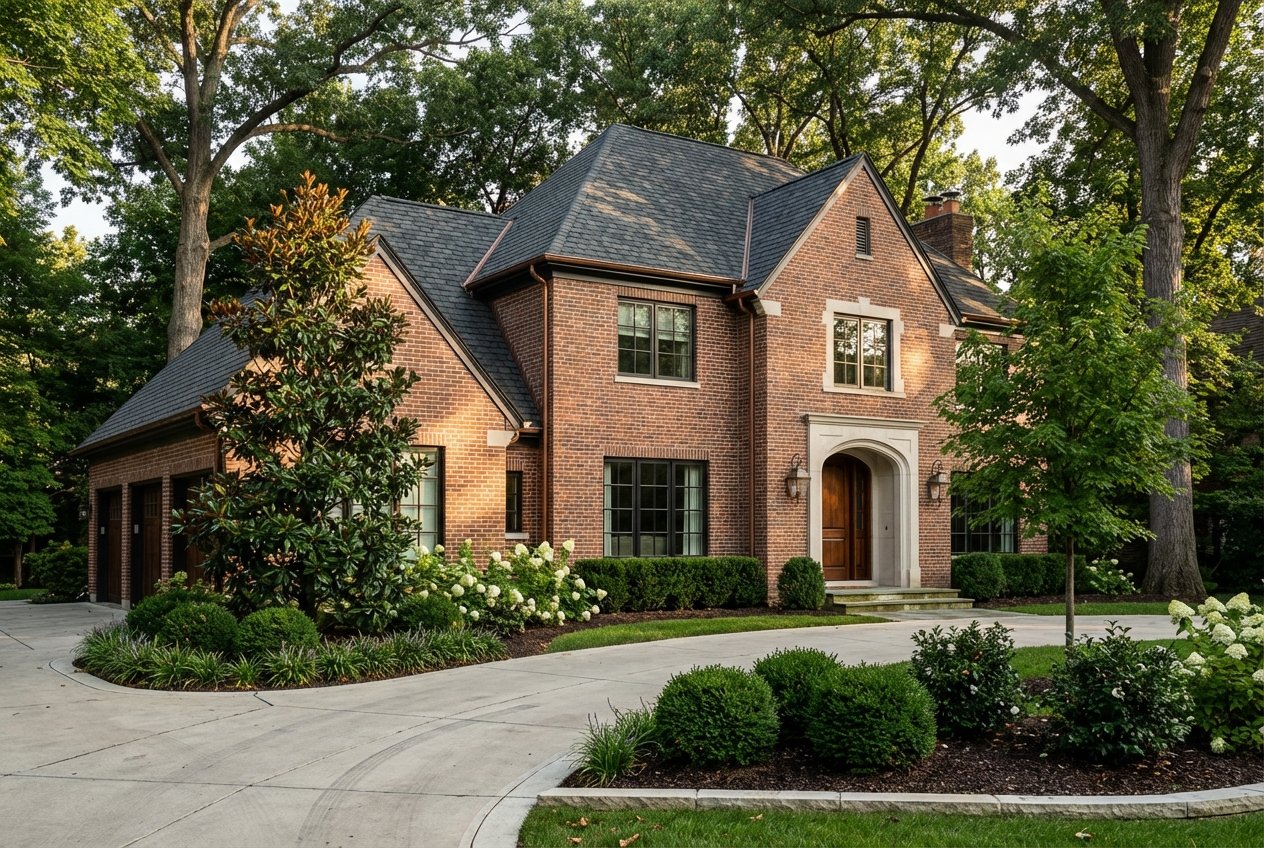
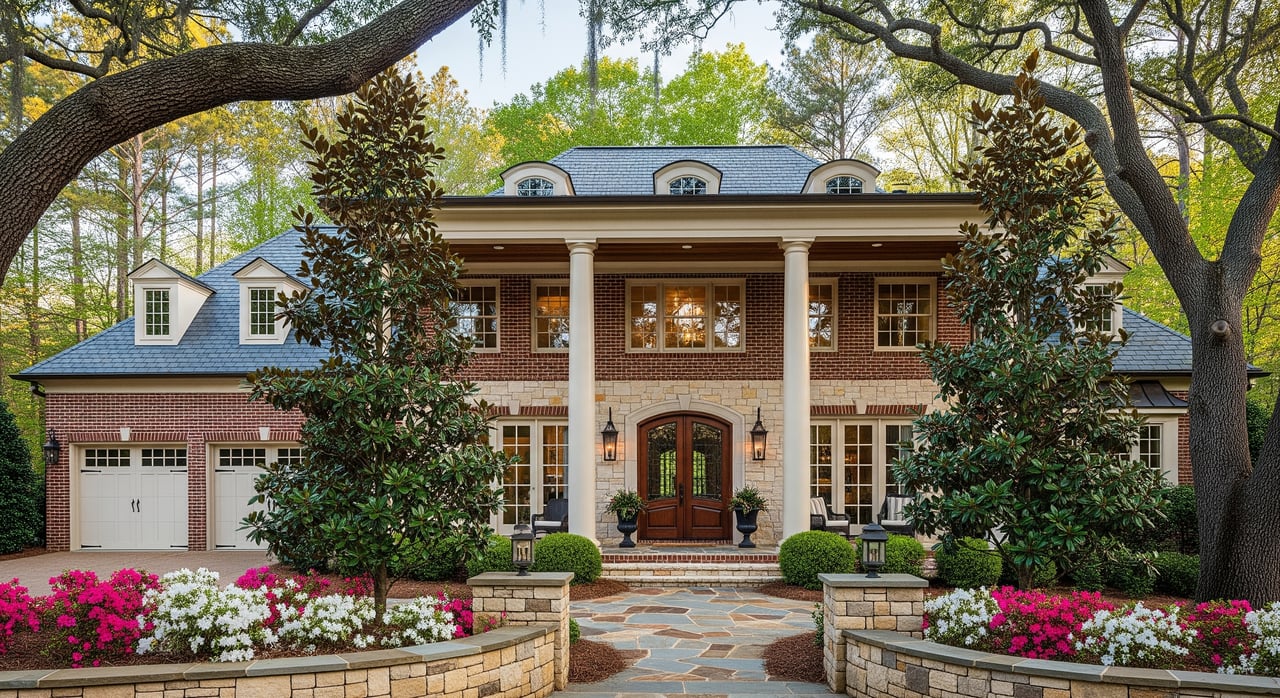
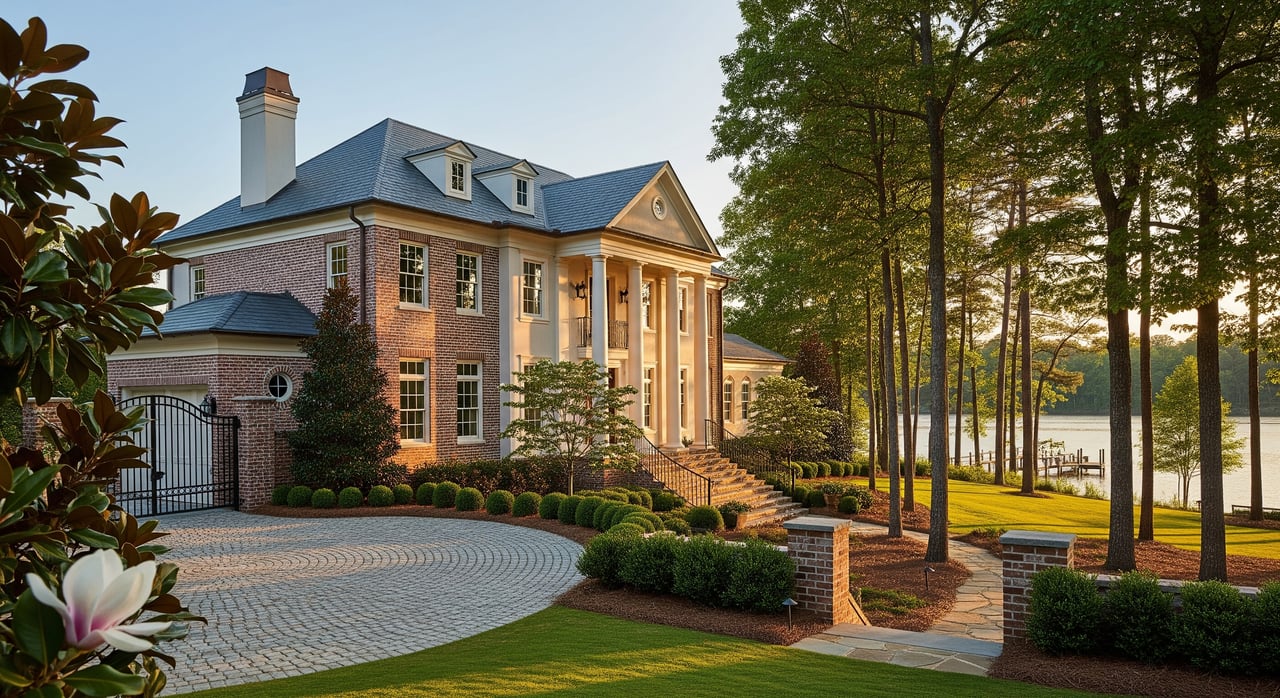
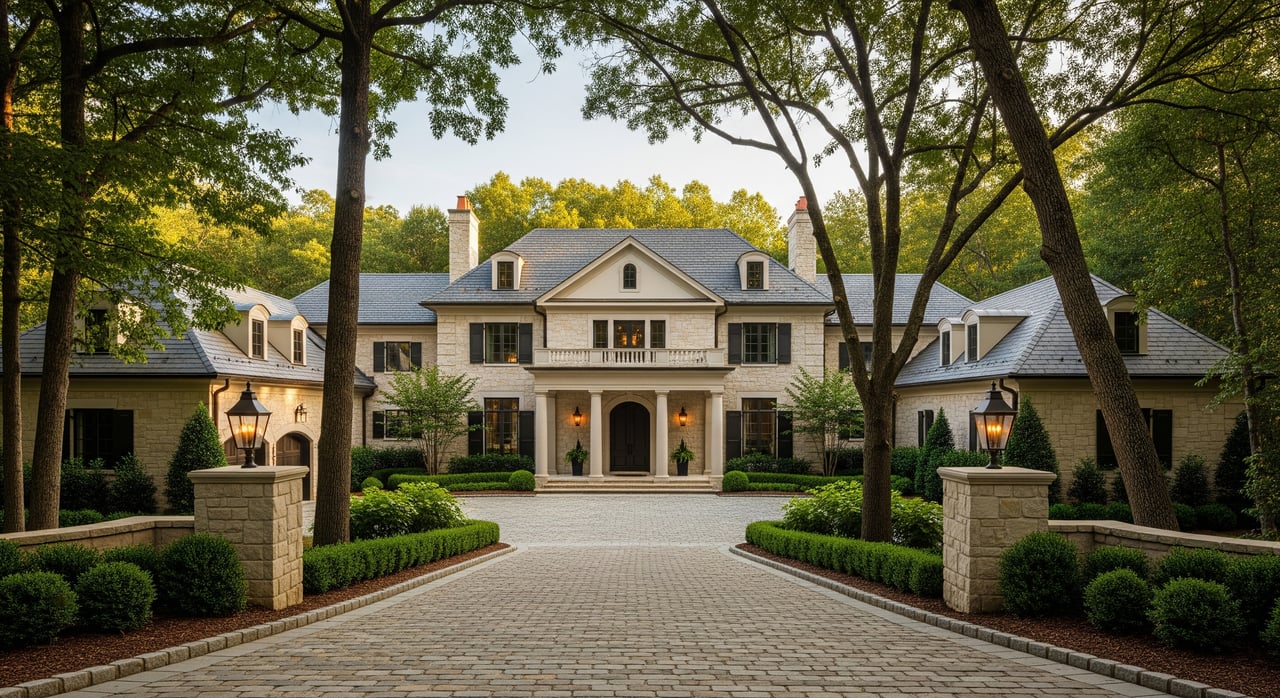
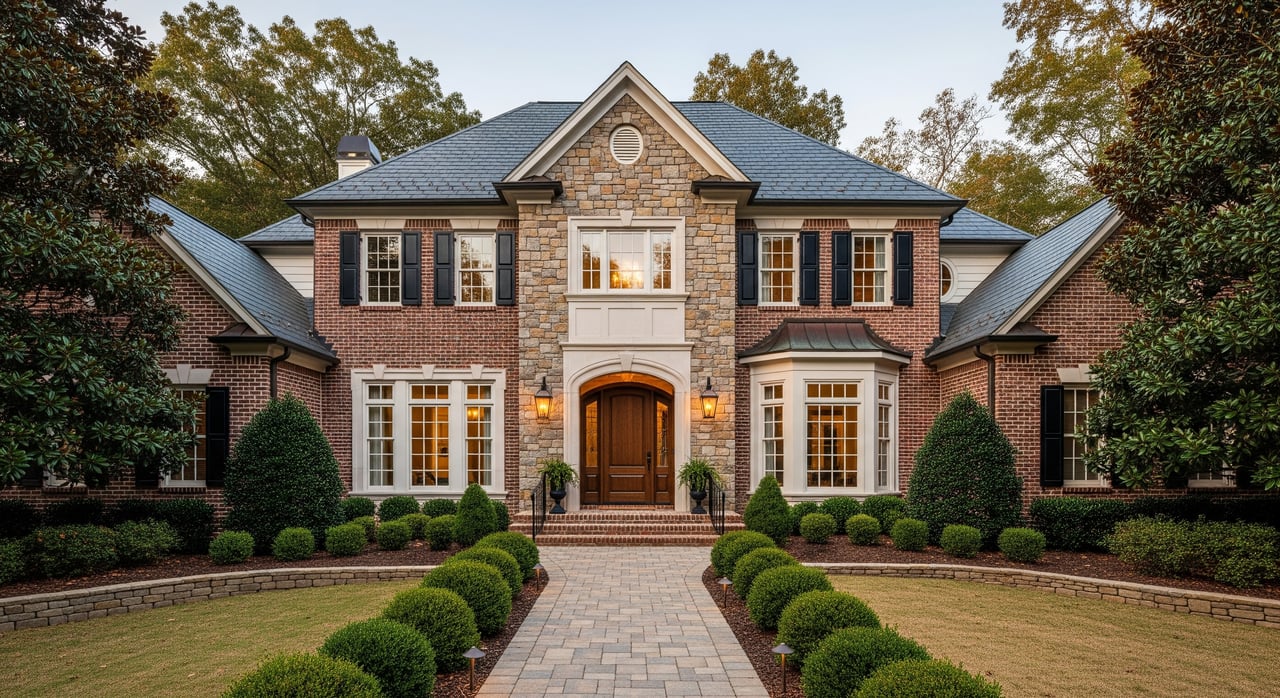
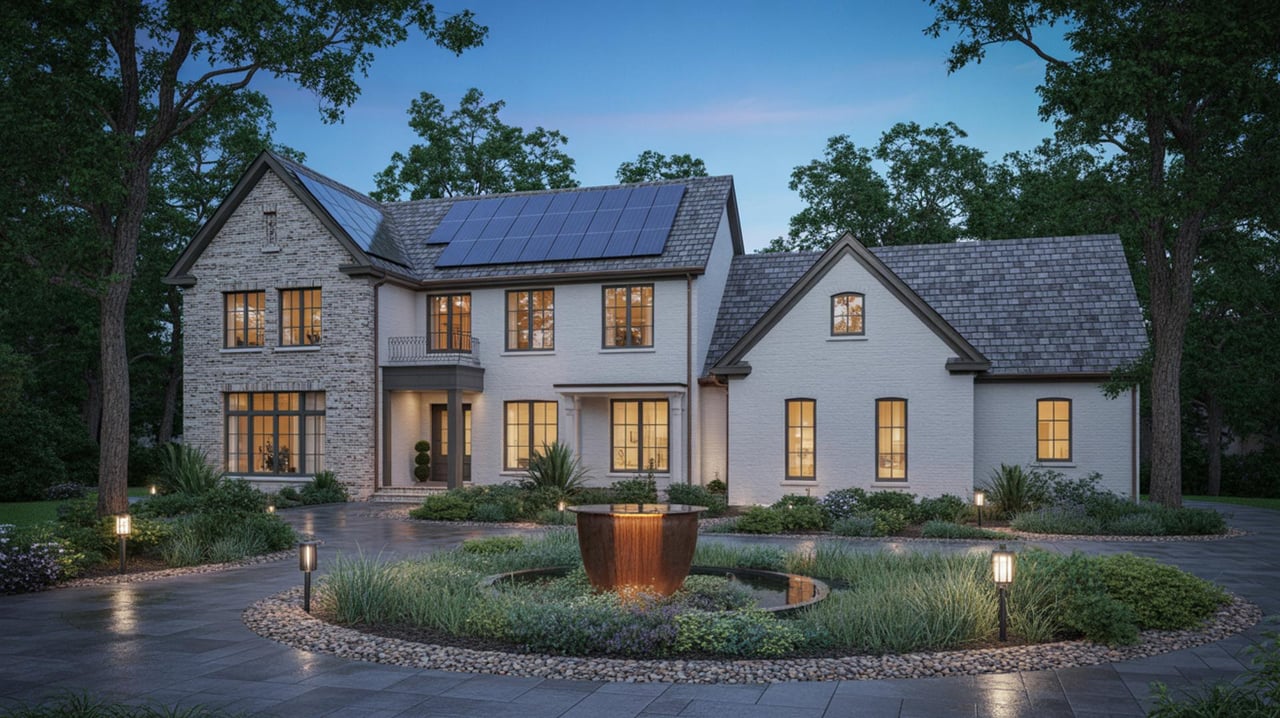
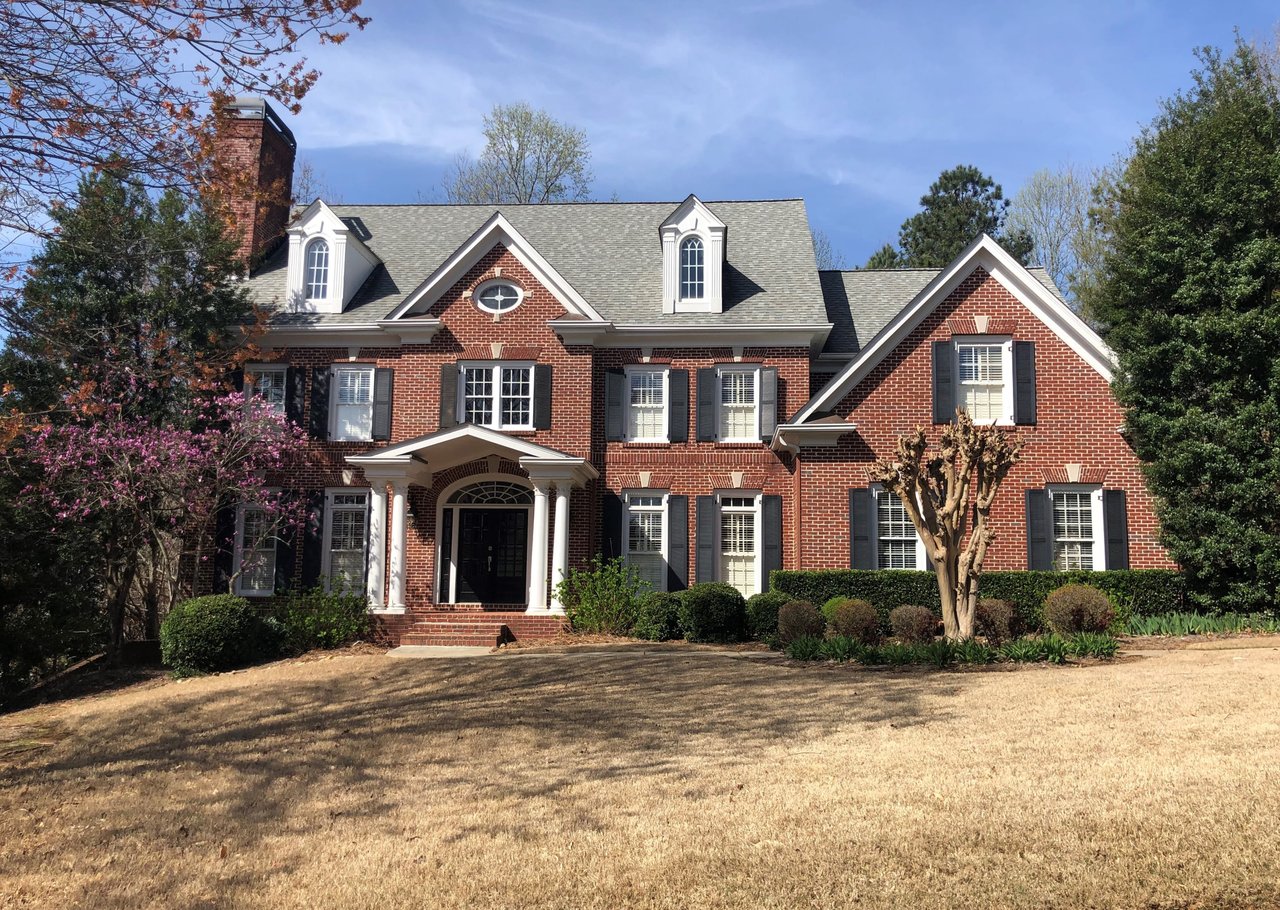
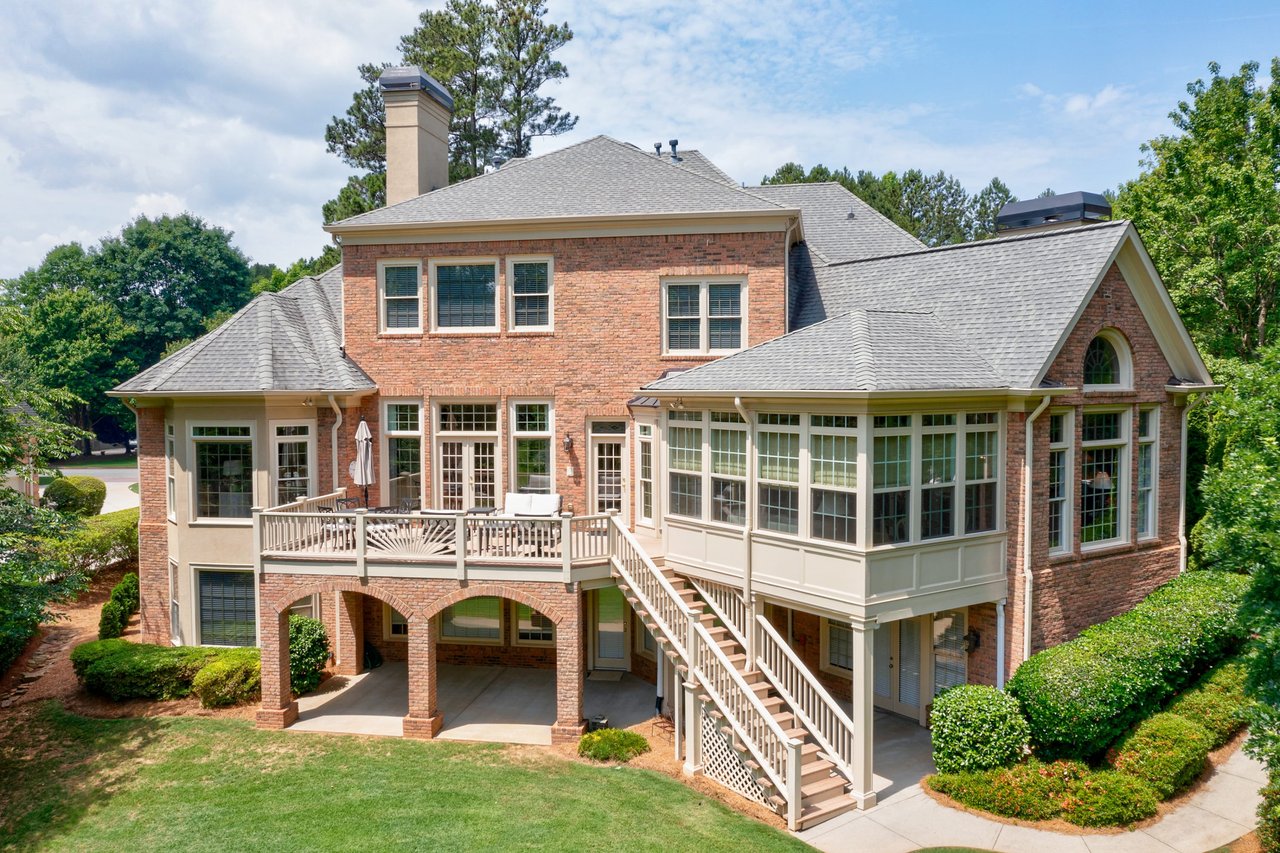
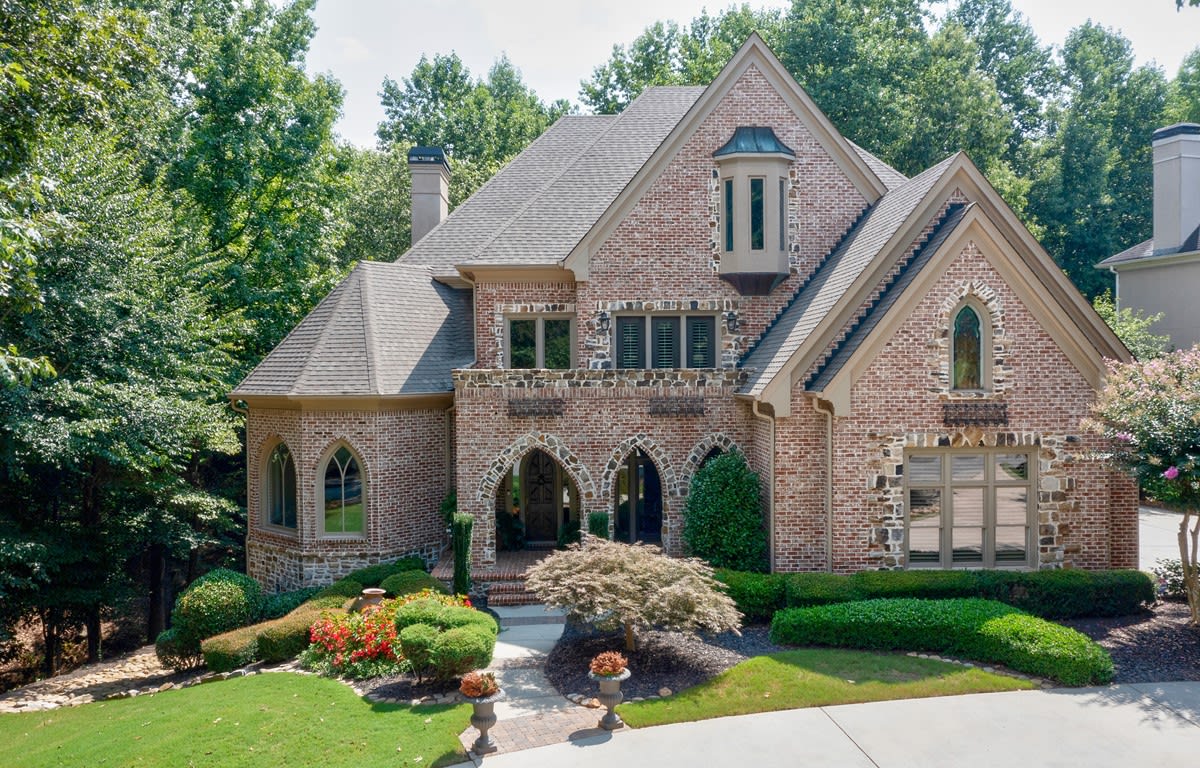
The River Club places a strong emphasis on design consistency. Official materials highlight classic American and European architecture, selected architects, builder guilds, and natural materials such as wood, stone, and brick.
Public listing and community materials also indicate that plans must be approved by the Architectural Review Board or Architectural Control Committee. For buyers, that matters most when you start thinking about changes to the exterior.
If you are considering a golf-course home, verify approval requirements for:
- Pools
- Fences
- Screened porches
- Pergolas
- Outdoor kitchens
- Retaining walls
- Hardscape
- Exterior lighting
- Major landscape changes
This review process helps preserve the community’s overall appearance and long-term consistency. It can also affect your timeline and budget if you plan to personalize the backyard after closing.
Focus on outdoor living potential
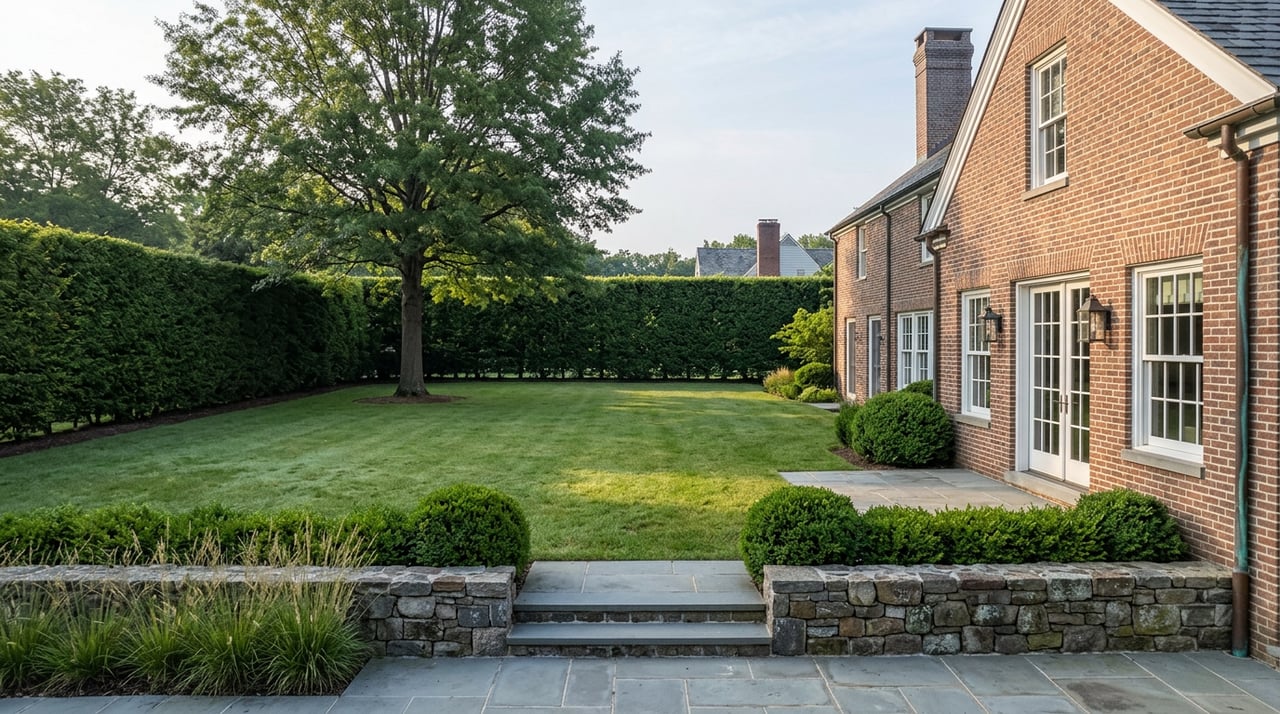
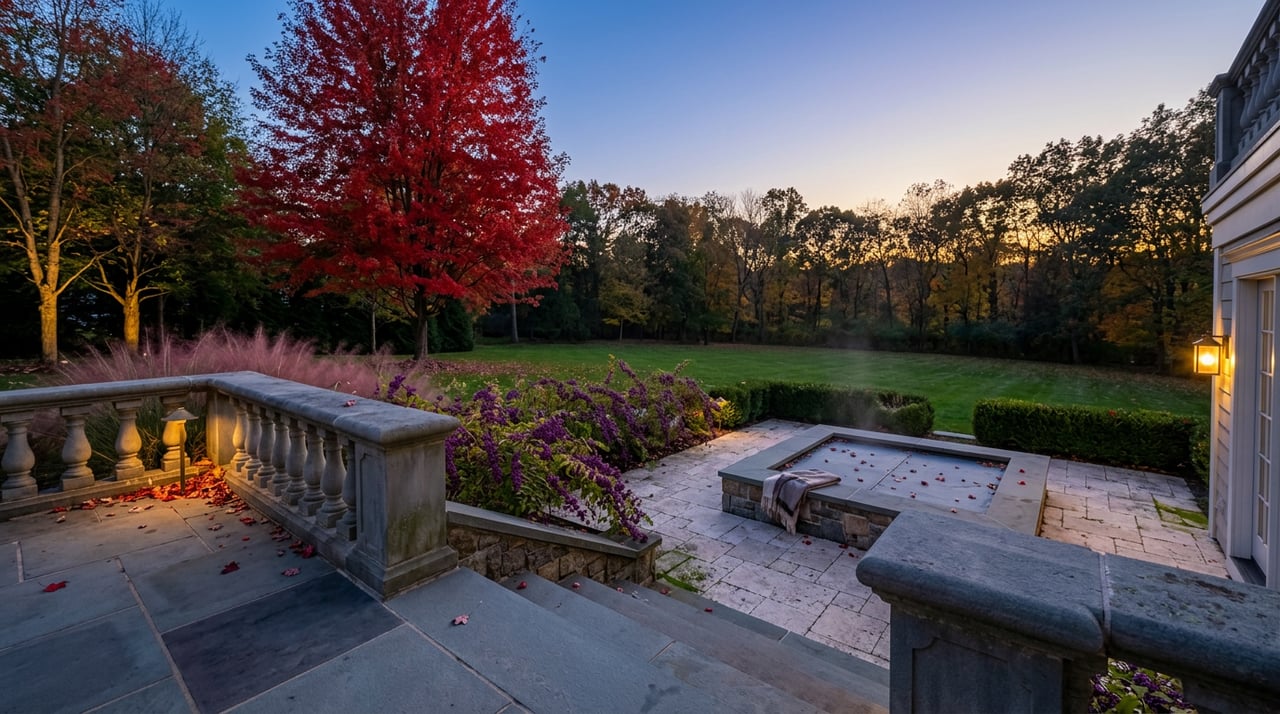
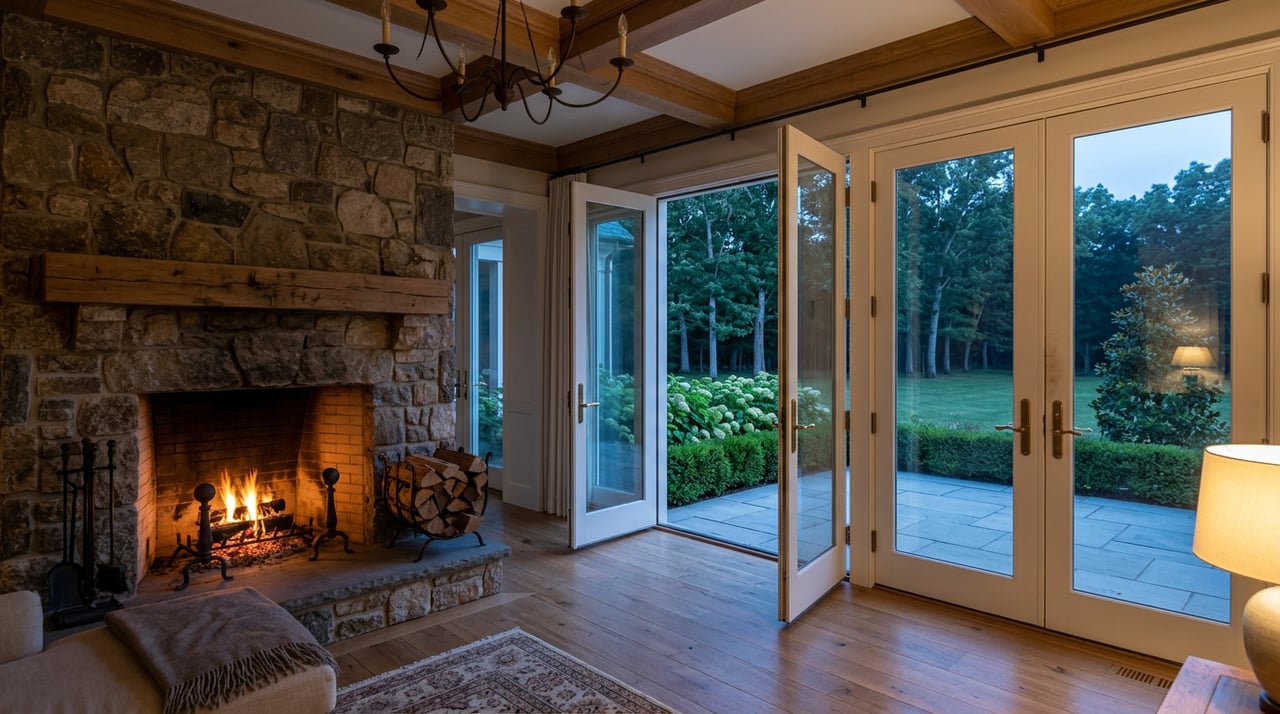
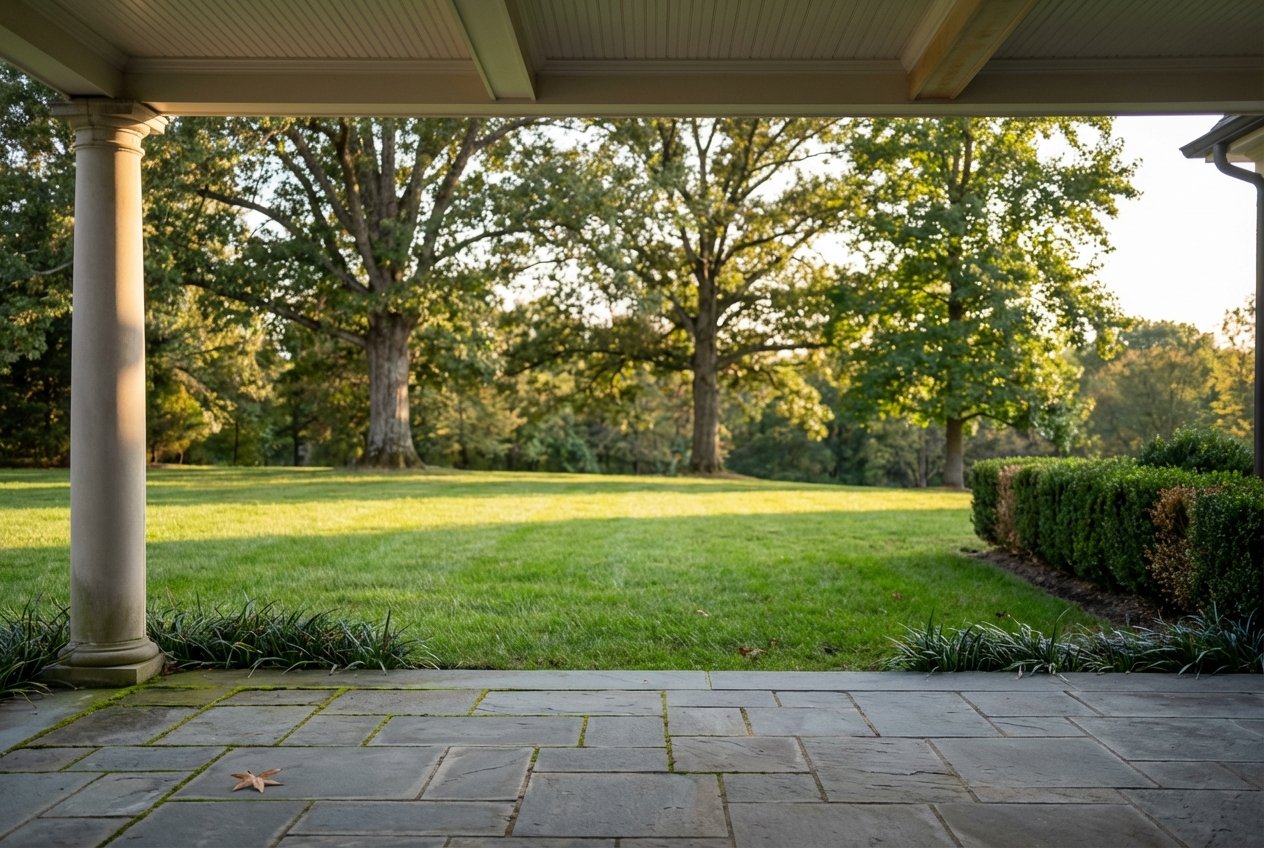
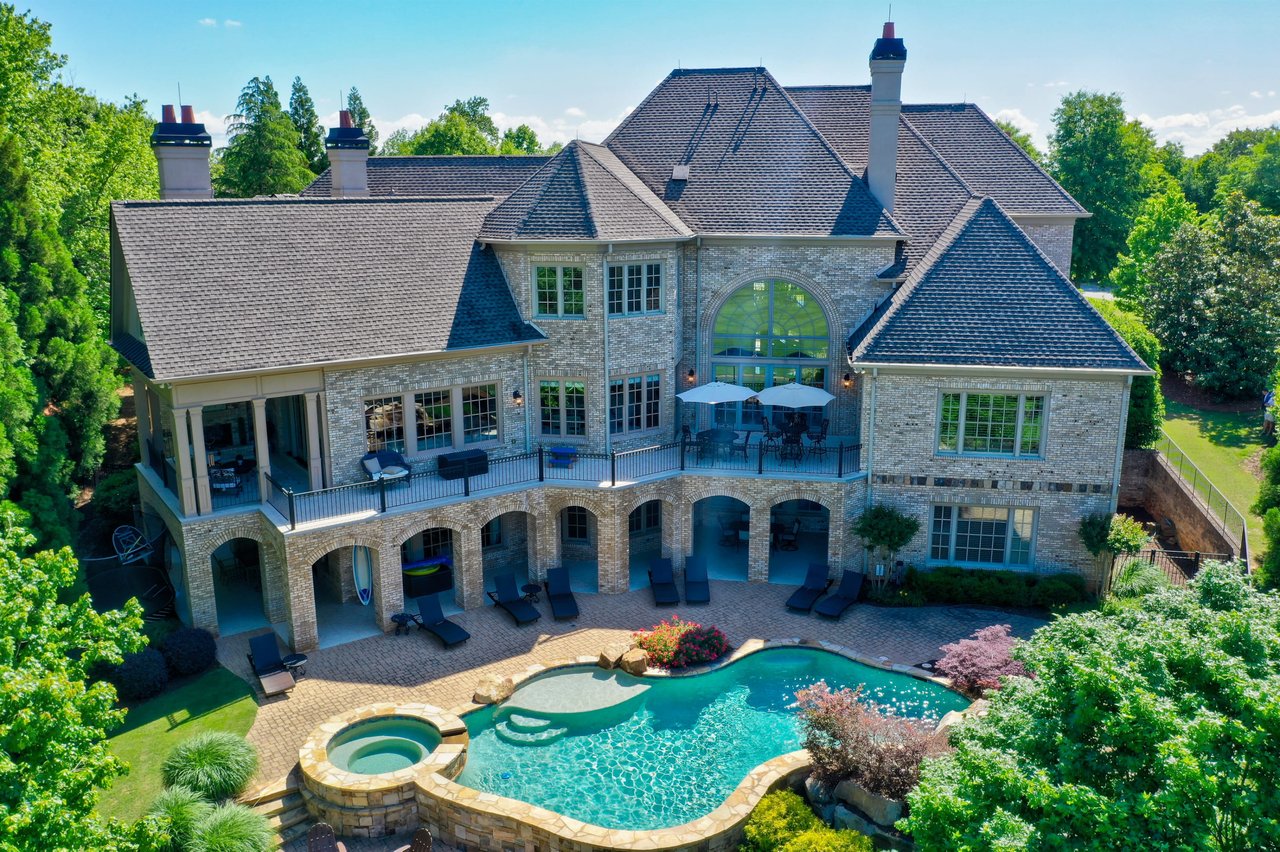
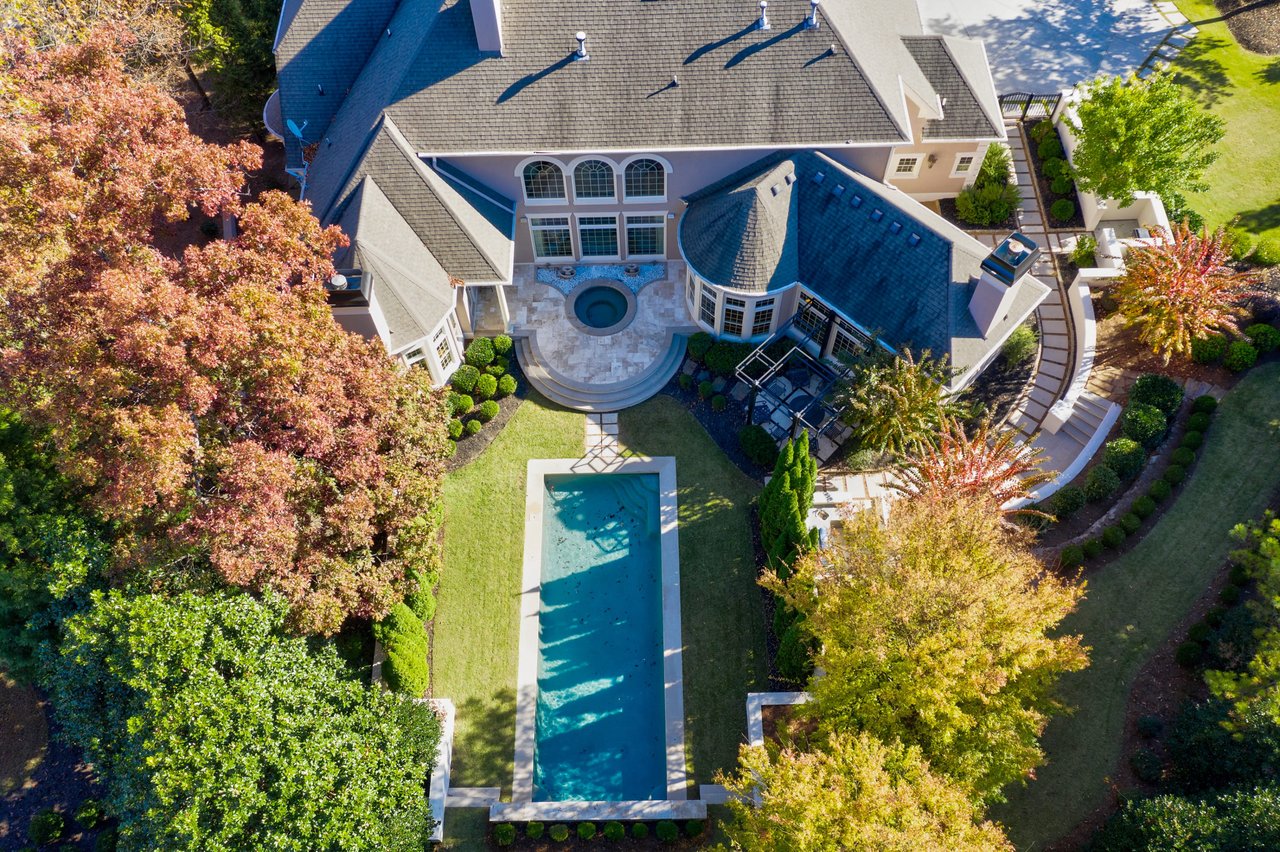
In a community like The River Club, outdoor space often plays a major role in value and enjoyment. A golf-course lot may offer dramatic views, but usable yard space, tree buffer, sun exposure, and privacy can vary quite a bit from one property to another.
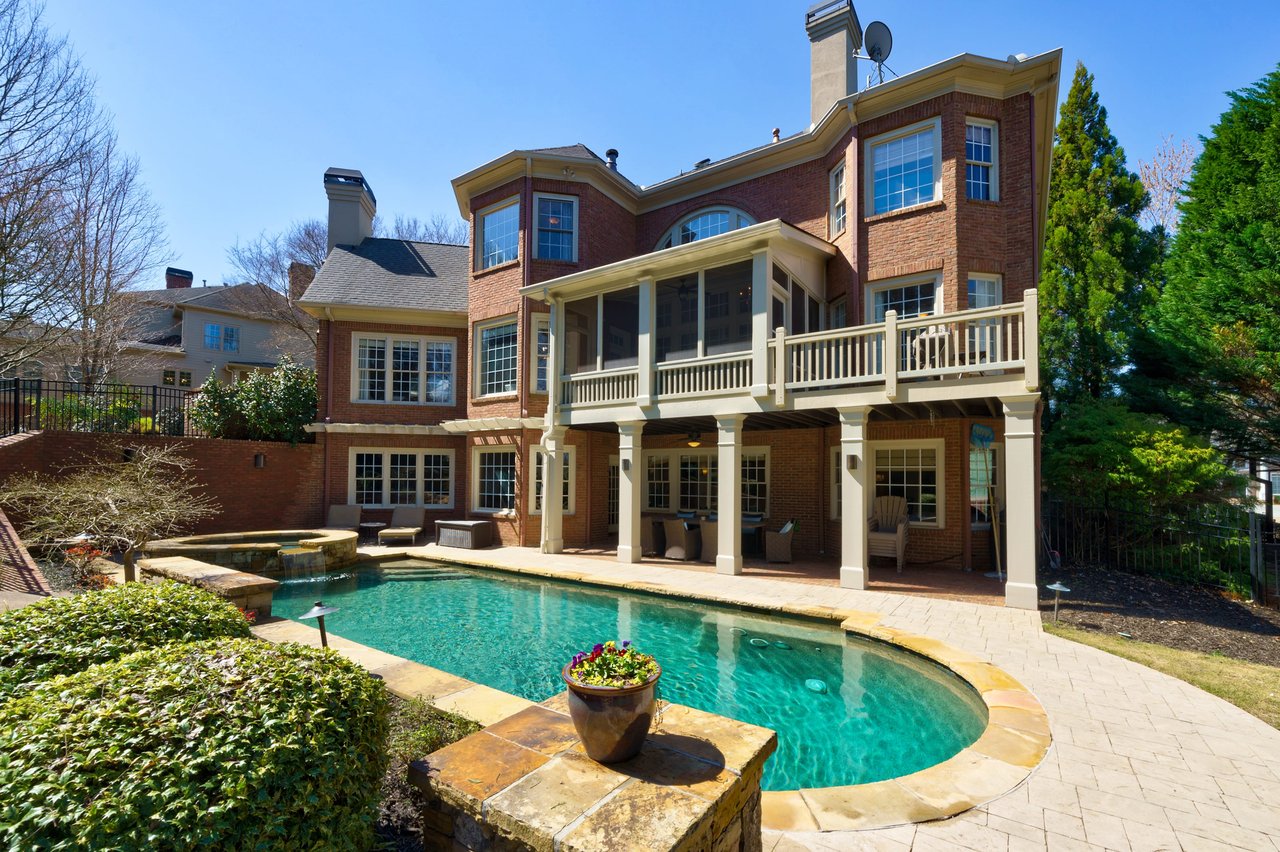
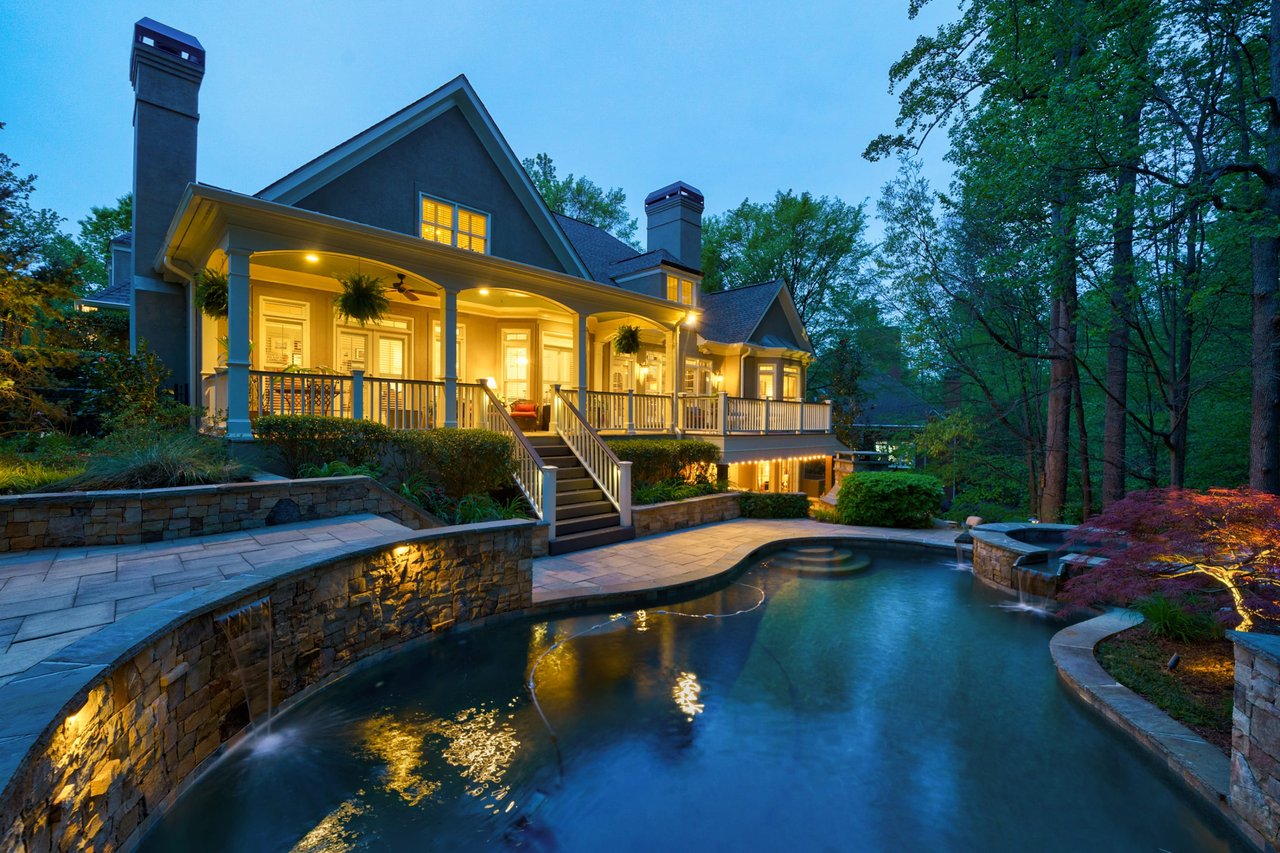
That is why it helps to think beyond the rear windows. If you picture a pool, covered porch, or expanded hardscape, make sure the lot can support that vision and that any needed approvals are realistic.
A lot that feels ideal on day one may not be the best fit if your long-term plans depend on exterior changes. The more specific your goals are up front, the better your buying decision will be.
Use this due diligence checklist
Before you buy a golf-course home in The River Club, ask these questions:
- Which hole, tee box, green, or cart path is nearest?
- How much visual buffer is there between the backyard and the course?
- Does the lot sit on a private road or cul-de-sac?
- Are HOA fees inclusive of ground maintenance or private-road upkeep?
- What club membership category is required, and what are the current initiation fees and dues?
- What exterior or landscape changes need prior approval?
- How do course maintenance schedules affect noise, views, and access?
These questions can help you move from liking a home to knowing whether it is the right long-term fit.
Is a golf-course home the right fit?
A golf-course home inside The River Club can be a strong choice if you value club living, preserved green space, controlled architecture, and easy access to amenities. It may be a less natural fit if you prefer maximum freedom over exterior changes or want to minimize ongoing community and club costs.
The key is buying with a clear picture of the tradeoffs. When you understand the lot, the membership structure, and the review process for future changes, you are much more likely to choose a home that works well now and later.
If you are considering a purchase in The River Club and want guidance that is tailored to the community, Floyd Real Estate Group can help you evaluate lot positioning, lifestyle fit, and the details that matter before you make a move.
FAQs
What should you ask before buying a golf-course home in The River Club?
- Ask about the nearest course features, visual buffer, road setting, HOA inclusions, membership requirements, initiation fees, and approval rules for exterior changes.
What amenities come with life in The River Club?
- Official community materials highlight golf, practice facilities, tennis, pickleball, pools, fitness, dining, social events, the clubhouse, the Lakeside Sports Center, and a 1.4-mile river trail.
What membership rules apply to River Club residents?
- The club states that membership is open to residents and non-residents, and Sports Memberships are required for River Club residents.
What exterior changes may need approval in The River Club?
- Buyers should verify approval requirements for features such as pools, fences, screened porches, pergolas, outdoor kitchens, retaining walls, hardscape, lighting, and major landscape work.
What makes one River Club lot feel different from another?
- Lot type, orientation, tree cover, course proximity, road placement, and backyard depth can all change how open, private, or active a property feels.