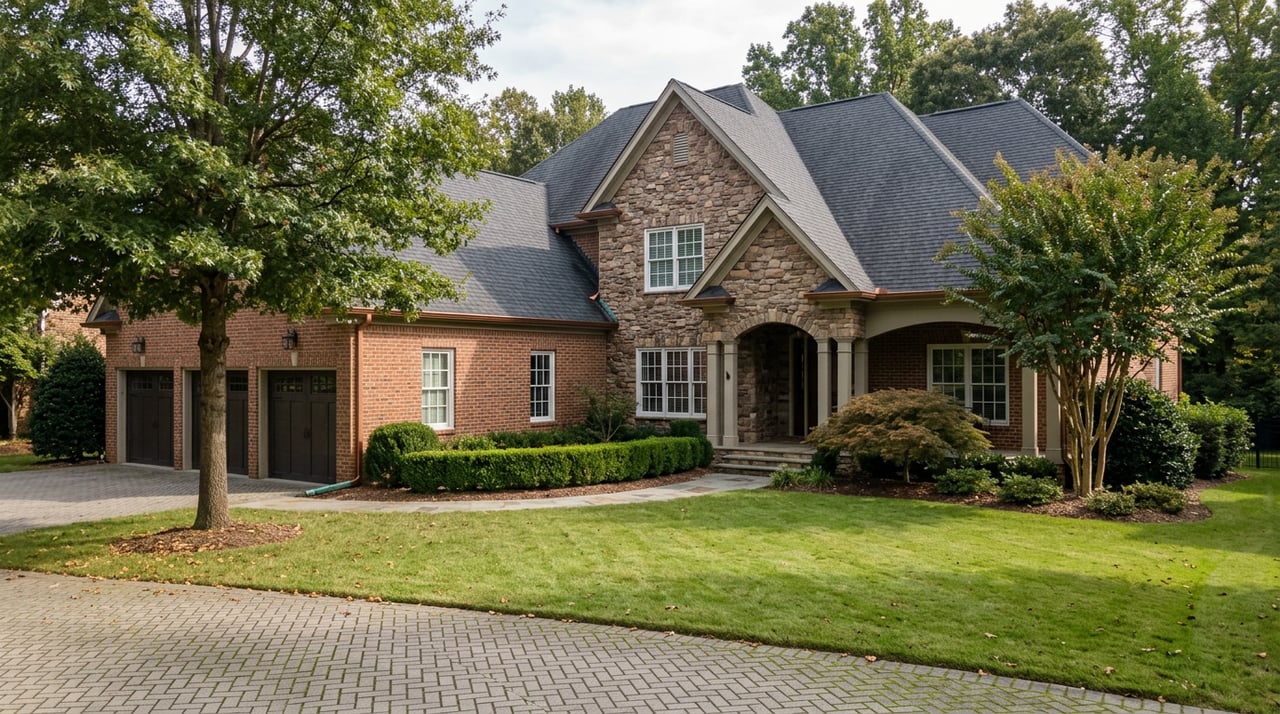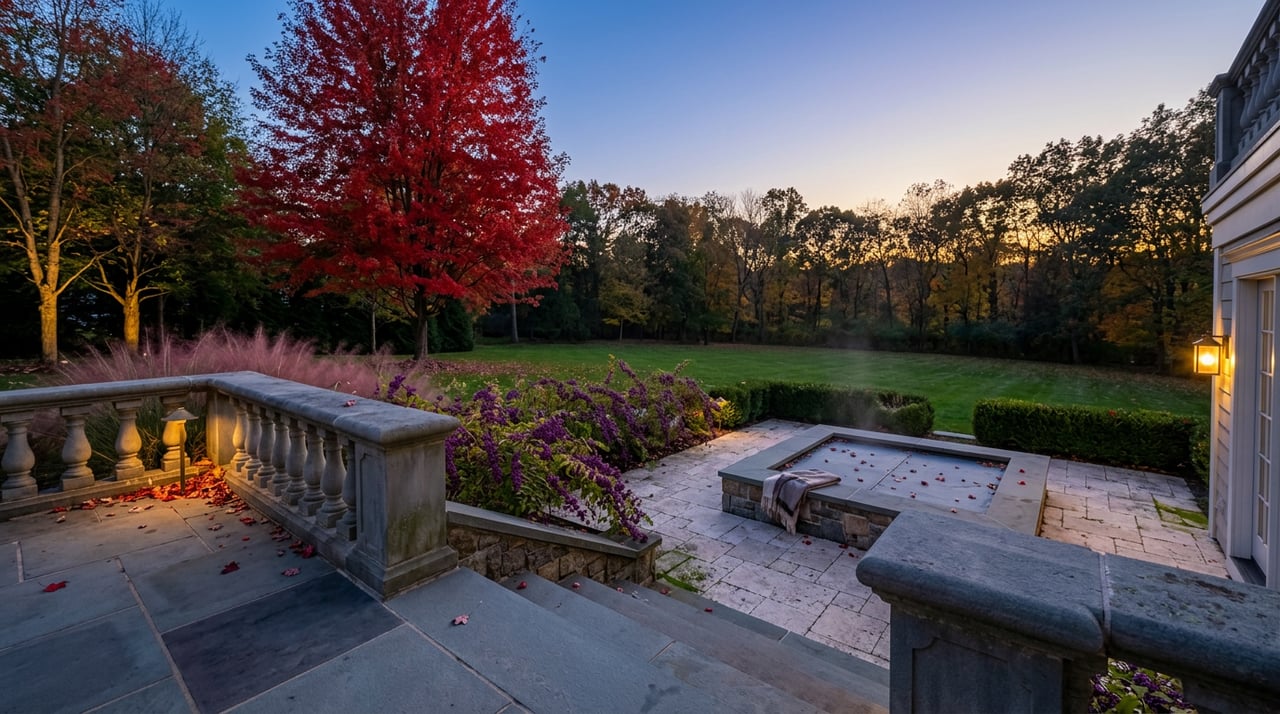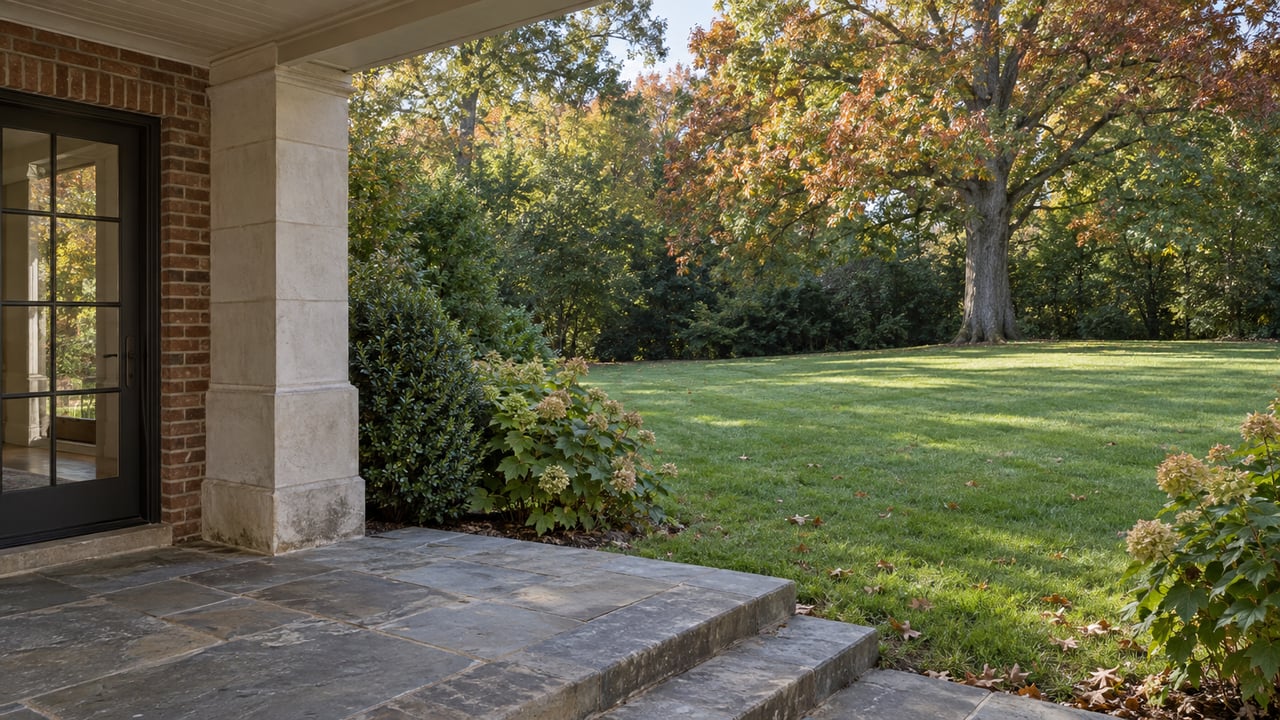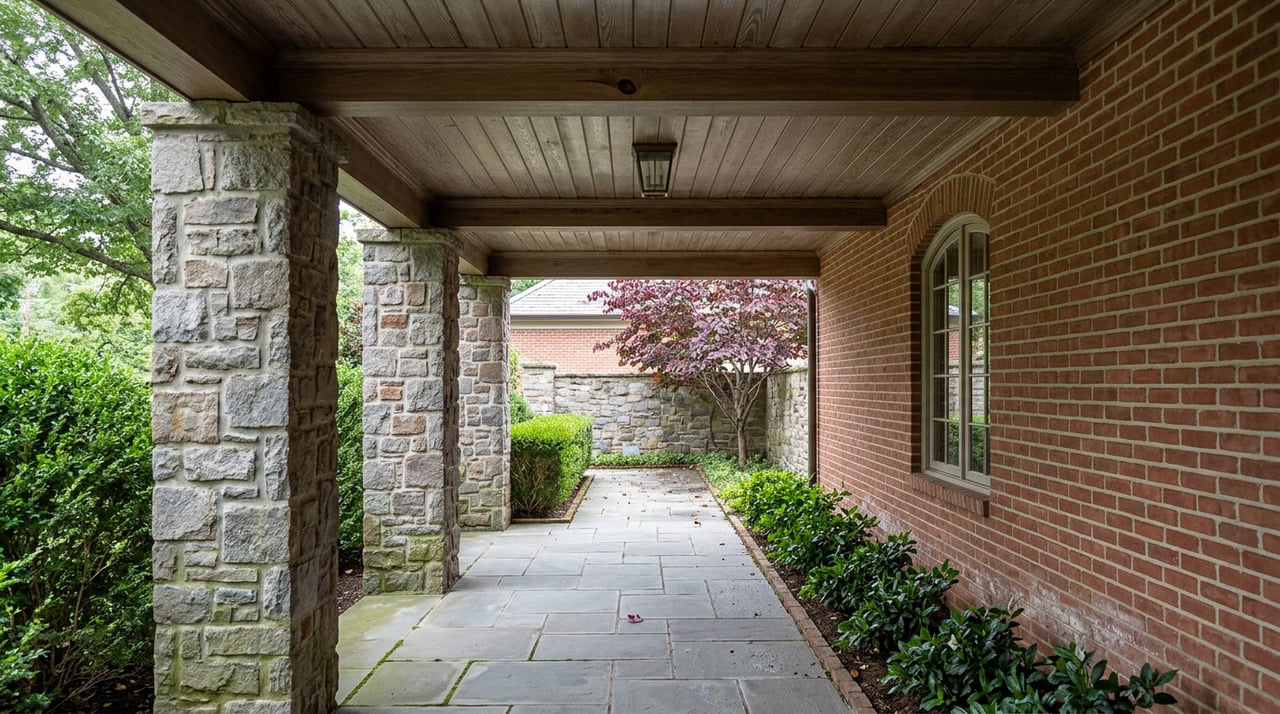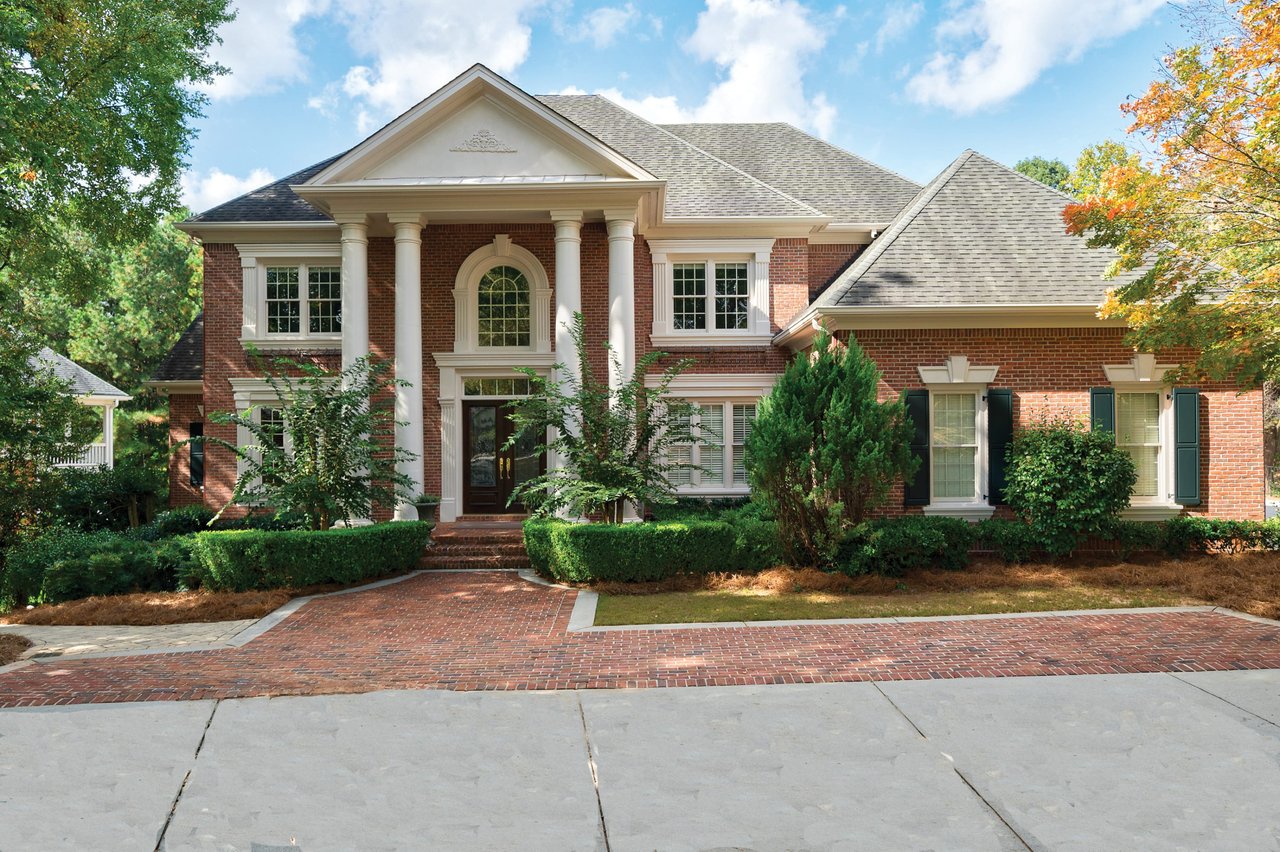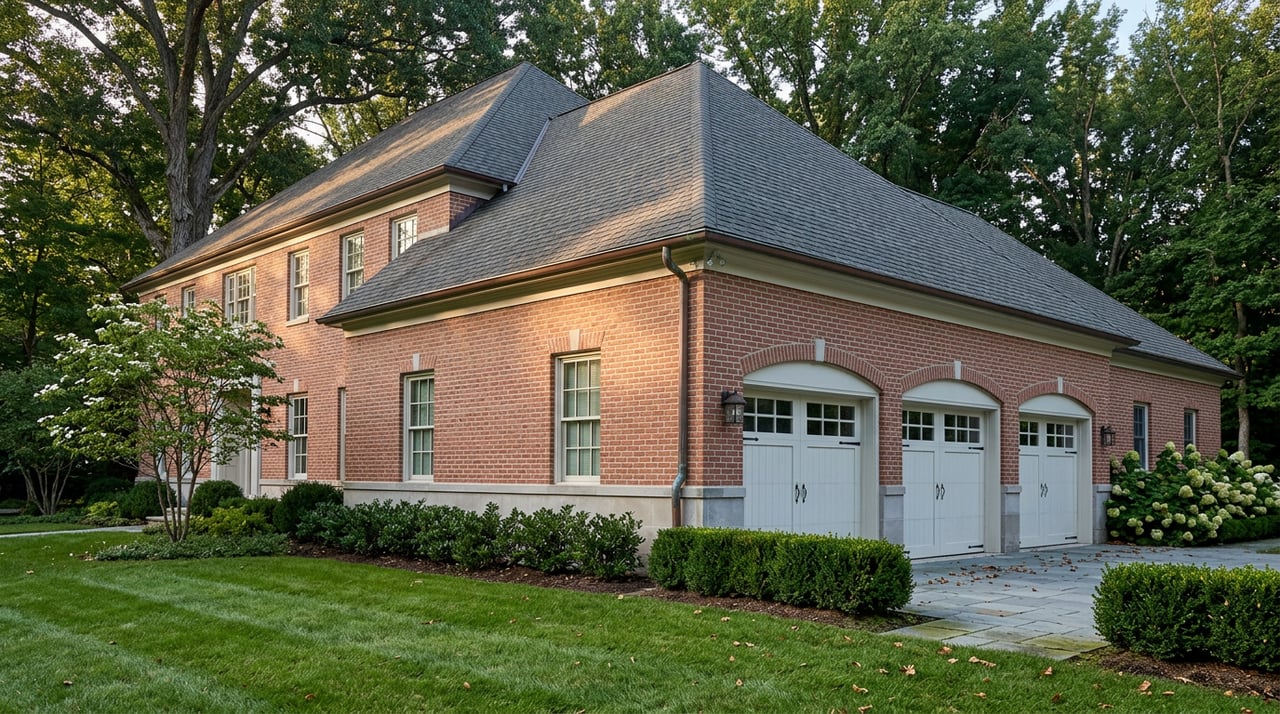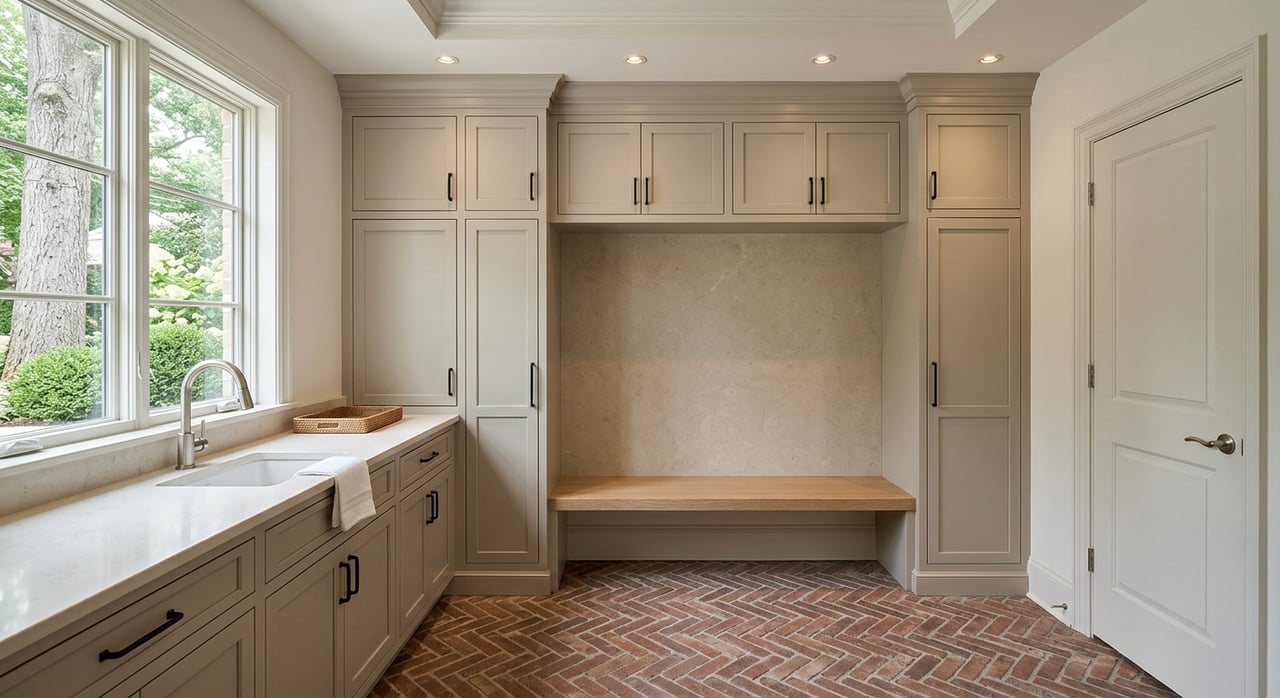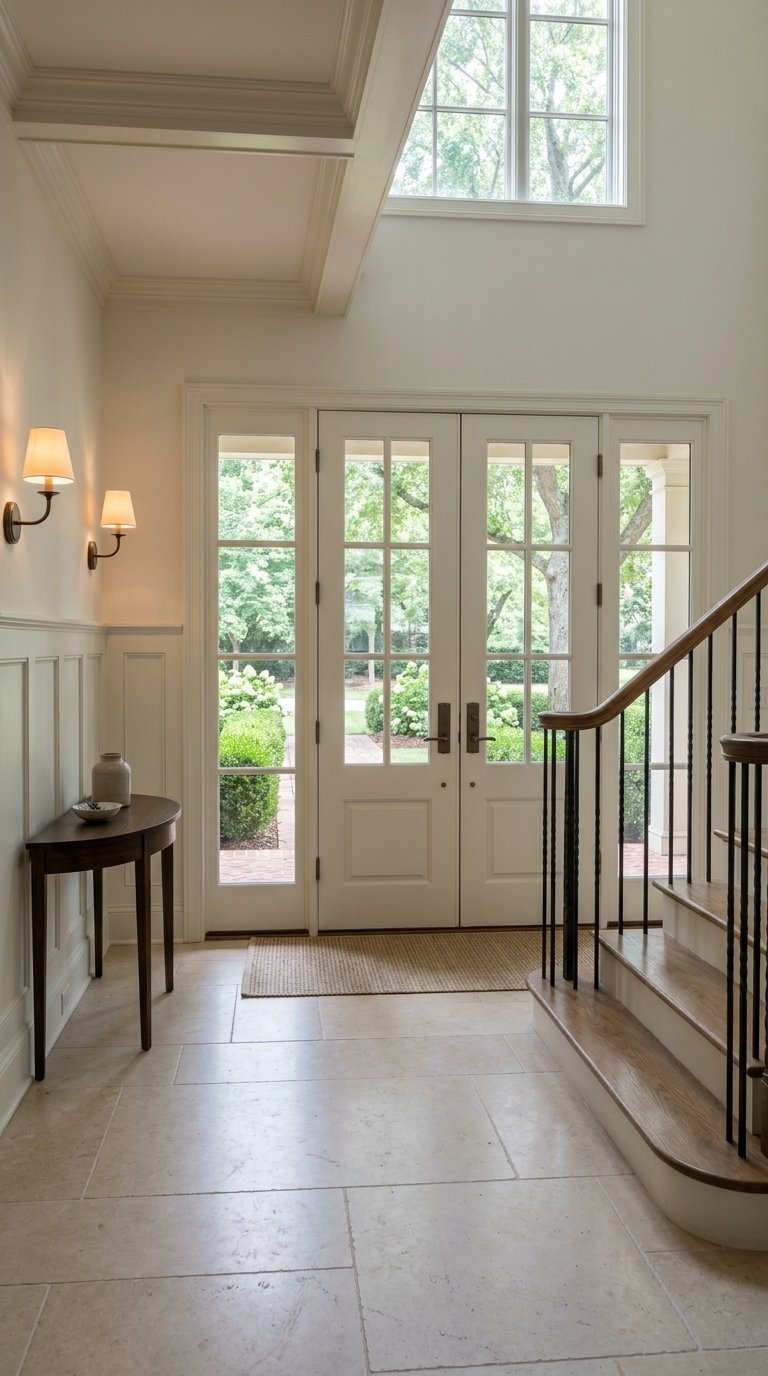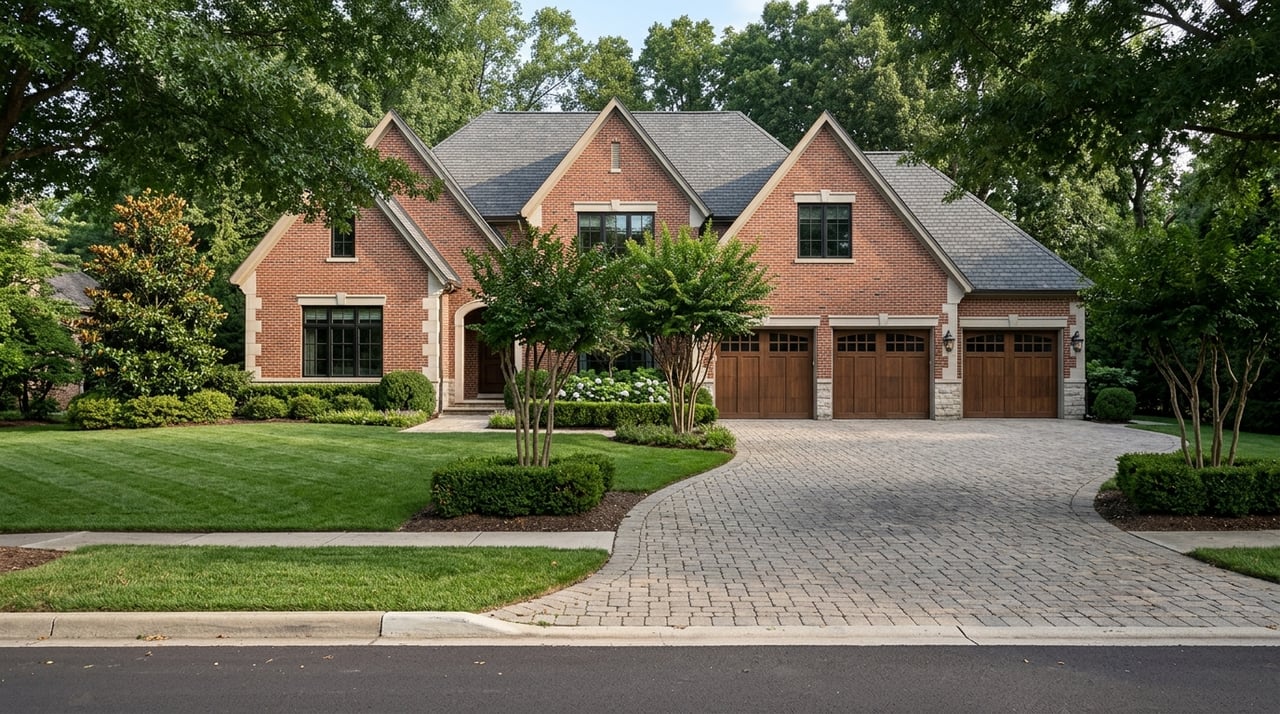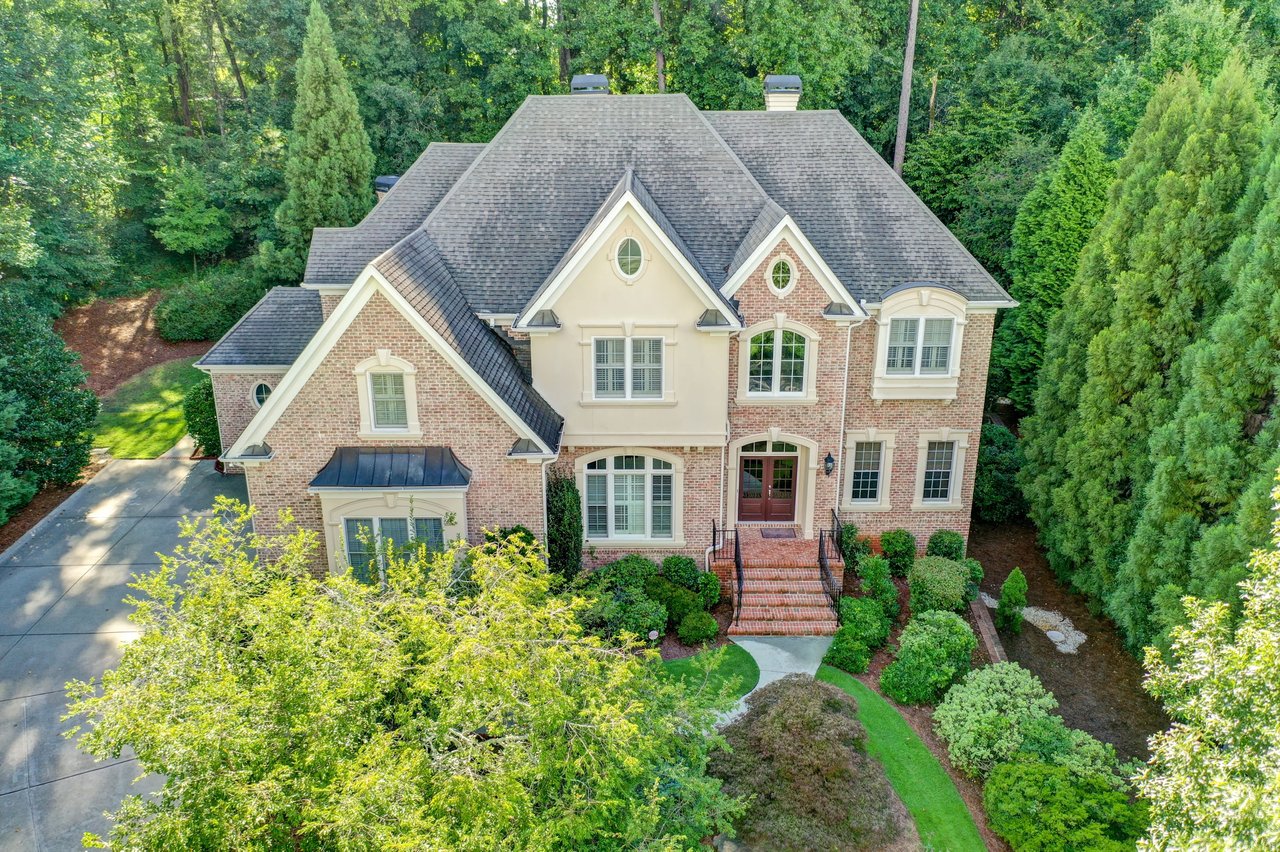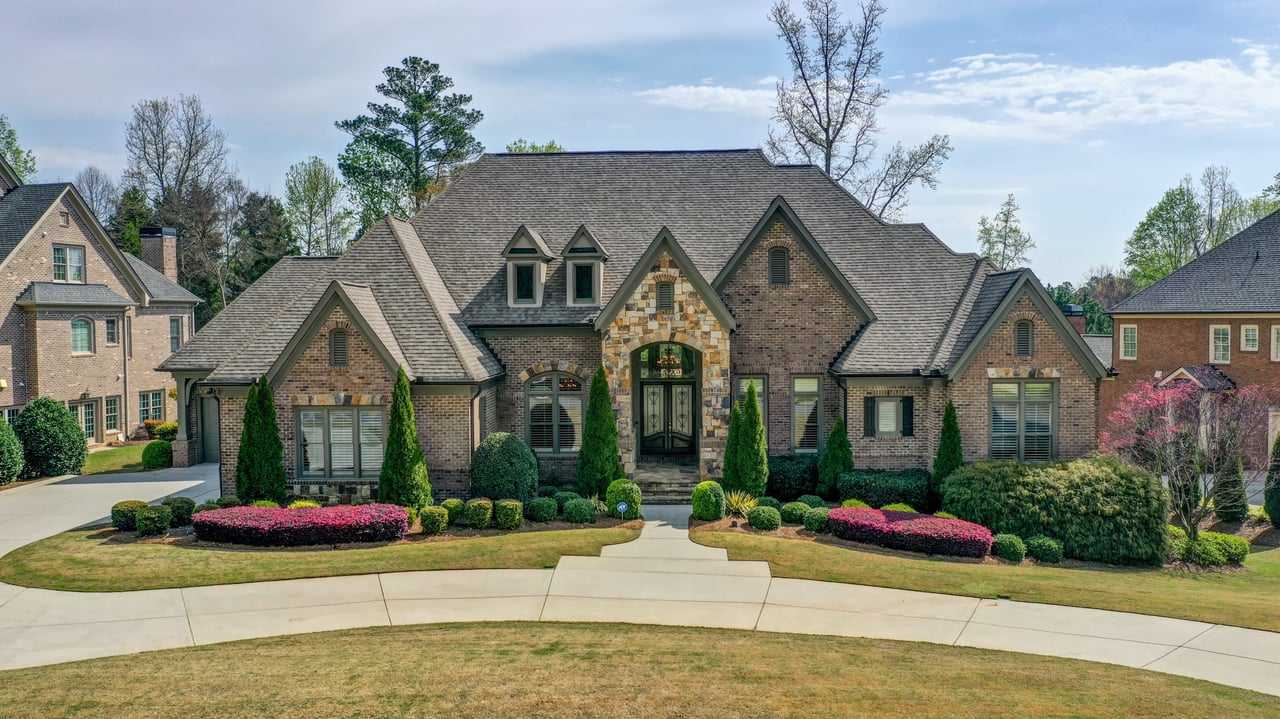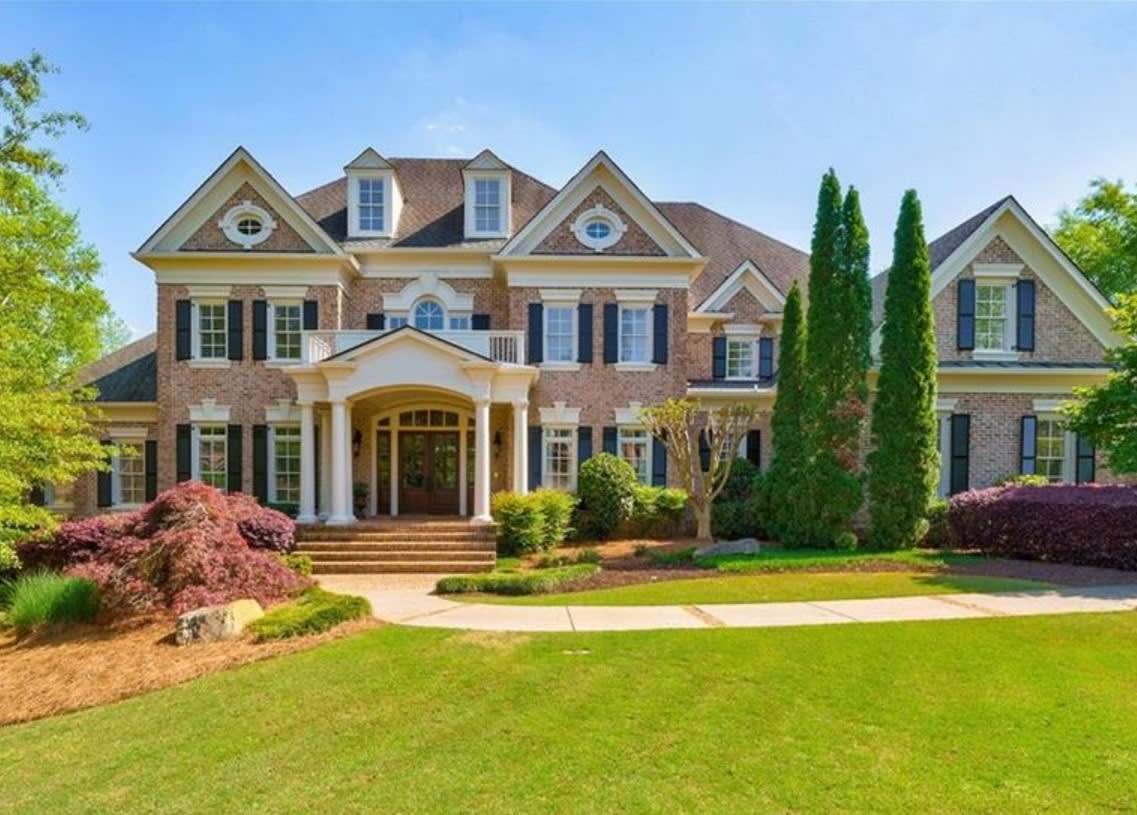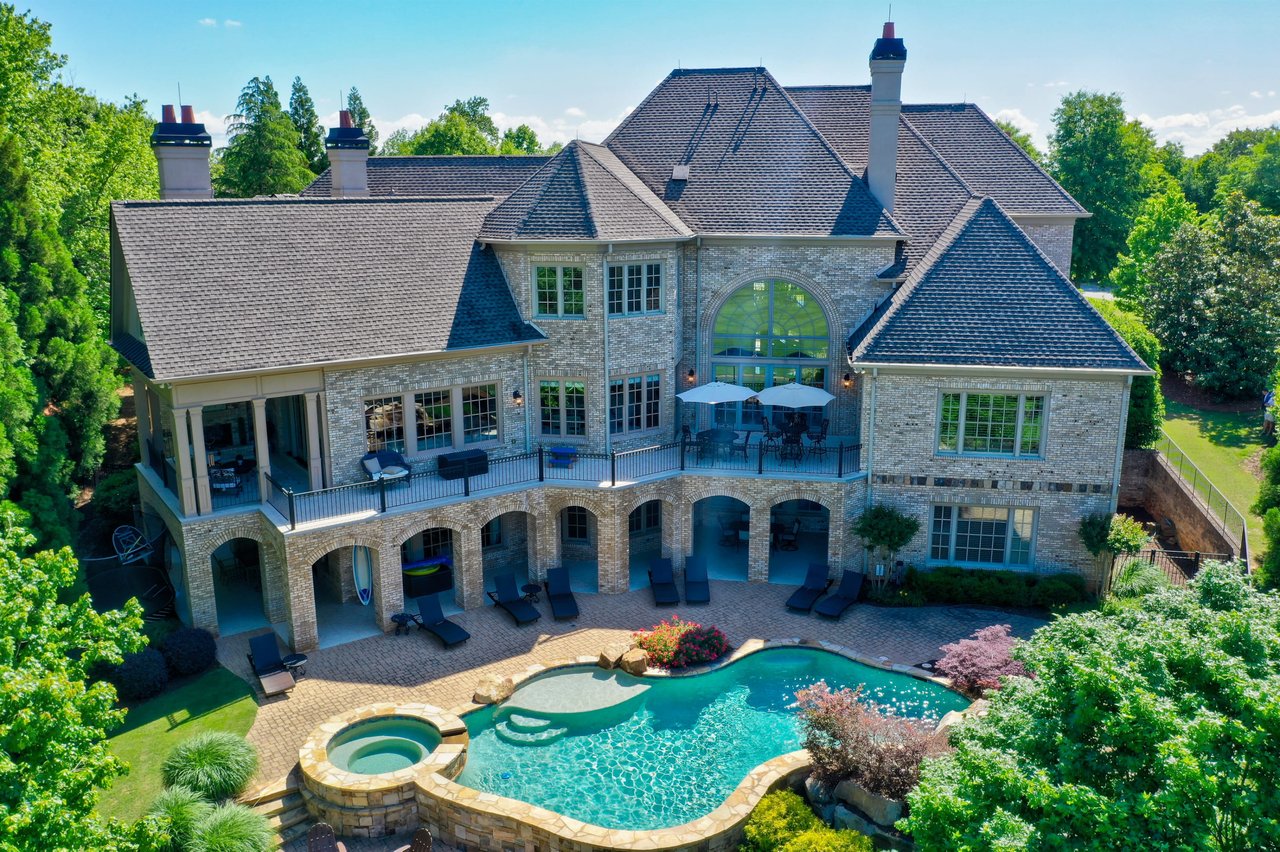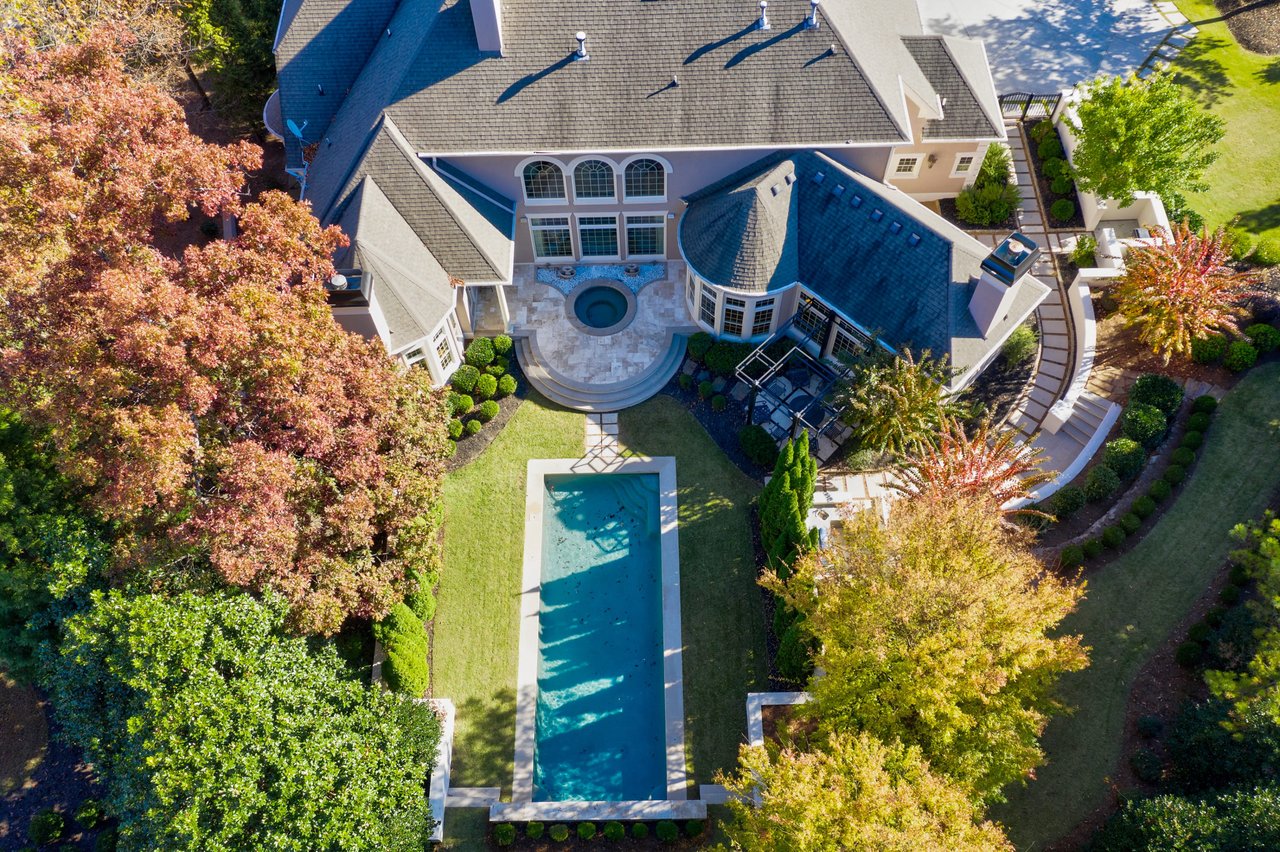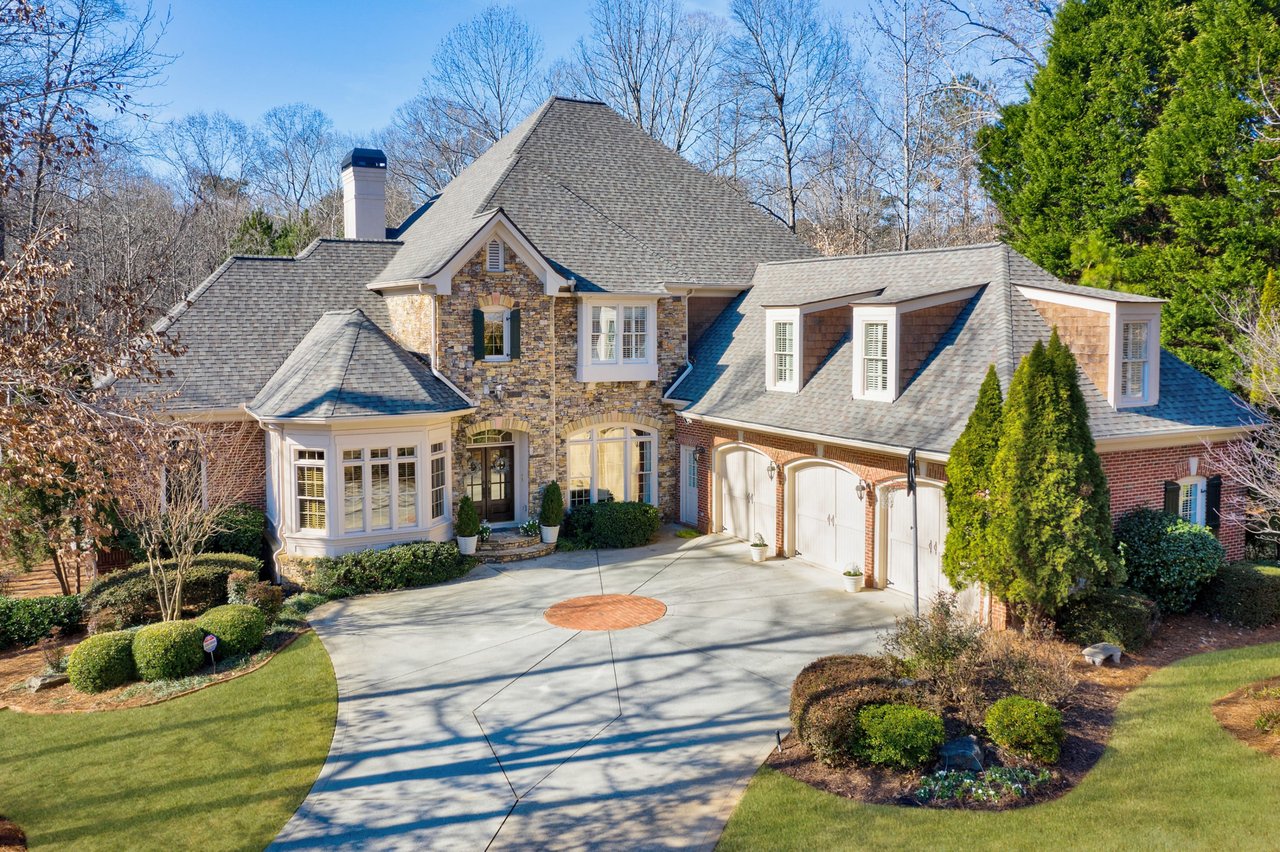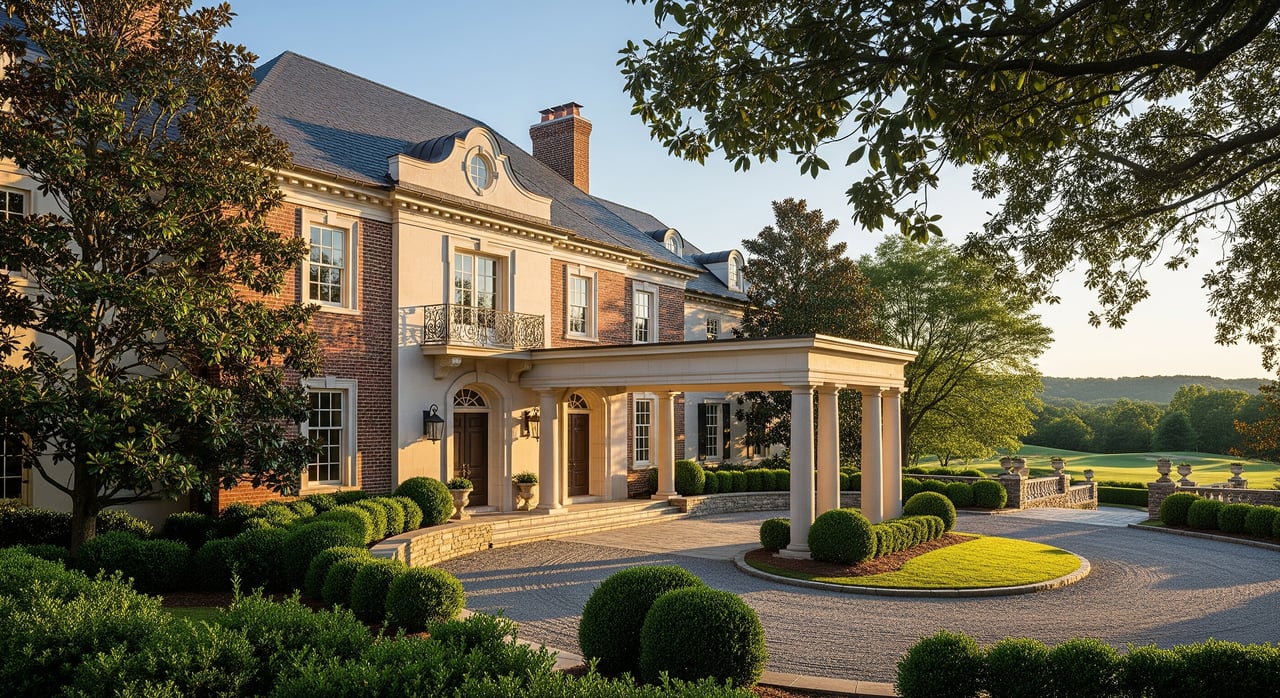
Pricing a seven-figure home in Sugarloaf Country Club is part art, part science. You want to protect your equity, avoid overpricing, and move with confidence in a segment where every feature can shift value. In this guide, you’ll learn how to read million-dollar-plus comparable sales in Sugarloaf, what to prioritize, and how to translate comps into a smart price range whether you’re selling or buying. Let’s dive in.
Why $1M+ comps behave differently in Sugarloaf
Luxury comps in Sugarloaf Country Club do not move like mid-market homes. There are fewer direct comparisons, unique lots and views, and longer typical timelines. You often need to widen the sales window to find the right matches and then adjust carefully for features.
Price per square foot can be misleading in this segment. In Sugarloaf, lot size and privacy, golf-course frontage or views, high-end renovations, and standout outdoor living spaces drive value. These elements can push per-square-foot figures up or down across homes that look similar on paper.
The buyer pool also behaves differently. Executives, relocating professionals, established families, and downsizers are price-sensitive to condition, turnkey status, and lifestyle fit. The more your home aligns with those priorities, the stronger the response and the clearer the pricing.
Define the right comp set
Start inside Sugarloaf Country Club
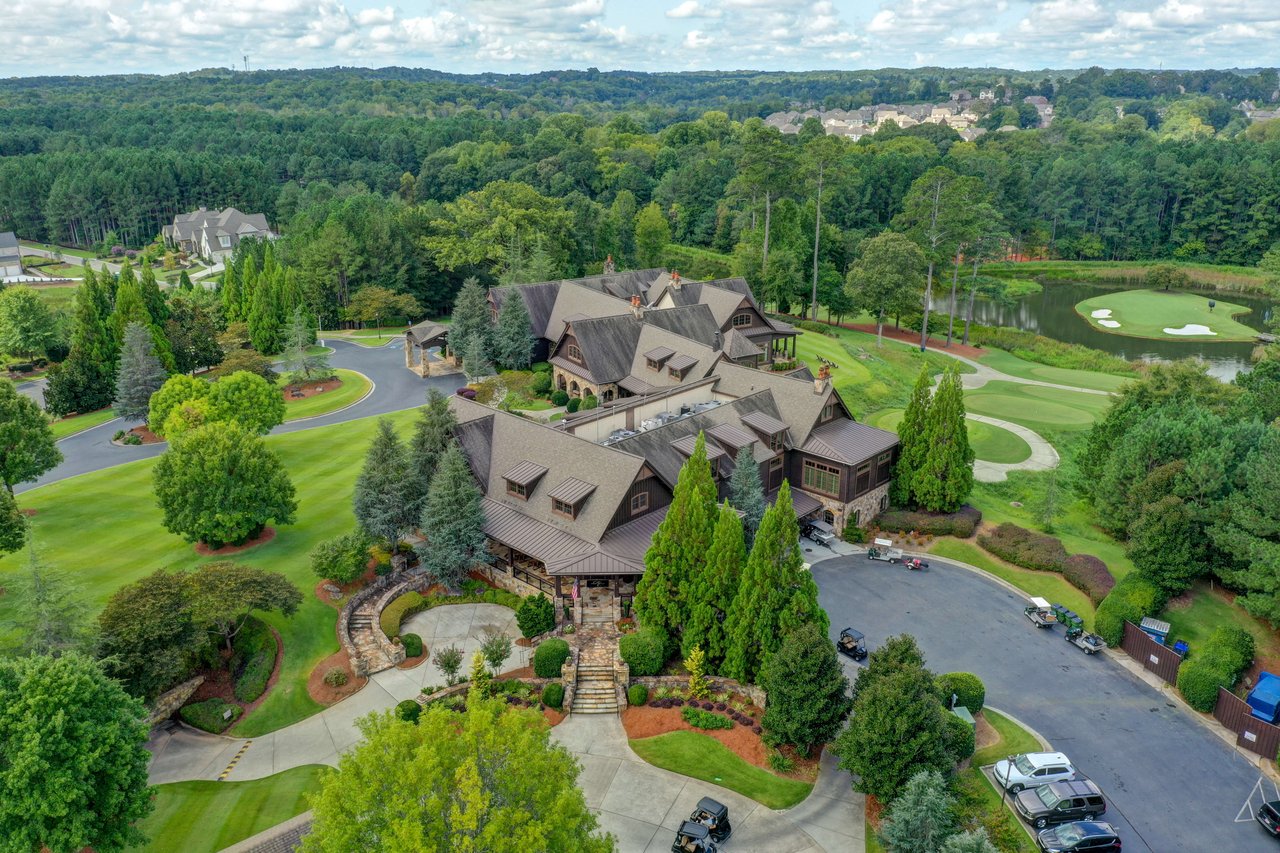
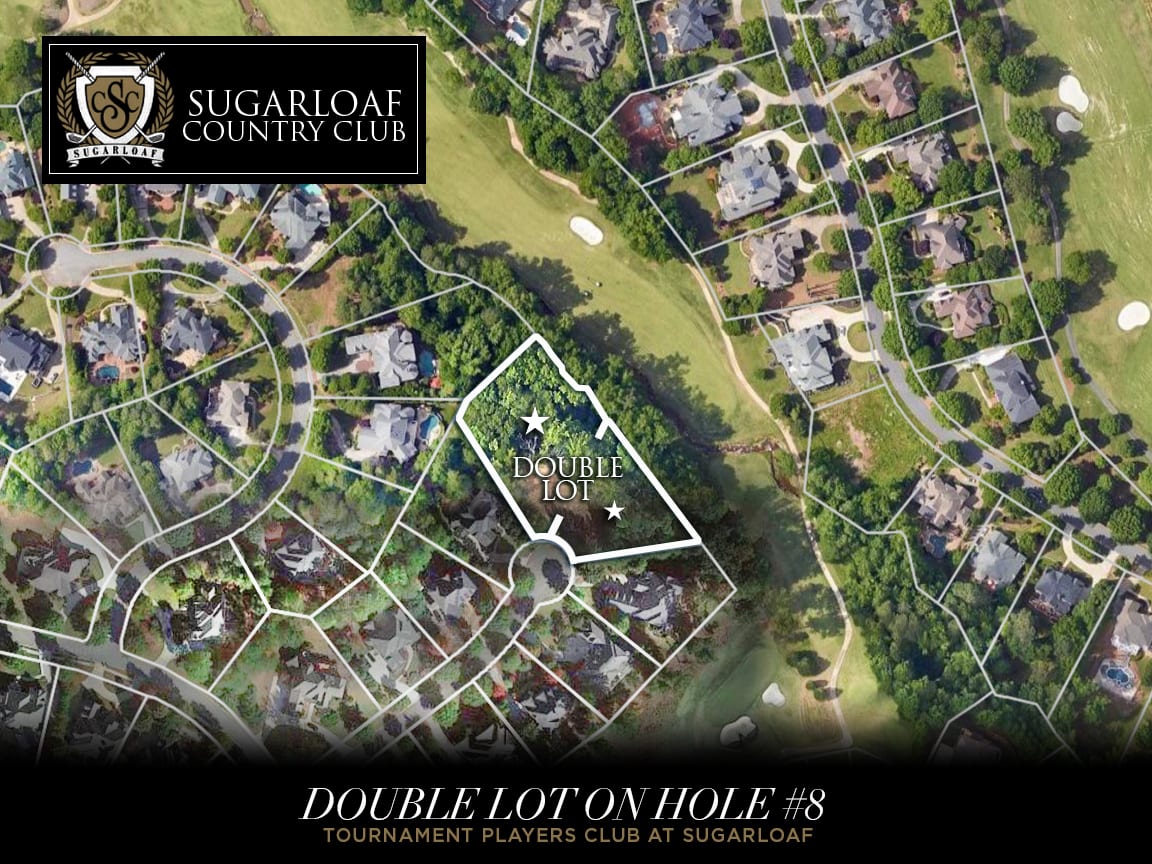
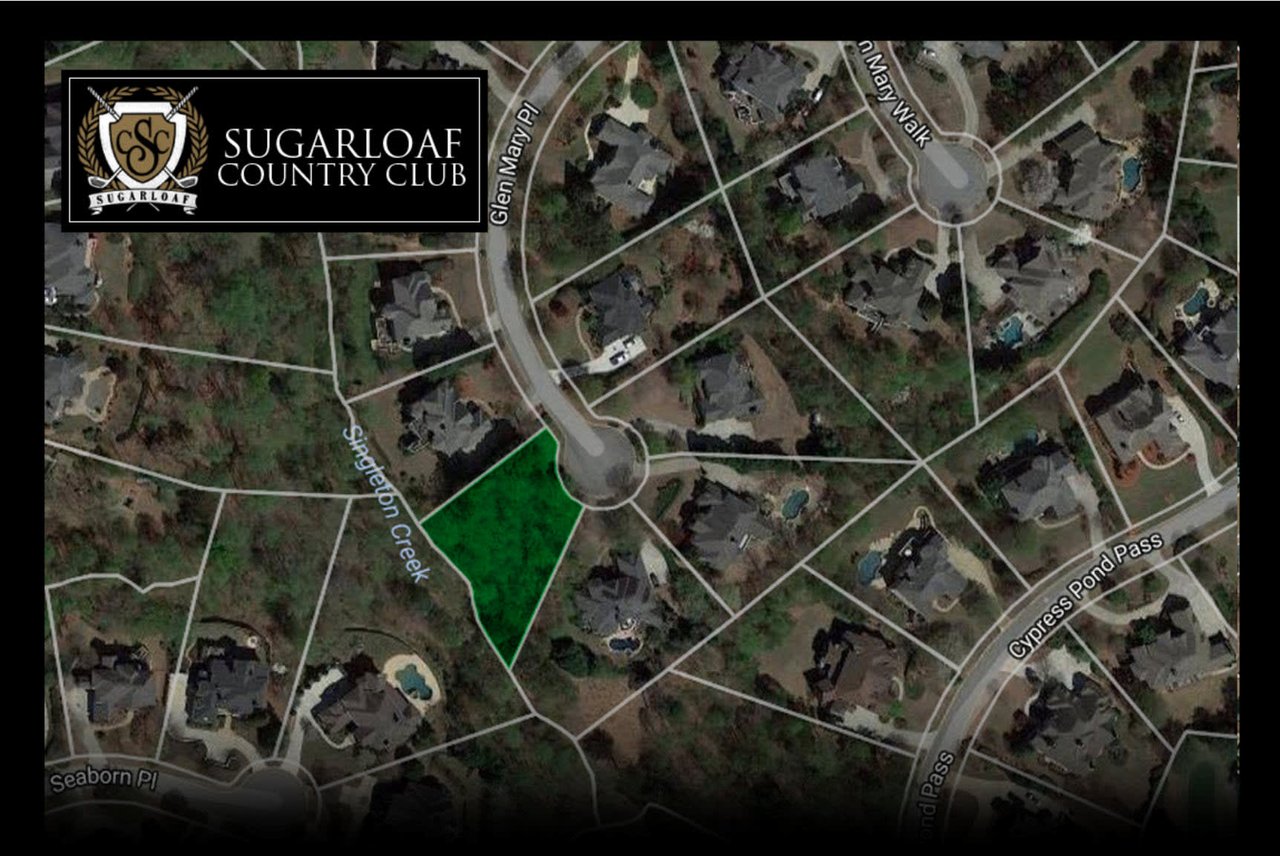
Your best comps are within the same gated community. Start on the same street or immediate neighboring streets. Sugarloaf’s micro-locations can change perceived value, especially near golf holes, cul-de-sacs, or premium view corridors.
When to look beyond the gates
If recent Sugarloaf closings are limited, consider nearby high-end neighborhoods in eastern Gwinnett with similar lot sizes, build quality, and commuting profiles. Treat them as secondary comps and explain why they were used. Keep your focus on like-with-like homes to avoid noisy data.
Timeframe that fits luxury
For $1M-plus homes, expand the standard window. Aim for 6 to 12 months of closed sales. If sales are sparse, extend longer and adjust for market direction. Always prioritize recency when a newer, truly similar sale exists.
Match the property, not just the square footage
Must-match attributes
To create meaningful comparisons, align the following:
- Property type and era: single-family detached, similar build era and custom versus spec construction.
- Lot attributes: acreage, cul-de-sac position, golf-course frontage, orientation, and topography.
- Living area: use above-grade heated square footage for apples-to-apples comparisons and note finished basement area separately.
- Core amenities: bedroom and bathroom counts, primary suite setup, garage capacity, outdoor features, and any guest house or additional structure.
- Condition and upgrades: recent full renovations versus original finishes often drive six-figure differences.
Capture the right facts
Document these data points for each comp so your adjustments are grounded:
- Sale price and closing date
- Address and proximity to the subject
- Lot size and unique site features
- Above-grade heated square footage and how it was measured
- Total finished square footage with clear notes on basement or ADU inclusion
- Bedrooms, full and half baths
- Year built and the scope and date of renovations
- Golf frontage or view quality, pool, outdoor kitchen, elevator, smart systems, and other unique features
- HOA or club fees and whether membership is transferable
- Days on market, price history, and any seller concessions
- Tax assessment history for context only, not as a proxy for value
From list to value: making adjustments
Use dollar adjustments first
In Sugarloaf’s luxury band, dollar adjustments often perform better than percentages. Buyers value certain features in absolute terms. Consider the measurable impact of:
- Golf-course frontage and direct course views, compared with interior lots.
- Substantially larger or more private lots.
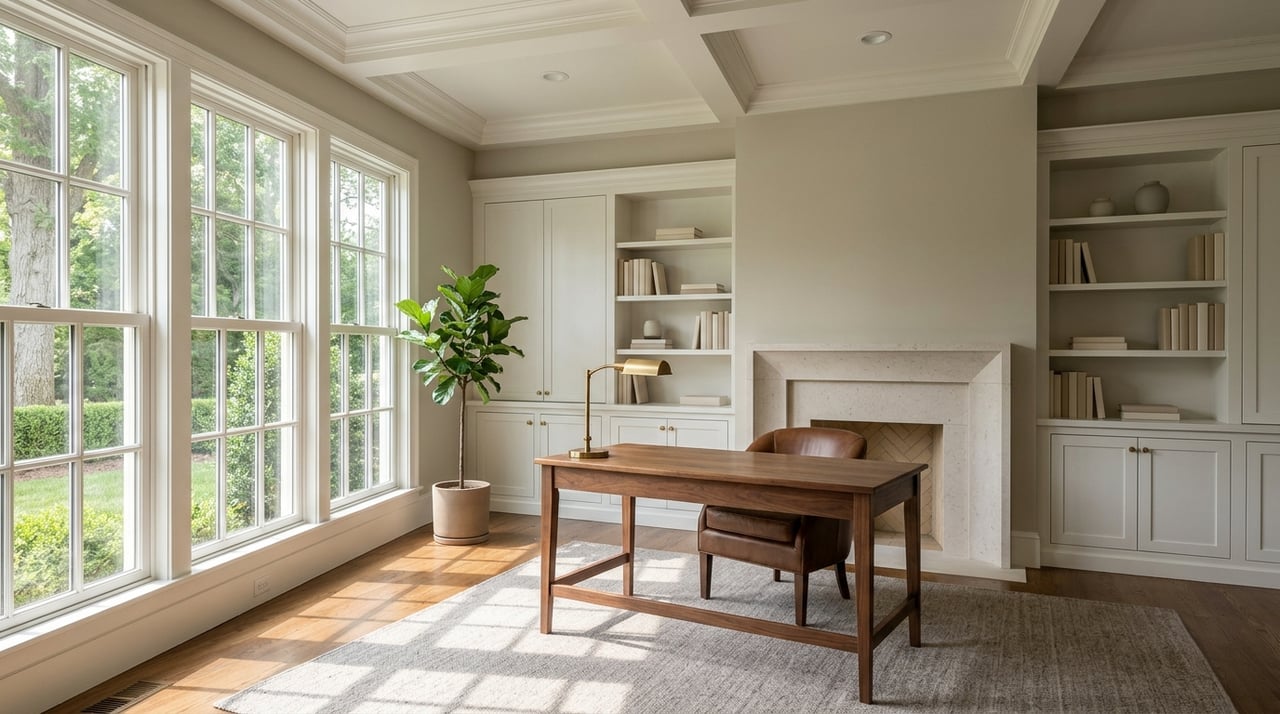
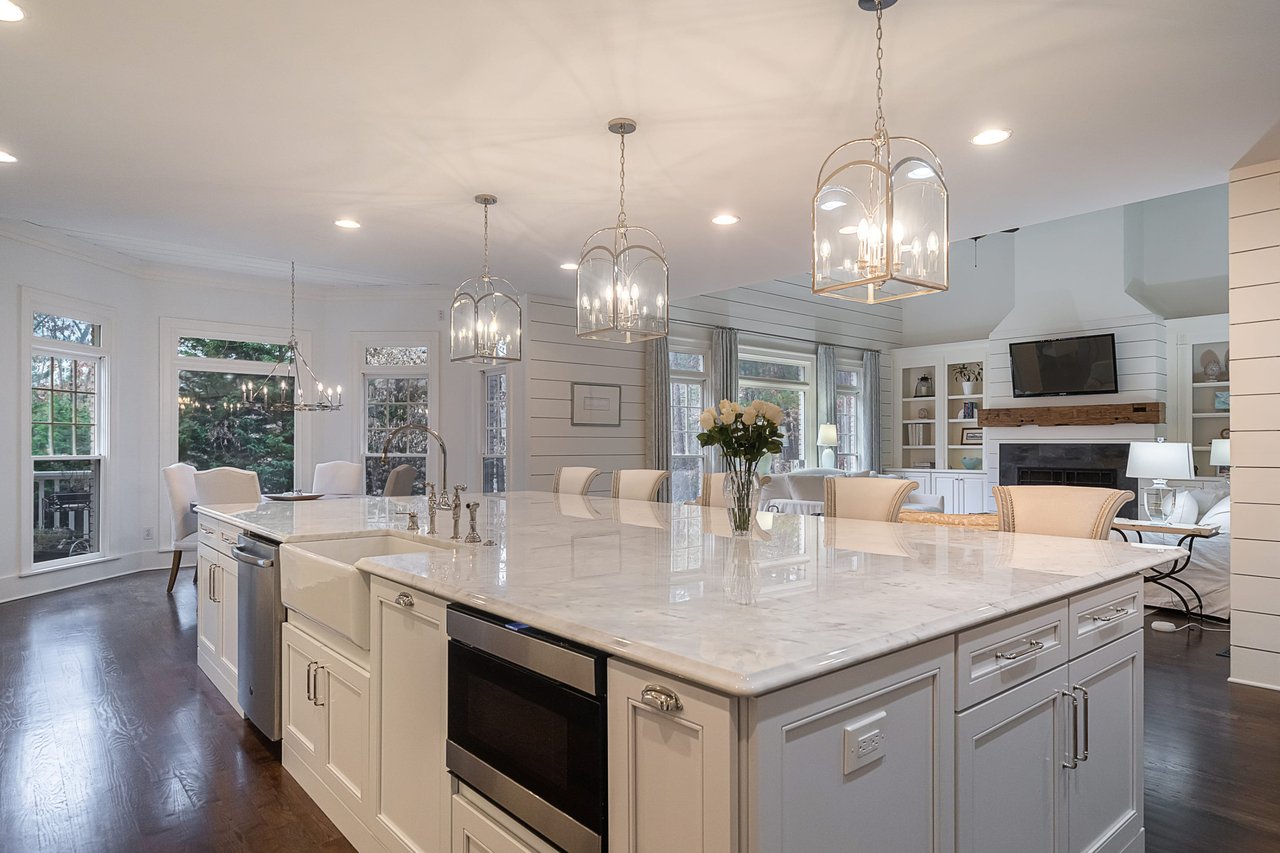
- Fully renovated kitchens and baths with high-end finishes and custom elements.
- Finished basements, in-law suites, and ADUs that expand functional living.
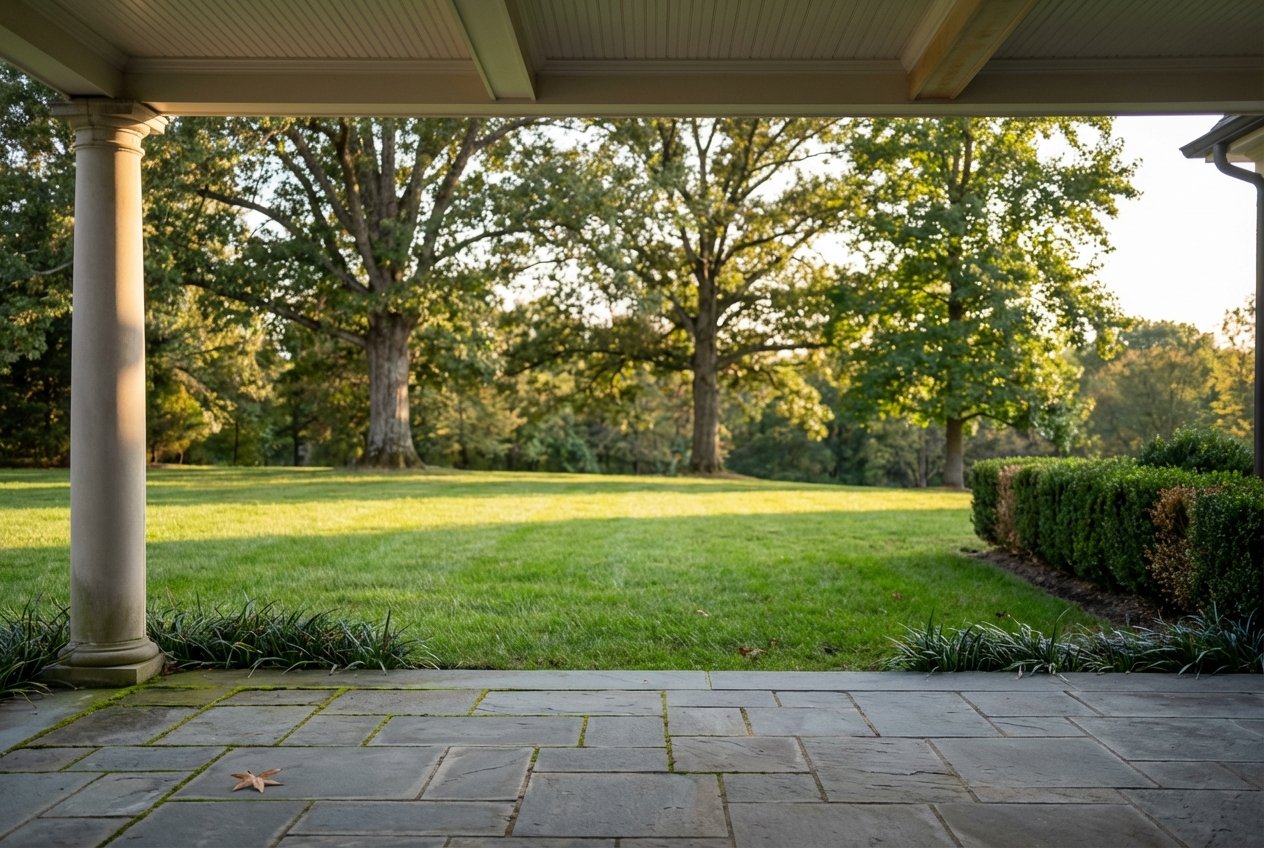
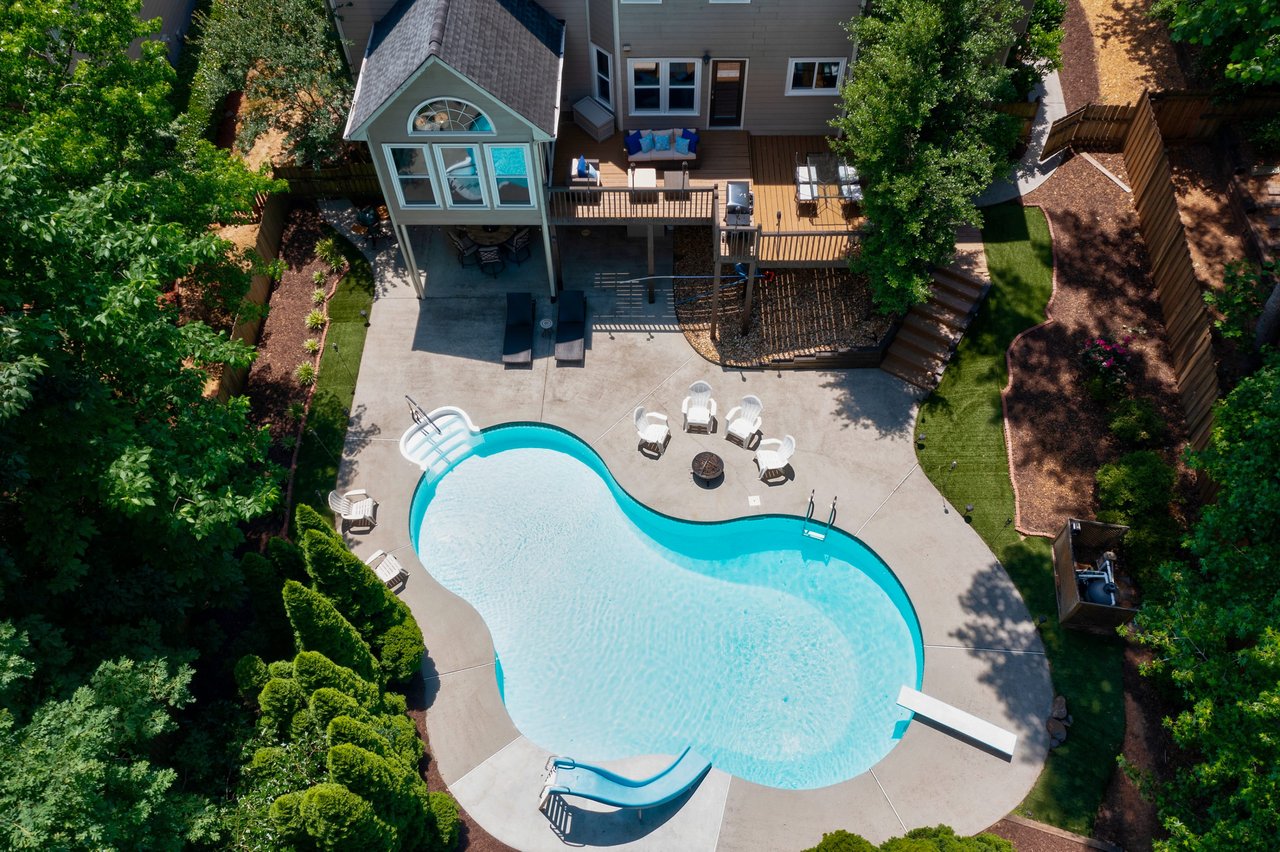
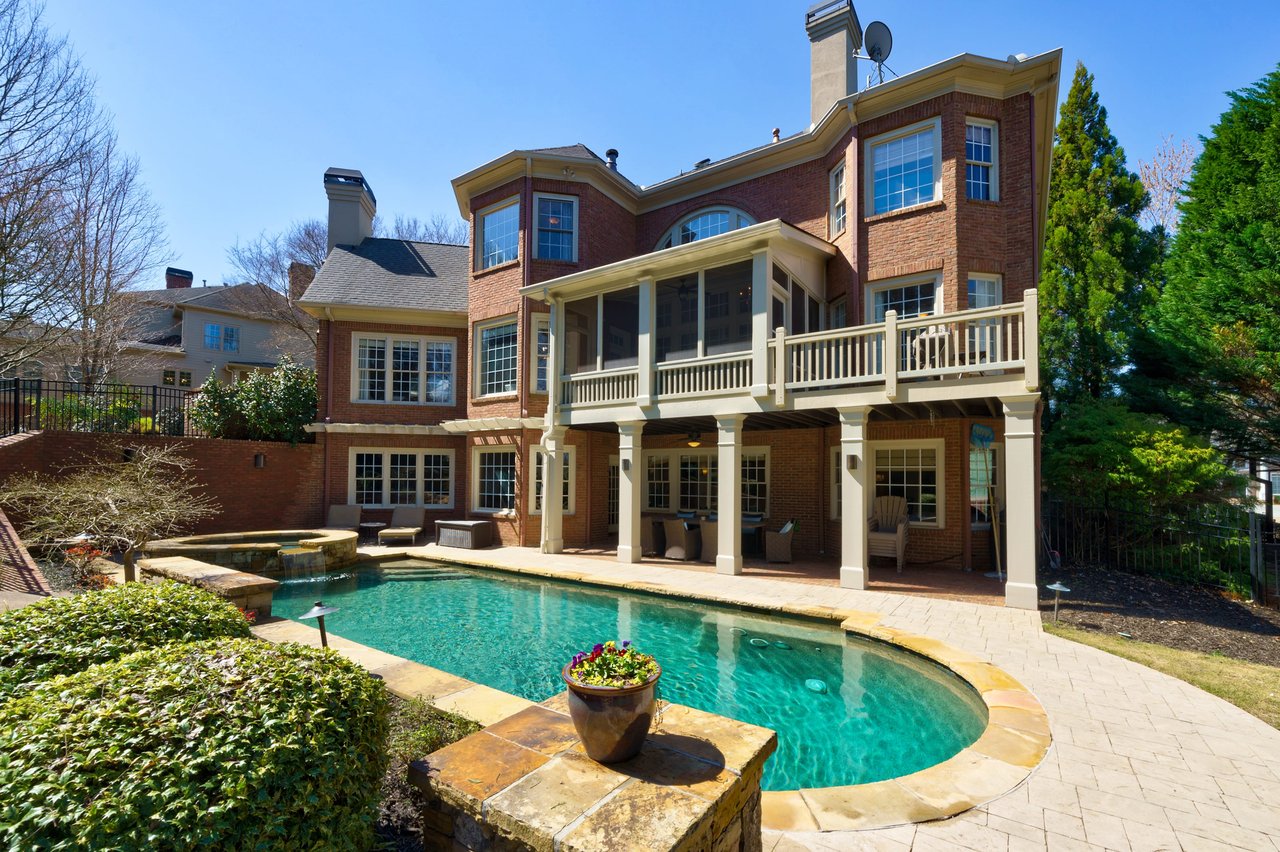
- Pools and professionally designed outdoor living spaces that deliver a clear lifestyle benefit.
Record every adjustment with a brief rationale tied to market examples when possible. Even a short note such as “paired sale two streets over showed a consistent premium for golf frontage” helps justify the math.
Quantify when data is thin
When direct paired sales do not exist, combine on-the-ground broker judgment with the best available closed sales. Develop an adjustment range rather than a single figure and present a price band to reflect condition and lot sensitivities. Showing a base case and a high-low scenario helps everyone align on reality.
How to use price per square foot
Include price-per-square-foot as a reference point, not a decision driver. In Sugarloaf, premiums tied to the lot, view, and renovation level often overshadow simple PPSF comparisons. Show the range and median for context and then reconcile PPSF with feature-based adjustments.
Sugarloaf value drivers to verify
Club membership and HOA details
Club affiliation and HOA dues shape buyer perception and affordability. Clarify what is required, what is optional, whether a membership can transfer, and what dues cover. If capital assessments apply, note them. Buyers in this segment want total cost clarity up front.
Schools and commuting context
Sugarloaf is within Gwinnett County Public Schools. School-zone assignments can influence buyers, so verify current zoning with the district if it matters to your plans. Private schools are also popular options. Also consider commuting profiles to major job centers along I-85 and GA-316, since drive times affect buyer segmentation.
Taxes and exemptions
Gwinnett County millage rates and assessments change annually. Use tax history to plan affordability, but do not treat assessed value as market value. If you will occupy the home, explore local homestead exemptions and note application deadlines through the county.
A step-by-step CMA for Sugarloaf estates
Follow a disciplined process to turn comps into a pricing strategy:
- Pull closed, pending, and active listings within Sugarloaf Country Club, with 12 to 18 months of closed sales. If needed, widen to 24 months.
- Filter to detached single-family homes and then sort by similarity: lot and view, square footage within about 15 percent, renovation level, and age.
- Capture the full data set for each comp as outlined above.
- Select the three strongest closed comps plus one or two active or pending listings for context.
- Build your value story using:
- Adjusted sale prices for each comp with clear rationale.
- A PPSF range, labeled as supplemental.
- A sensitivity band for condition and marketing scenarios.
- Recommend a list price band and a specific launch price. Consider price psychology such as $X99,000 versus rounded thresholds based on local buyer behavior.
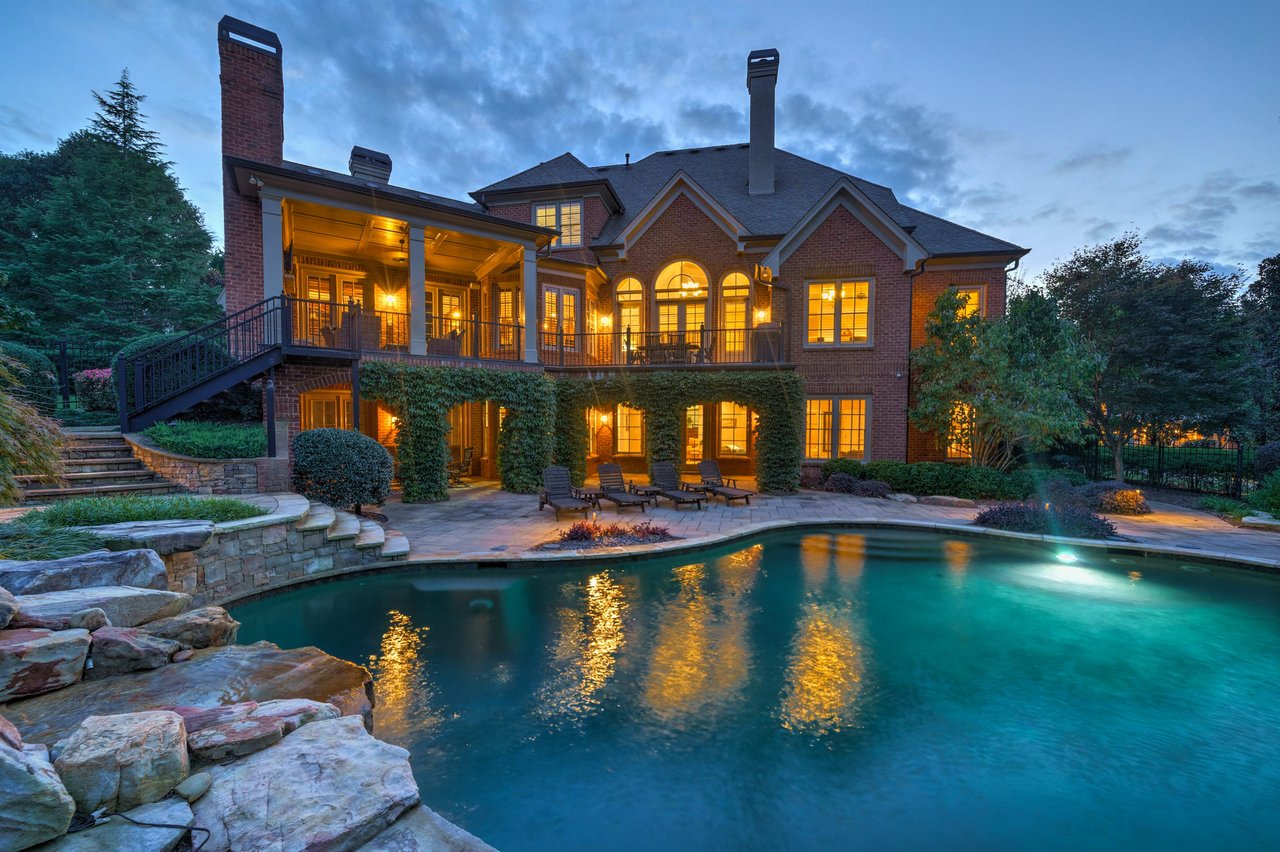
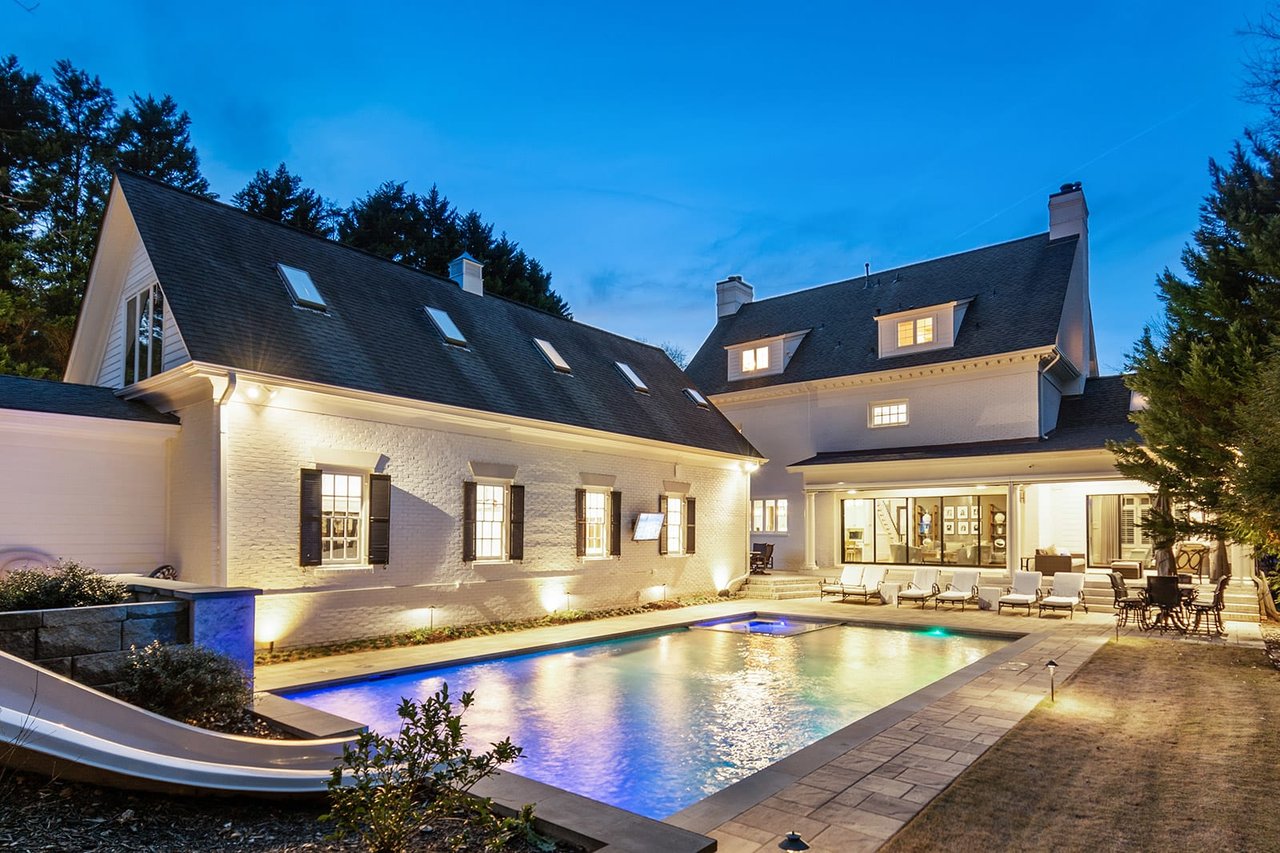
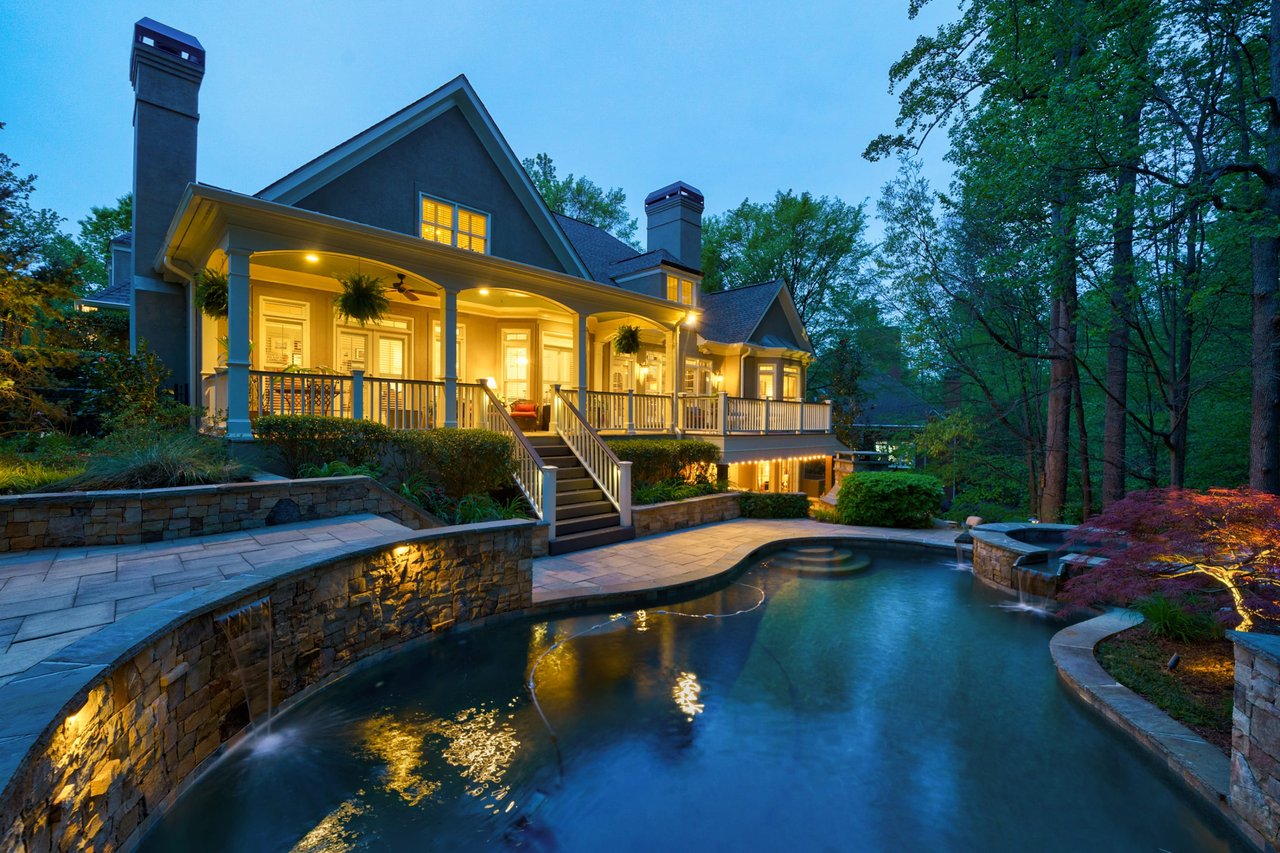
- Prepare luxury-grade marketing: professional photography, aerials, twilight images for golf and amenity views, floor plans, virtual tours, and targeted outreach to qualified buyer agents.
Marketing choices that influence price
In the luxury segment, preparation and presentation often return more than reactive price cuts. Staging, selective pre-market updates, and a coordinated launch can shift outcomes significantly. Days on market and visible reductions can affect buyer confidence, so front-load the preparation.
Advice for sellers
- Expect a wider comp window and fewer one-to-one matches. The right adjustments matter more than volume.
- Condition moves the needle. A high-end kitchen or primary bath update can impact your price band by six figures.
- Price to the market you can reach with your presentation. If your home is turnkey, compete at the top of the band, backed by campaign-quality marketing.
- Document your reasoning. A clear comp narrative helps you stay firm during negotiations.
Advice for buyers
- Read beyond the list price. Look at days on market, prior reductions, and concessions to estimate negotiating room.
- Compare features in dollar terms. A golf view, a pool, or a new roof can justify price differences even among similar square footage.
- Use inspections and contingencies wisely. Larger systems and specialty finishes merit careful review in high-end homes.
- Clarify ongoing costs. Understand HOA dues, potential club fees, and tax implications before you write.
Common pitfalls to avoid
- Treating assessed value as market value. Use assessments only for context and tax planning.
- Over-relying on price-per-square-foot. Reconcile PPSF with the lot, view, and renovation story every time.
- Using too narrow a timeframe. In a low-velocity luxury market, you may need to look back further and explain the adjustments.
- Ignoring concessions and marketing history. Price reductions and seller credits help explain final sale prices and momentum.
How we help at Floyd Real Estate Group
You deserve a pricing process that reflects Sugarloaf’s realities. Our boutique team pairs neighborhood-level expertise with disciplined, data-backed CMAs tailored to $1M-plus estates. We build a feature-by-feature valuation story, present clear price bands, and launch with campaign-quality marketing that highlights the elements luxury buyers pay for.
When preparation is the unlock, we package Compass Concierge to manage strategic updates, then bring your home to market with polished visuals and targeted outreach. Prefer privacy first? We can leverage Compass Exclusives and private exposure to qualified buyers while protecting your timeline. Relocating or buying from afar? We provide virtual tours, local vendor coordination, and steady communication so you can move decisively.
If you are planning a sale or evaluating a purchase in Sugarloaf Country Club, let’s talk through comps, adjustments, and the best path to your goals. Connect with the team at Floyd Real Estate Group to book a private consultation.
FAQs
How many comps should I use for a $1M-plus Sugarloaf home?
- Aim for at least three strong closed comps plus one or two active or pending listings. If inventory is limited, widen the timeframe or geography and note the limitations.
How far back should I look for luxury comps in Sugarloaf?
- Start with 6 to 18 months of closed sales. If sales are sparse, extend to 24 months and adjust for market shifts.
Is price per square foot reliable for $1M-plus properties?
- Use PPSF cautiously. In Sugarloaf, lot attributes, views, and renovations often outweigh per-square-foot differences.
How do I value golf-course frontage or a pool?
- Use dollar-based adjustments grounded in local paired sales when possible. The impact varies, so quantify with nearby examples and present a range.
What if my home is unique and has no close comps?
- Document replacement cost for key features, consult local appraisers or specialists, and present a buyer-focused marketing plan that targets the most likely purchasers.