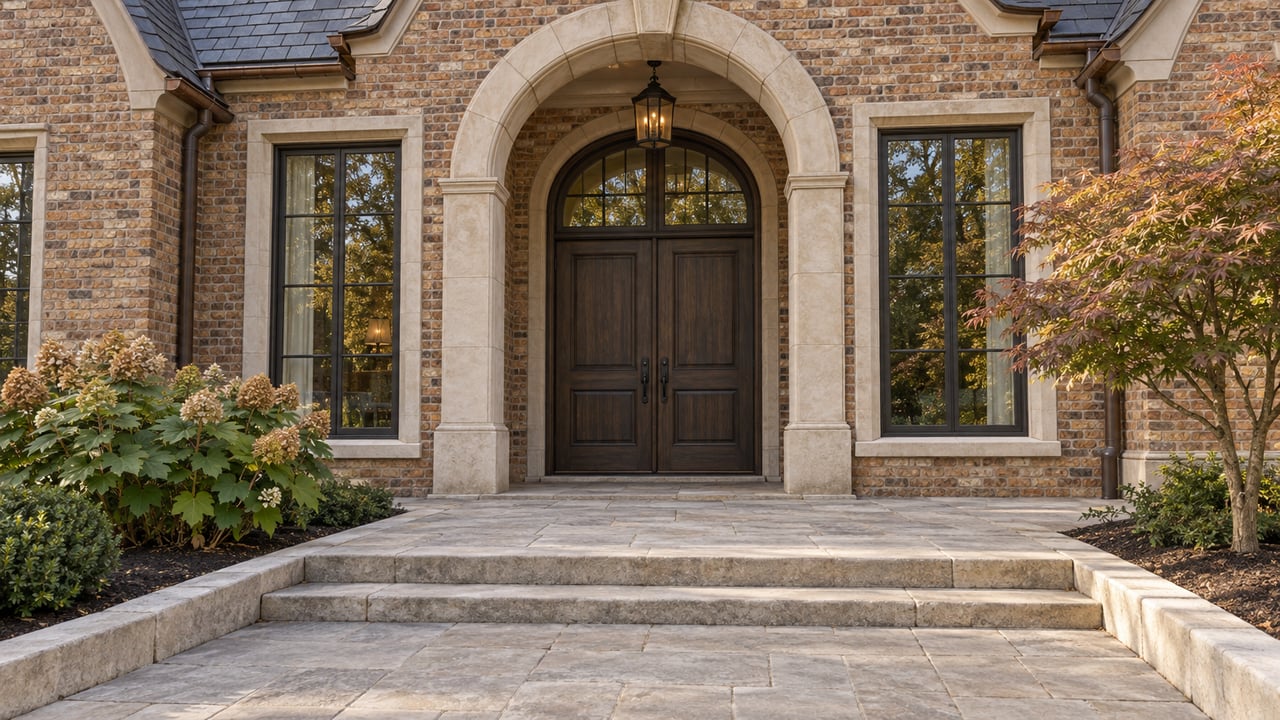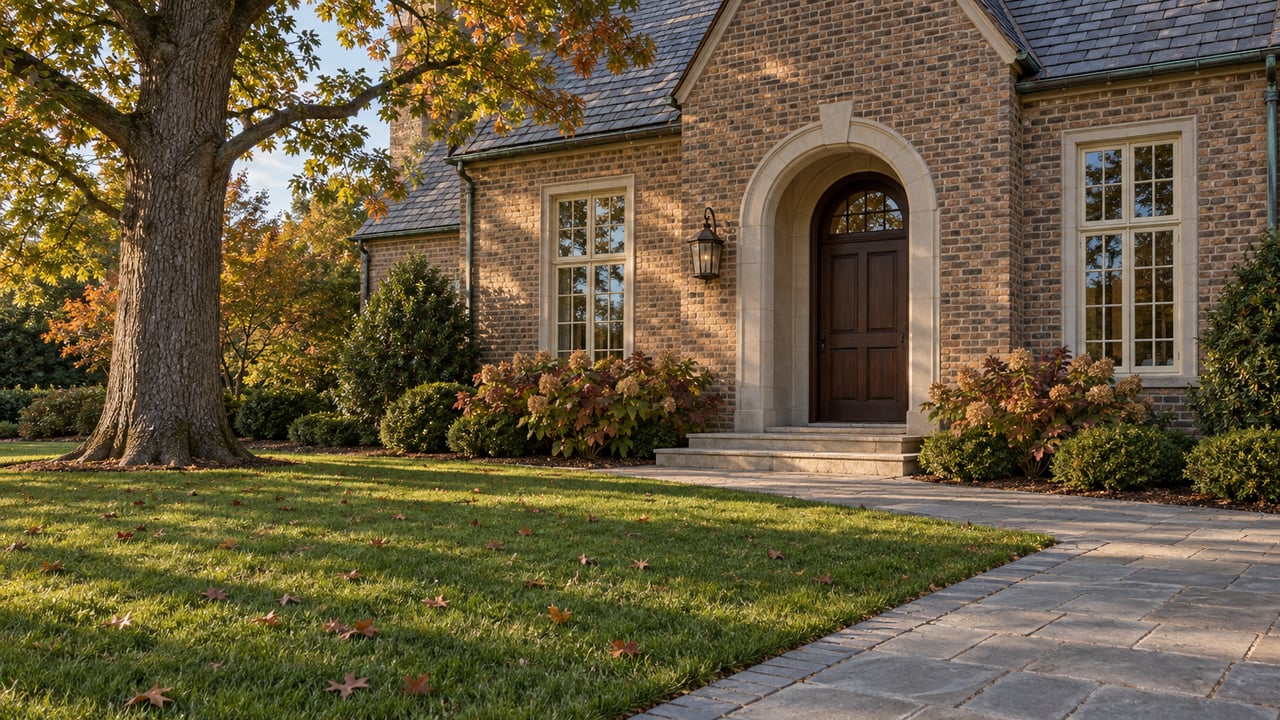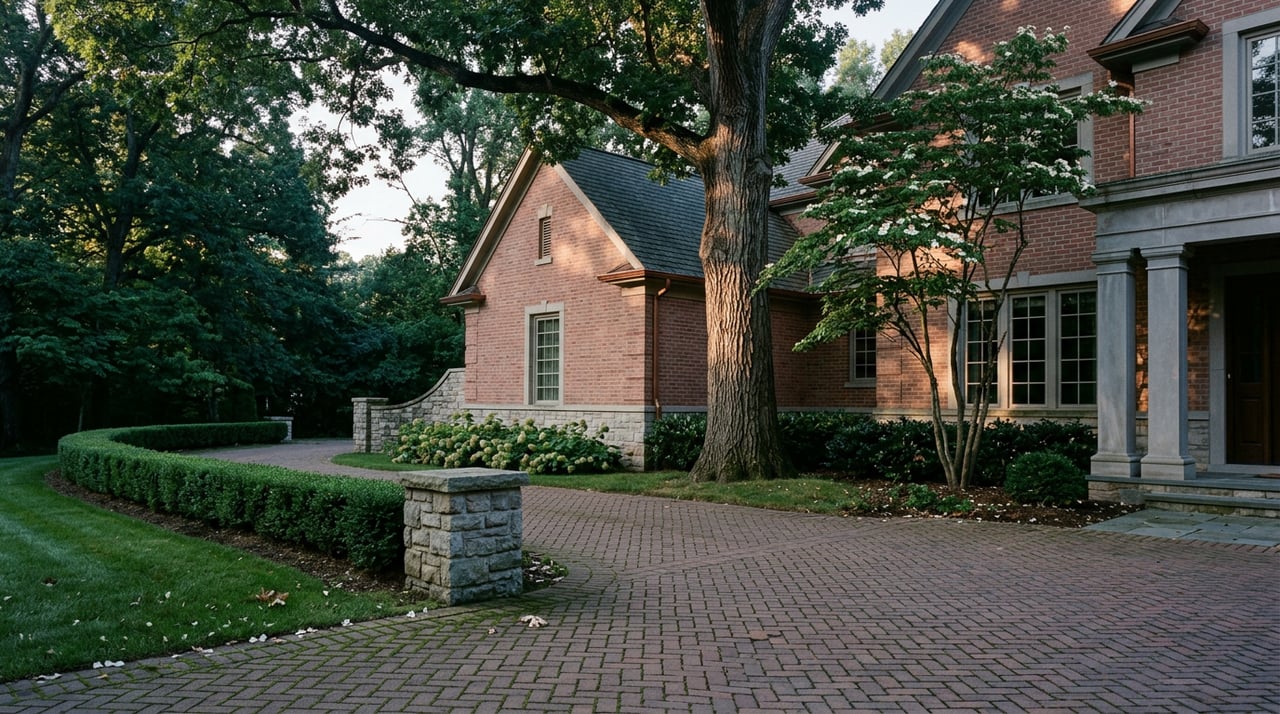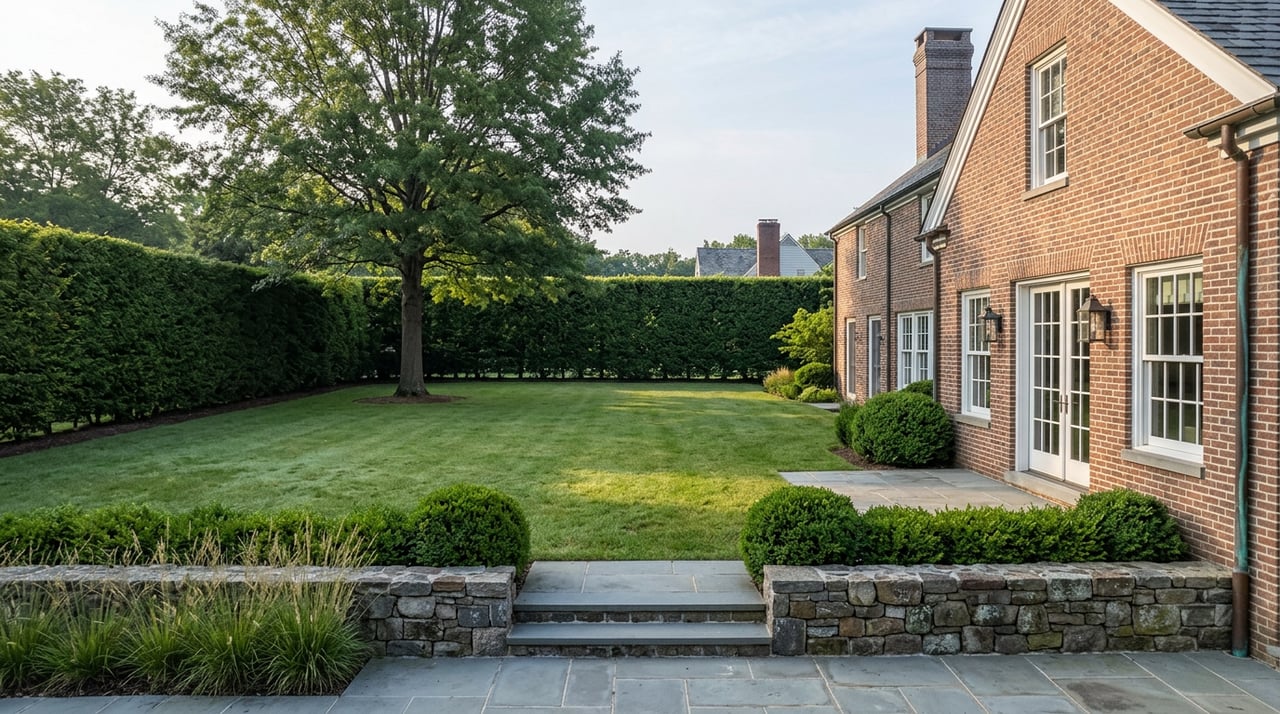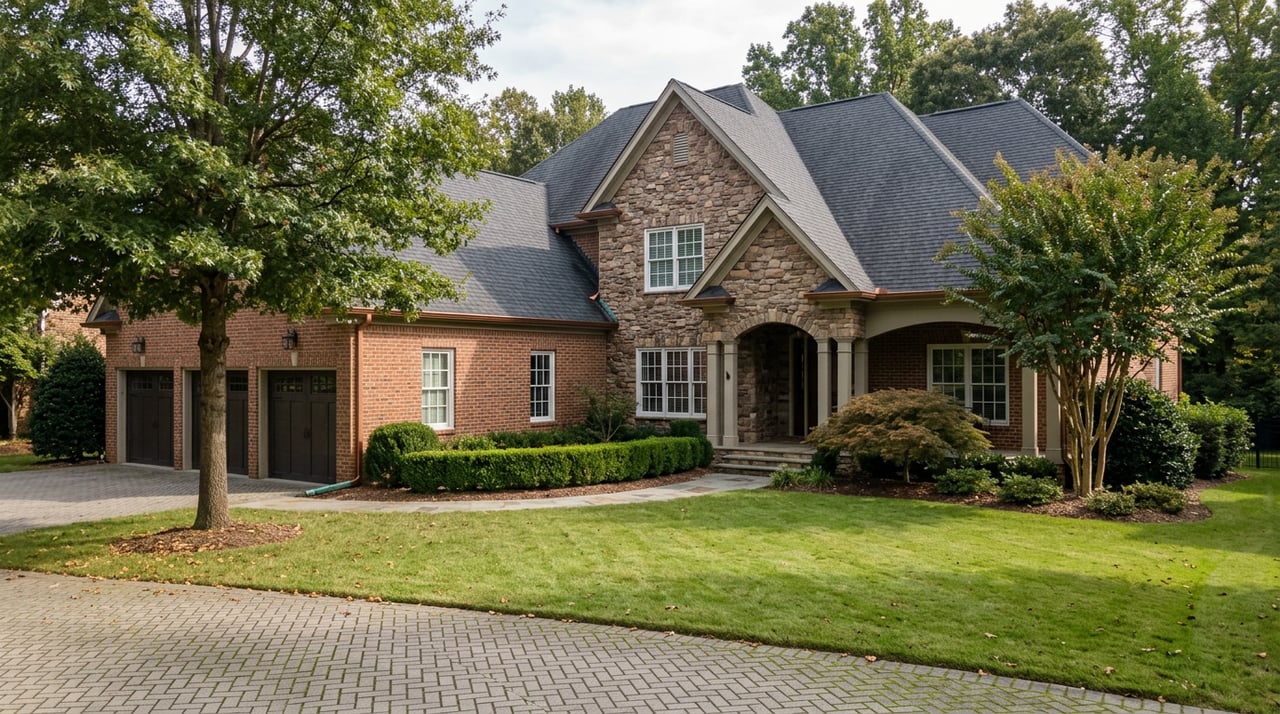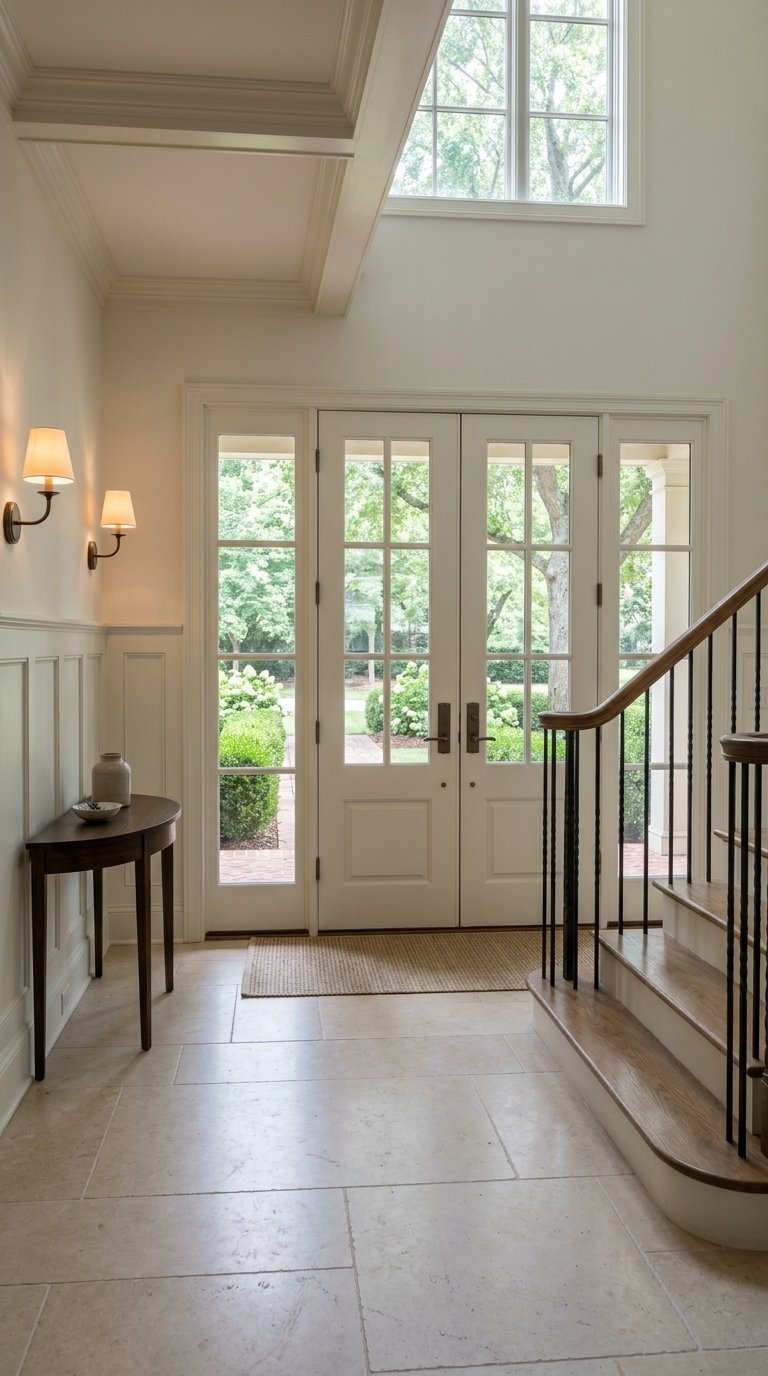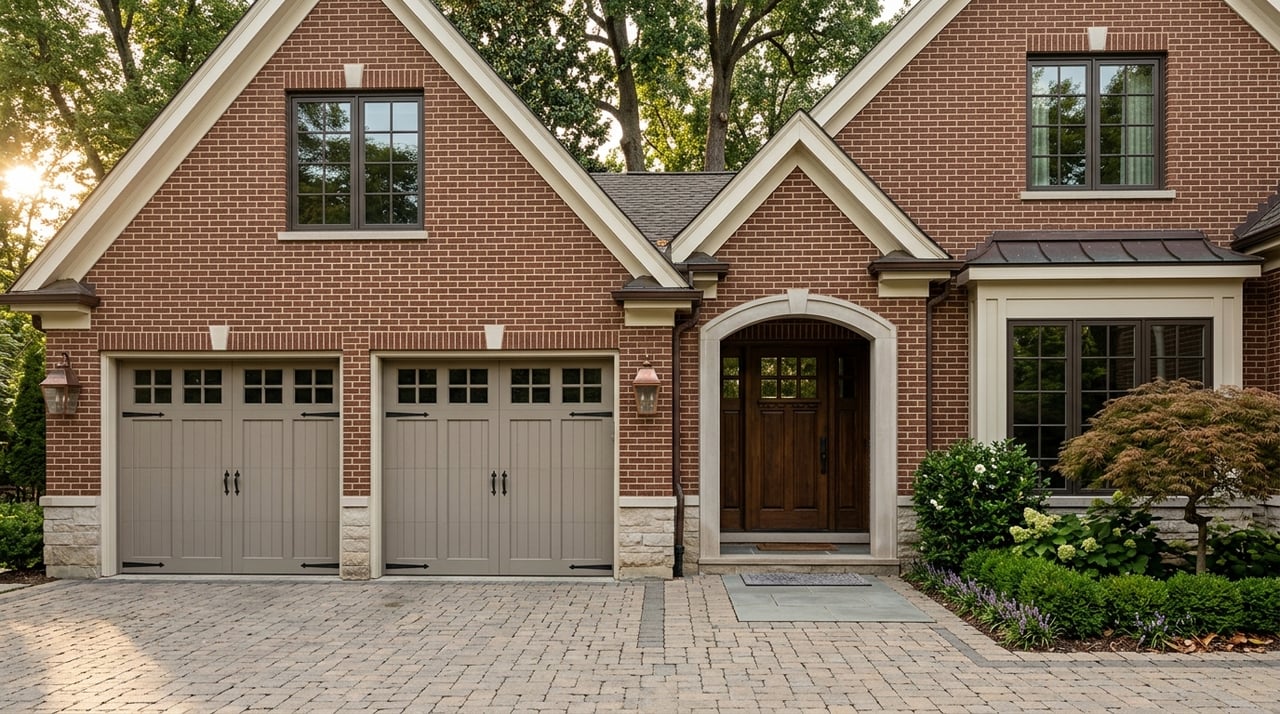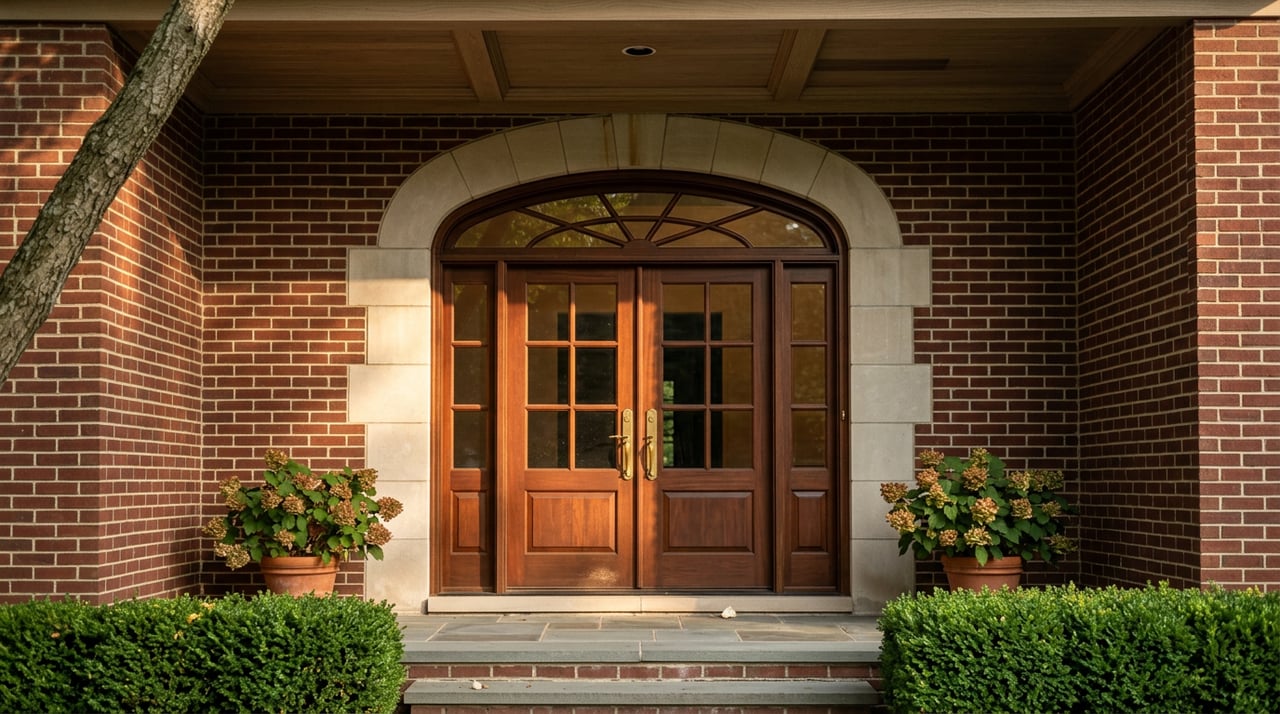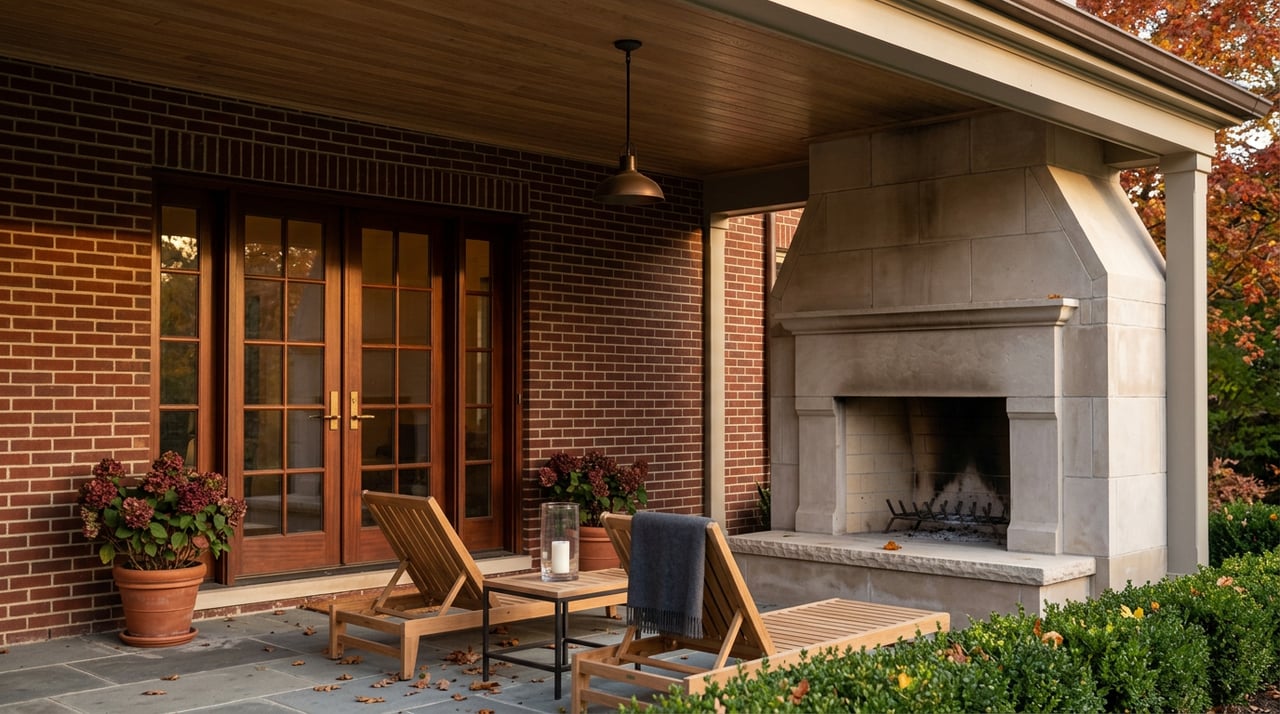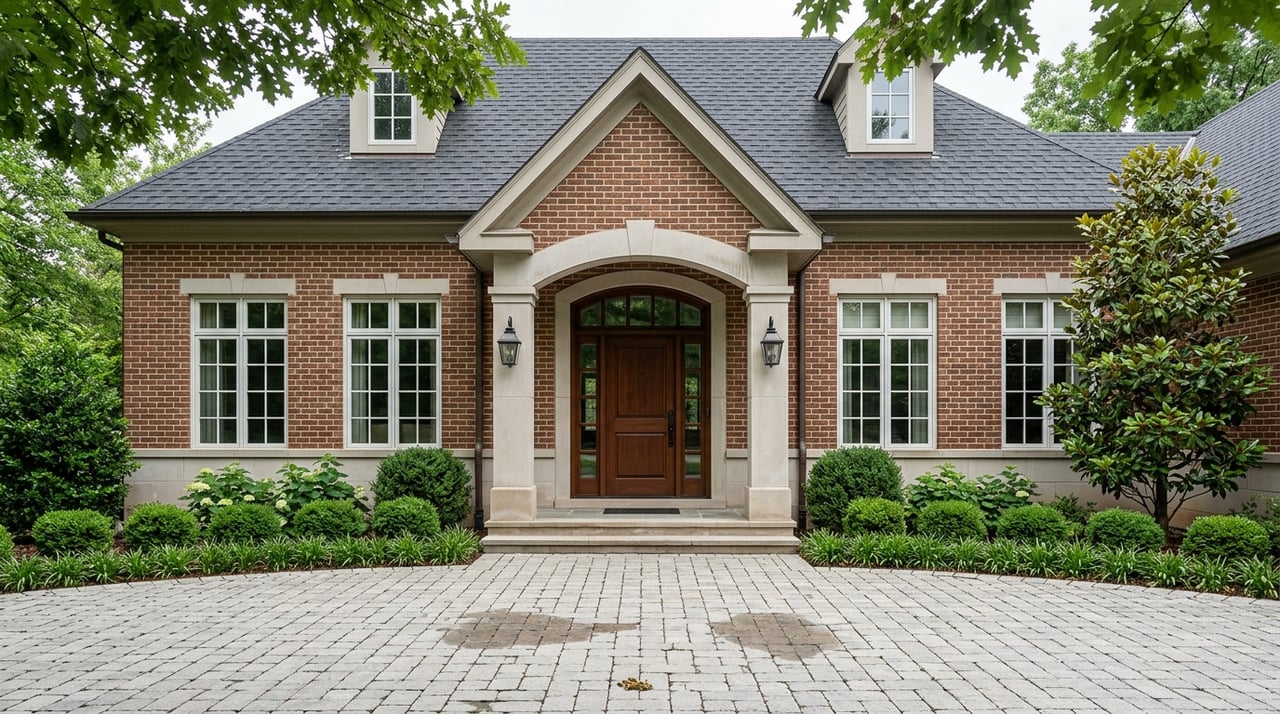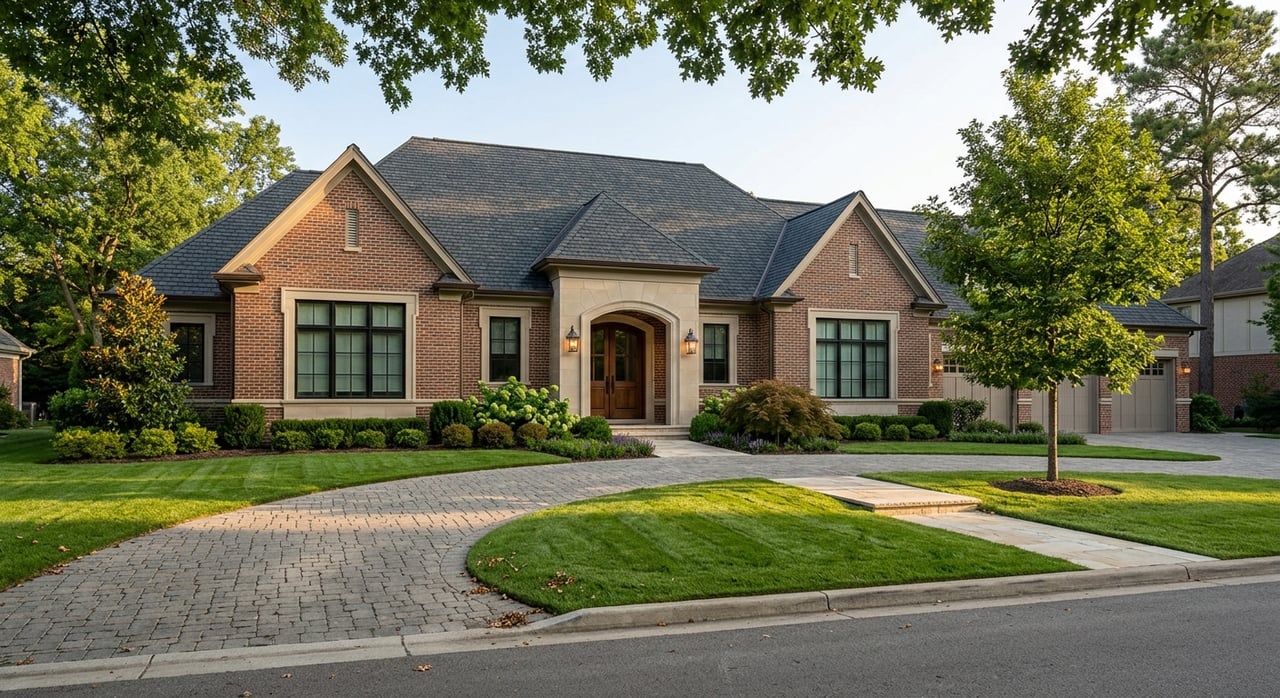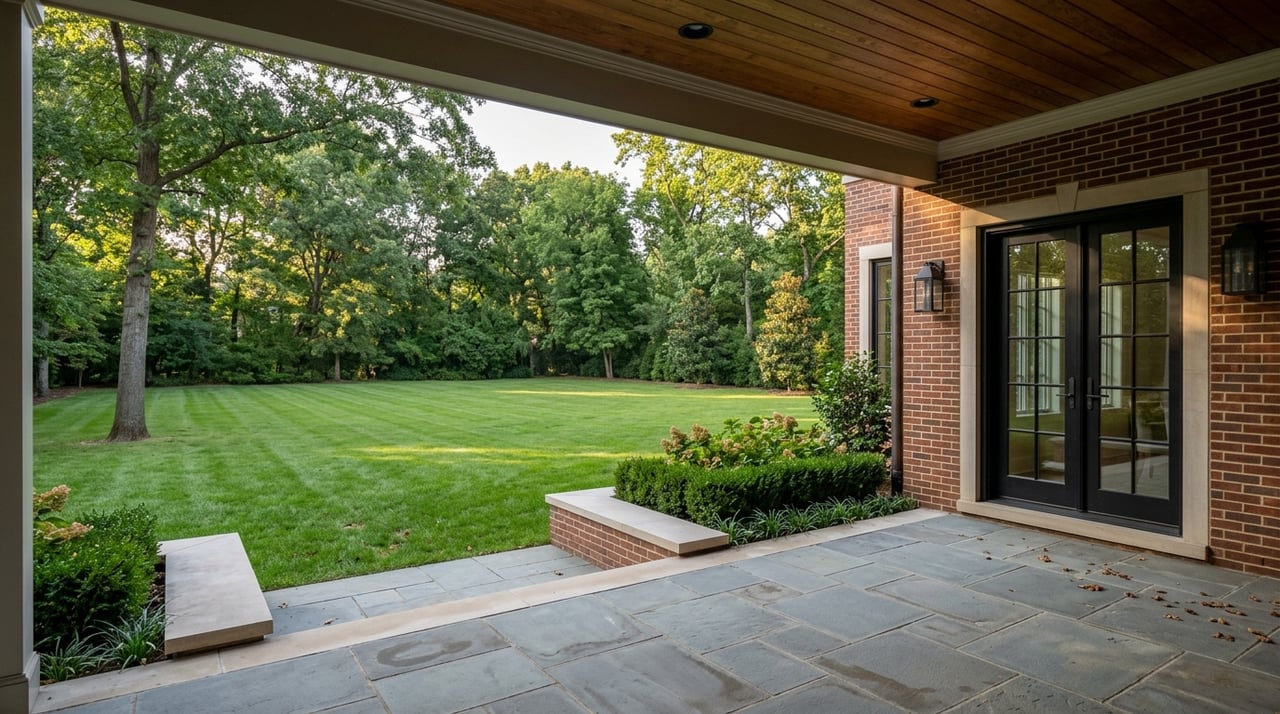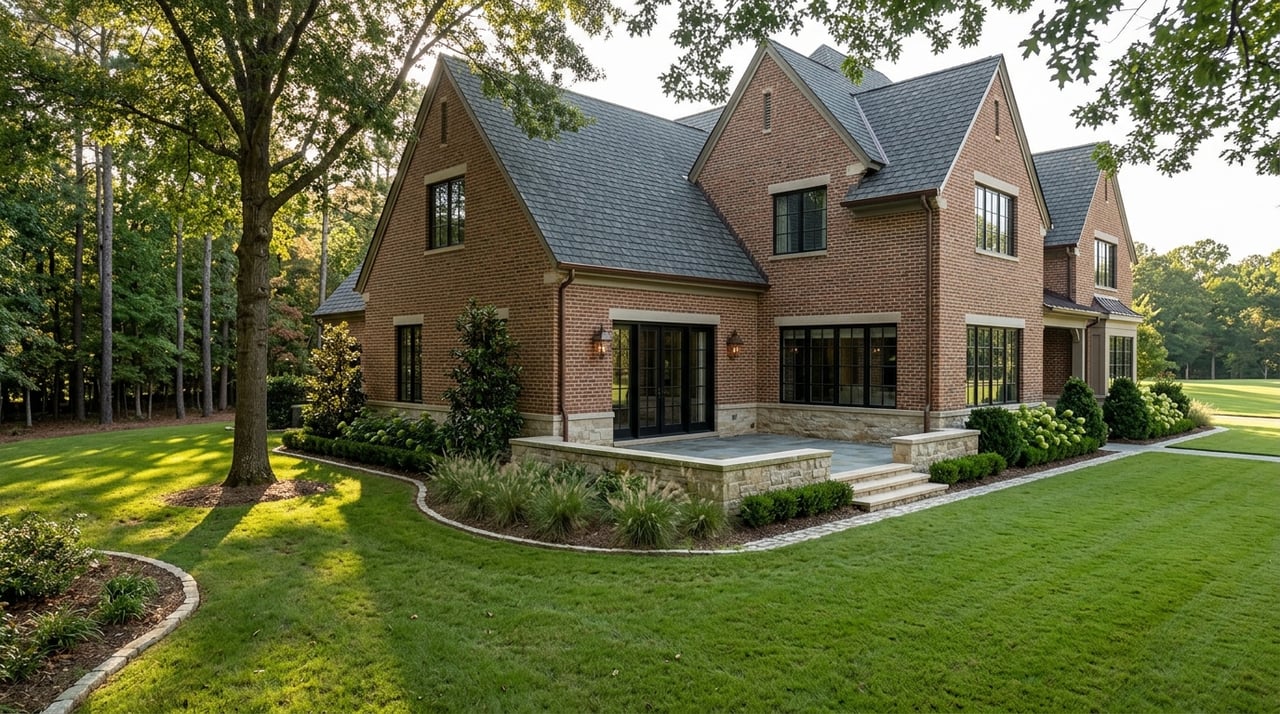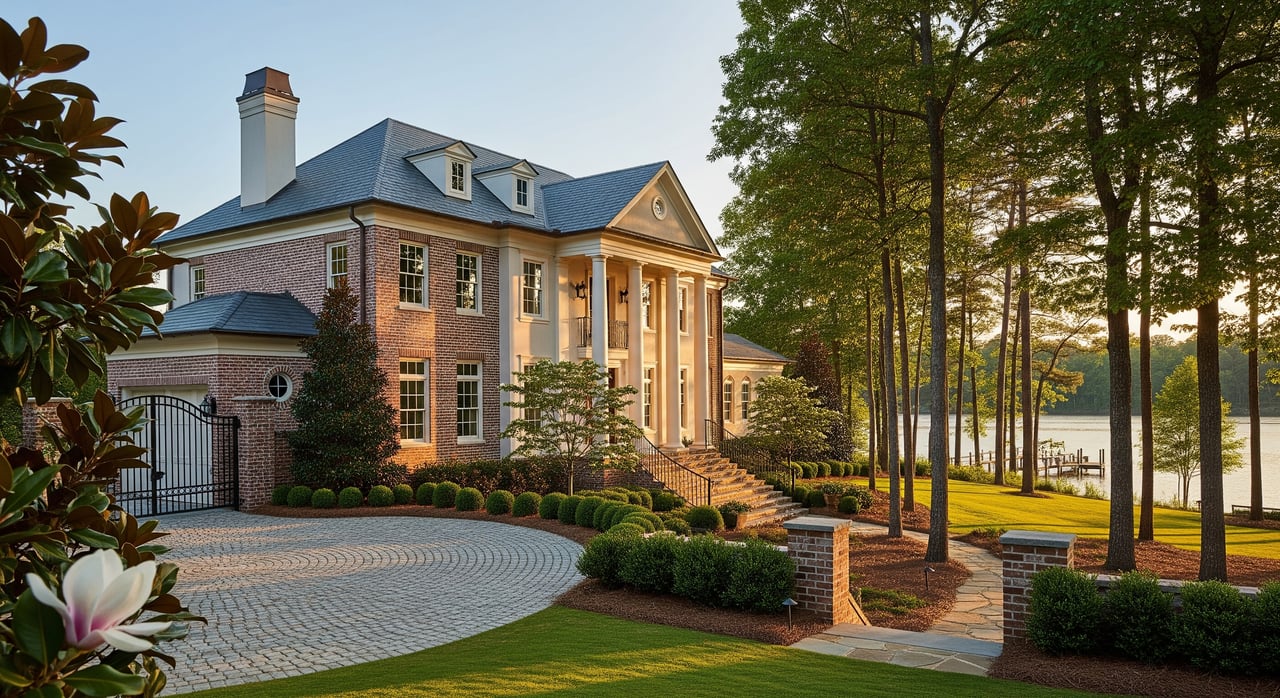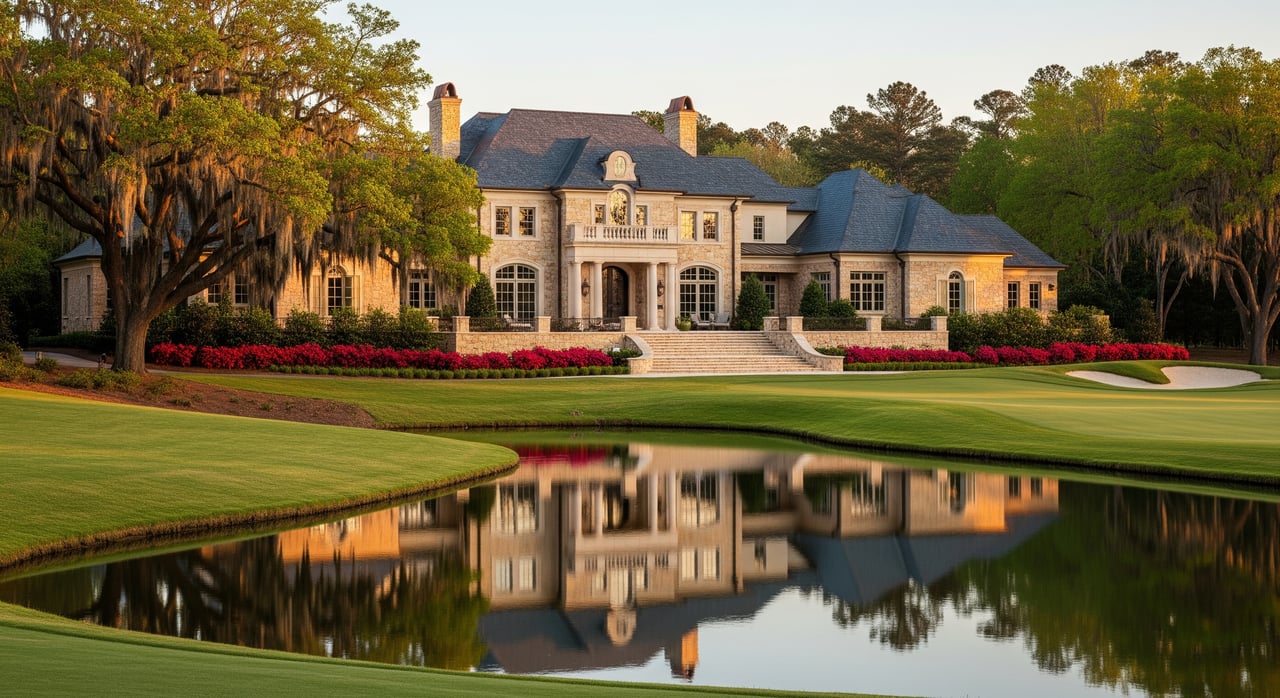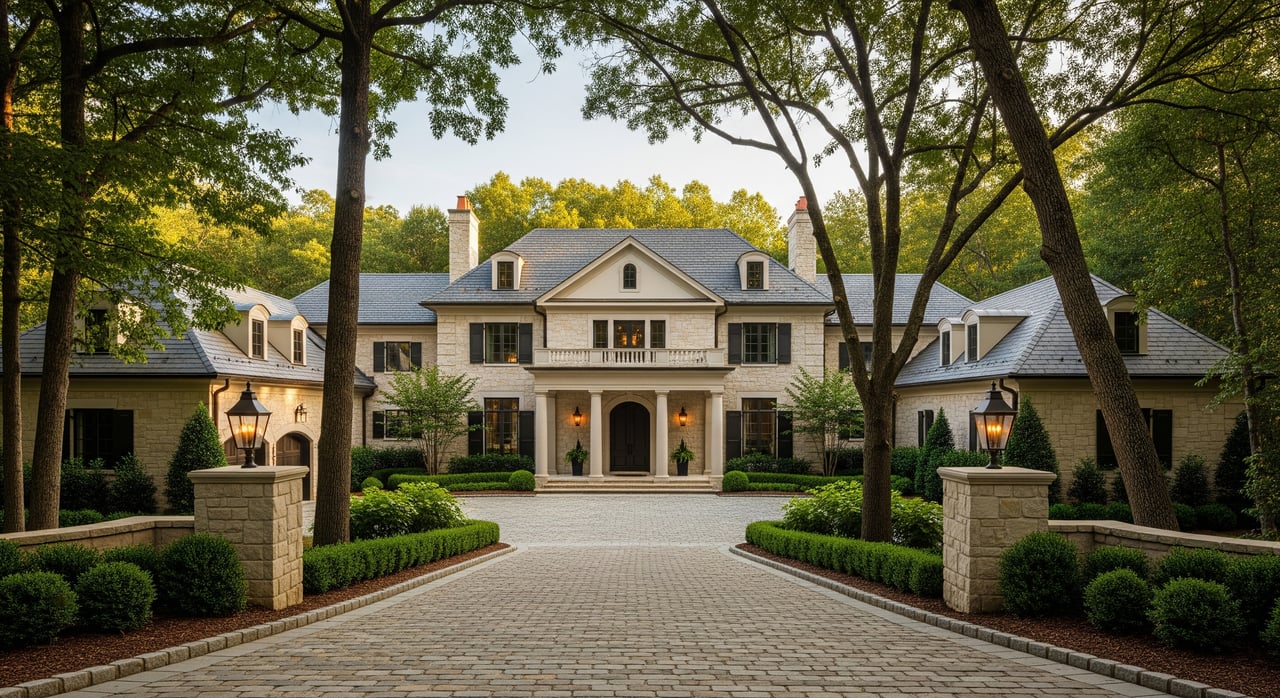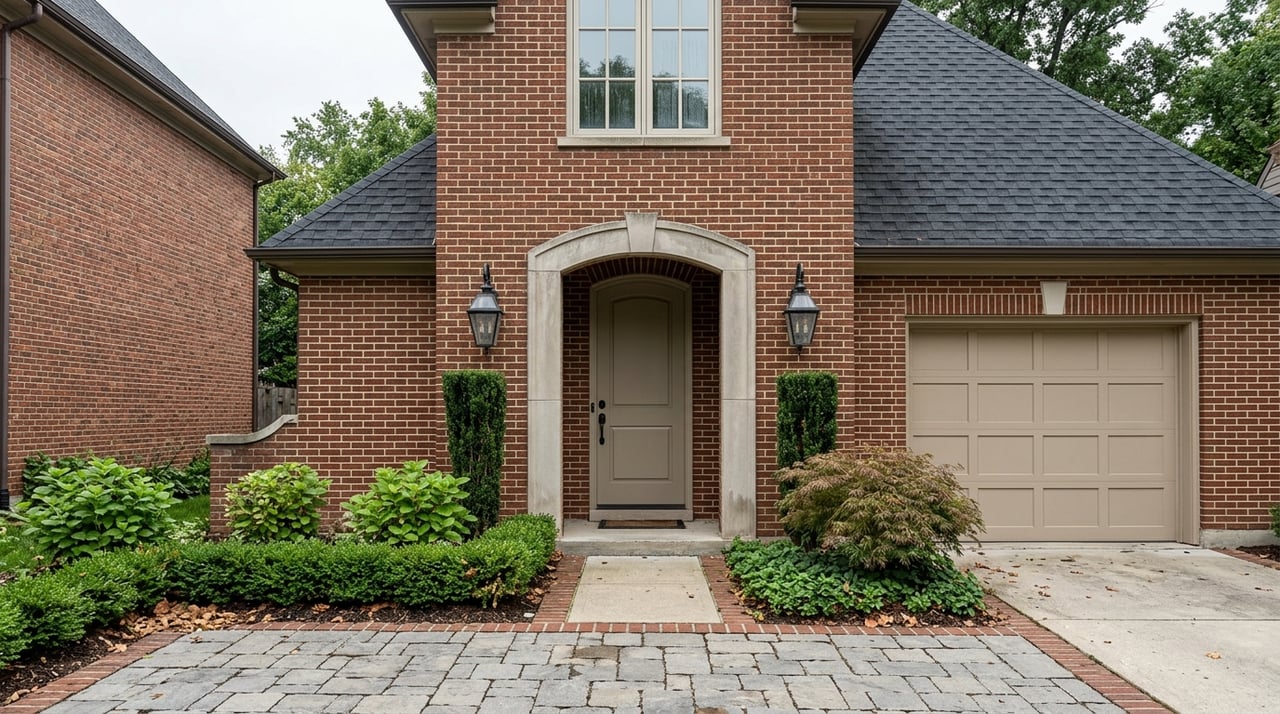
If you are weighing a move inside Sugarloaf Country Club, the biggest question may not be whether you want to live there. It may be how much home, yard, and upkeep actually fits your life. In a community known for luxury homes, club amenities, and a carefully maintained look, the difference between a garden home and an estate can shape your day-to-day routine as much as your budget. This guide will help you compare the trade-offs, understand what current property patterns show, and narrow in on the right fit for your lifestyle. Let’s dive in.
Sugarloaf Home Styles at a Glance
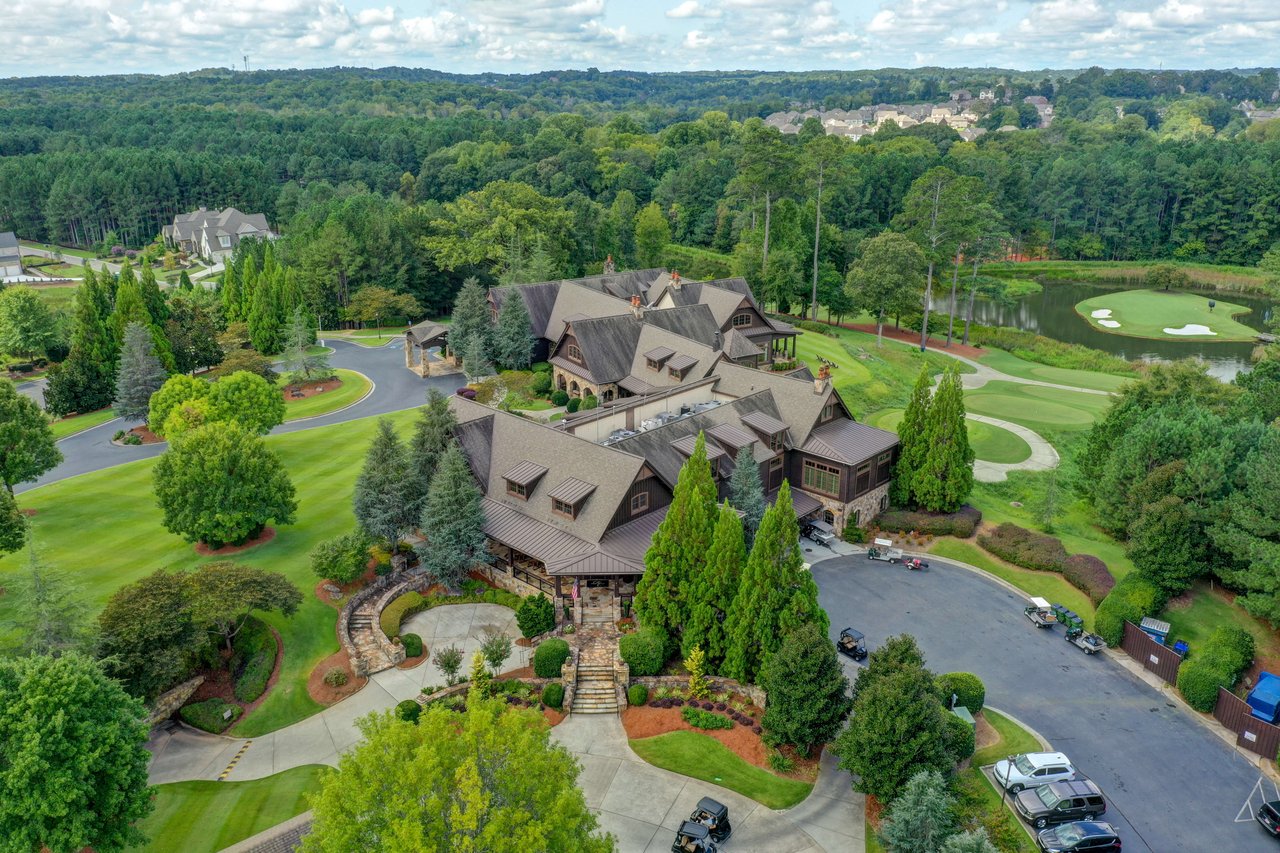
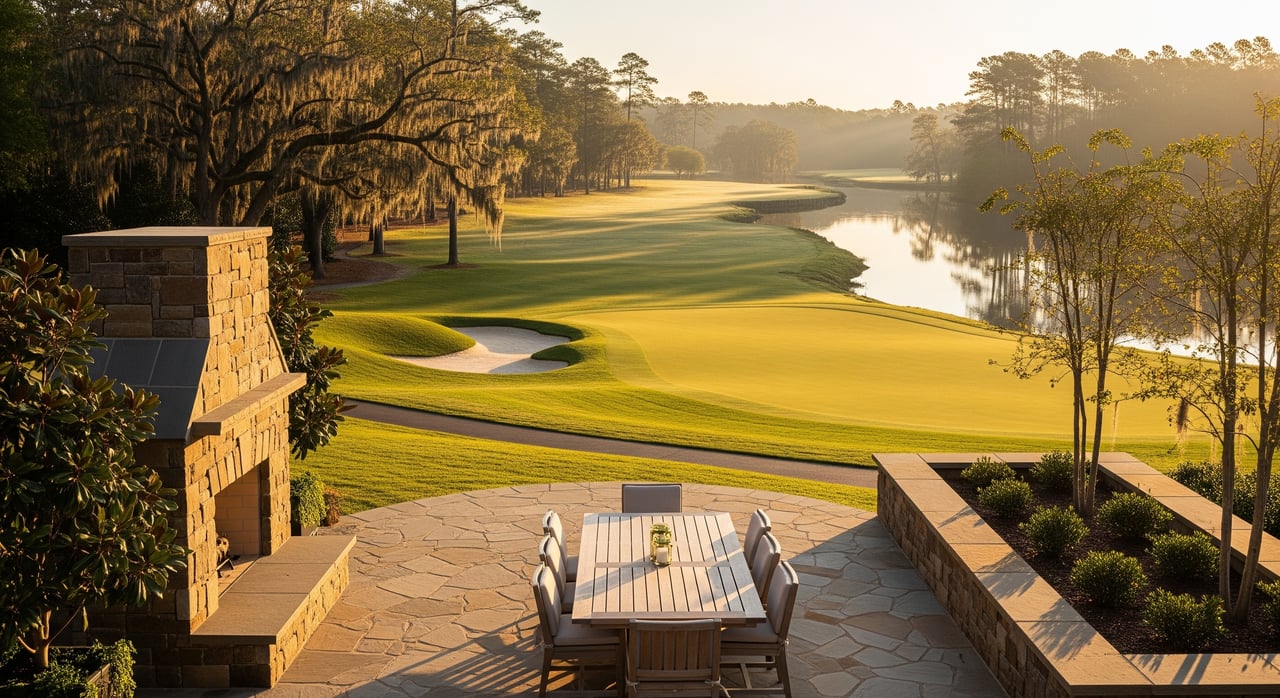
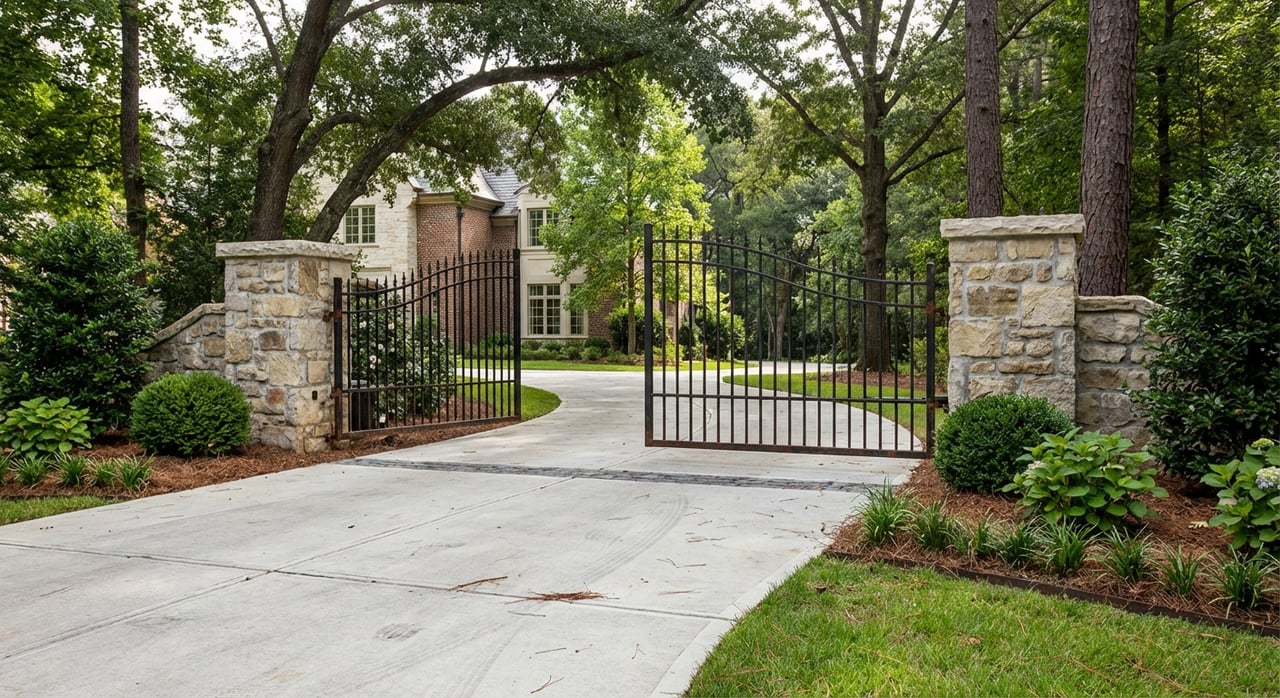
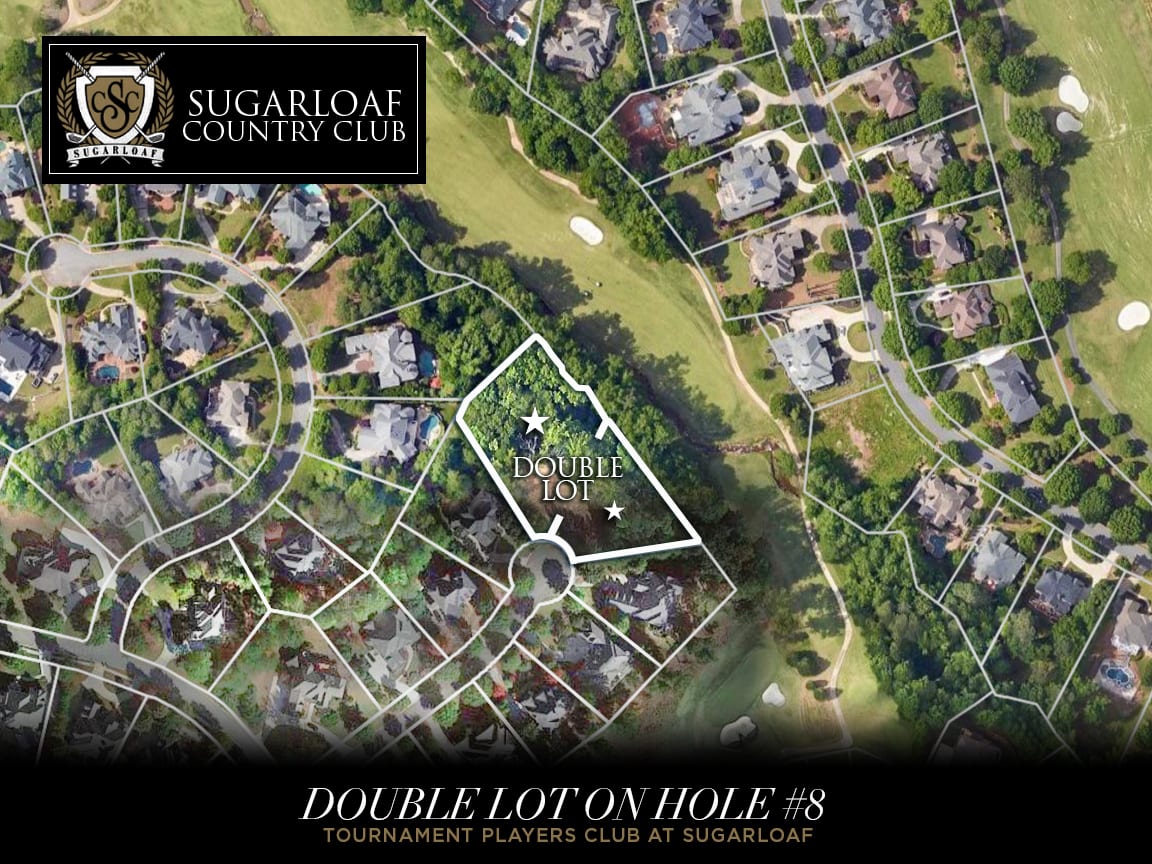
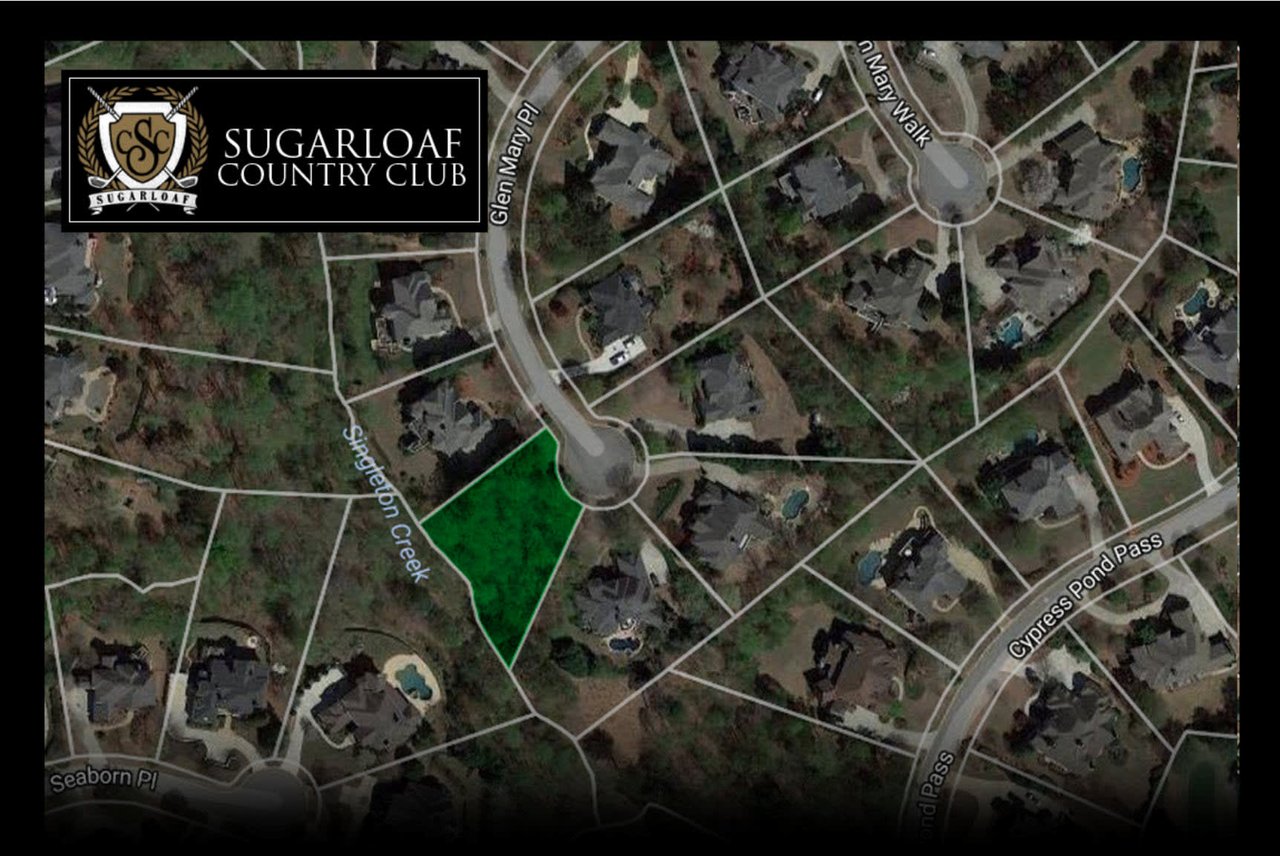
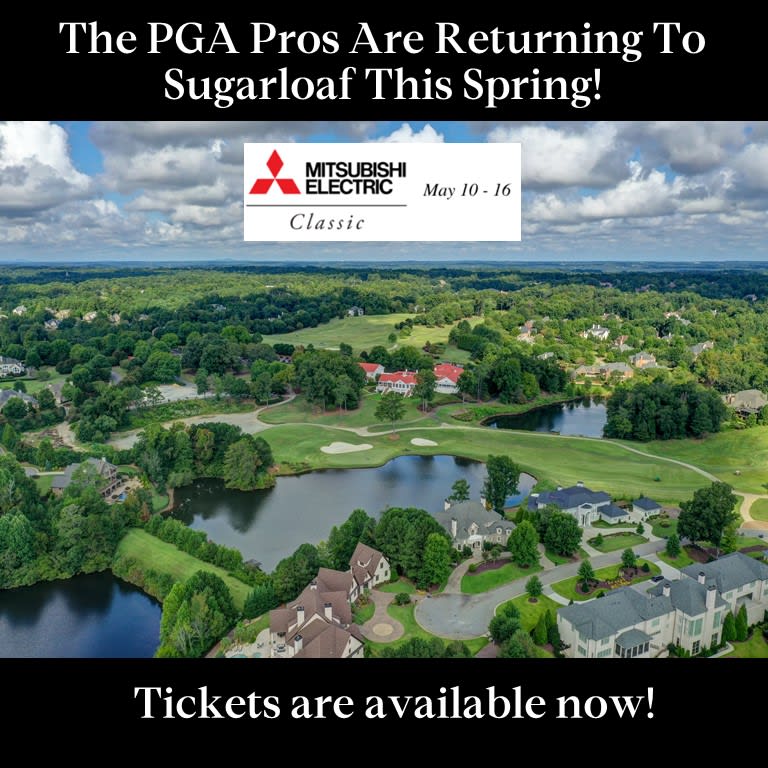
Sugarloaf Country Club is a gated Duluth community spread across roughly 1,200 acres with just under 1,000 households, according to the property owners association. The community includes a mix of luxury and executive estate homes, and TPC Sugarloaf describes the club setting as a 27-hole Greg Norman-designed private club with golf, tennis, pickleball, aquatics, social spaces, and practice facilities.
That larger setting matters when you compare home types. In Sugarloaf, garden homes, golf-course residences, and estate properties each offer a different balance of convenience, privacy, entertaining space, and maintenance.
What Garden Homes Look Like
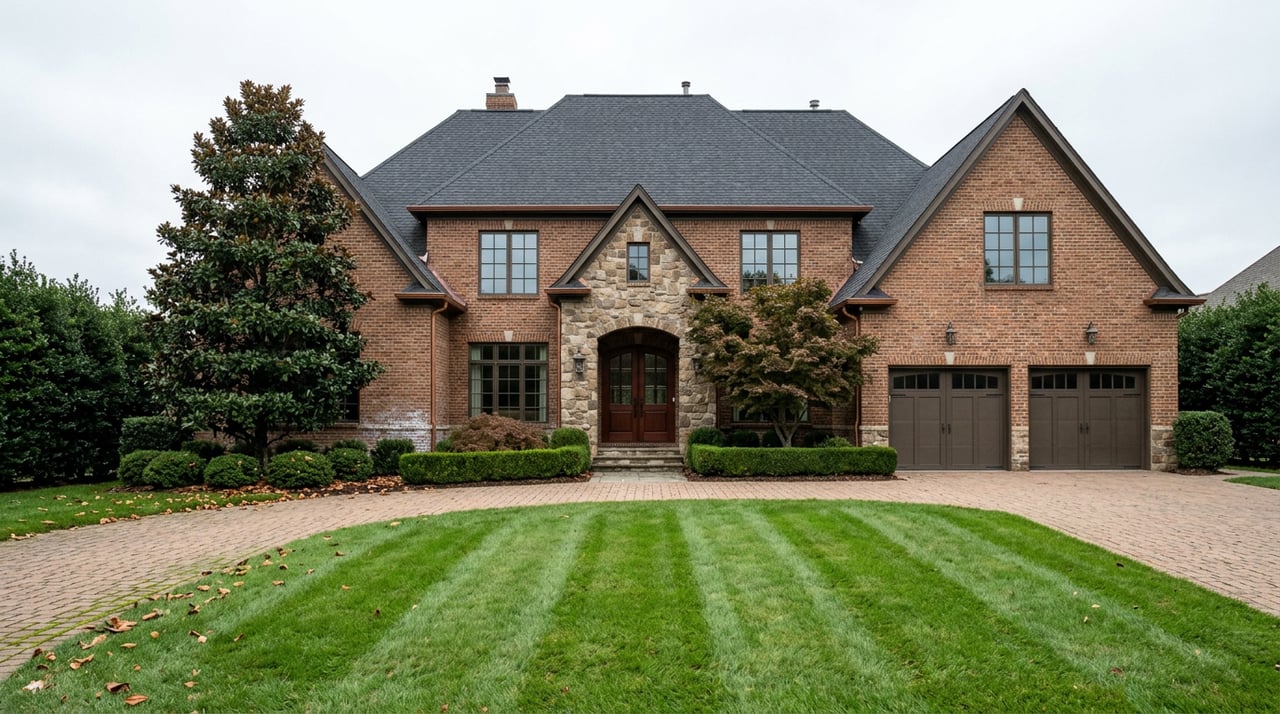
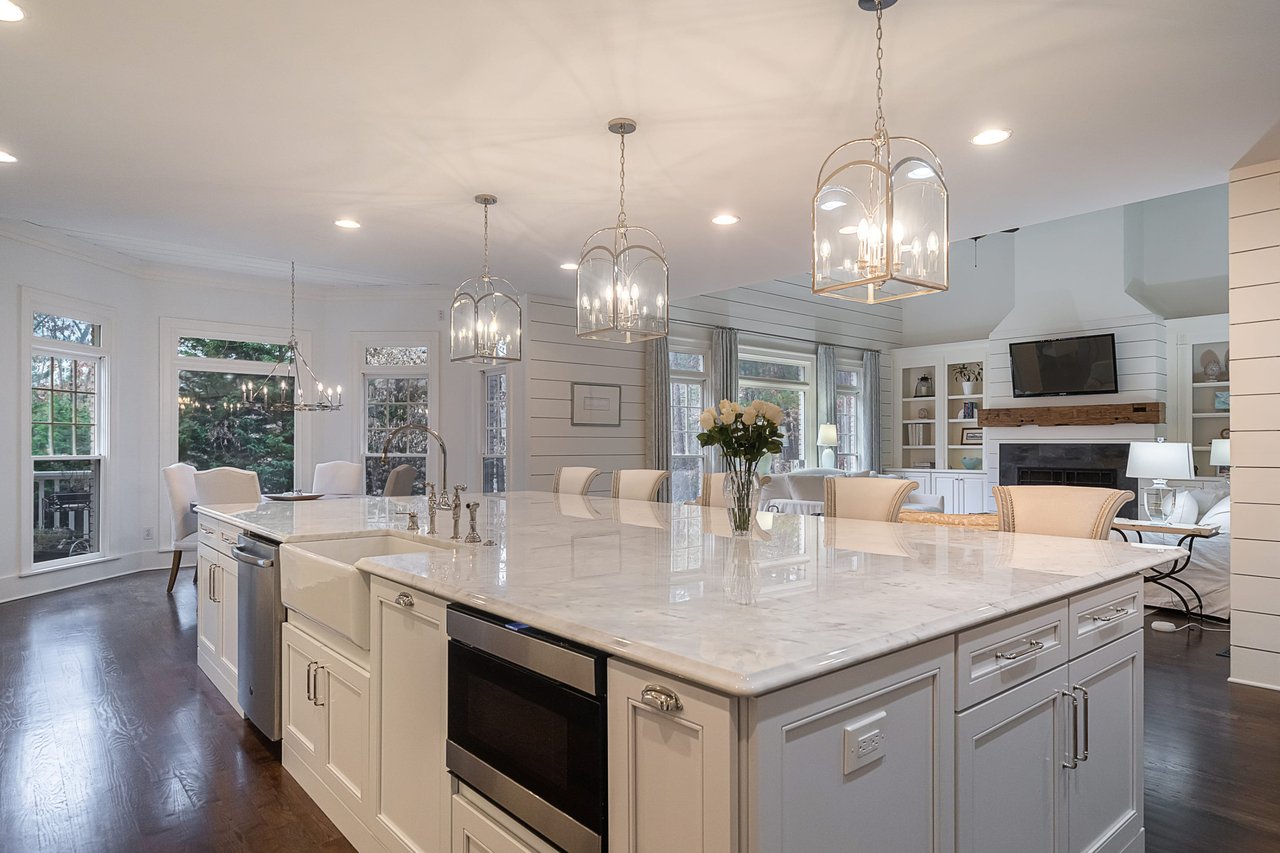
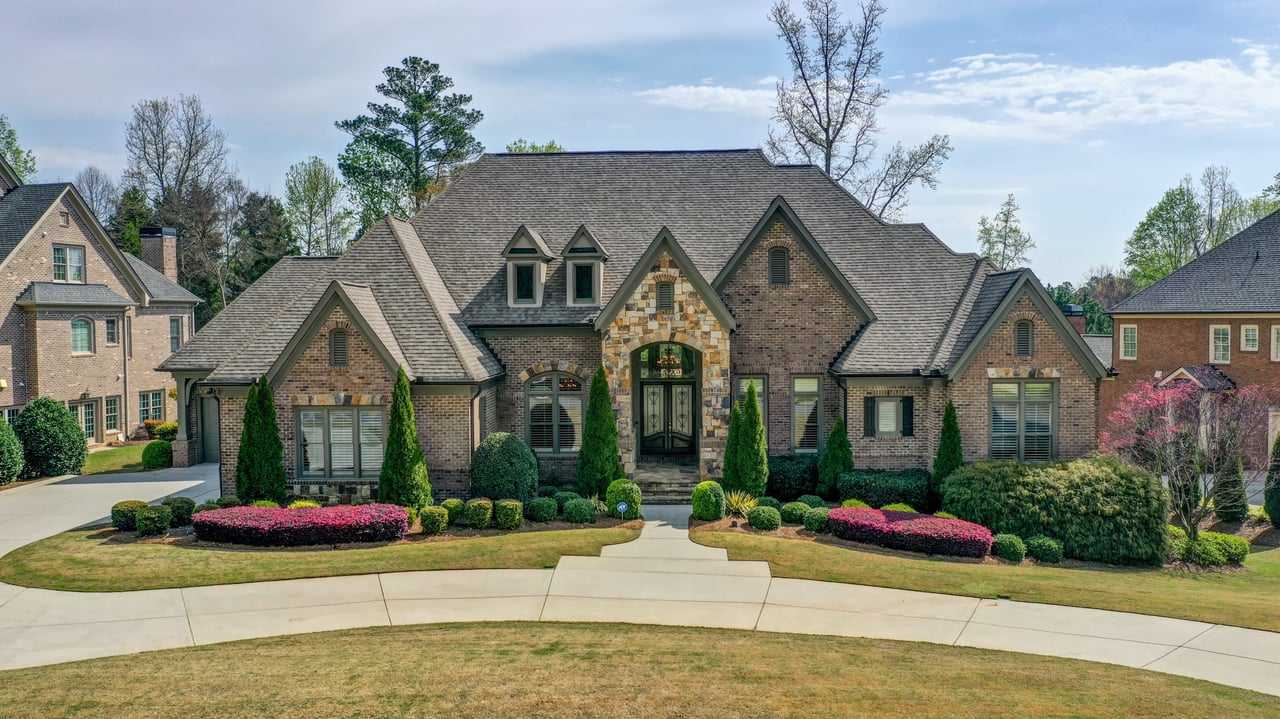
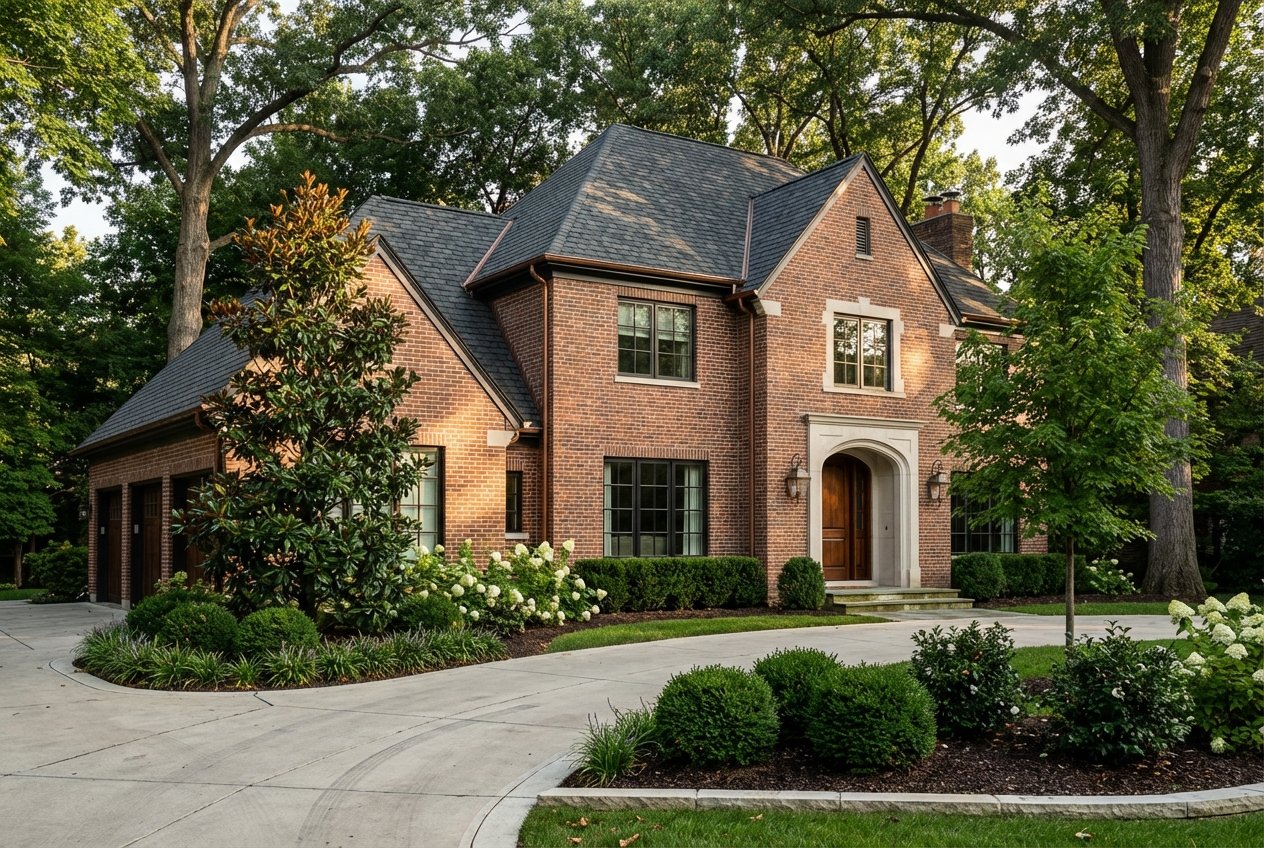
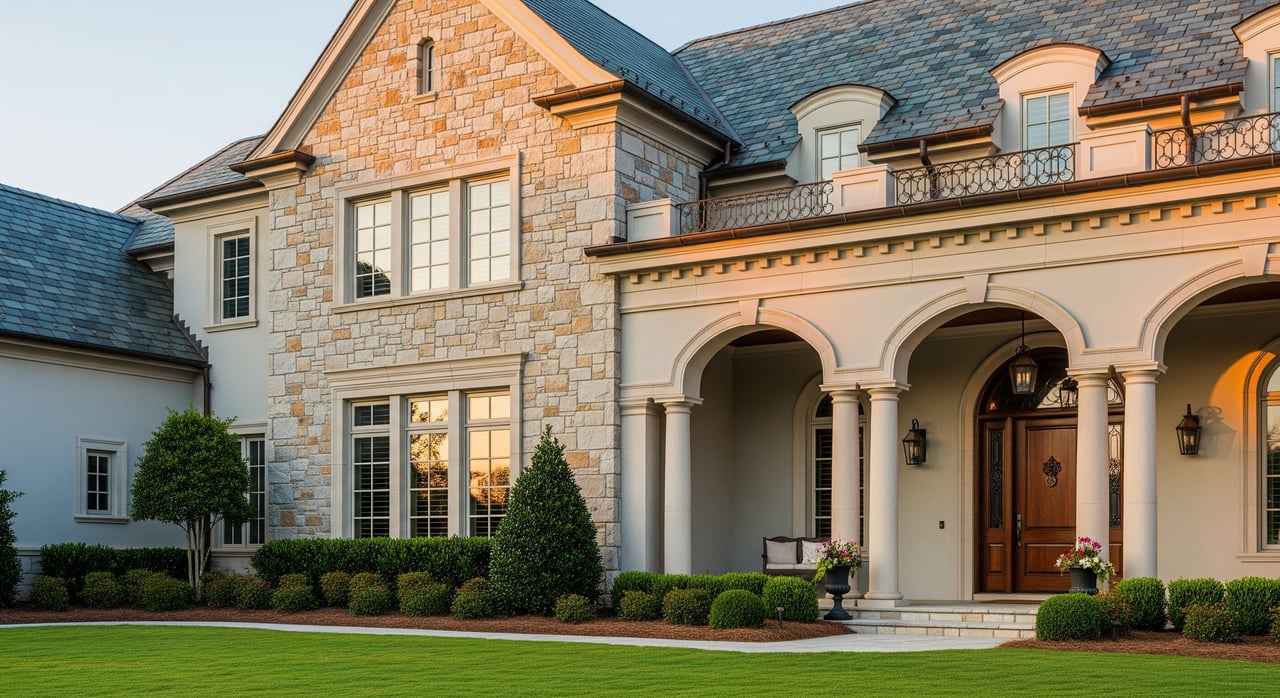
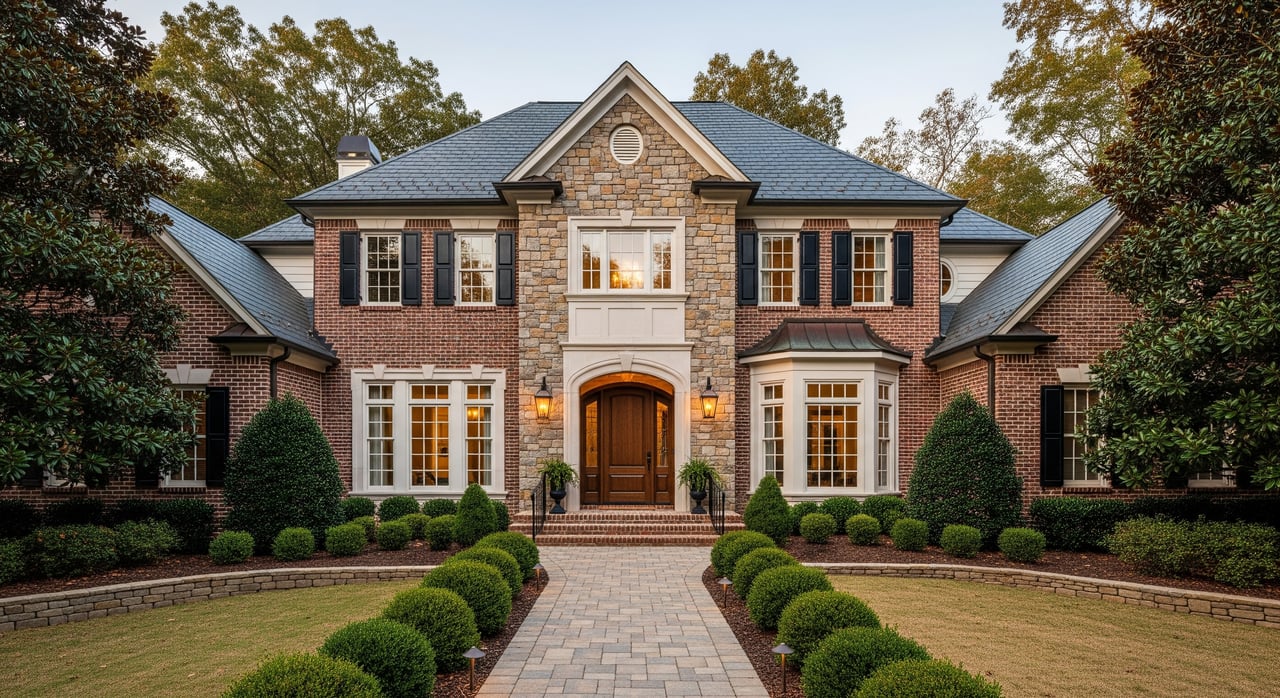
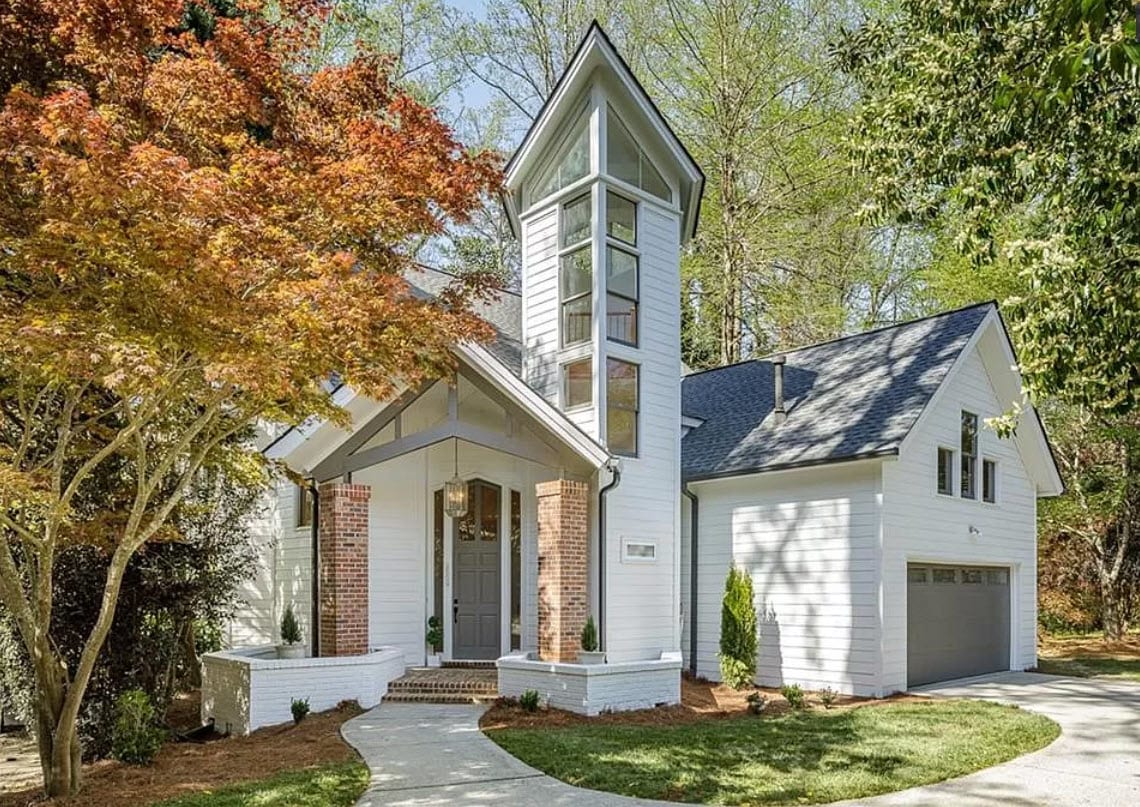
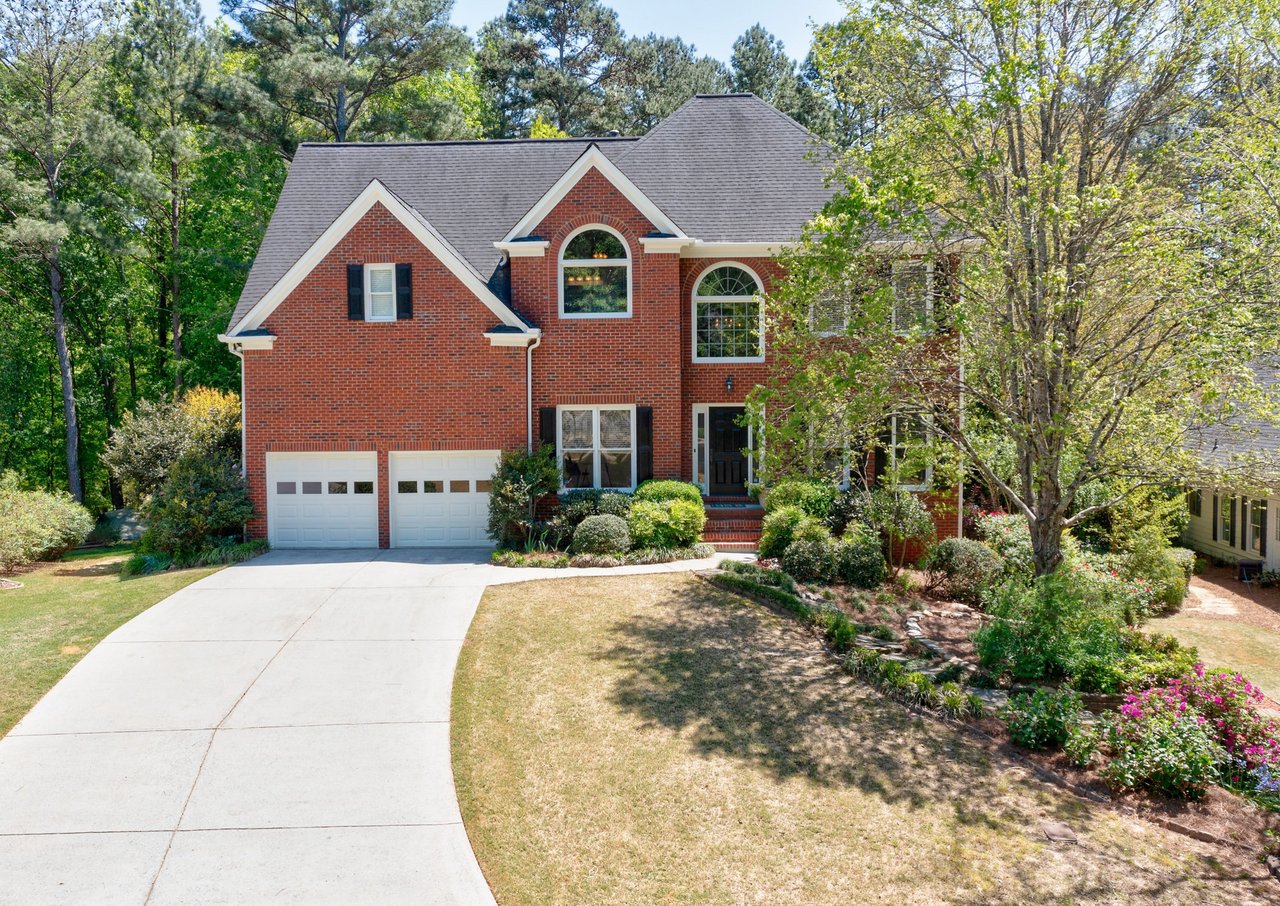
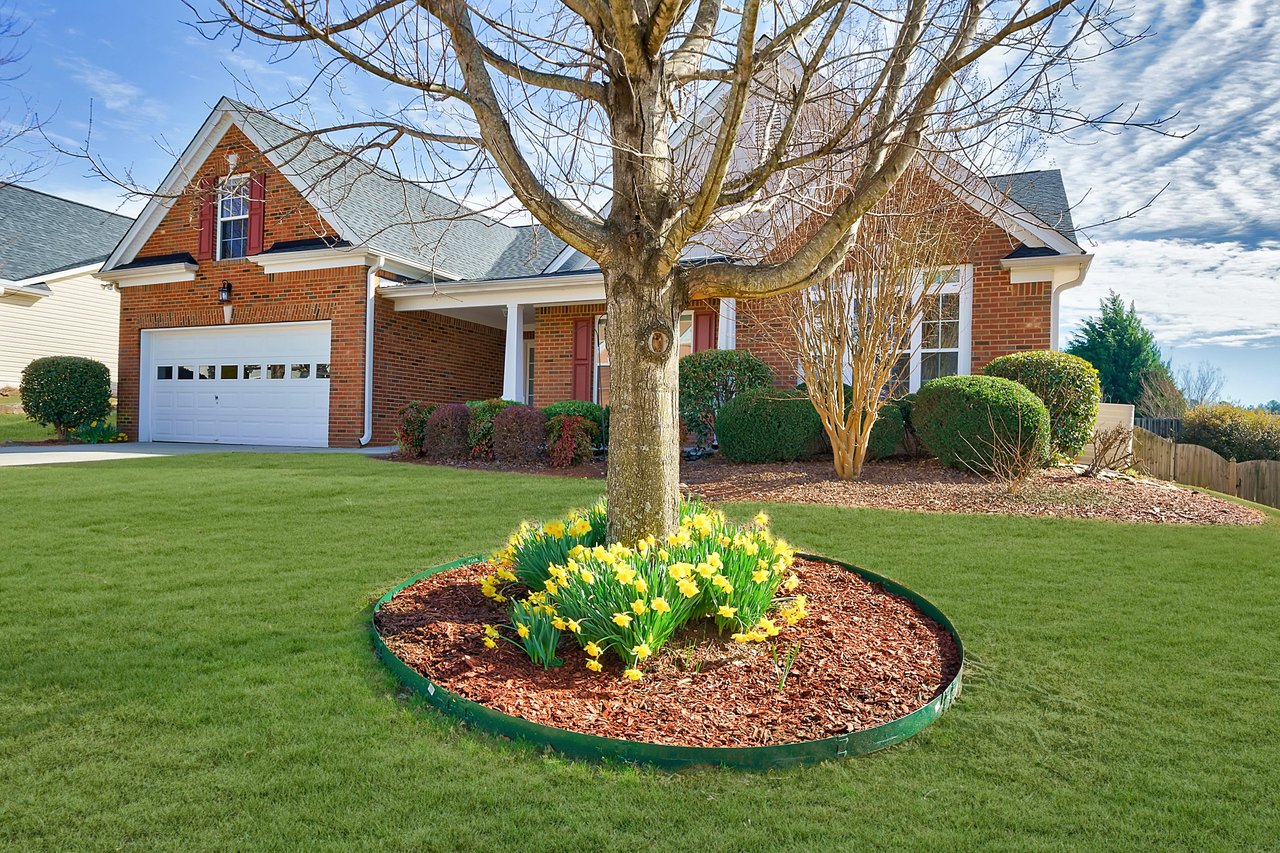
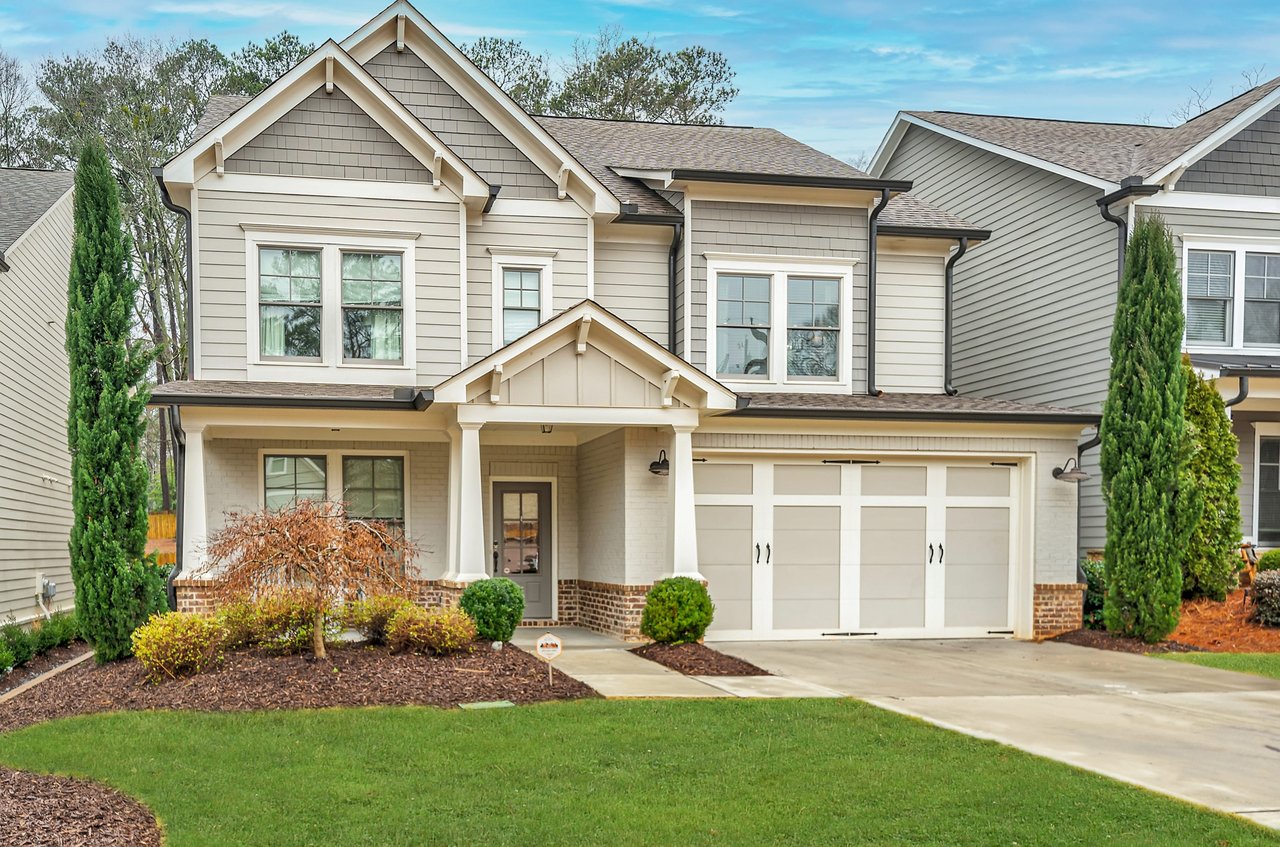
At the smaller and easier-to-manage end of the single-family market, Sugarloaf garden homes tend to sit on lots around 9,147 square feet, or about 0.21 acre, up to roughly 0.25 acre. Recent examples include homes around 2,724 to 2,930 square feet.
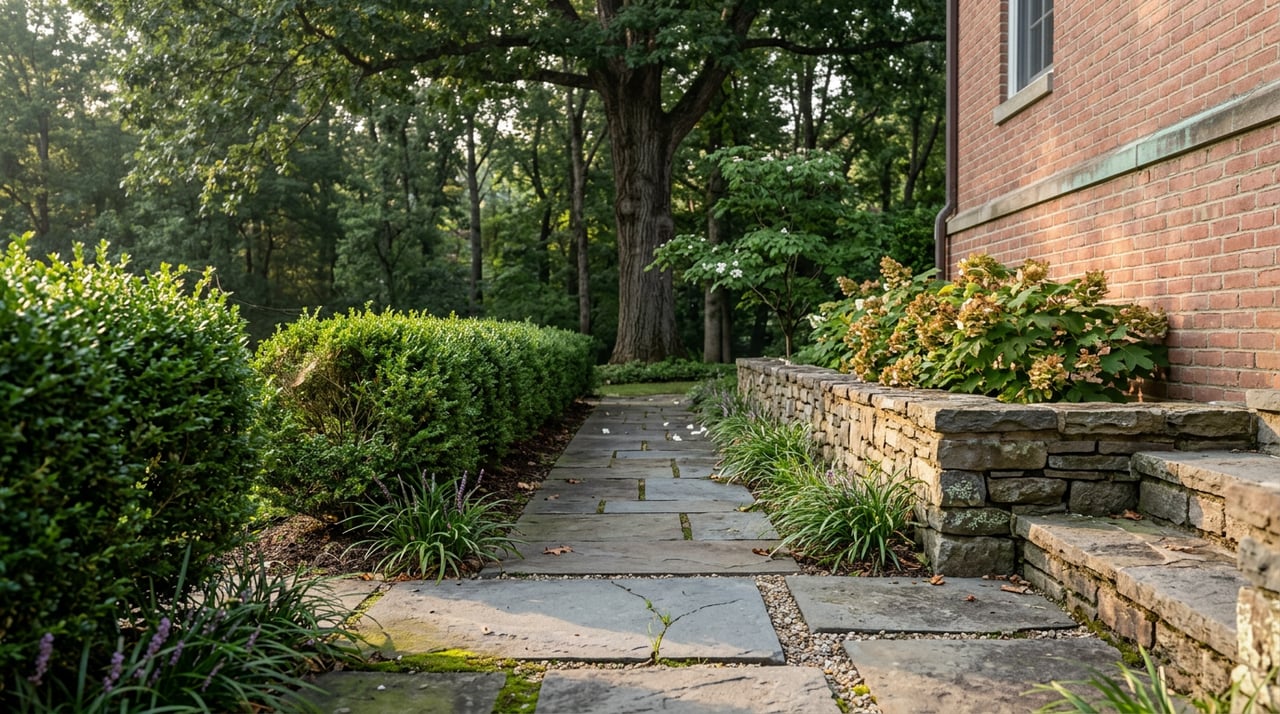
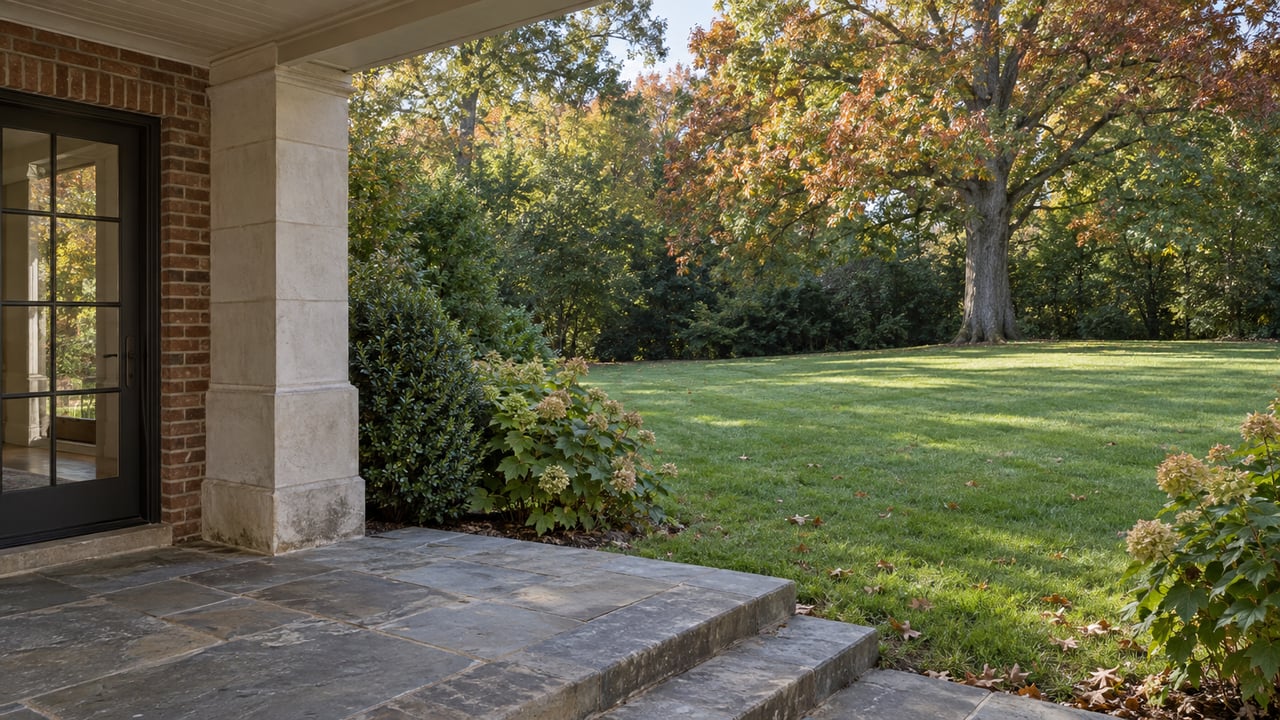
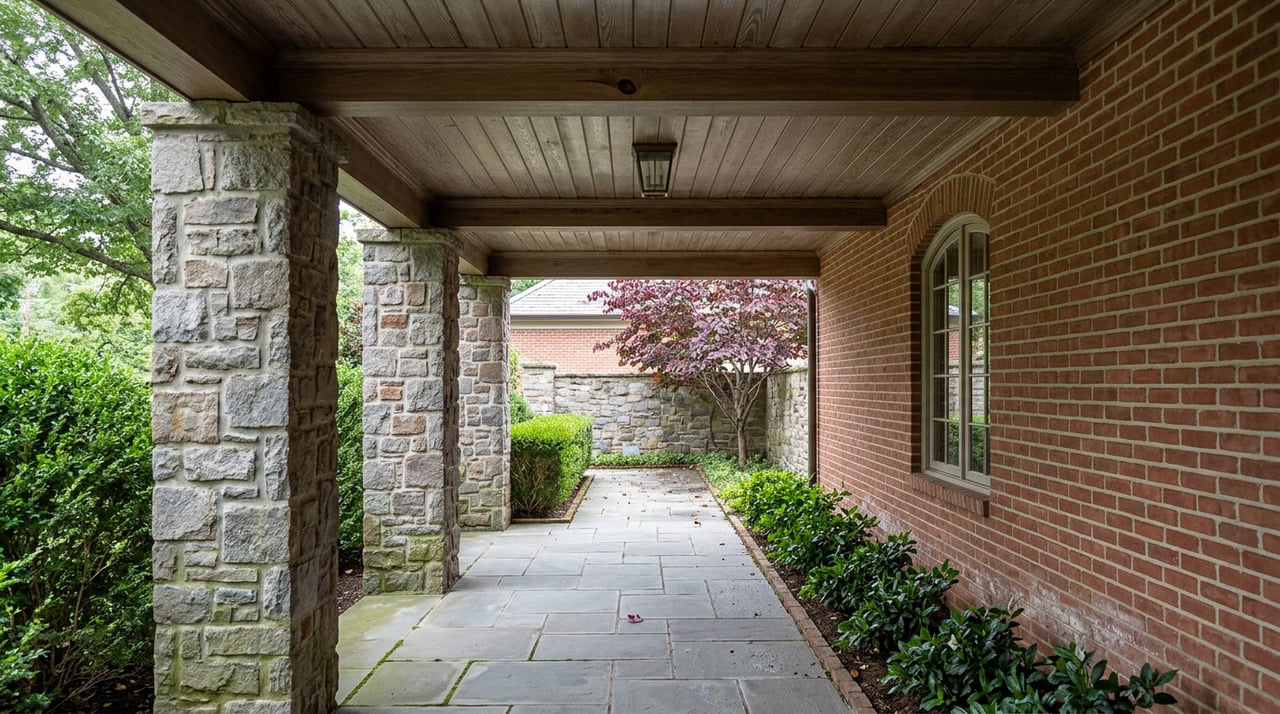
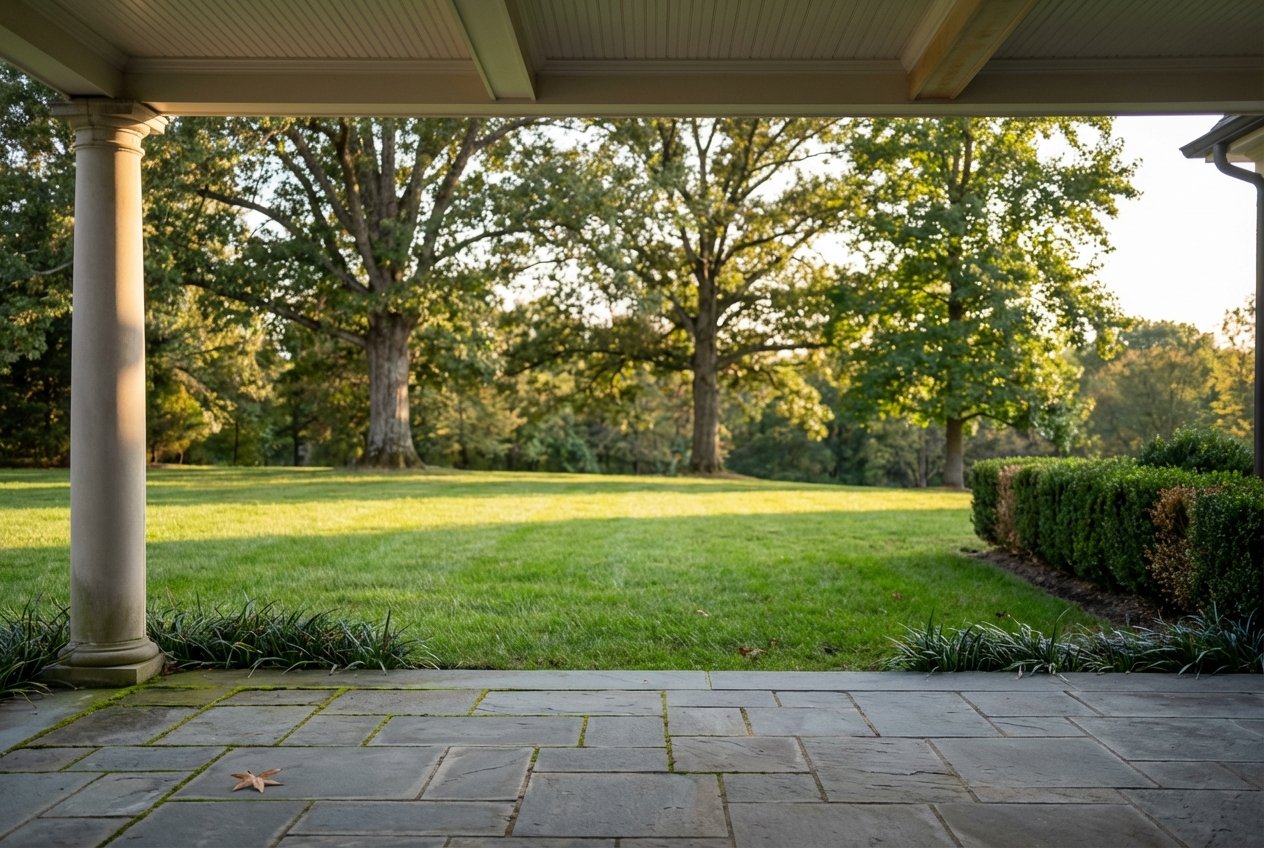
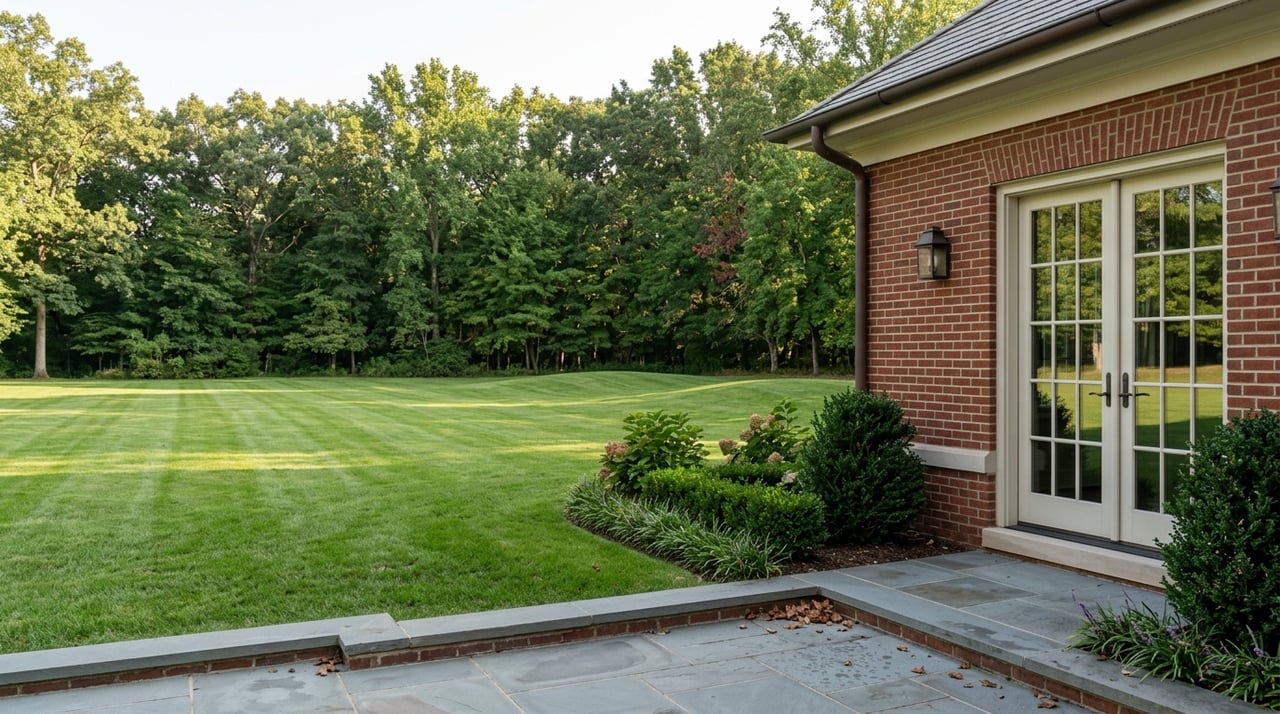
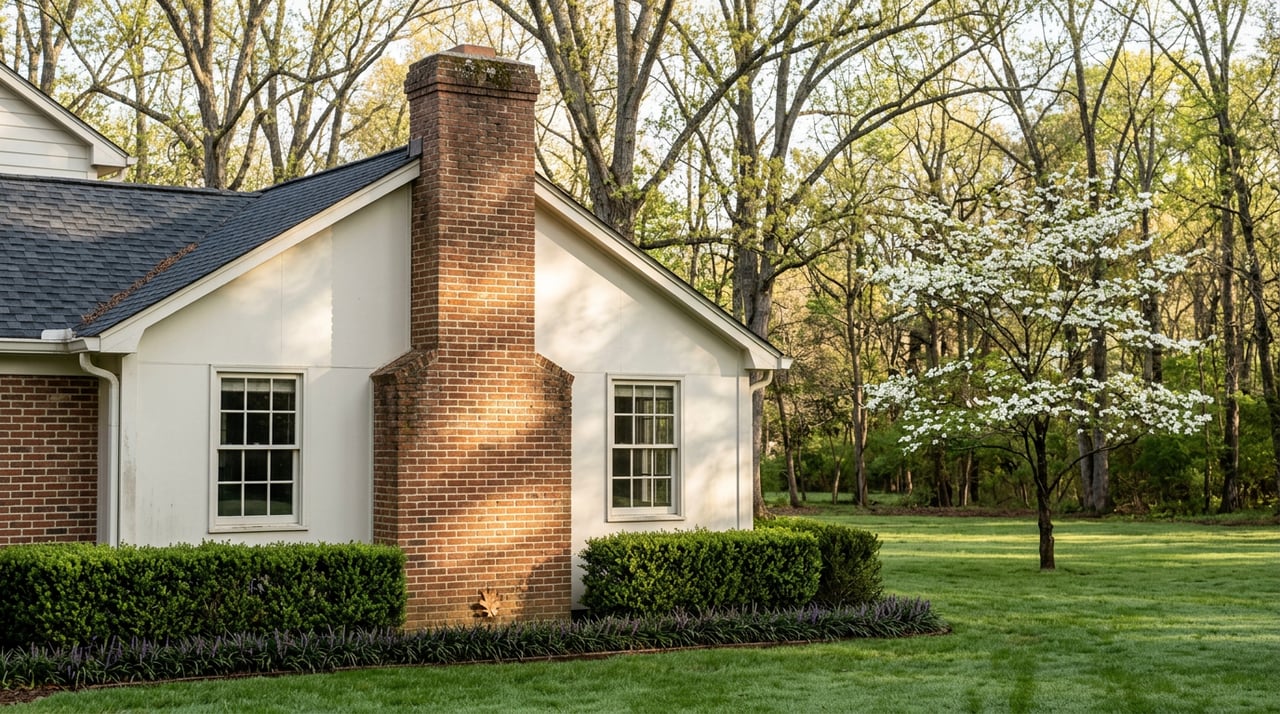
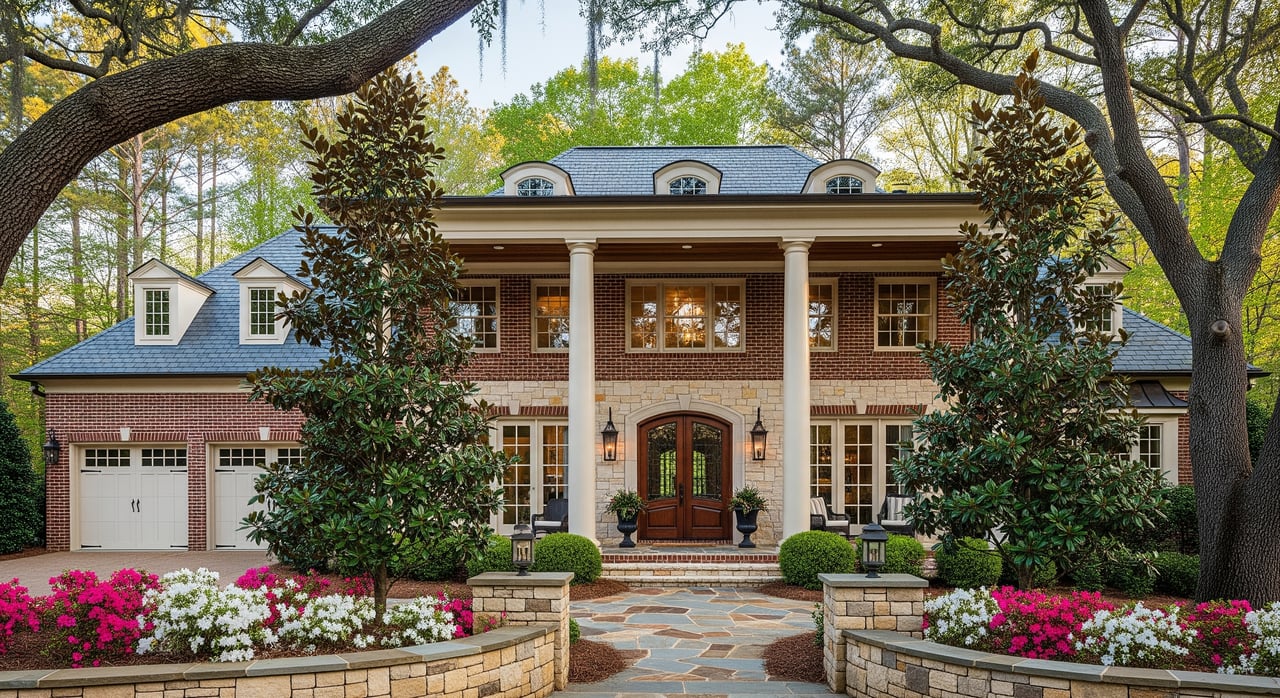
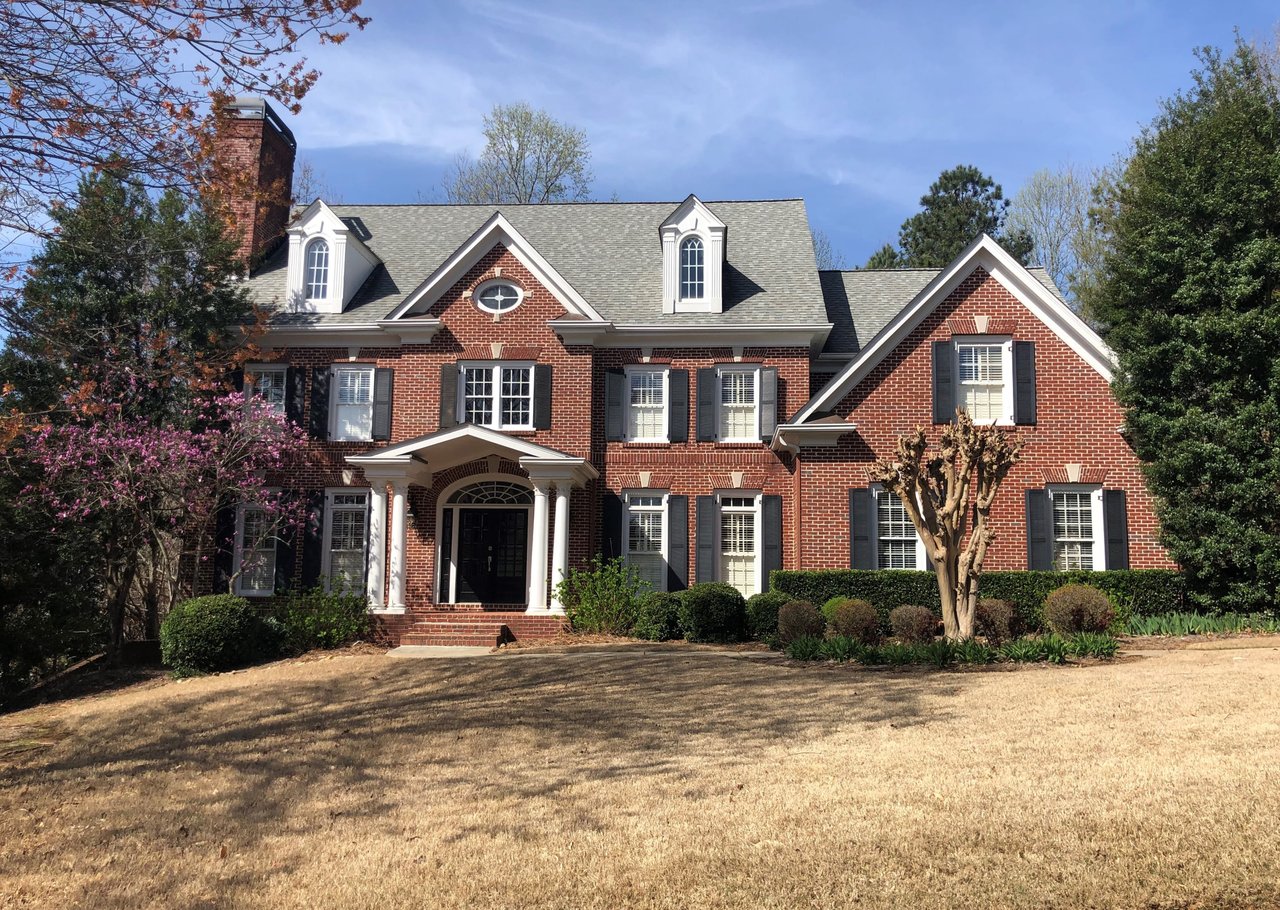
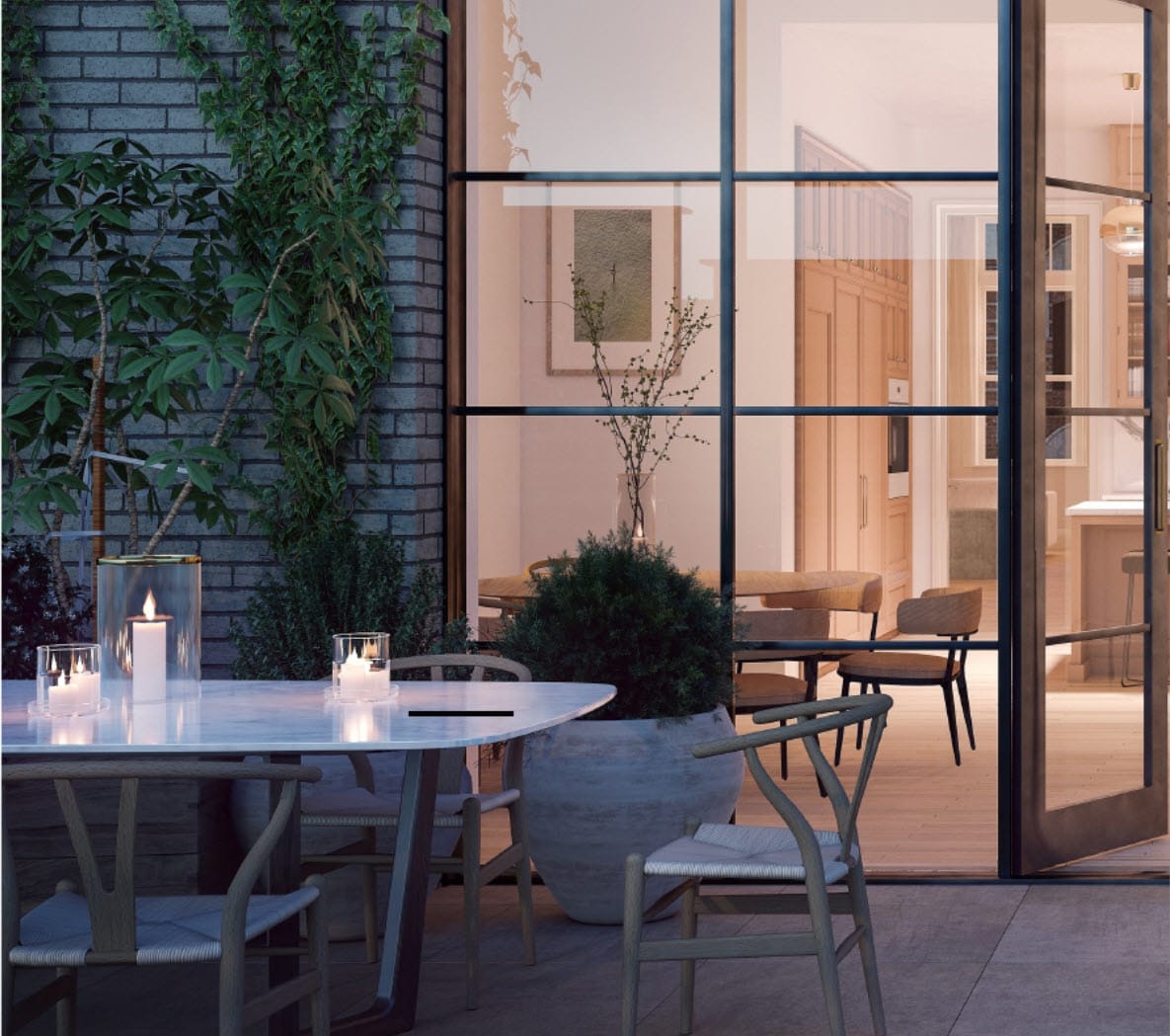
These homes often feature one-story or main-level-friendly living, along with outdoor spaces like covered patios or screened porches. Based on current listing patterns, the appeal is practical: fewer lawn areas, less planting-bed maintenance, and a layout that supports easier everyday living.
Why Buyers Choose Garden Homes
Garden homes are often the clearest fit if you want a lock-and-leave lifestyle. If you travel often, want less exterior work, or are considering a downsize without leaving the community, this category can make a lot of sense.
You may also prefer a home where more of your time goes toward enjoying the club and less goes toward managing the yard. In a neighborhood like Sugarloaf, that convenience can be a major advantage.
Typical Garden Home Benefits
- Smaller lot sizes, often around 0.21 to 0.25 acre
- Main-level-friendly layouts in many current examples
- Outdoor living focused on patios or screened porches
- Lower exterior workload compared with larger properties
- Easier fit for frequent travelers or downsizers
What Estate Homes Offer
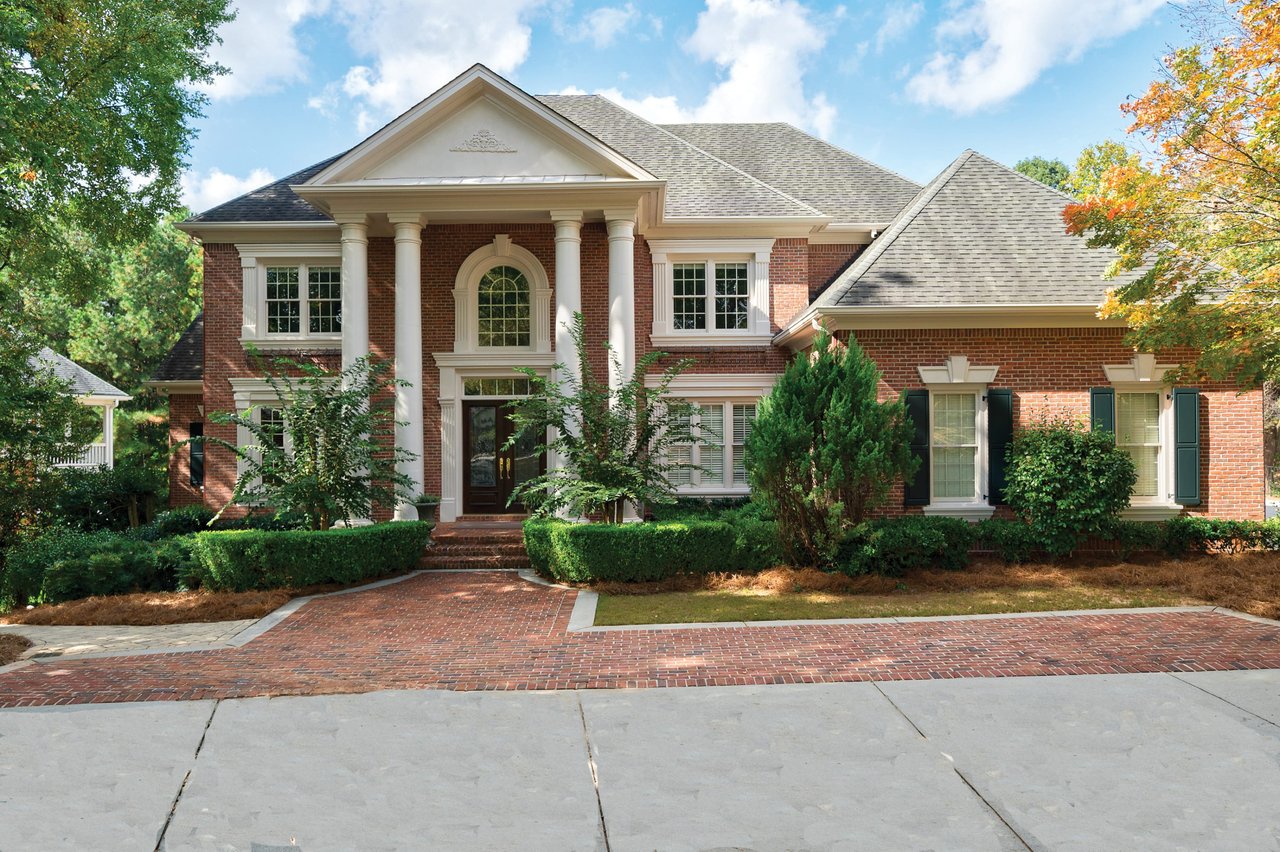
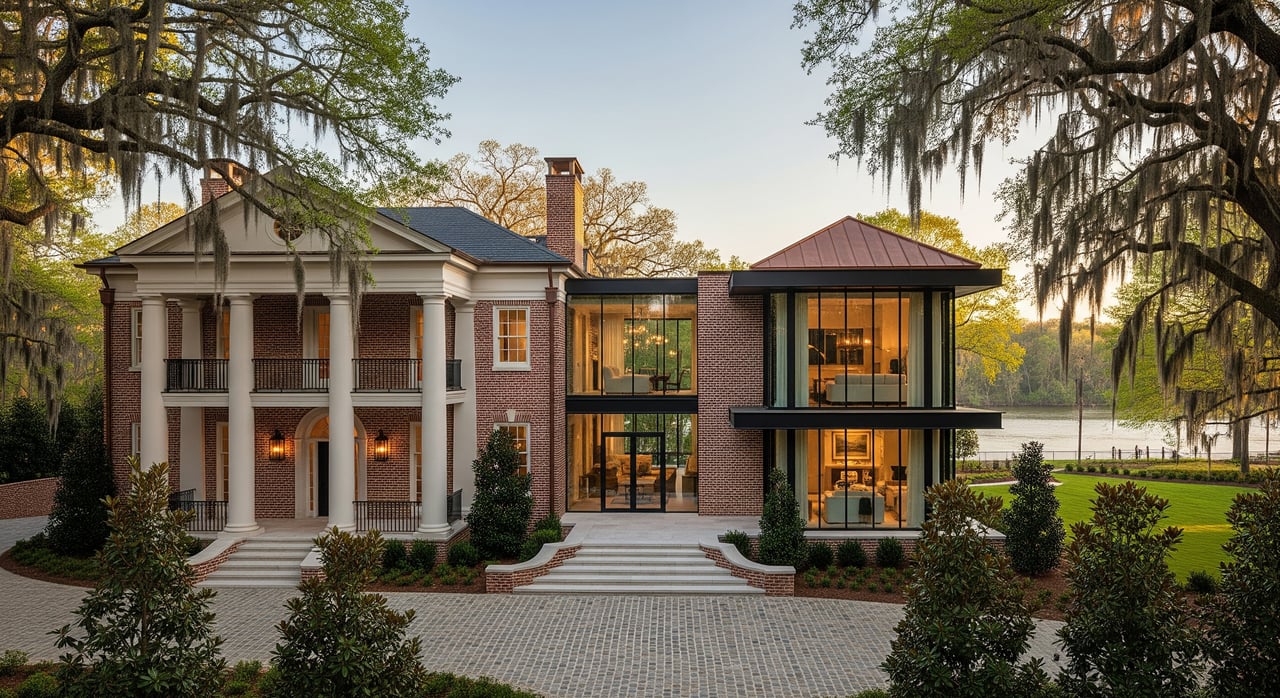
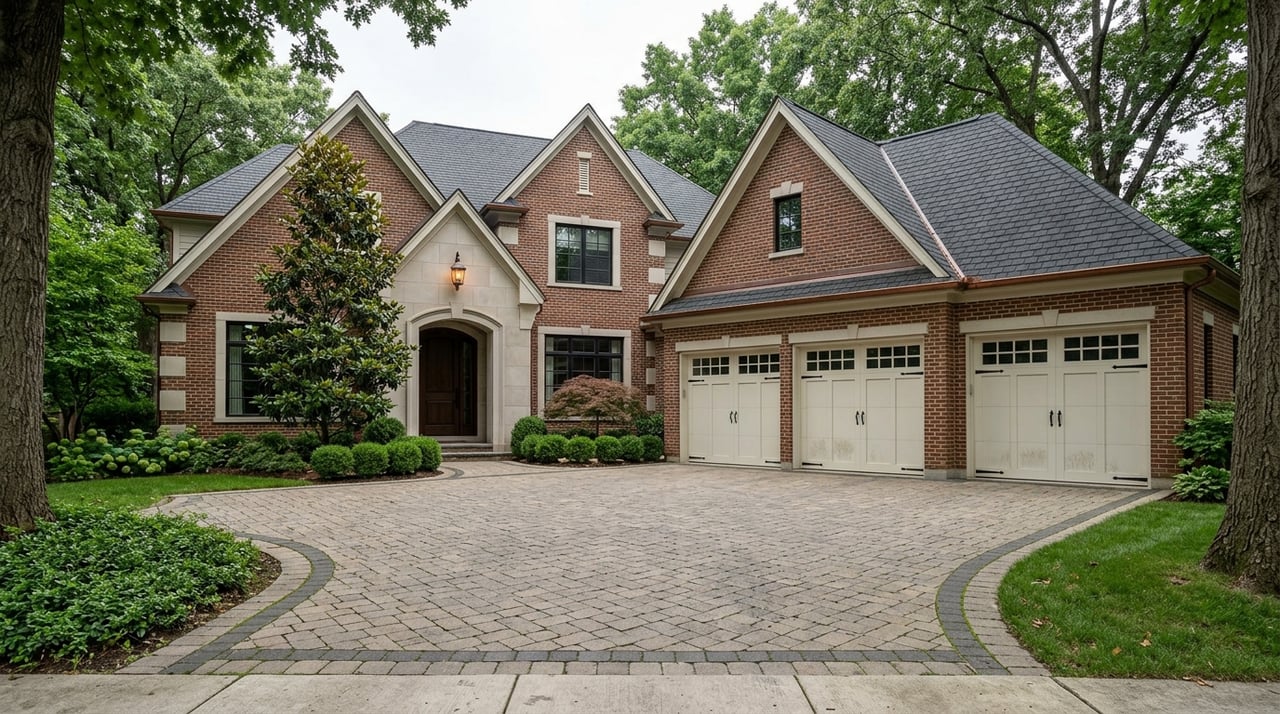
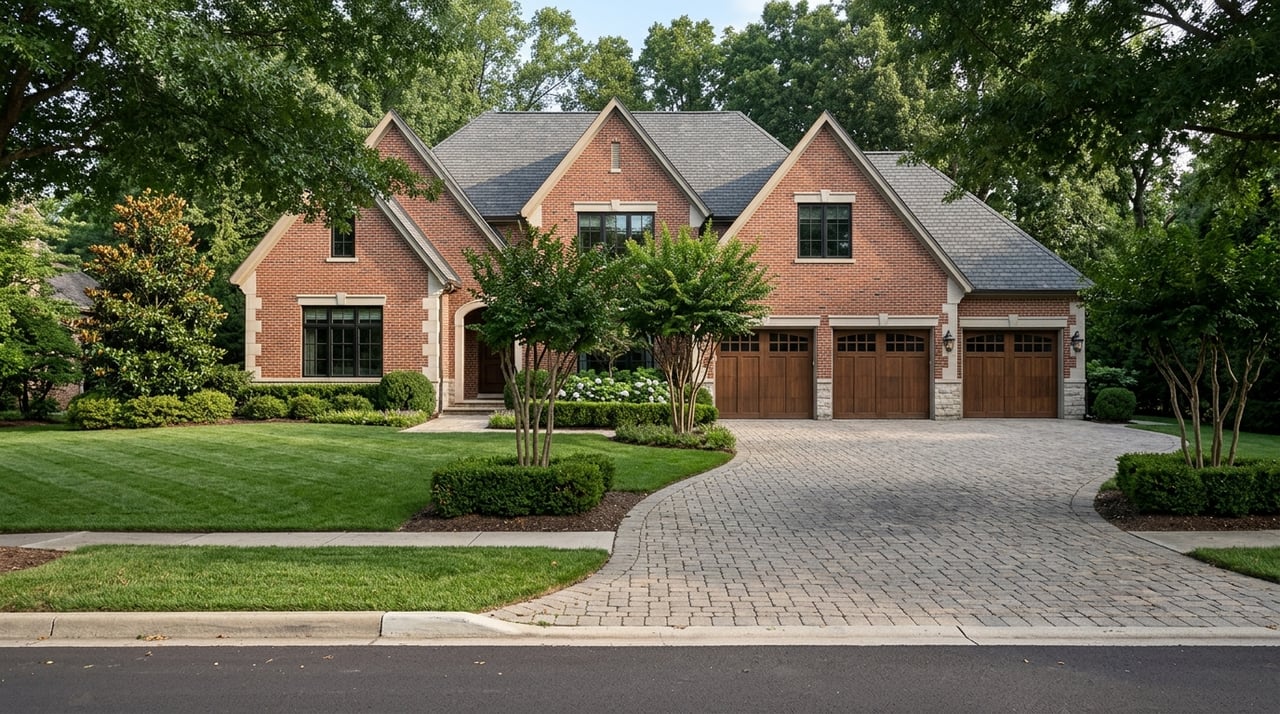
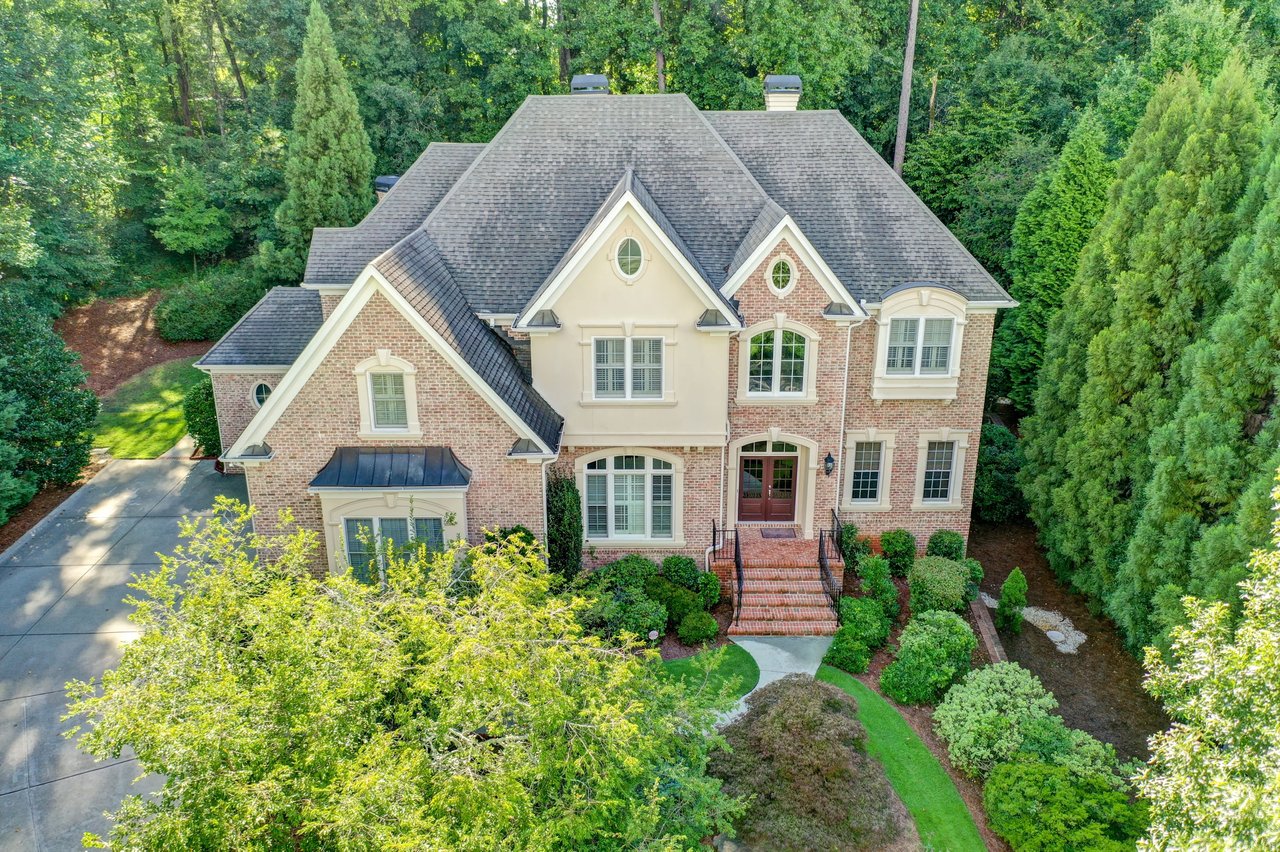
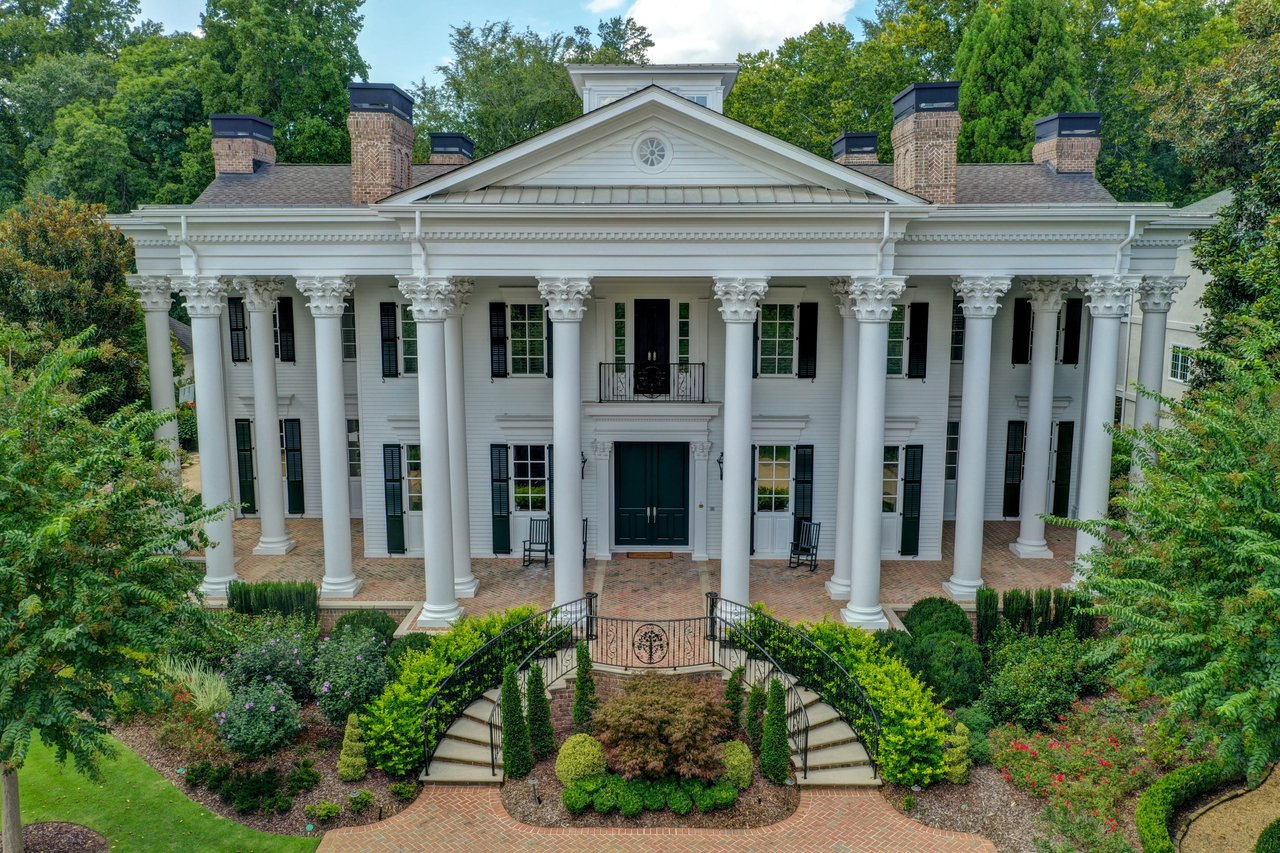
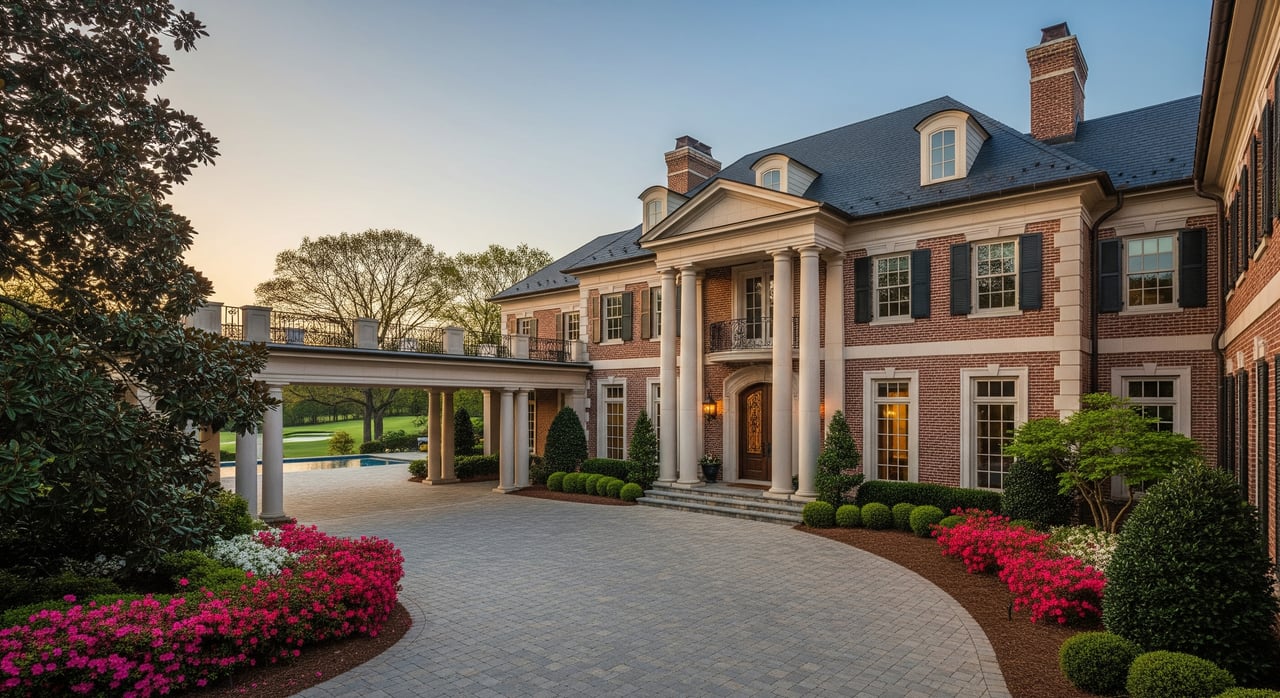
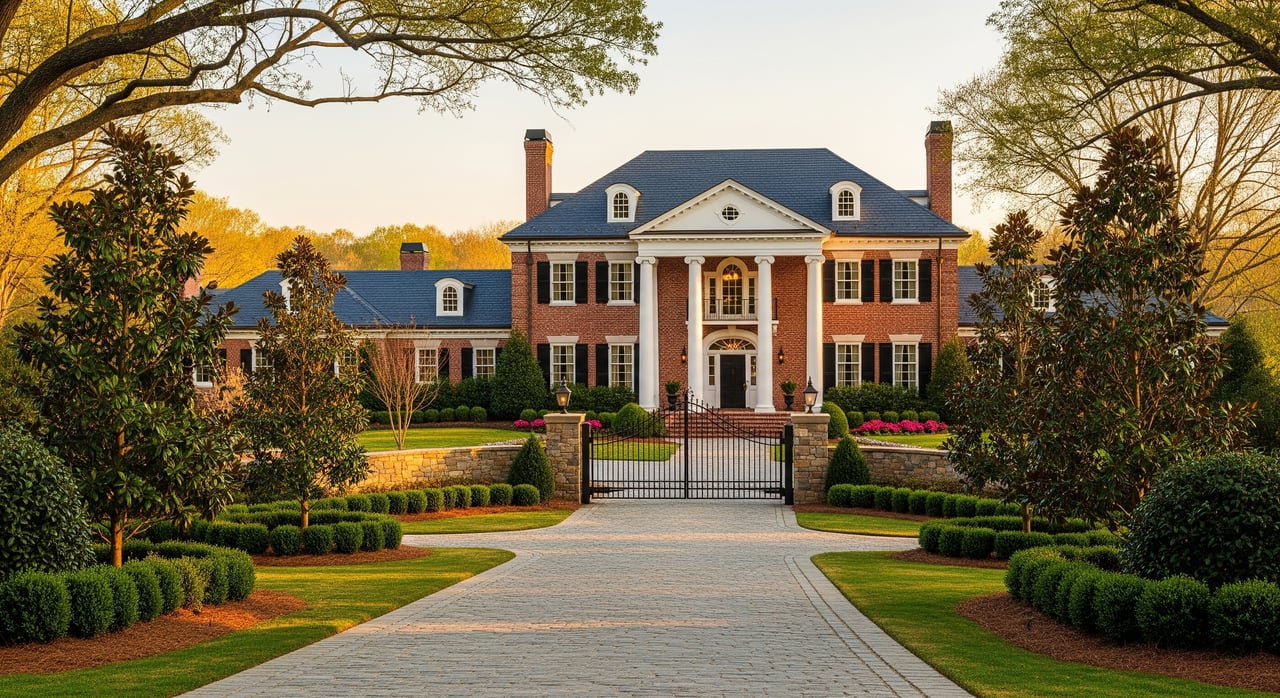
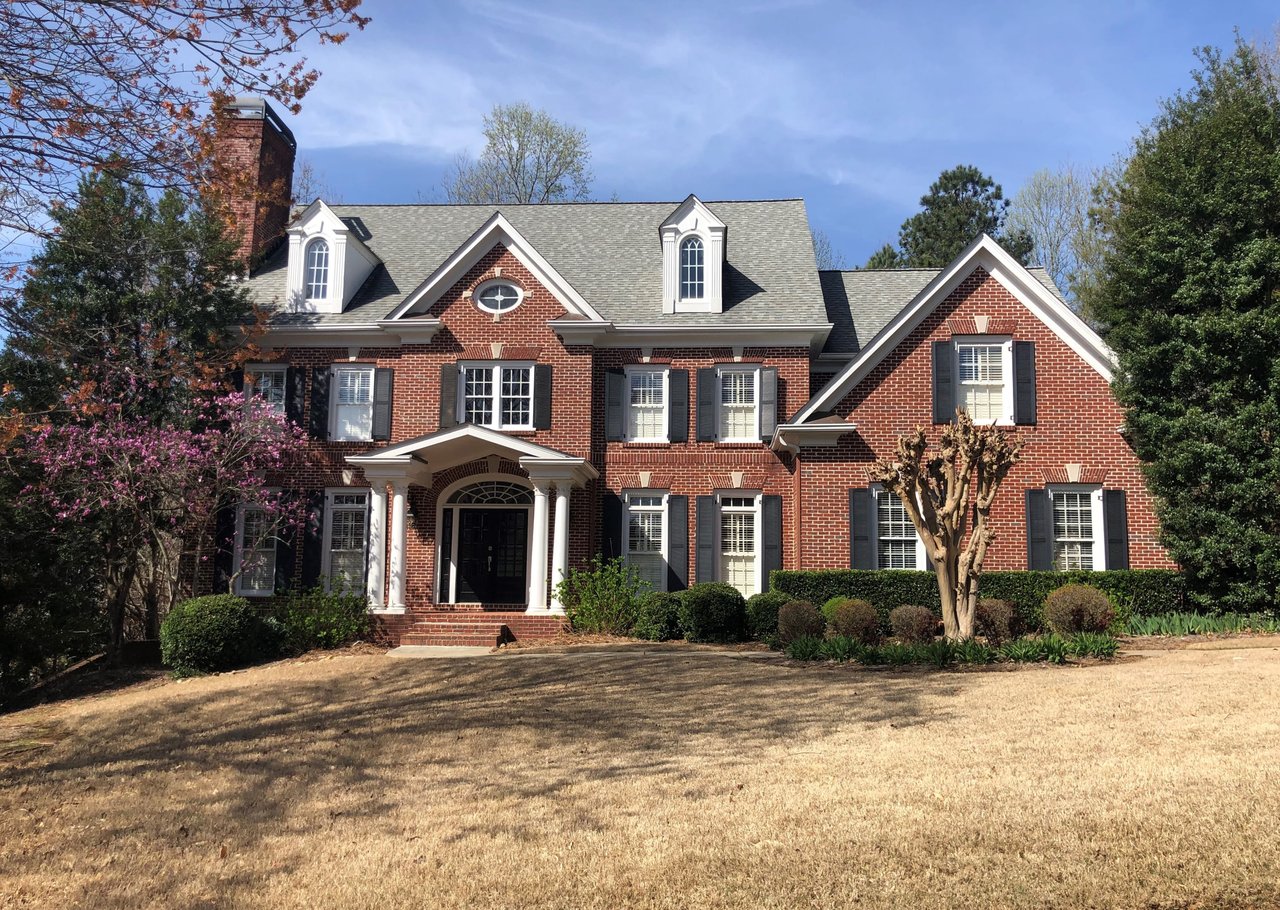
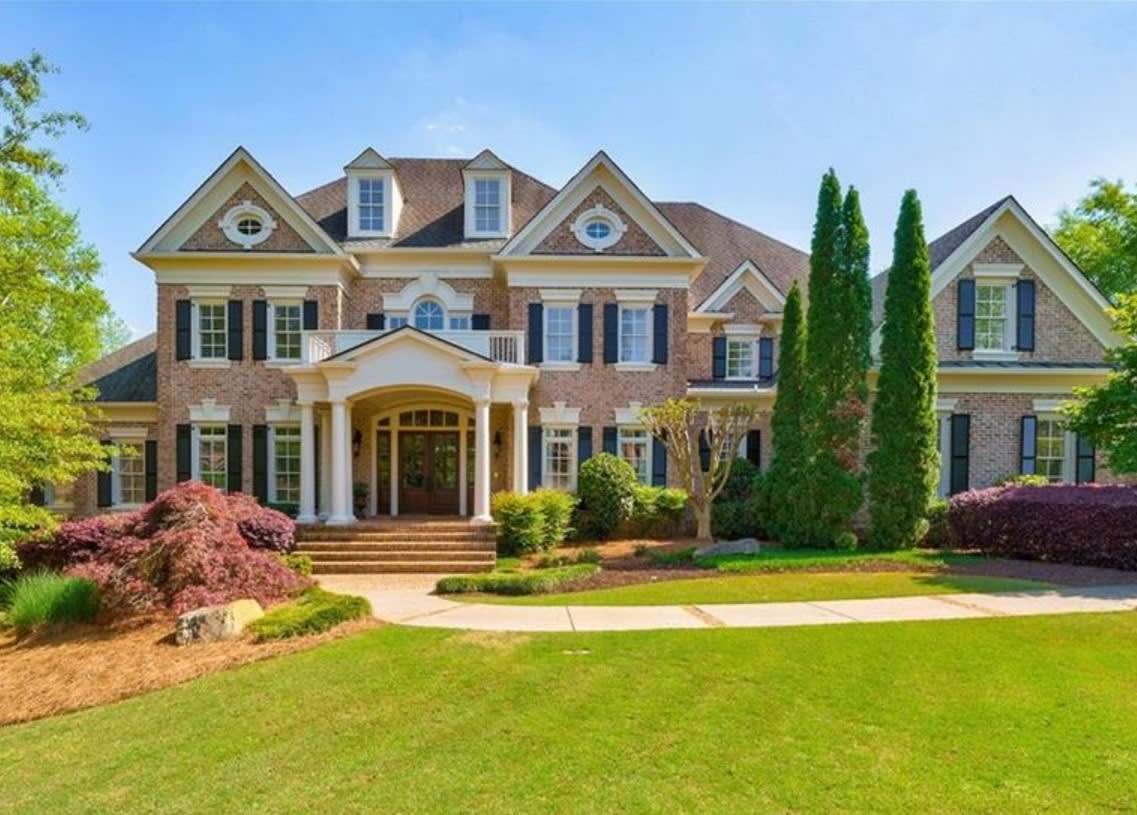
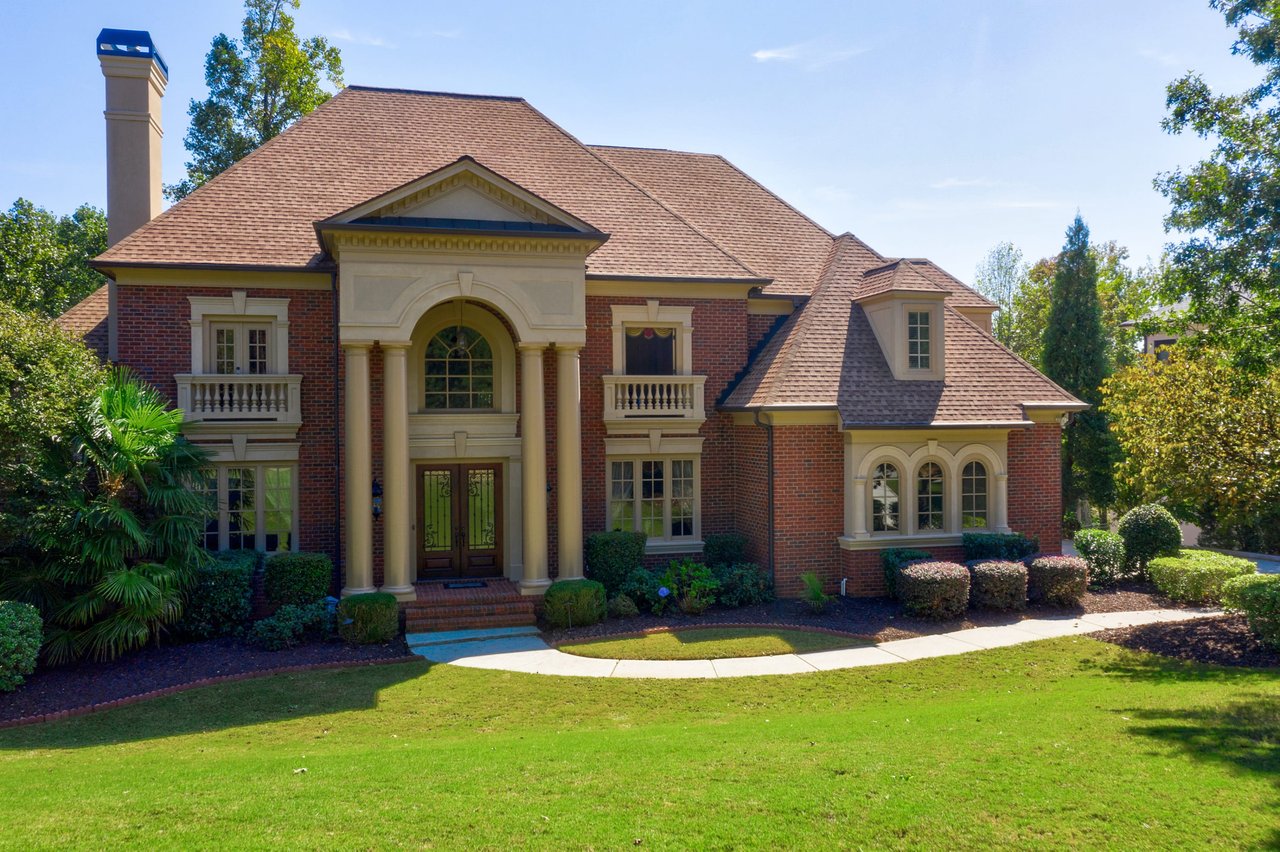
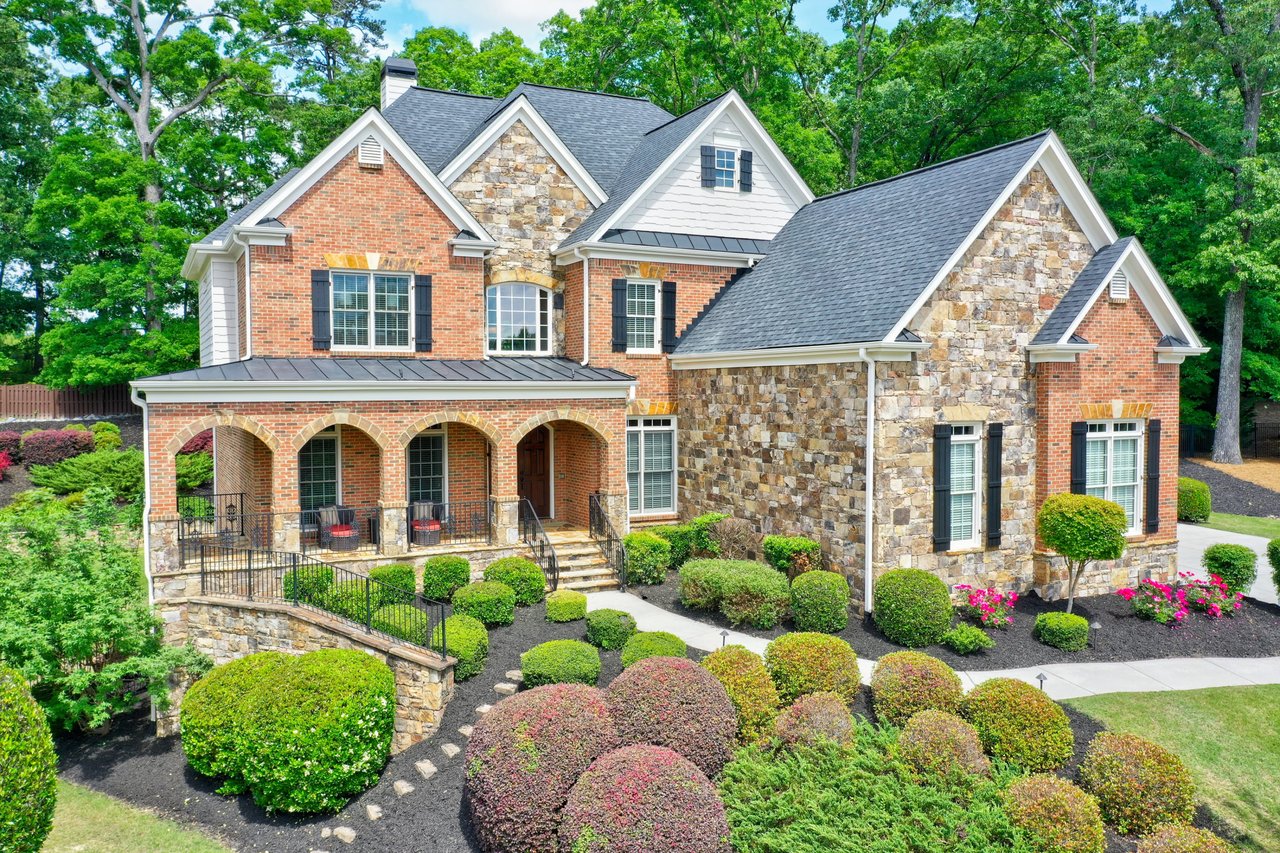
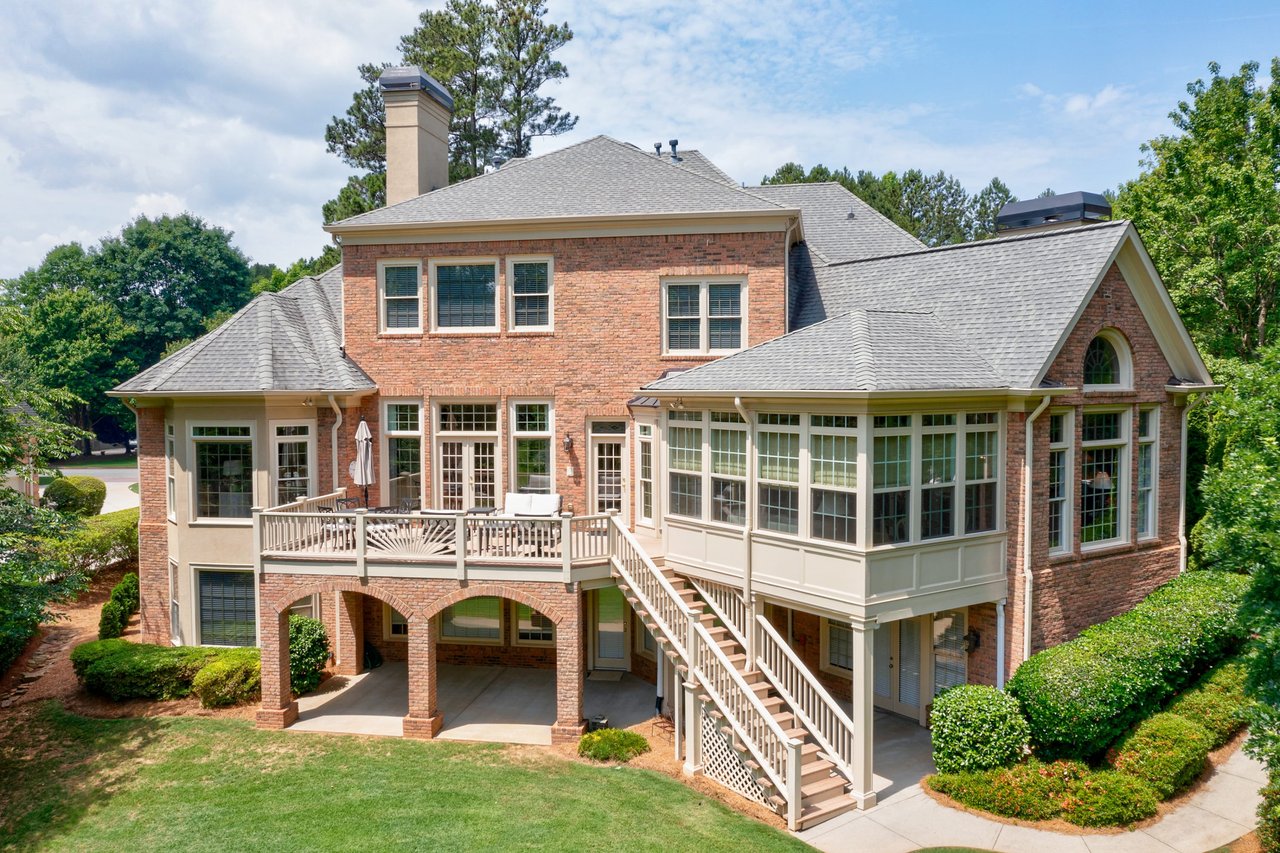
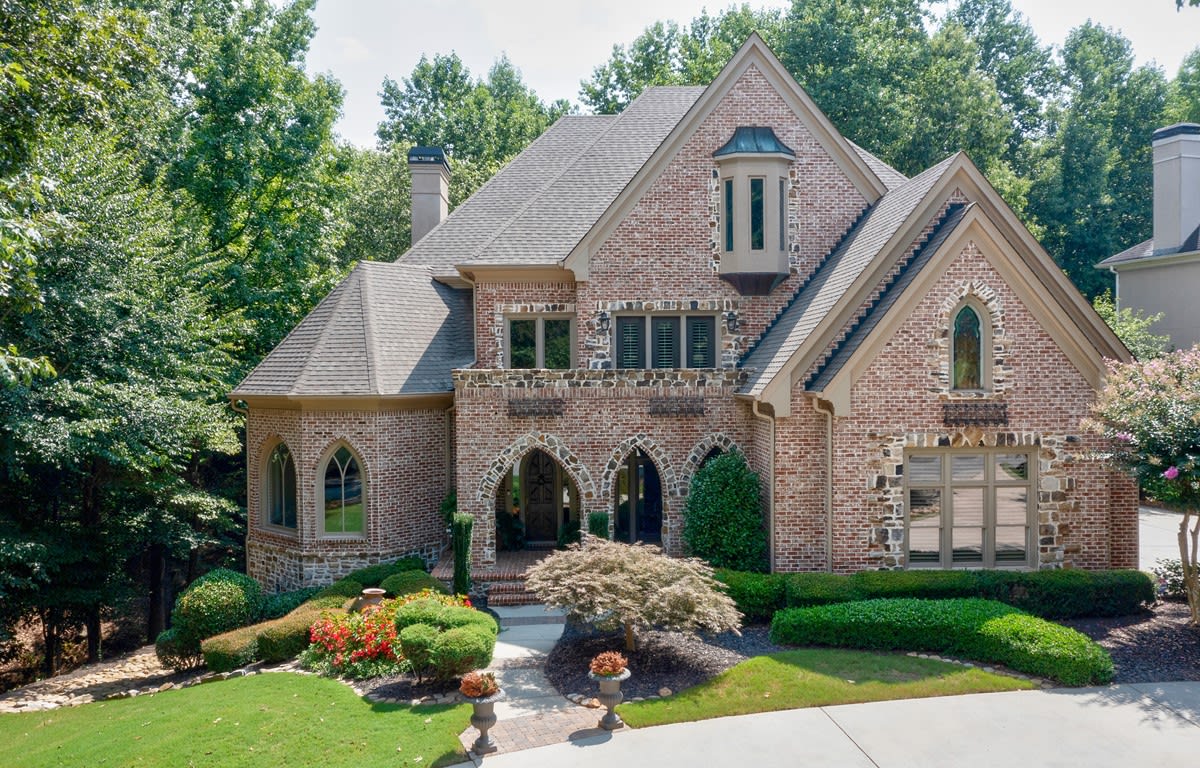
On the other end of the spectrum, Sugarloaf estate properties typically start around 0.78 acre and extend upward. Recent examples in the market include lots of about 0.95 acre, 1.12 acres, and 1.42 acres, with finished living space ranging from roughly 5,866 square feet to 11,580 square feet.
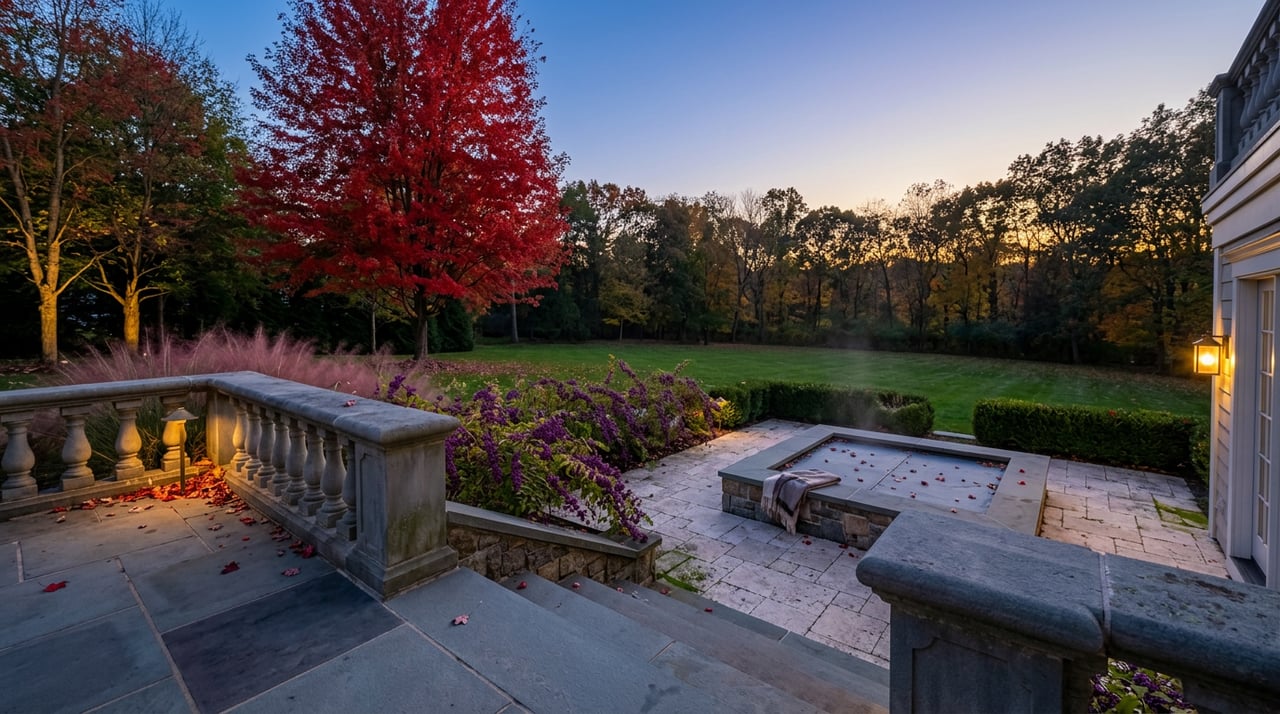
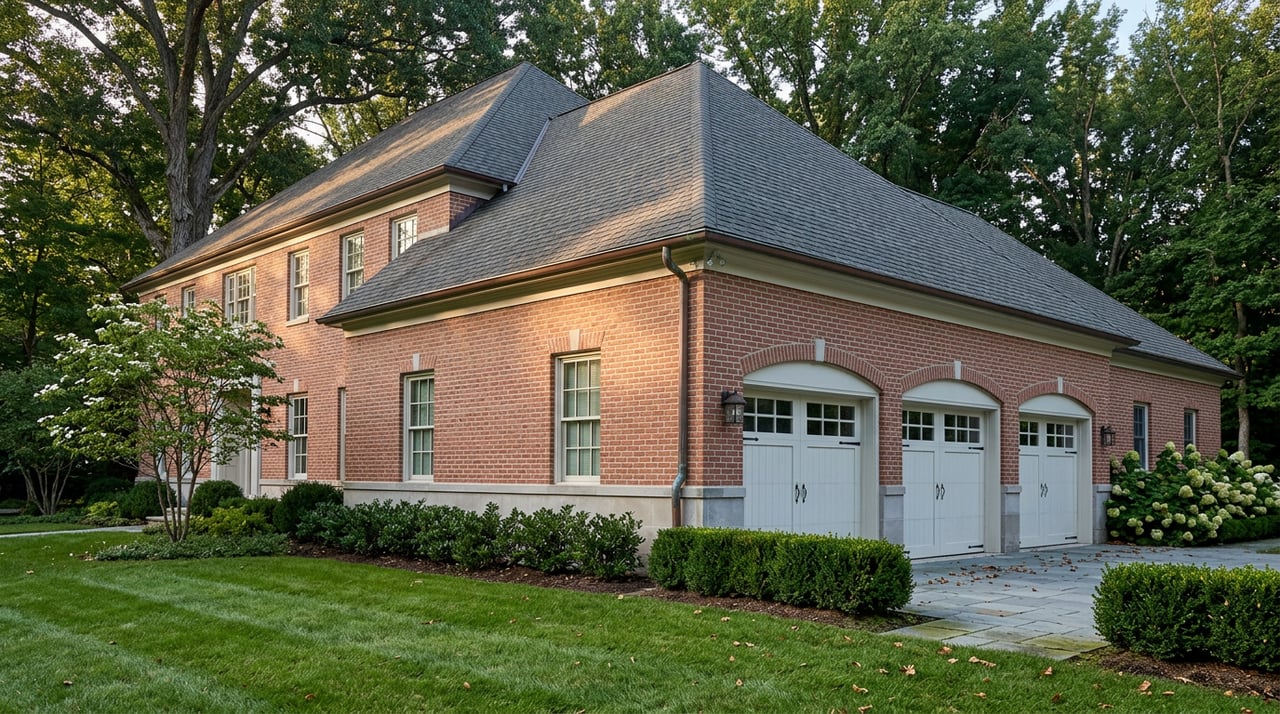
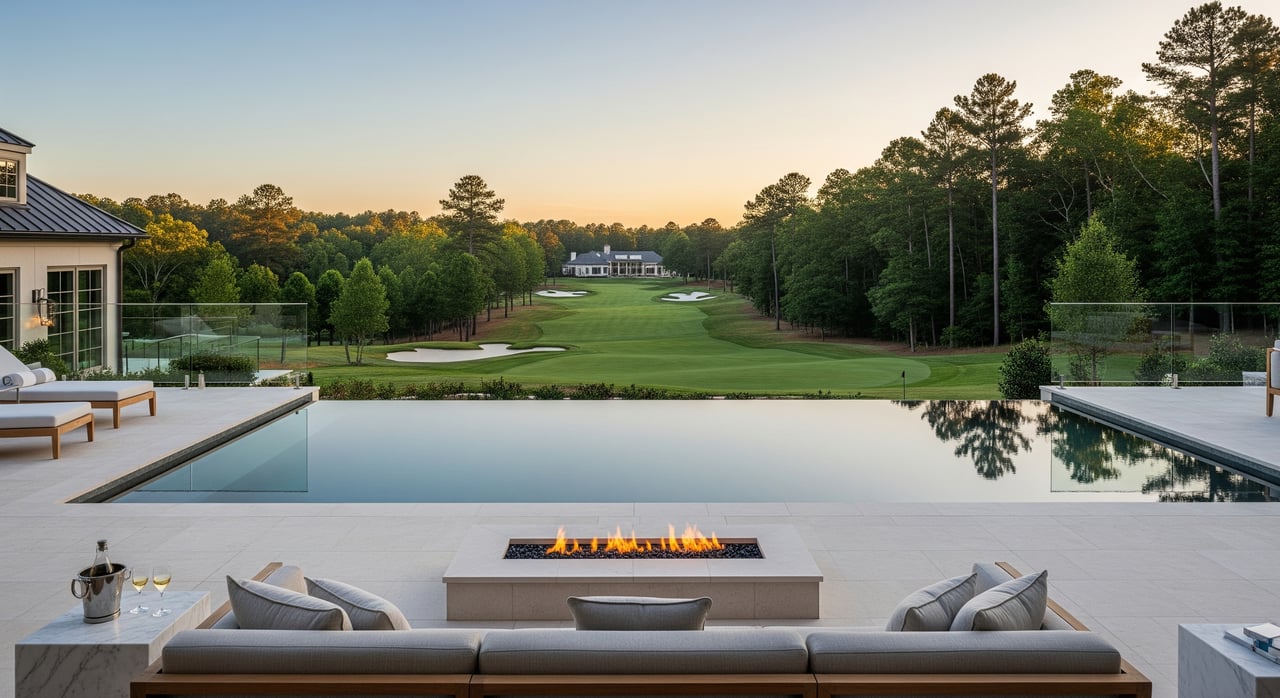
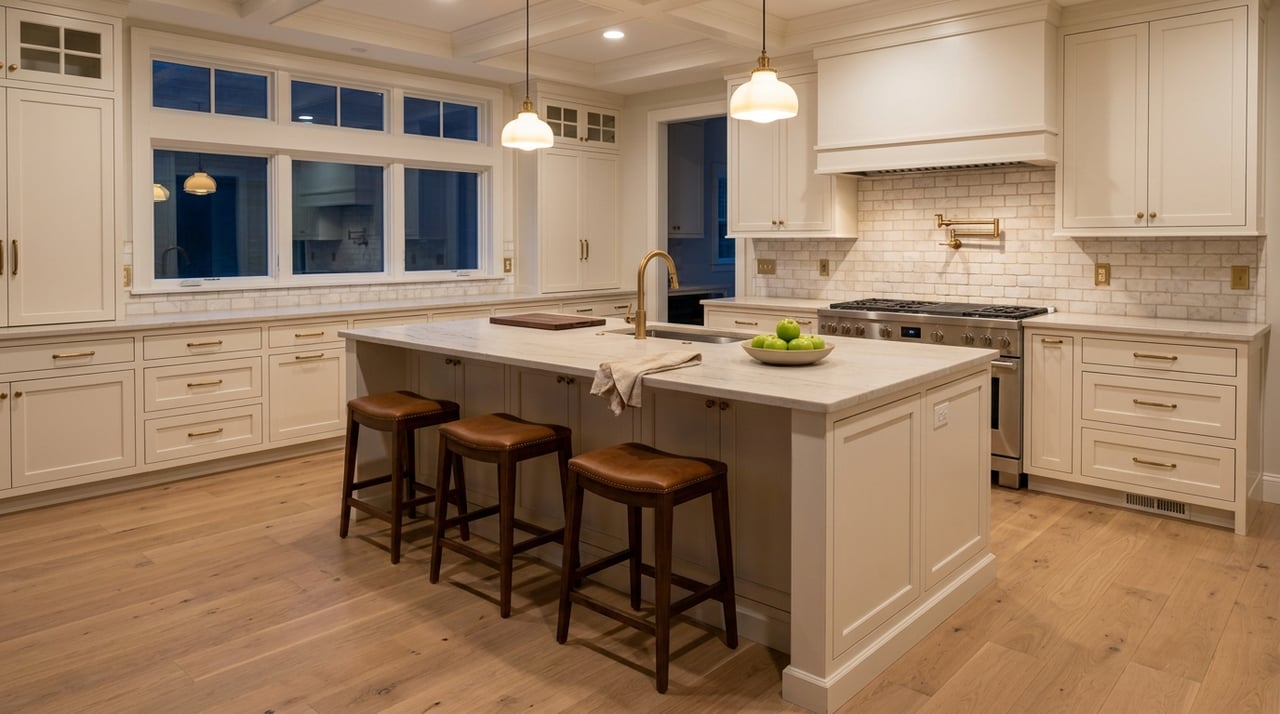
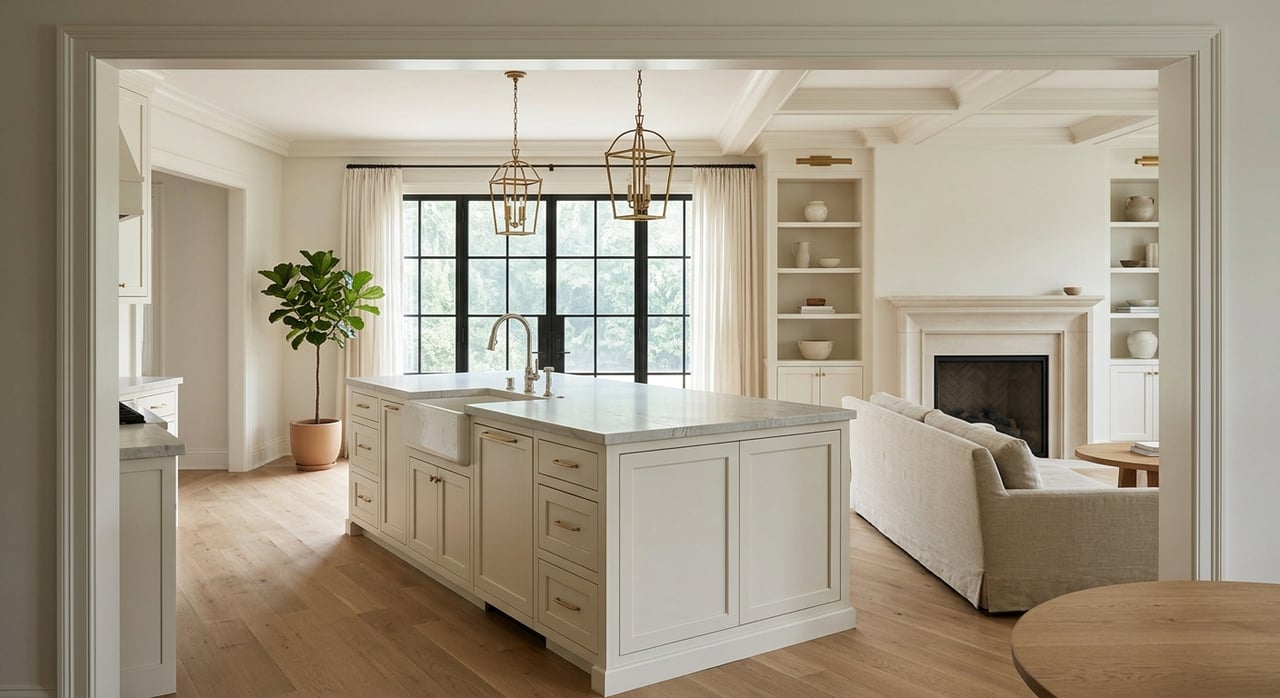
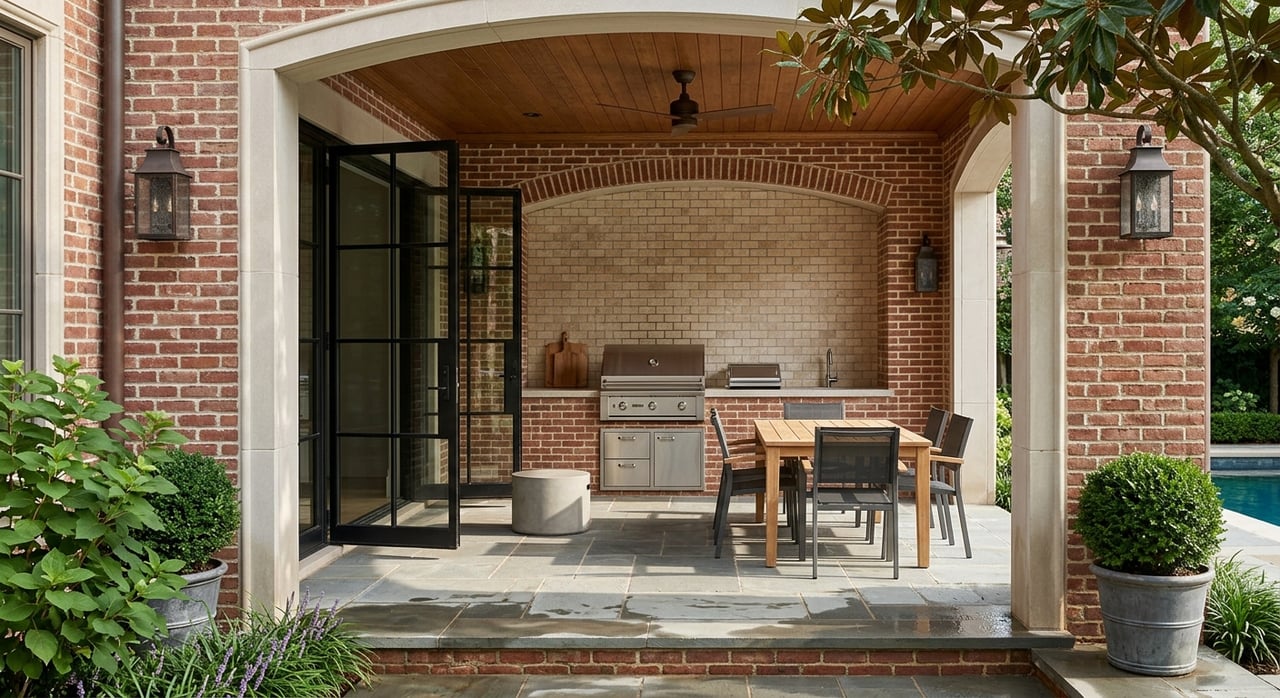
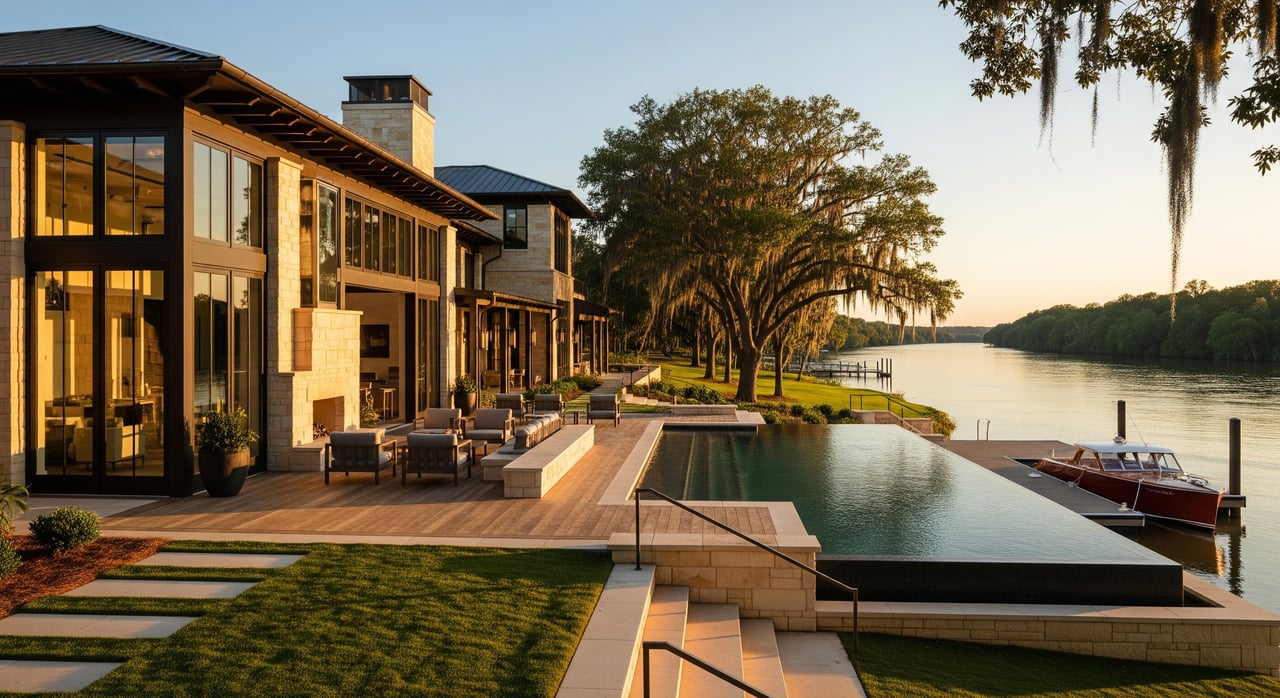
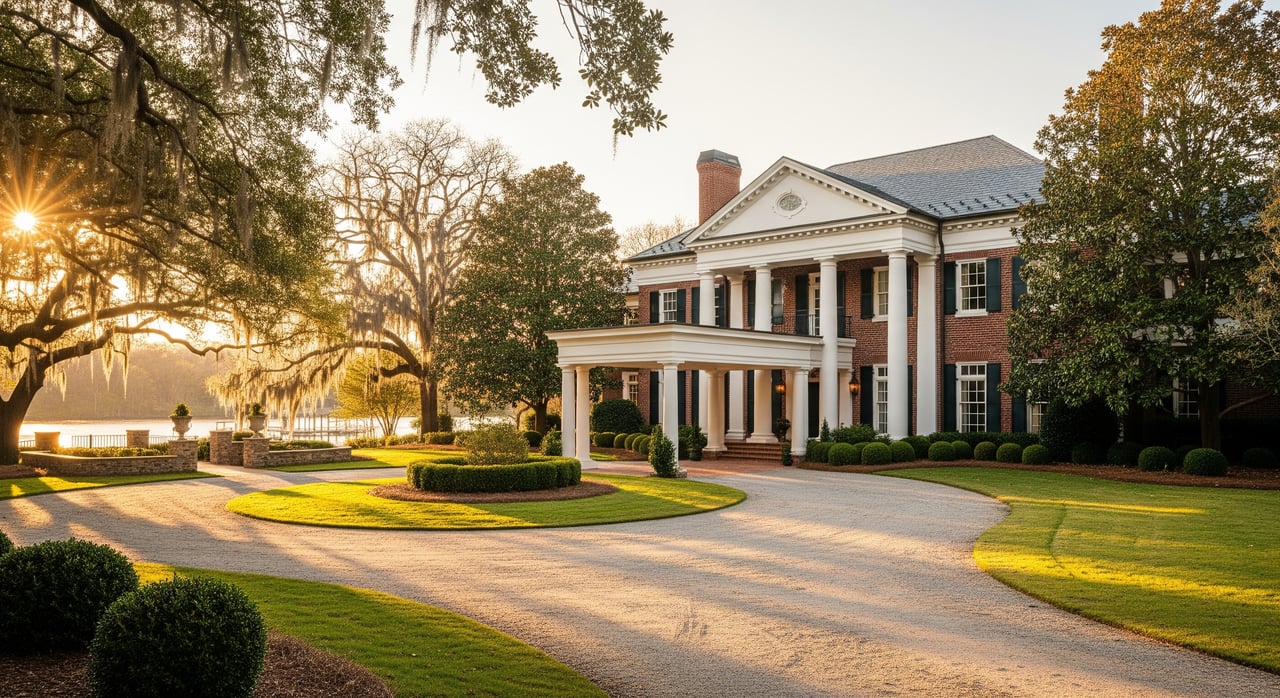
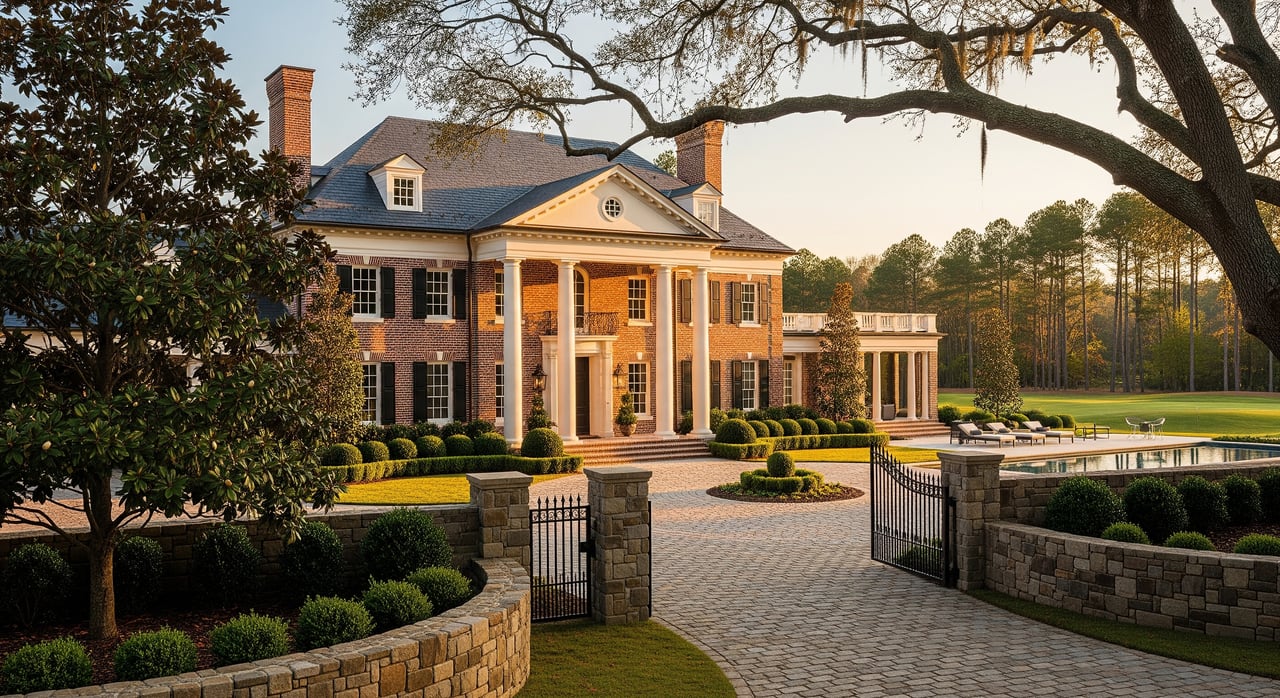
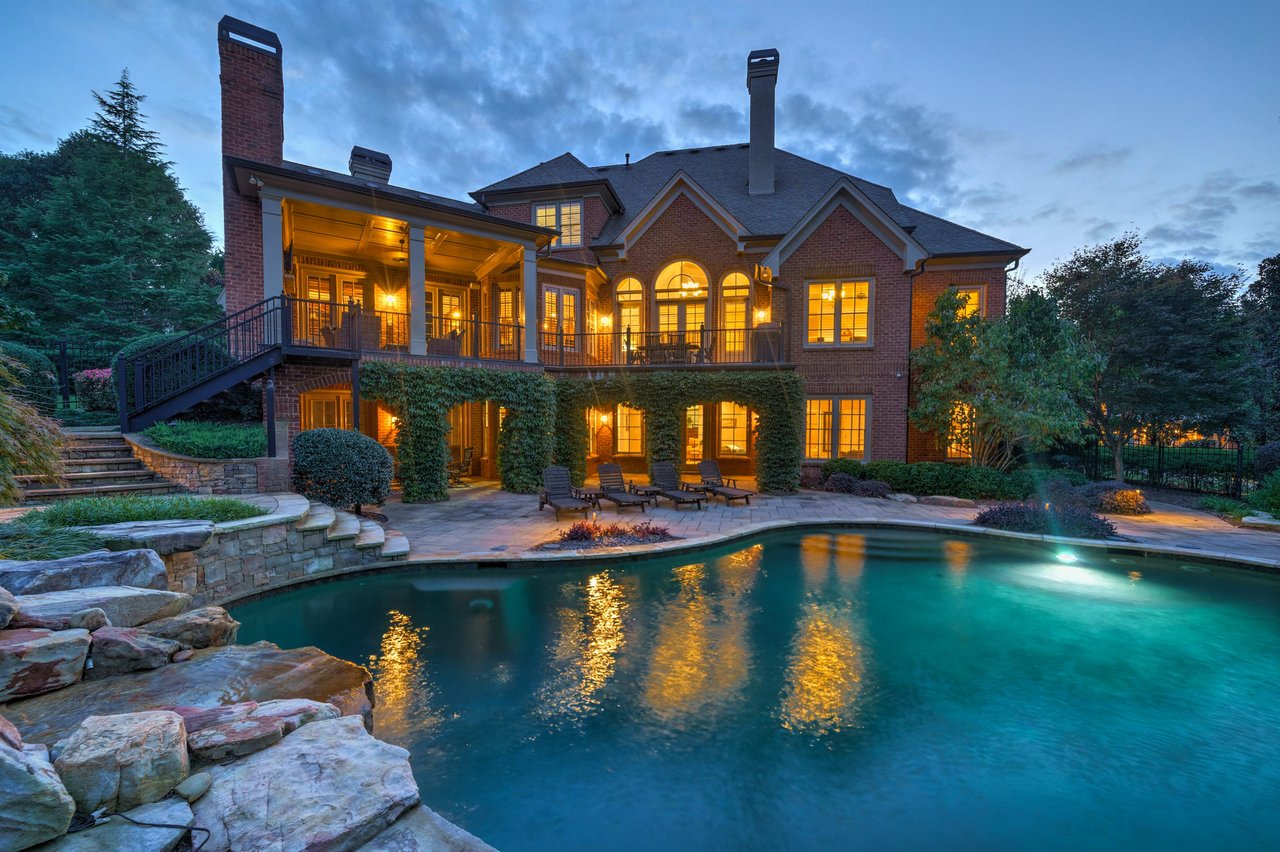
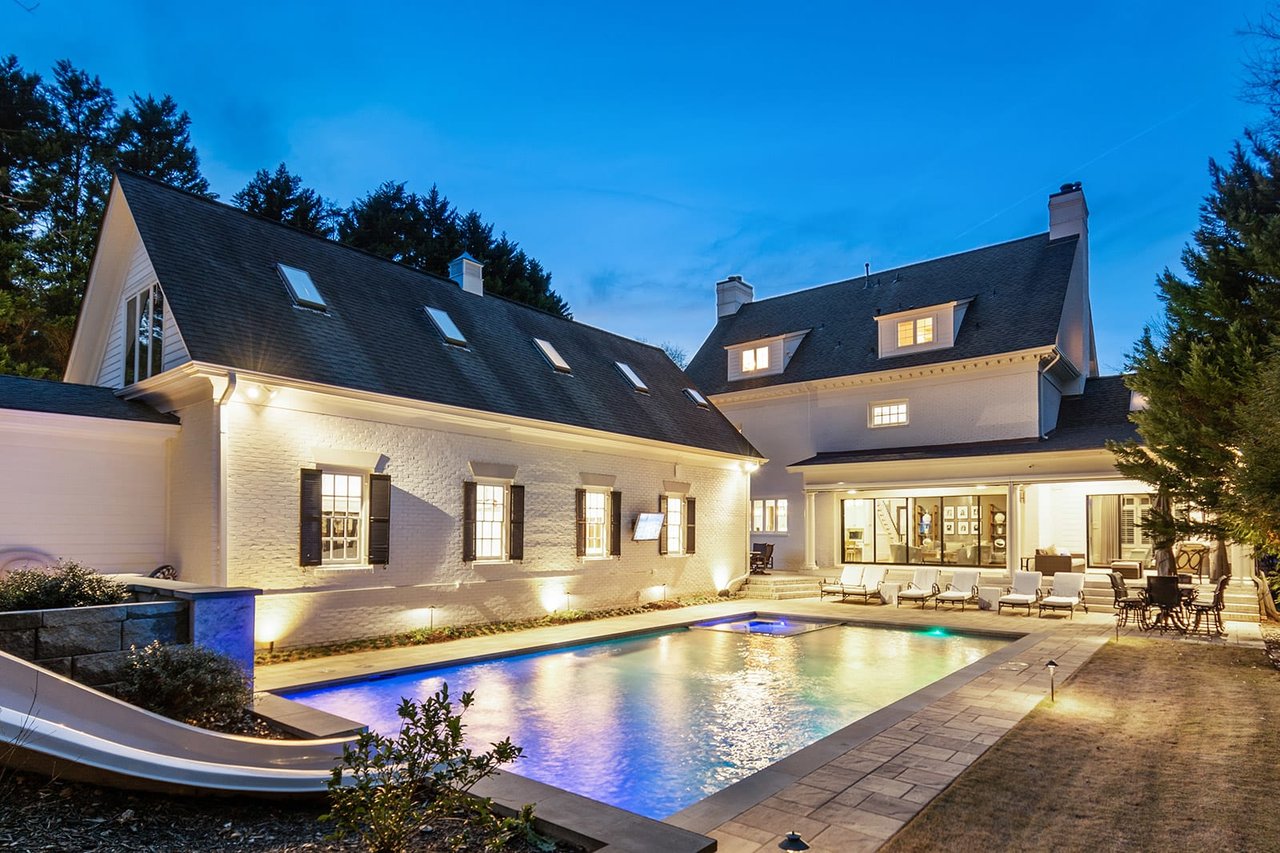
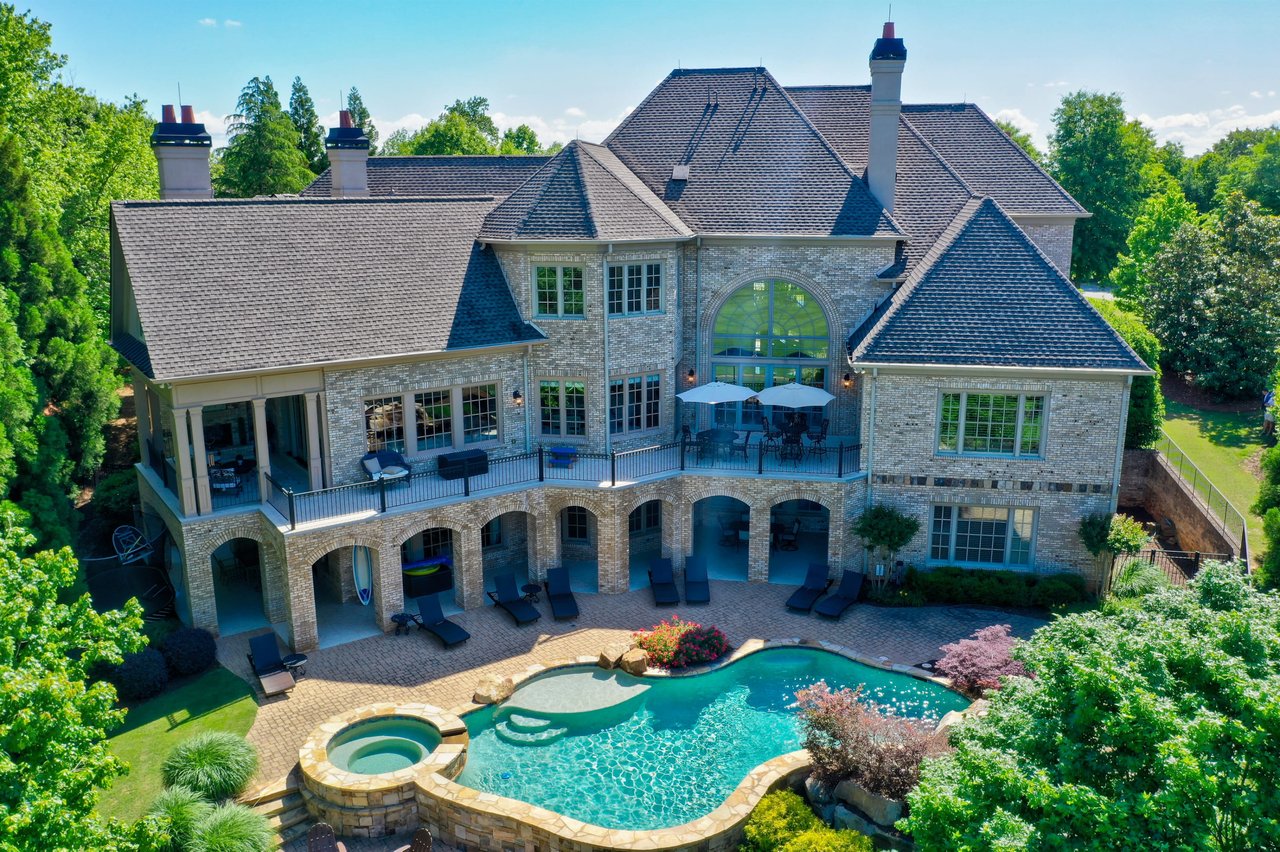
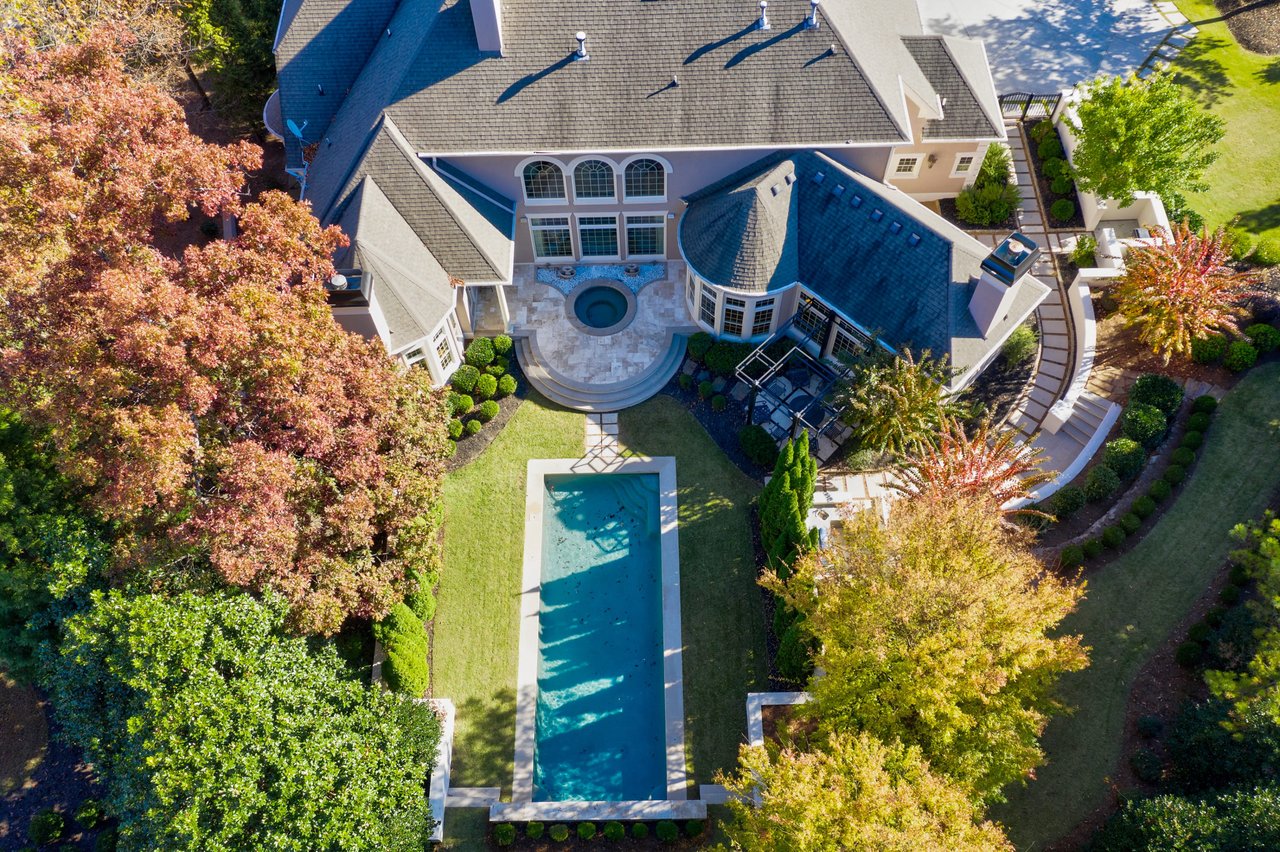
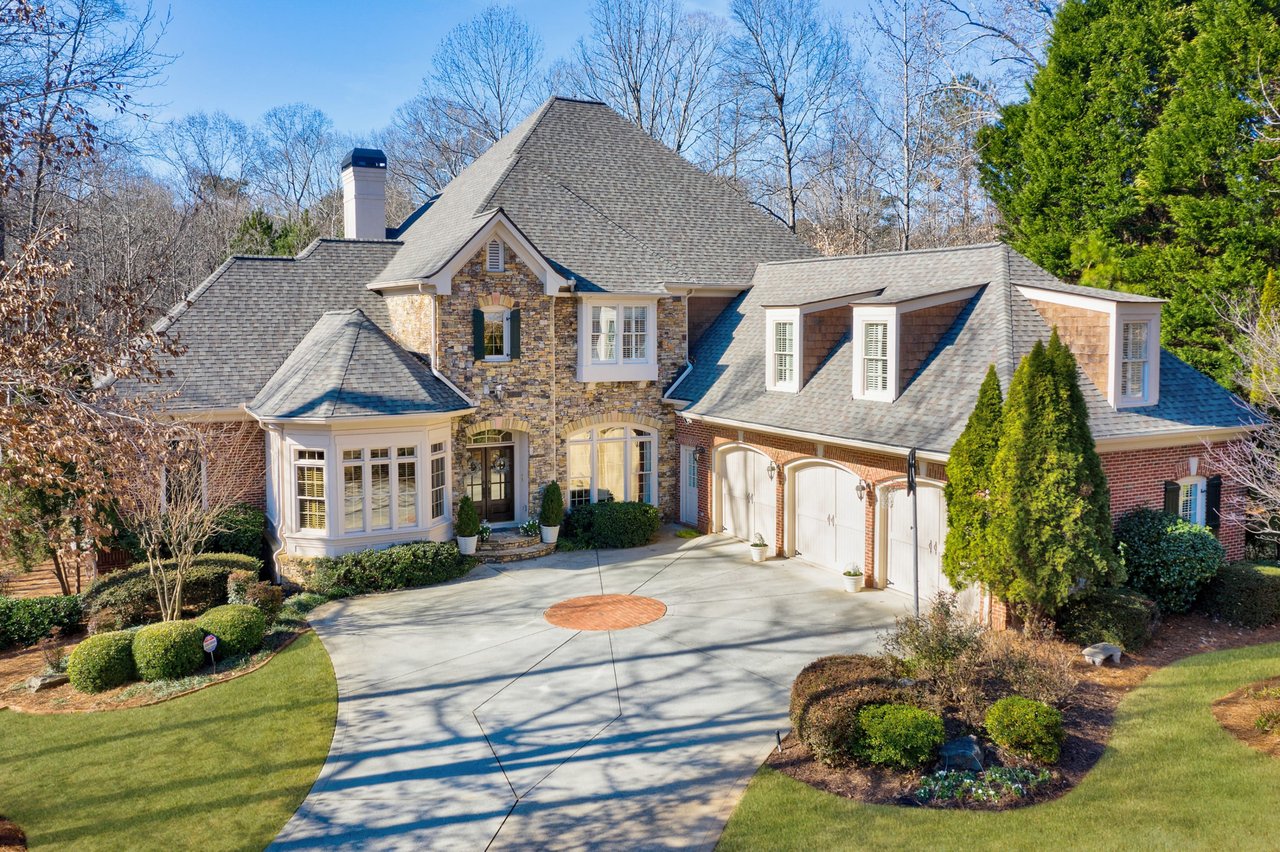
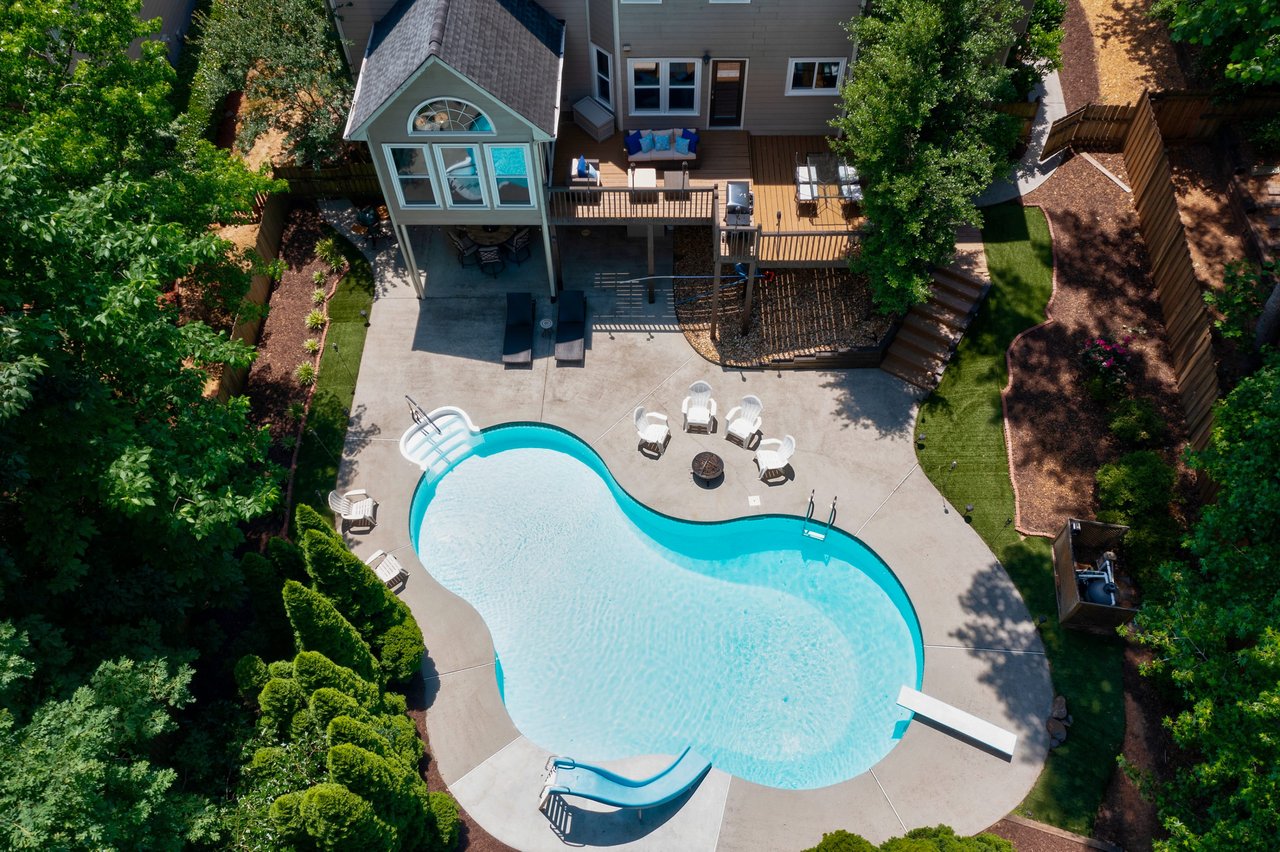
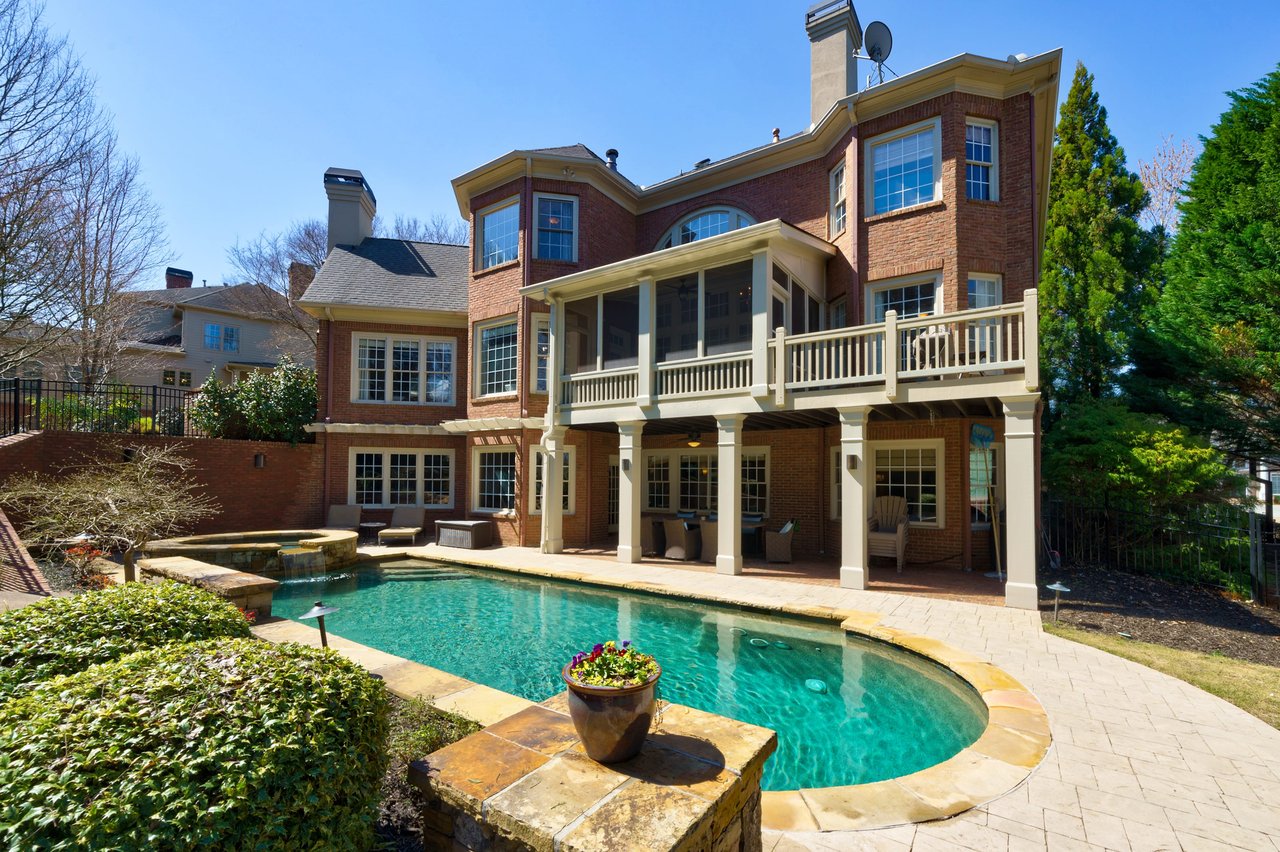
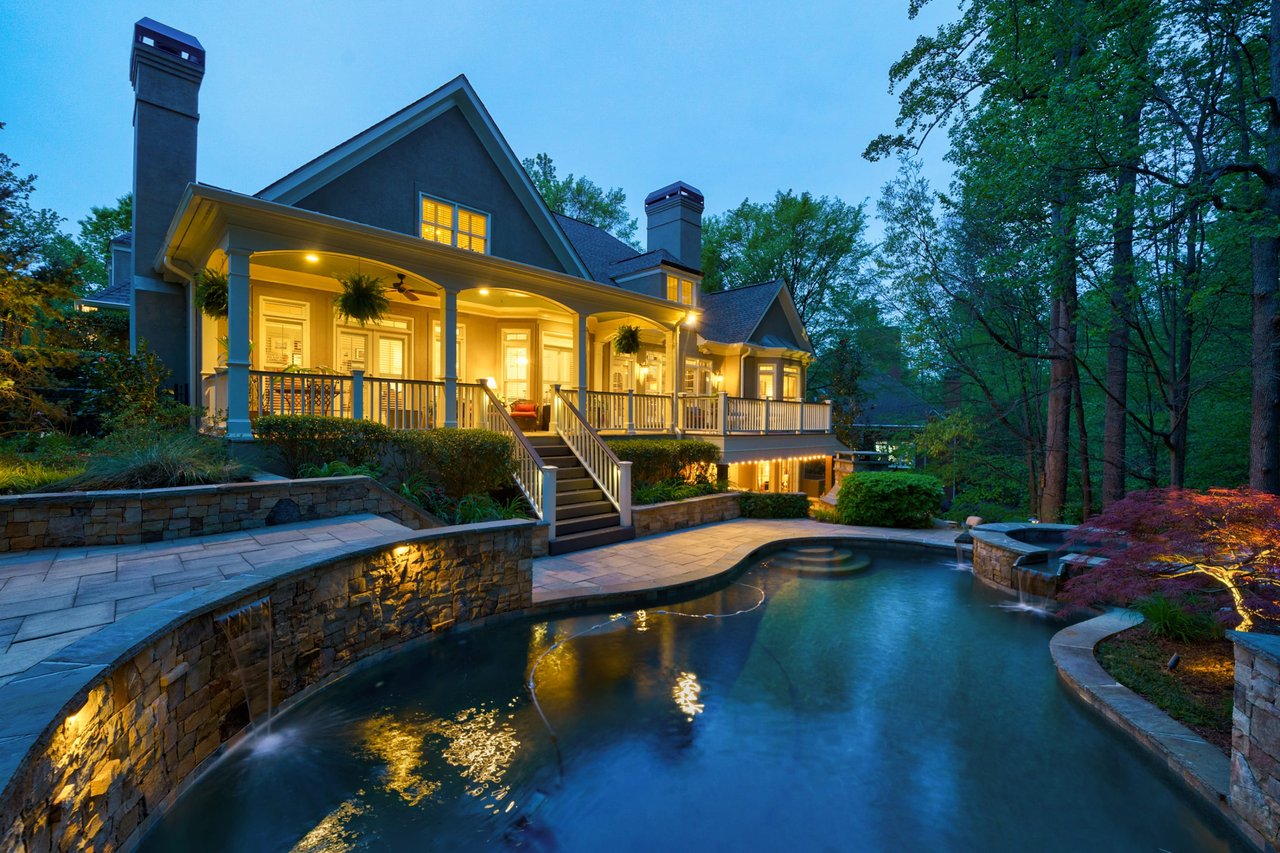
These homes often include features such as pools, spas, outdoor kitchens, elevators, multiple garages, and finished terrace levels. That added size gives you more flexibility for guests, hobbies, work-from-home needs, and future customization.
Why Buyers Choose Estate Homes
Estate homes are usually the strongest fit if you want more privacy and room to spread out. They can also suit multigenerational living, long-term ownership plans, or buyers who want space for entertaining on a larger scale.
If your vision includes a pool, more outdoor living, extra garage capacity, or a finished lower level with multiple uses, an estate property may align better with your goals. In Sugarloaf, these homes offer the broadest canvas.
Typical Estate Home Benefits
- Larger lots, generally starting around 0.78 acre
- Significantly larger home footprints in current examples
- More space for guests and multigenerational flexibility
- Strong potential for outdoor amenities and customization
- Greater privacy compared with smaller-lot options
Garden Homes vs Estates in Sugarloaf
The easiest way to compare these two categories is to think about space, maintenance, and how you want to live every week. Both can offer luxury finishes and access to the same broader community setting, but they create very different ownership experiences.
Factor | Garden Homes | Estate Homes |
|---|---|---|
Lot size | About 0.21 to 0.25 acre in recent examples | Roughly 0.78 acre and up in recent examples |
Home size | Around 2,724 to 2,930 sf in recent examples | About 5,866 to 11,580 sf in recent examples |
Layout style | Often main-level-friendly | More variety, often with larger multi-level plans |
Outdoor living | Patios and screened porches | Pools, spas, outdoor kitchens, larger terraces |
Upkeep | Lower overall exterior workload | Highest maintenance burden |
Best fit | Downsizers, travelers, low-maintenance buyers | Privacy-focused buyers, long-term owners, those wanting more room |
Maintenance Matters More Than You Think
One of the most important differences is upkeep. Based on current listing patterns and lot sizes, garden homes generally minimize maintenance, while estate properties require the most ongoing care because of their larger homesites, bigger structures, and more elaborate outdoor features.
That said, buyers should not assume that every section handles dues and services the same way. Current records show that association structures vary across Sugarloaf, with different sections showing monthly, semiannual, or annual dues and different inclusions such as swim, tennis, or security.
Verify What Dues Actually Cover
Before you choose a home based on the idea of “low maintenance,” confirm the details for that specific property. Some buyers are surprised to learn that exterior service or landscaping coverage is not always included in the way they expected.
A careful review should include:
- The property’s dues schedule
- Whether landscaping is included
- Whether any exterior maintenance is covered
- What security or amenity access is included
- Any section-specific requirements or restrictions
Sugarloaf Rules Still Shape Ownership
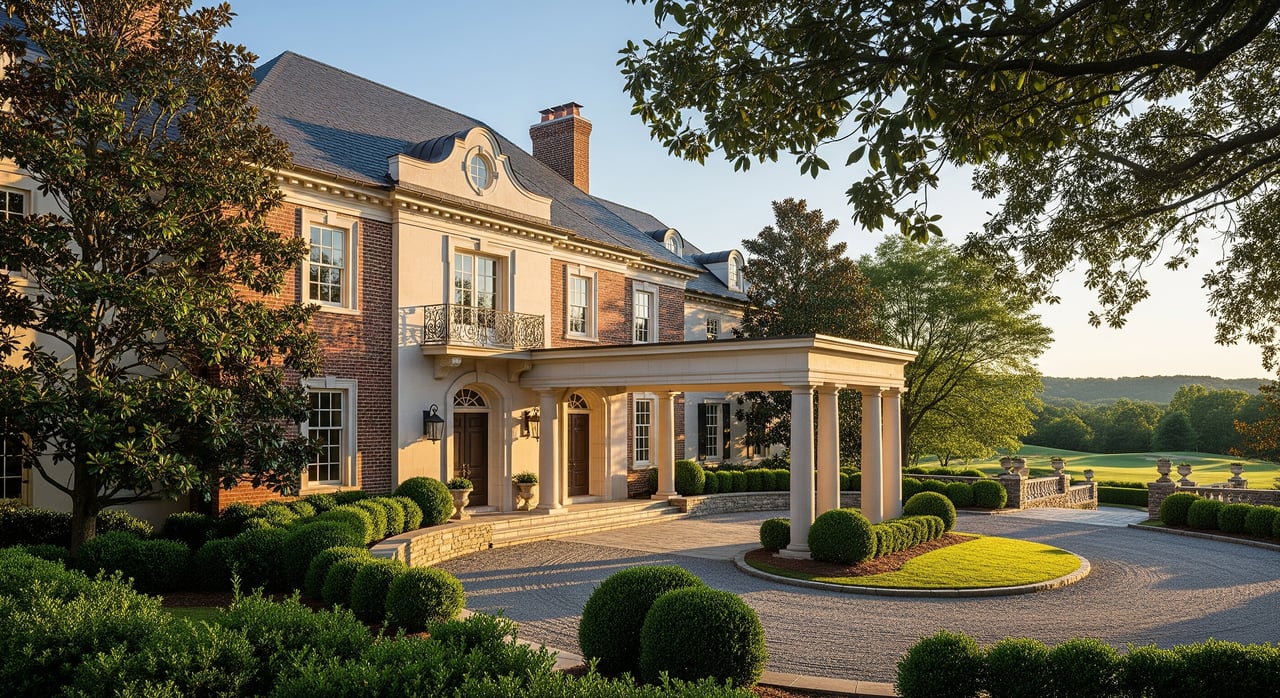
No matter which type of home you choose, Sugarloaf maintains a tightly controlled visual environment. The POA requires advance ACC approval for exterior modifications, and the community’s official materials emphasize professional landscaping and a strong property-value culture.
That means both garden home and estate owners should expect a structured process for exterior changes. If you are planning to add features, update outdoor spaces, or make visible modifications over time, that review process is part of ownership here.
Which Home Type Fits Your Lifestyle?
The right answer usually comes down to how you want to spend your time. A home can be impressive on paper, but still feel wrong if it asks more of you than you want to manage.
Garden Homes May Fit You Best If
- You want less yard work and fewer exterior responsibilities
- You travel often and prefer an easier lock-and-leave setup
- You like main-level-friendly living
- You want to stay in Sugarloaf without maintaining a larger property
- You value simplicity over maximum square footage
Estate Homes May Fit You Best If
- You want more privacy and separation from neighbors
- You need space for guests, hobbies, or multigenerational living
- You enjoy entertaining at home on a larger scale
- You want flexibility for future customization
- You are comfortable with more ongoing home and landscape care
Don’t Overlook Golf-Course Homes
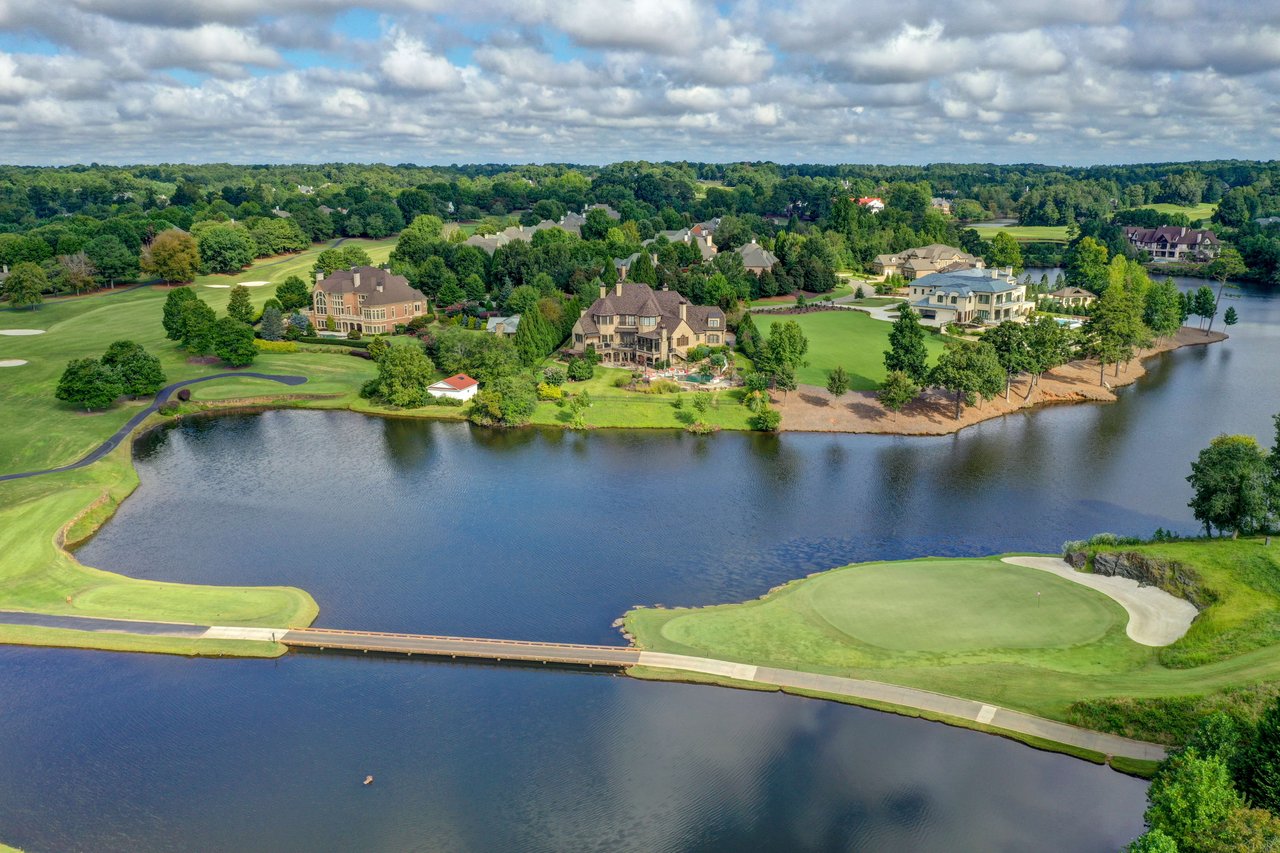
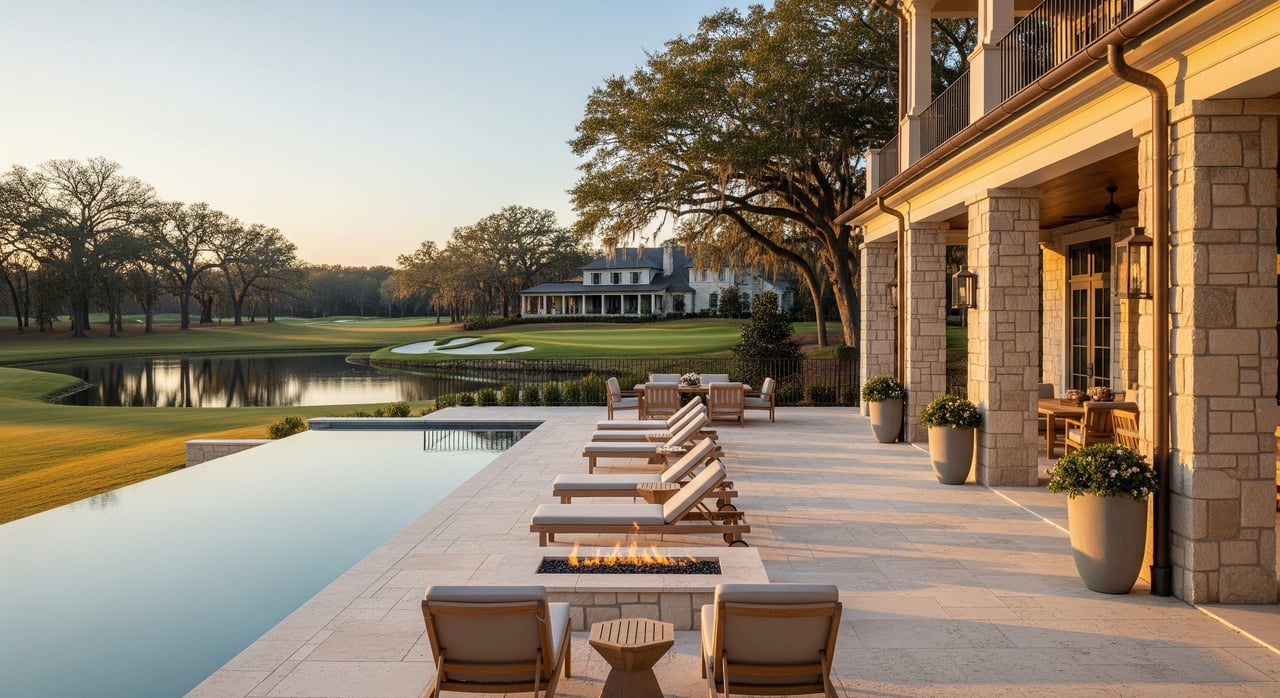
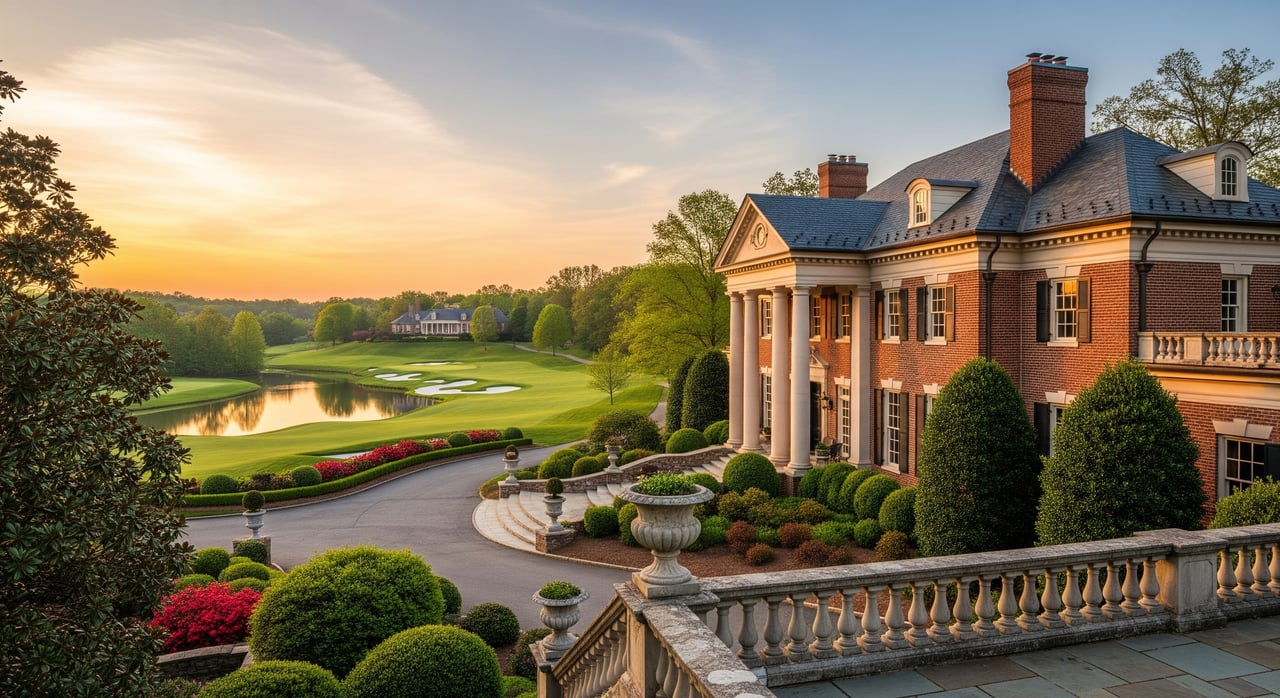
Some buyers start with “garden or estate” in mind, then realize a golf-course residence is the middle ground they really want. In Sugarloaf, golf-course homes are defined more by setting than by a strict lot-size band, with recent examples around 0.55 acre.
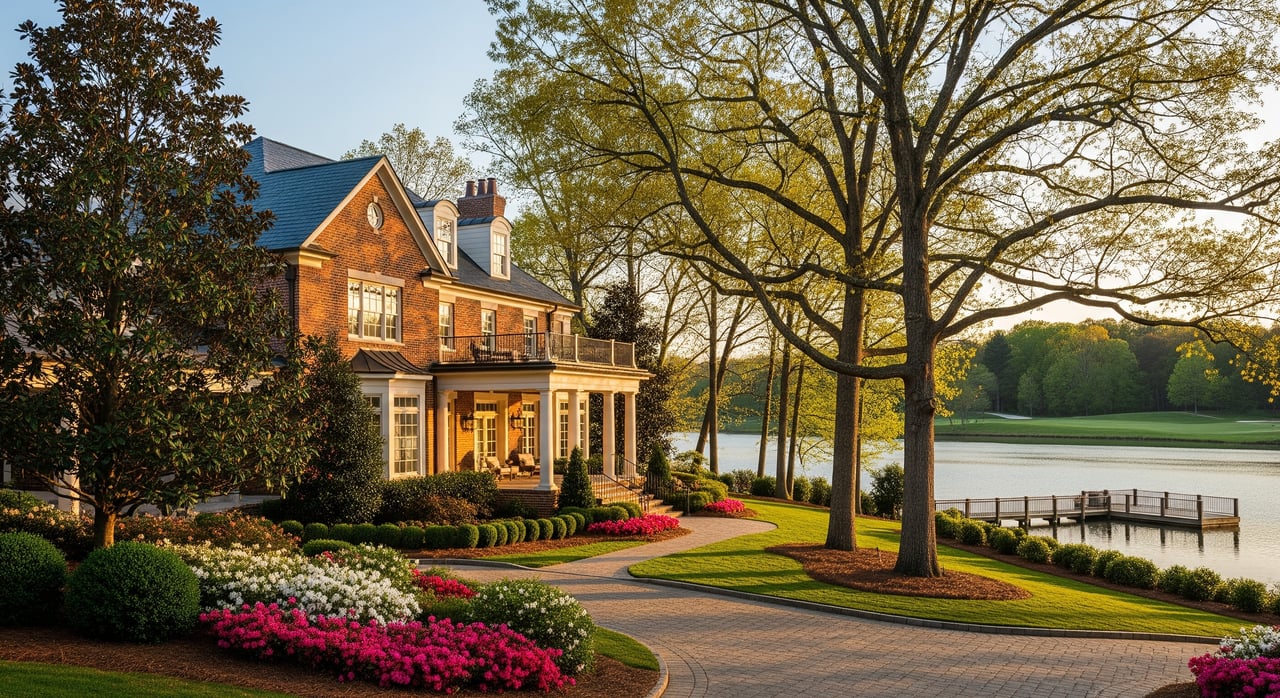
These homes often emphasize views, larger windows, open entertaining areas, terraces, and outdoor rooms. Current property patterns suggest they can offer a balance of scenery and livability, though that setting may come with more visible landscaping and less visual privacy than some interior-lot options.
If your top priority is connection to the course and outdoor entertaining, this category deserves a close look.
How to Make the Right Move in Sugarloaf
When buyers compare homes in Sugarloaf Country Club, square footage is only one piece of the decision. The smarter question is how the property supports your routine, travel patterns, privacy preferences, and willingness to manage upkeep over time.
A garden home may give you the ease and flexibility you want right now. An estate may give you the room and long-term potential you know you will appreciate for years. The best choice is the one that matches the way you actually live, not just the way a listing looks online.
If you want help comparing specific sections, reviewing ownership trade-offs, or identifying the right fit inside Sugarloaf, Floyd Real Estate Group offers the kind of hyperlocal, high-touch guidance that can make your next move much more confident.
FAQs
What is the difference between garden homes and estate homes in Sugarloaf Country Club?
- Garden homes are generally smaller homes on smaller lots, often around 0.21 to 0.25 acre in recent examples, while estate homes typically start around 0.78 acre and offer much larger living spaces and more room for amenities.
Are garden homes in Sugarloaf Country Club lower maintenance?
- Based on current lot sizes and listing patterns, garden homes usually involve less exterior workload than larger properties because they have fewer lawn zones and smaller outdoor areas to manage.
Are estate homes in Sugarloaf Country Club better for privacy?
- Estate properties are generally the best fit for buyers who want maximum privacy, more guest space, and greater flexibility for future customization.
Do Sugarloaf Country Club dues cover landscaping or exterior maintenance?
- Not always. Current records show that dues structures and included services vary by section, so you should verify exactly what a specific property’s dues include before making assumptions.
Do you need approval for exterior changes in Sugarloaf Country Club?
- Yes. The POA requires advance ACC approval for exterior modifications, so any visible exterior updates should be reviewed through that process.
Are golf-course homes in Sugarloaf Country Club a middle option?
- Often, yes. Golf-course homes can offer a balance of views, entertaining space, and moderate lot sizes, though current property patterns suggest they may have more visible landscaping and less visual privacy than some interior-lot homes.