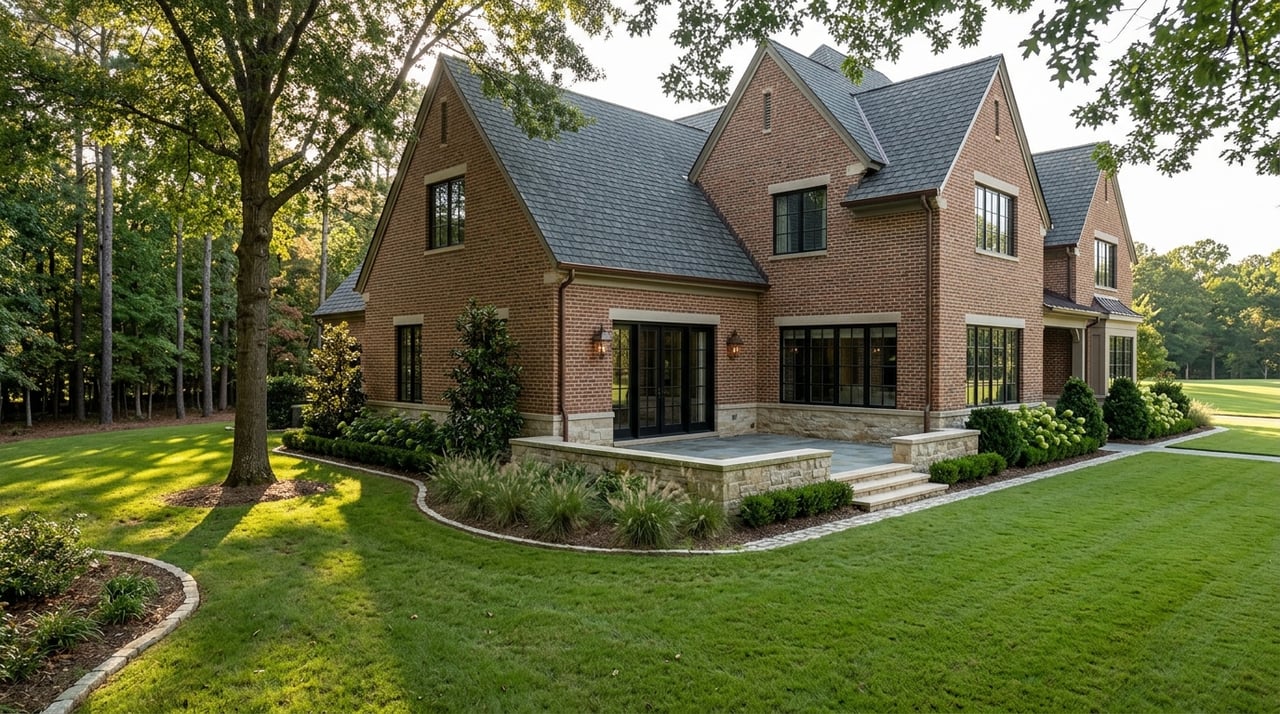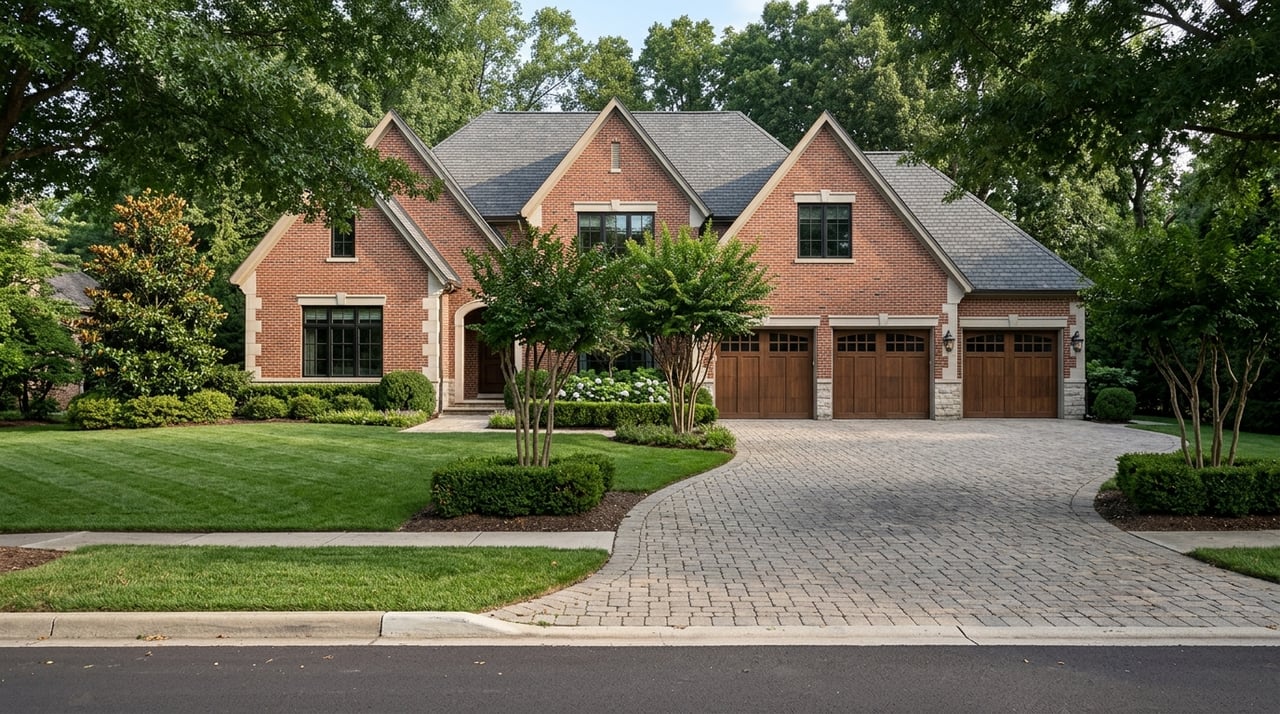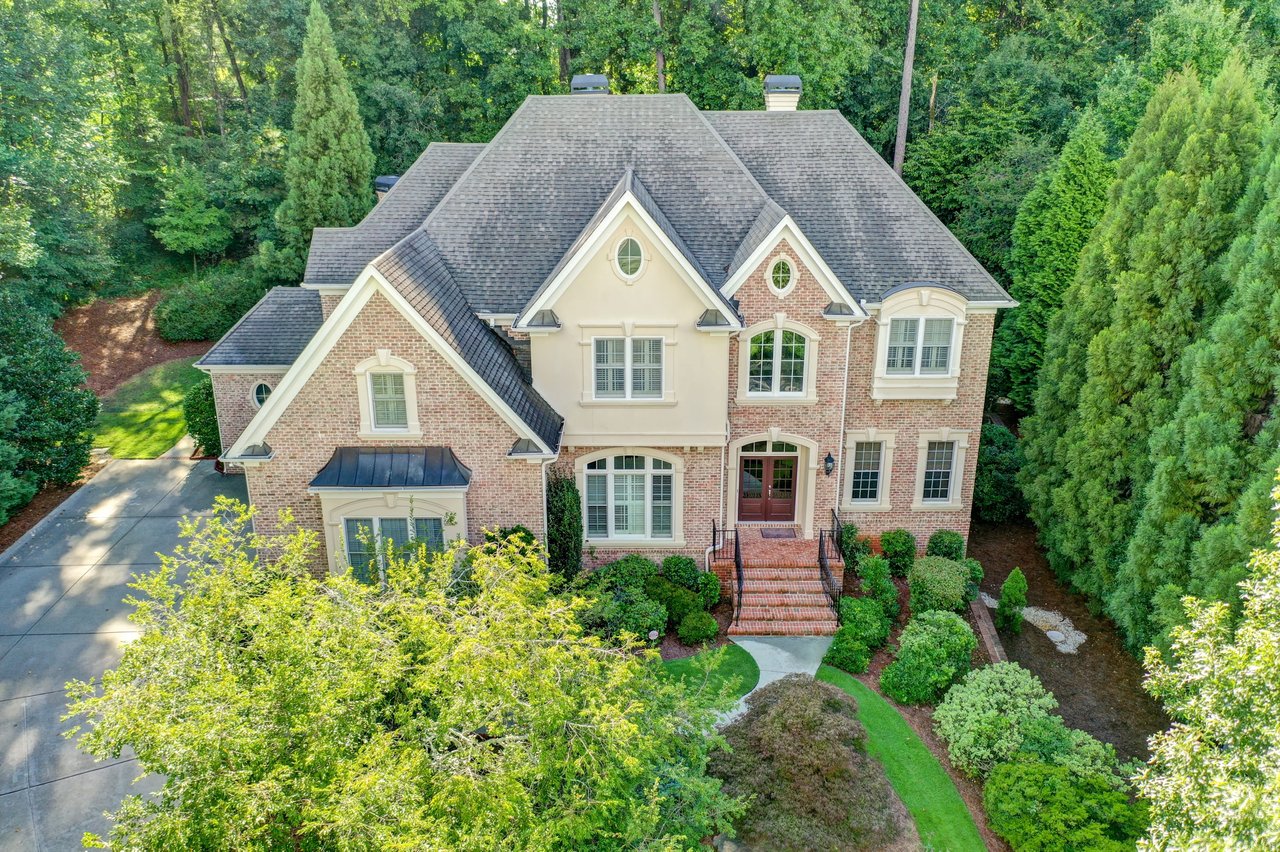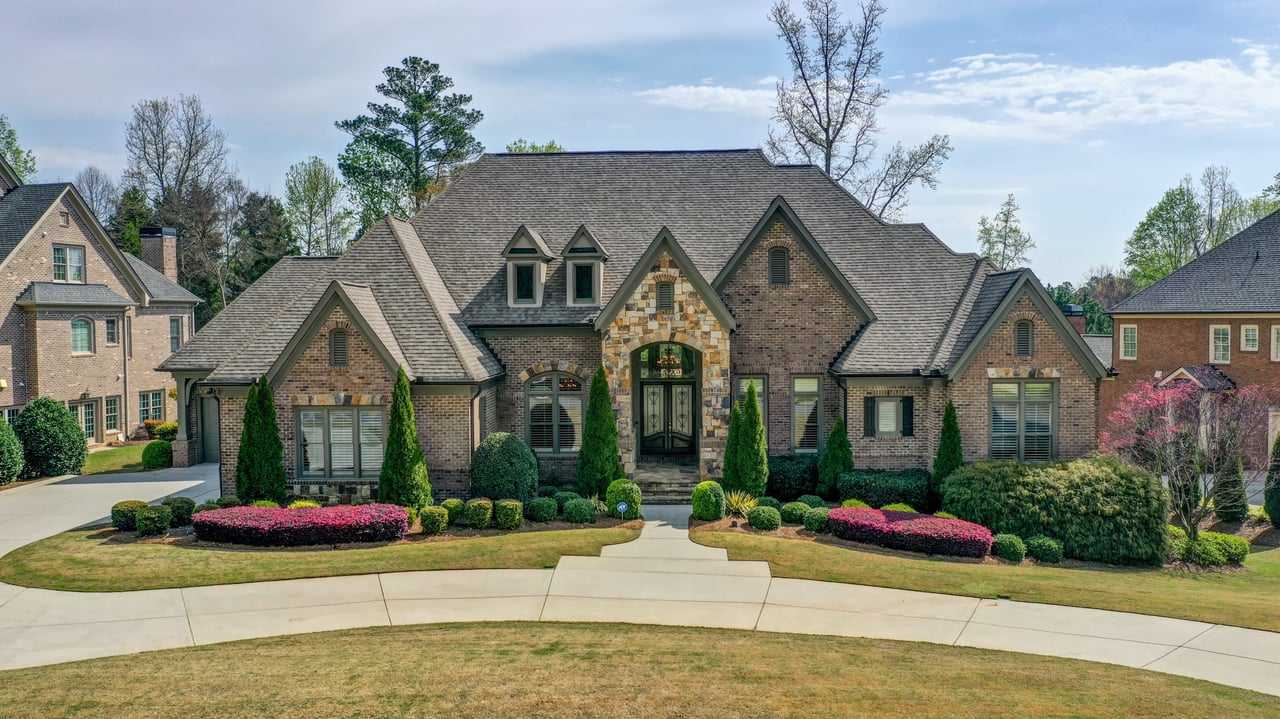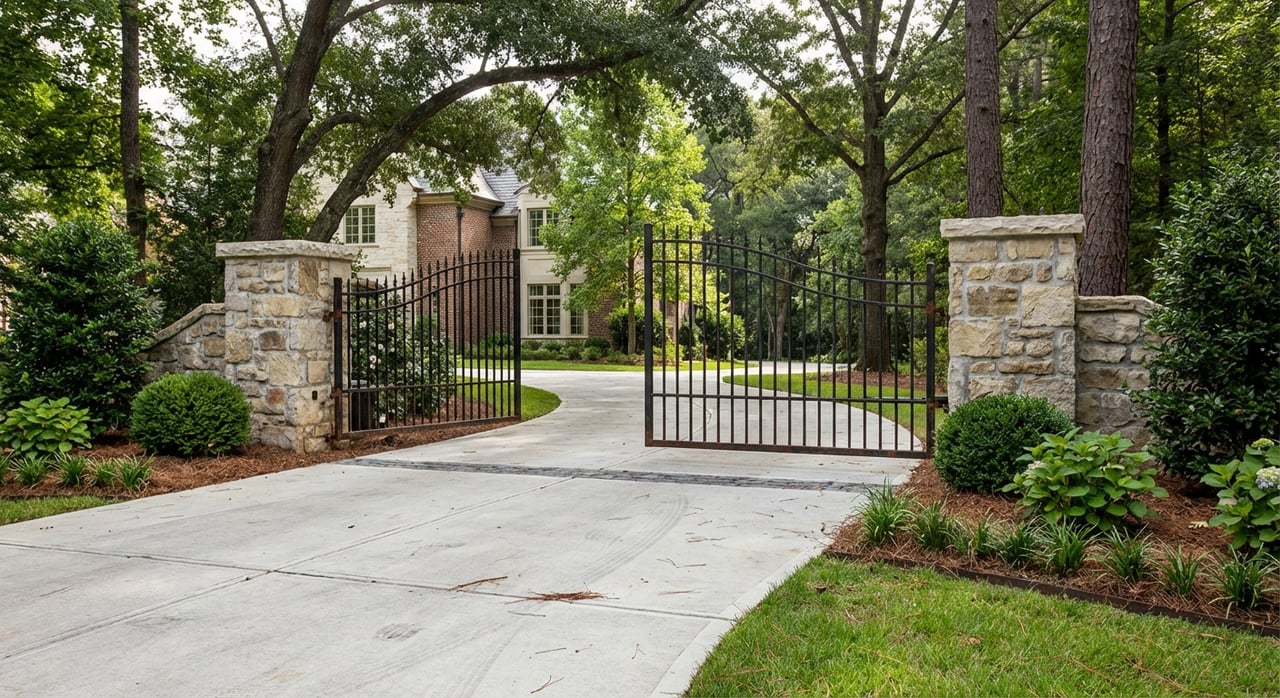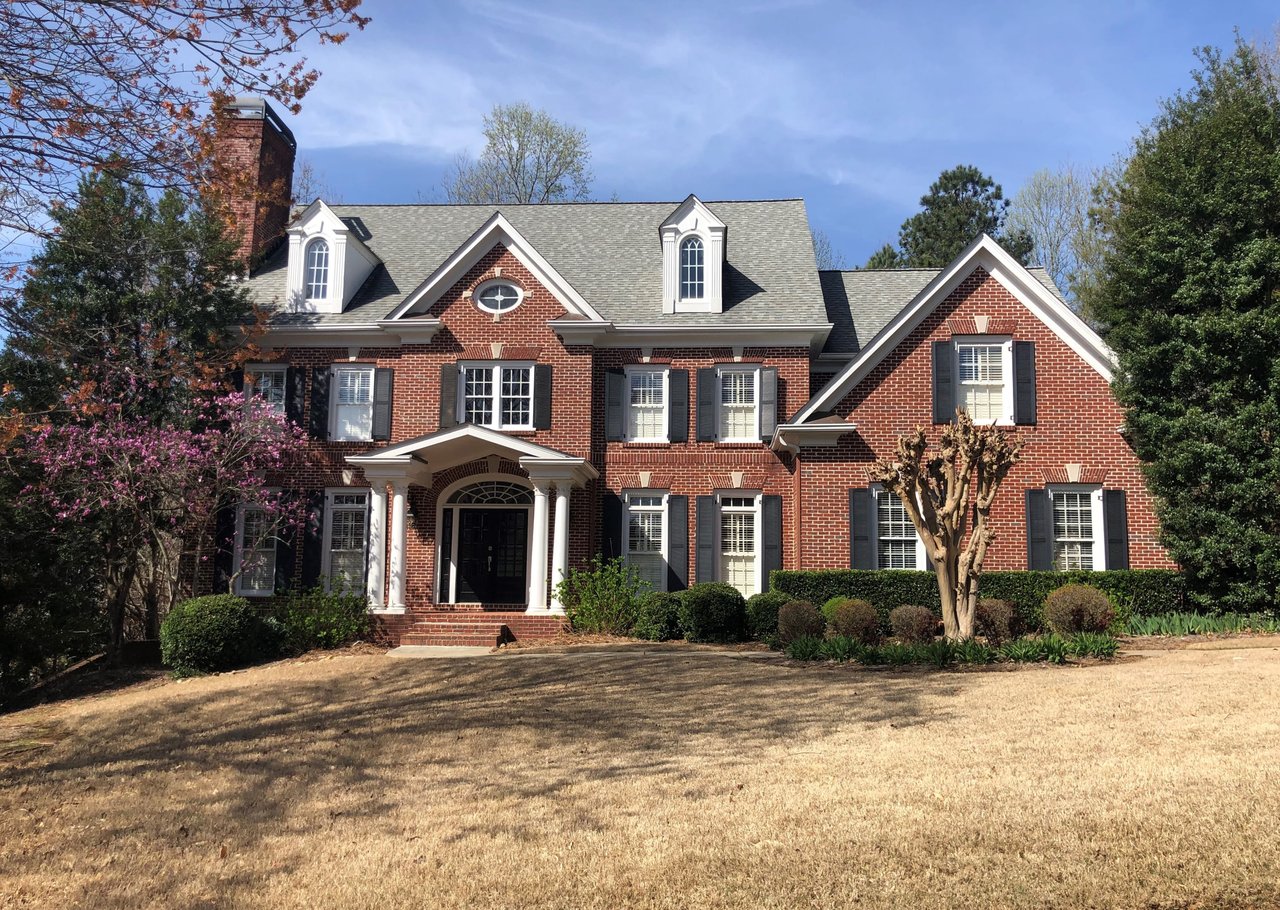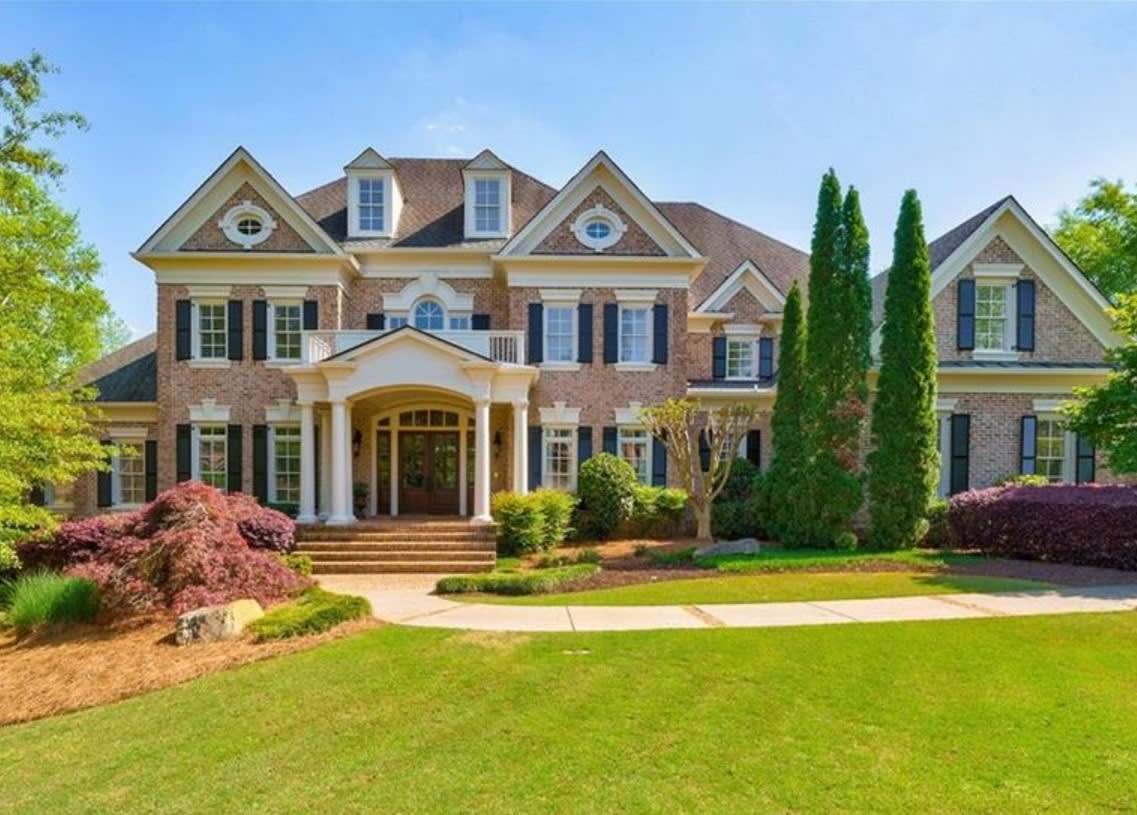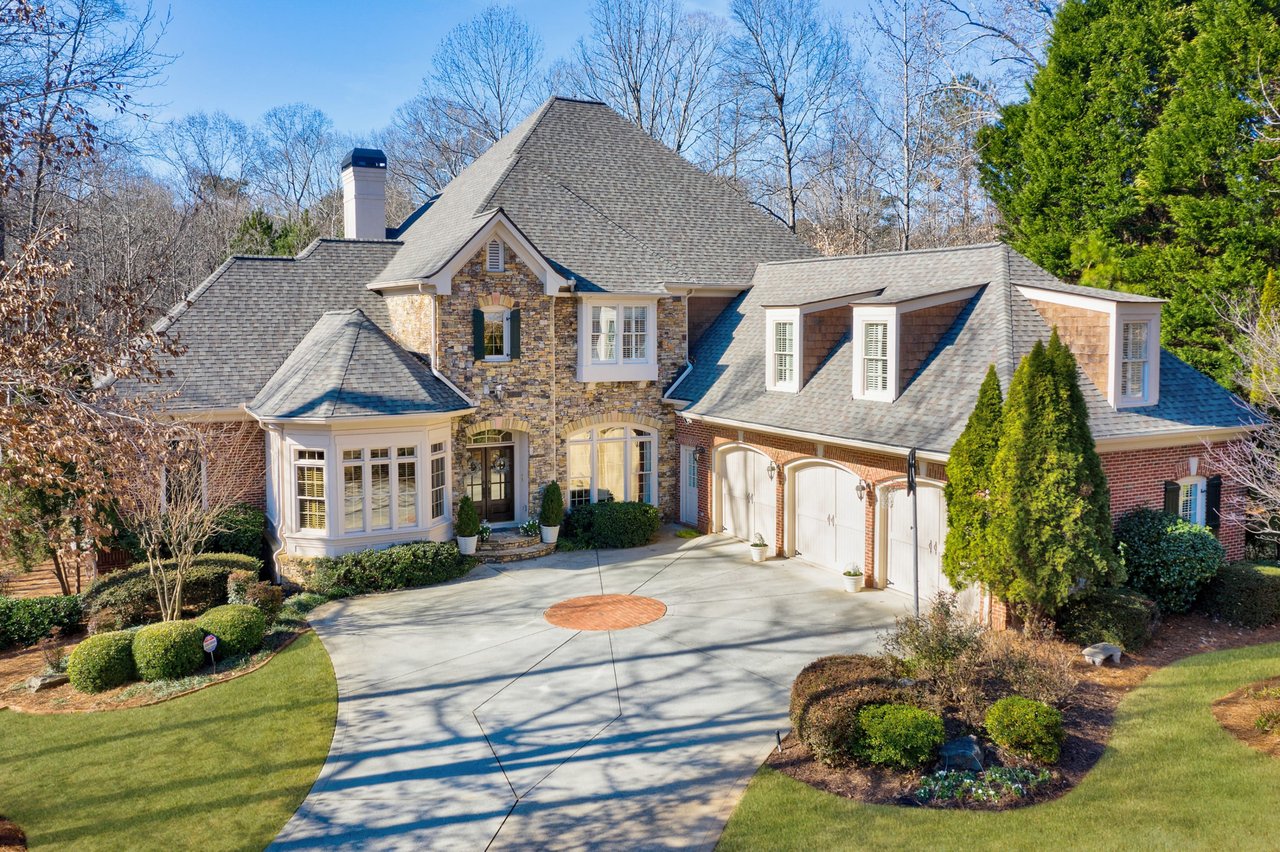
A listing agent writes "country club living" on a Sugarloaf listing and most buyers read that as a package deal. House, gate, golf course view, and the club that comes with it. It doesn't work that way, and the gap between what people assume and what the paperwork actually says is where Sugarloaf transactions get complicated in ways a generic seller's guide never mentions.
Here is the part that catches people off guard. The mandatory dues that come with owning a home in Sugarloaf Country Club, the ones covering the guard gate, common areas, and private roads, run somewhere in the neighborhood of $2,300 to $2,500 a year depending on which HOA sub-association your address falls under (read more about what Sugarloaf's HOA covers and why it matters).
The TPC Sugarloaf golf and social membership is a different transaction entirely, and it does not come with the house.
Two Line Items, One Address, Zero Overlap
TPC Sugarloaf runs its own membership program, separate from the residential association, with its own application and its own fee structure. According to the club's own membership materials, joining means applying directly to the club, not inheriting whatever the previous owner had. A recent independent review of the club put the initiation fee at $30,000 to $50,000, with monthly dues running $500 to $1,000 depending on the membership level. That is not a typo next to the mandatory HOA number. It is roughly ten to twenty times larger, and it resets with every new owner.
Here is how the two obligations actually compare:
Mandatory HOA / POA Dues | TPC Sugarloaf Club Membership | |
|---|---|---|
Typical annual cost | Roughly $2,300 to $2,500 | $6,000 to $12,000+ in dues alone |
Initiation fee | None documented | Roughly $30,000 to $50,000 |
Covers | Guard gate, common areas, private roads | Golf, tennis, clubhouse dining, TPC network access |
Who sets the terms | The residential association | TPC Sugarloaf directly |
One detail worth knowing if you're the one weighing membership: TPC's own materials note that members are never assessed separately for capital improvements to the course or clubhouse, since the initiation fee and dues structure is built to absorb that cost instead. It's a real benefit of the club side of the ledger, and it has nothing to do with what a buyer inherits by closing on a house (read about what it's like to live in Sugarloaf Country Club).
Why This Gap Costs Sellers Leverage
Georgia's resale certificate practice makes the gap worse if nobody addresses it early. The state's Property Owners' Association Act does not require a specific resale package or a mandated delivery timeline. As one HOA document review firm puts it, Georgia HOAs are not subject to any statutory resale disclosure regime, and buyers in HOA-governed communities frequently receive only what the seller voluntarily provides. Most associations do produce a certificate as standard practice to keep closings moving, and the going rate for one in Georgia typically runs $100 to $450, usually paid by the seller.
That certificate documents the HOA side: dues status, any liens, any transfer fee. It says nothing about club membership, because the club isn't party to the sale. A buyer who assumes membership is baked into the price finds out otherwise during their own due diligence, sometimes late enough in the process that it becomes a renegotiation instead of a disclosure (learn our strategic steps to sell your Sugarloaf Country Club home). Sellers who get ahead of that conversation, stating plainly whether they hold a membership, whether it's active, and that the buyer will need to apply separately, keep the negotiation about the house instead of about a surprise.
The Law Underneath All of This Just Changed
Timing adds another layer this year. Governor Kemp signed Senate Bill 406, the Georgia Property Owners' Bill of Rights Act, on May 12, 2026. It is the biggest rewrite of Georgia HOA law in a generation, and it arrives in two stages rather than one (read how Georgia real estate policy changes affect Sugarloaf).
The first stage already took effect. As of July 1, 2026, associations covered by the Property Owners' Association Act cannot collect attorney's fees in a collections matter without first sending written notice and an itemized statement, and any fees charged are now subject to a judge's review for reasonableness.
The second stage lands January 1, 2027, and it's the one worth watching if you're timing a sale. Starting that date, every homeowners association in Georgia must register annually with the Secretary of State for a $100 fee or lose the ability to collect fines, record liens, or foreclose. The foreclosure threshold itself rises from $2,000 to $4,000 in unpaid assessments, with fines and fees excluded from that calculation. Nowack Howard says associations will also be required to keep ten years of assessment and lien records on file, a standard that didn't exist before.
None of this changes what a Sugarloaf homeowner owes month to month. What it does change is the regulatory backdrop every association in the state is operating against right now. Boards statewide are updating collection policies, registration paperwork, and recordkeeping ahead of that January deadline, according to the Georgia Secretary of State's own rollout page, which confirms the two effective dates and notes the Secretary of State will have oversight of the new law starting in 2027. A seller closing this fall is transacting under the rules that exist today. A seller closing after the new year may find association paperwork and processes look slightly different simply because the law asked every association in Georgia to tighten up.
What This Means If You're Listing This Fall
Two things worth doing before you list, not after an offer comes in:
- Know your own membership status cold: If you hold a TPC Sugarloaf membership, decide now whether you're marketing the home with membership language at all, and if so, be precise that the buyer applies and pays the club directly. If you don't hold a membership, say so, so nobody assumes otherwise from the address alone.
- Request your current HOA documentation early: Rather than waiting for a buyer's attorney to ask for it, order your packet ahead of time (explore our room-by-room prep plan to list your Sugarloaf home). With a $100 to $450 certificate fee typically on the seller's side of the ledger anyway, getting it in hand before you're under contract means one less thing competing for attention during your due diligence window, and one less reason for a buyer's financing timeline to slip.
Neither of these is legal advice, and a Georgia real estate attorney should review your specific governing documents and any pending assessments before you sign anything. What we can tell you, from years of closing deals inside these gates, is which questions buyers actually ask once they're past the photos and into the fine print. Getting ahead of those questions is most of what separates a smooth 30-day close from a renegotiation in week three.
A Few Questions We Hear Often
Does a TPC Sugarloaf membership automatically pass to whoever buys my house?
No. Membership is a separate agreement with the club itself. A new owner has to apply and typically pays a new initiation fee regardless of what the previous owner held.
Will SB 406 change my closing paperwork if I sell this year?
If you close before January 1, 2027, the current rules apply. The registration requirement, the higher foreclosure threshold, and the ten-year record retention standard don't take effect until that date, though associations across the state are already preparing for it.
Who pays for the HOA resale certificate in Georgia?
Custom in Georgia has the seller paying, typically somewhere between $100 and $450 depending on the management company handling the association's paperwork.
If you're weighing a sale in Sugarloaf and want a straight read on how your specific address, membership status, and timeline line up—or curious what your Sugarloaf home could sell for now—local luxury specialists at Floyd Real Estate Group would welcome the conversation. Schedule a private consultation with us to walk through exactly what transfers, what doesn't, and what to line up before you list.
Related Blog Posts
- What Sugarloaf's HOA Covers and Why It Matters
- Strategic Steps to Sell Your Sugarloaf Country Club Home
- What It's Like to Live in Sugarloaf Country Club
- Room-by-Room Prep Plan to List Your Sugarloaf Home
- How Georgia's New Homestead Cap Affects Sugarloaf
This article is general information, not legal, tax or financial advice. Consult a qualified professional about your situation.