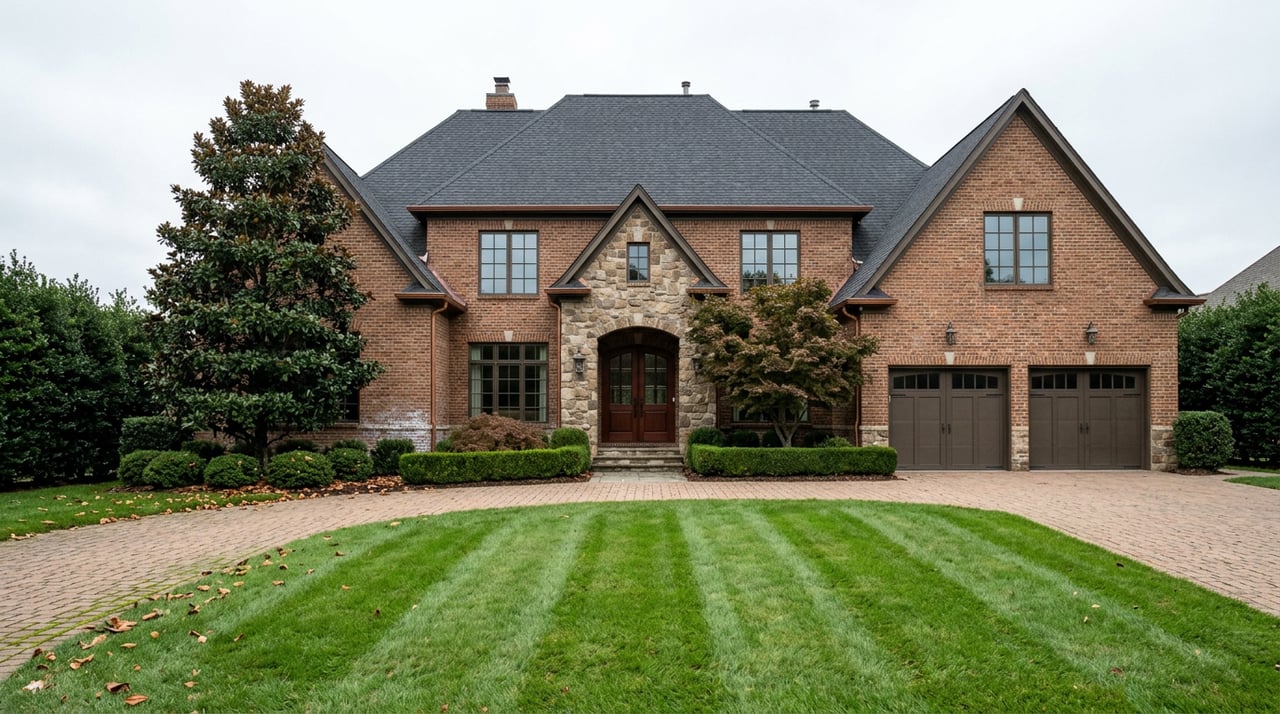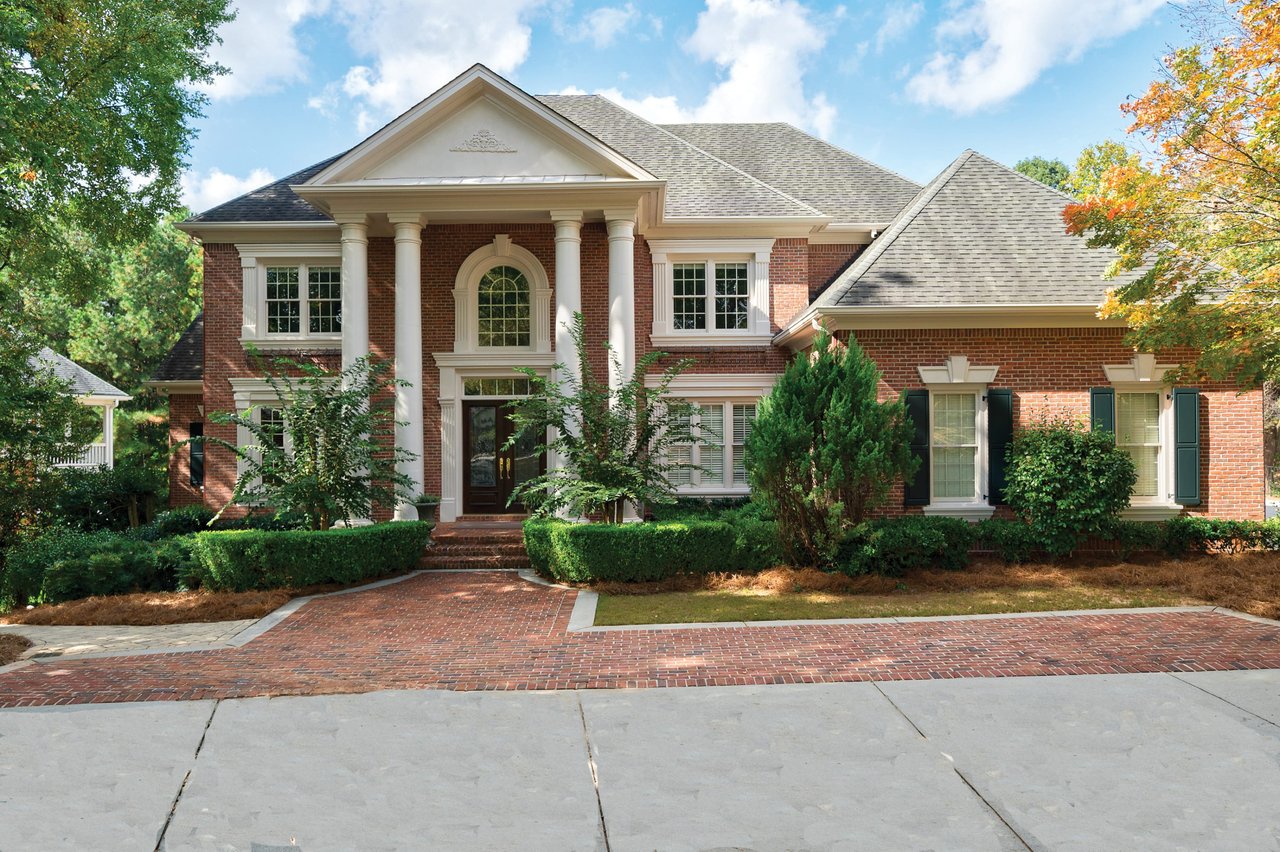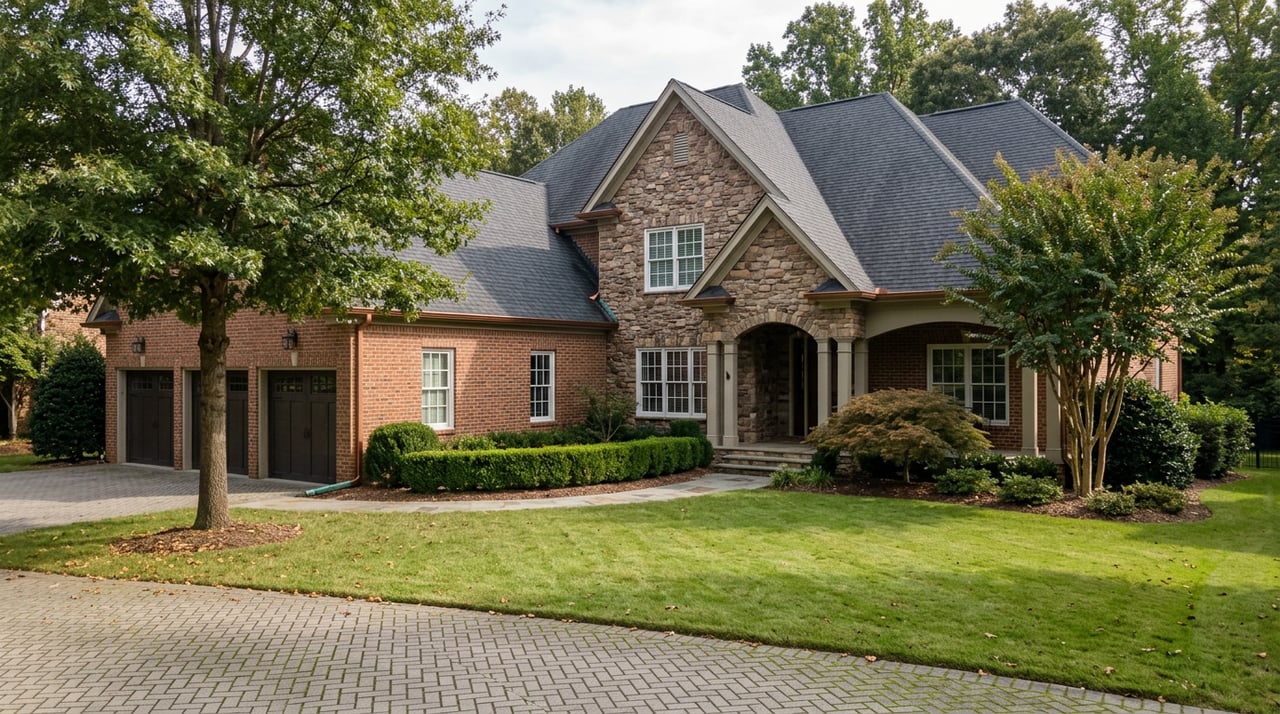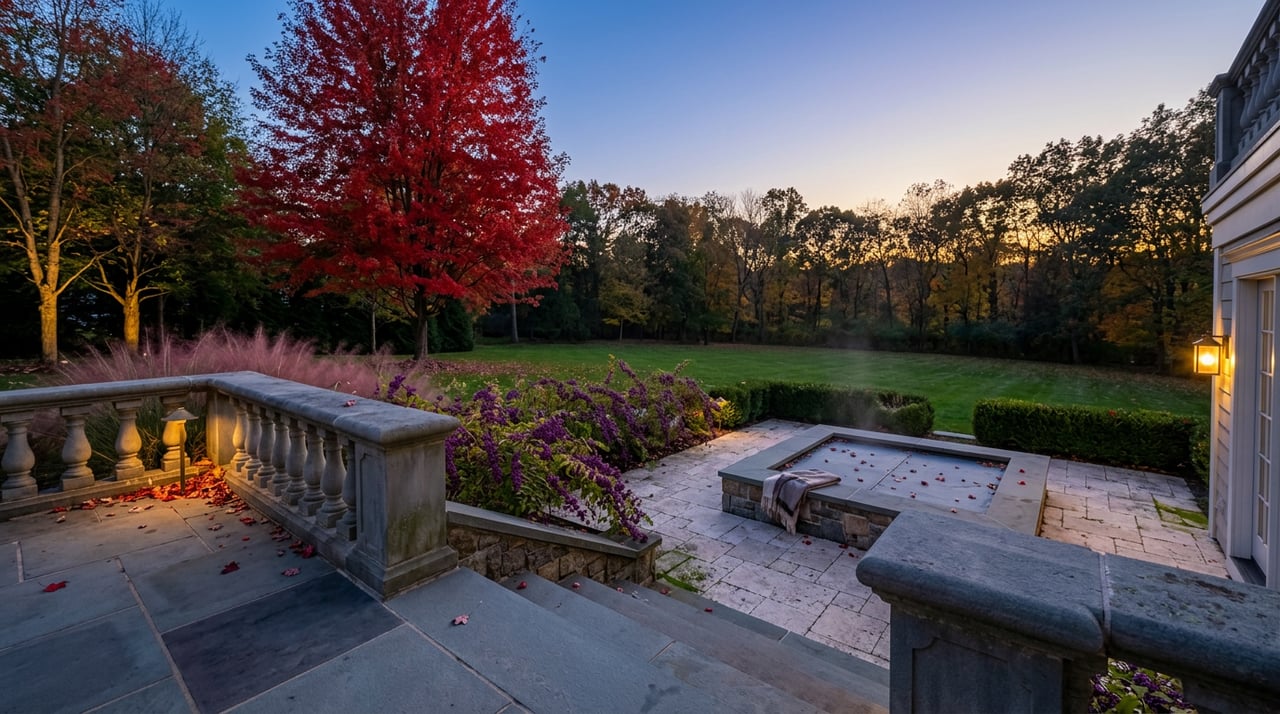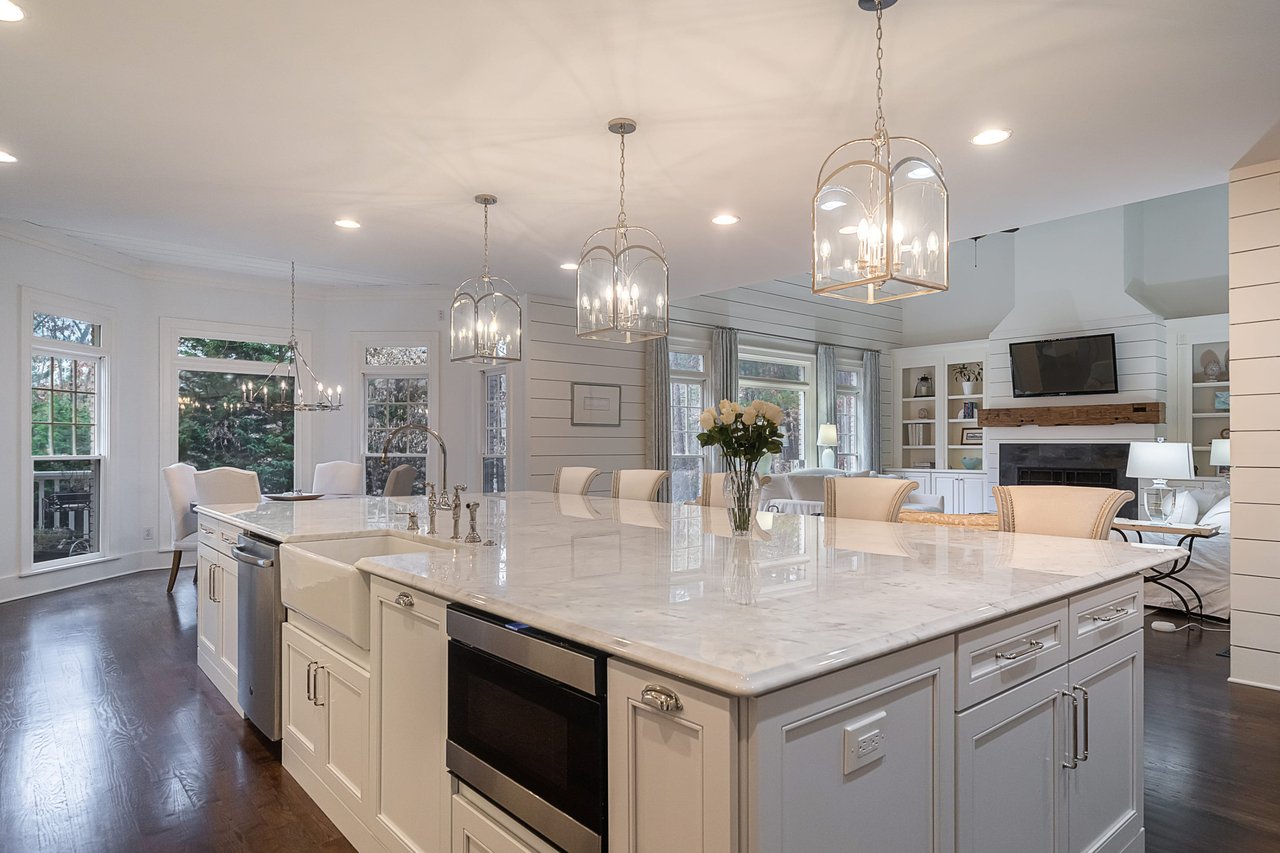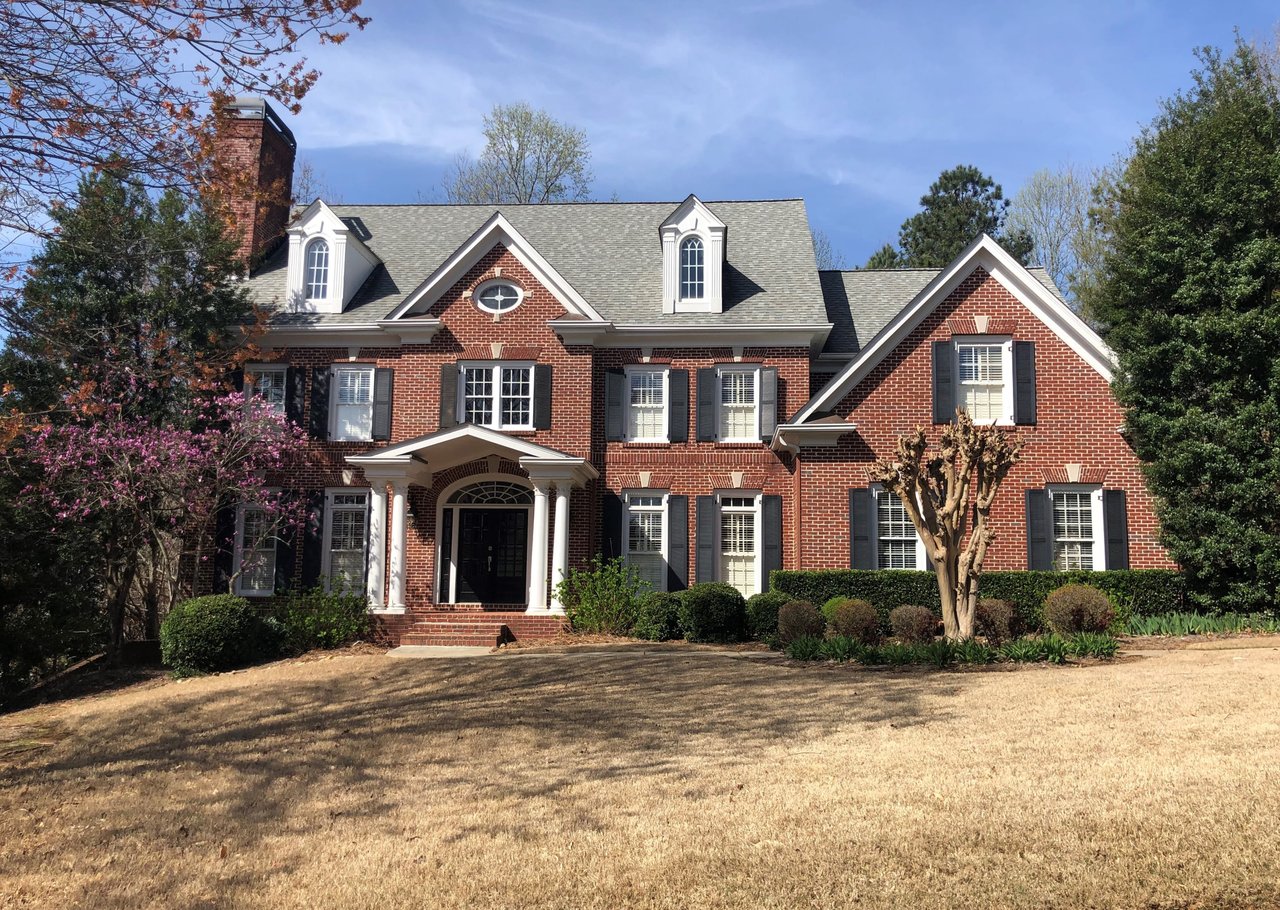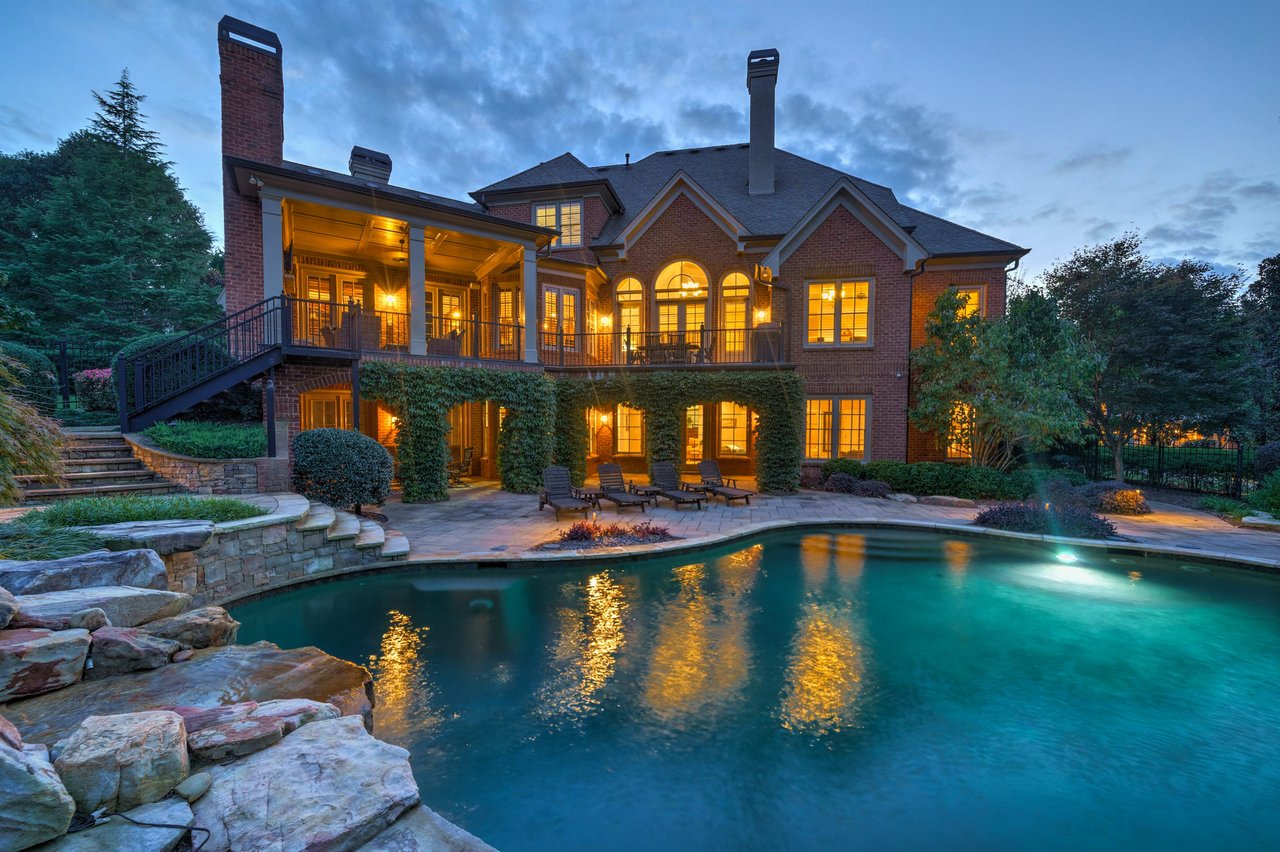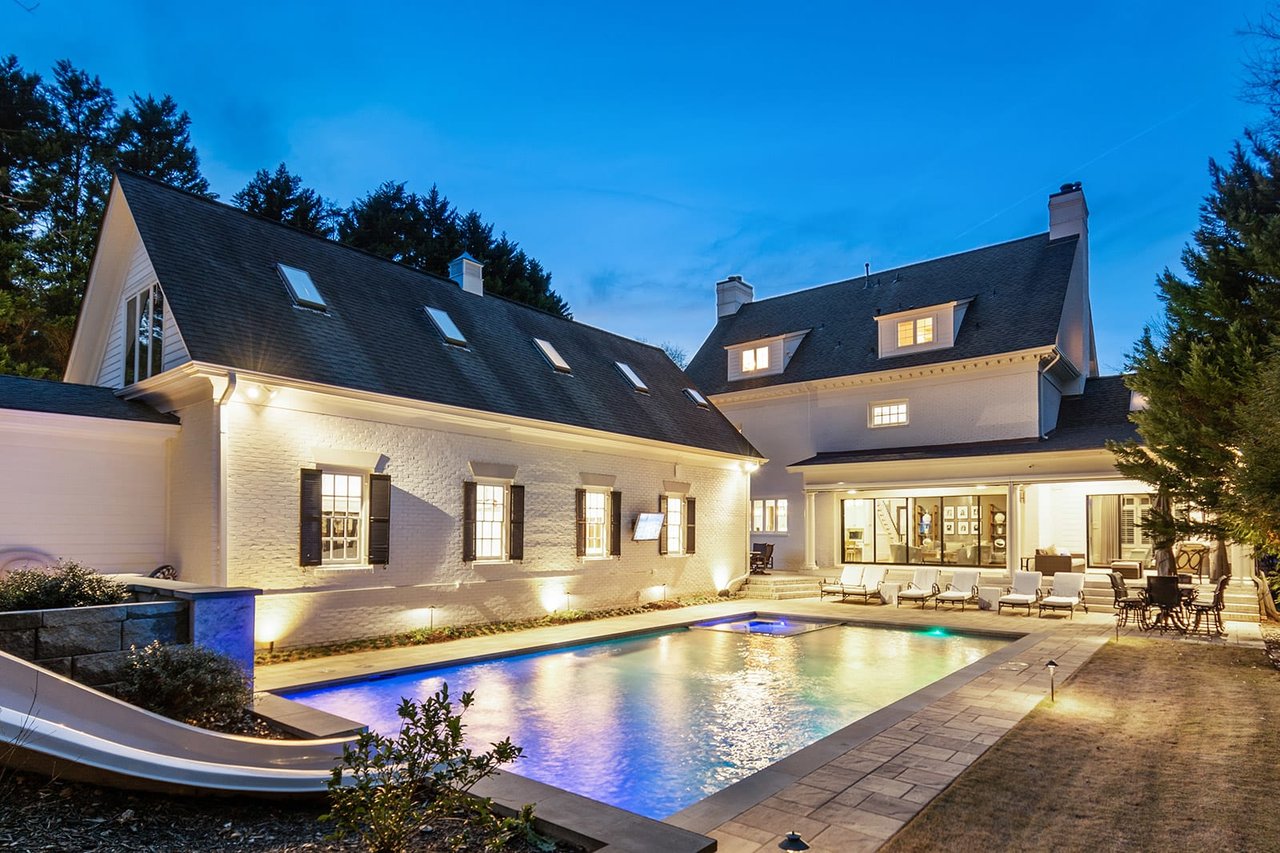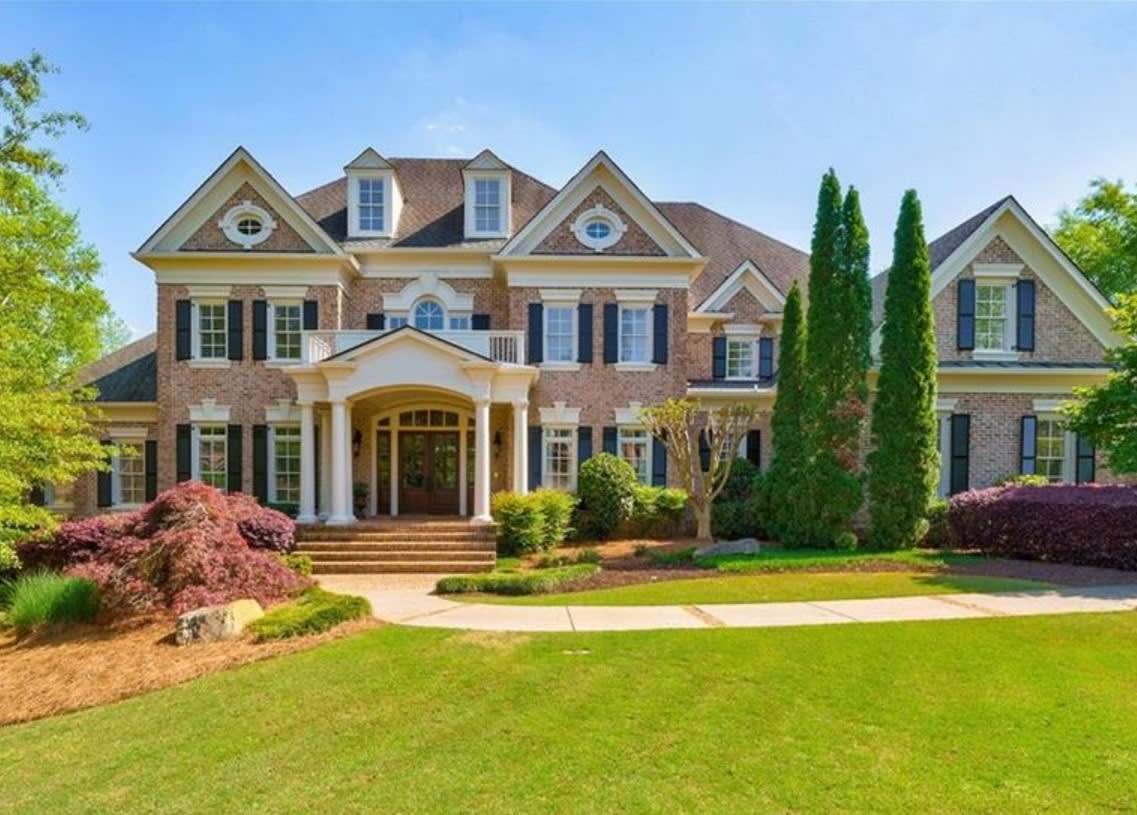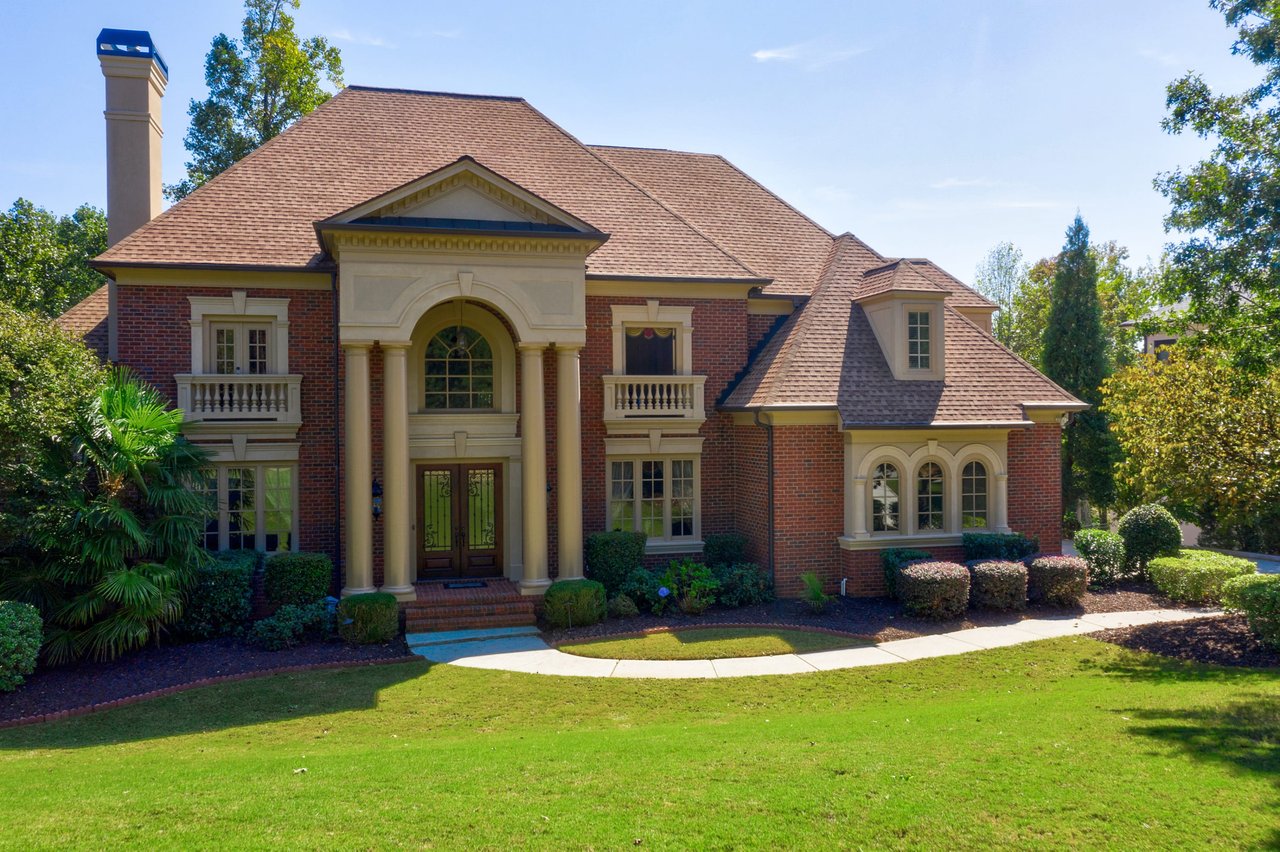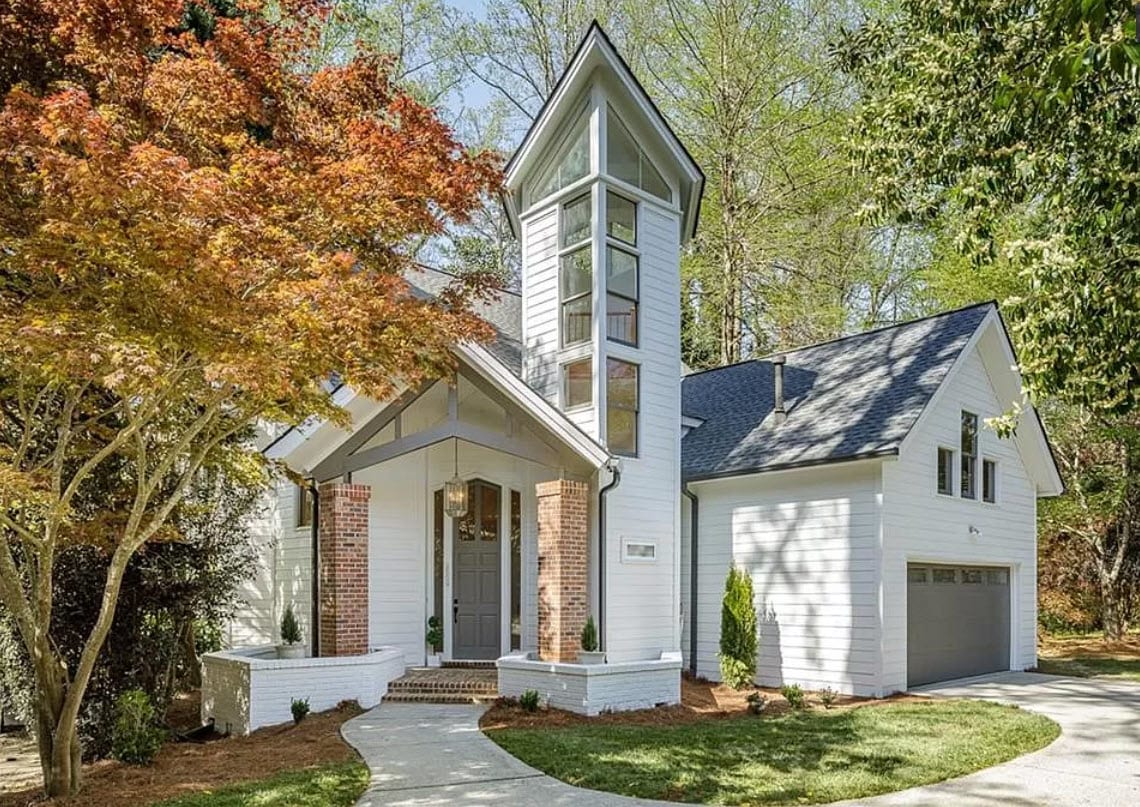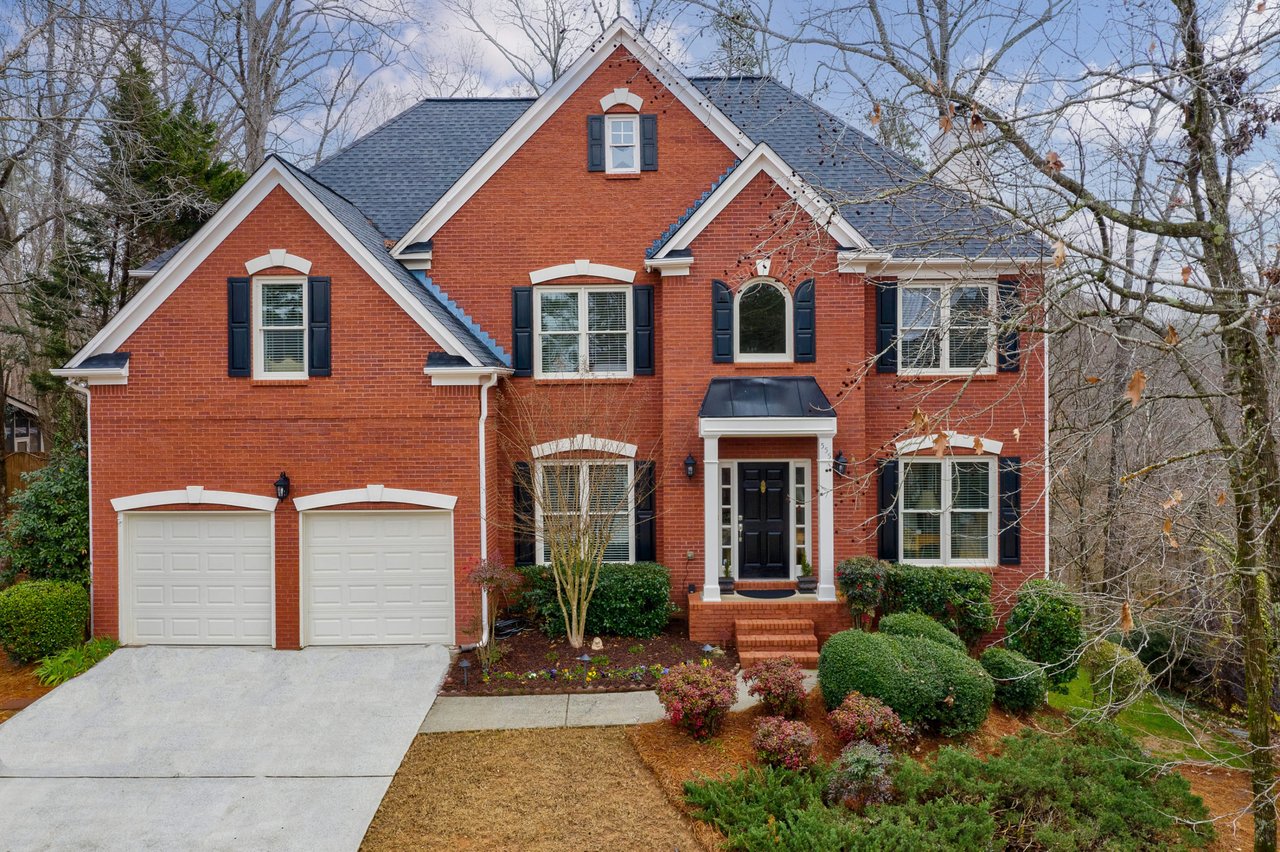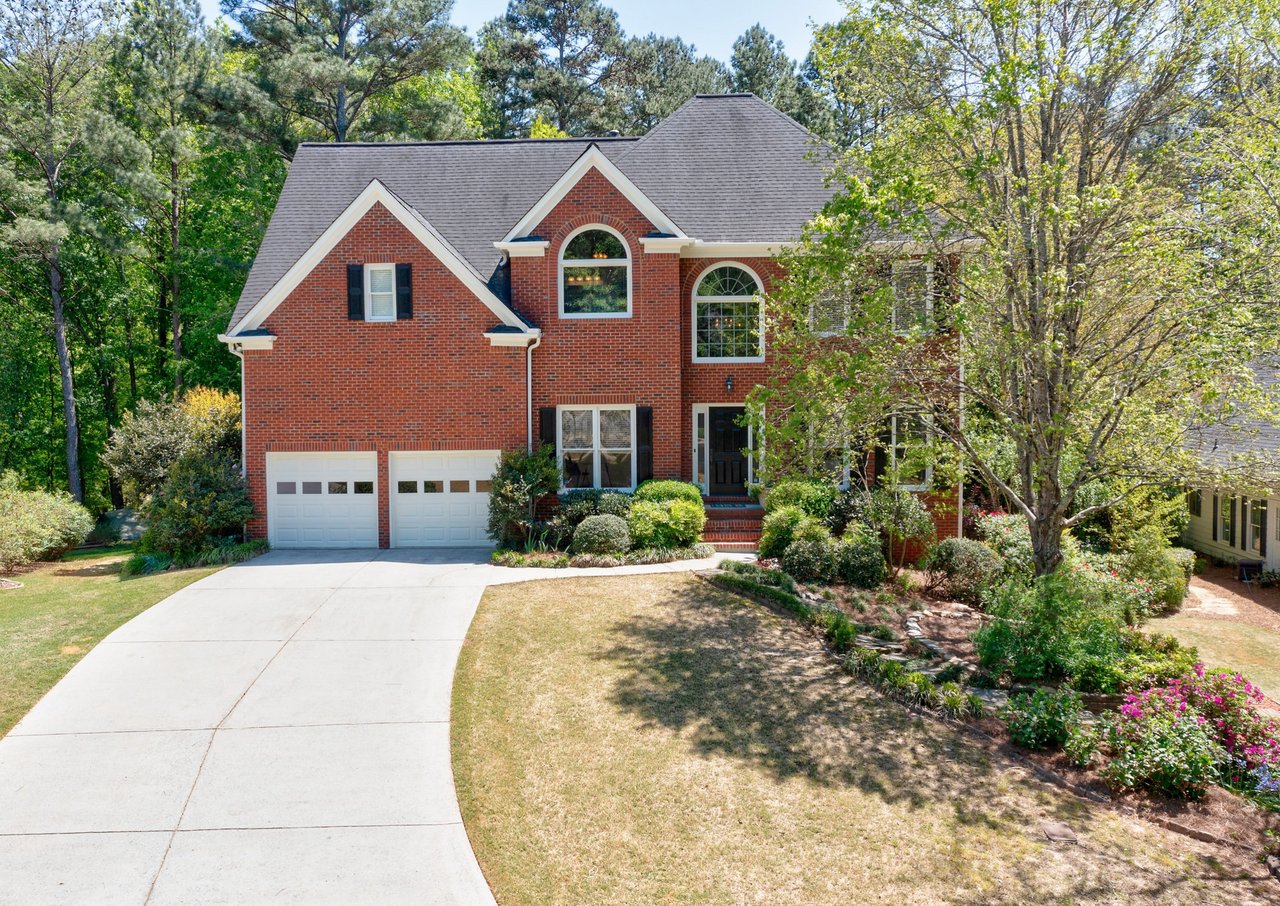
Is your River Club home starting to feel a size too small, a style out of date, or just not quite right for how you live now? You are not alone. Many River Club homeowners wrestle with whether to invest in a renovation or to sell and buy another home inside the neighborhood. The right answer blends finances, timing, rules, and lifestyle.
This guide gives you a clear framework tailored to River Club and Fulton County so you can compare costs, understand neighborhood constraints, and decide with confidence. You will find a step-by-step checklist, simple example math, and practical signals to watch in today’s market. Let’s dive in.
Compare total costs, not just price tags
Renovating and moving each come with obvious and hidden costs. Build a side-by-side estimate so you are comparing full pictures.
Renovation costs to include
- Hard costs by scope: kitchen, baths, additions, roof, windows, systems, structural work.
- Soft costs: design and architect fees, permits, ARB application fees, soil or tree mitigation if required.
- Carrying costs during construction: mortgage interest, utilities, insurance, property taxes.
- Temporary living costs if you must relocate during major work.
- Contingency: many owners set aside 10 to 20 percent for surprises, especially in older homes.
Moving costs to include
- Selling costs: real estate commission, commonly around 5 to 6 percent of the sale price, plus standard seller closing costs and pre-sale prep.
- Buying costs: down payment, lender and title fees, and any premium for a higher-rate mortgage or larger monthly payment.
- Transition costs: movers, short-term storage, possible overlap of mortgages, and quick updates in the new home.
- Taxes: consider capital gains exclusions on your primary residence and how property tax assessments and exemptions may change when you buy.
Value and ROI reality check
- Compare your estimated post-renovation value to your likely as-is sale price.
- Ask for recent River Club comps that separate renovated from unrenovated sales so you can see the typical price gap.
- Use regional Cost vs Value benchmarks for guidance, but rely on local comps to judge neighborhood-specific return.
Simple break-even example
- Renovate: $180,000 hard costs + 15 percent contingency ($27,000) + $10,000 temporary housing + $8,000 carrying costs = $225,000 total.
- Move: If you sell for $1,200,000, less 6 percent commission and typical closing costs, then purchase a renovated home for $1,350,000 with new closing costs, compare your net position to the renovation path.
- Your best choice is the one that delivers the space and finishes you need with the strongest long-term value after all costs.
Read the market before you decide
Inventory and timing
- Low inventory and fast sales can favor selling now to capture strong proceeds, then upgrading within the neighborhood.
- Higher inventory and slower sales can favor renovating, especially if the exact floor plan you want rarely comes available.
Price gaps to watch
- Track the difference between renovated and standard-condition sales in River Club.
- If the premium for a renovated home is larger than your full renovation cost, moving could be more efficient. If the premium is smaller, renovating may win.
Frequency of in-neighborhood listings
- If you want a rare lot, view, or layout, watch how often similar homes come to market. Scarcity can shift the decision toward remodeling what you have.
Lot, floodplain, and ARB factors
HOA and ARB approvals
- Exterior changes, additions, major landscaping, fences, and materials typically require ARB approval.
- Build ARB review time into your calendar. It can add weeks or months to start dates.
Setbacks, trees, and buffers
- Lot size and setbacks can limit additions. Many river-adjacent parcels have tree preservation and stream buffer rules that affect design and cost.
- Plan for soil stabilization, root protection, or mitigation if you are near protected areas.
Floodplain and utilities
- Proximity to the Chattahoochee or tributaries may mean FEMA flood zone rules, elevation or floodproofing requirements, and potential flood insurance.
- Confirm whether you are on municipal sewer or a private septic system. Converting to sewer can be a significant expense and permitting step.
Permits, inspections, and discovery risks
Permitting authority
- If you are inside a city, permits and inspections run through that city’s building department. If not, they run through Fulton County.
- Structural, electrical, plumbing, and mechanical work usually require permits. Expect multiple inspections.
Inspection and unforeseen conditions
- Older homes can reveal hidden issues during demo, such as foundation repairs, pest damage, or hazardous materials that add cost and time.
- A pre-renovation home inspection and targeted assessments for roof, structure, HVAC, and moisture can reduce surprises.
Timeline and living through work
- Phasing a project can let you stay in the home, but it extends the timeline. Major structural or systems work often requires temporary relocation.
Financing and tax considerations
Ways to fund a remodel
- Cash, home equity line of credit, home equity loan, or a cash-out refinance are common options.
- Renovation mortgage products may be available through your lender. Rate environments change, so compare the cost of borrowing to the benefits of selling and buying.
Buying and bridge options
- If you plan to sell and buy within River Club, discuss timing and liquidity with your lender.
- Bridge financing can help you purchase before you sell. Work with your agent and lender to align timelines and protect your contingency plan.
Property taxes and capital gains
- Significant permitted improvements can trigger reassessment. Model how a higher assessed value could change annual taxes.
- Review primary residence capital gains exclusions with a tax professional before you choose a path.
Decision checklist for River Club owners
Use this quick list to move from idea to decision.
- Confirm objectives
- What has to change: space, accessibility, systems, finishes, or layout?
- Decide if a remodel can meet those needs or if only a different floor plan or lot will work.
- Verify rules and jurisdiction
- Confirm whether you are in a city or unincorporated Fulton County.
- Get the HOA CC&Rs and ARB submission requirements.
- Gather baseline facts
- Pull recent River Club comps for renovated and standard-condition homes.
- Note current inventory and typical days on market.
- Map lot constraints: setbacks, protected trees, flood zone, sewer vs septic.
- Get professional estimates
- Obtain three contractor bids for your scope and an architect’s estimate if reconfiguring.
- Request an agent CMA for your as-is value and projected post-renovation value.
- Calculate full financials
- Add renovation hard costs, soft costs, contingency, carrying costs, and any temporary housing.
- Add selling costs, buying costs, rate impacts, and moving expenses for the move scenario.
- Compare net positions and break-even timelines.
- Consider timeline and disruption
- Estimate a realistic renovation calendar versus the time to find and purchase a replacement home.
- Decide if you can live through work or will need temporary housing.
- Weigh intangibles
- Proximity to neighbors, amenities, and views may matter as much as costs.
- Consider the emotional cost of moving versus living through construction.
- Think about future resale appeal after your chosen path.
- Choose your plan
- If renovating: finalize design, submit ARB and permits, sign a detailed contract, and set a contingency plan.
- If moving: prep the home, align sale and purchase timelines, and coordinate HOA requirements.
When renovating makes the most sense
- Your lot, view, or street is hard to replace and your needs are achievable within setbacks and buffers.
- The price gap between renovated and standard homes is smaller than your full renovation cost.
- You prefer to avoid the disruption of a double move and short-term market timing risk.
When moving inside River Club is smarter
- You need a different lot, layout, or bedroom count that is not feasible within current setbacks or ARB rules.
- The premium for move-in-ready homes is below what a comparable renovation would cost.
- You want faster completion, and suitable homes come to market with enough frequency to shop confidently.
How we help you decide with confidence
A decision this important deserves local data and experienced guidance. Our team brings a process built for River Club homeowners:
- Neighborhood-specific CMA: We separate renovated versus standard sales so you see true price gaps.
- Contractor and design introductions: Connect with vetted local pros for itemized bids and timelines.
- Compass seller solutions: Concierge for pre-list prep, Exclusives for private exposure, and Bridge Loan options to help you buy before you sell.
- Discreet, hands-on service: From ARB prep to staging to timeline orchestration, we manage the details so your plan stays on track.
If you are weighing renovate versus move inside River Club, schedule a private conversation with the local team that treats your decision like our own. Reach out to Floyd Real Estate Group to start a tailored plan for your home.
FAQs
How do I compare renovate vs move in River Club?
- Build full budgets for both paths, including soft costs, contingency, taxes, and moving. Then compare your net position and timeline using recent River Club comps for renovated and standard homes.
Will the HOA or ARB slow my renovation?
- ARB review often adds weeks or months for exterior changes, additions, or major landscaping. Submit early, follow guidelines closely, and factor the review period into your schedule.
Are River Club lots affected by floodplain rules?
- Some parcels near the Chattahoochee or tributaries may fall in FEMA flood zones or local buffers. Confirm your specific lot before planning additions or grading changes, and budget for any requirements.
Can I live at home during a remodel?
- Phasing lets some owners stay, but it can extend the overall timeline and increase disruption. Major structural, mechanical, or whole-kitchen projects often require temporary relocation.
How do I estimate the upgrade premium if I move?
- Ask your agent for a CMA that compares upgraded versus standard-condition sales in River Club. Compare that price gap to your full renovation cost and all transaction expenses.
Where can I get the most reliable comps for River Club?
- An experienced local agent with MLS access is your best source for accurate, recent, and property-specific comparable sales inside the neighborhood.