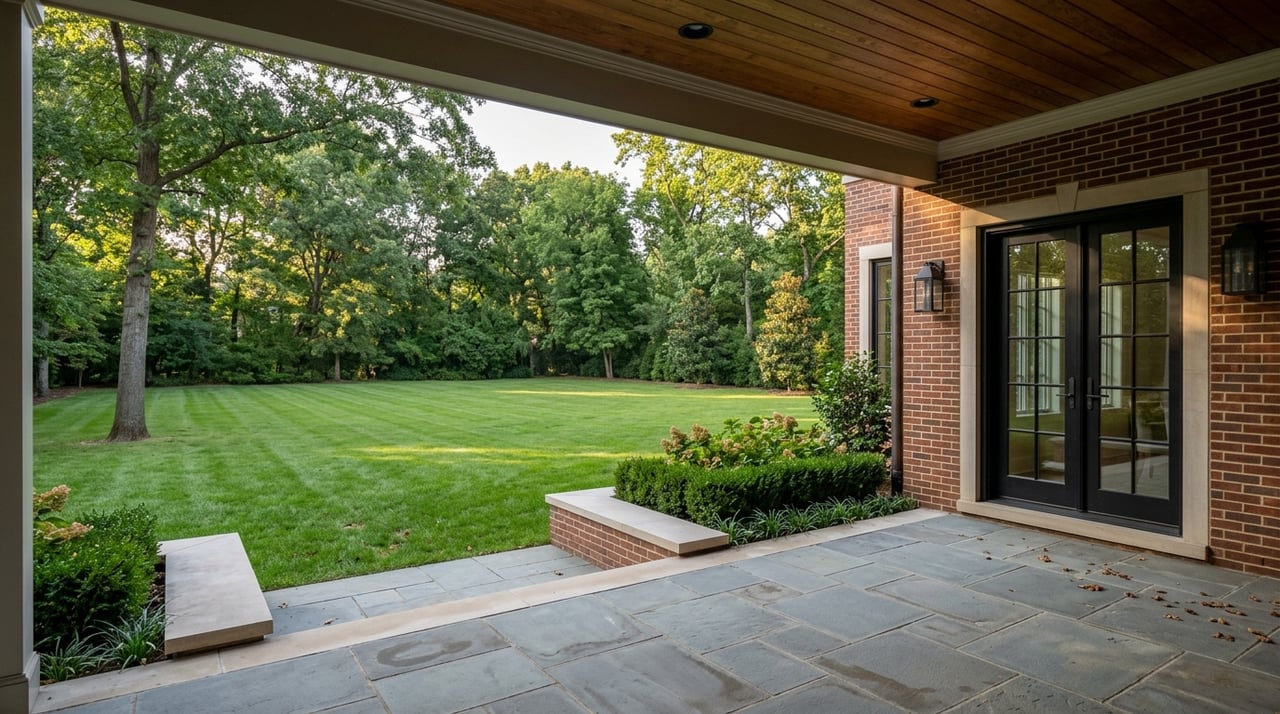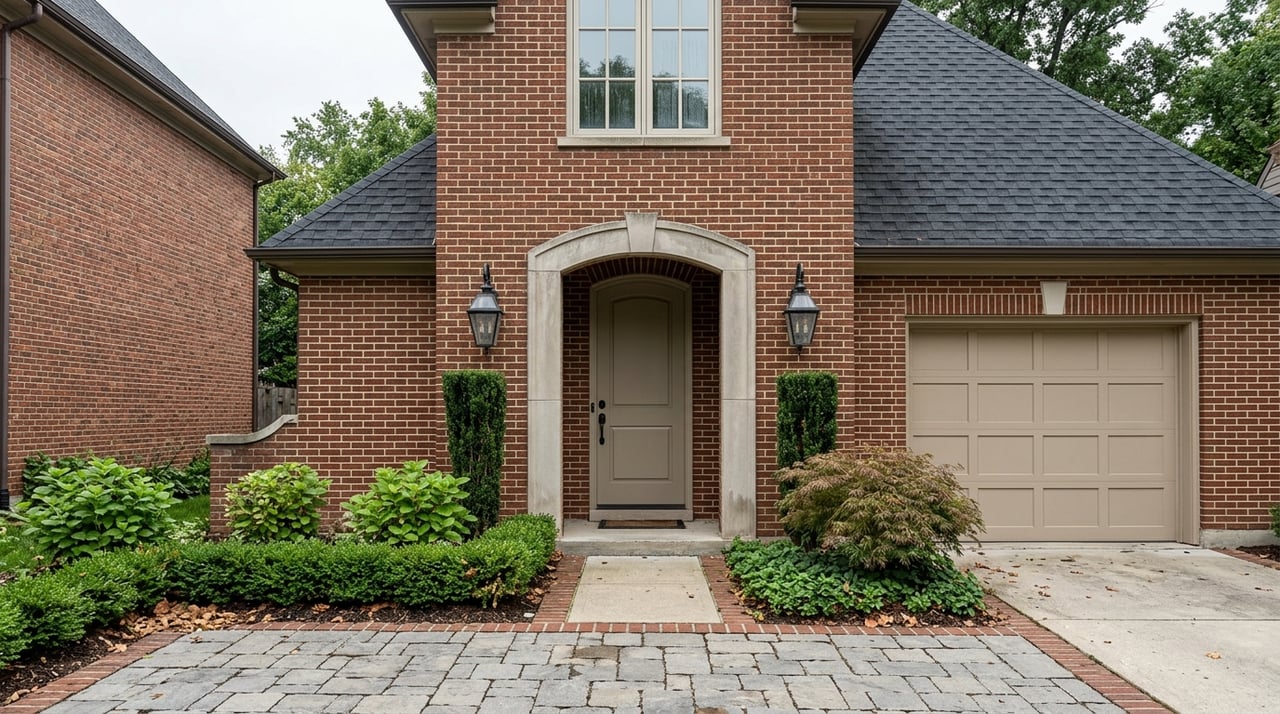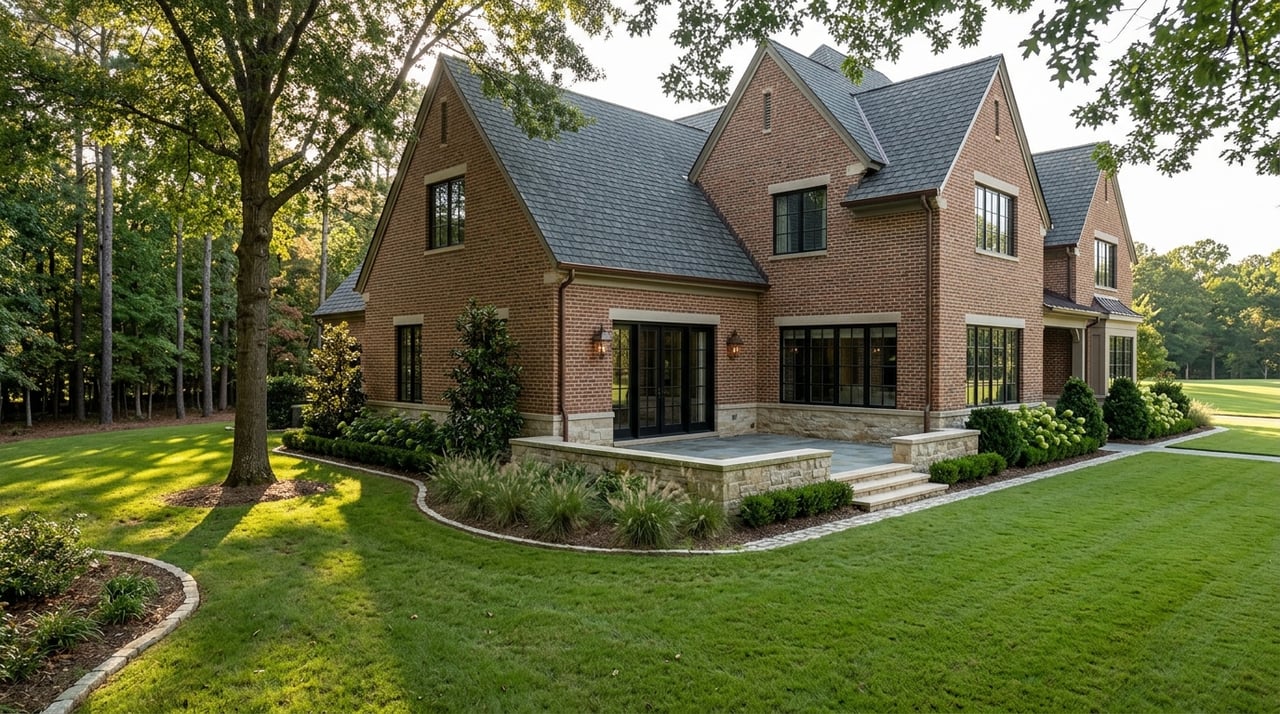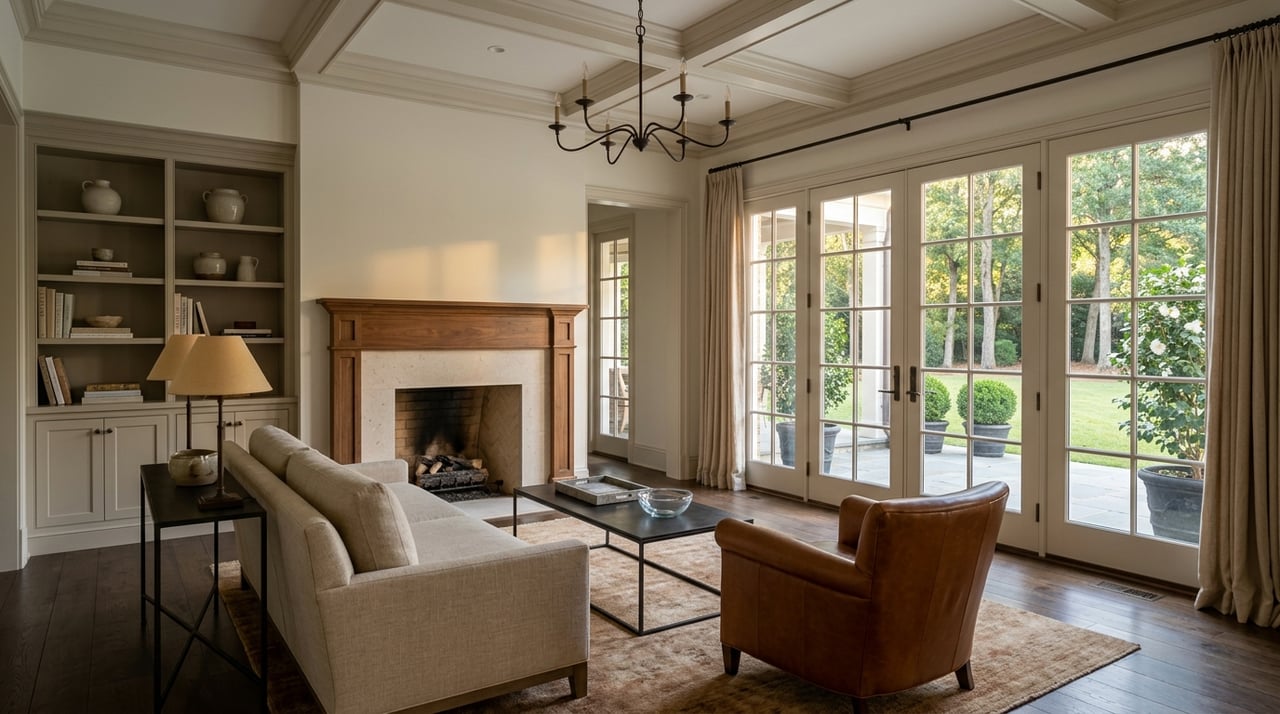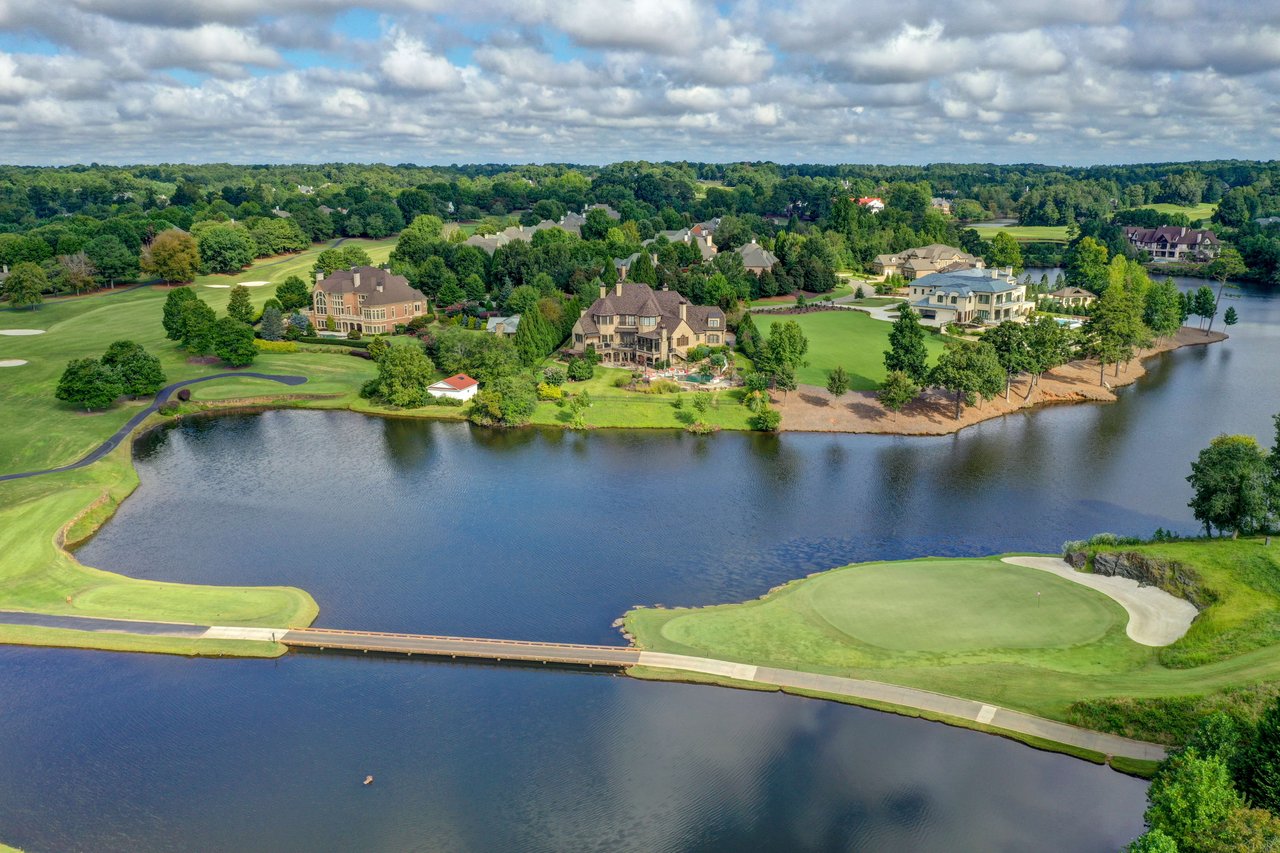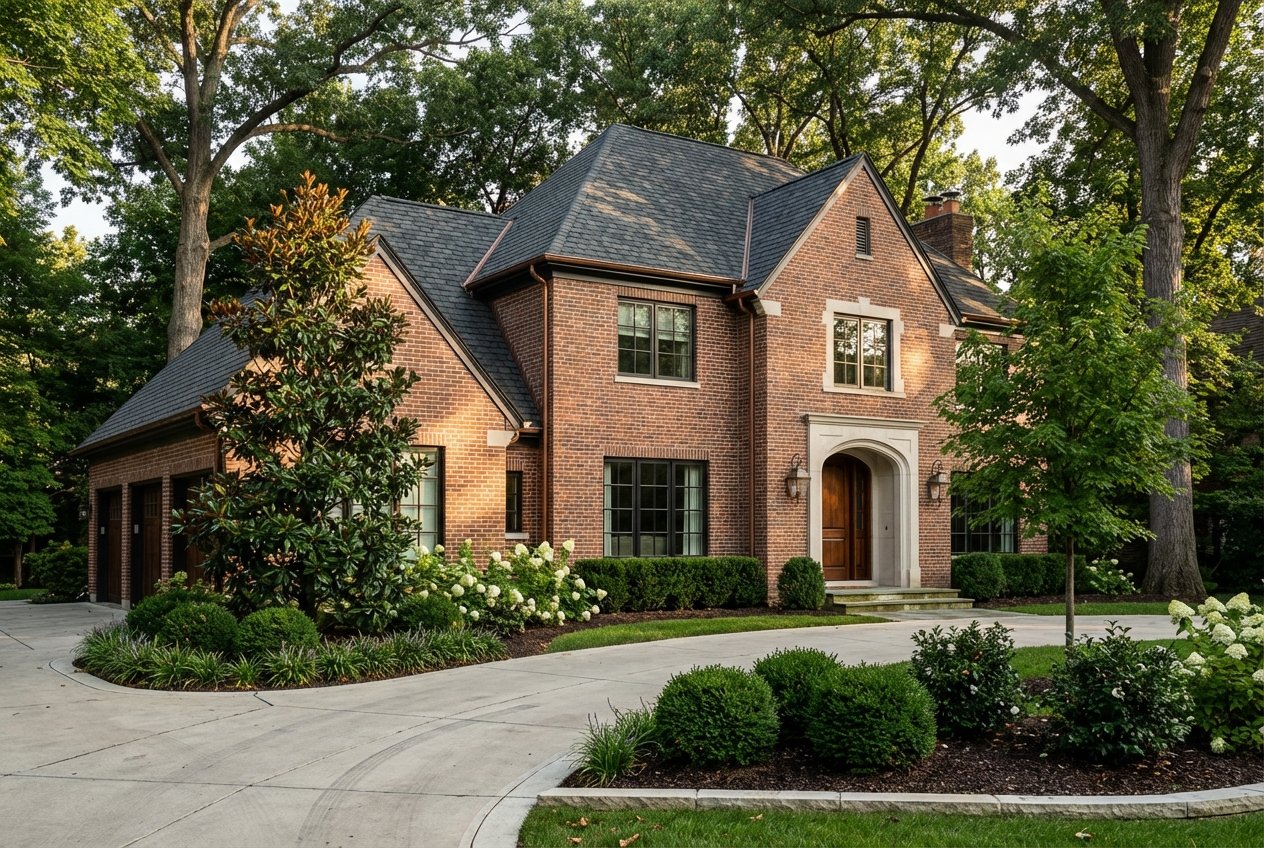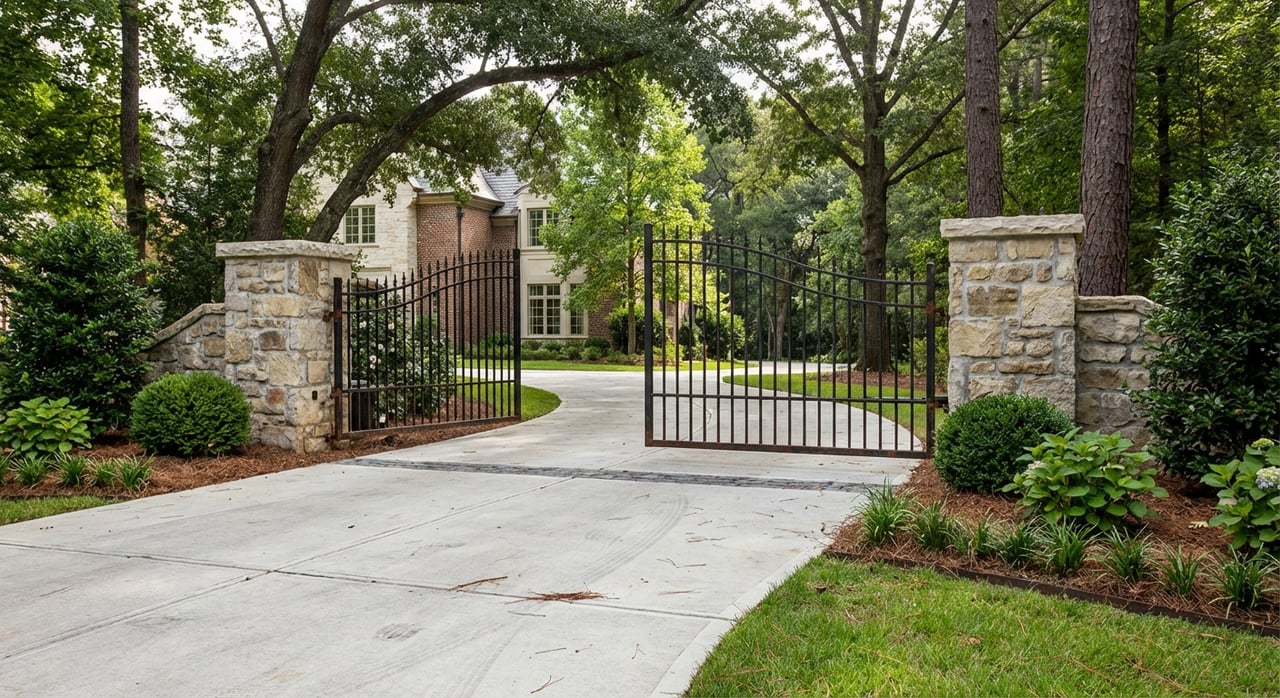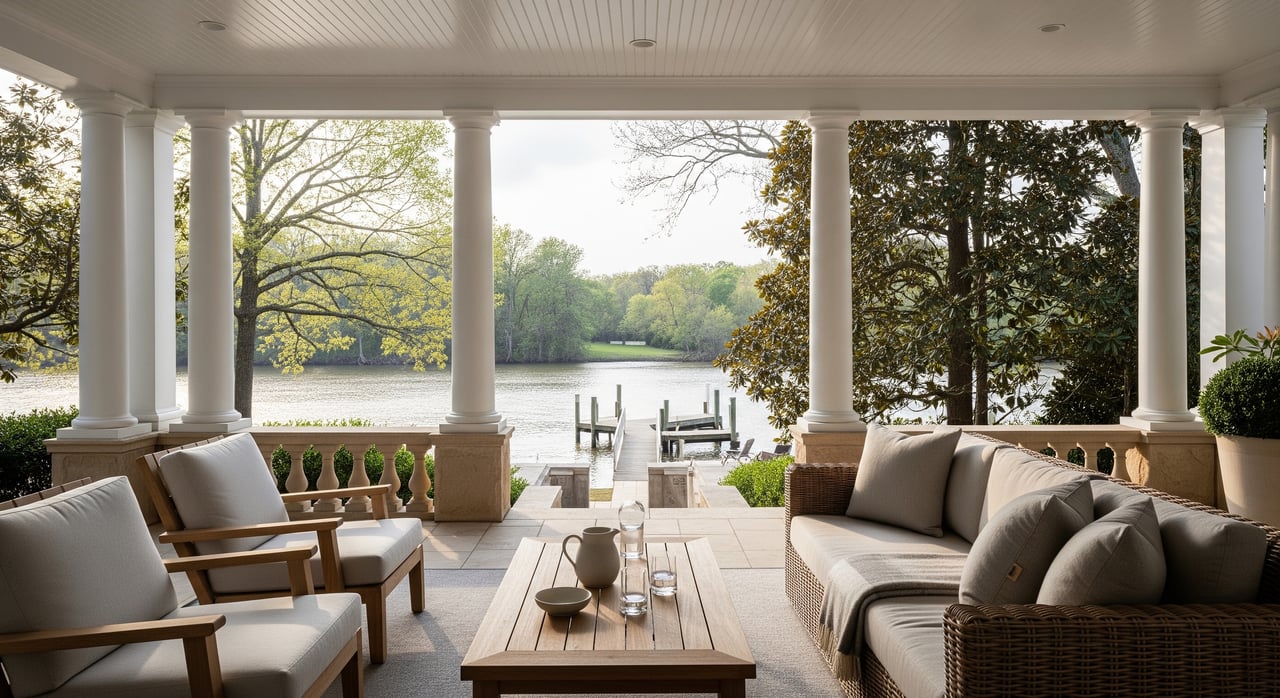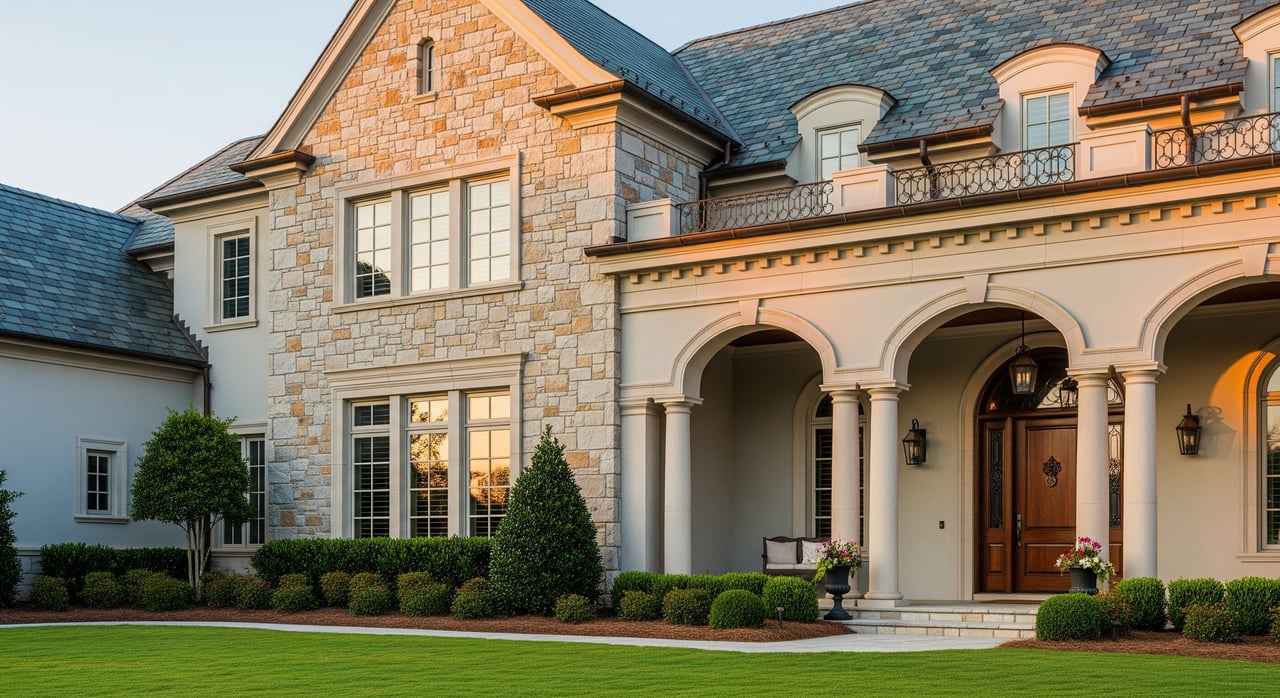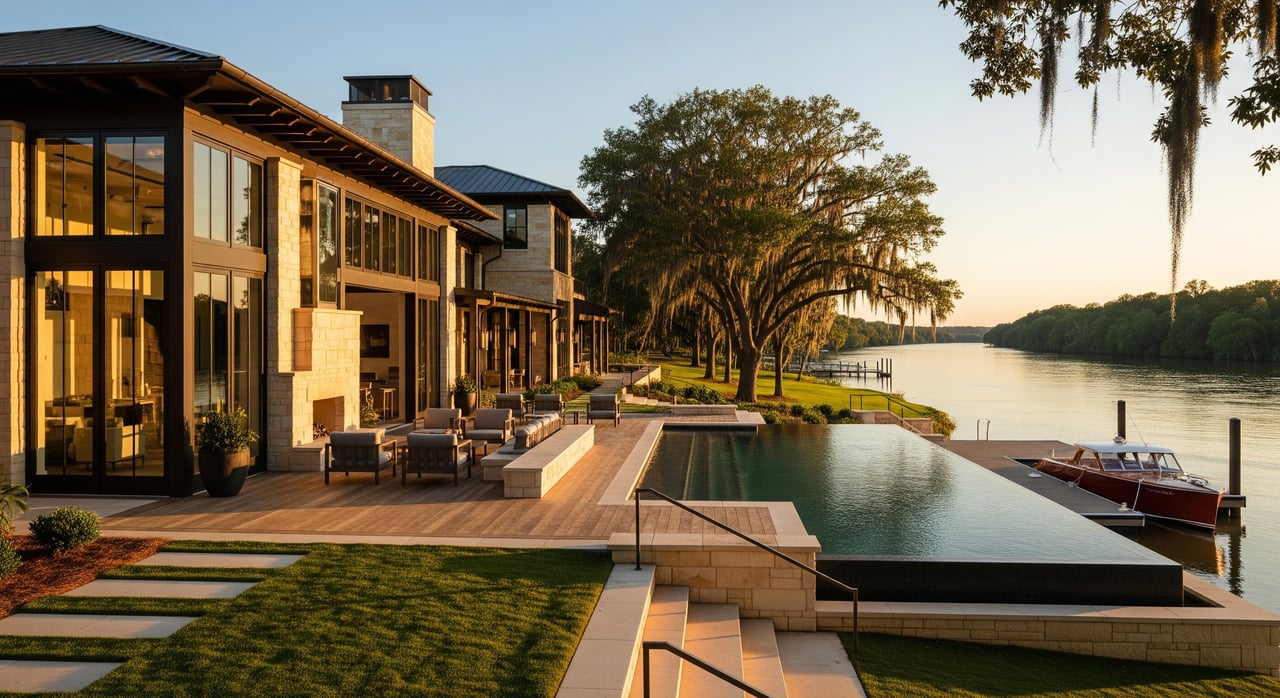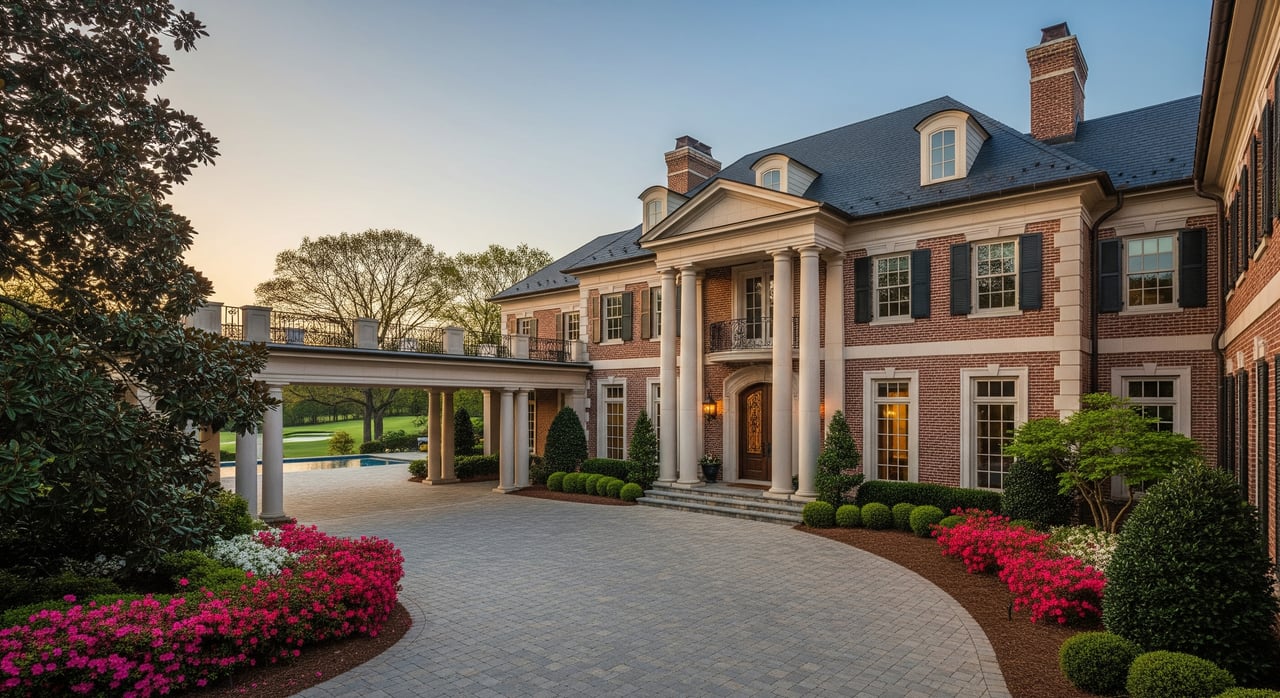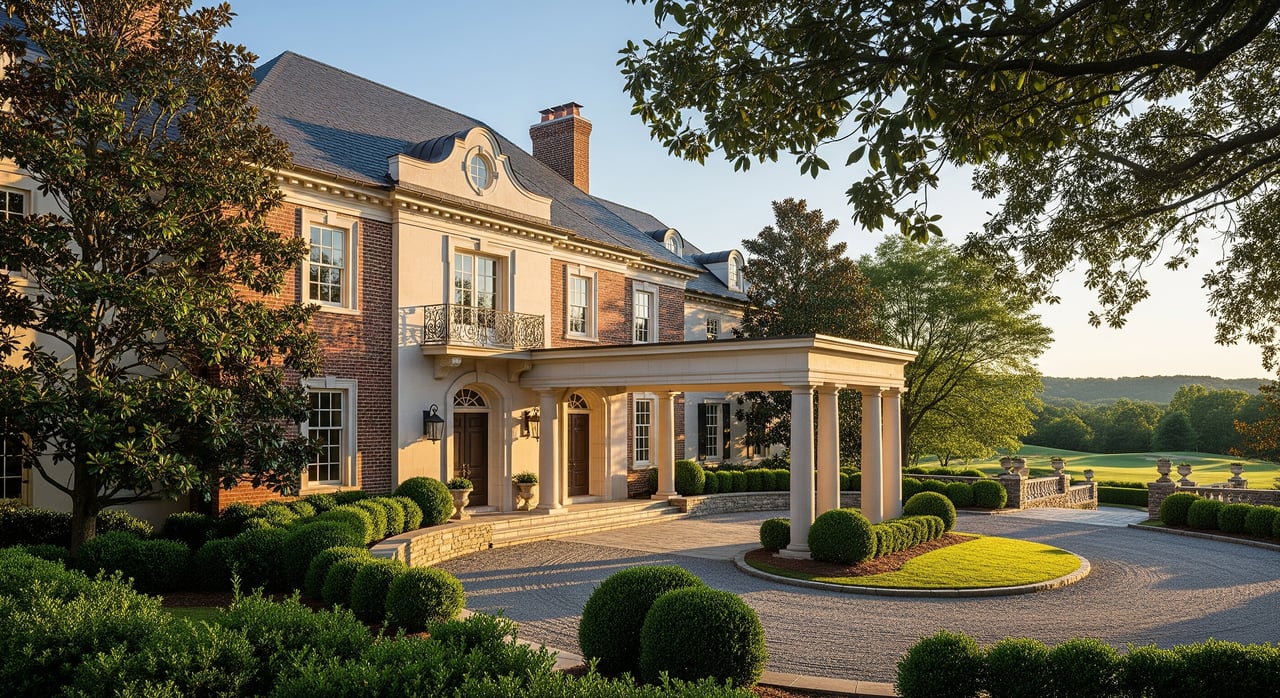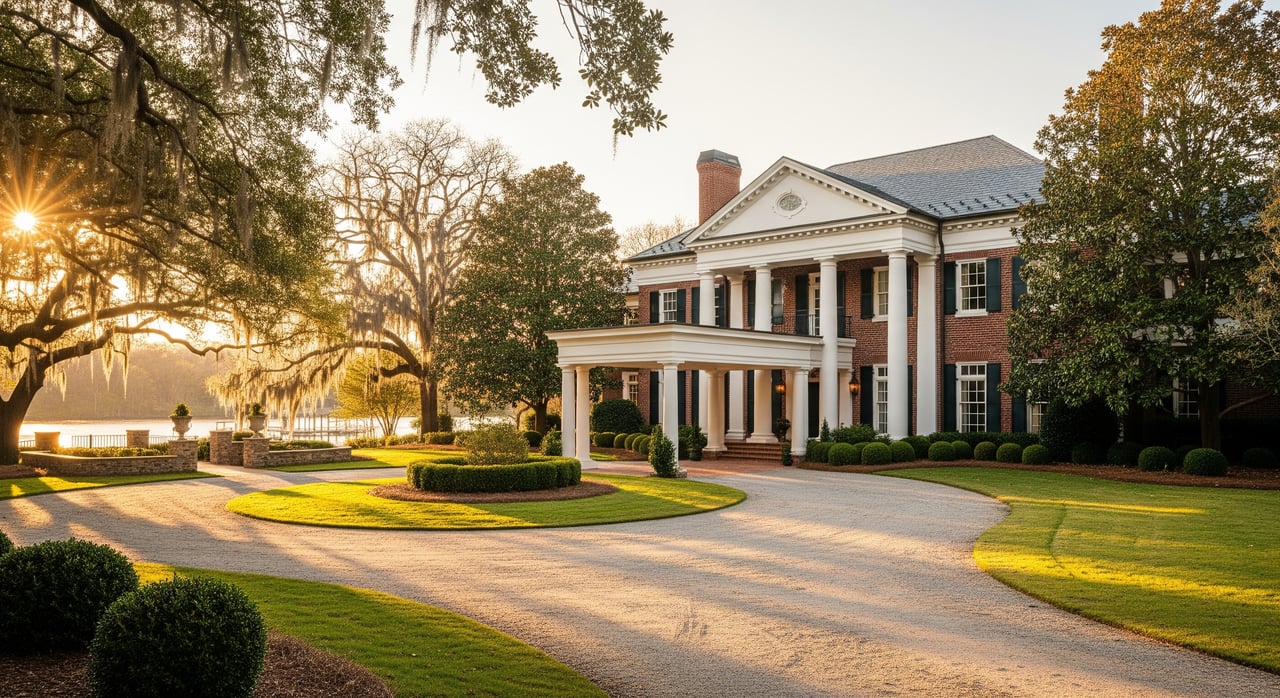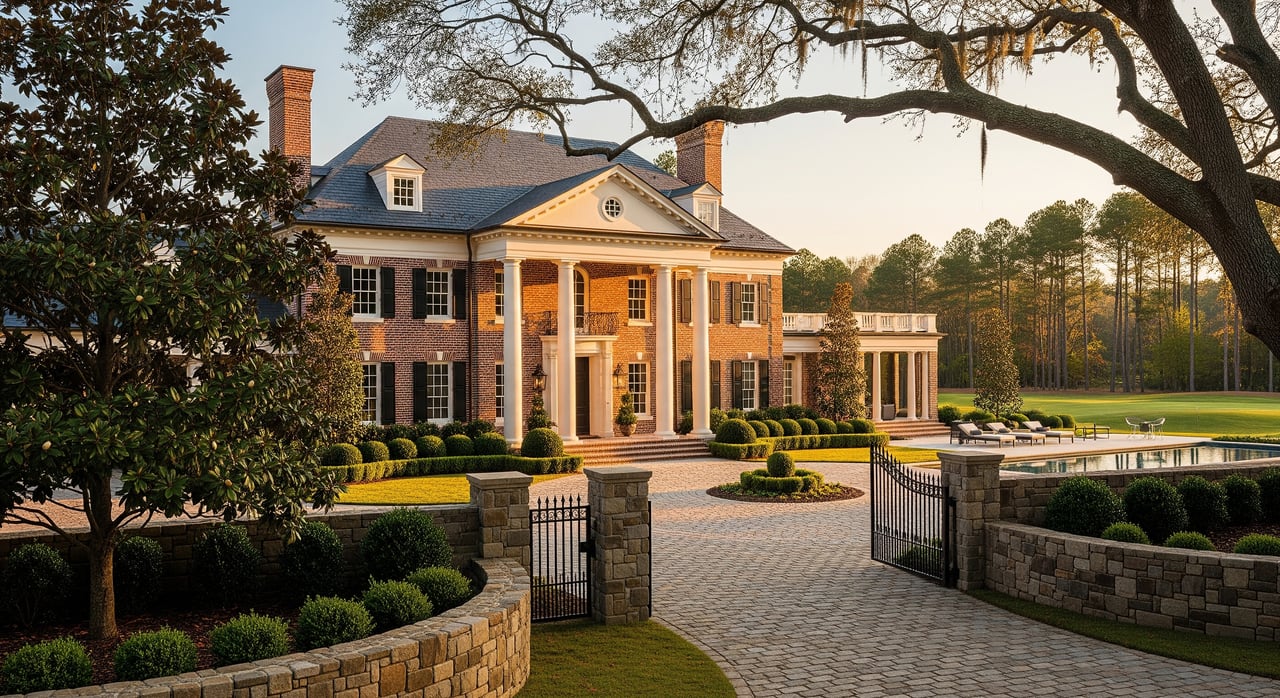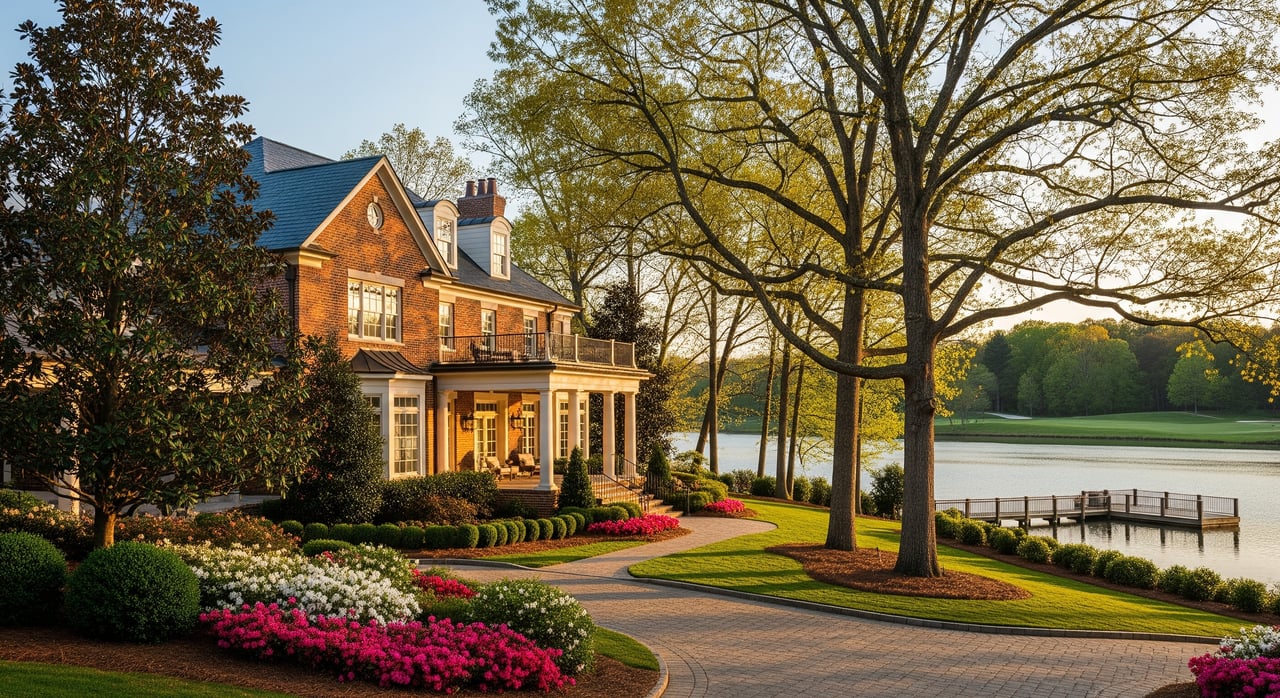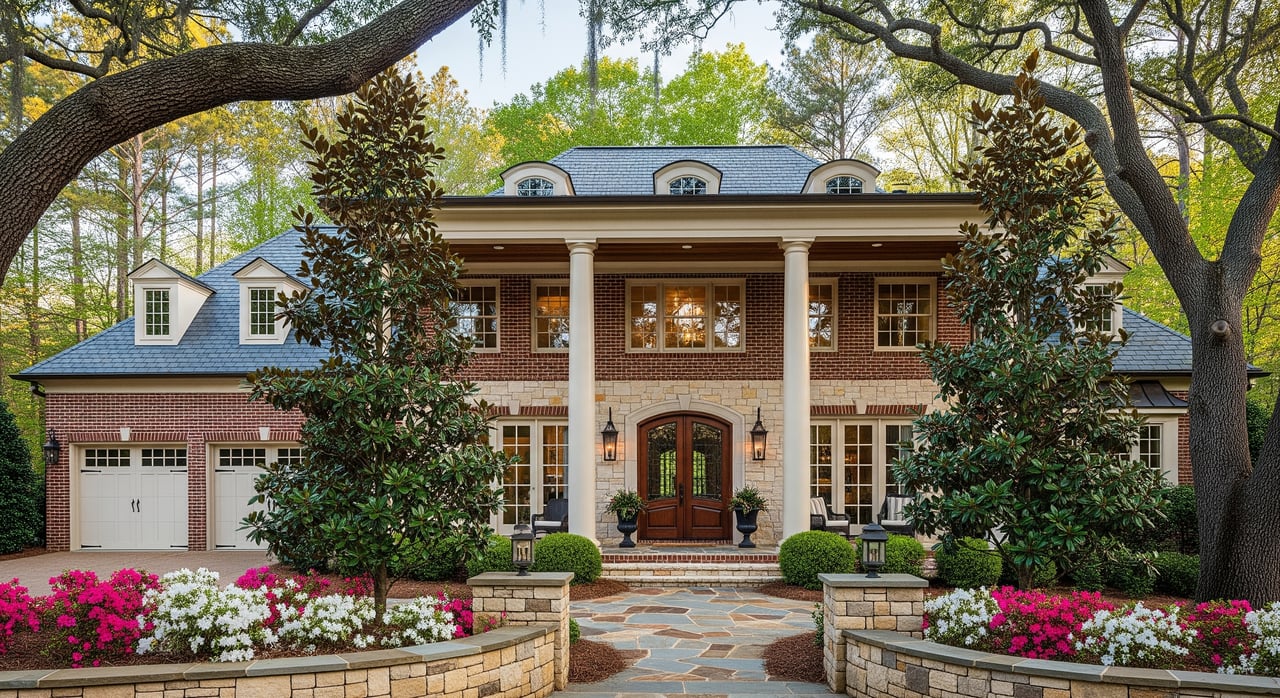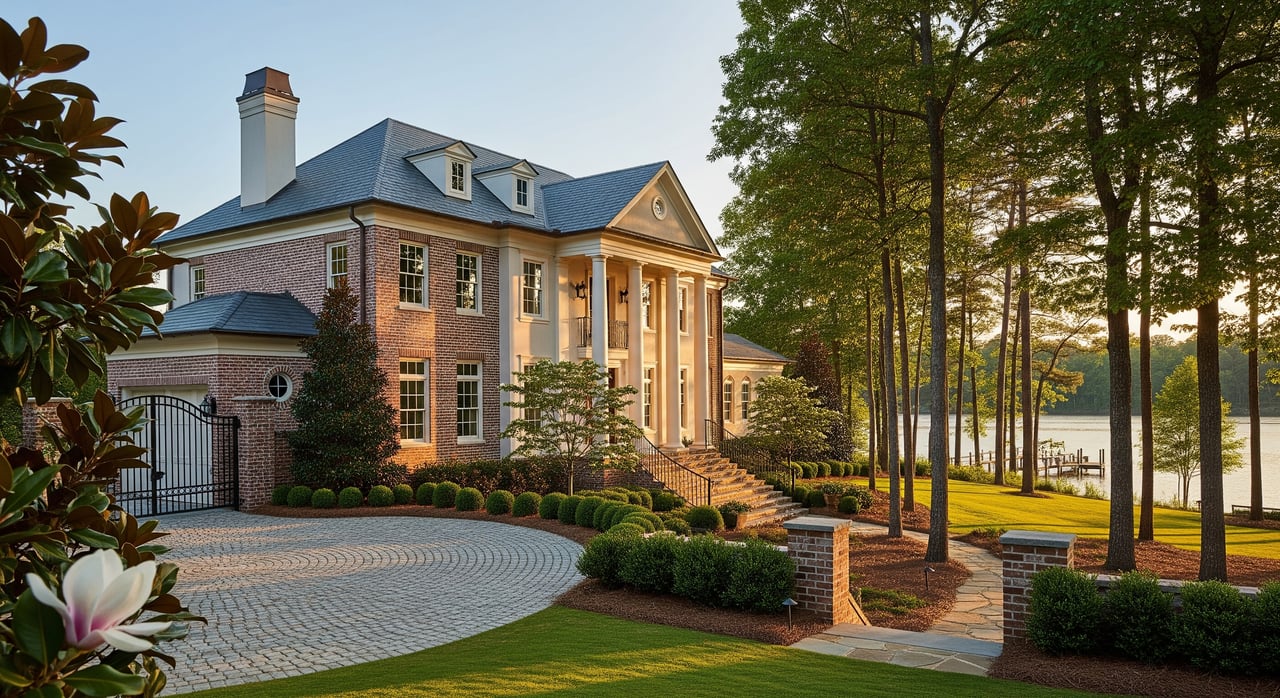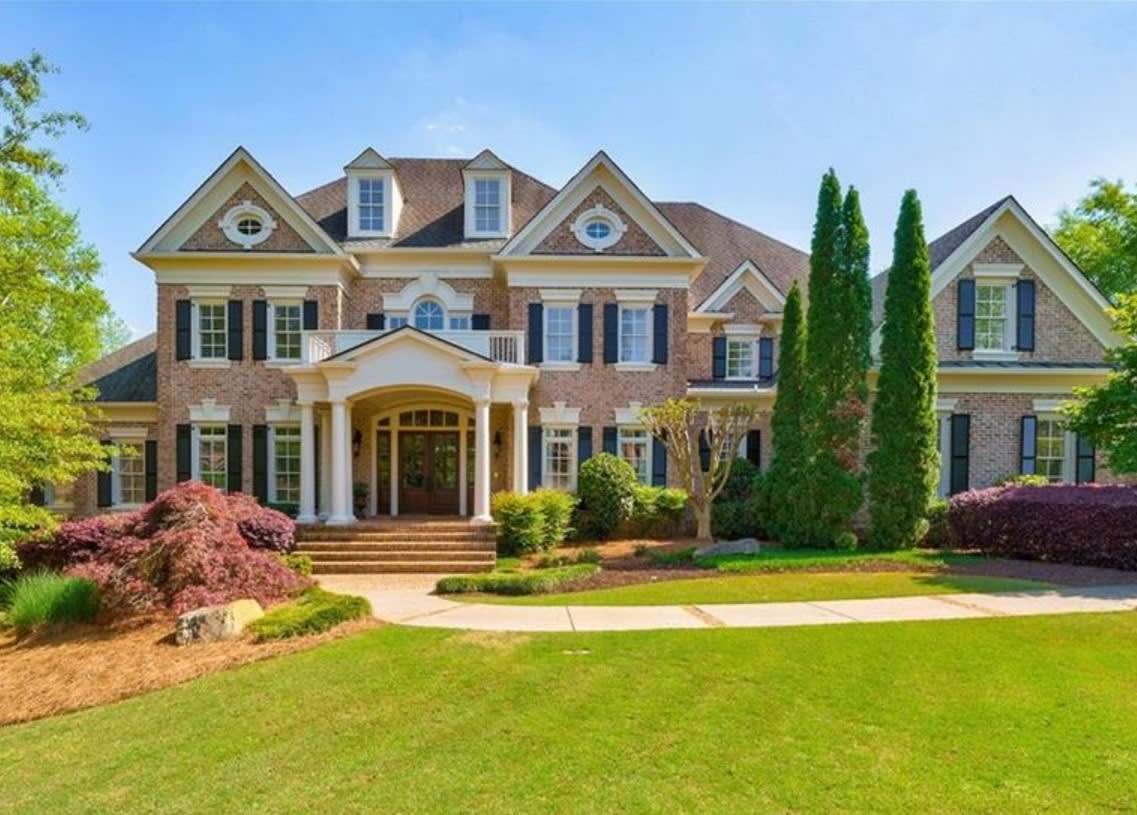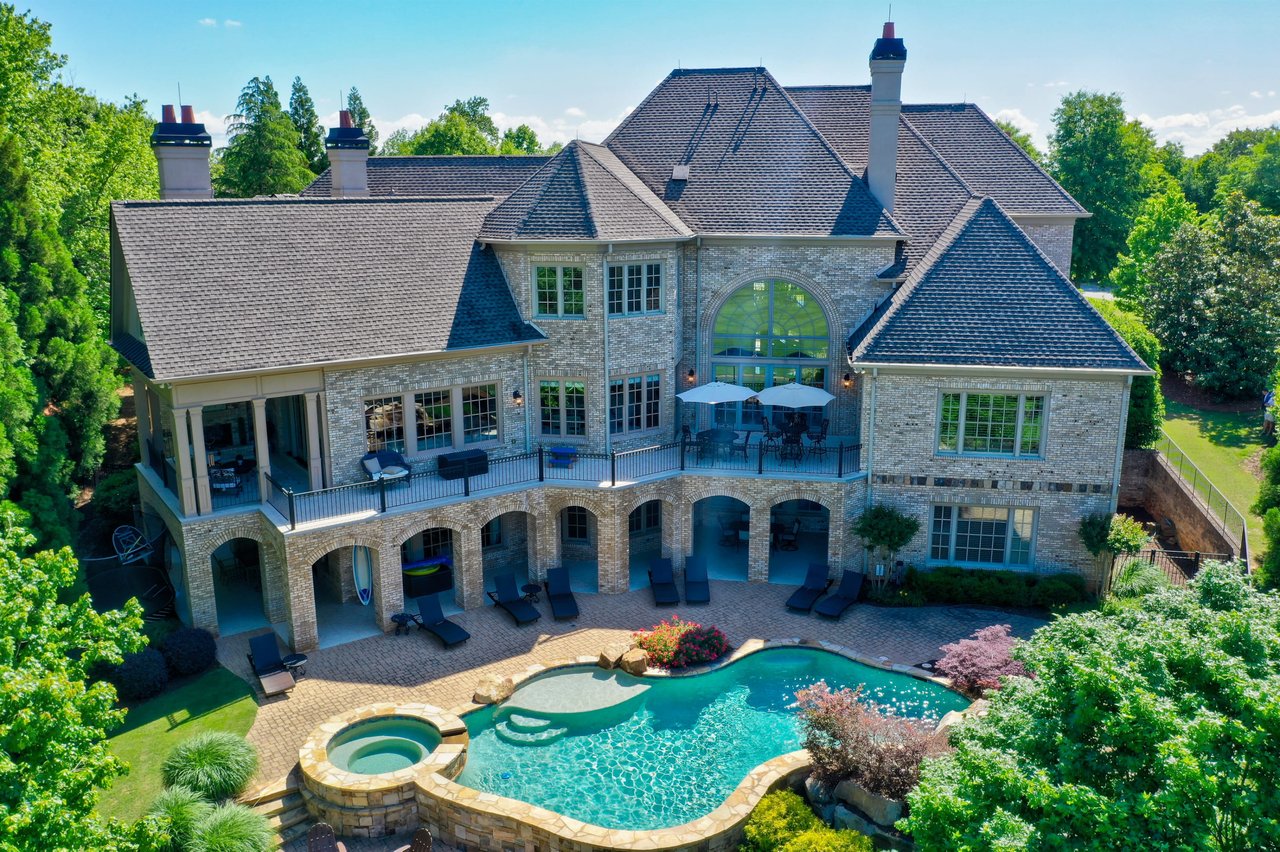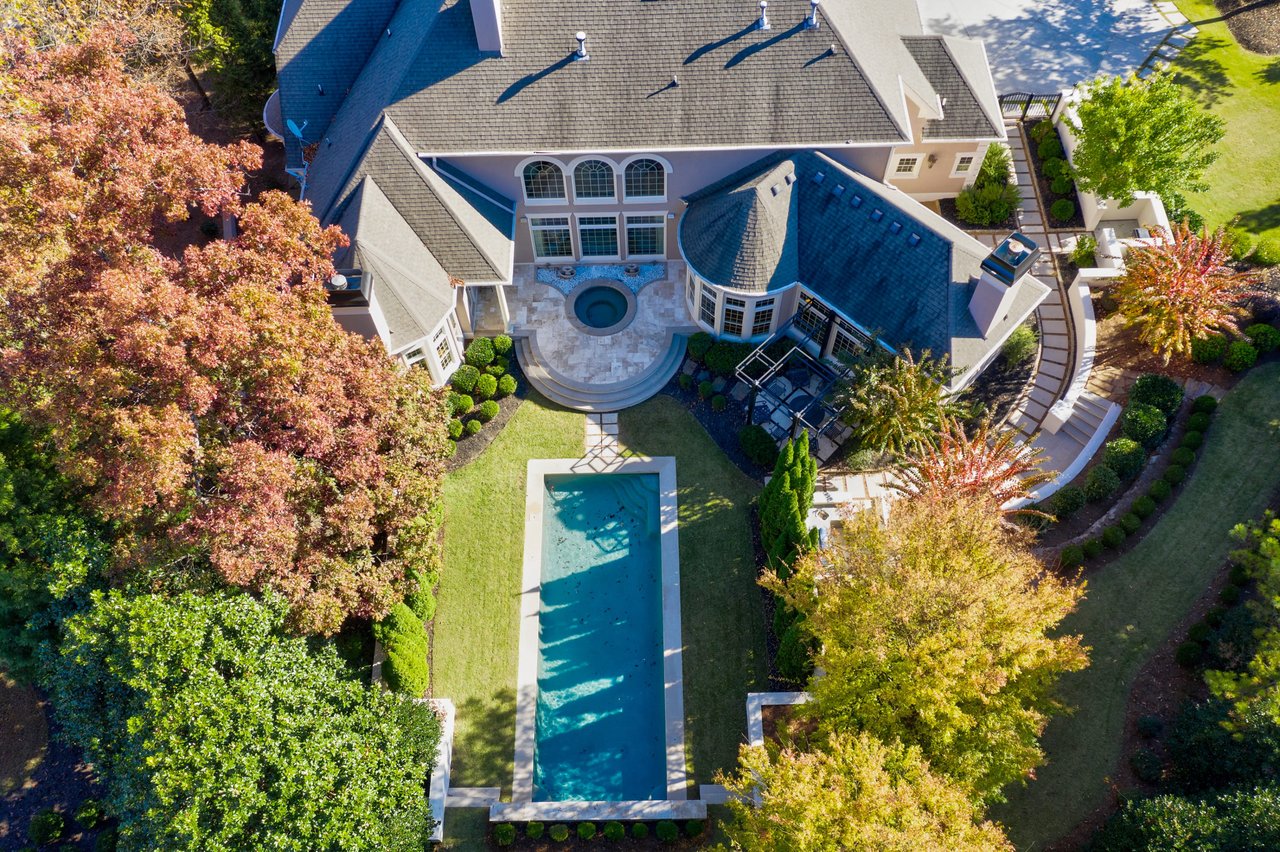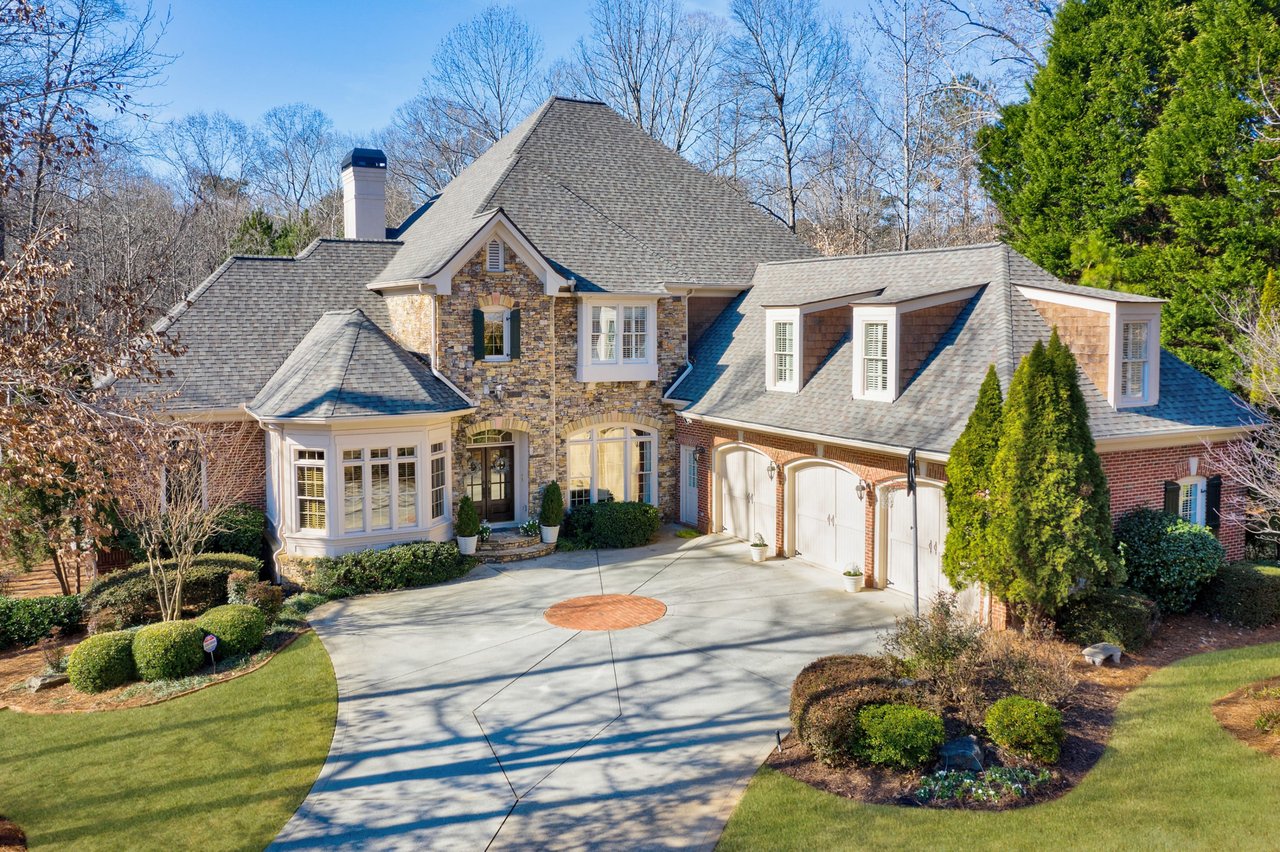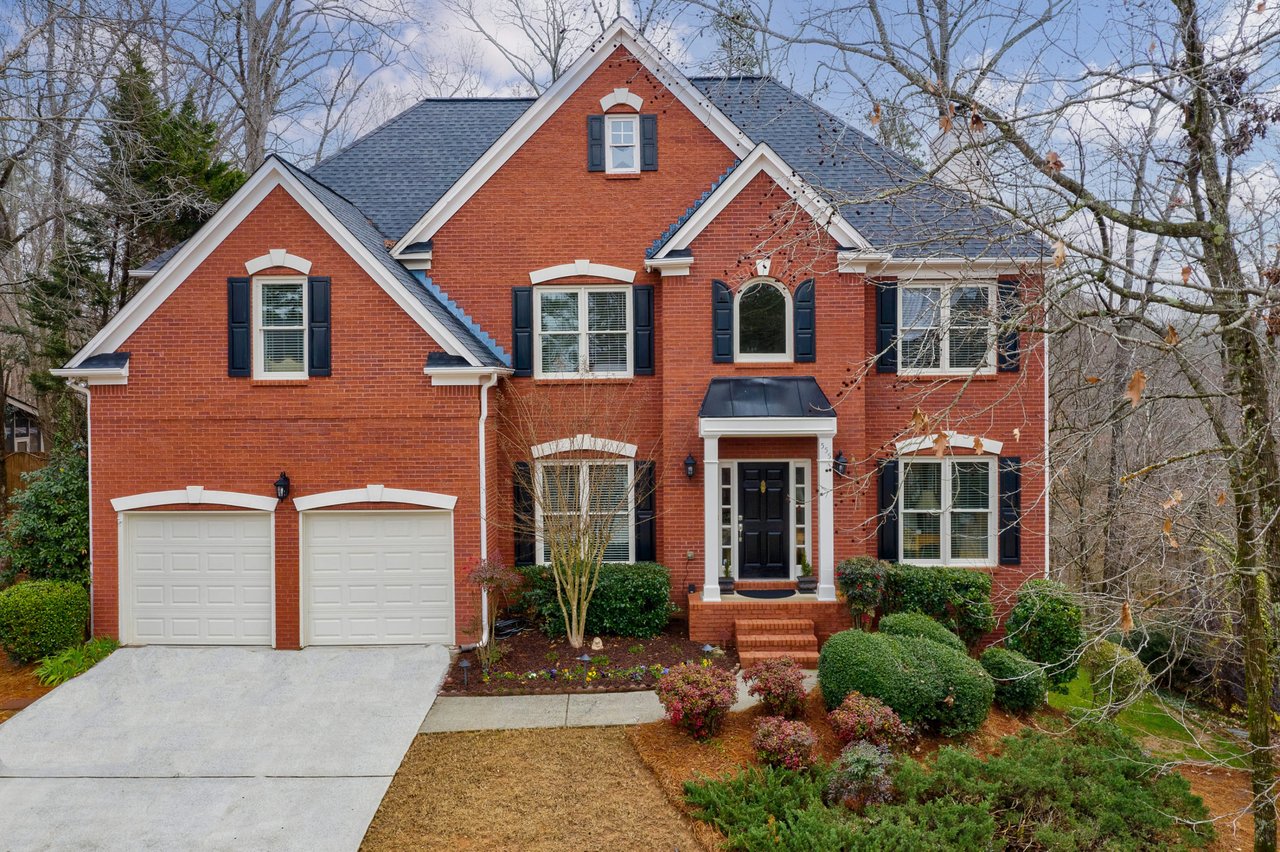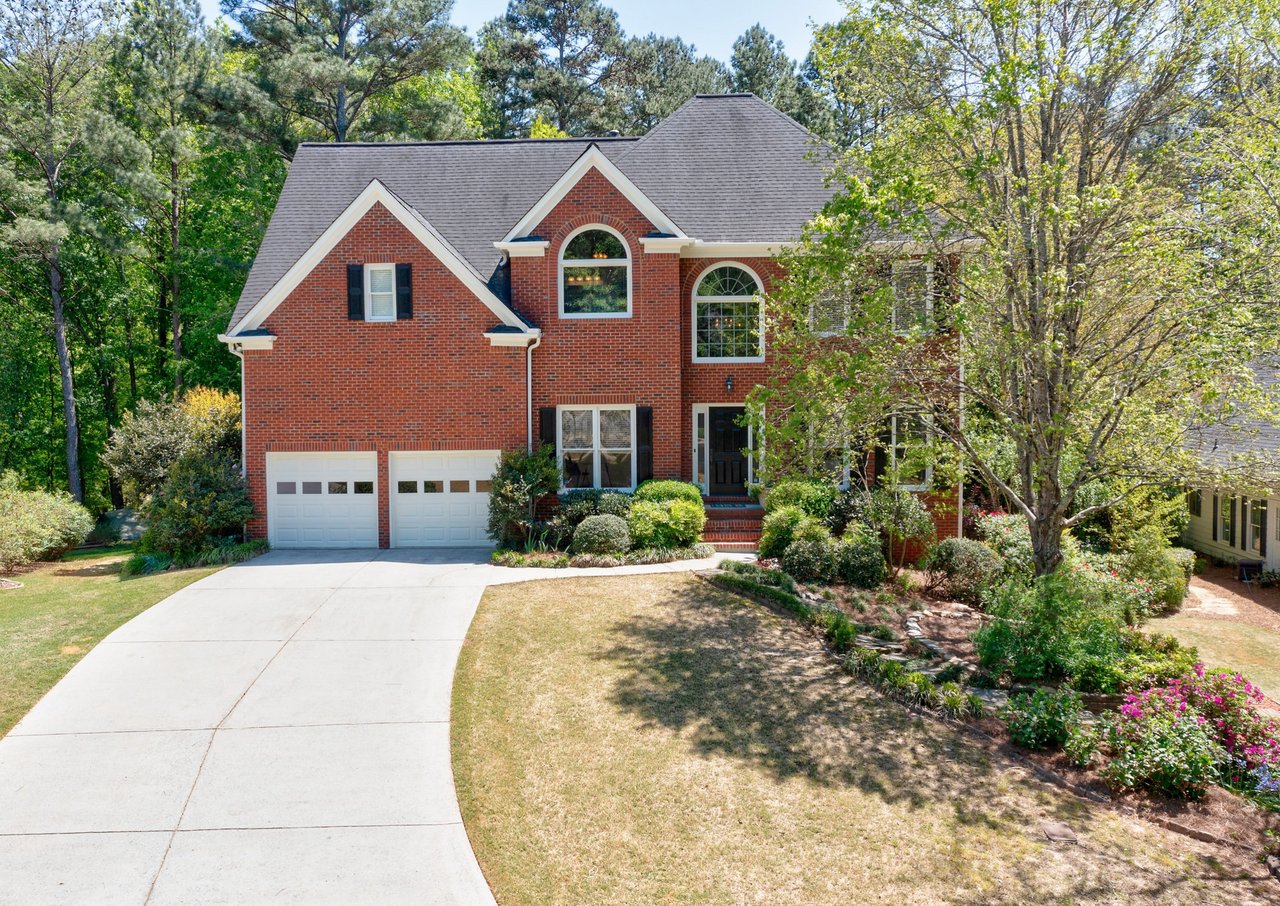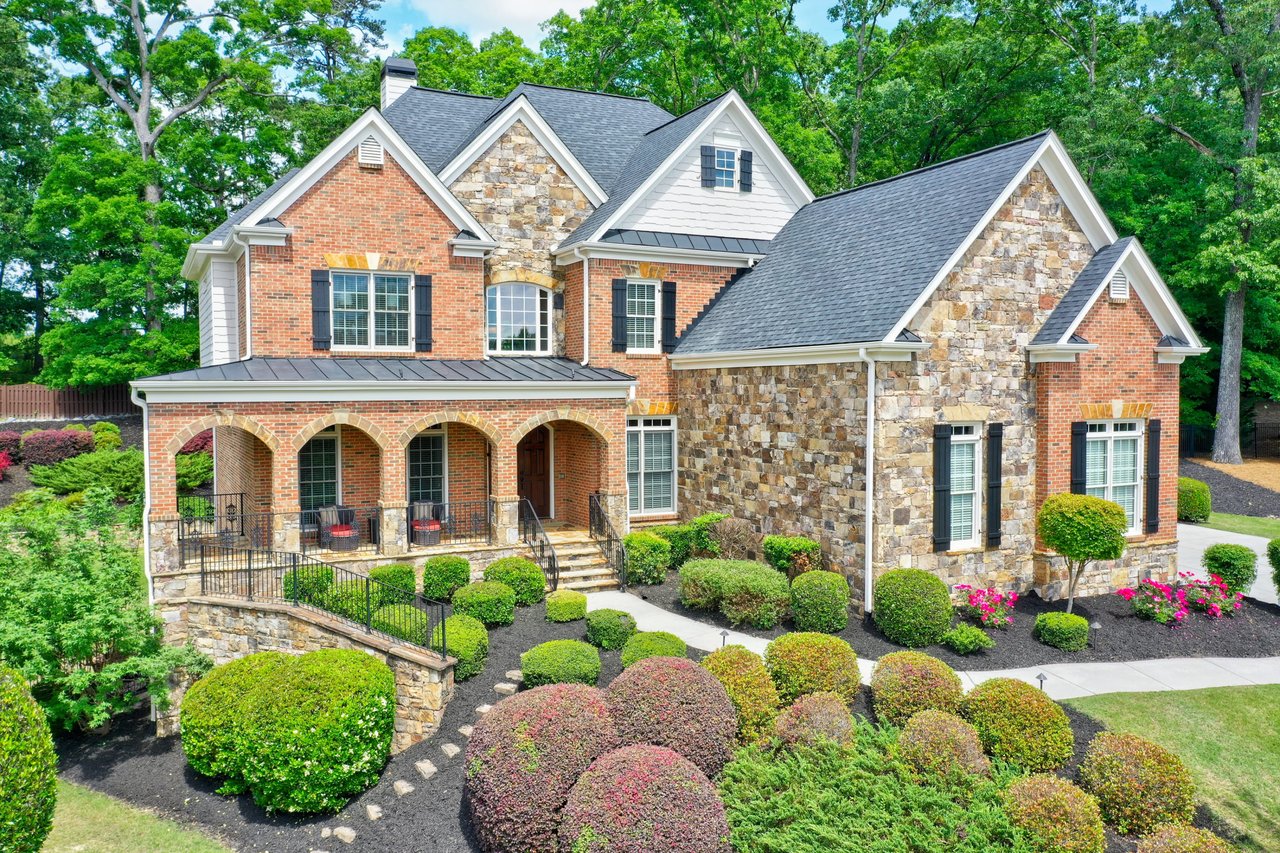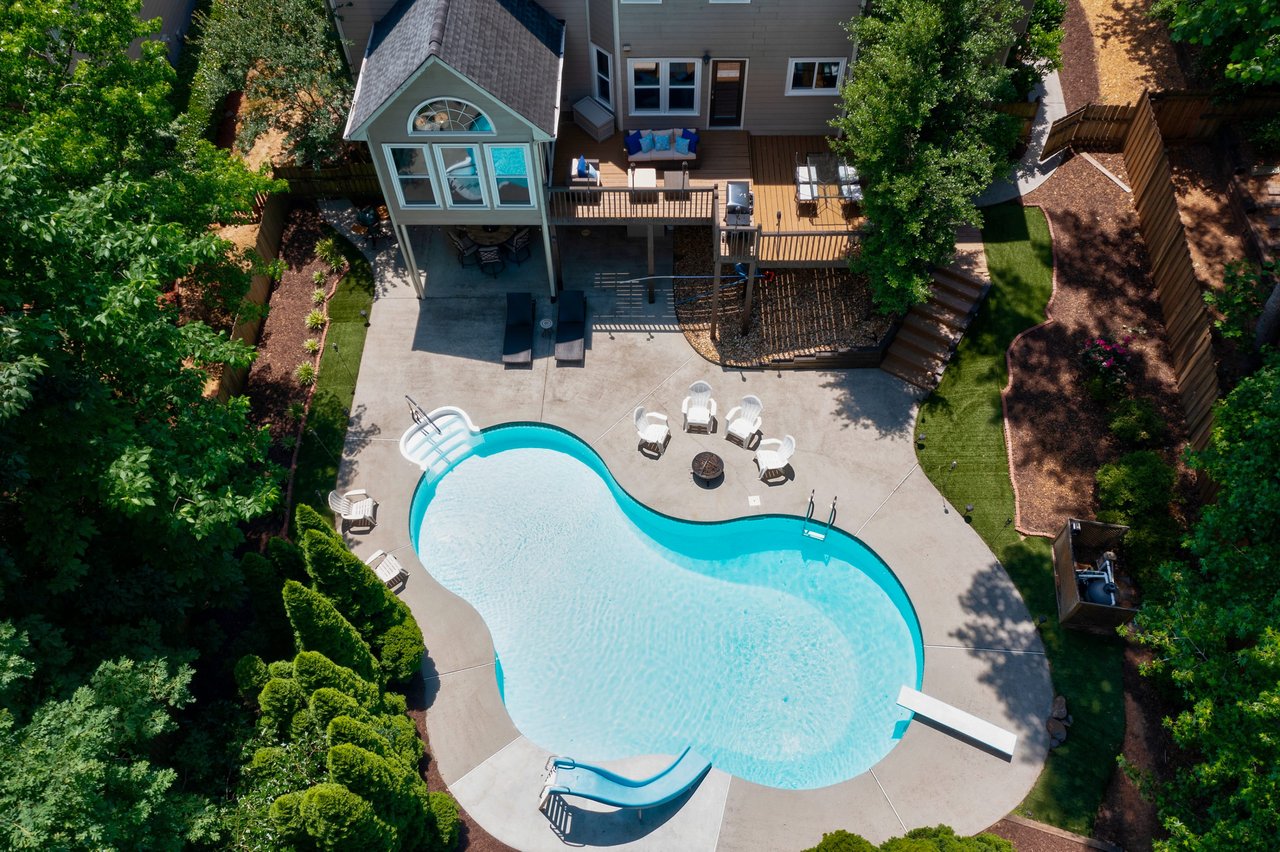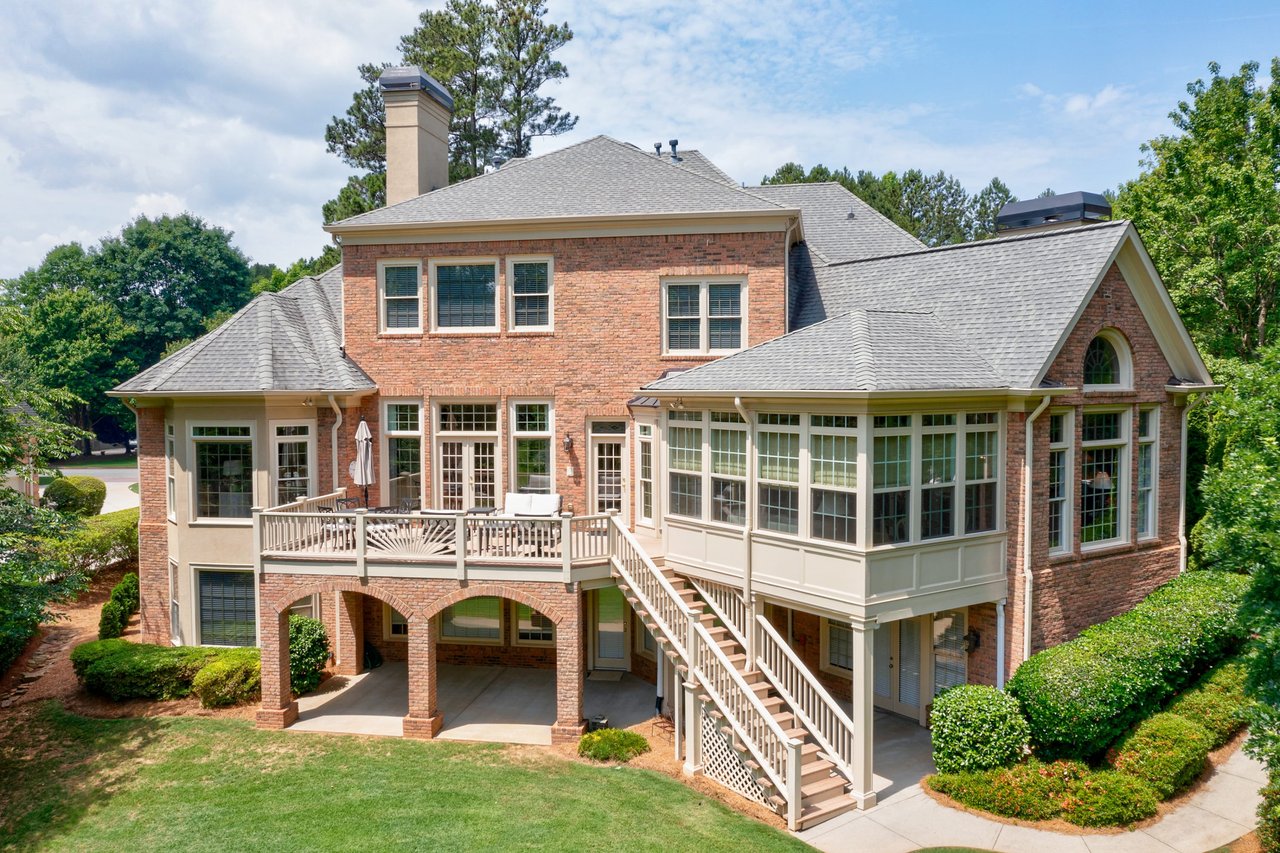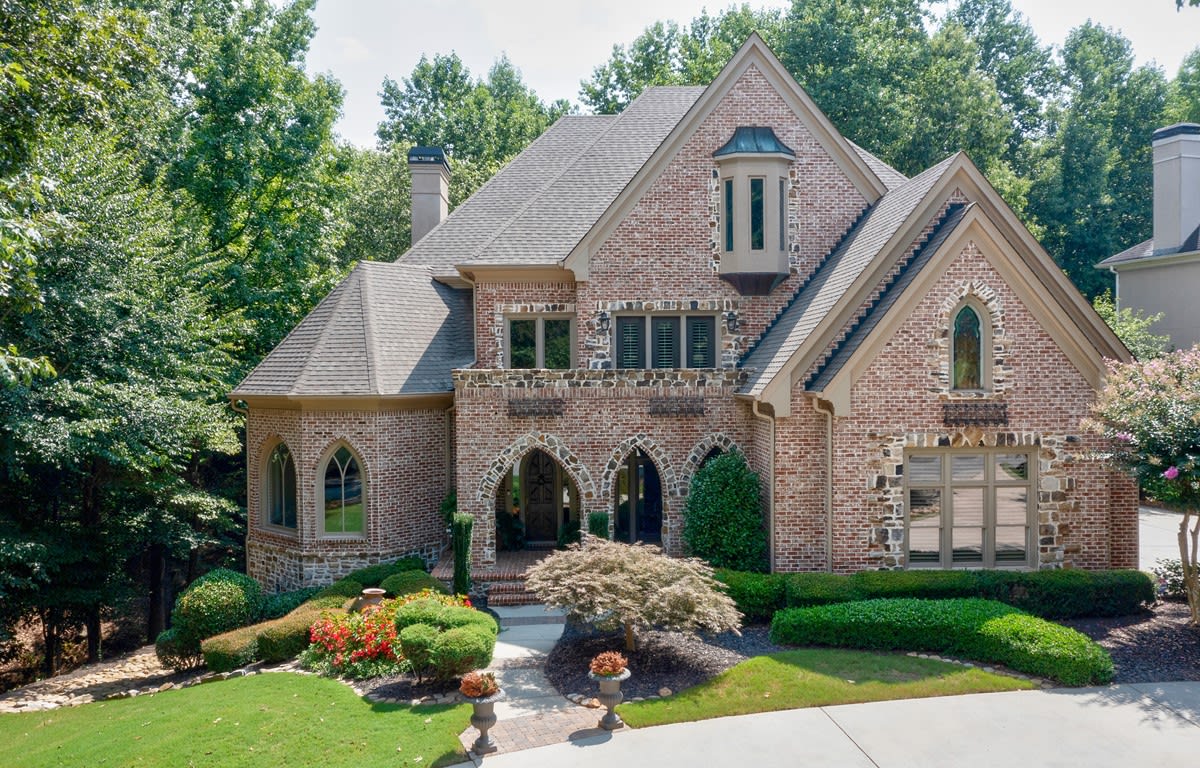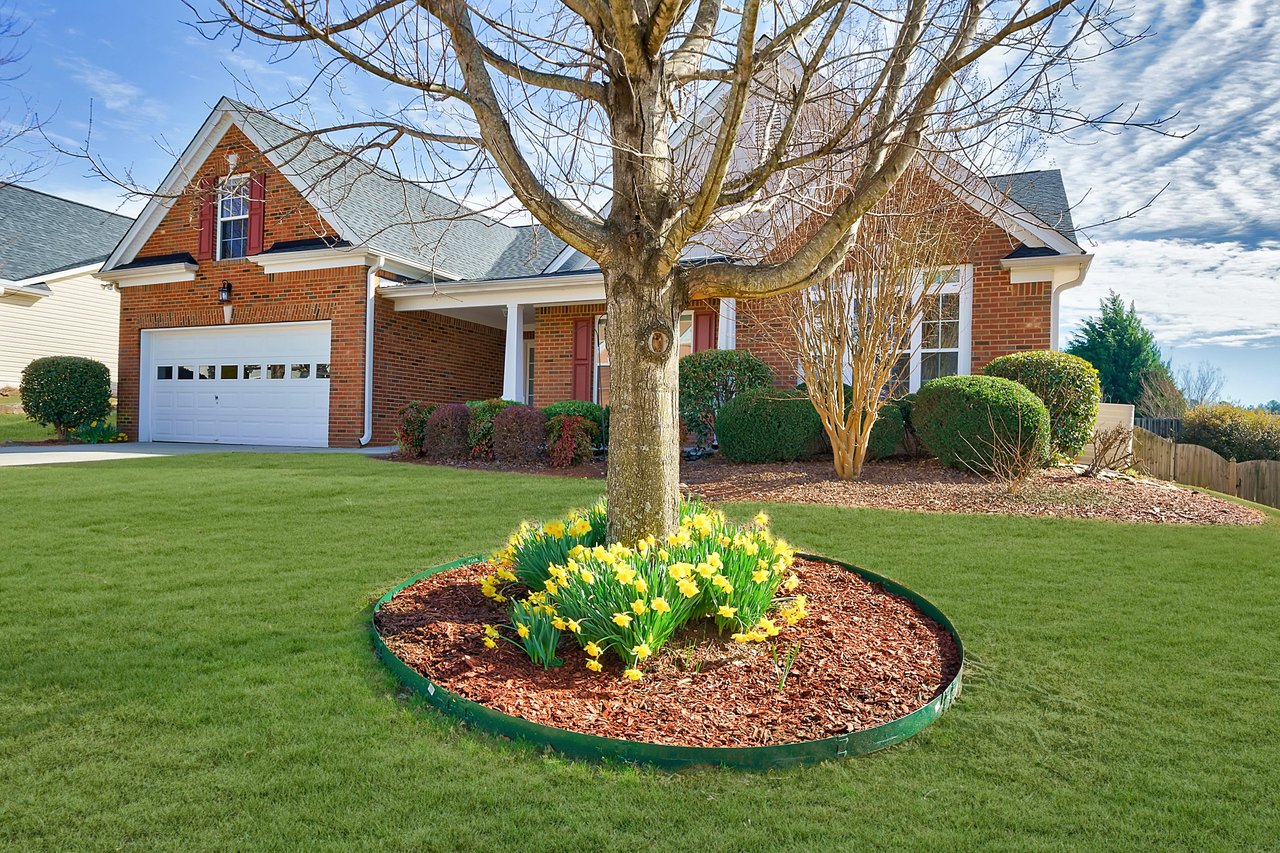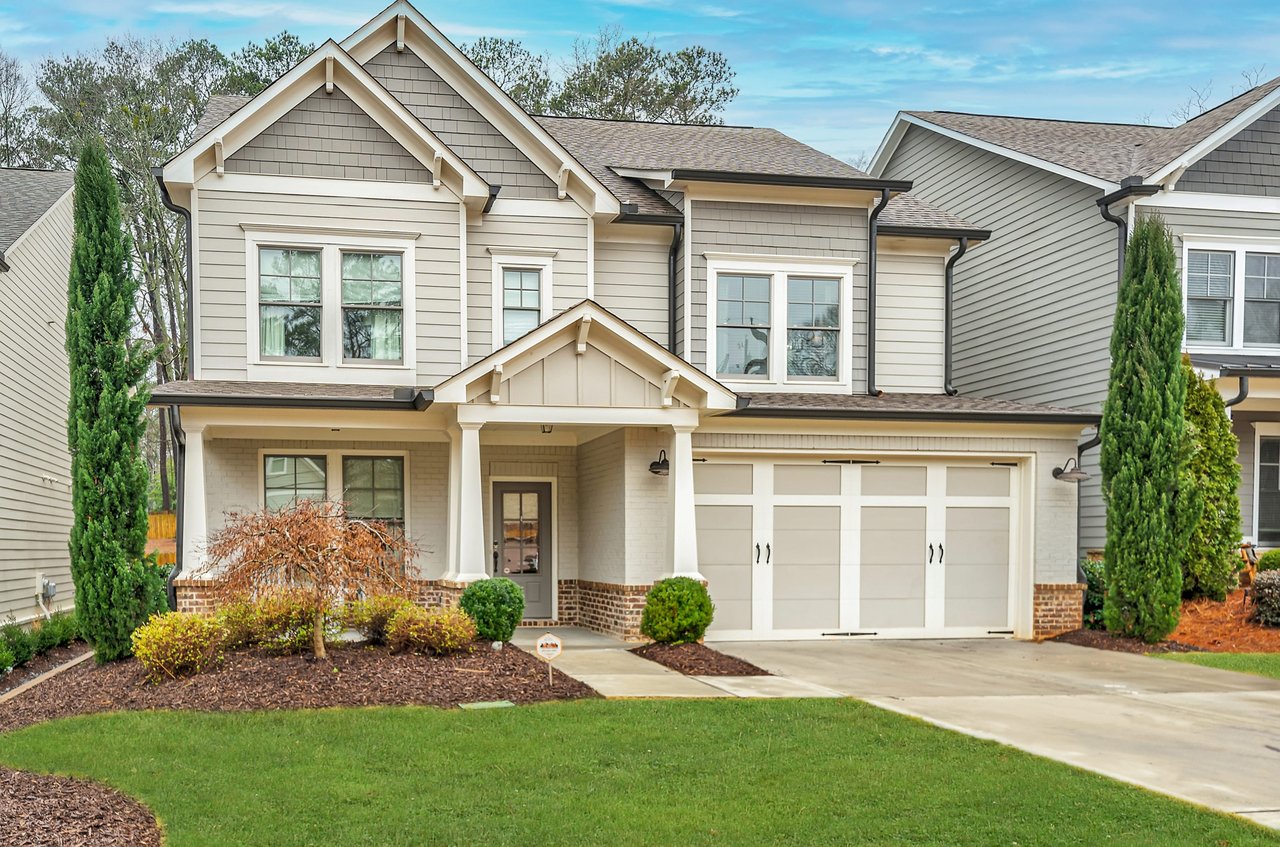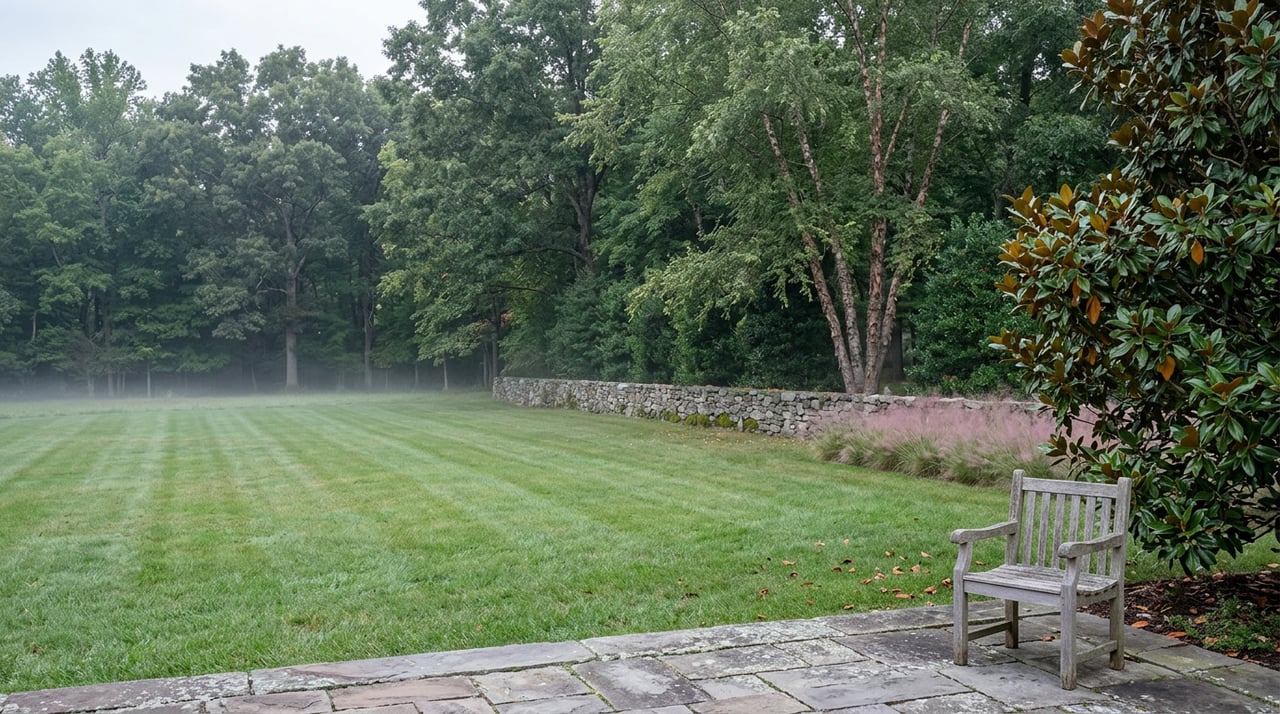
Ask five people what a "riverfront lot" in The River Club actually means, and you'll get five confident answers. Most of them assume the same thing: that a lot marketed as backing to the Chattahoochee means the property line runs to the water. In nearly every case, it doesn't.
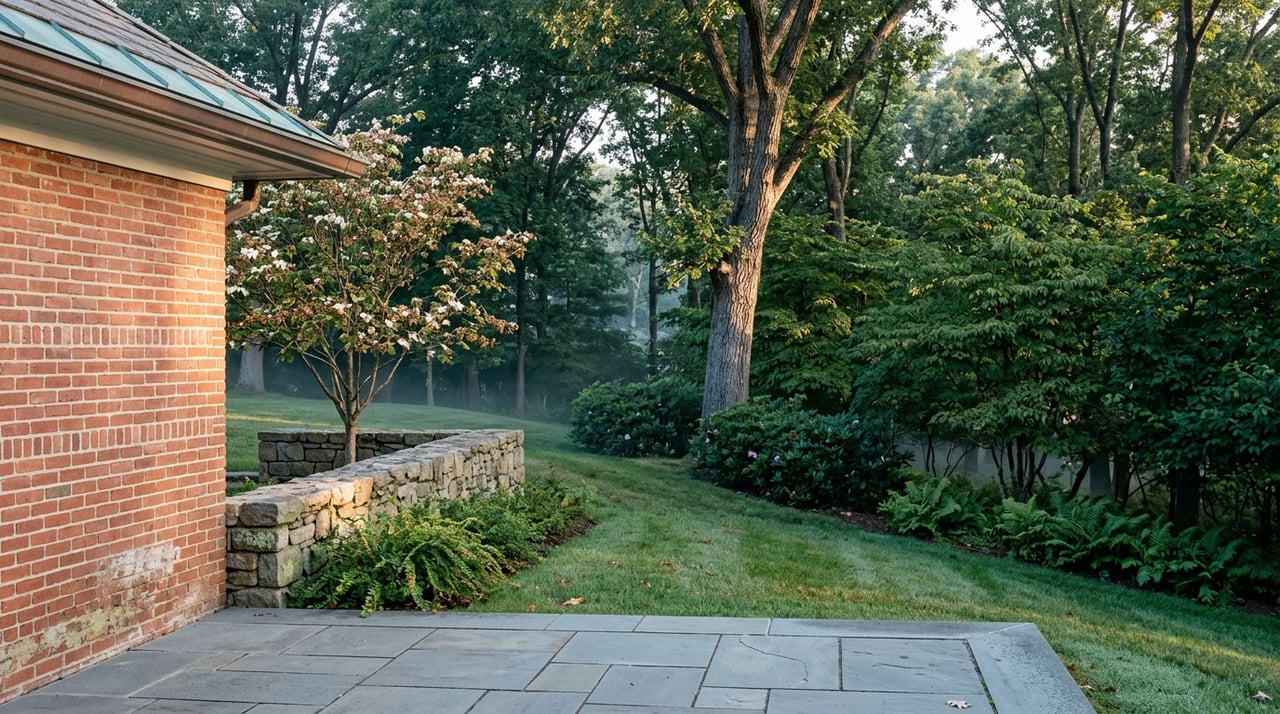
Between the rear lot lines in The River Club and the actual riverbank sits National Park Service land. The community's own 1.4-mile walking trail, one of its most photographed amenities, runs through that federal buffer rather than through anyone's backyard. So when a listing says a home "backs to the river," it usually means the lot backs to a protected corridor that happens to end at the water, not that the water itself is the boundary. That distinction sounds like a technicality until you decide to build something. The corridor is regulated, and the regulation follows the land no matter who owns it or what the listing photo shows.
The 2,000-Foot Line You Can't See From the Golf Cart
Georgia's Metropolitan River Protection Act, passed in 1973, created a 2,000-foot corridor along both banks of the Chattahoochee between Buford Dam and Peachtree Creek. Suwanee sits inside that stretch of river, which means a meaningful portion of the lots in The River Club, particularly those near the back nine and the river trail, fall at least partly inside the corridor.
Gwinnett County administers the actual permit review, and its own guidance describes the test in plain terms: if any part of a lot sits within 2,000 lineal feet of the river, the county treats it as inside the corridor. A buyer or agent can check this directly through the county's GIS Data Browser under the "Chattahoochee River Corridor" planning layer before an offer ever gets written.
What Changes Once You're Inside the Line
The corridor comes with two hard numbers. According to Examining the Effects of the Metropolitan River Protection Act on Land Cover Trends Along the Chattahoochee River, a 50-foot undisturbed natural buffer runs along the river itself, and a separate 150-foot impervious surface setback limits how close driveways, patios, pools, and other hardscape can sit to the bank. Gwinnett County's own permit forms for deck additions and accessory buildings state that anyone building inside the corridor must submit a scaled Location Plan showing the buffer, the setback, and existing impervious footage before Development Review will approve work that would be routine anywhere else in the county.
Tree removal follows the same pattern. Gwinnett County's tree removal guidance says a homeowner outside the corridor can generally remove a living tree from occupied property without a county permit. Inside the corridor, that same tree requires approval first, and if it's already dead, the guidance limits removal to hand tools, no heavy equipment.
In practice, the corridor changes the paperwork behind these projects:
- Adding or enlarging a pool
- Building or expanding a deck or patio
- Constructing a detached structure like a pool house or sport court
- Removing living trees, even your own
- Any grading or land-disturbing work within the setback
None of this shows up in a listing description. All of it shows up the first time a homeowner calls a contractor.
| Interior or Golf-Frontage Lot | River Corridor Lot | |
|---|---|---|
| Pool addition | Standard county permit | Location Plan and corridor review required before permit |
| Tree removal | Homeowner discretion in most cases | County approval required; dead trees removable by hand only |
| Setback from rear line | Standard zoning setback | 50-ft undisturbed buffer plus 150-ft impervious setback |
| Additional review time | None beyond standard permitting | Extra weeks for Location Plan approval, longer if a variance is needed |
What This Looks Like on an Actual Build
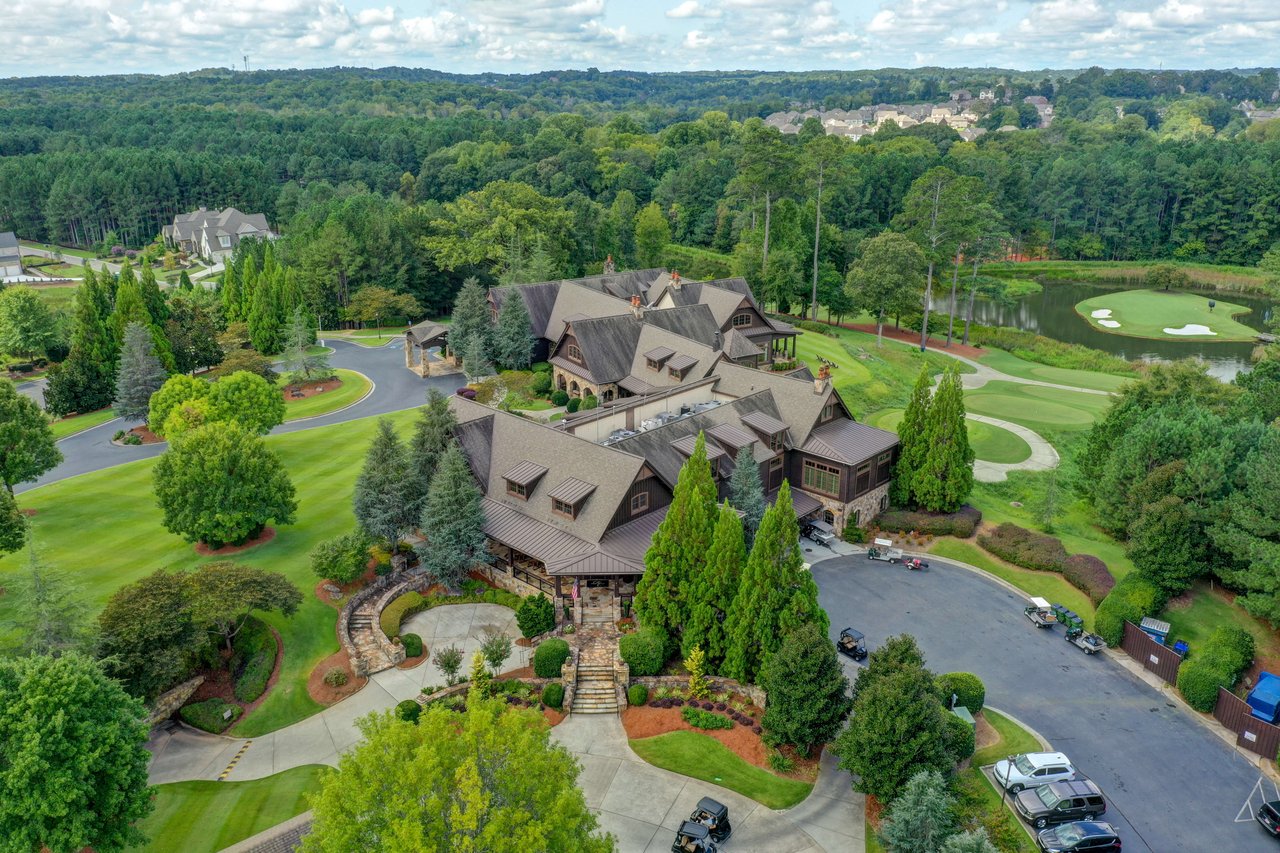
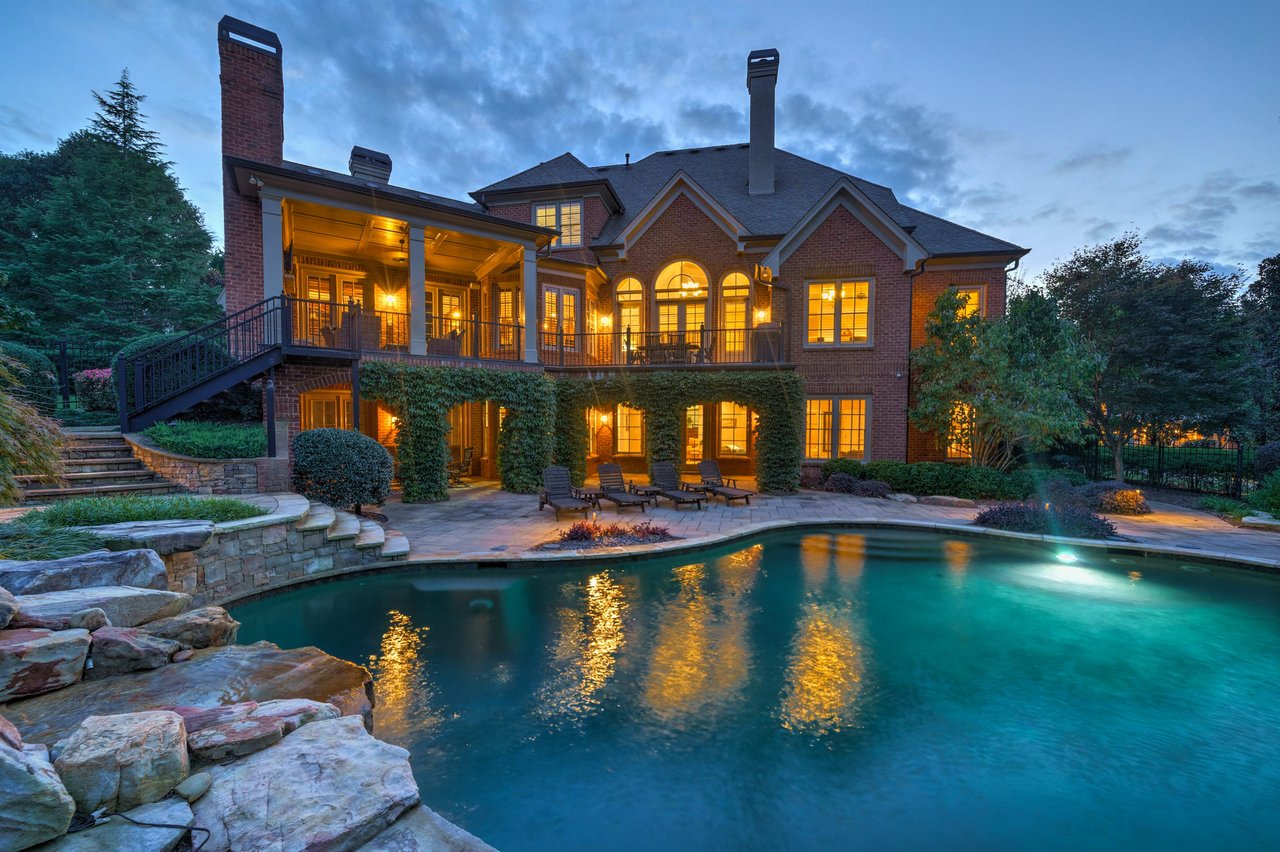
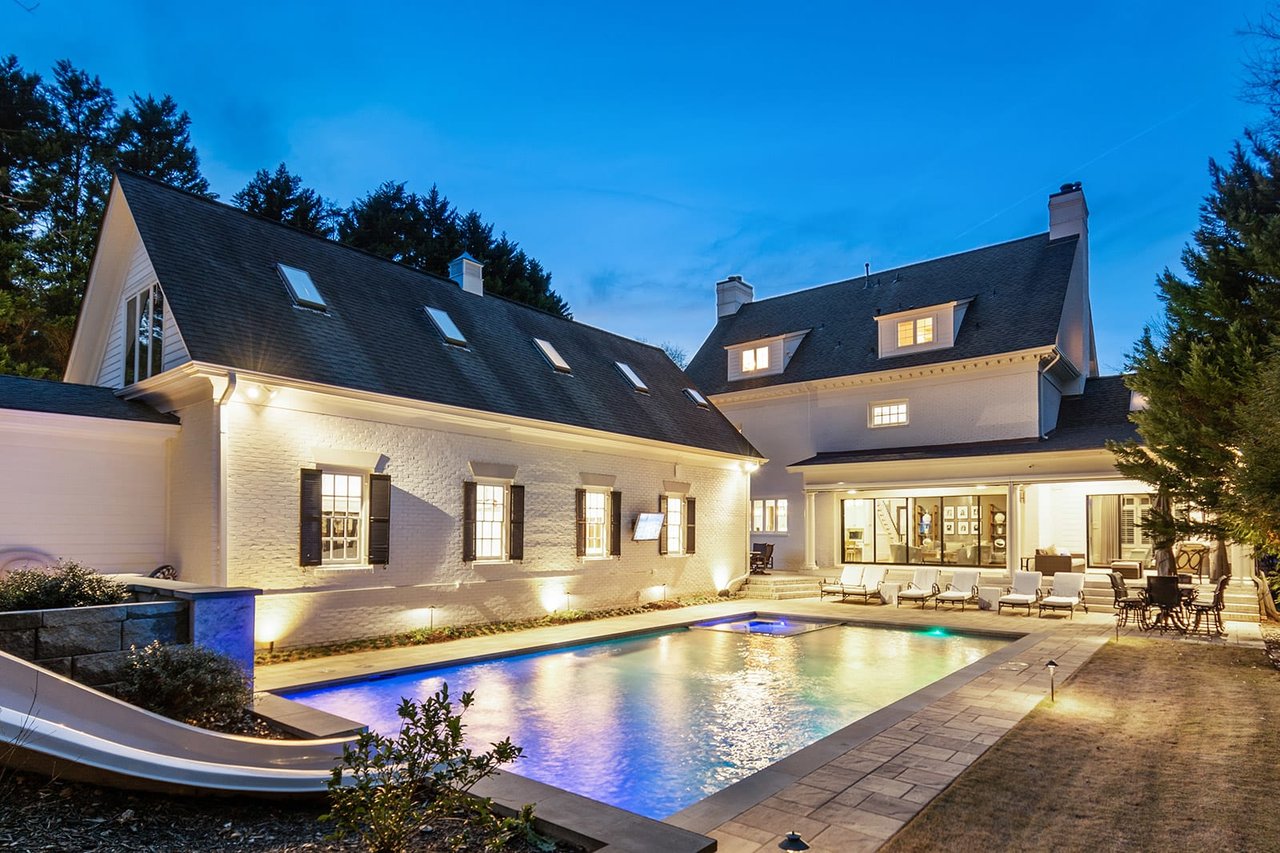
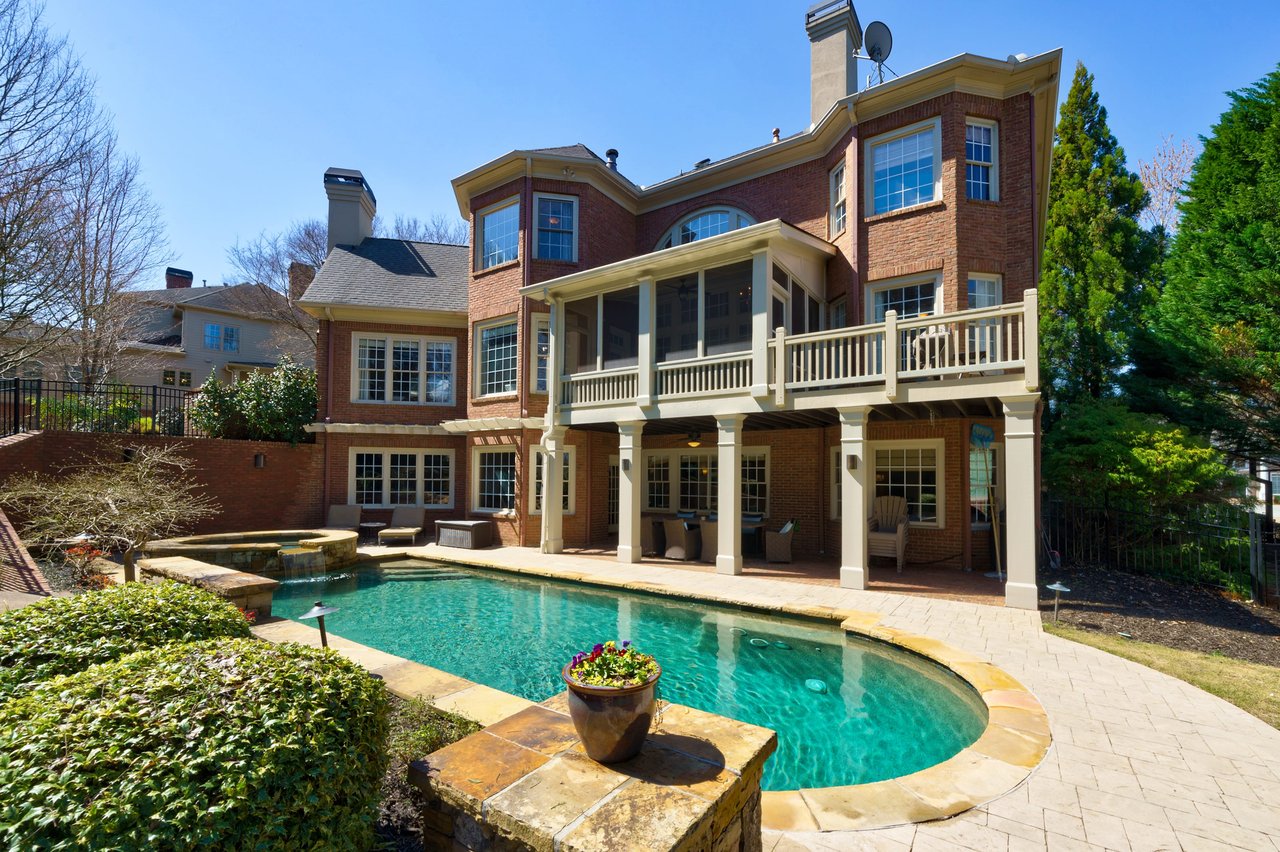
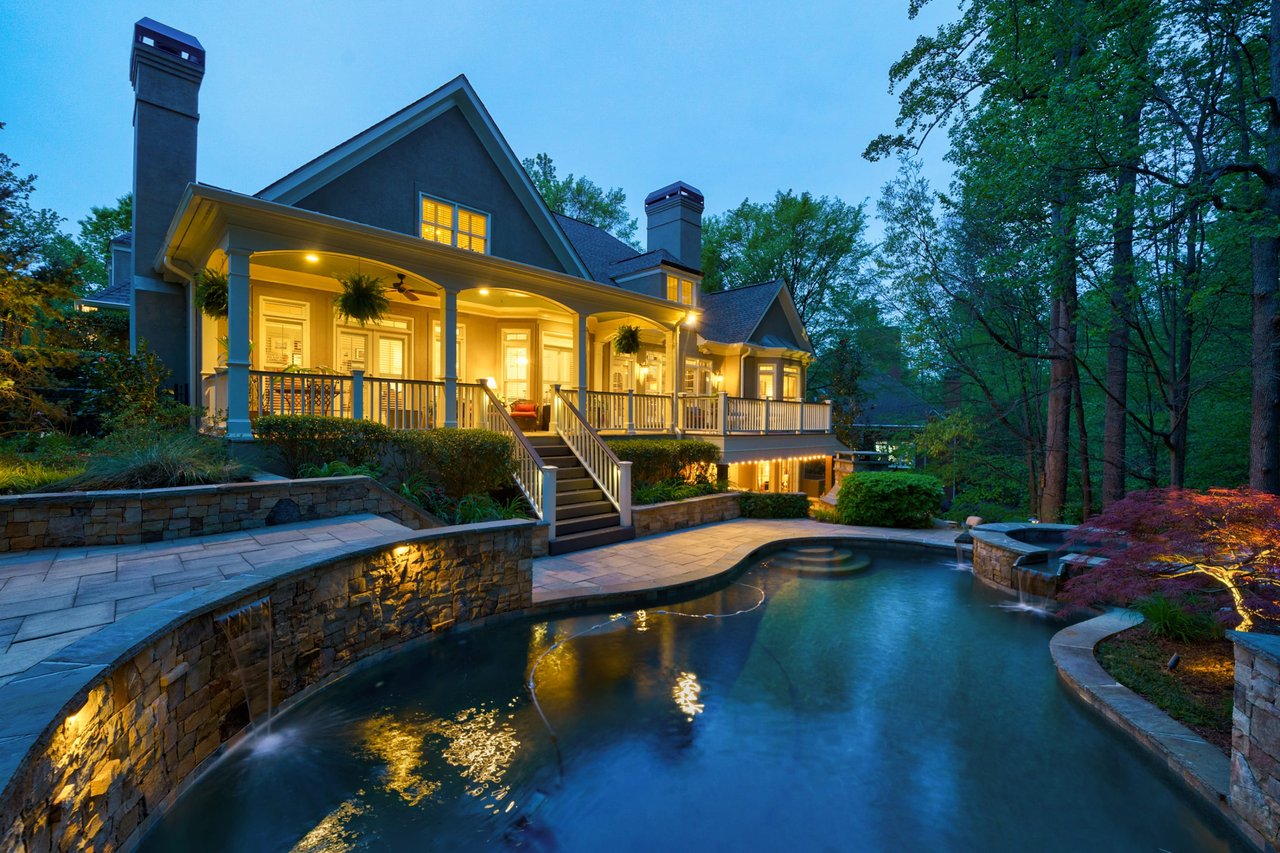
This isn't only a matter of ordinance language. Primetime Pools GA, a Suwanee-based pool and landscape contractor, has described working on River Club estates where the difference plays out on the ground. The community sits off Settles Bridge Road with lots typically running 1 to 3 acres, most backing to Greg Norman's fairways or the river corridor. A portion of the lots nearest the river fall inside FEMA Flood Zone AE, which changes decisions as specific as how high pool equipment gets mounted. Standard installs bracket-mount transformers 12 inches above grade. On these river-adjacent lots, contractors mount them at 24 inches because of the flood designation.
Primetime Pools GA has described how something as routine as gas line trenching for a fire feature still routes through Gwinnett County's Department of Planning and Development. None of this stops a project from happening. It adds steps, and it adds them specifically to the lots that carry the highest price for their proximity to the water.
What This Means If You're Comparing Lots
A golf-frontage or interior lot in The River Club doesn't carry the corridor overlay. A river corridor lot does. If you're weighing two similarly priced lots where one backs to the fairway and one backs to the protected corridor, the corridor lot isn't simply the quieter or more scenic choice. It's the one where a future pool, deck, or accessory building has an extra approval step built into the timeline before a permit gets issued.
That's not a reason to avoid a river lot. The privacy and setting these parcels offer are part of what makes them command a premium in the first place. But knowing where the corridor line falls before you write an offer changes what you ask your builder, what you budget for review time, and what you expect if a pool or addition is part of your plan down the road. Before committing to a river-adjacent lot, ask your agent to confirm the parcel's corridor status through the county's GIS layer and to pull the subdivision's final plat, which shows any recorded buffer or setback lines directly on the survey. You can find more on the community itself in our River Club neighborhood guide.
A Few Questions We Hear Often
Does every lot in The River Club fall inside the corridor? No. Only lots within 2,000 feet of the river qualify, and that's determined lot by lot through the county's GIS layer, not by neighborhood name.
Can I still build a pool on a river corridor lot? Usually, yes. It requires a Location Plan showing the pool sits outside the 50-foot buffer and accounts for the 150-foot impervious setback before the county issues a permit.
How long does corridor review typically add to a project? It depends on scope and how complete the initial submission is, but plan for real time beyond a standard permit, especially if a variance from the setback is needed.
If you're weighing a lot in The River Club and want a clear read on what's buildable before you make an offer, or you're preparing to sell a river-adjacent property and want the buffer and setback details laid out for buyers upfront, Floyd Real Estate Group can walk the parcel history with you. Book a Private Consultation and we'll help you separate what the listing says from what the corridor actually allows.
This article is general information, not legal, tax or financial advice. Consult a qualified professional about your situation.