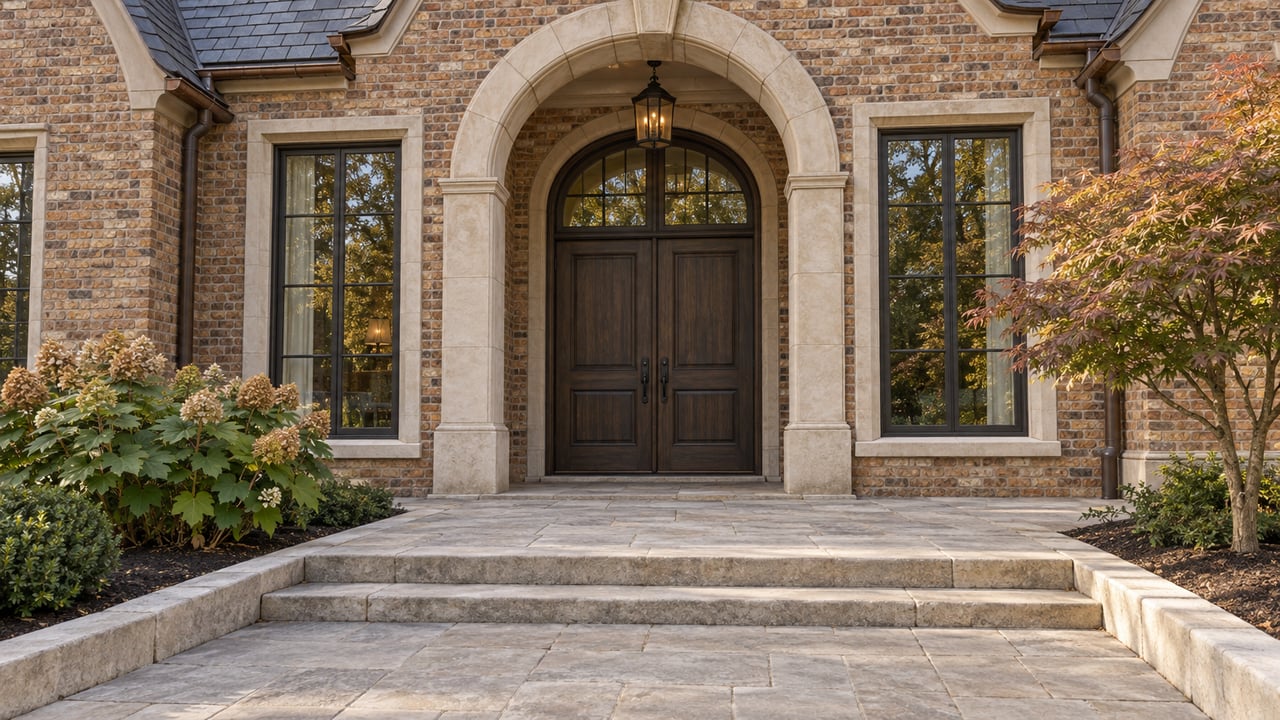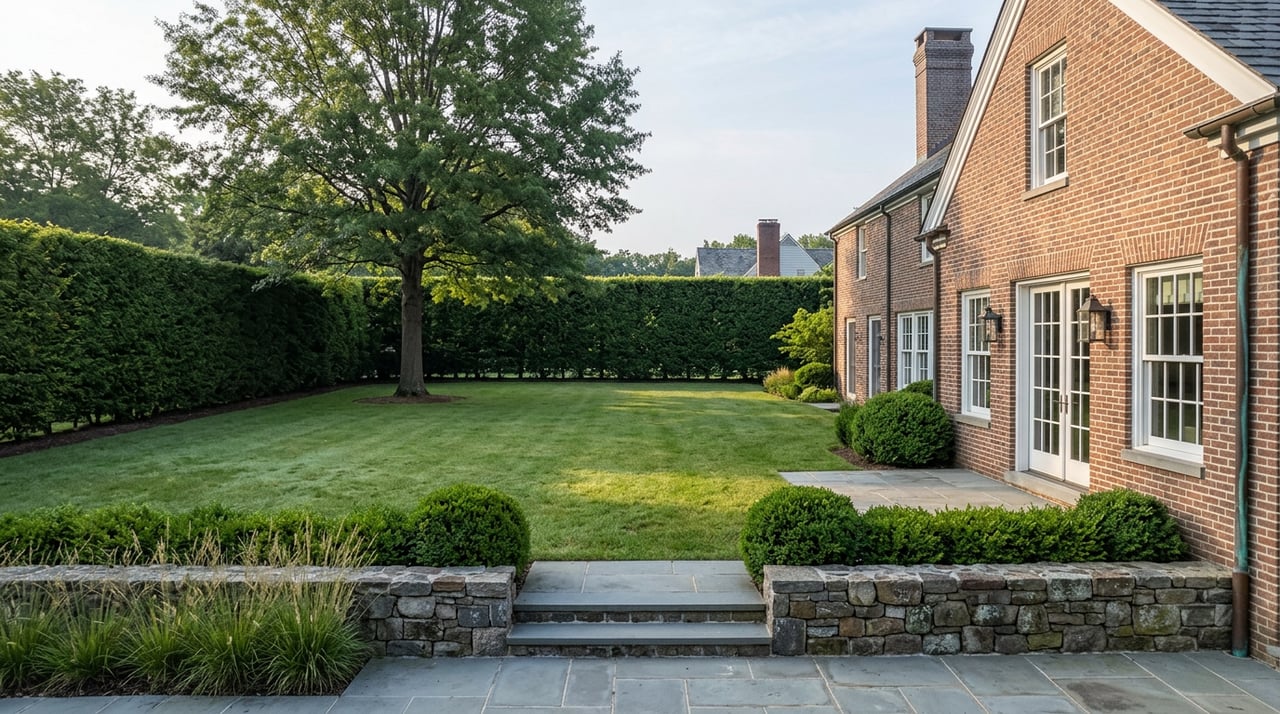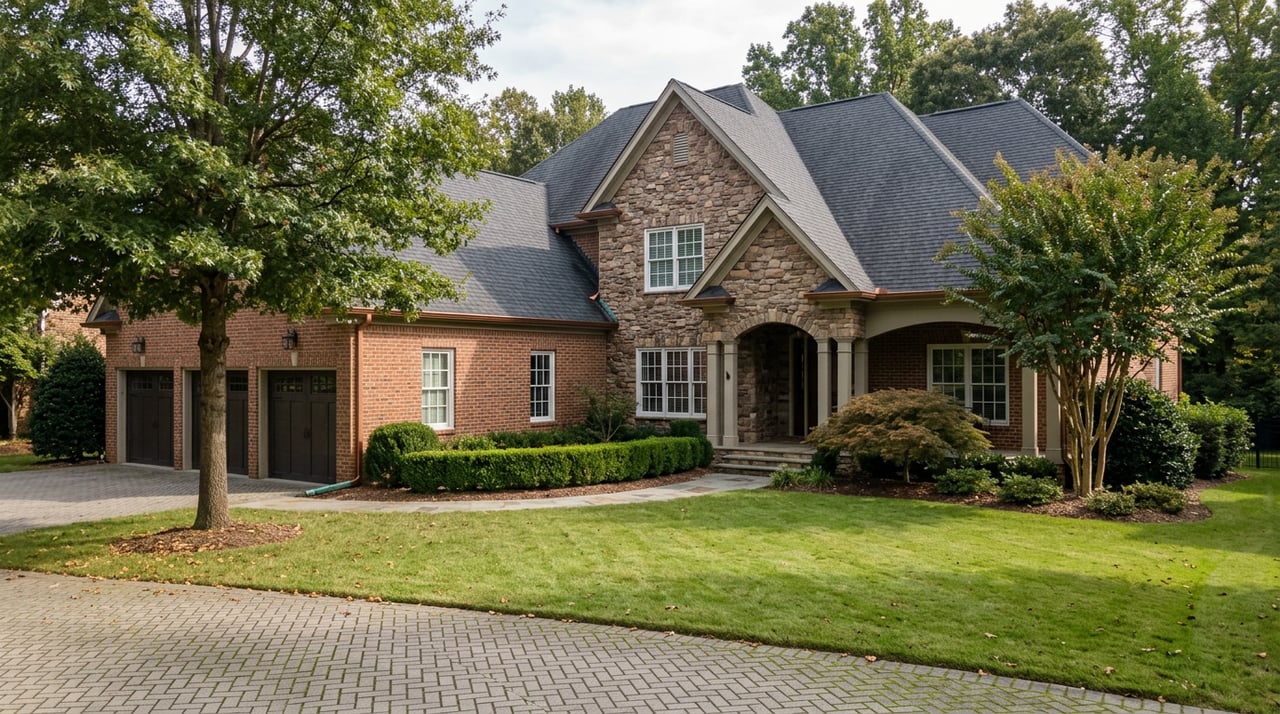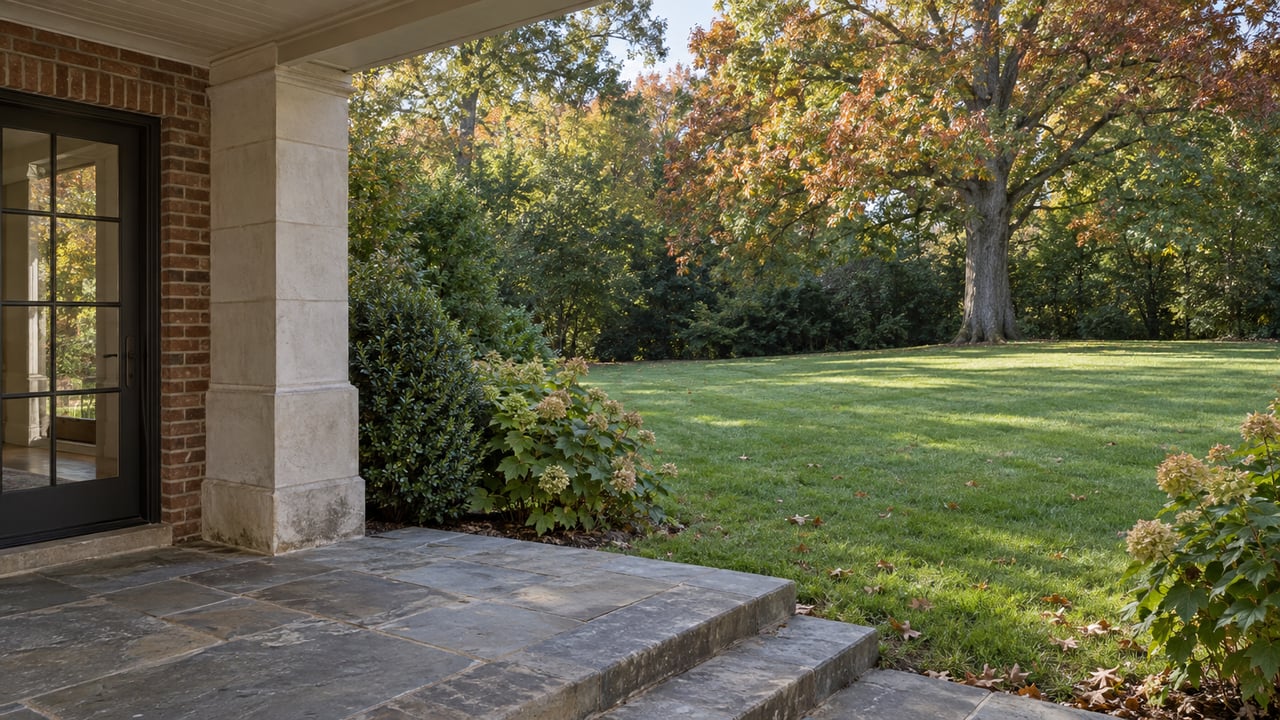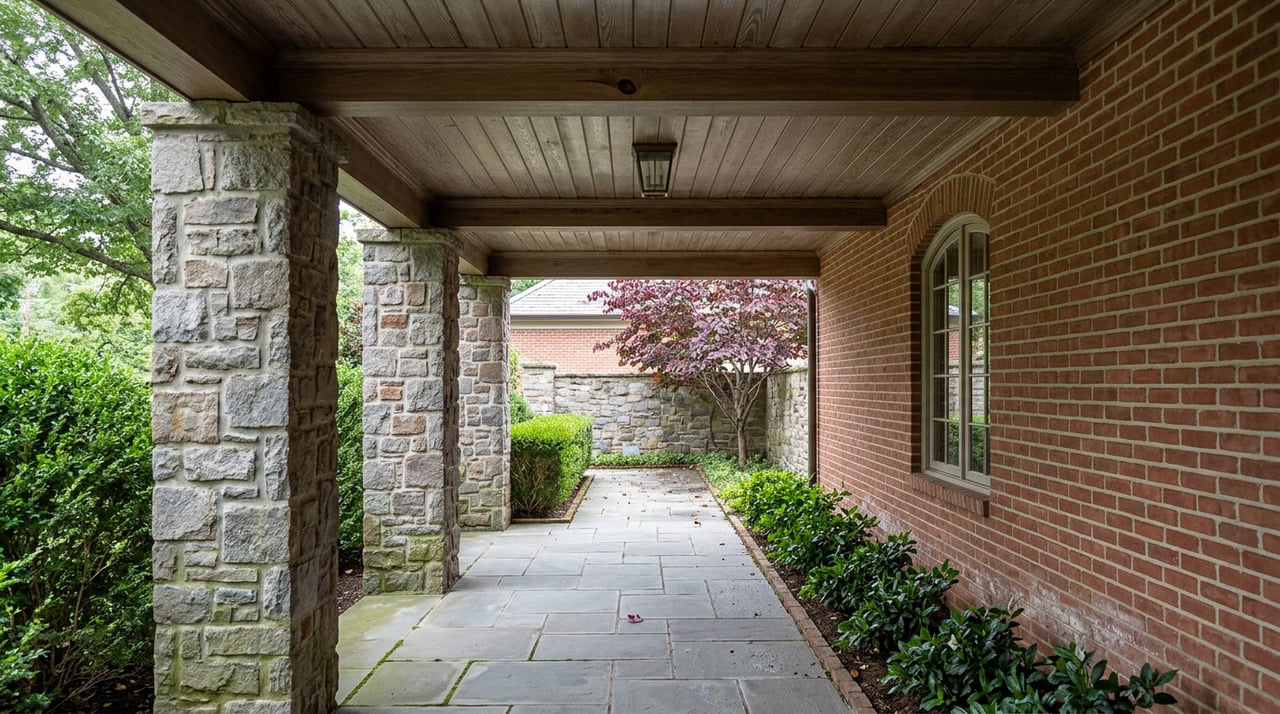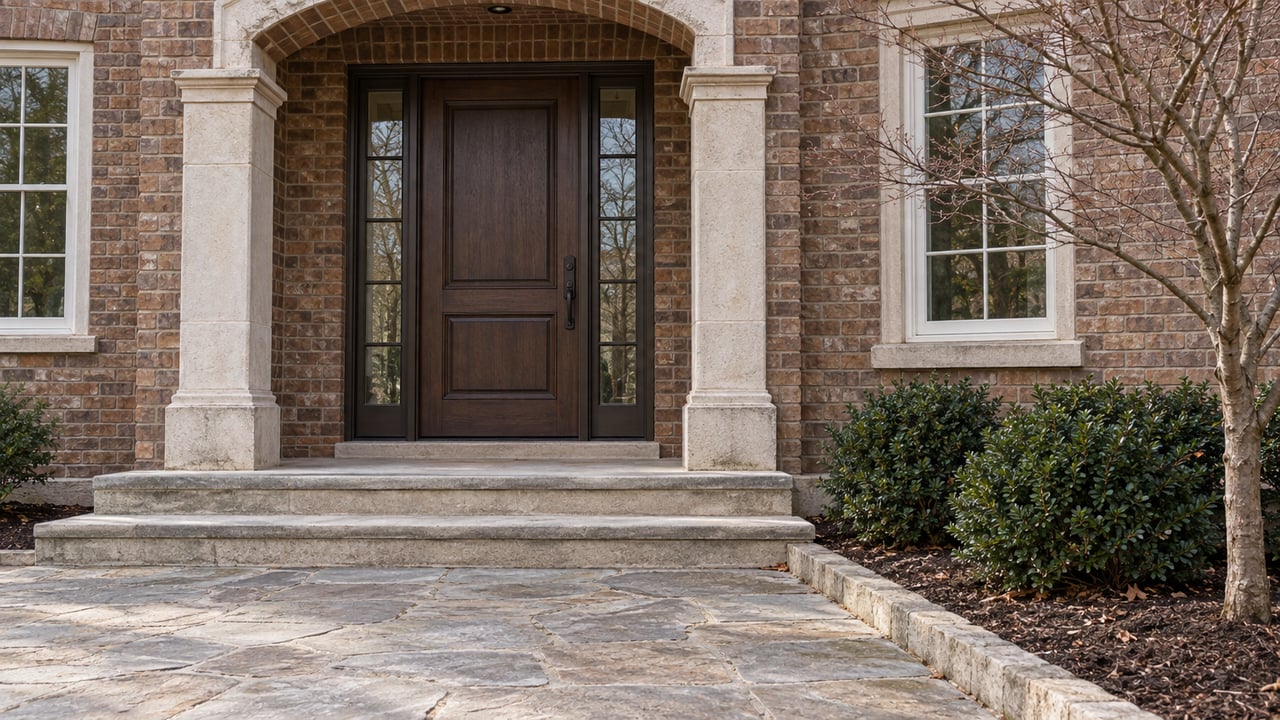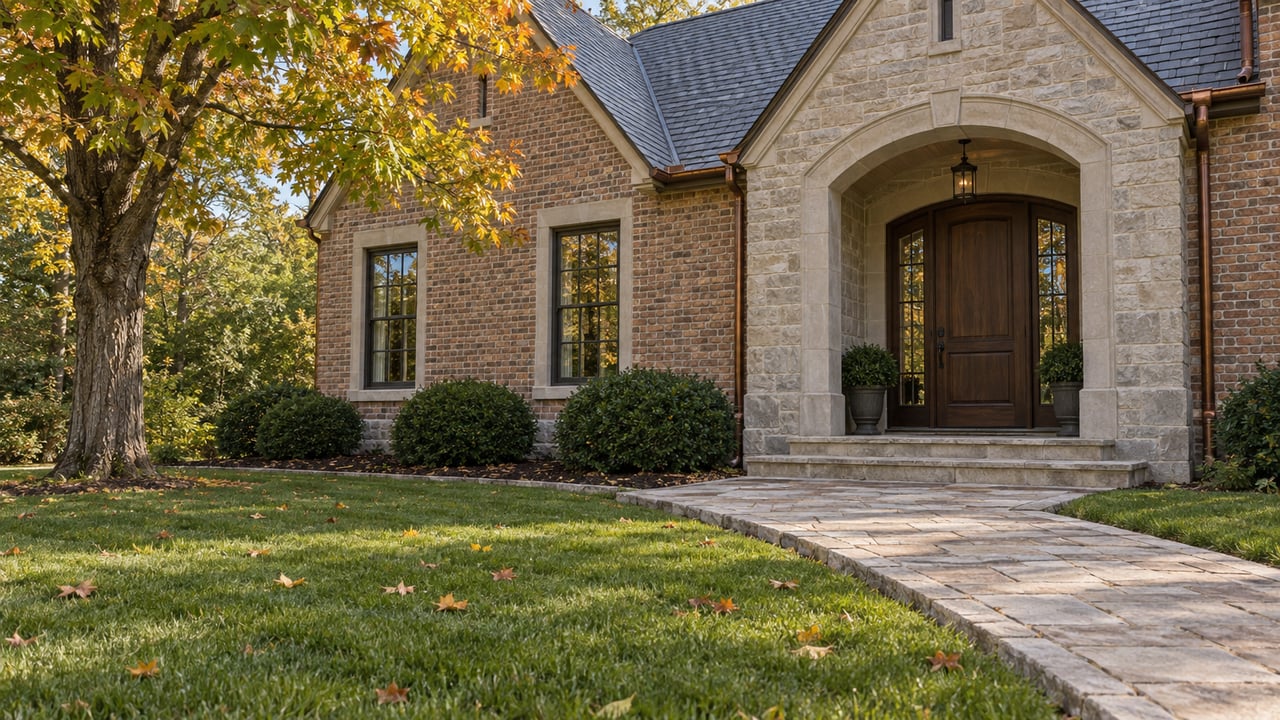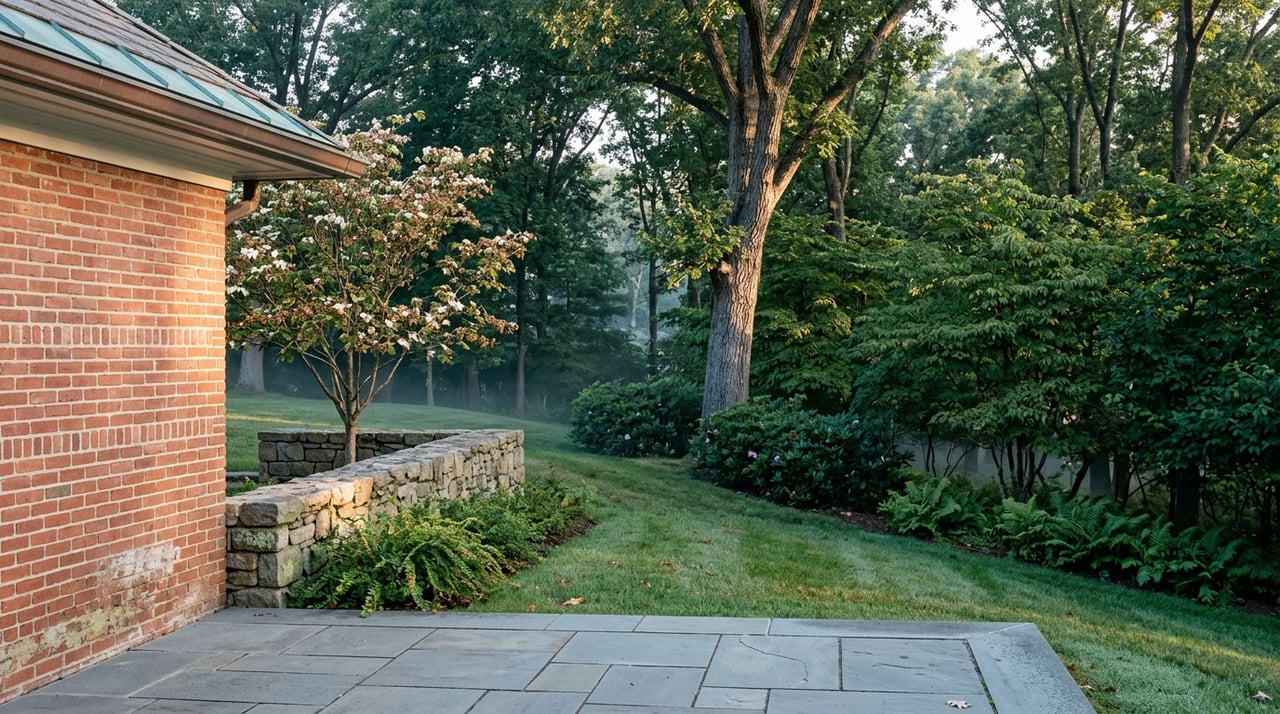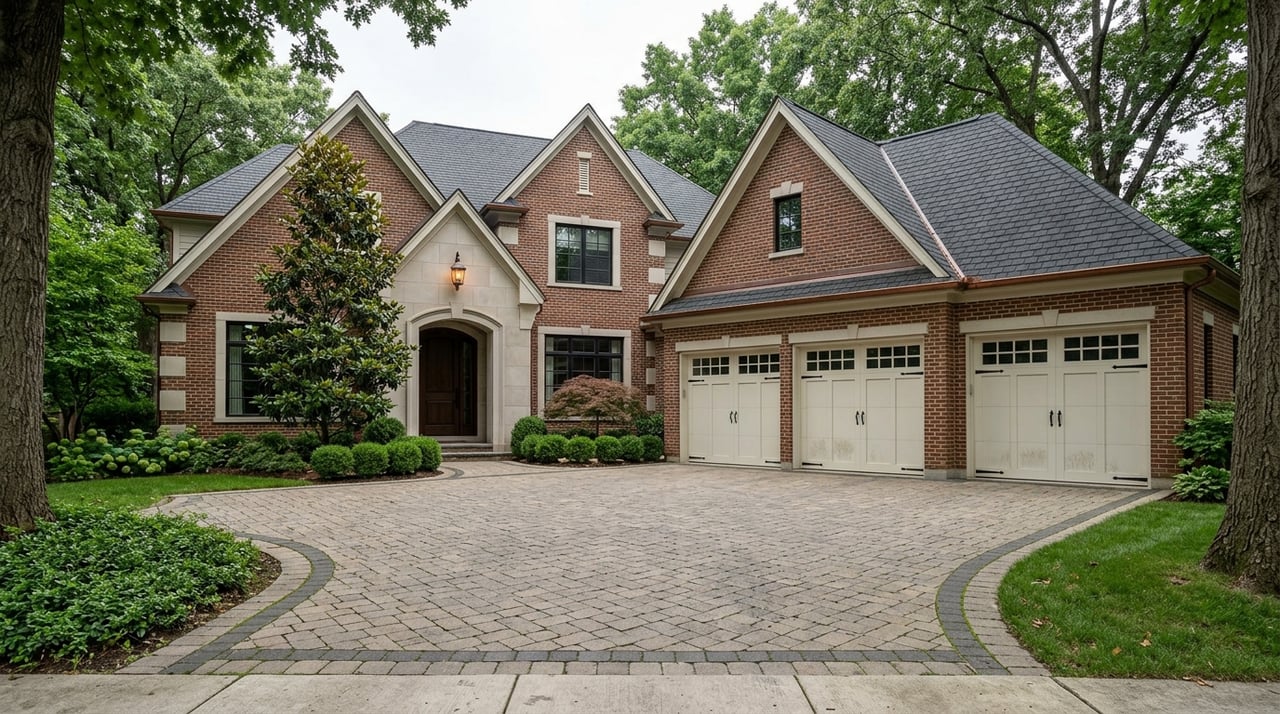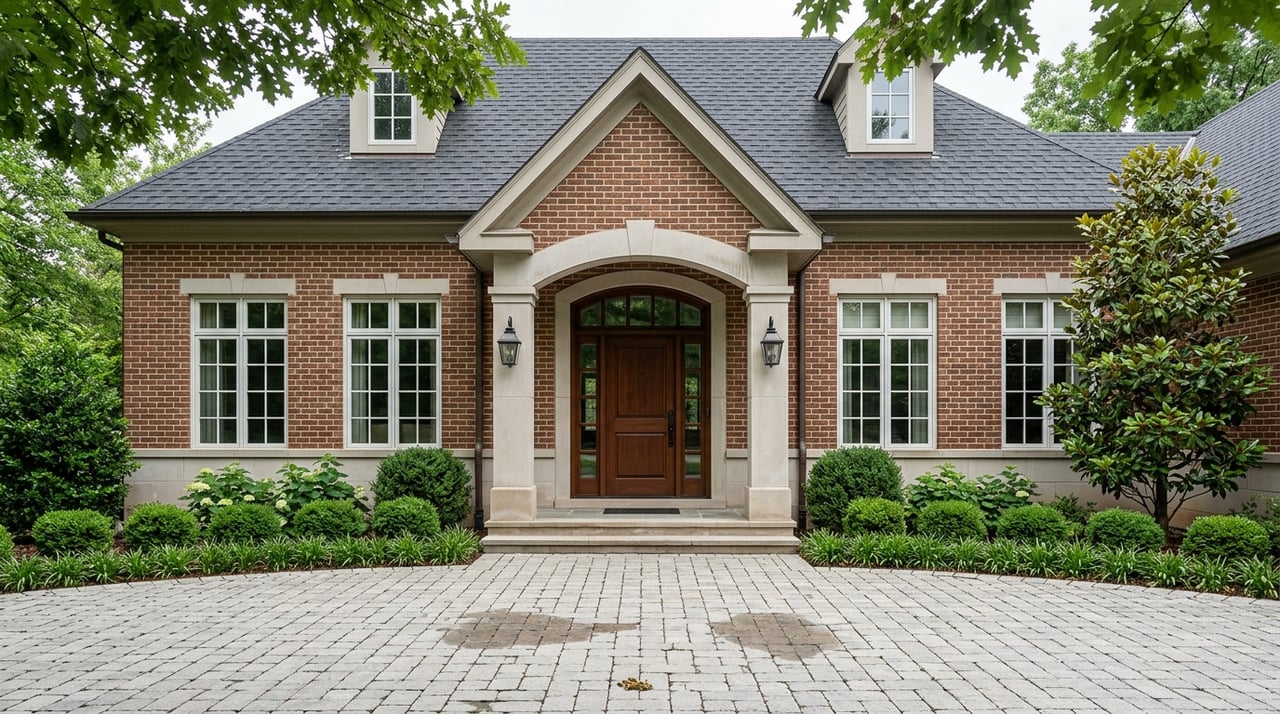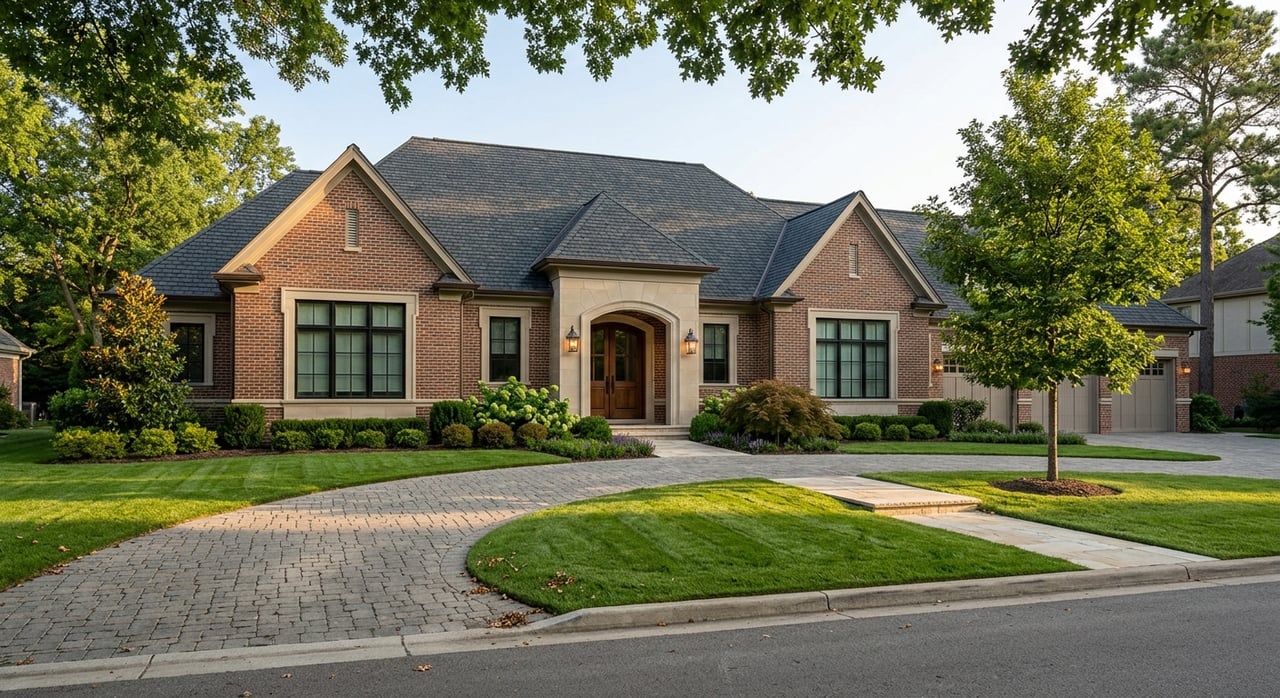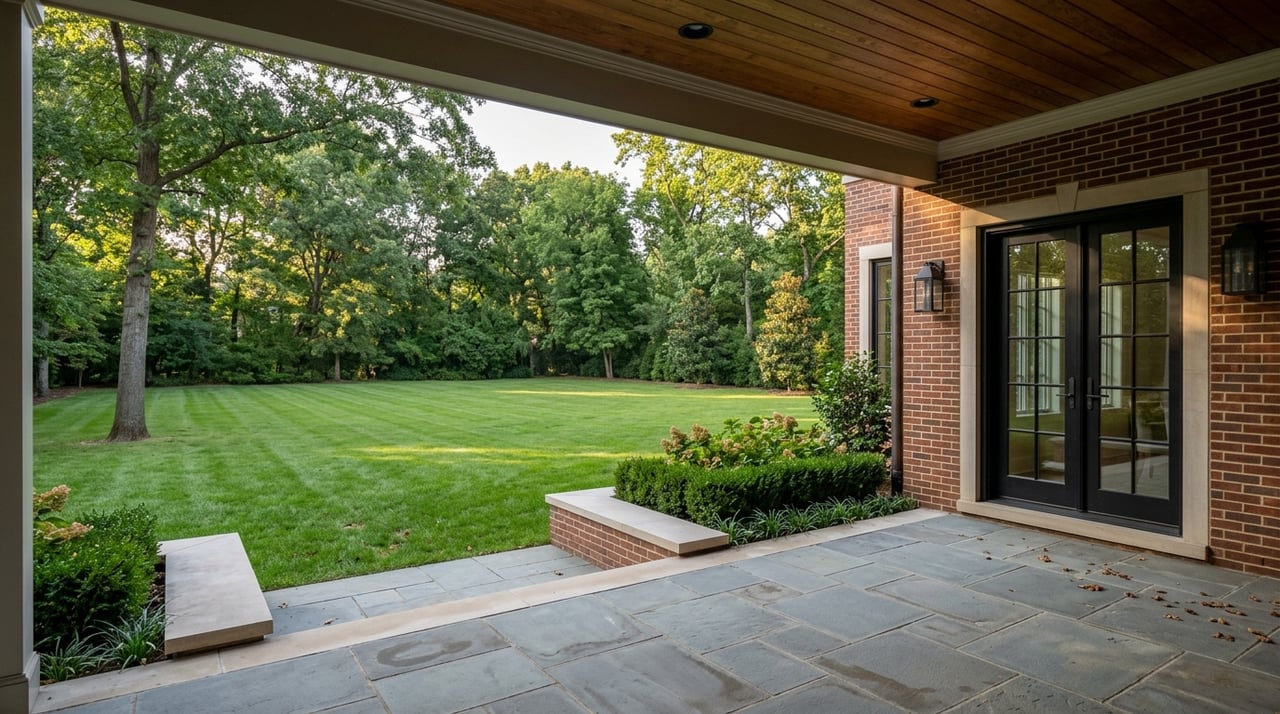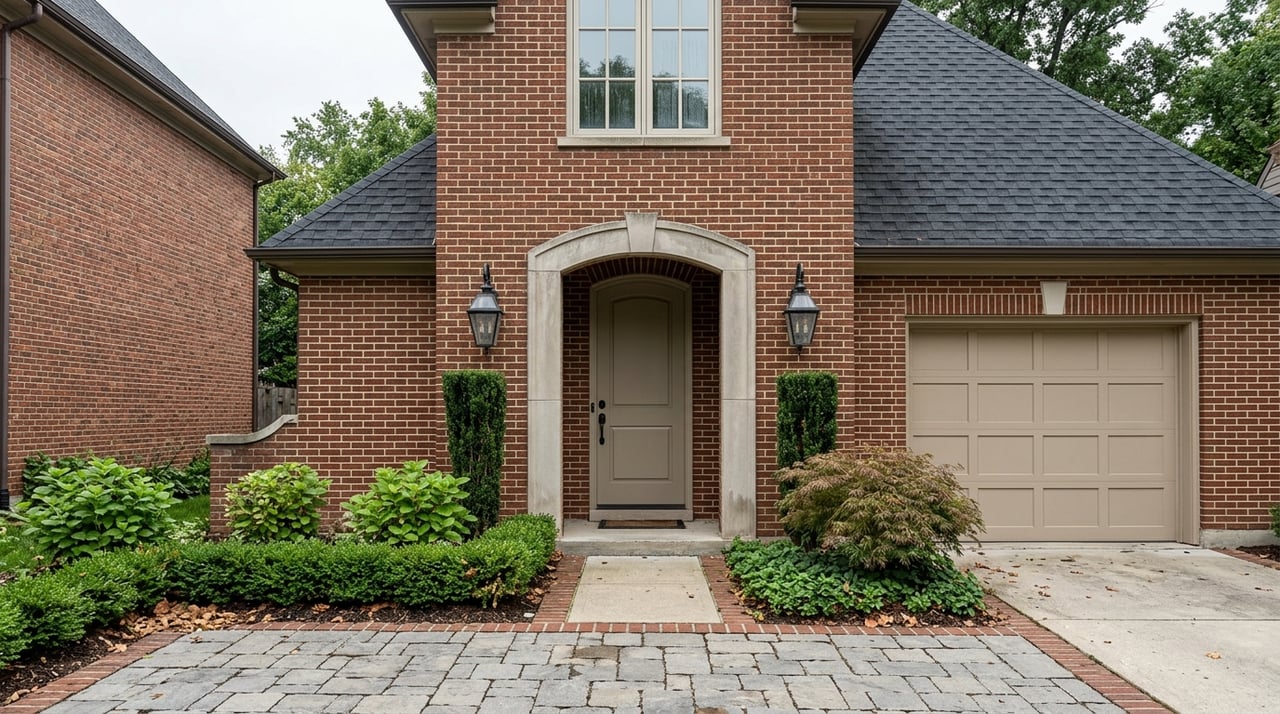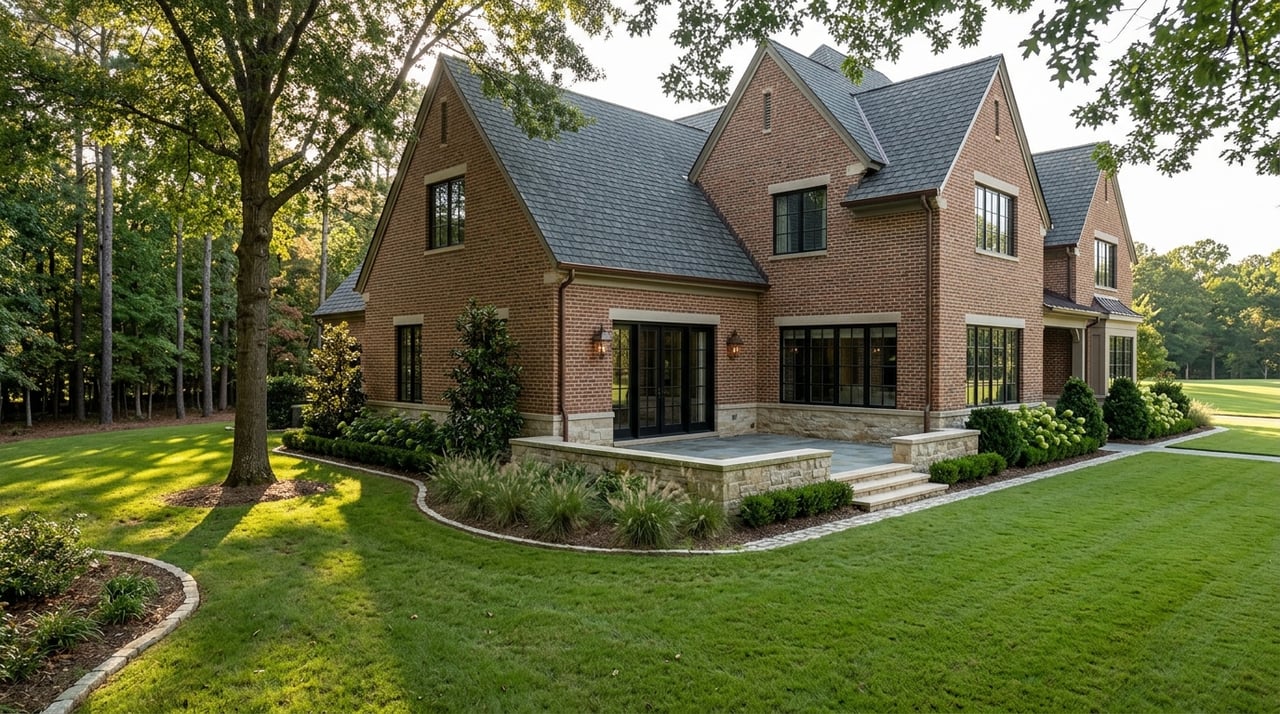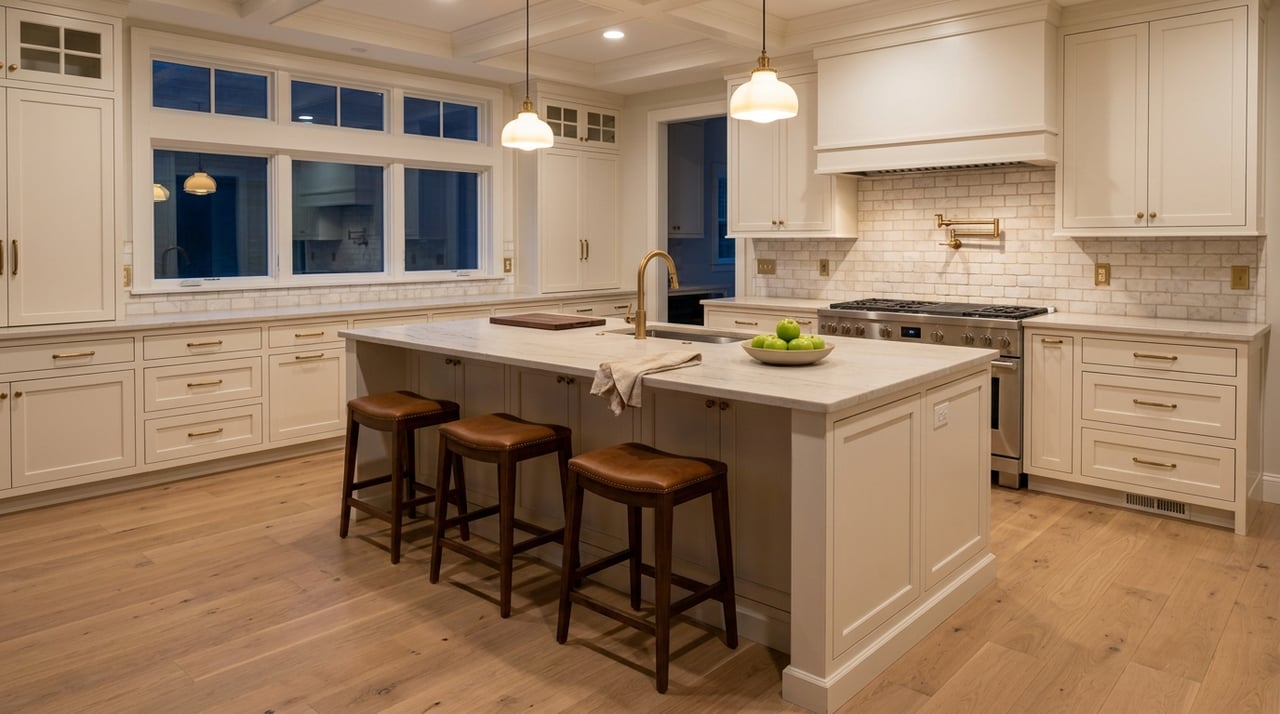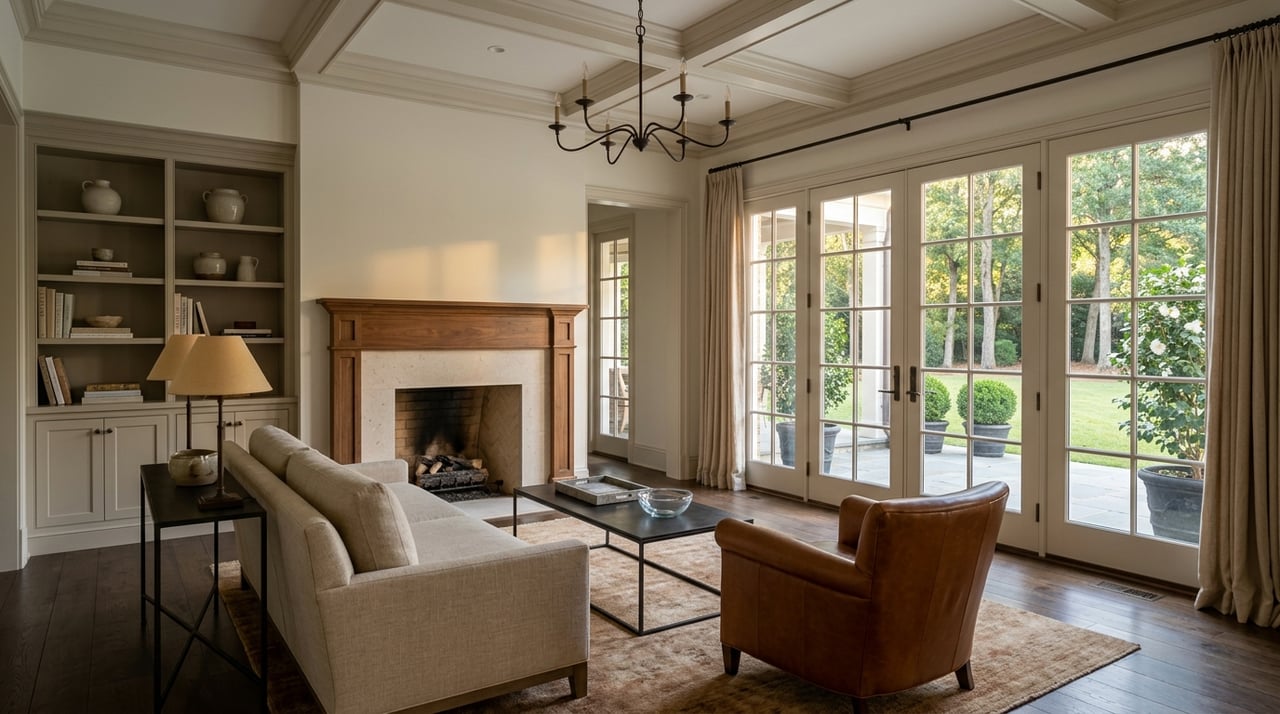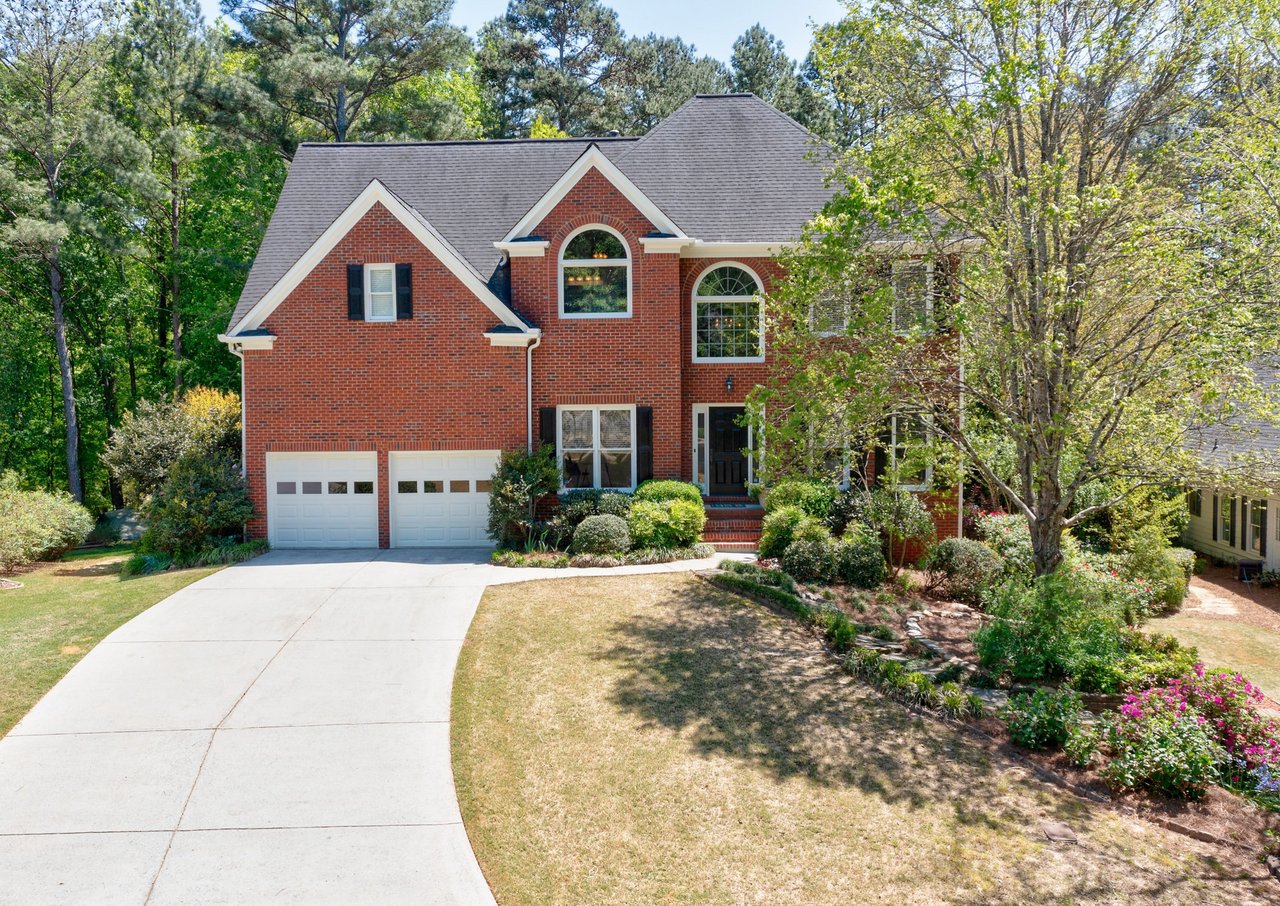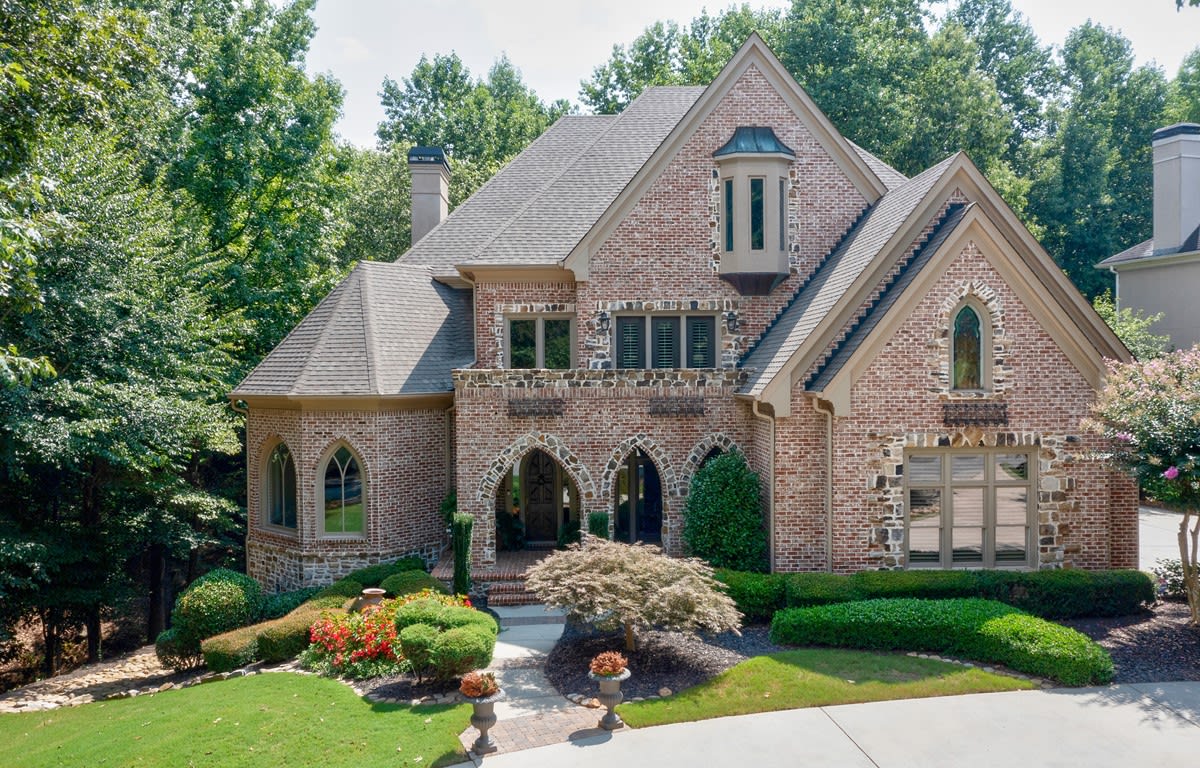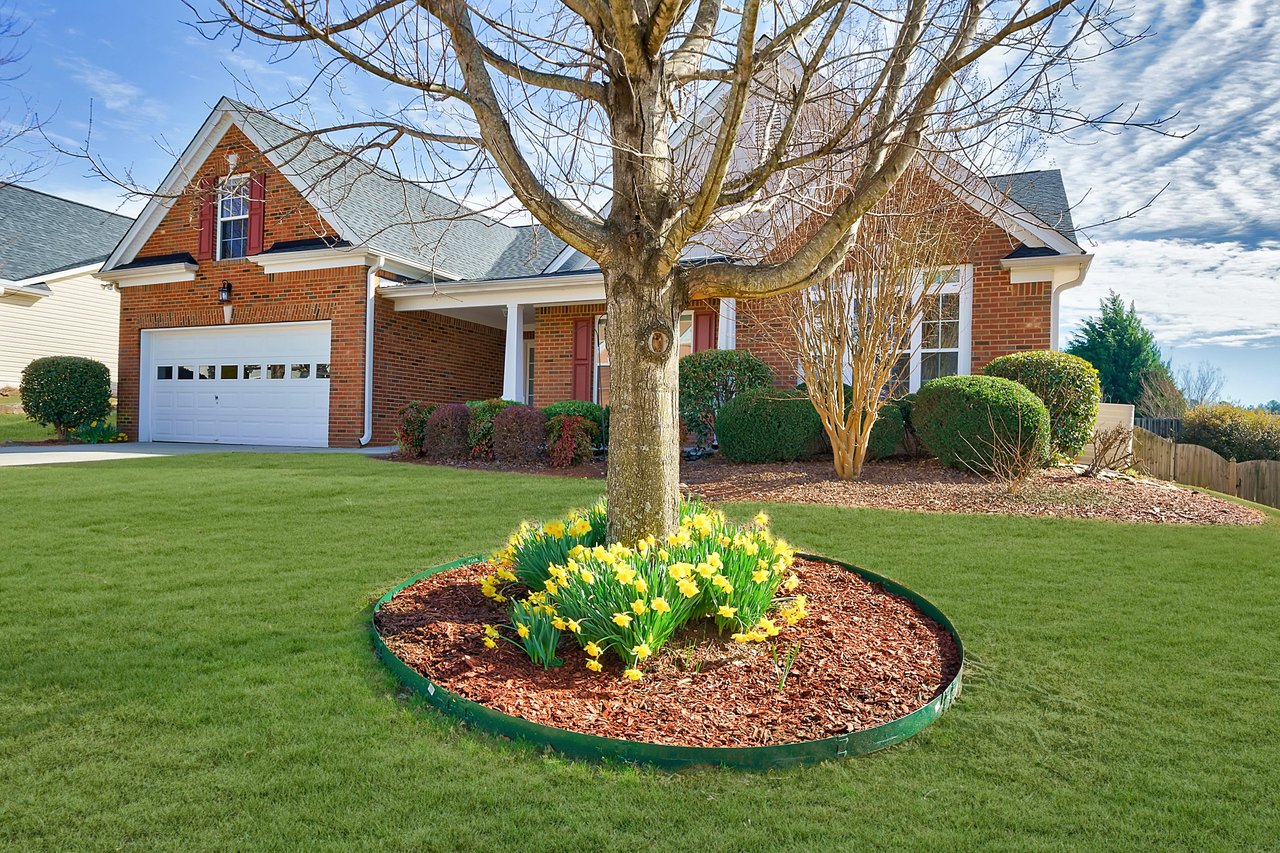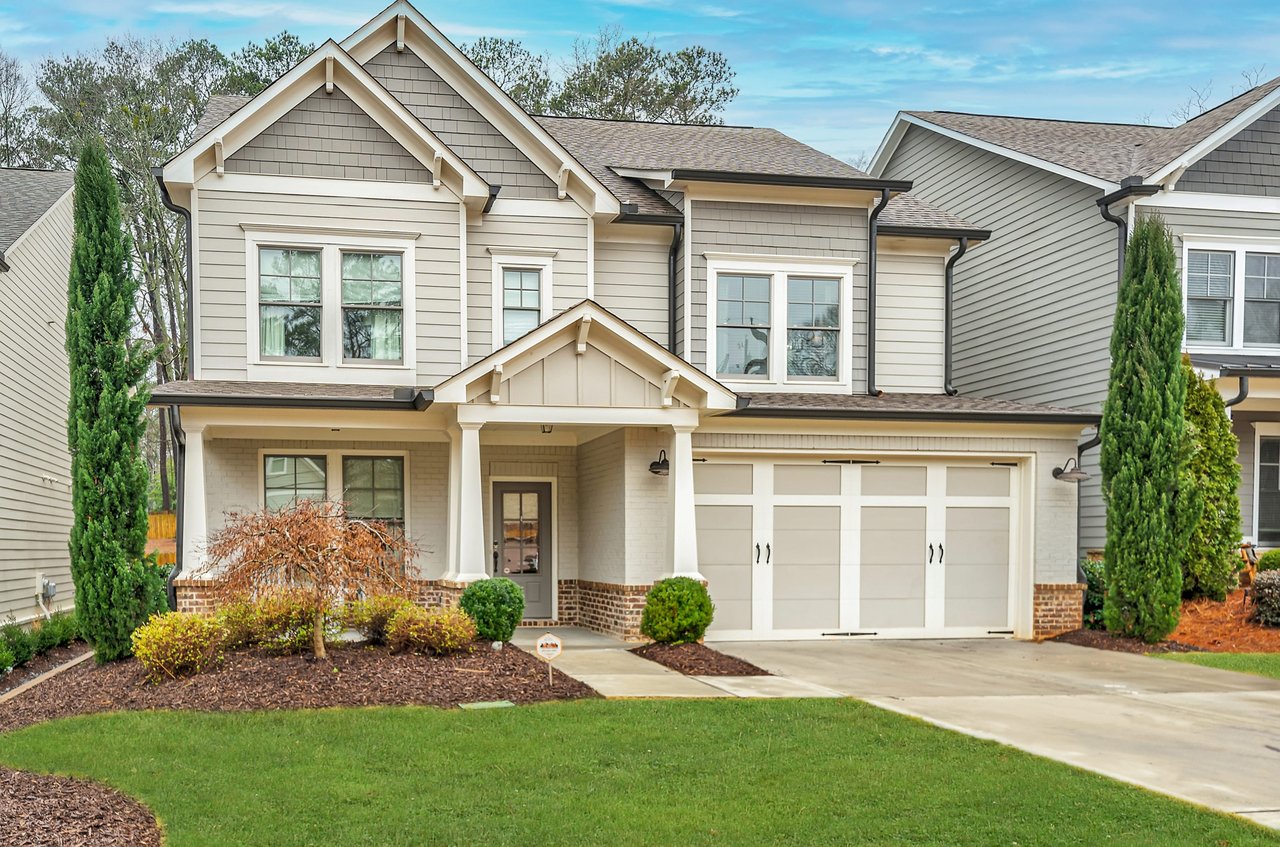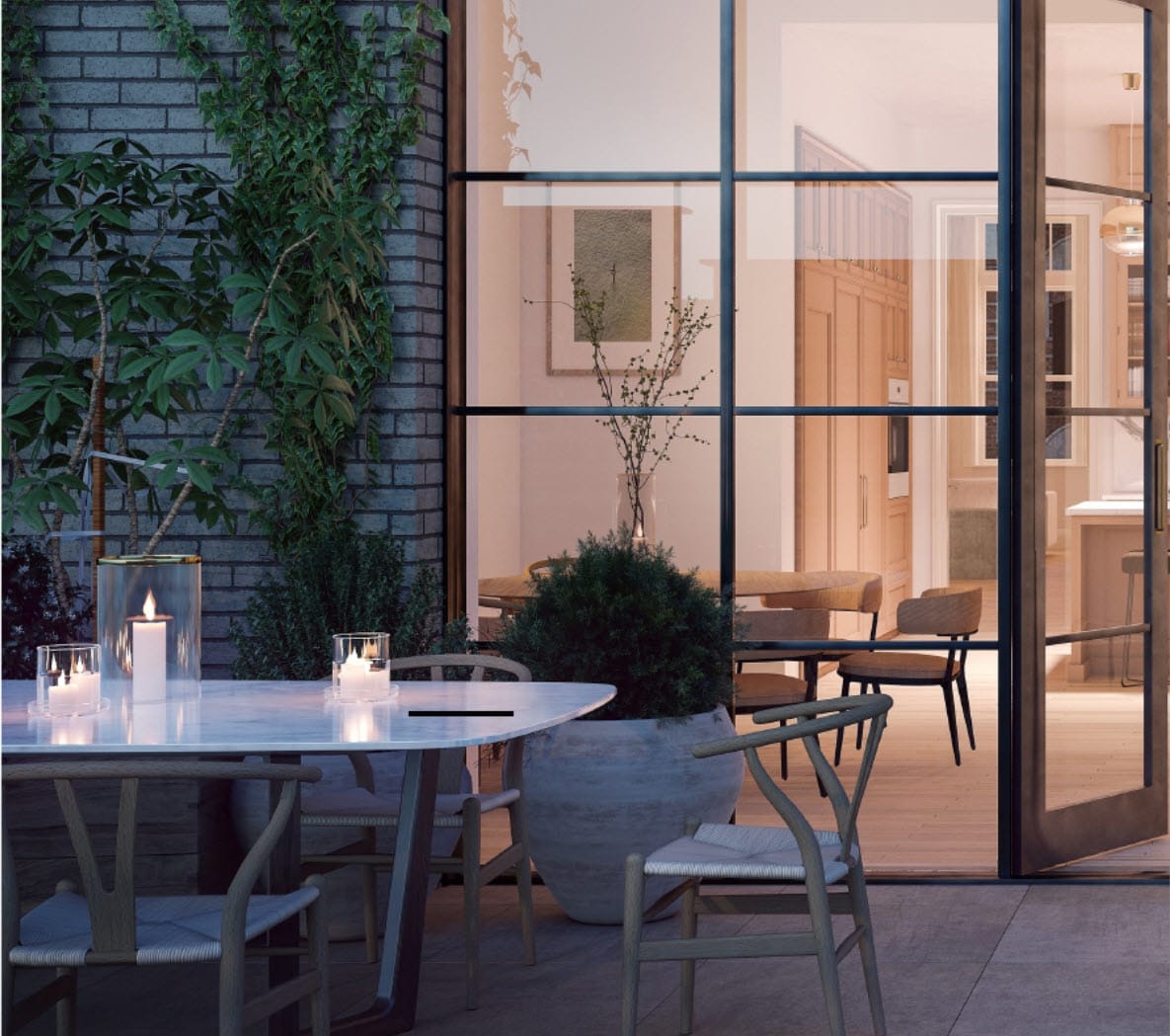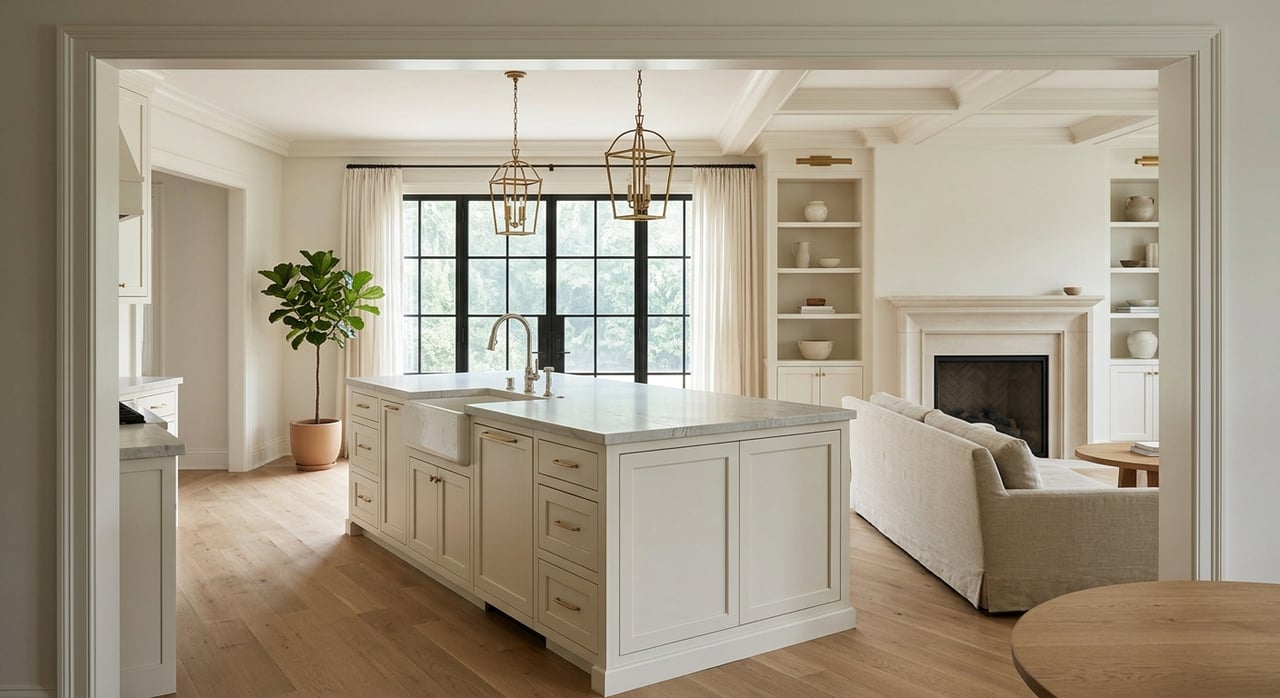
If you are trying to buy in River Club or Sugarloaf from across town, across the country, or even from another continent, one quick in-person visit usually is not enough. In luxury gated communities, you are not just choosing a house. You are also evaluating layout, setting, privacy, access, and how the home fits your daily life. The good news is that a strong virtual tour process can help you narrow options with confidence before you ever get in the car or on a plane. Let’s dive in.
Why virtual tours matter for buyers
Virtual tours are no longer just a nice extra. They are now part of how many buyers shop for homes, compare options, and decide which properties deserve an in-person visit.
The National Association of Realtors 2024 Profile of Home Buyers and Sellers found that 43% of buyers started their search online, 69% used a mobile device or tablet, 41% said photos were very useful, 39% valued detailed property information, and 31% appreciated floor plans. Buyers searched for a median of 10 weeks, typically viewed seven homes, and viewed two of those online only.
That tells you something important. Virtual media helps you screen homes early, ask better questions, and save your in-person time for the properties that truly fit.
Why this matters in River Club and Sugarloaf
River Club and Sugarloaf are lifestyle-driven gated communities in north metro Atlanta, not just simple point-to-point home searches. When you buy here, you are evaluating both the residence and the broader setting around it.
The River Club identifies itself as a gated community in Suwanee with a clubhouse, trail access, sports amenities, and a 24-hour manned gate. Its amenities include a 1.4-mile trail, eight lighted tennis courts, a fitness center, three swimming pools, and other community features that shape how the neighborhood feels day to day.
Sugarloaf Country Club describes itself as a gated club community in Duluth on 1,200 acres near I-85. TPC Sugarloaf highlights 27 holes of championship golf, a 10-acre practice facility, 14 outdoor tennis courts, an aquatics center, a fitness center, and a 60,000-square-foot clubhouse.
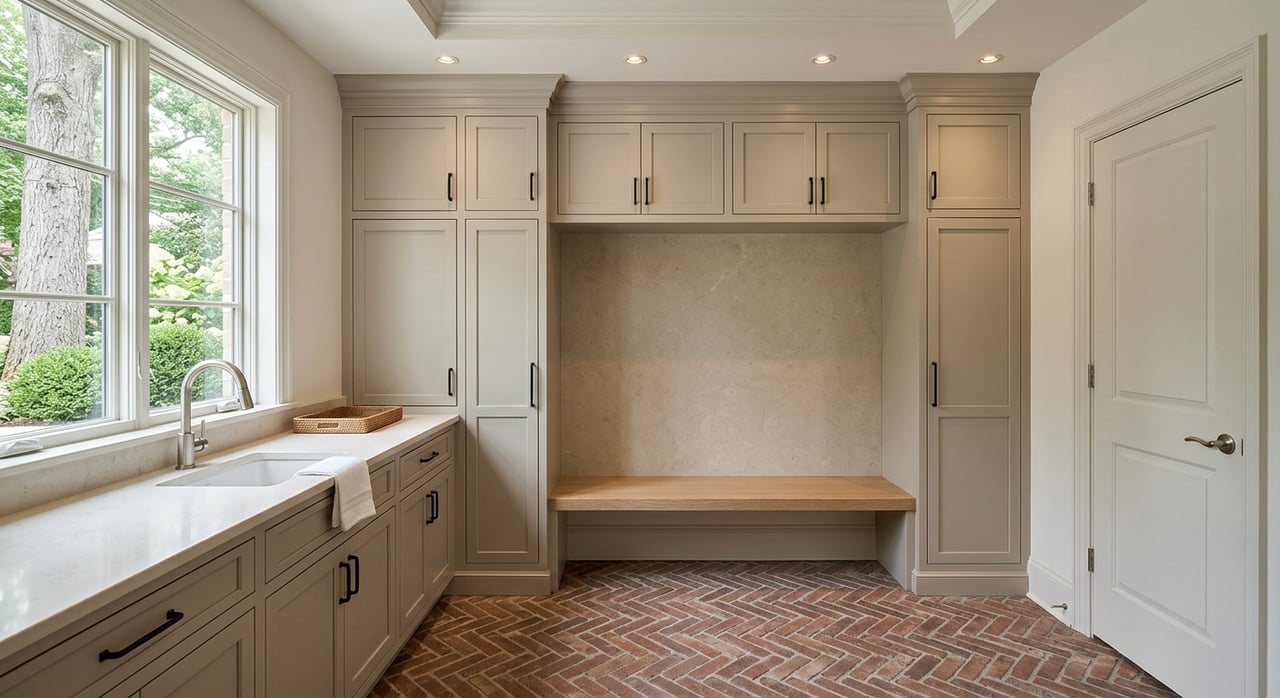
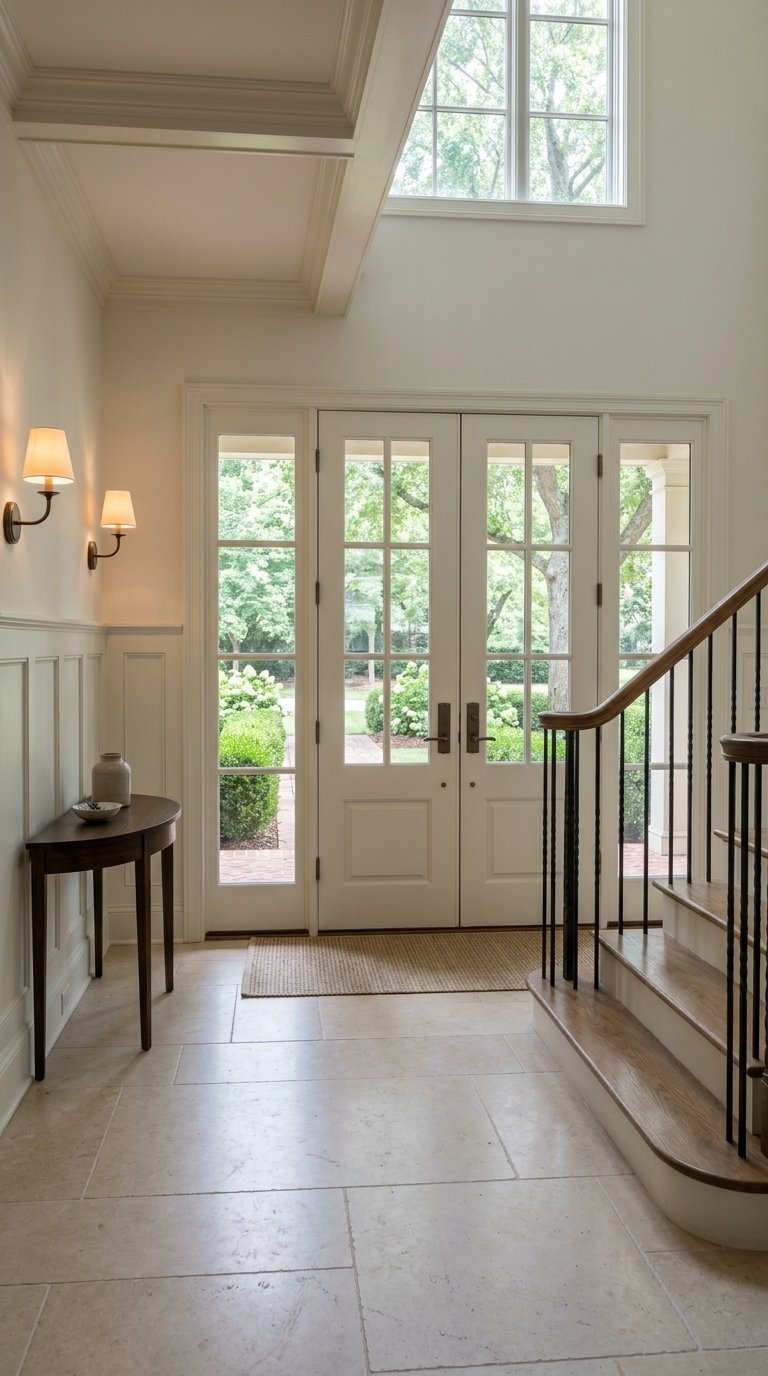
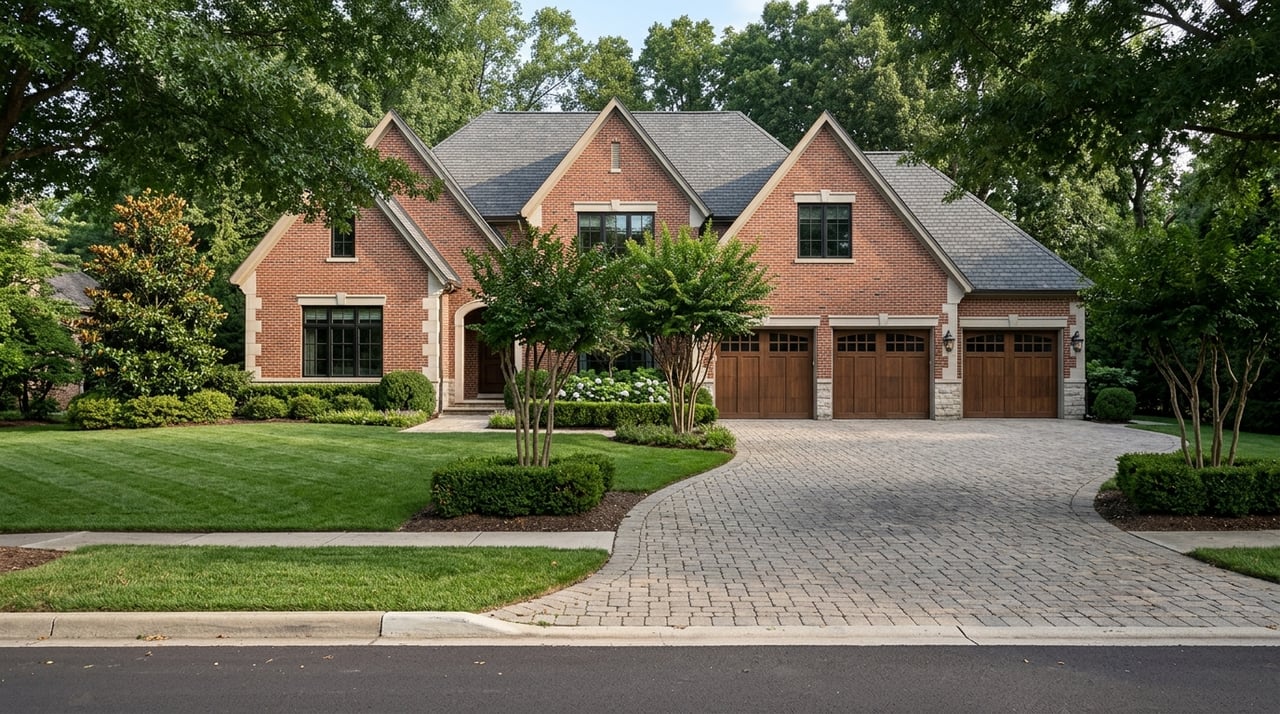
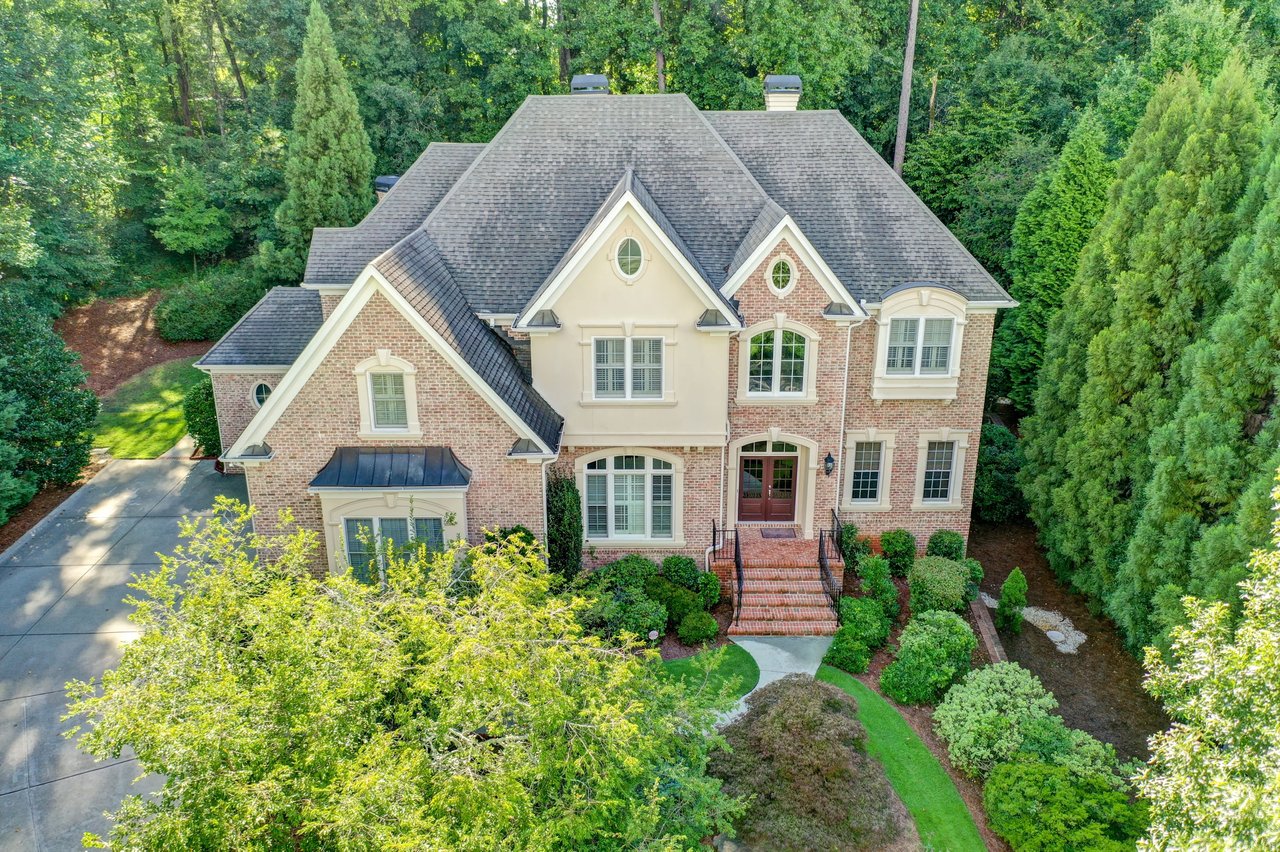
Still photos can show finishes and focal points, but they often miss how a home sits on the lot, how rooms connect, how outdoor areas function, and how close you may be to gates, amenities, or roads. In communities like these, virtual tours help you evaluate the bigger picture.
What virtual tours actually help you see
A good virtual tour does more than showcase a beautiful kitchen or a dramatic foyer. It helps you understand whether the home works for the way you live.
According to NAR’s guidance on creating virtual tours, virtual tours help buyers understand layout from any location and answer practical questions like whether a floor plan works and whether furniture will fit. For luxury buyers, that can be the difference between casual interest and serious intent.
Room-to-room flow
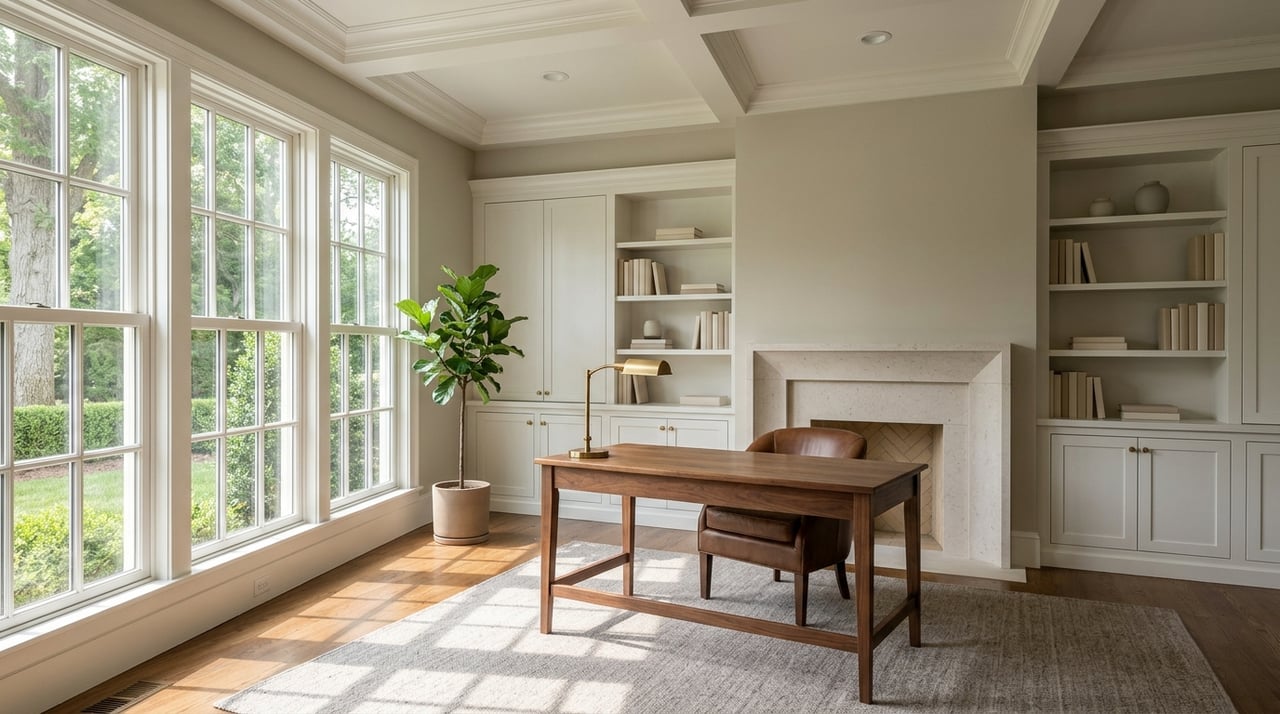
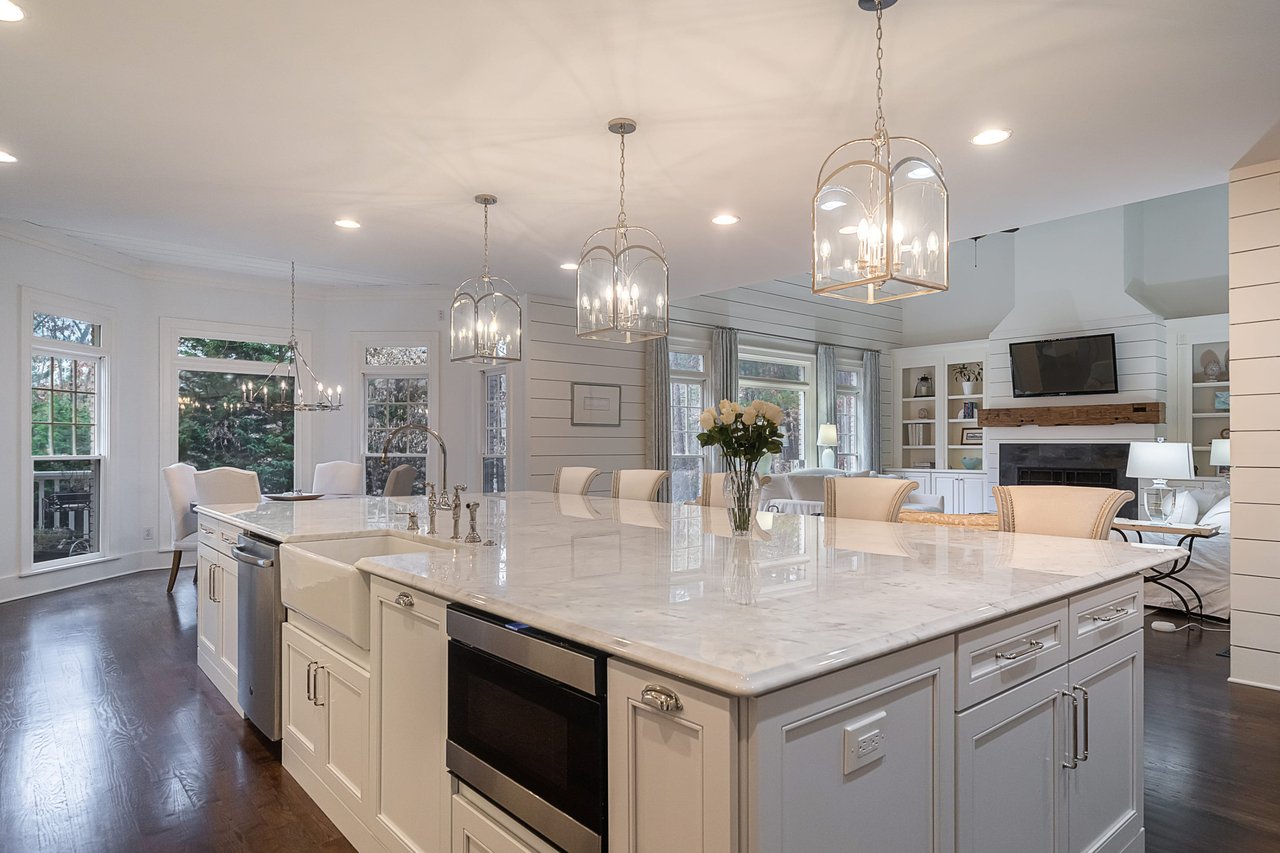
You can better judge how spaces connect. That includes whether the kitchen opens well to living areas, whether the primary suite feels private, and how easily guests can move through the home.
This is especially useful in larger homes, where square footage alone does not tell you whether the layout feels intuitive.
Furniture and function
A floor plan and walkthrough can help you estimate whether your dining table, office setup, workout space, or guest suite plans will fit comfortably. That matters when you are moving from another home and already know what you need your next space to handle.
Outdoor living and lot use
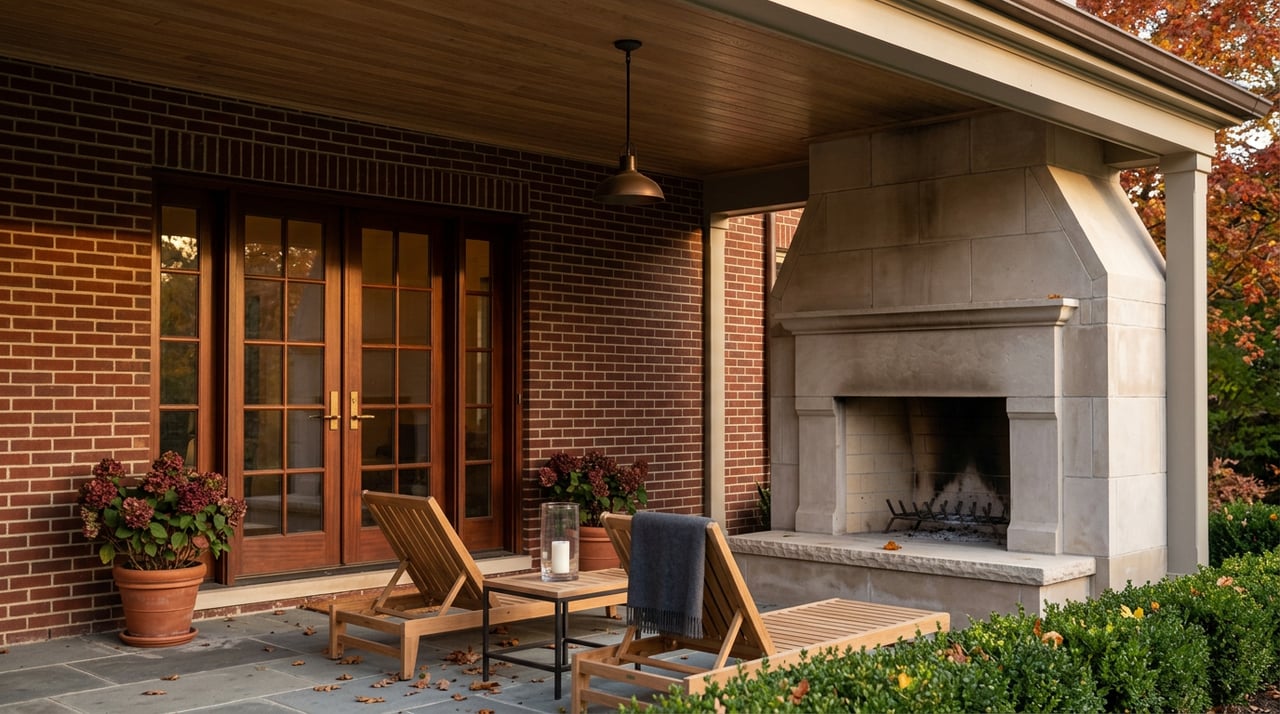
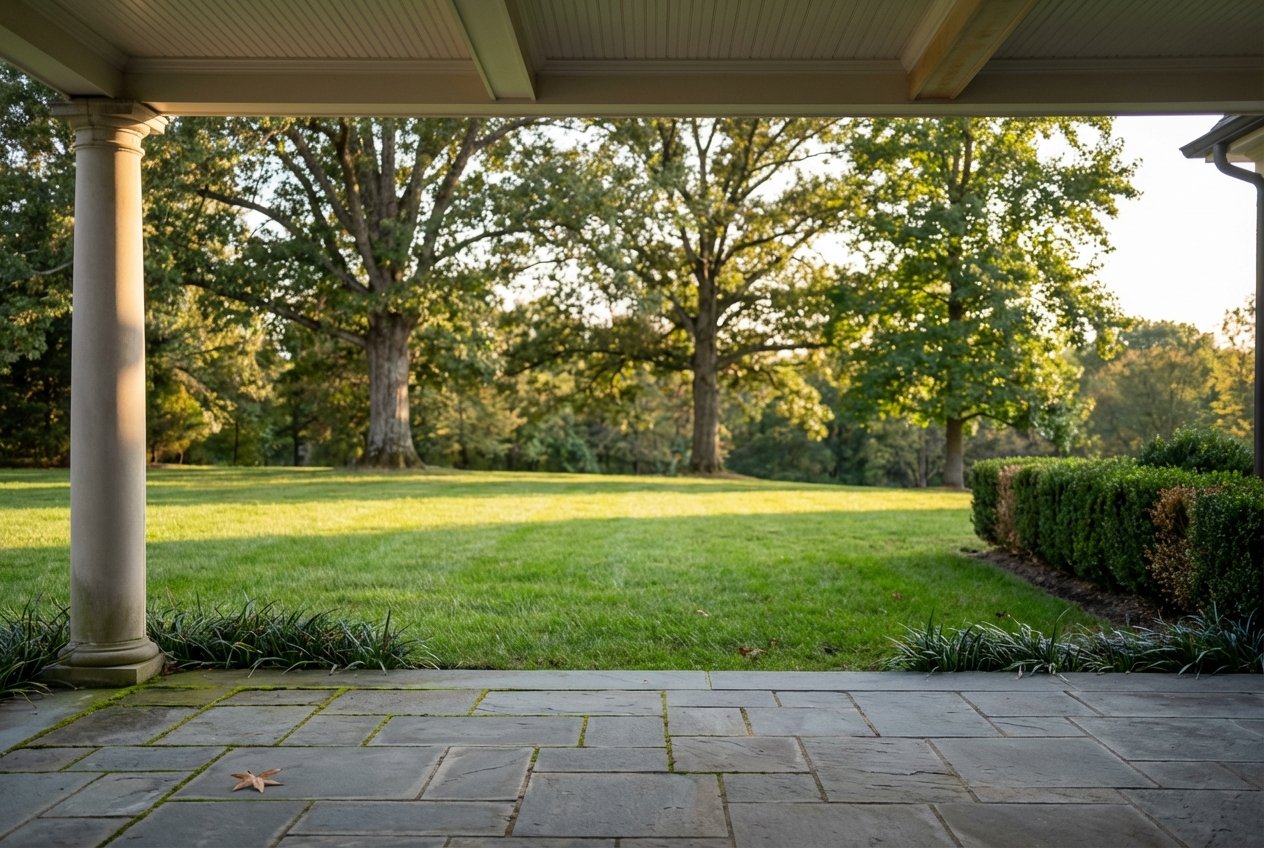
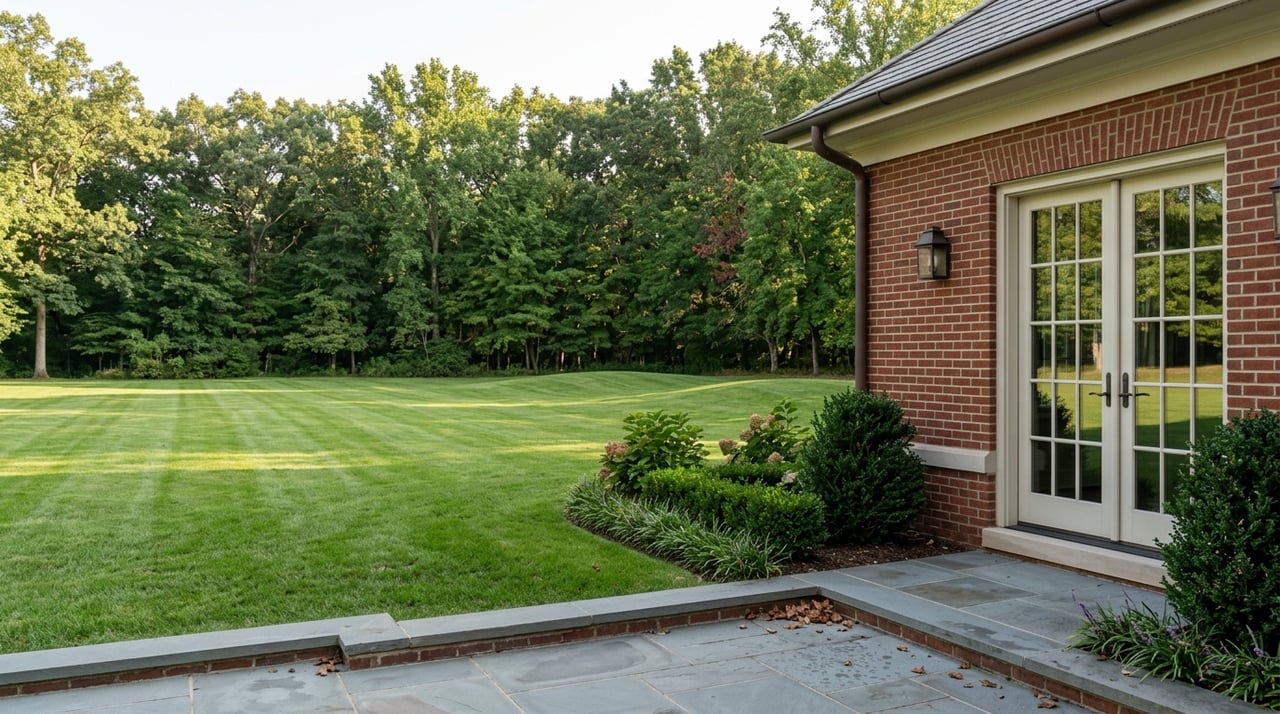
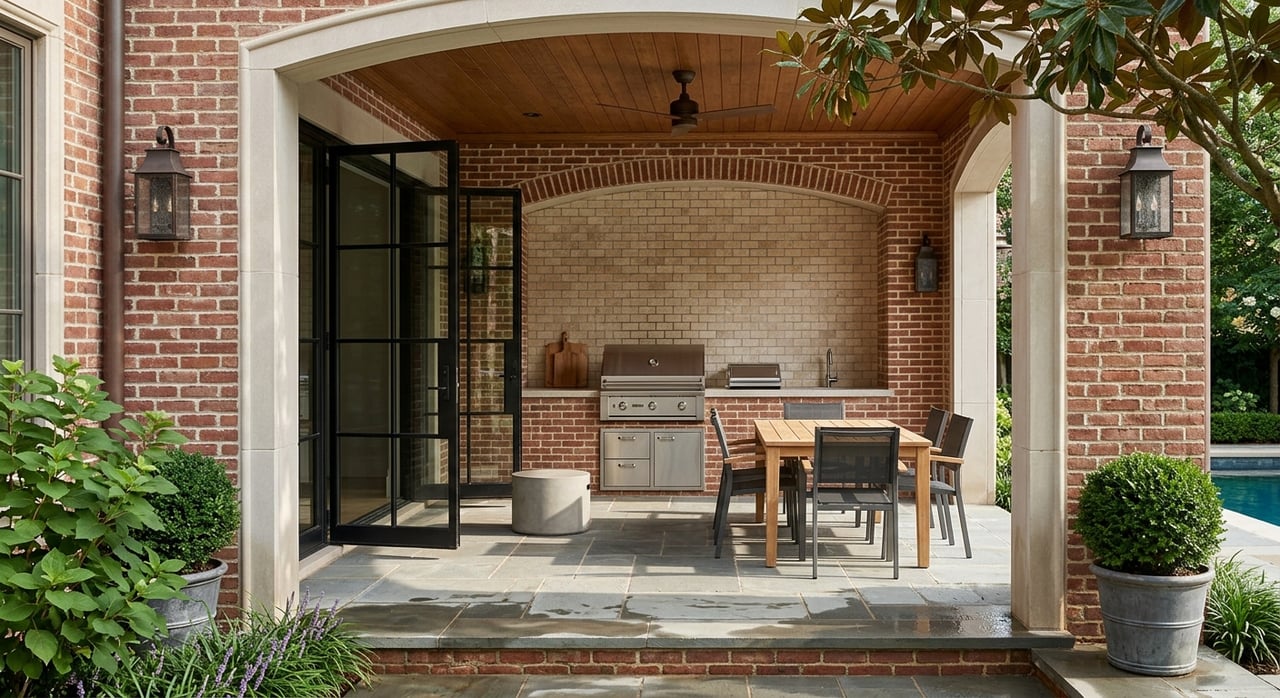
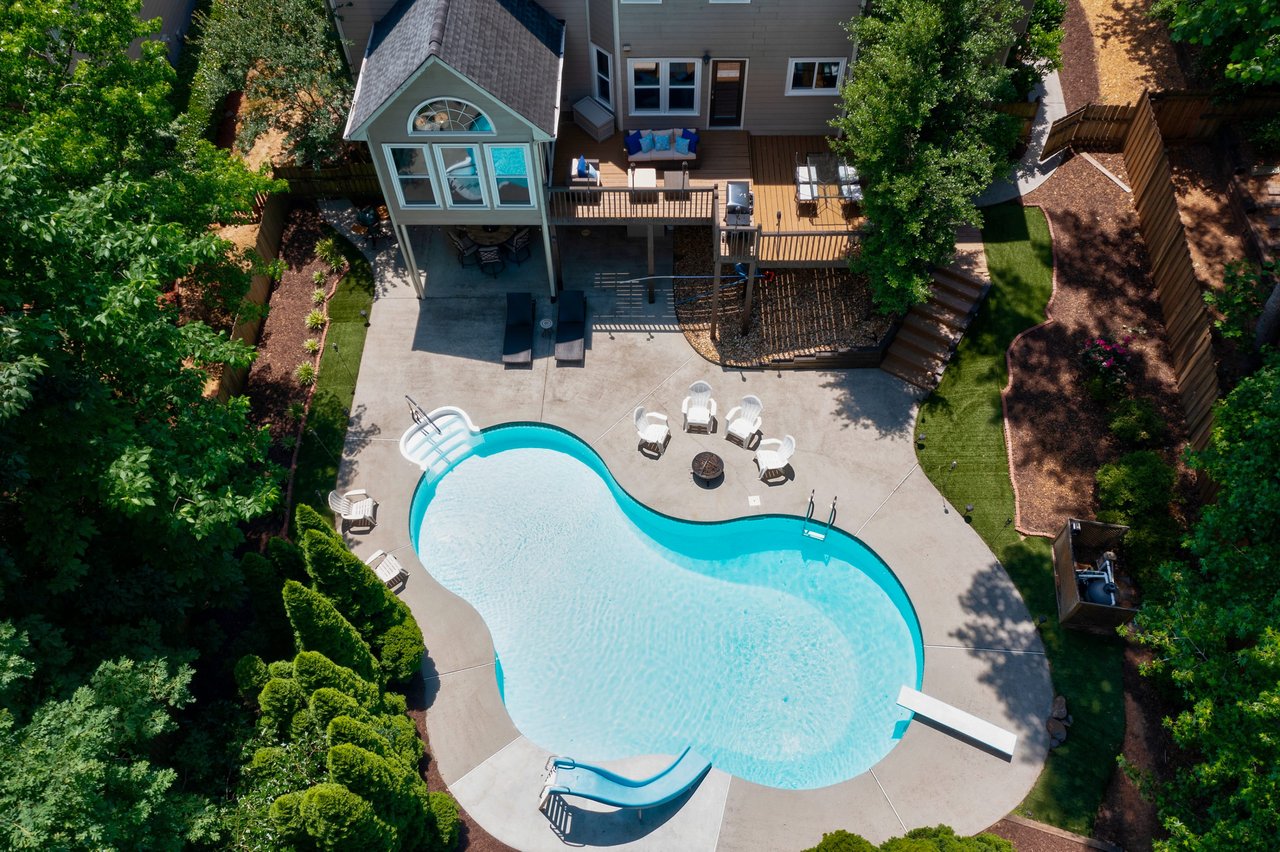
In River Club and Sugarloaf, outdoor living often plays a major role in how a home is used. Virtual coverage can help you assess backyard access, pool areas, patios, privacy lines, tree placement, and the relationship between indoor and outdoor entertaining spaces.
What a strong remote-tour package should include
Not all virtual tours are equally helpful. The best experience combines multiple tools so you can evaluate the home from several angles.
Prerecorded walkthrough
A prerecorded video should show the full room-to-room flow, not just a highlight reel. NAR notes that virtual tours provide context by showing how rooms connect, which helps you understand layout rather than just design features.
Live virtual showing
A live video showing gives you the chance to ask questions in real time and have someone focus on details that polished marketing media may not show. Realtor.com recommends using live video calls and asking for extra footage of blind spots, lot topography, tree placement, and layout concerns.
For many relocation buyers, this is where a virtual tour becomes truly useful. You can ask the agent to pause, pan, measure, and revisit spaces that matter most to you.
Floor plan with measurements
A digital floor plan adds clarity that video alone cannot provide. NAR notes that floor plans are among the most requested visual assets after listing photos, and they help you judge room sizes and furniture fit more realistically.
Systems and disclosure information
A smart remote process should also include practical property information. Realtor.com’s virtual house hunting advice recommends asking about HVAC, roof age, water heater, plumbing, water pressure, internet service, and seller disclosures.
That is critical because virtual media can help you understand appearance and layout, but it should be paired with information about condition and maintenance.
Community context
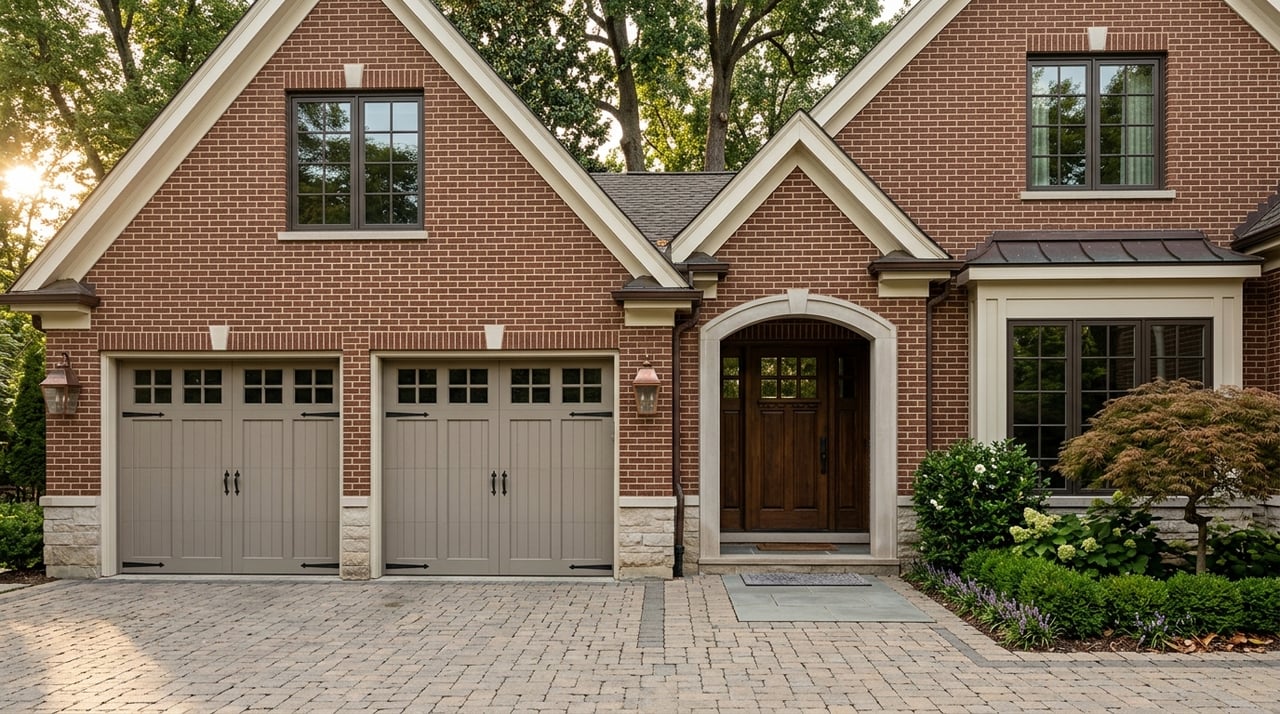
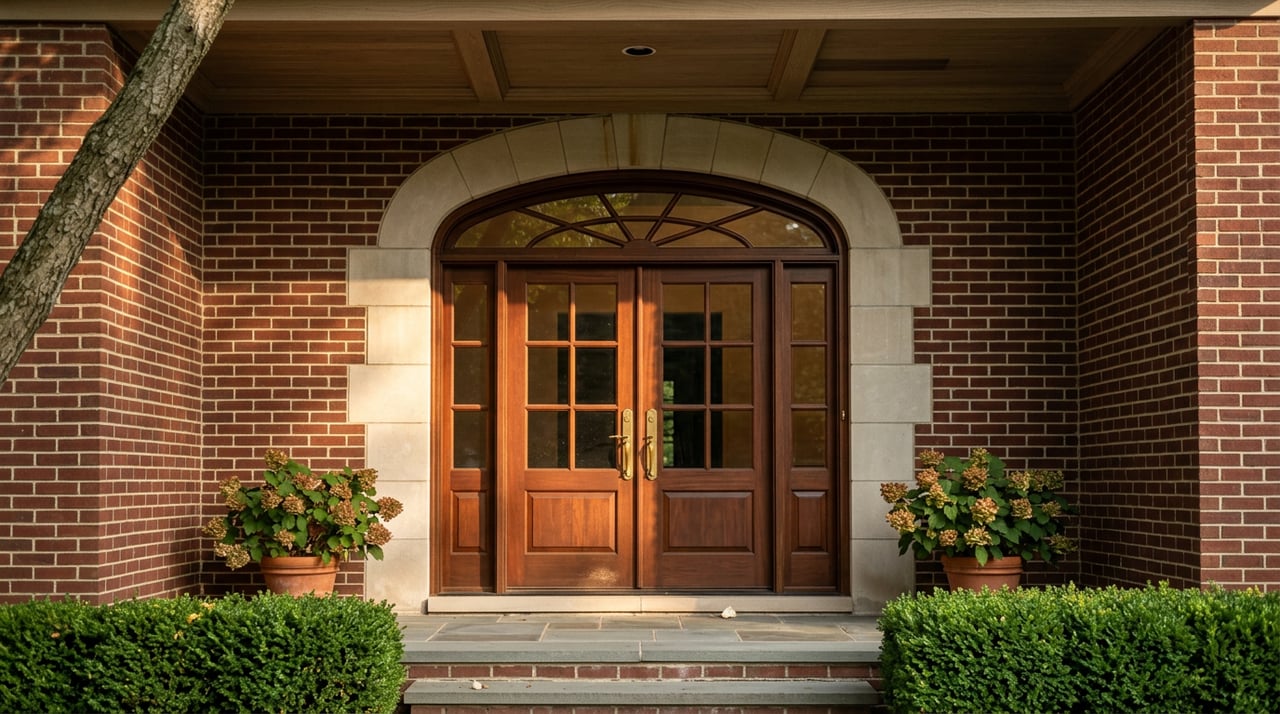
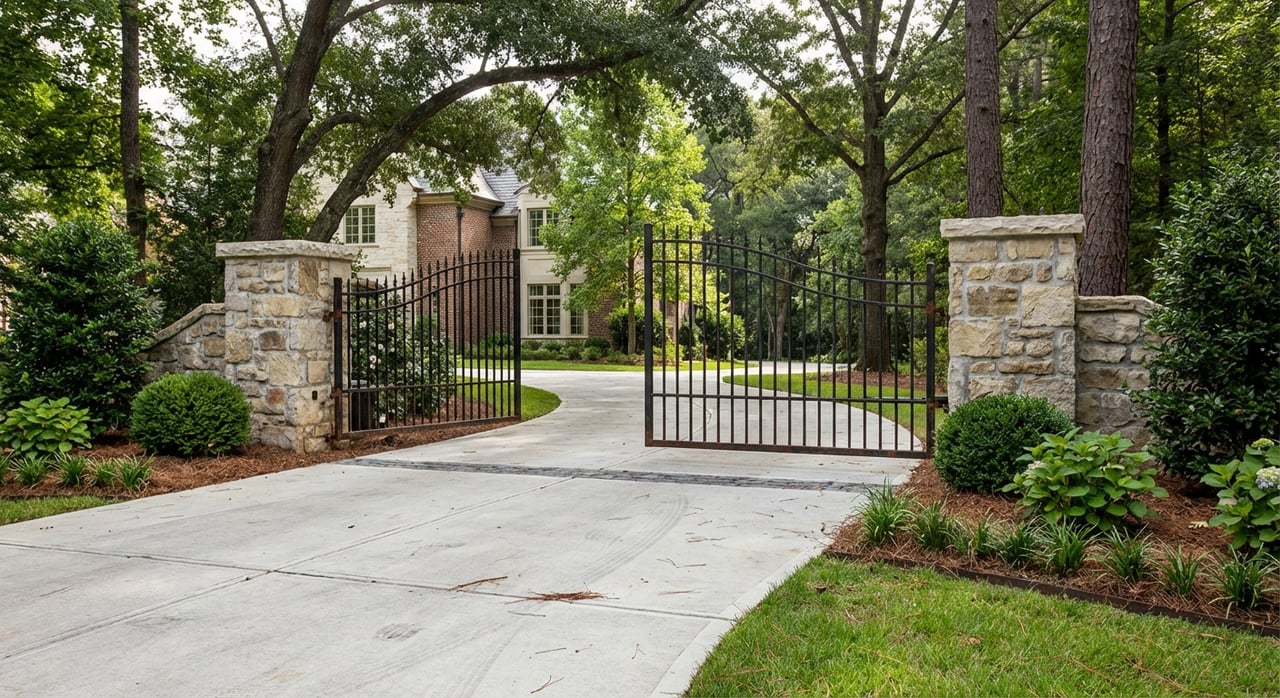
In gated neighborhoods, the setting matters almost as much as the home. A complete package should include views of gate entry, driveway approach, yard boundaries, outdoor spaces, parking, and nearby amenities.
In River Club, that might mean understanding how a home relates to the trail system, clubhouse, or sports amenities. In Sugarloaf, it may mean seeing the lot approach, golf adjacency, or proximity to major community features.
Questions to ask during a live virtual showing
When you cannot be there in person right away, your questions become even more important. Use the showing to move beyond surface-level impressions.
Ask about layout and fit
Focus on how the home will function in your real life.
- Does the floor plan support your daily routine?
- Will your larger furniture pieces fit the main rooms?
- Is there enough space for a home office, guests, or hobbies?
- How does the house connect to outdoor entertaining areas?
Ask about condition and maintenance
A home can look polished on camera and still raise practical concerns. Ask direct questions about major systems and visible issues.
- How old are the HVAC systems, roof, water heater, and appliances?
- Are there any signs of water intrusion or structural movement?
- What does the seller disclosure include?
- How is the water pressure?
Fannie Mae recommends hiring an independent home inspector to assess the physical condition of the property, including major systems and structural components. That step still matters, even if a virtual tour gives you a strong first impression.
Ask about lifestyle and logistics
This is especially important in gated communities, where daily convenience can vary from one home to another.
- How does gate access work for residents and guests?
- Are there community rules that affect how you plan to use the property?
- What internet providers serve the area?
- How close is the home to amenities, roads, or entry points?
These questions help you understand not just the property, but also what everyday life may look like once you move in.
How virtual tours save time for relocation buyers
If you are relocating, every trip has a cost in time and energy. Virtual tours help you avoid spending those resources on homes that are attractive online but wrong in person.
NAR’s buyer data shows that buyers commonly use online-only viewings as part of the process, and 88% purchased through an agent or broker. That matters because an agent-led virtual process can help you compare homes more efficiently, identify red flags earlier, and focus your travel on the strongest options.
NAR also notes that virtual tours can save time for buyers who have full-time jobs or live far away. In River Club and Sugarloaf, that benefit is even more practical because buyers often need to evaluate both the property and the lifestyle elements that come with a gated community purchase.
What this means for your home search
Virtual tours do not replace in-person due diligence. What they do is help you get smarter, faster, and more focused before the next step.
For River Club and Sugarloaf buyers, the value is clear. A thoughtful virtual process helps you narrow your list, understand layout and setting, and decide which homes deserve an in-person showing. It also helps you ask sharper questions about access, amenities, lot position, and day-to-day living in two of north Atlanta’s best-known gated communities.
If you are planning a move into River Club or Sugarloaf, Floyd Real Estate Group can help you evaluate properties with a more informed, high-touch approach so you can move forward with clarity and confidence.
FAQs
How do virtual tours help River Club buyers narrow down homes?
- Virtual tours help you evaluate layout, lot use, outdoor living areas, and nearby community features before scheduling an in-person visit.
How do virtual tours help Sugarloaf buyers who are relocating?
- They let you screen homes remotely, ask live questions, and reduce unnecessary travel by focusing only on the properties that best fit your needs.
What should a River Club or Sugarloaf virtual showing include?
- A strong showing should include a full walkthrough, a live video tour, a floor plan with measurements, property condition details, and coverage of the home’s broader setting.
Can you buy a home based only on a virtual tour?
- Yes, some buyers do. NAR’s REALTORS® Confidence Index reported that 6% of buyers purchased a home based only on a virtual tour, showing, or open house without seeing it in person first.
What questions should buyers ask during a virtual home tour in gated communities?
- Ask about layout, furniture fit, major system ages, disclosures, gate access, internet service, amenity proximity, and how the lot relates to roads or neighboring properties.