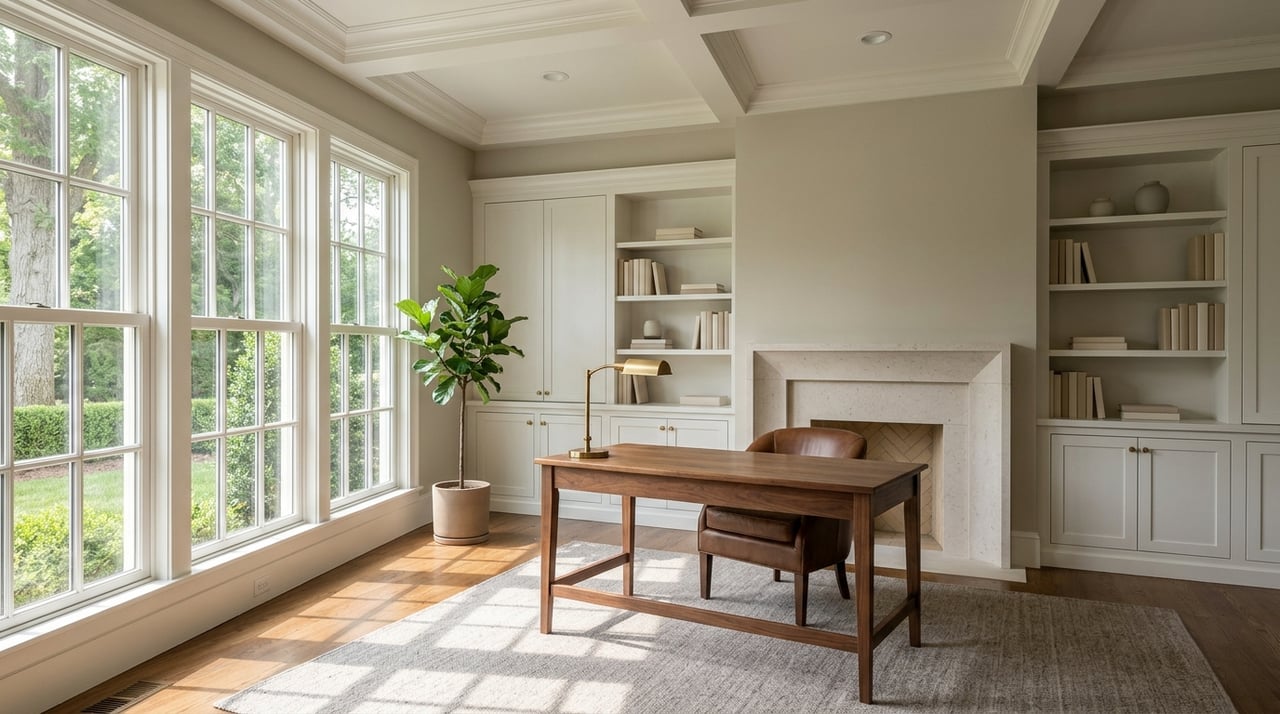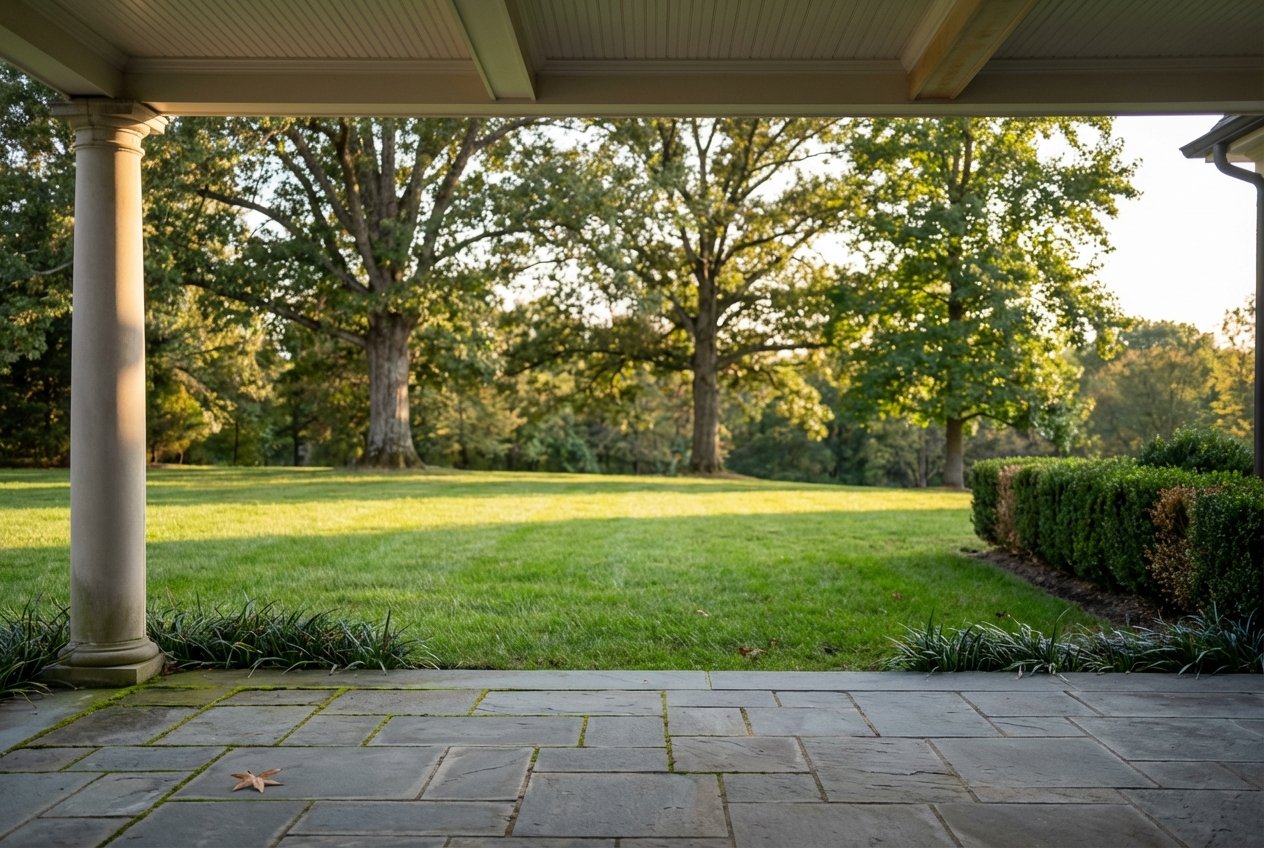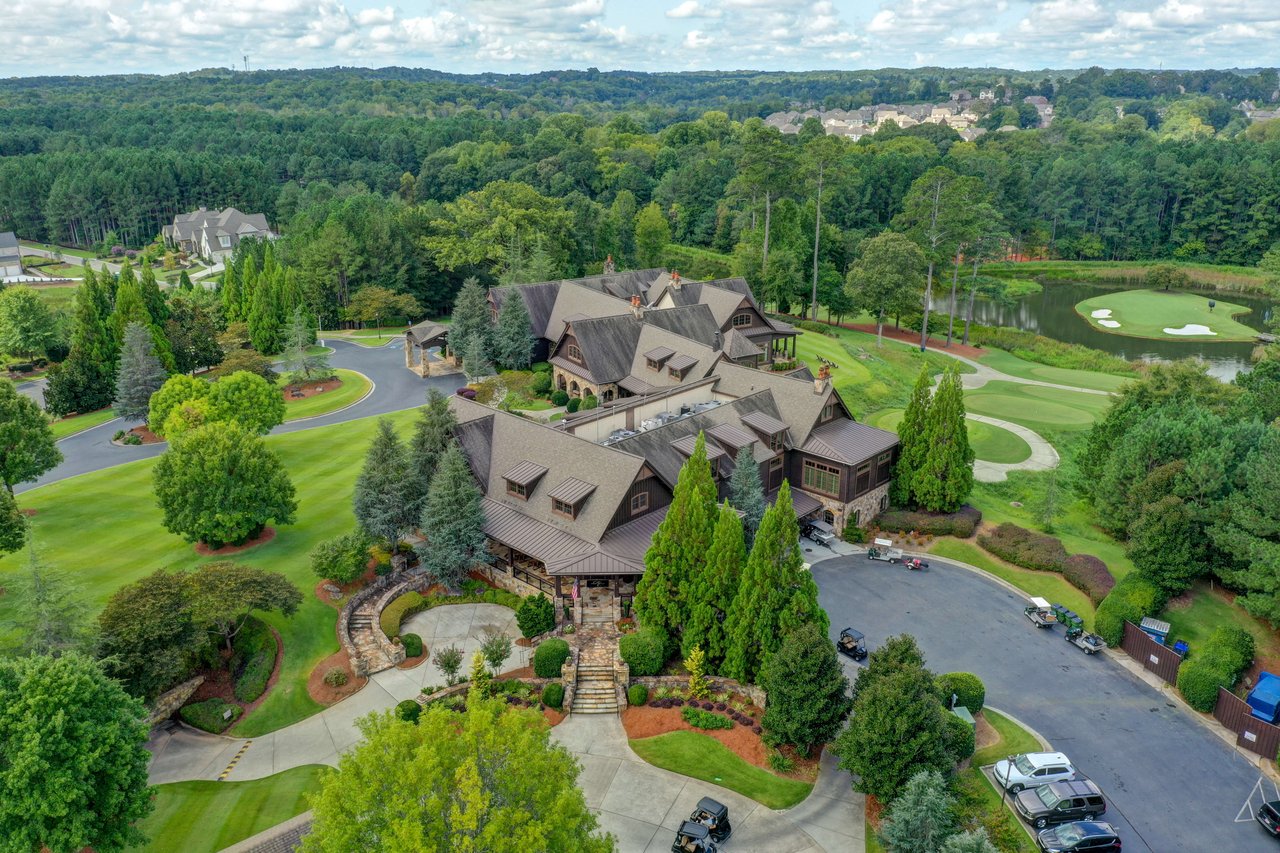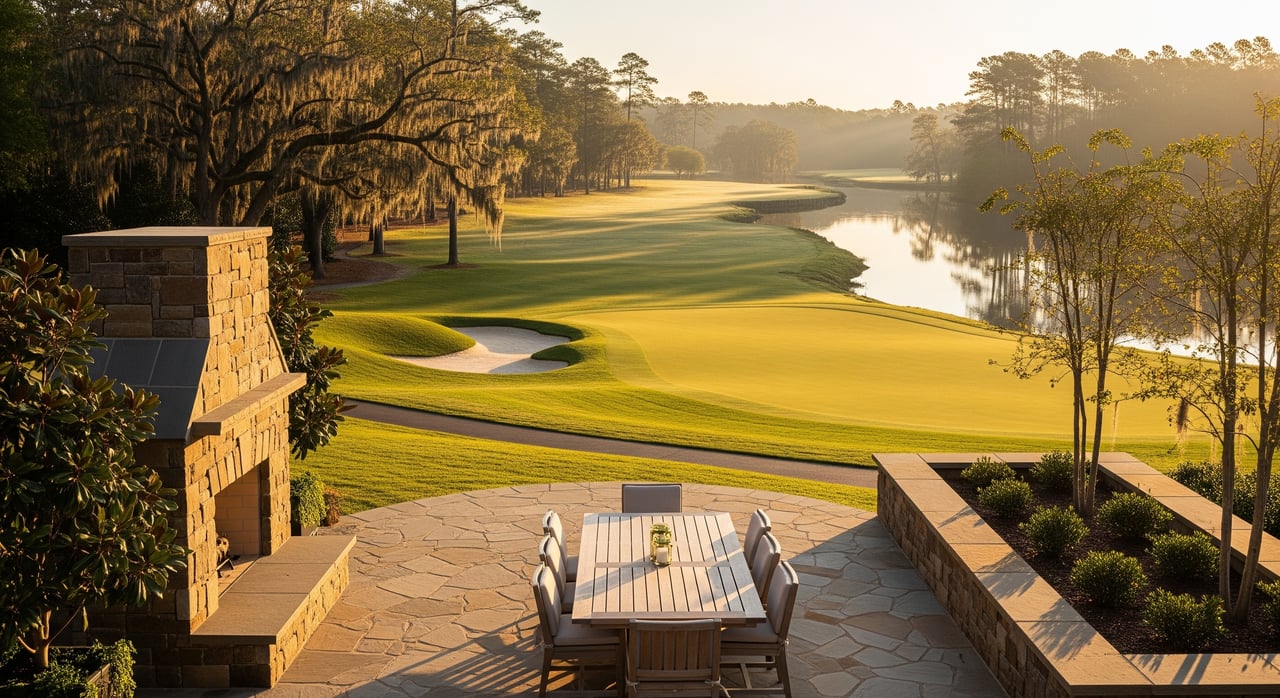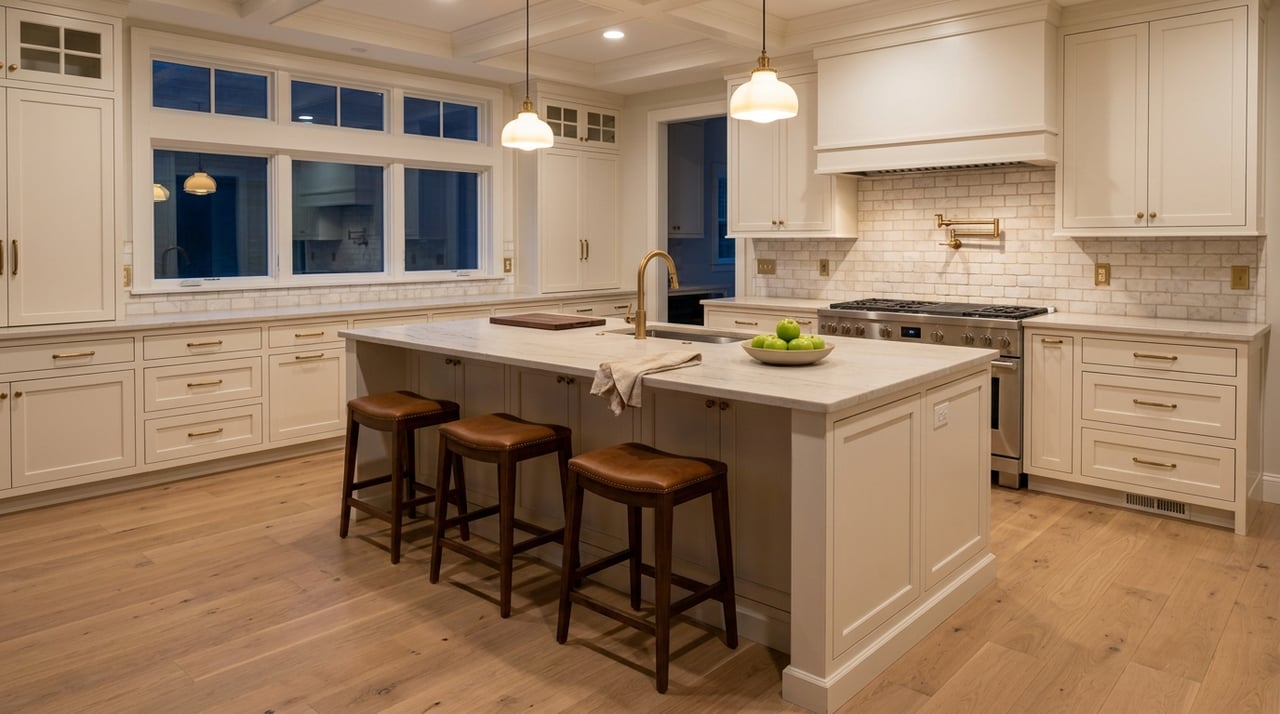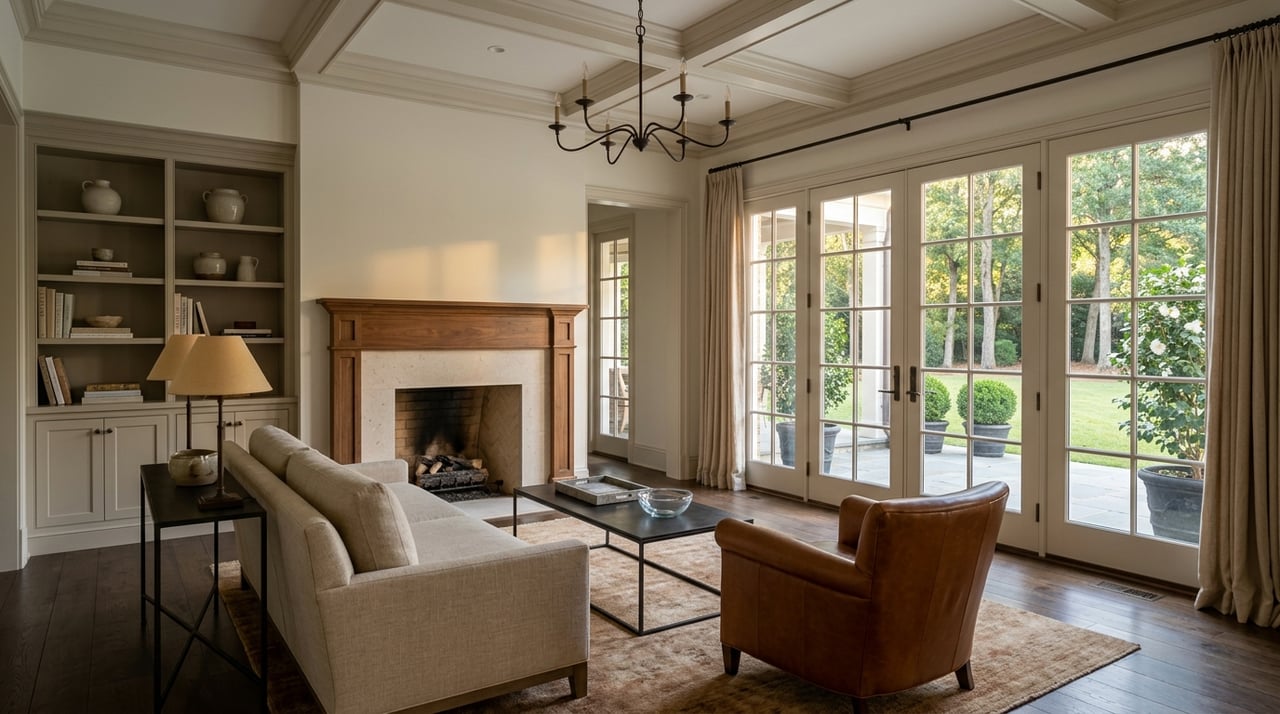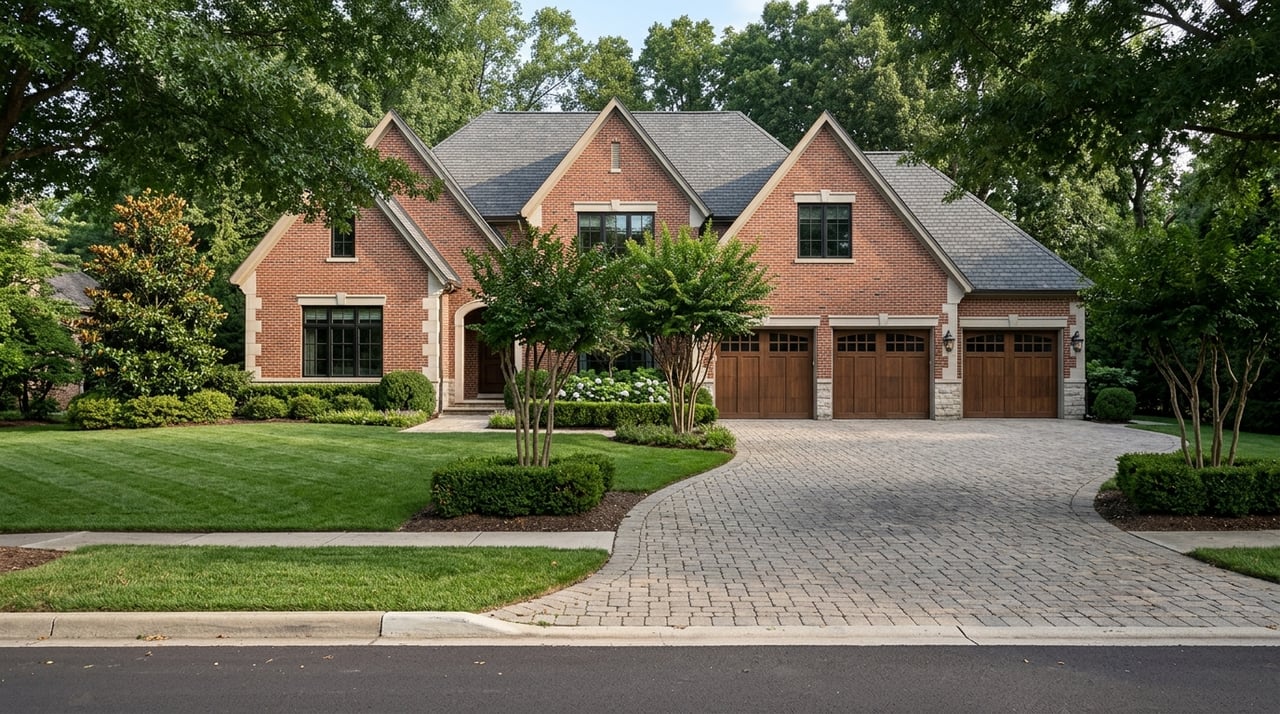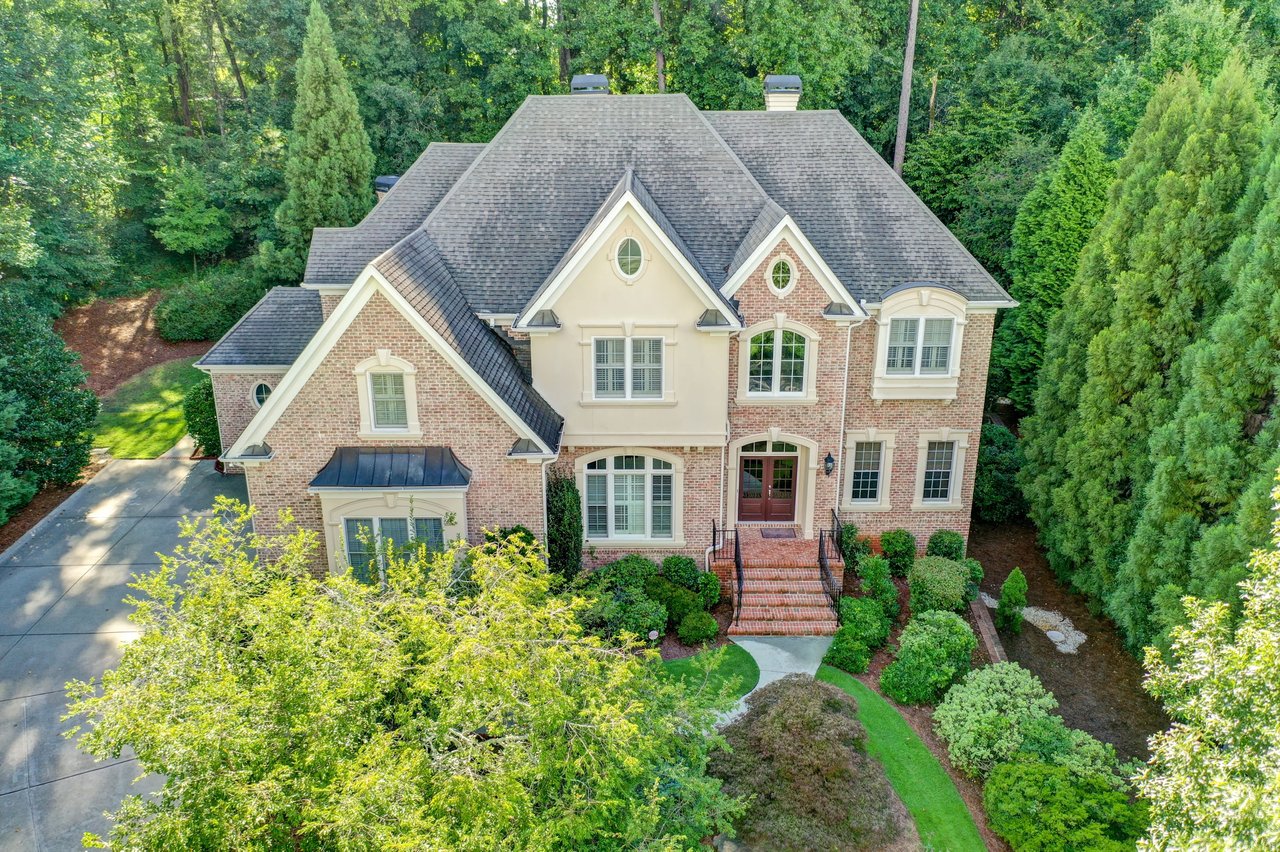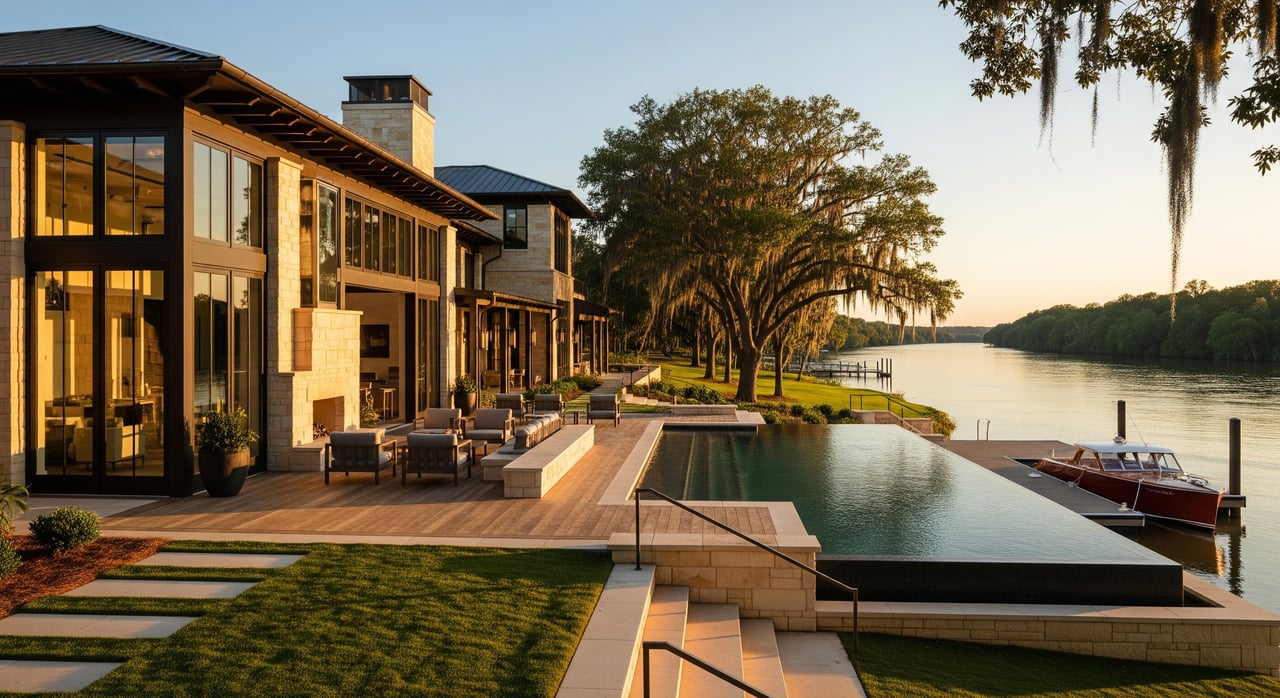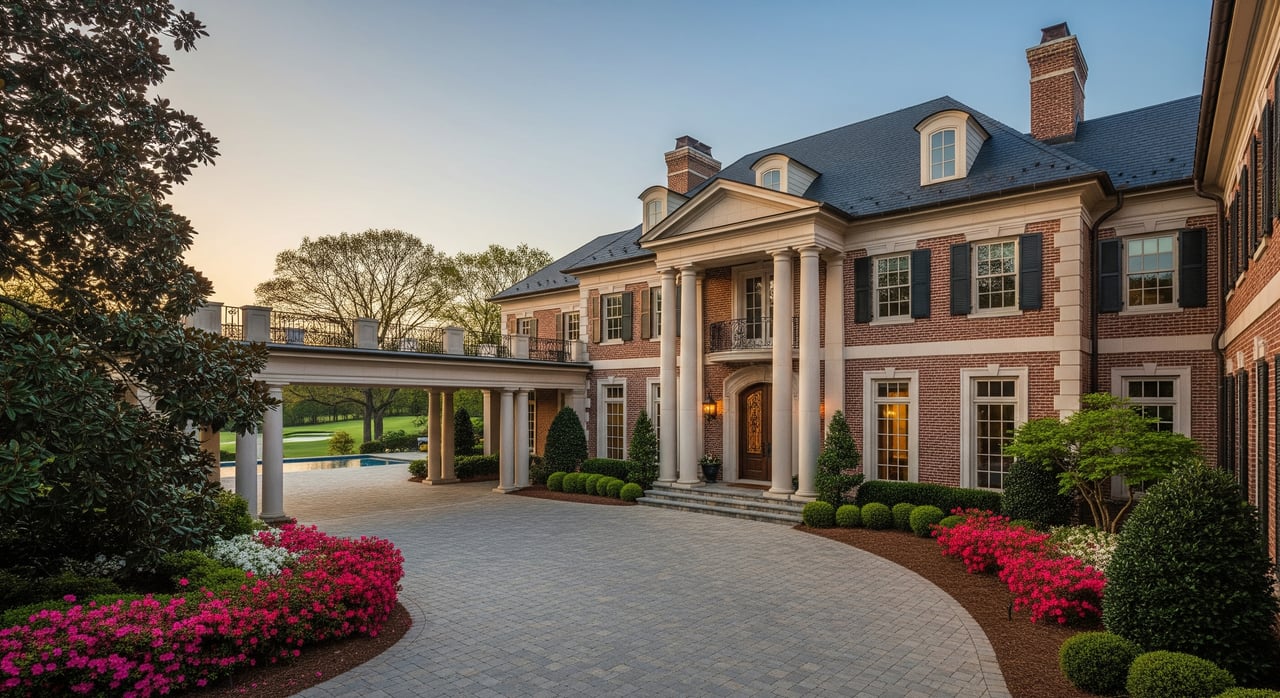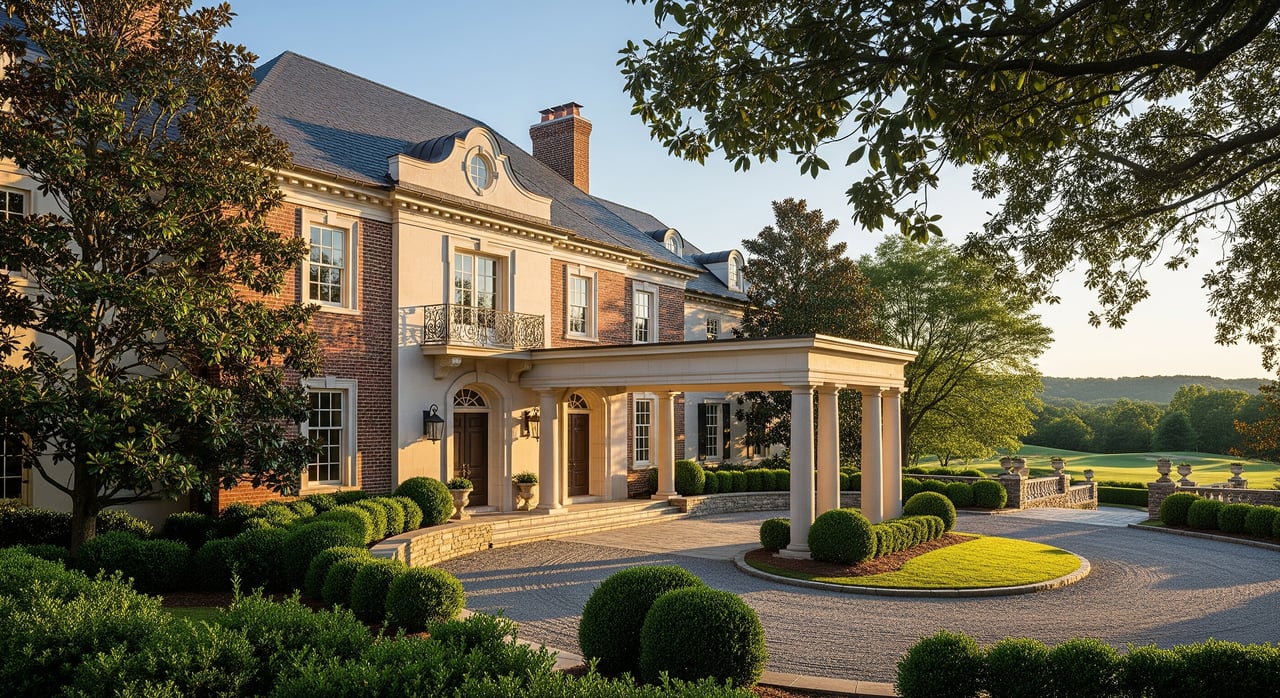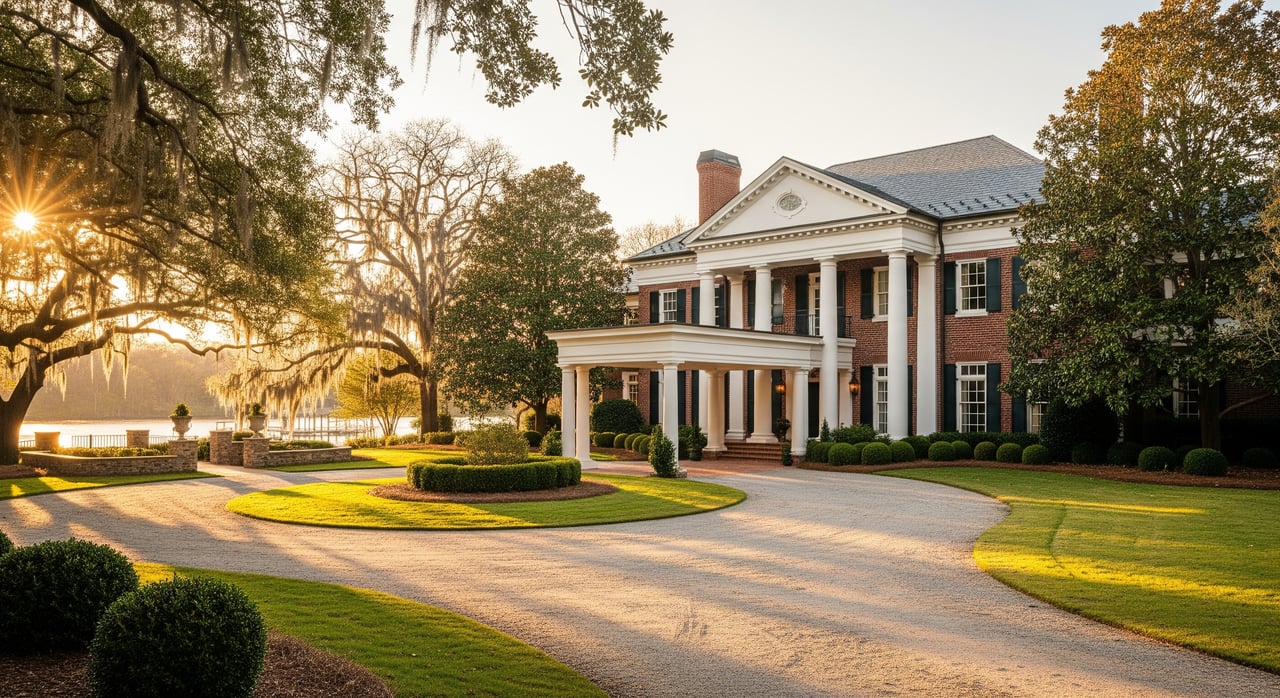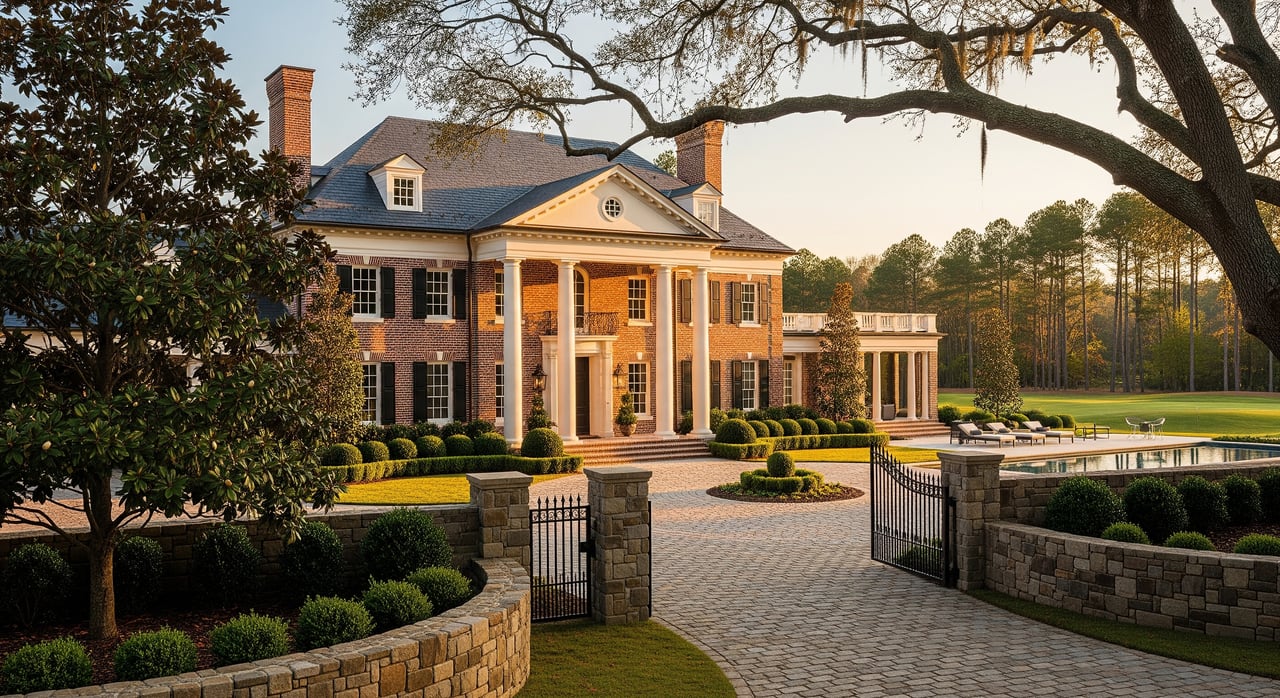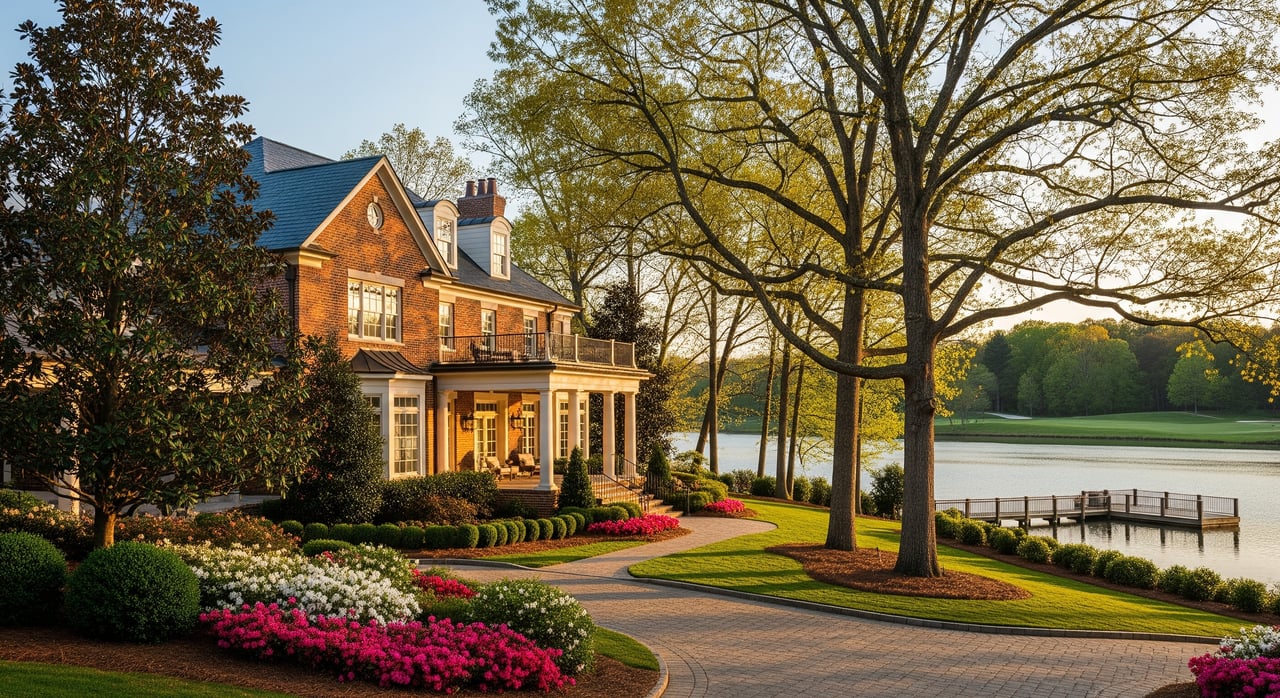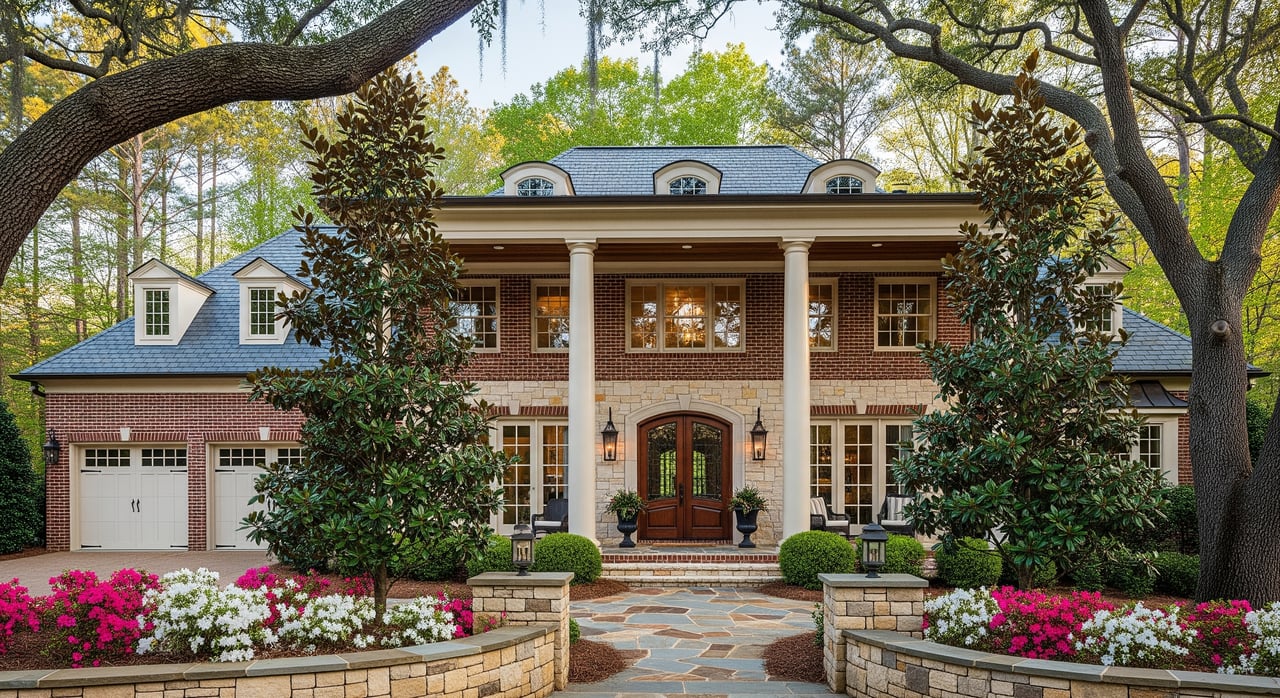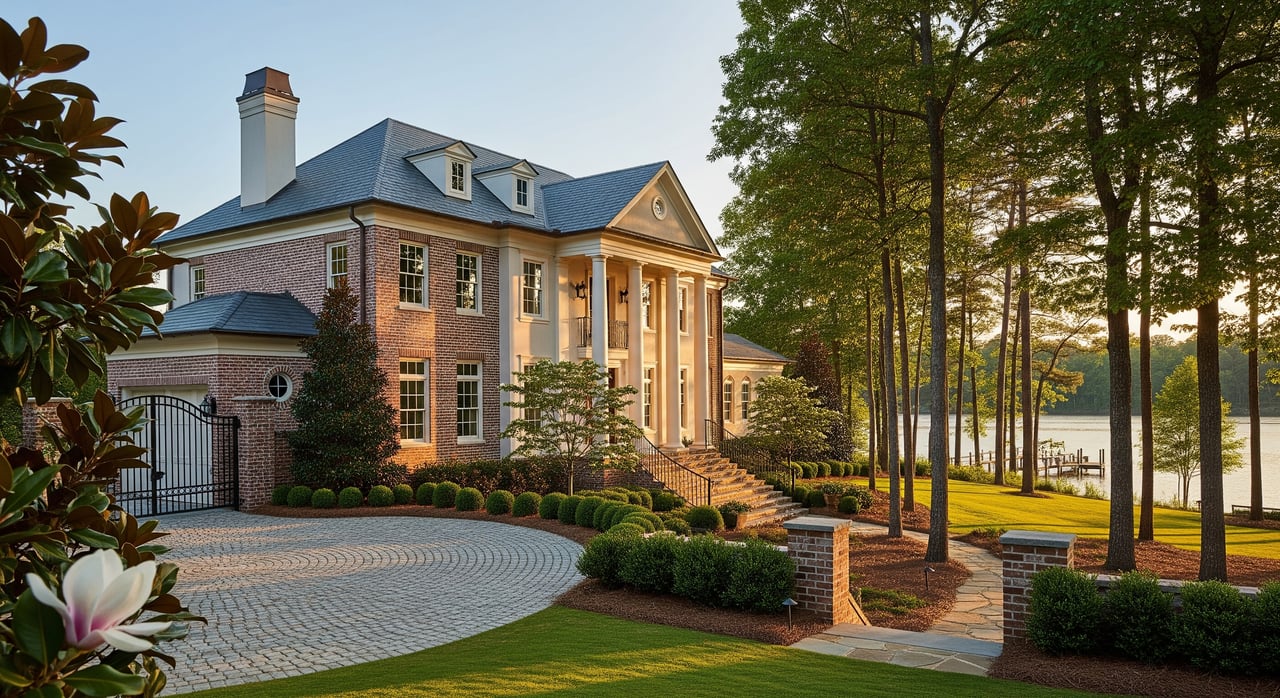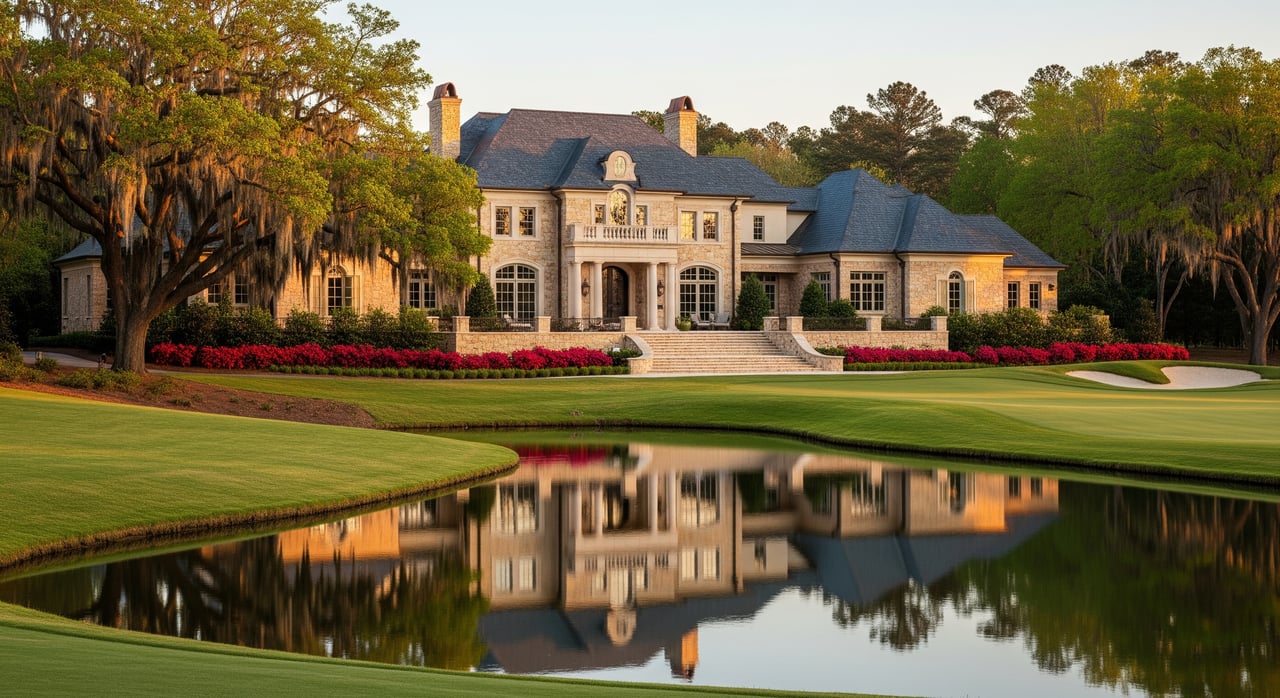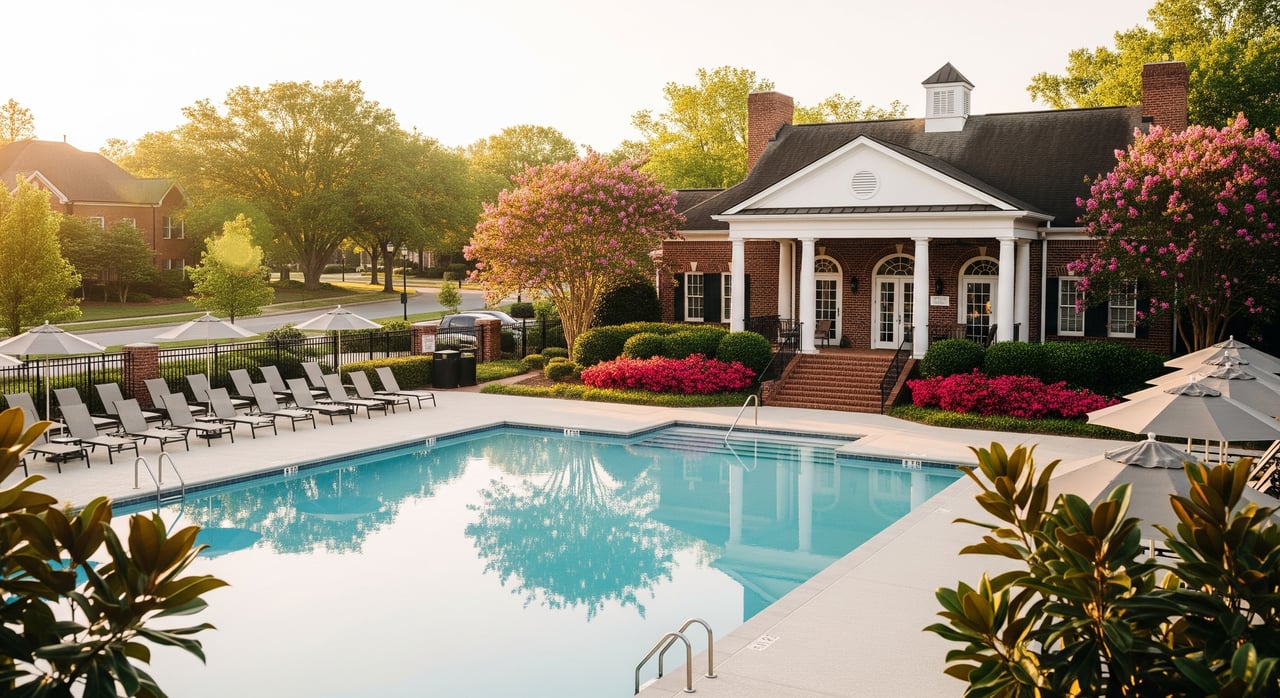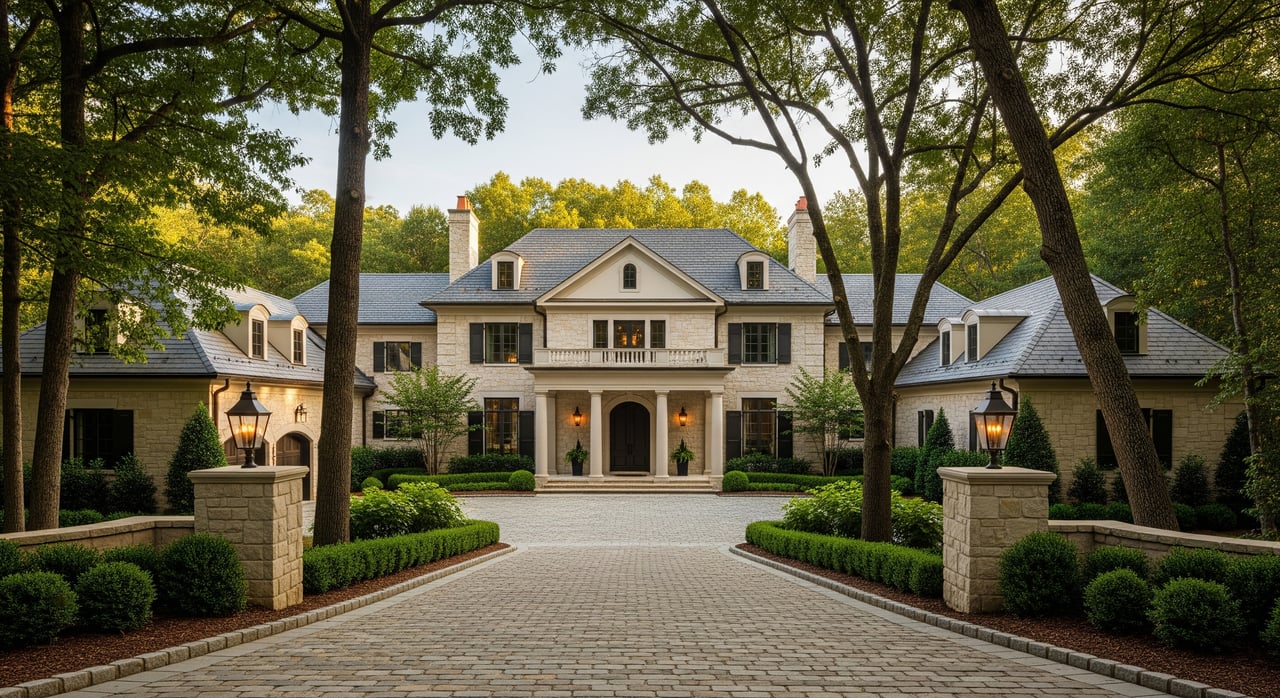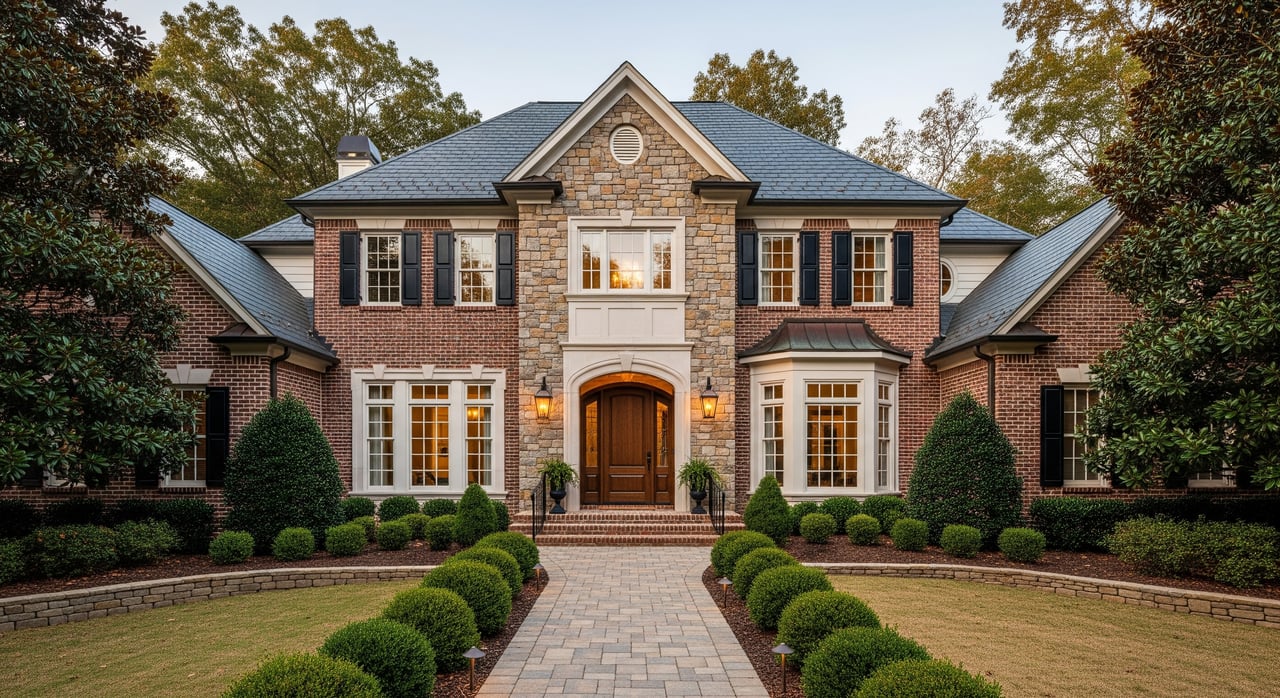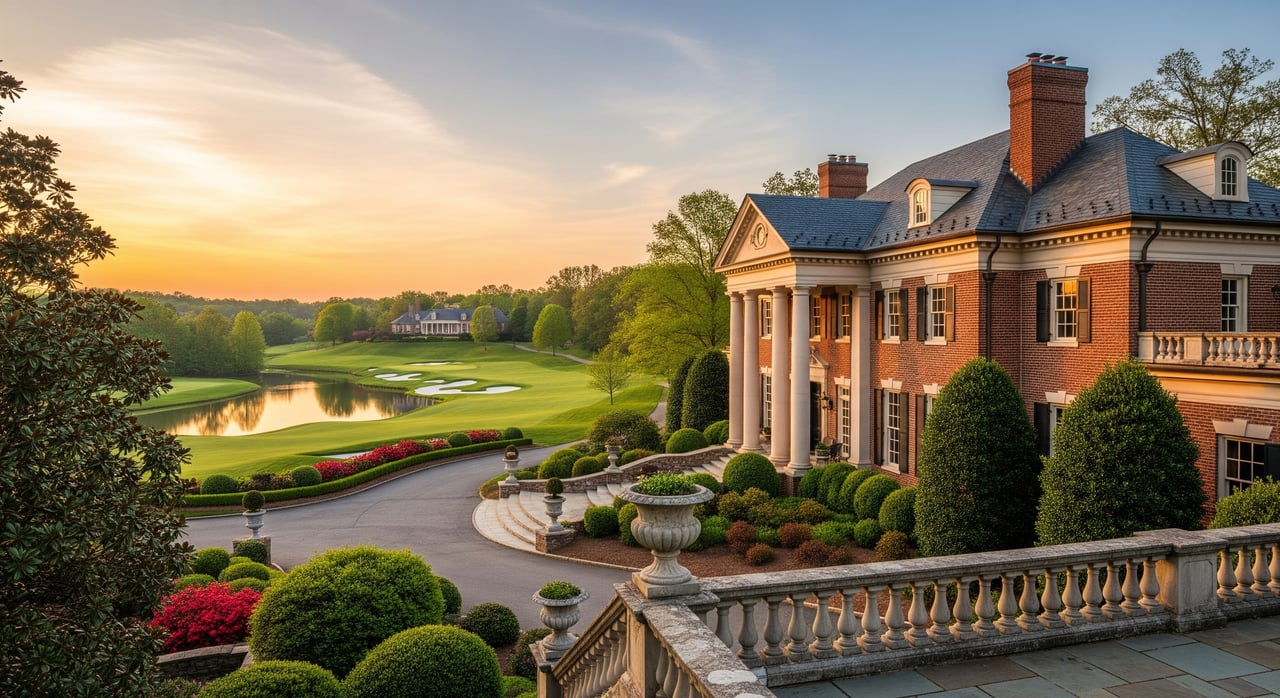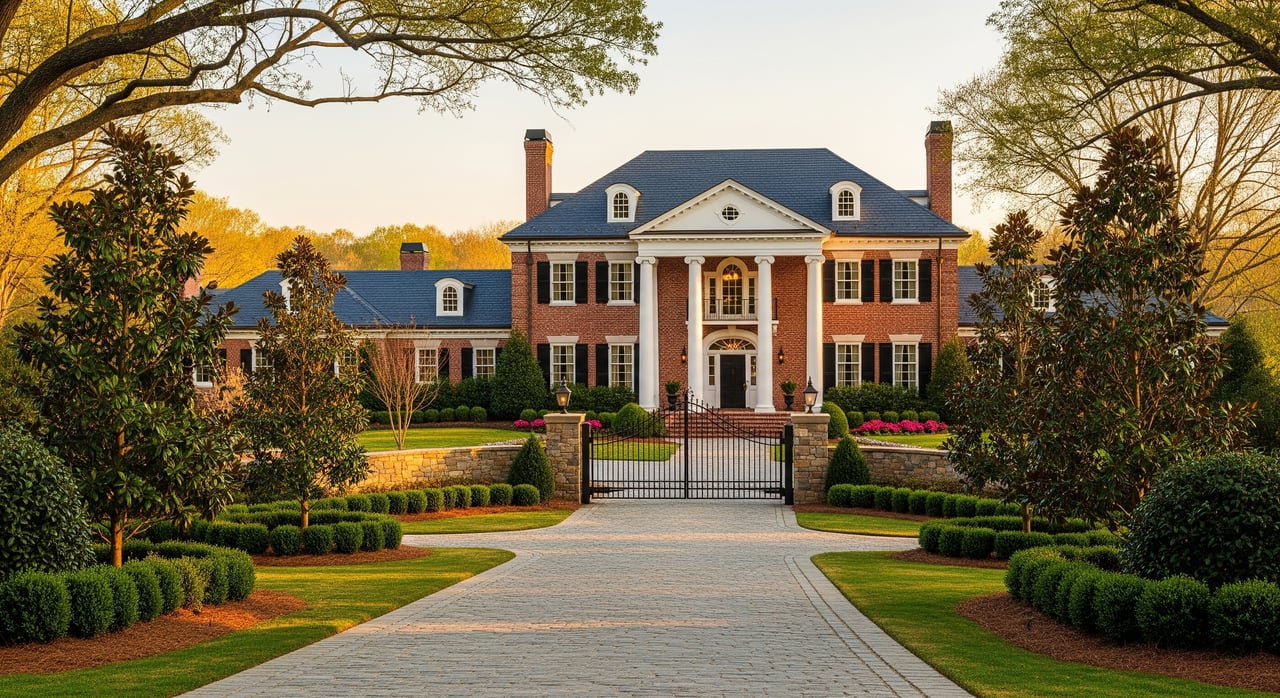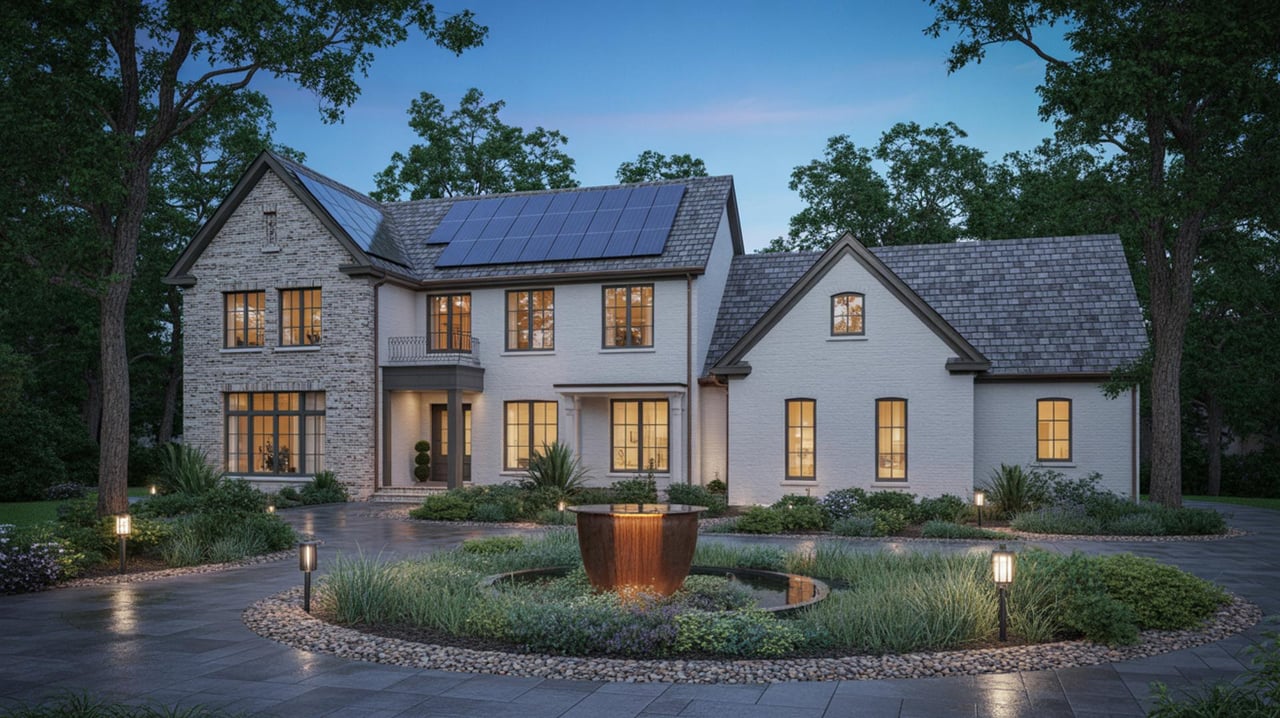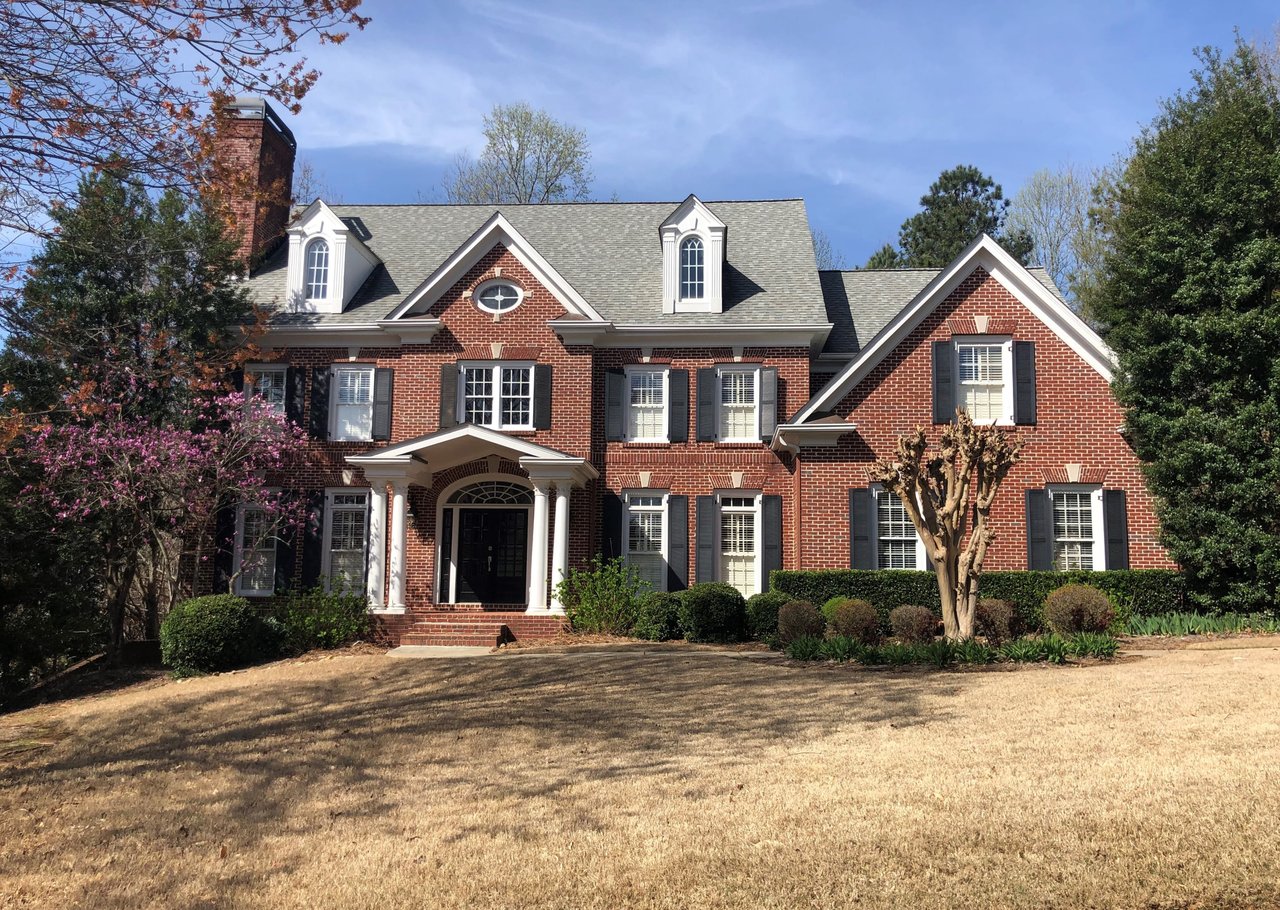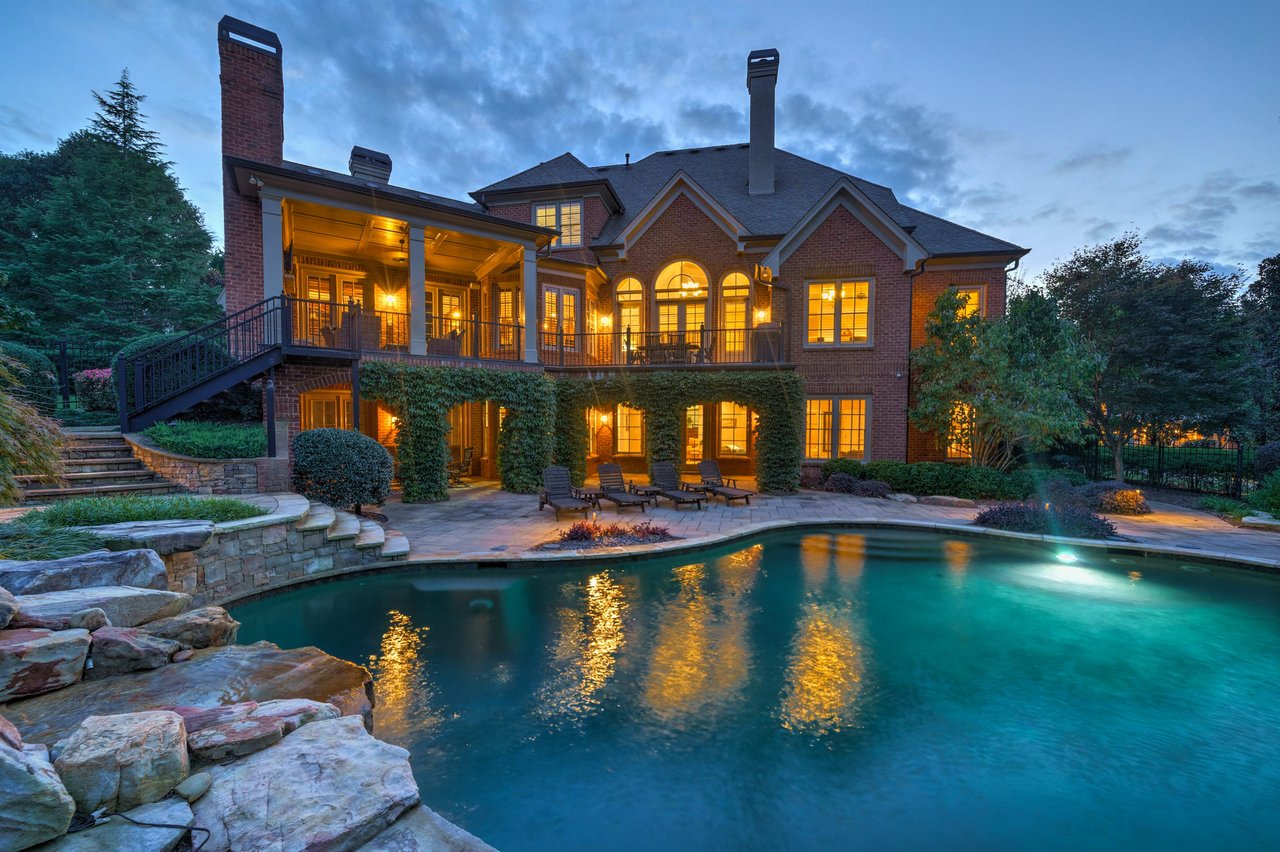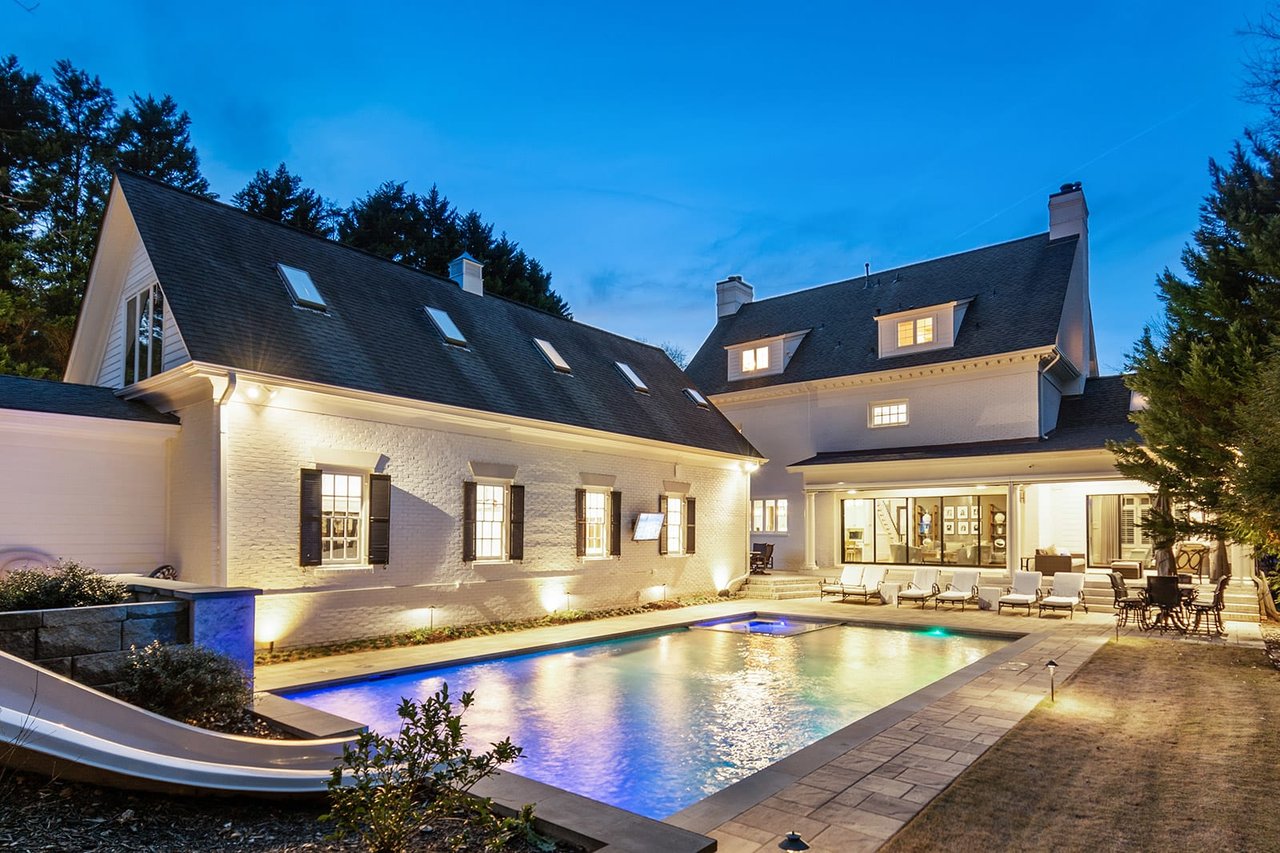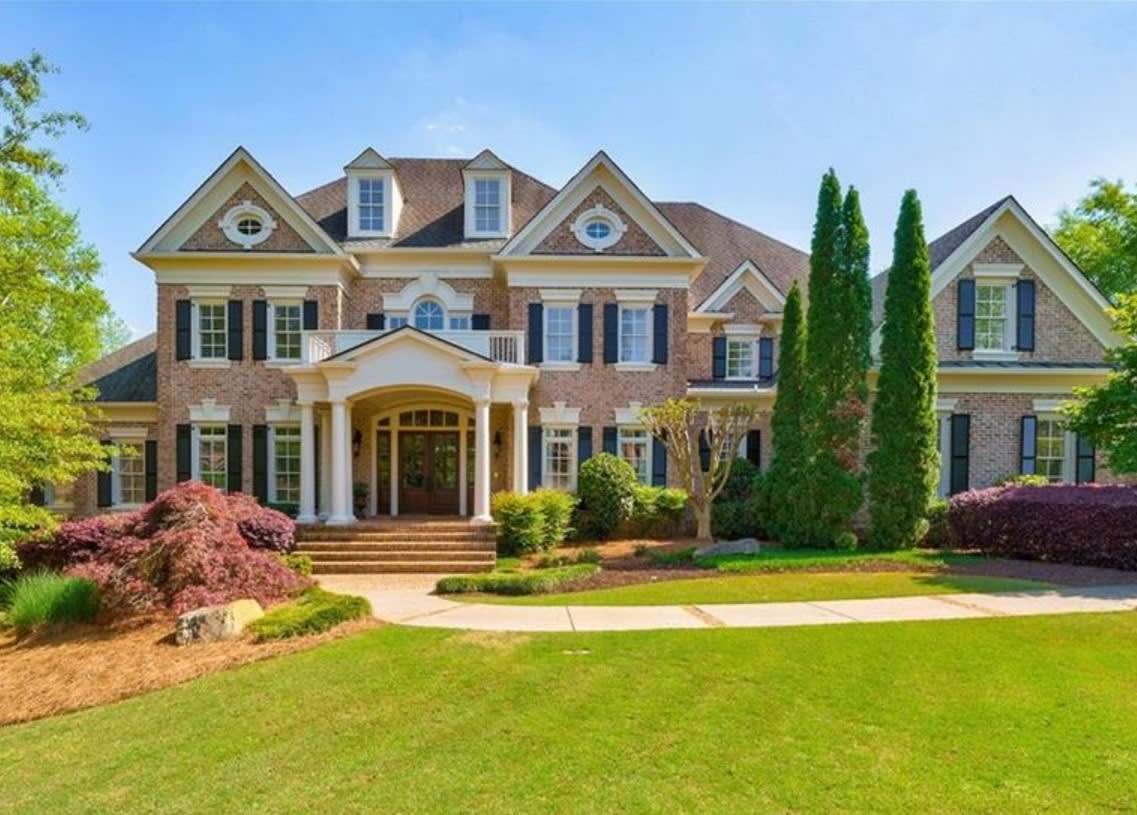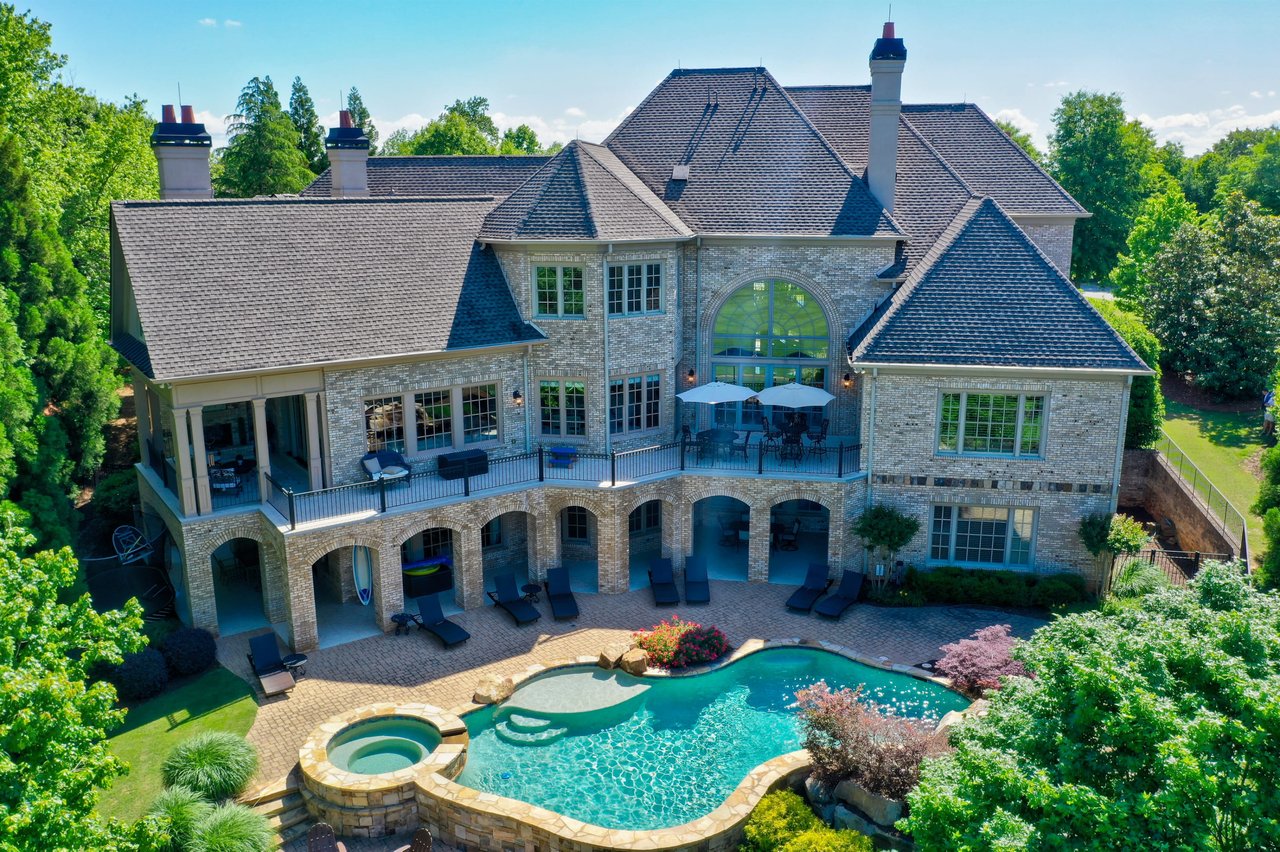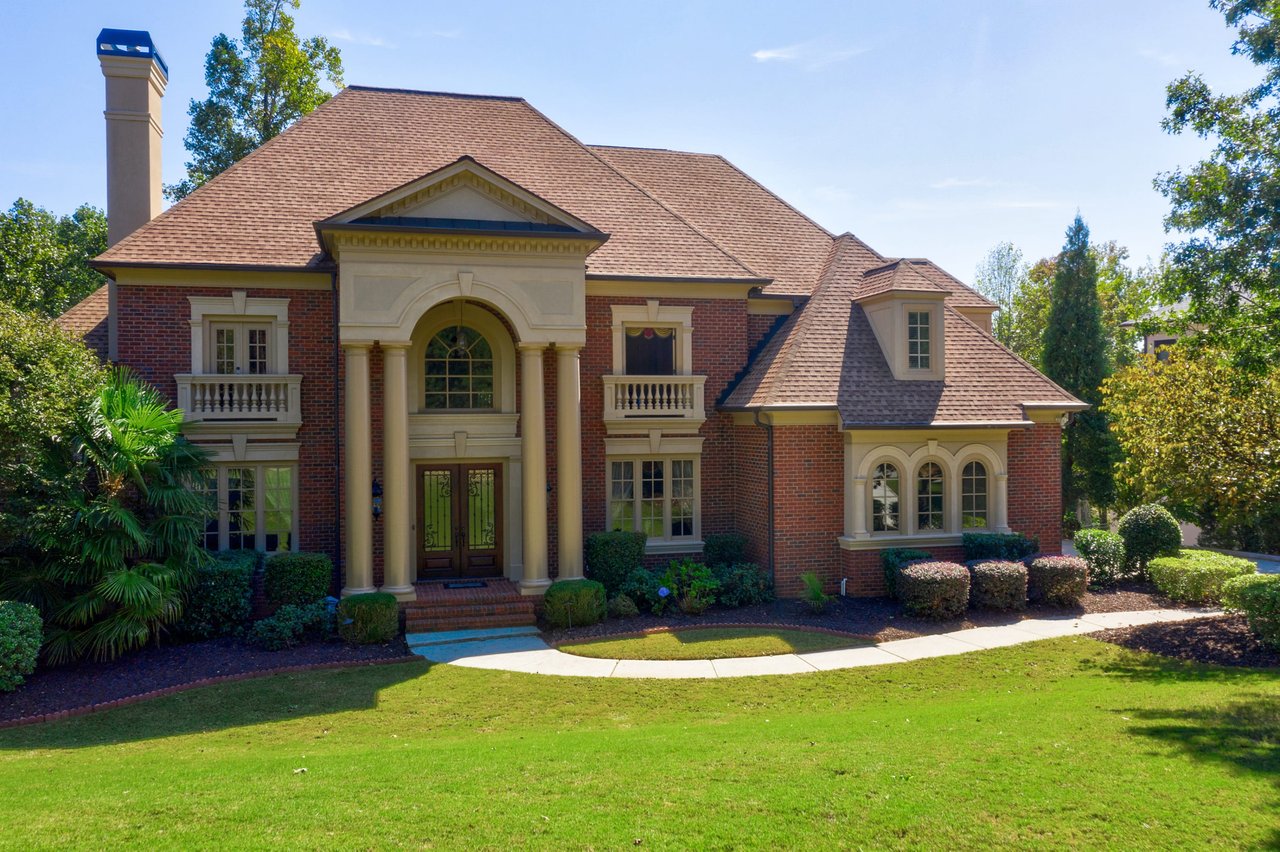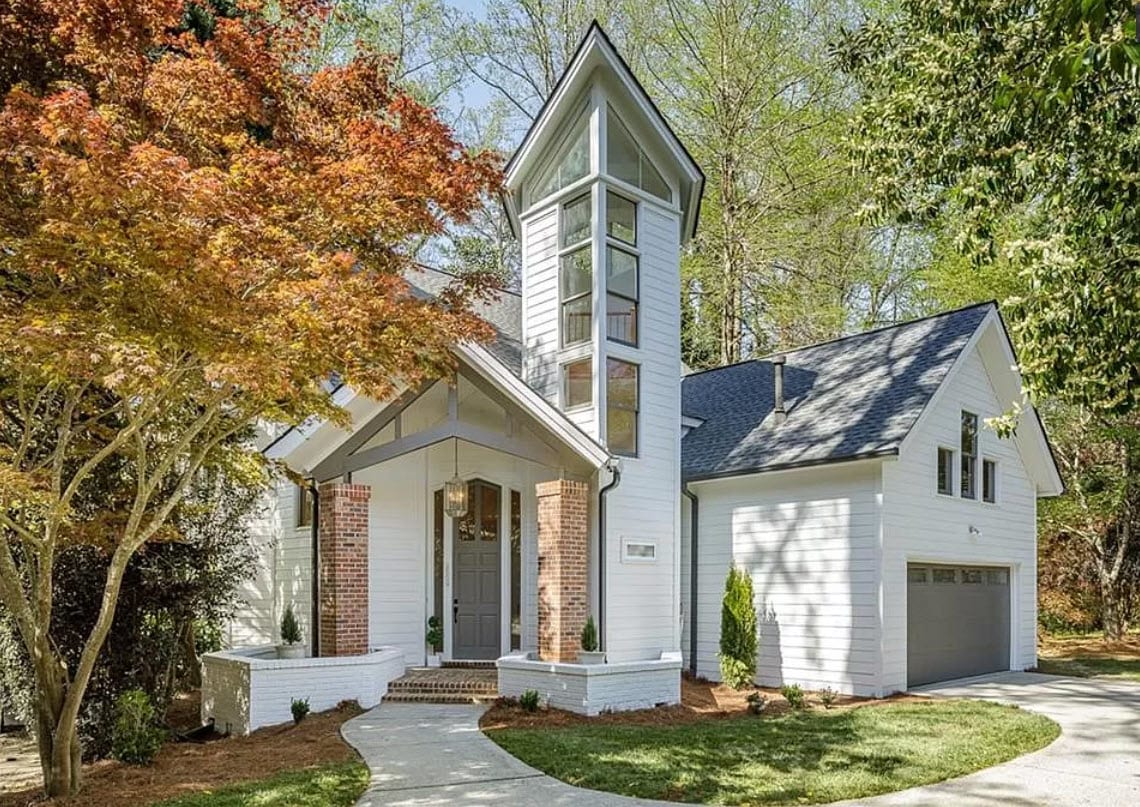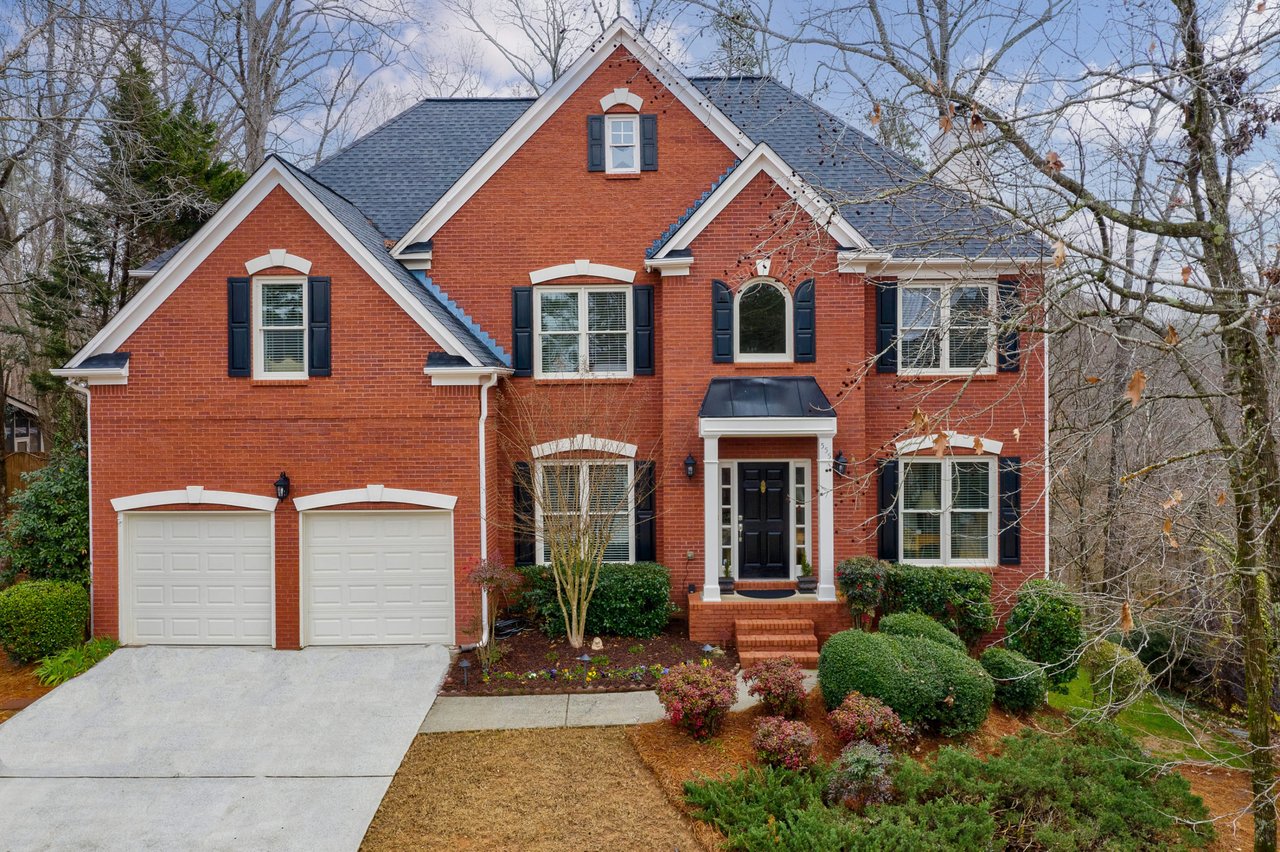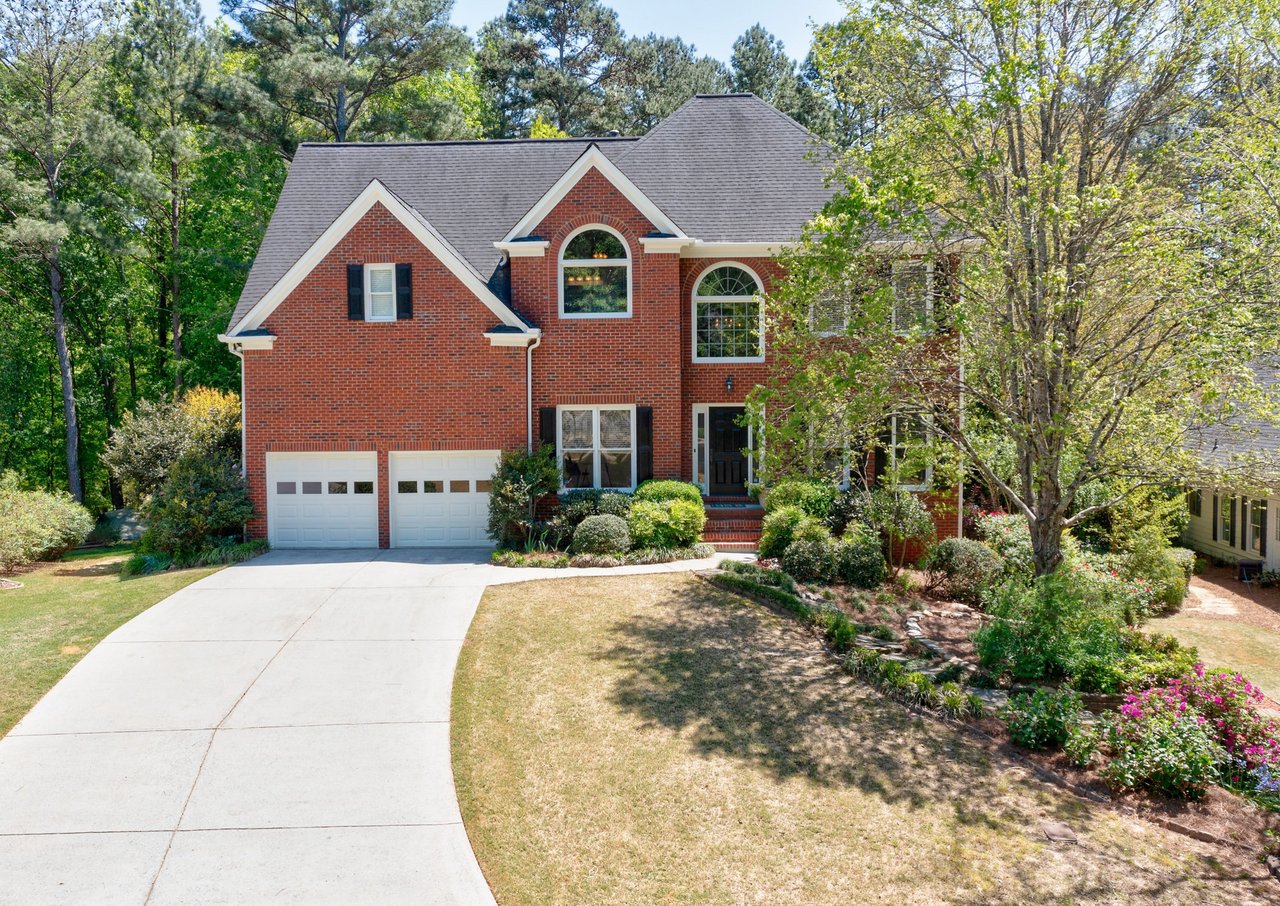
You want a custom home that fits the way you live today and holds its value tomorrow. In The River Club of Suwanee, you have choices — from golf-front vistas to wooded privacy, and from timeless European-inspired estates to refined Craftsman interpretations. In this guide, you’ll learn how styles, lot types, orientation, and design rules work together to shape everyday living and long-term appeal. Let’s dive in.
River Club at a glance
Set along the Chattahoochee River in Suwanee, The River Club is a gated, private golf-club community known for protected green space, lakes, and a Greg Norman championship course. The heart of the neighborhood includes The Lodge clubhouse and a Lakeside Family Sports Center with pools, waterslide, tennis and pickleball, fitness, and nature trails that connect to outdoor living at home. You can explore the community’s setting and lifestyle on the official River Club community page. For a closer look at pools, courts, and family amenities, visit the Lakeside Family Sports Center.
Architectural styles, crafted for longevity
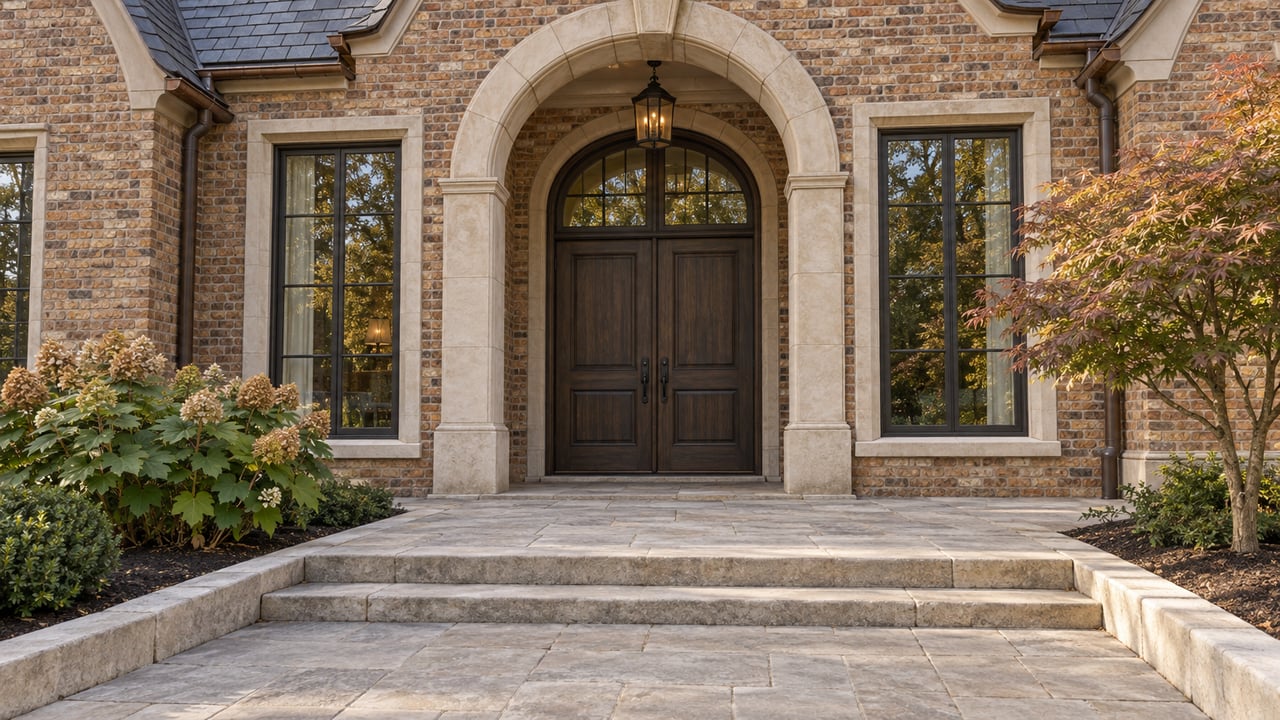
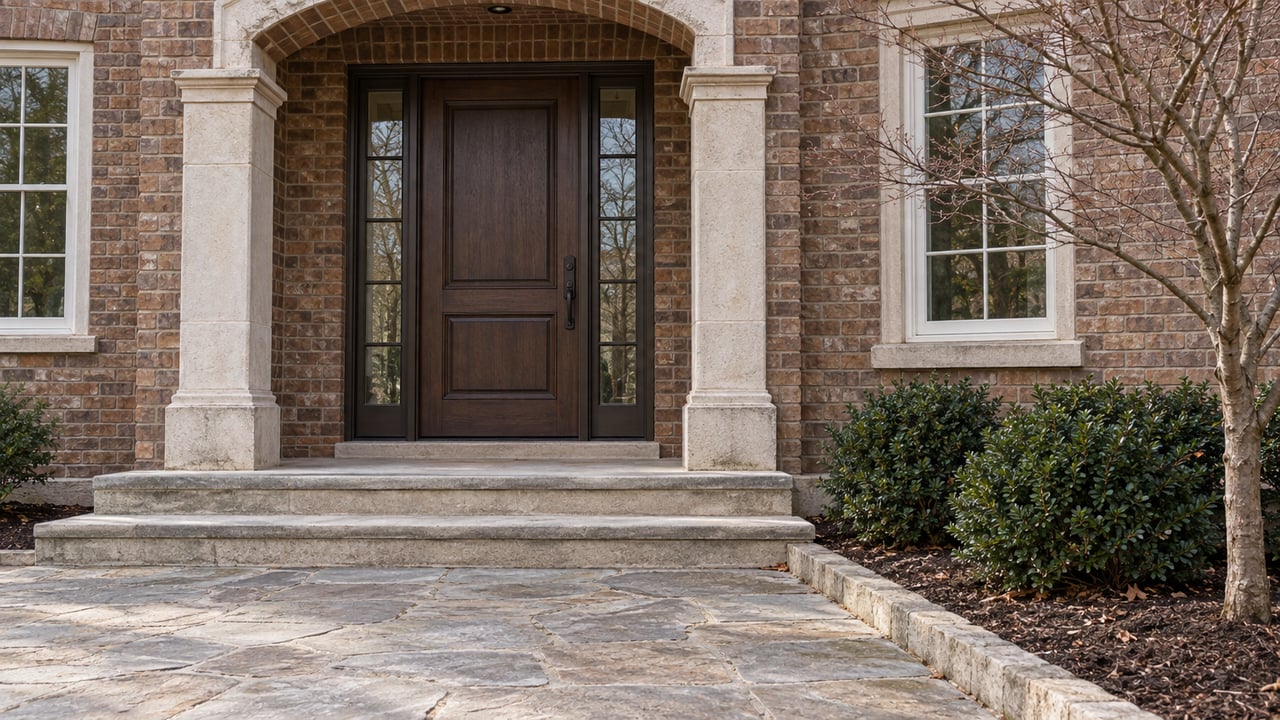
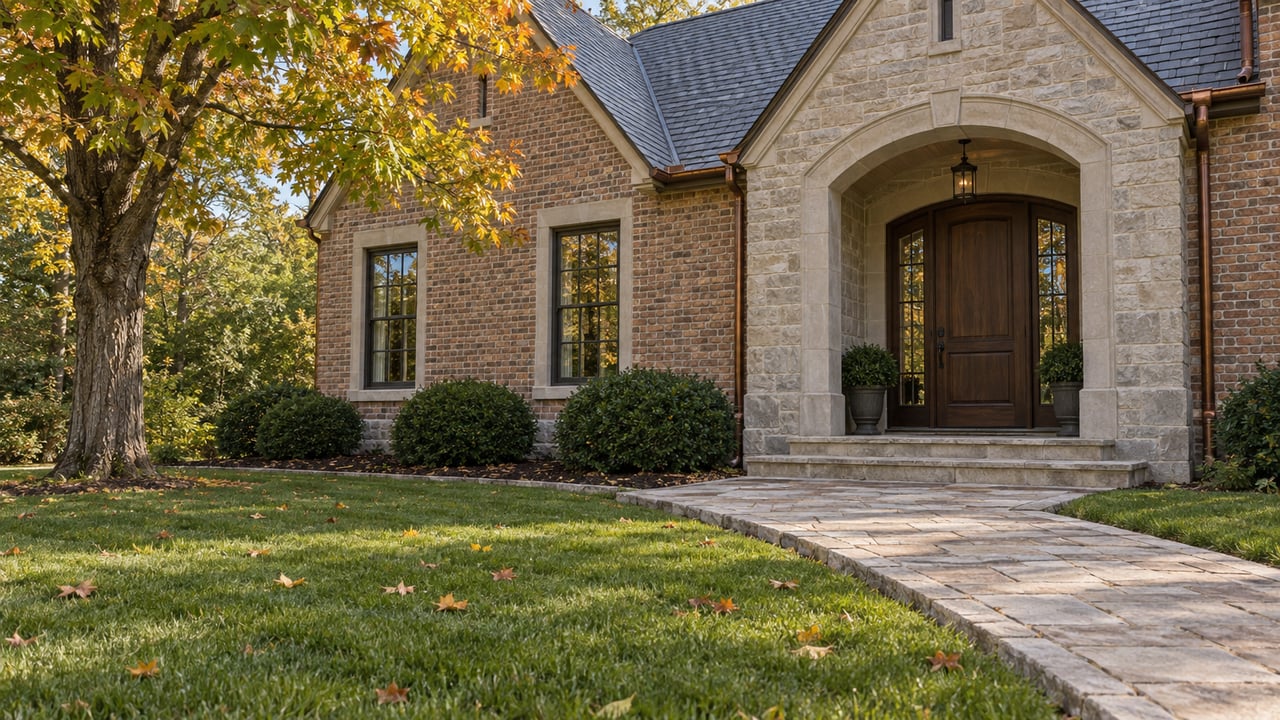
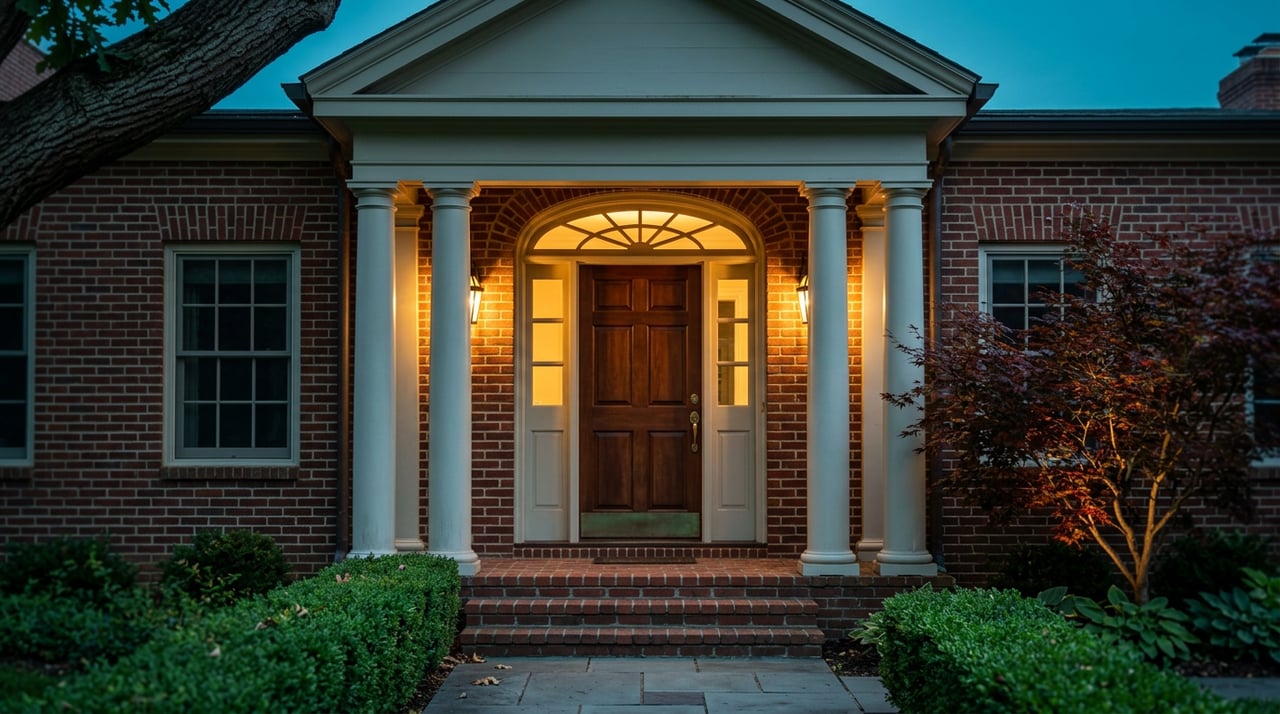
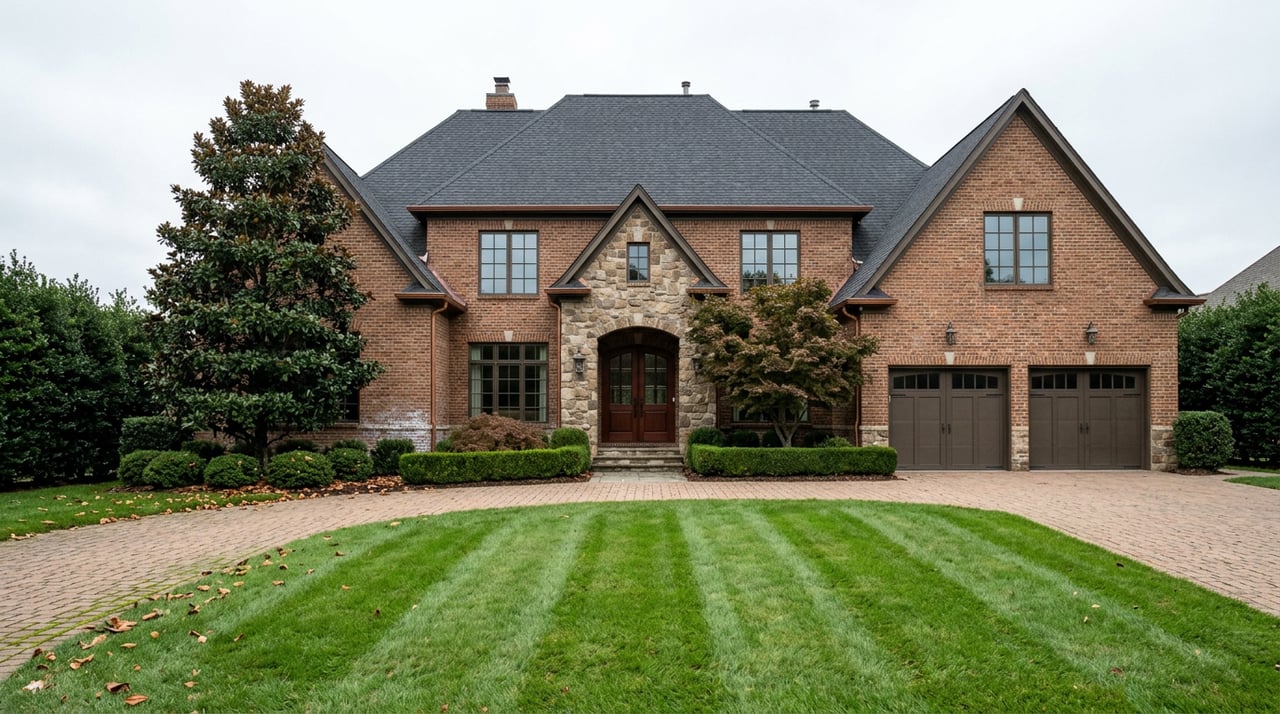
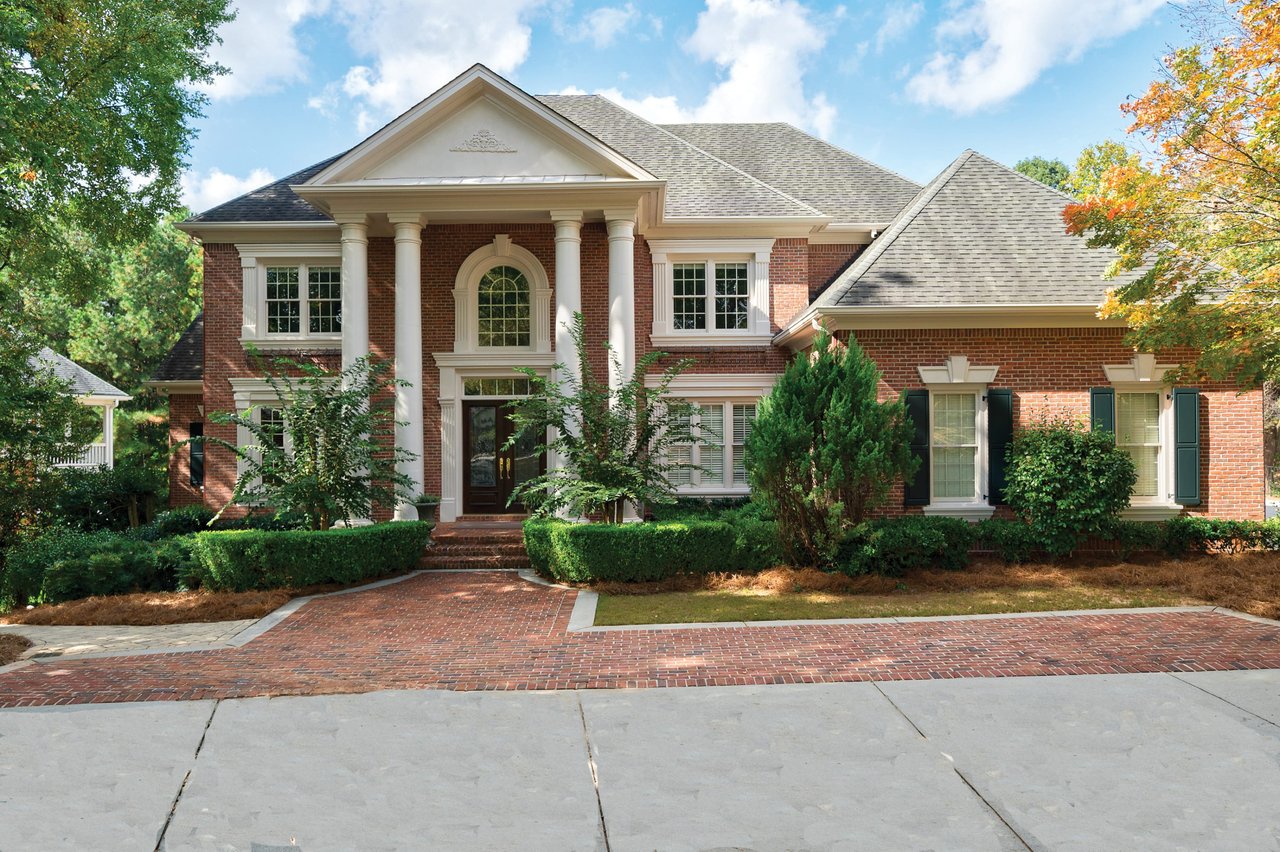
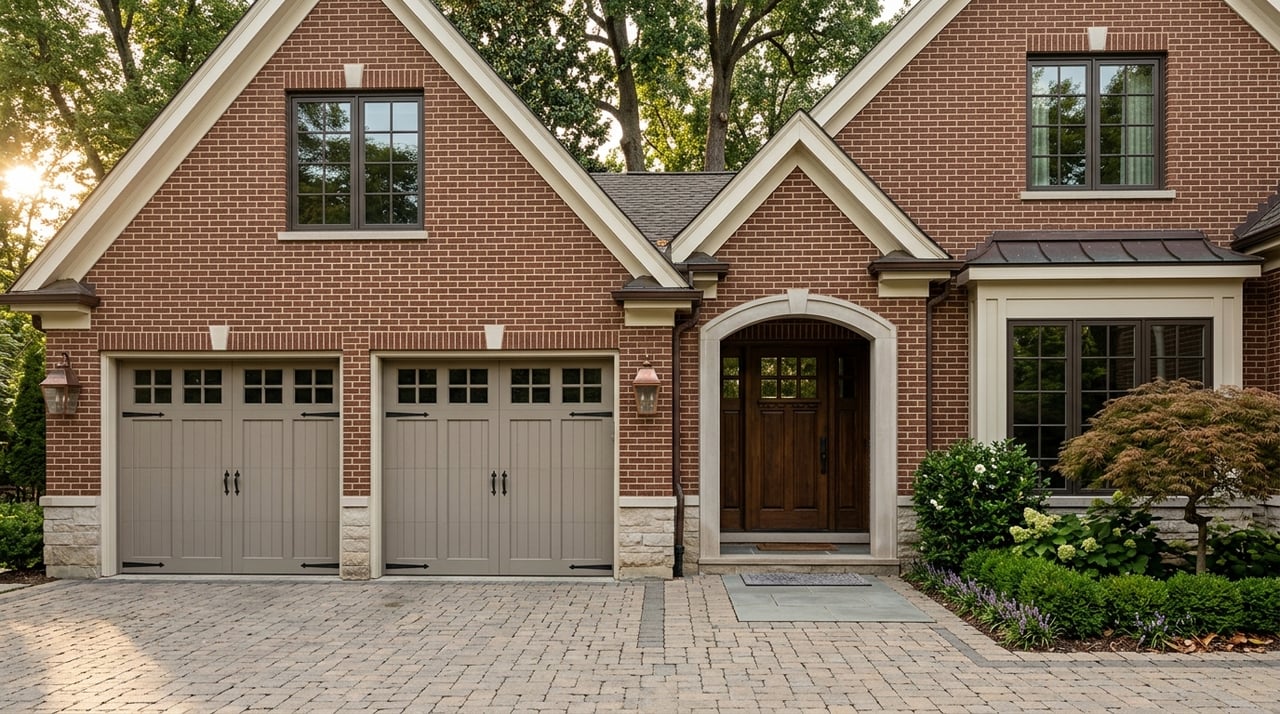
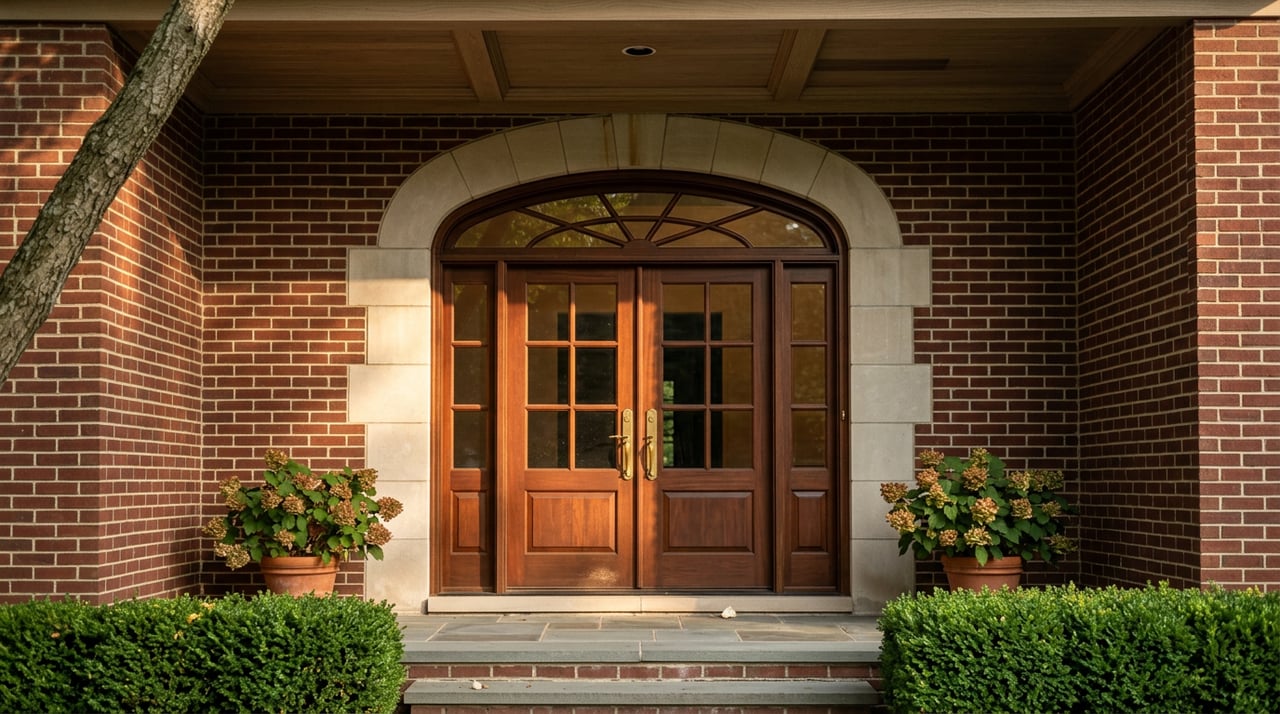
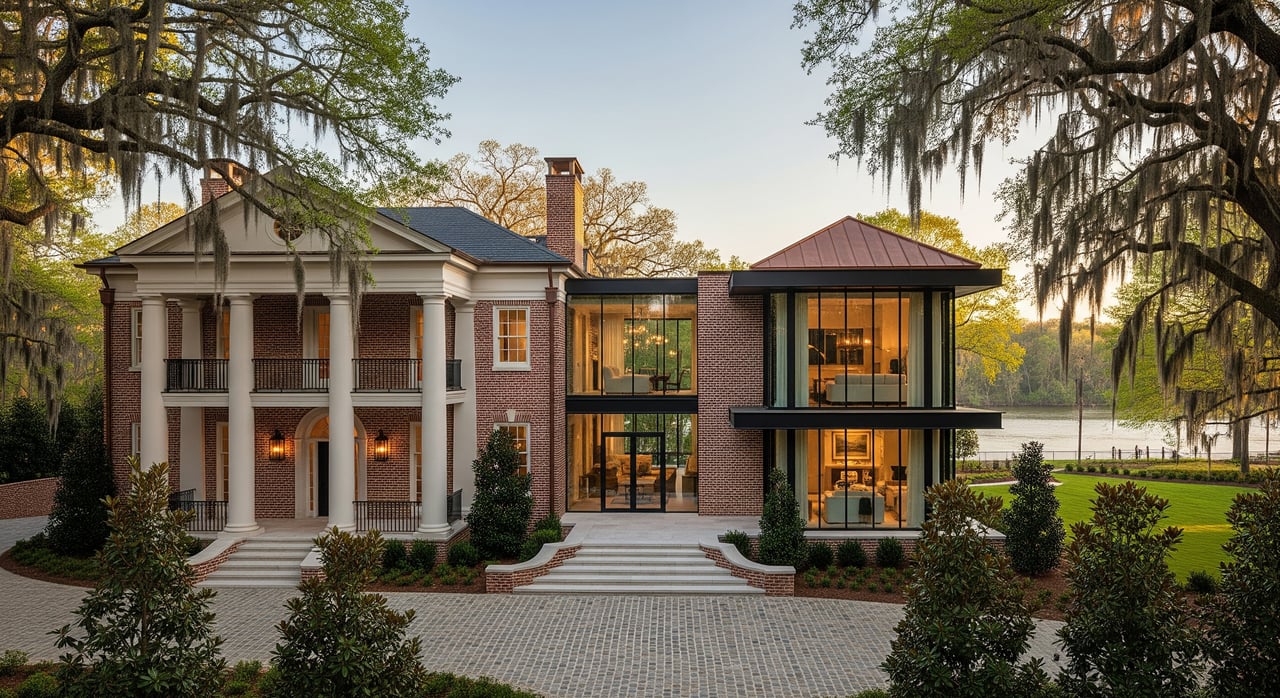
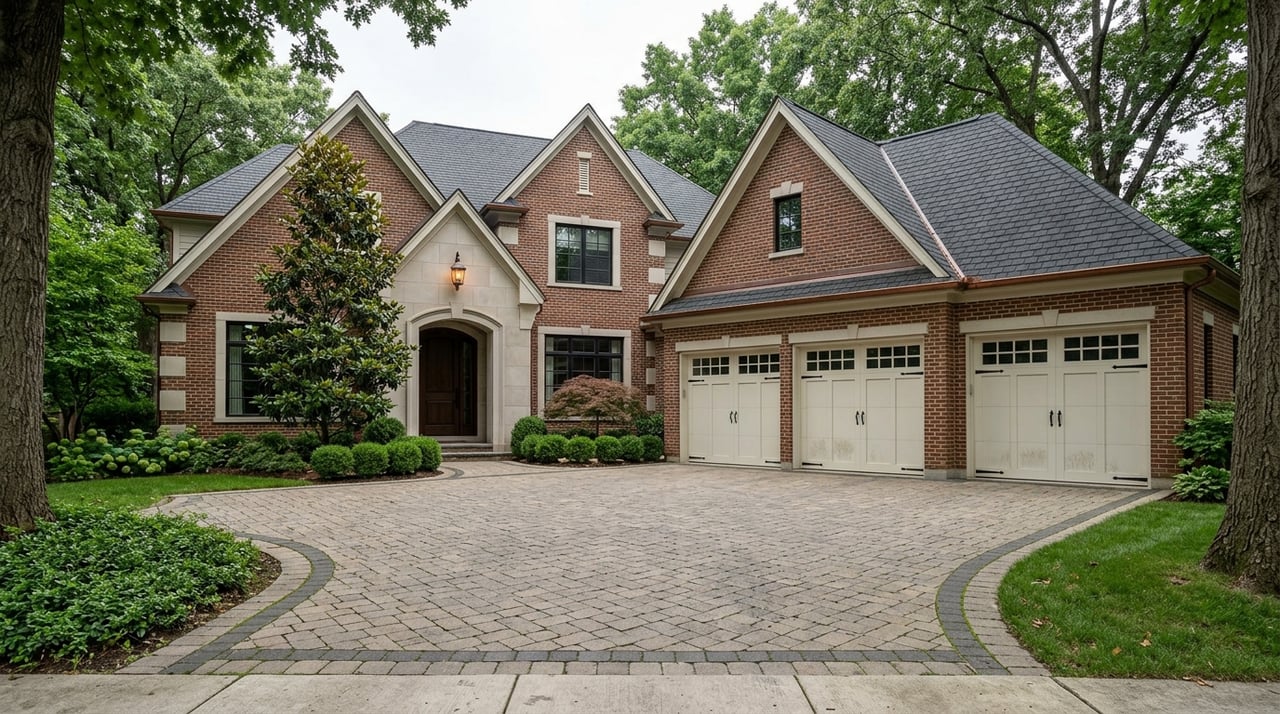
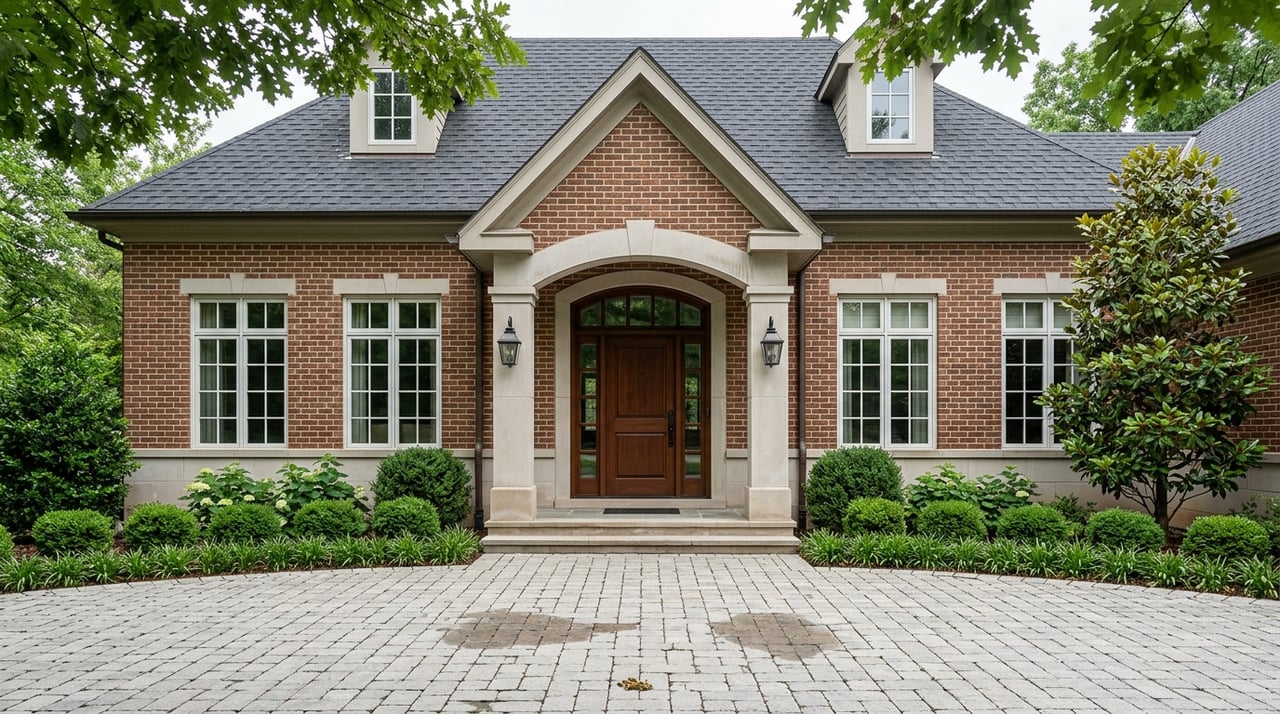
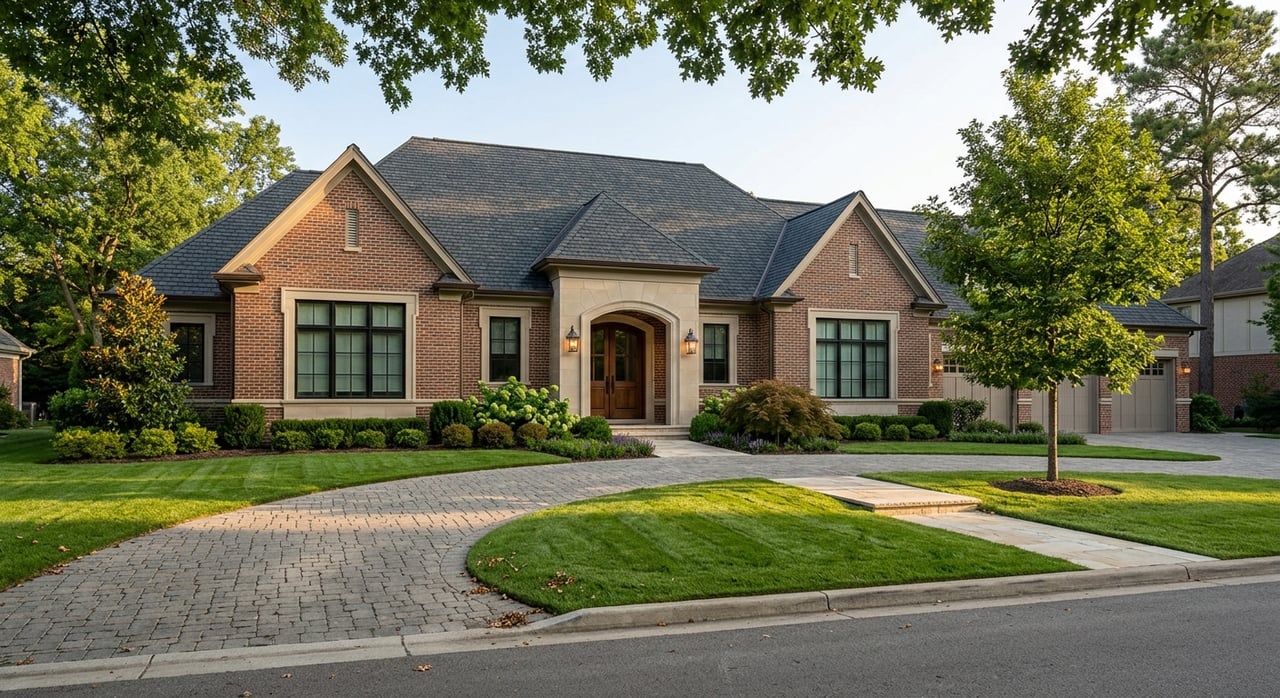
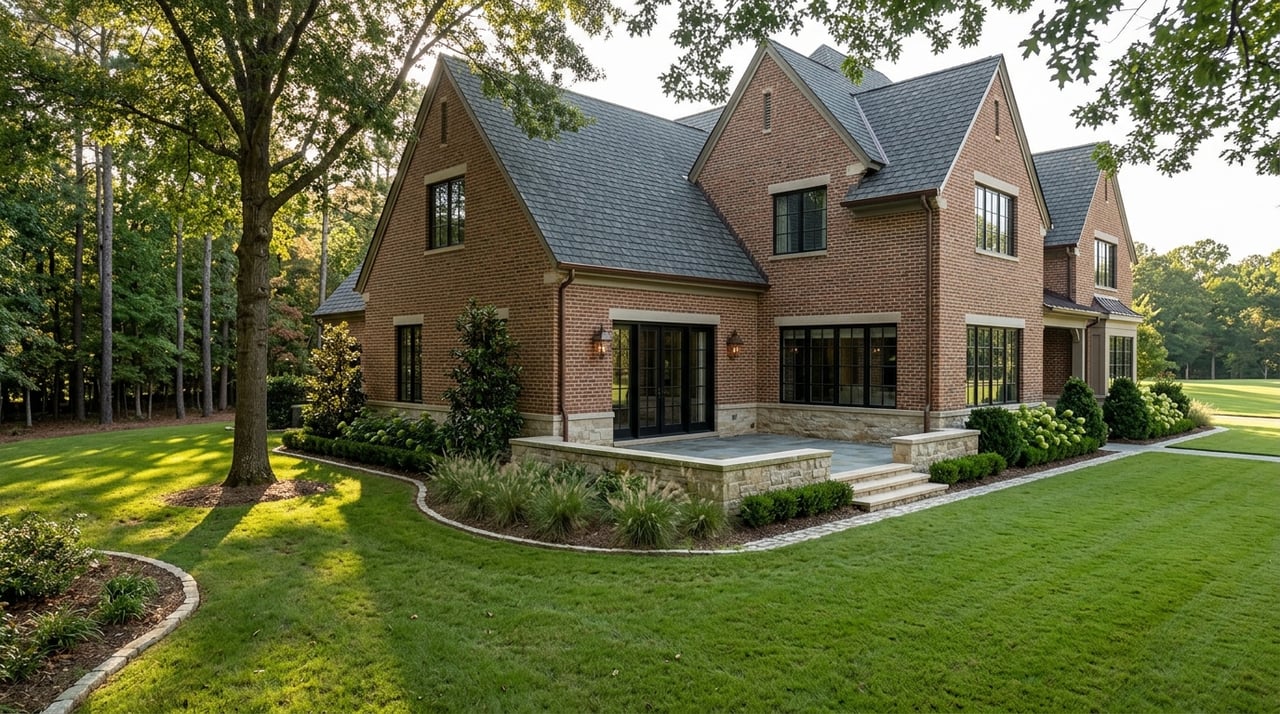
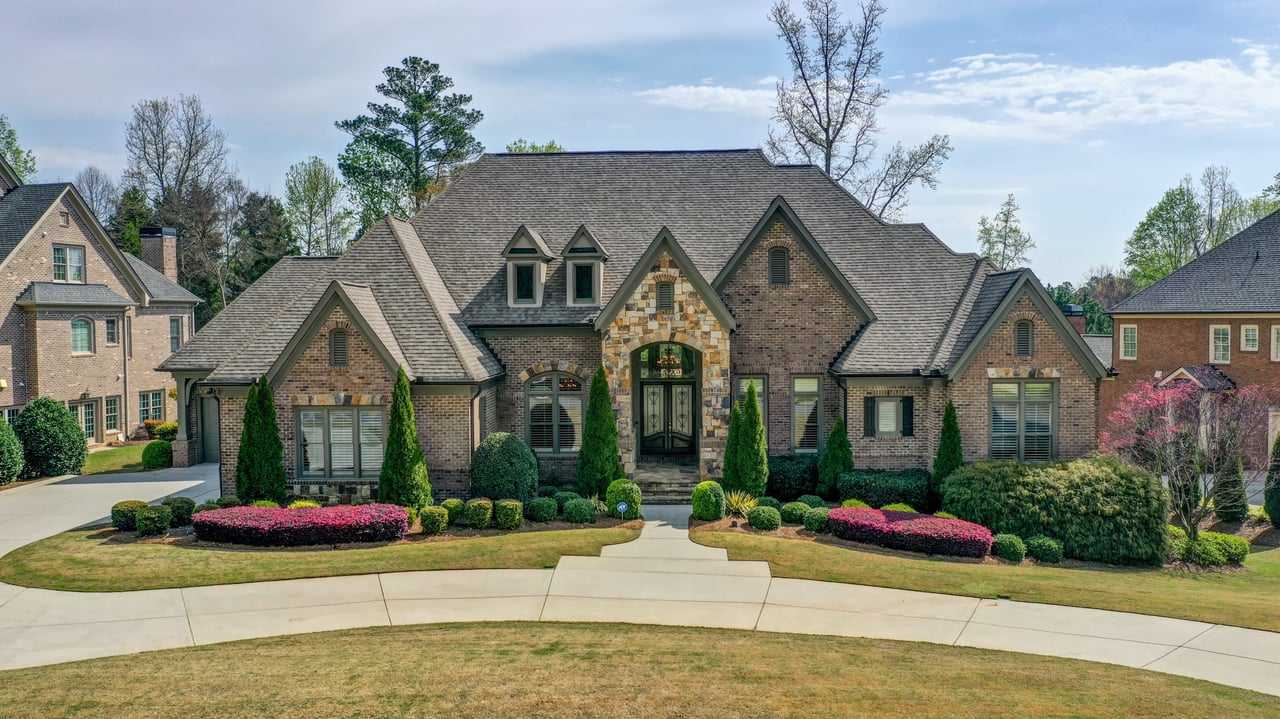
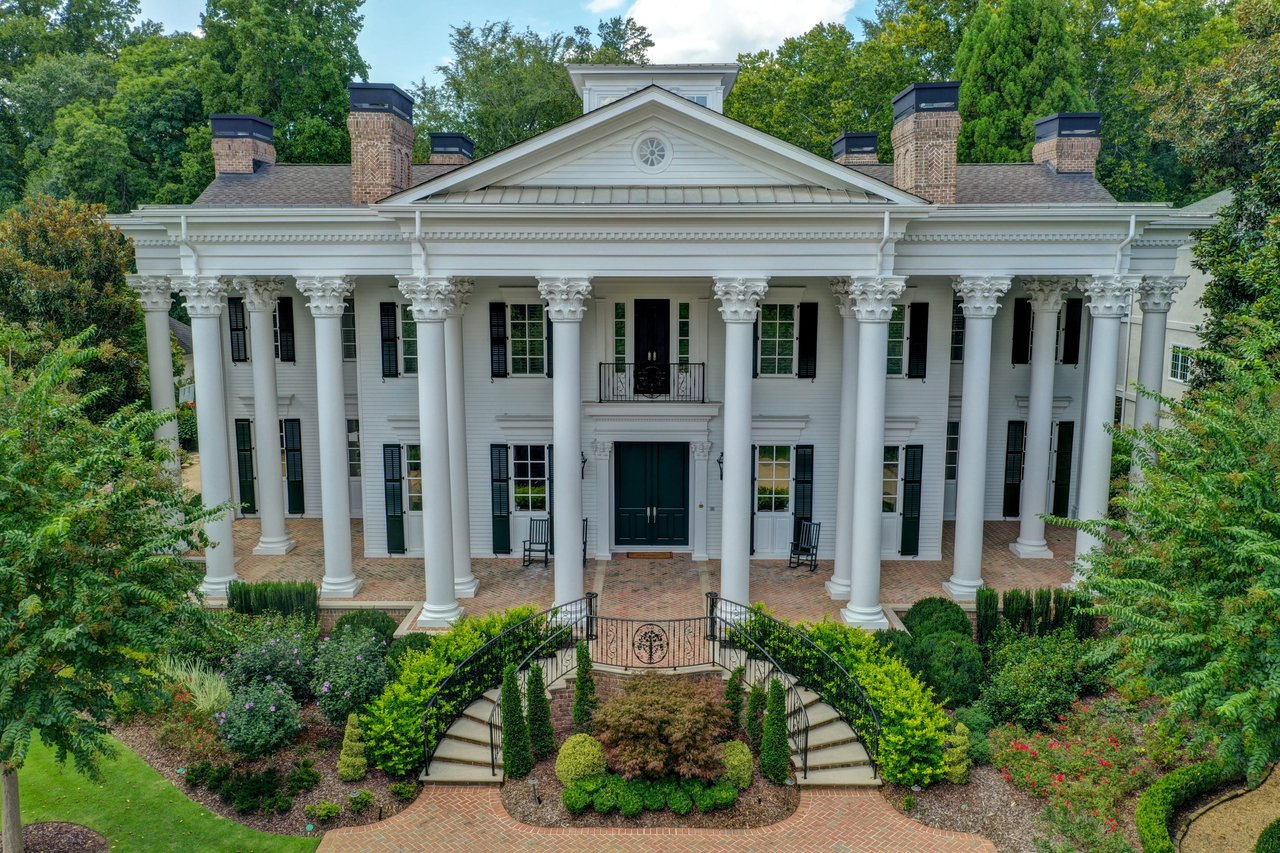
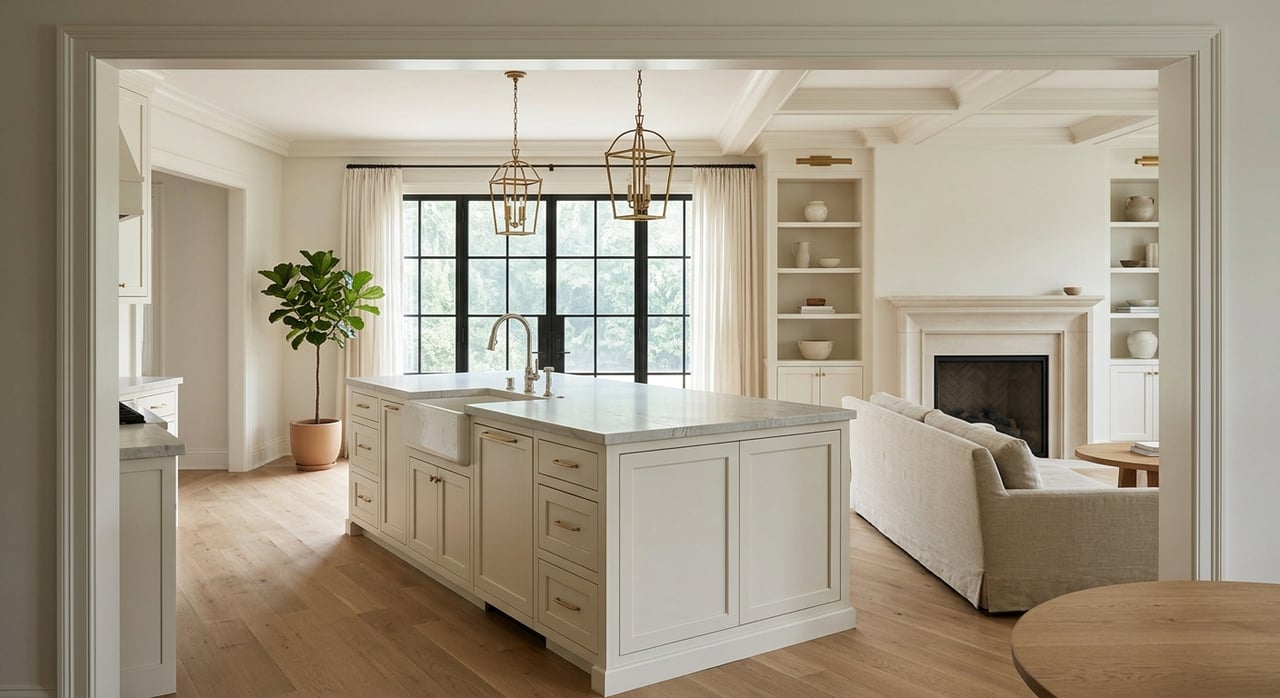
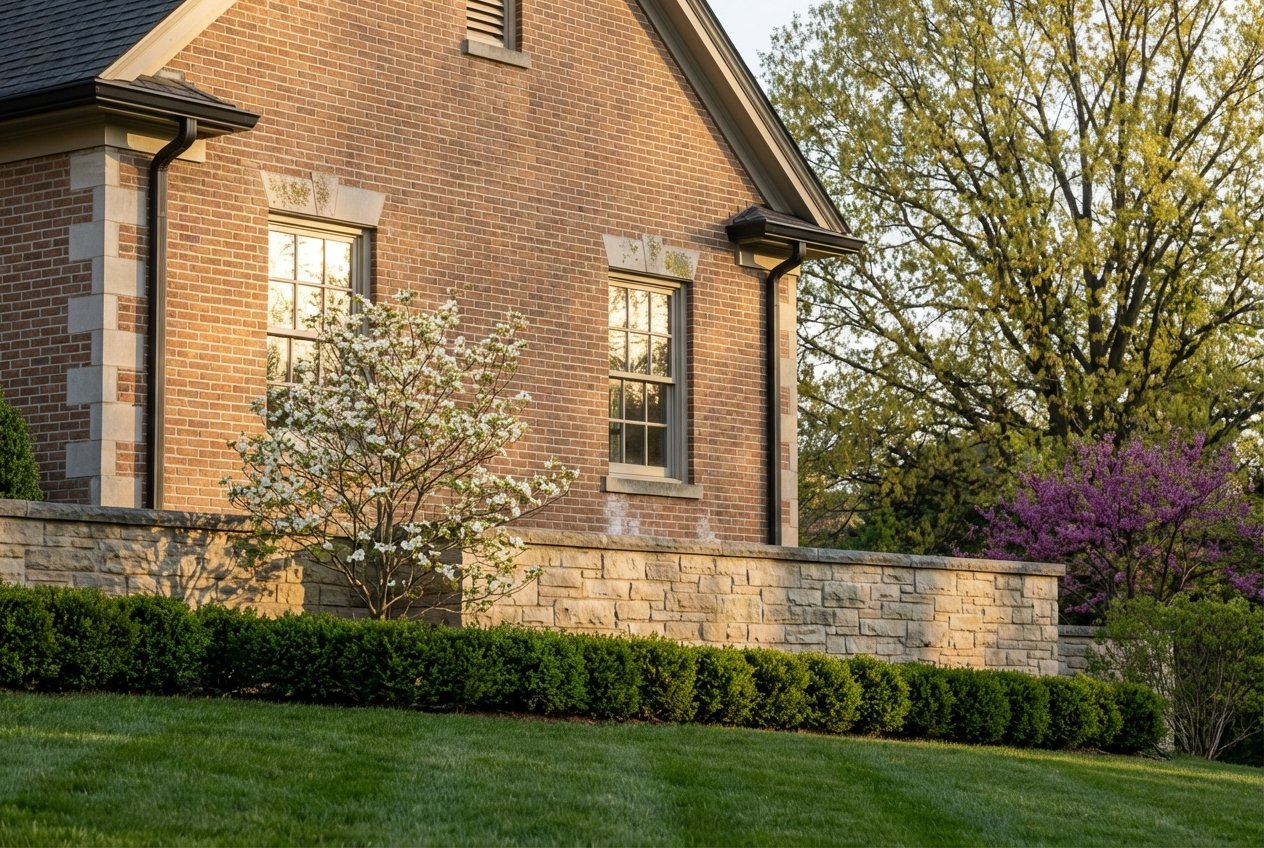
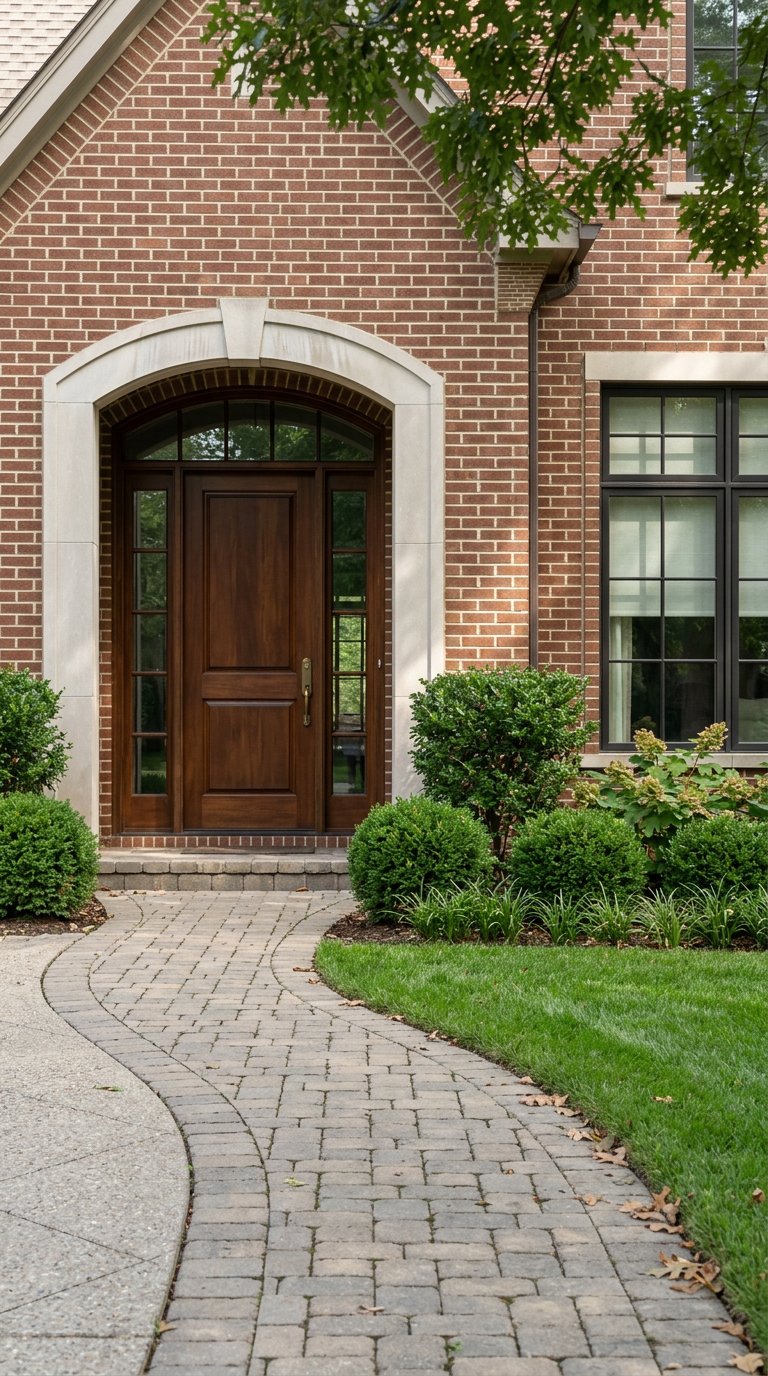
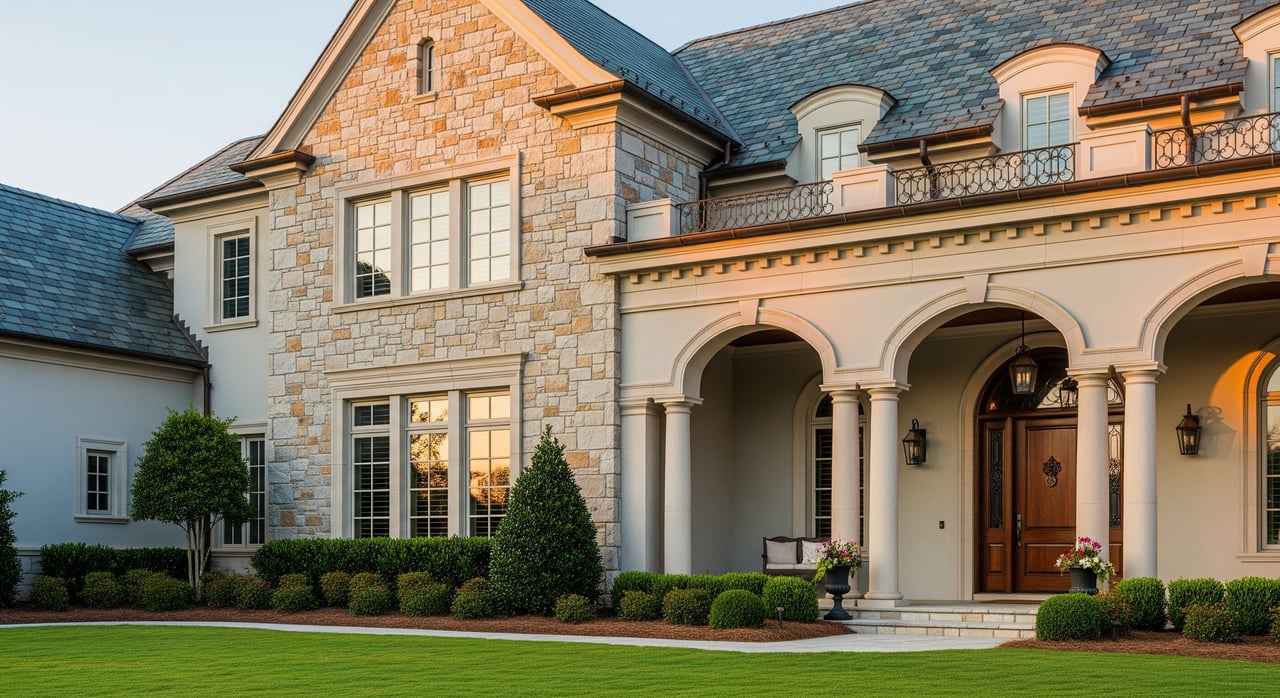
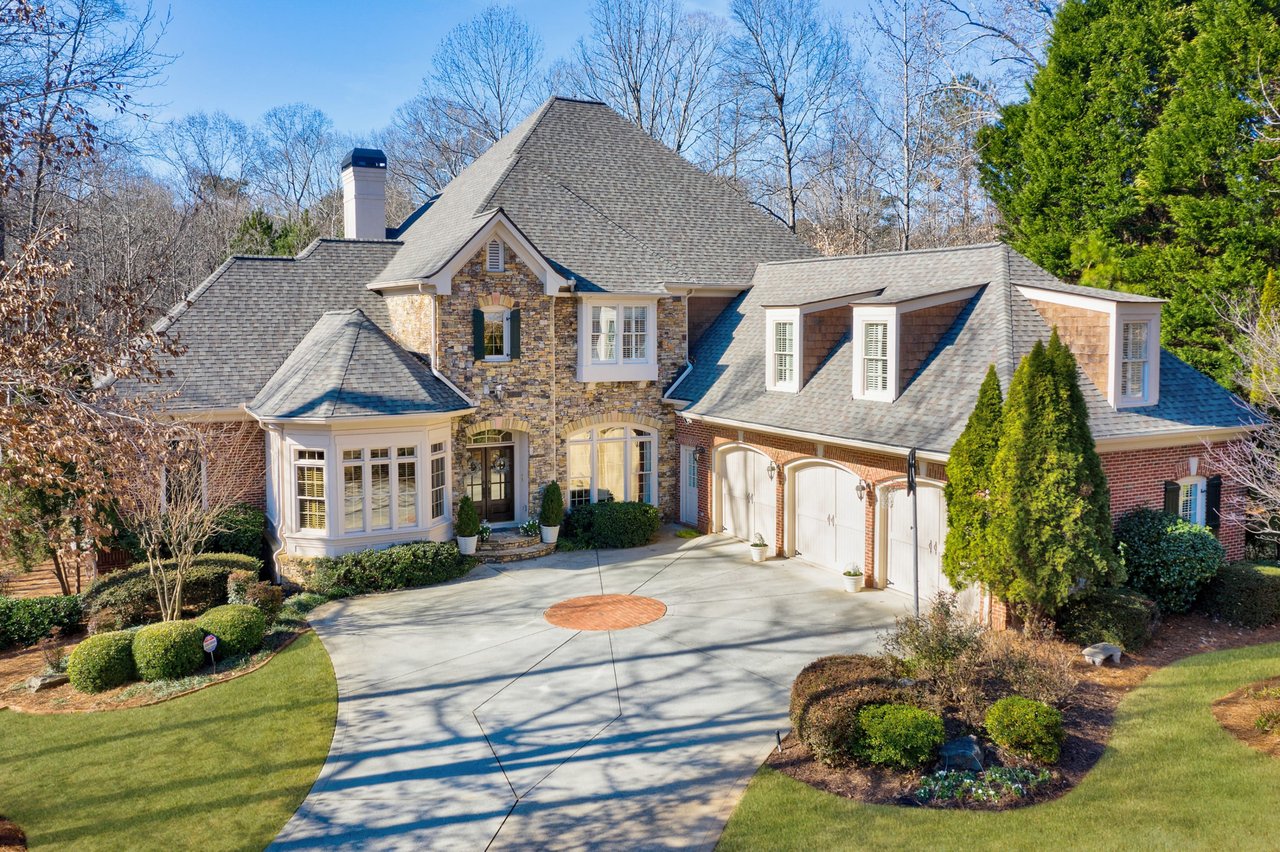
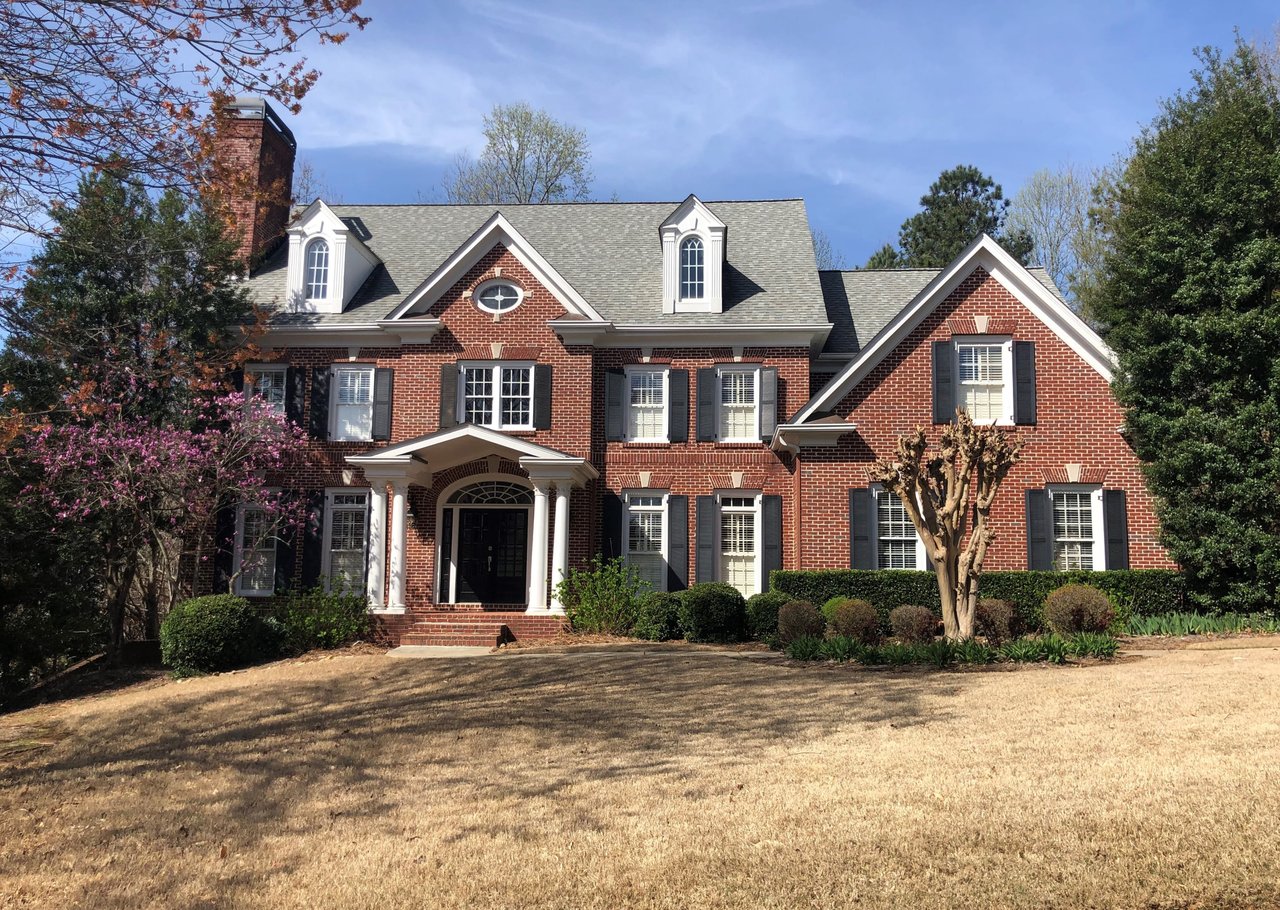
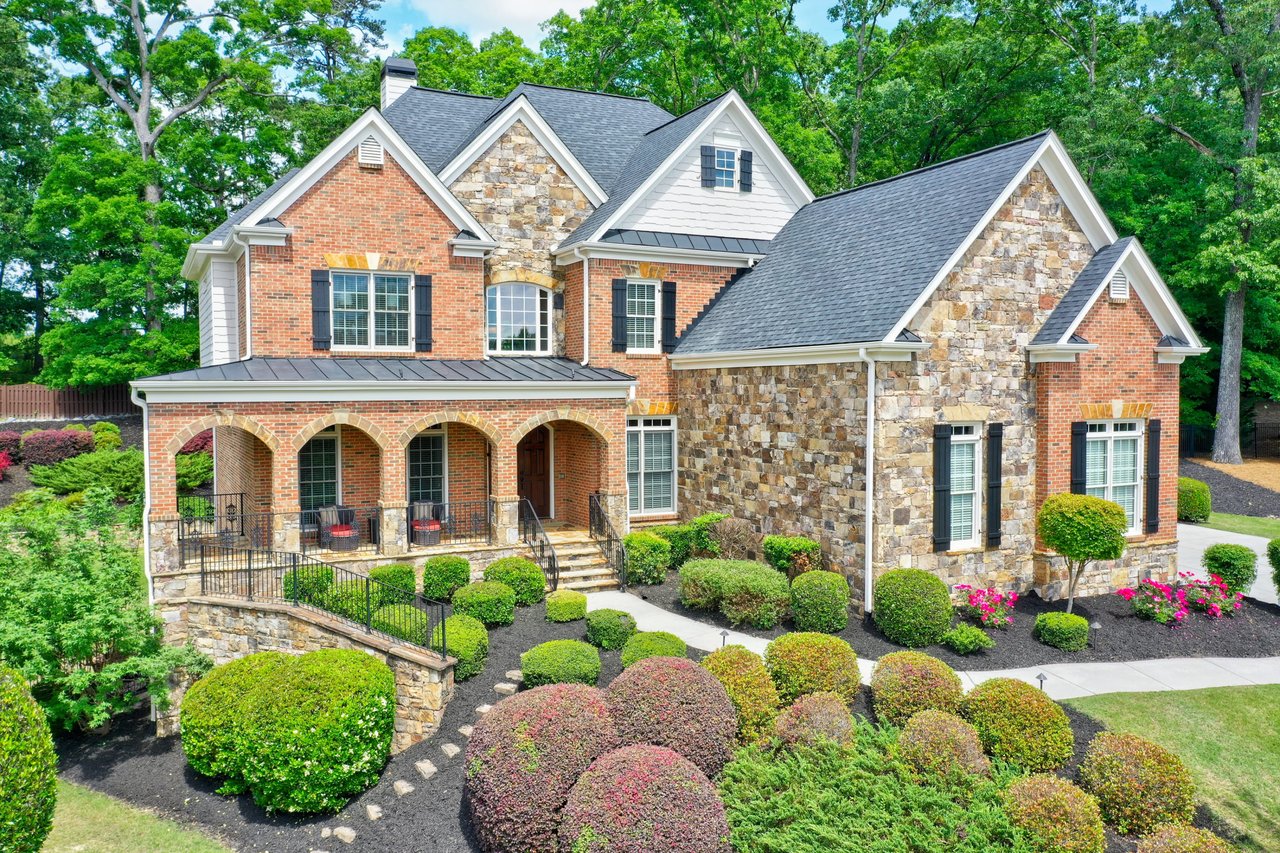
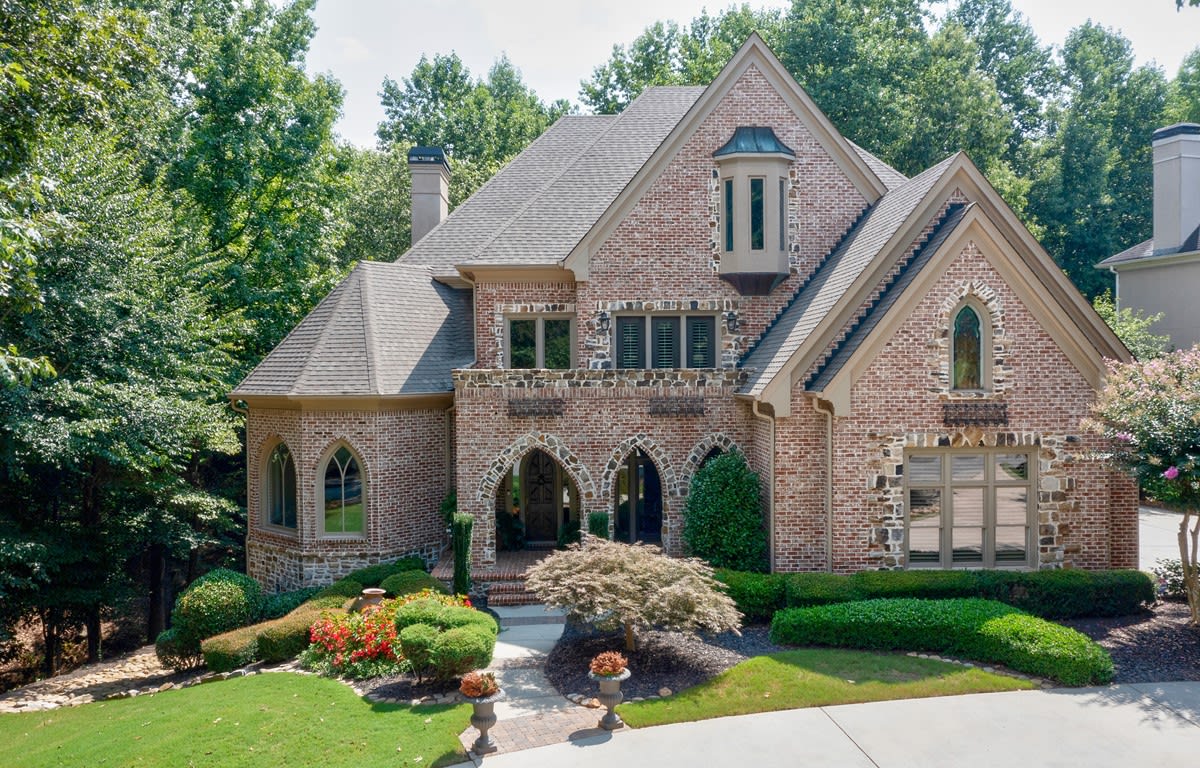
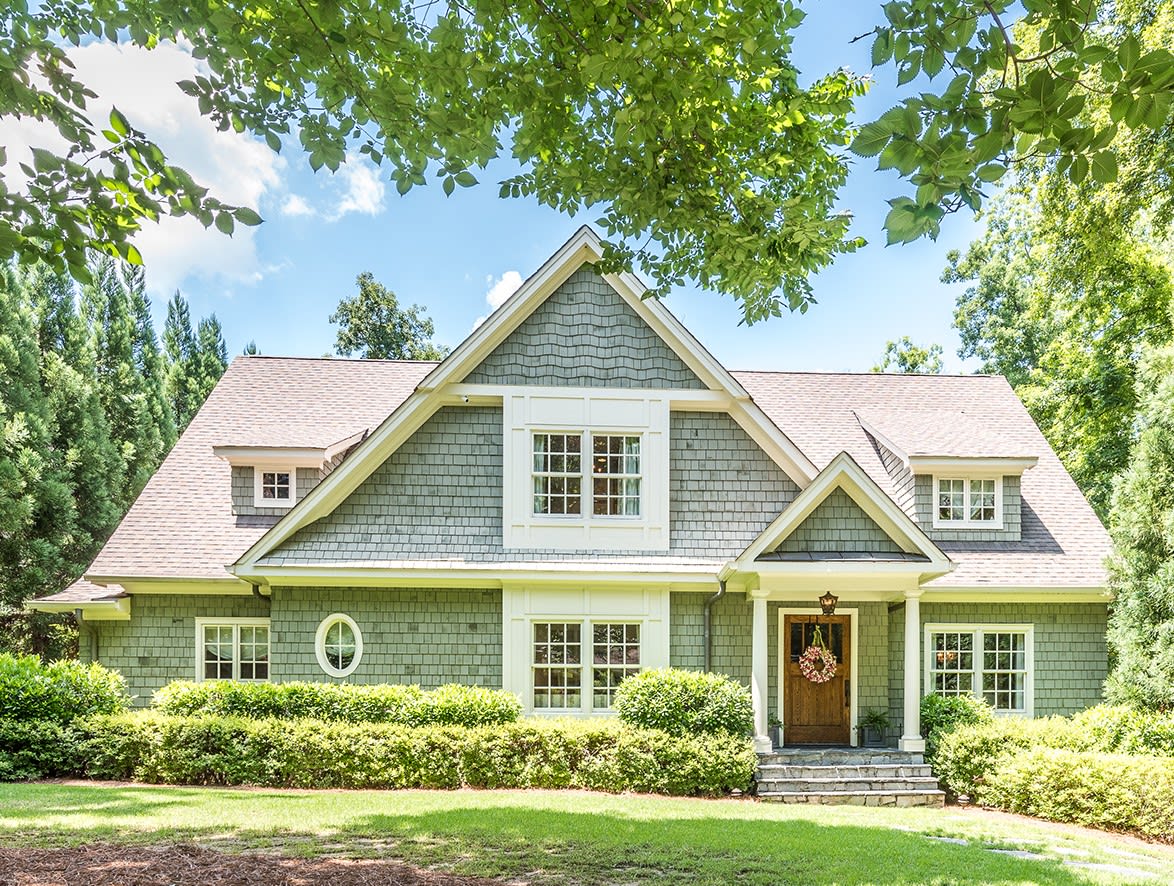
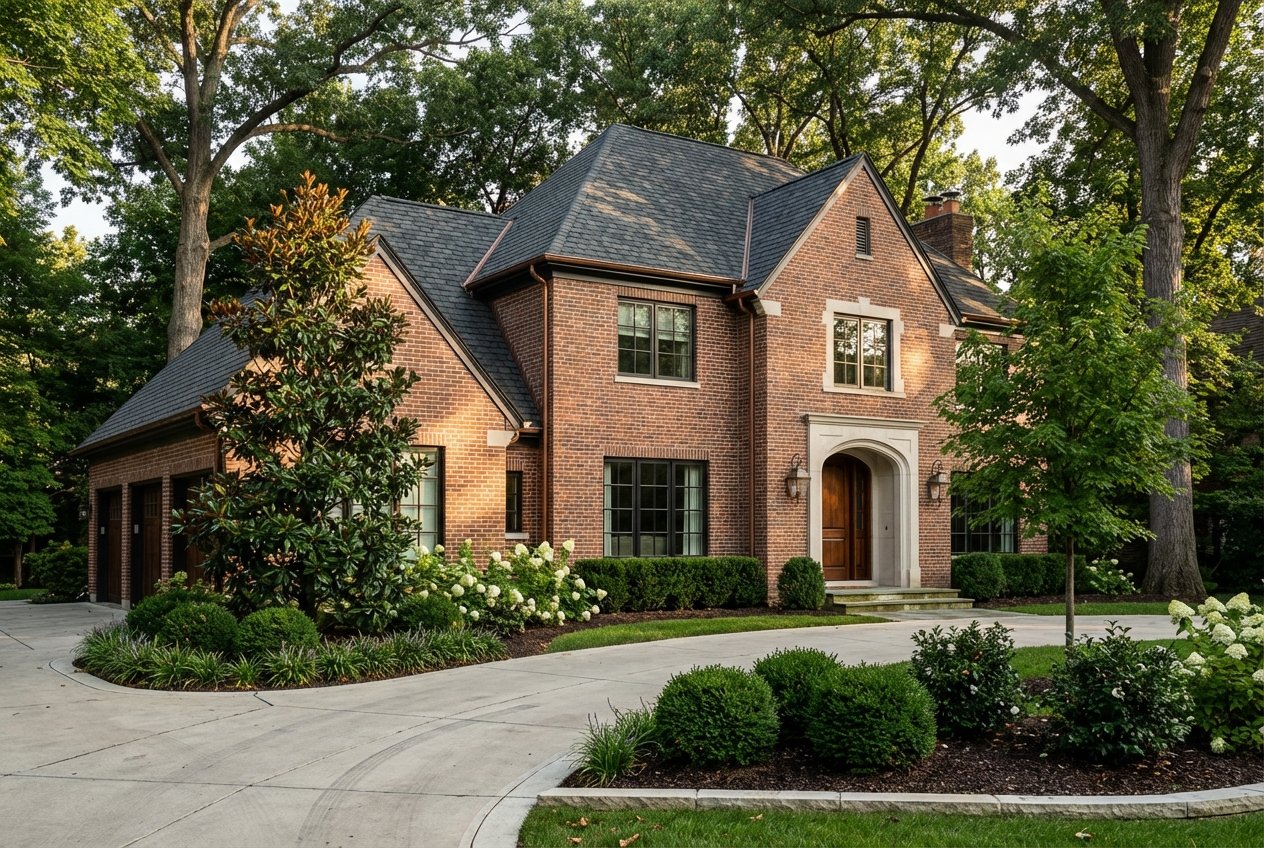
The River Club’s homes lean into “definitive American and European architecture,” with elevations that draw from Tudor, French country/Provincial, Georgian and Neoclassical traditions, alongside refined Craftsman and select contemporary interpretations. Marketing materials and the neighborhood Pattern Book emphasize balanced proportions, classic massing, and natural materials that age gracefully. See style inspiration on the community’s Homes & Land overview.
Why this matters for you
- The community’s timeless palette helps protect curb appeal and resale value across decades.
- Natural materials like brick, stone, stucco, cedar shake, and real wood siding create a richer look and feel than composites.
- Expect strong consistency at the street, paired with flexibility in floor plans, terraces, and outdoor rooms tailored to each lot.
The Builder Guild and design approvals
The River Club uses a controlled builder and designer program that supports quality at every step. Owners select from an approved Builder Guild and submit plans to the Design Review Committee (DRC) or Founder/Reviewer. The review process affects timing, finishes, and site planning, so pre-submission meetings are encouraged to align your design with the Pattern Book and site constraints. You can preview the process in the official Design Review & Landscape Guidelines.
Timeline tips
- Engage the Builder Guild early so plans reflect site orientation, setbacks, and height limits from the start.
- Build in time for conceptual review, revisions, and final approvals before permits and construction.
- Keep records of approvals; they support future resale and simplify any later updates.
Lot types and how they live
Choosing the right lot is as important as choosing the right floor plan. Here are the common categories you’ll see in The River Club:
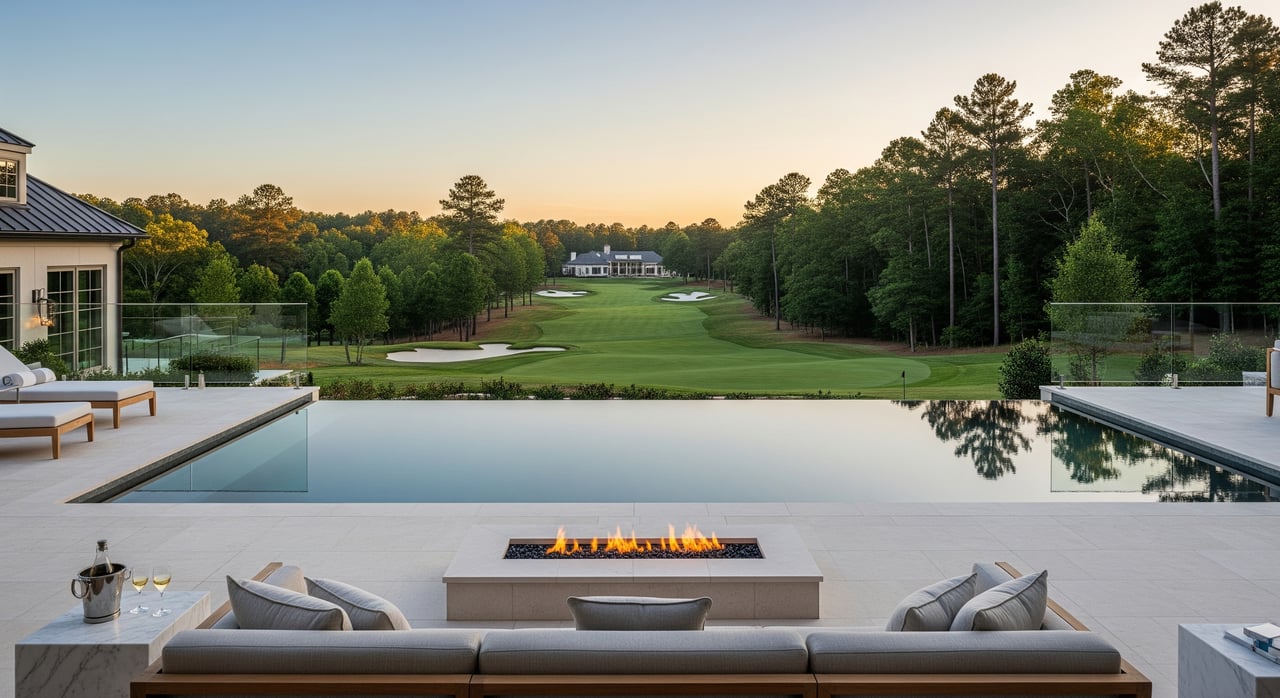
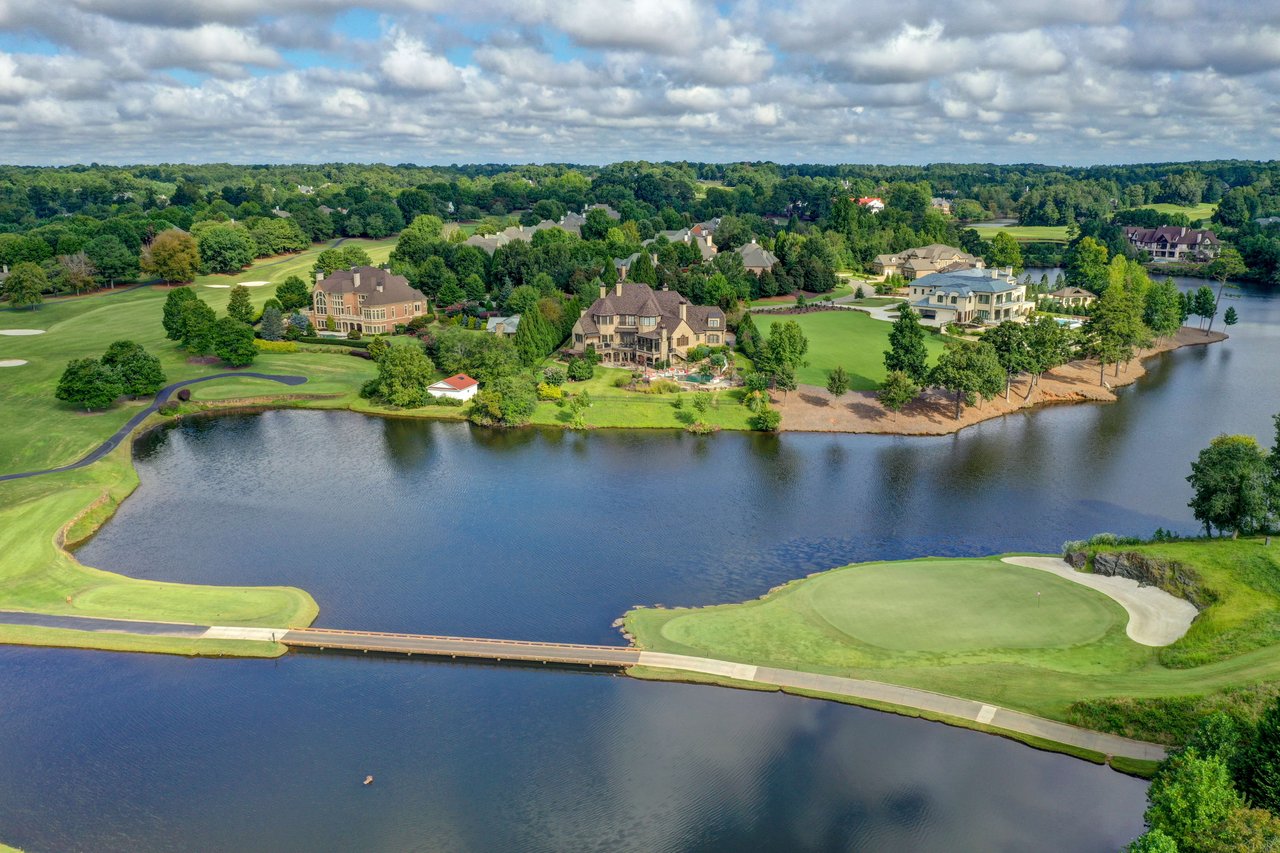
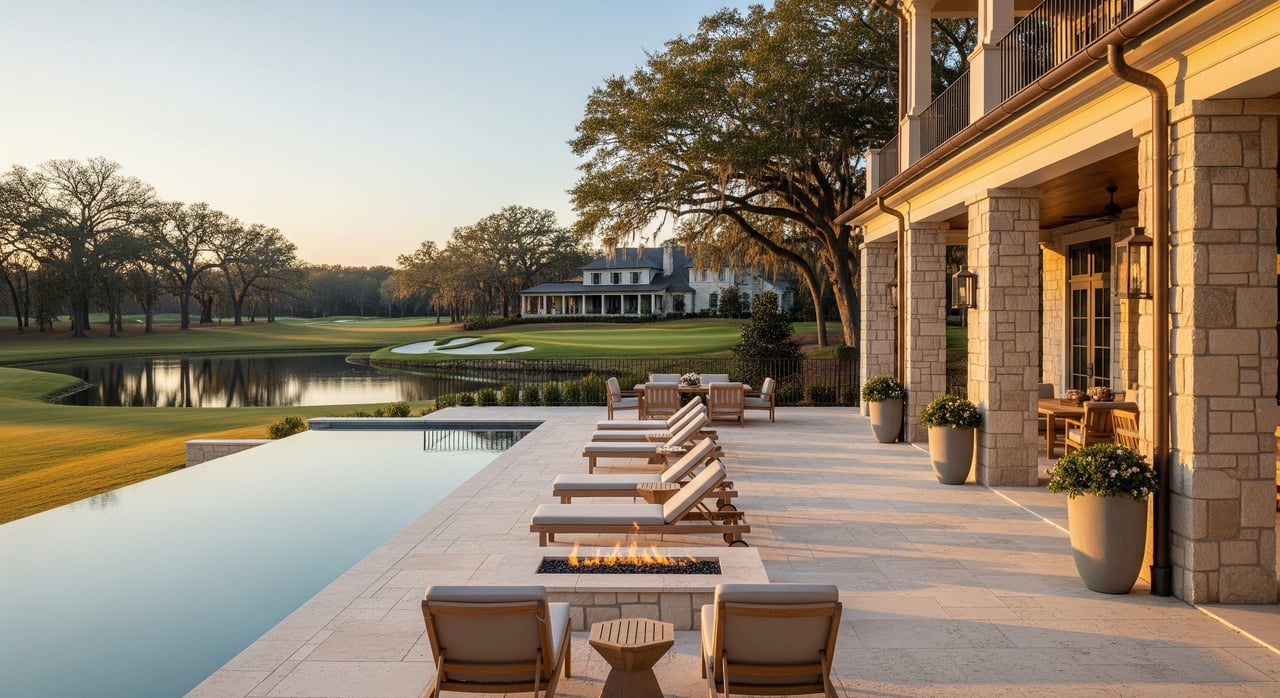
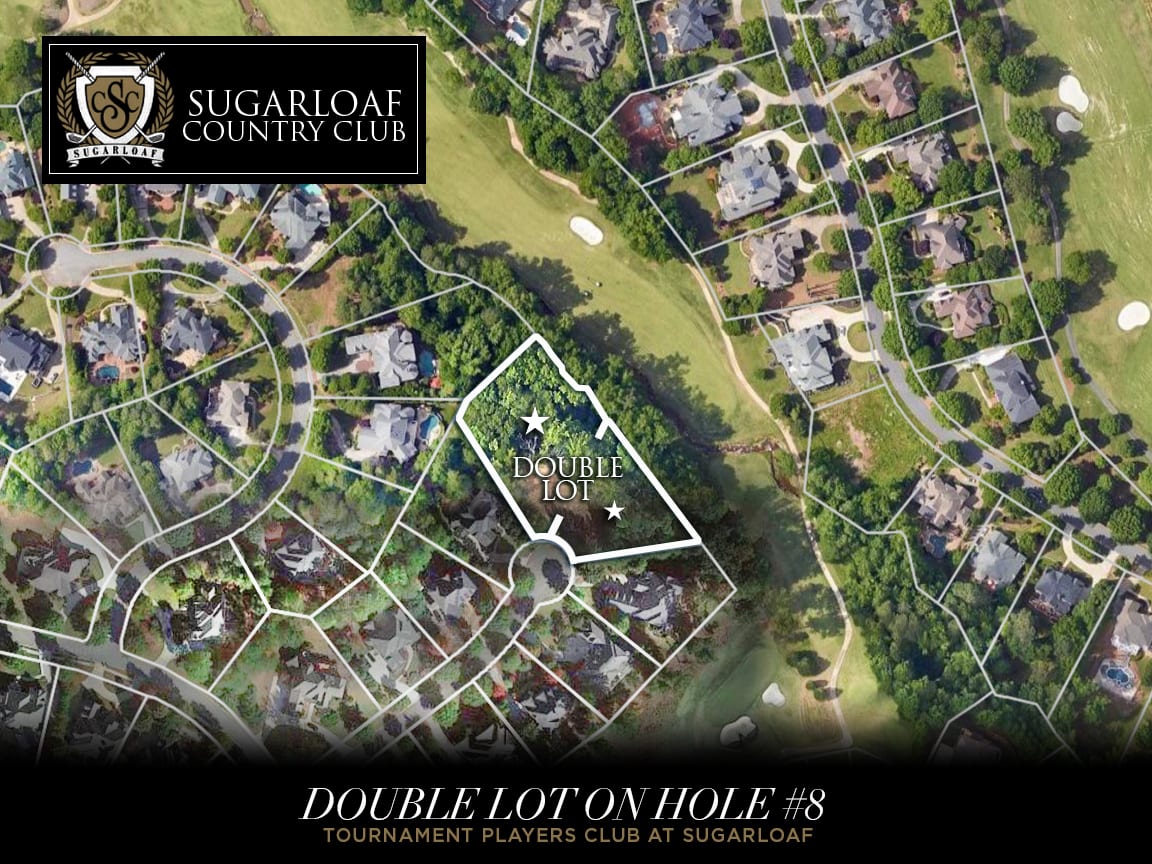
- Golf-front fairway lots. Backyards look onto fairways and greens, often with elevated views. The upside is scenery and strong resale appeal; the tradeoff is less privacy and periodic activity behind the home.
- Lake-adjacent and water-feature lots. Select homes orient to ponds and lakes integrated with the course. These sites create relaxing outlooks and layered views across water and fairway.
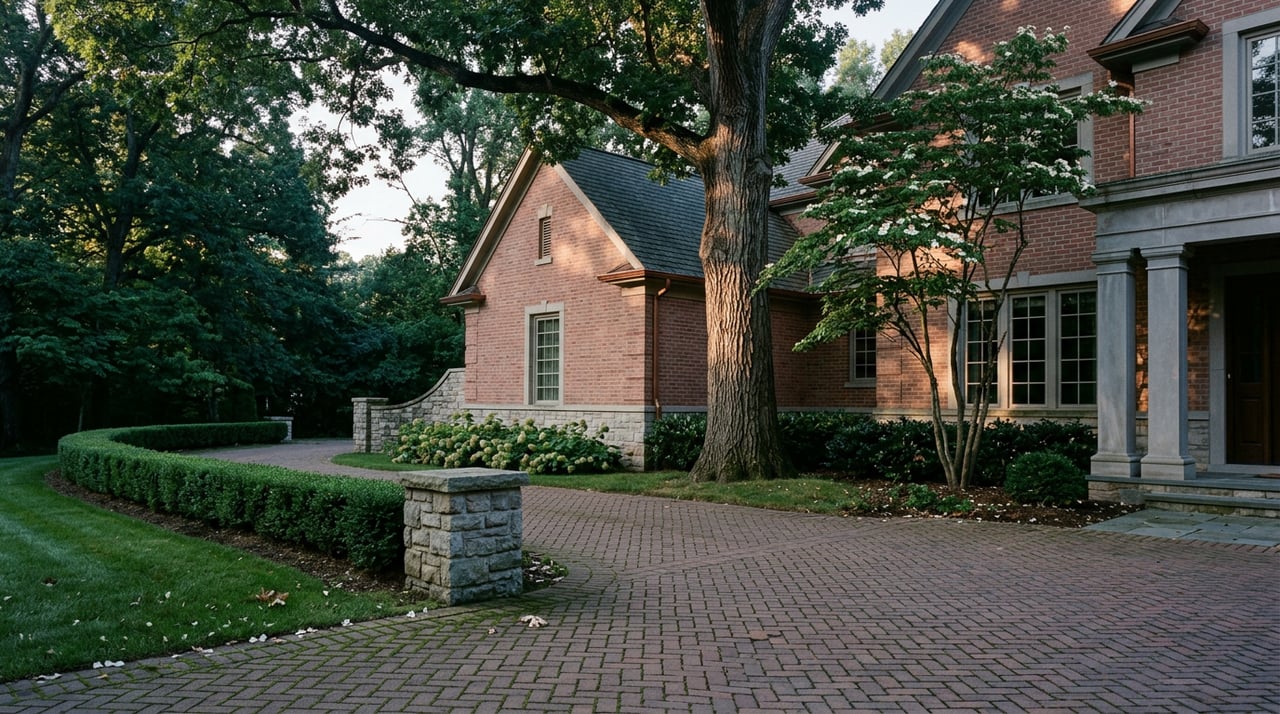
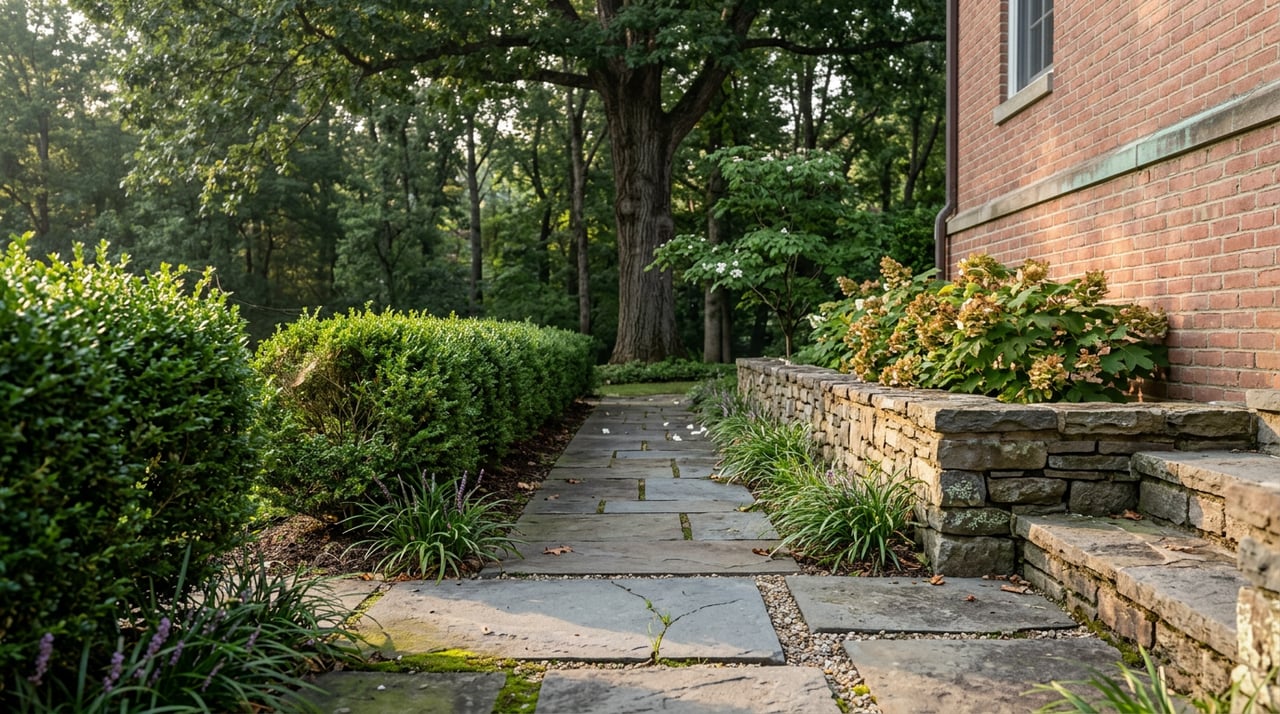
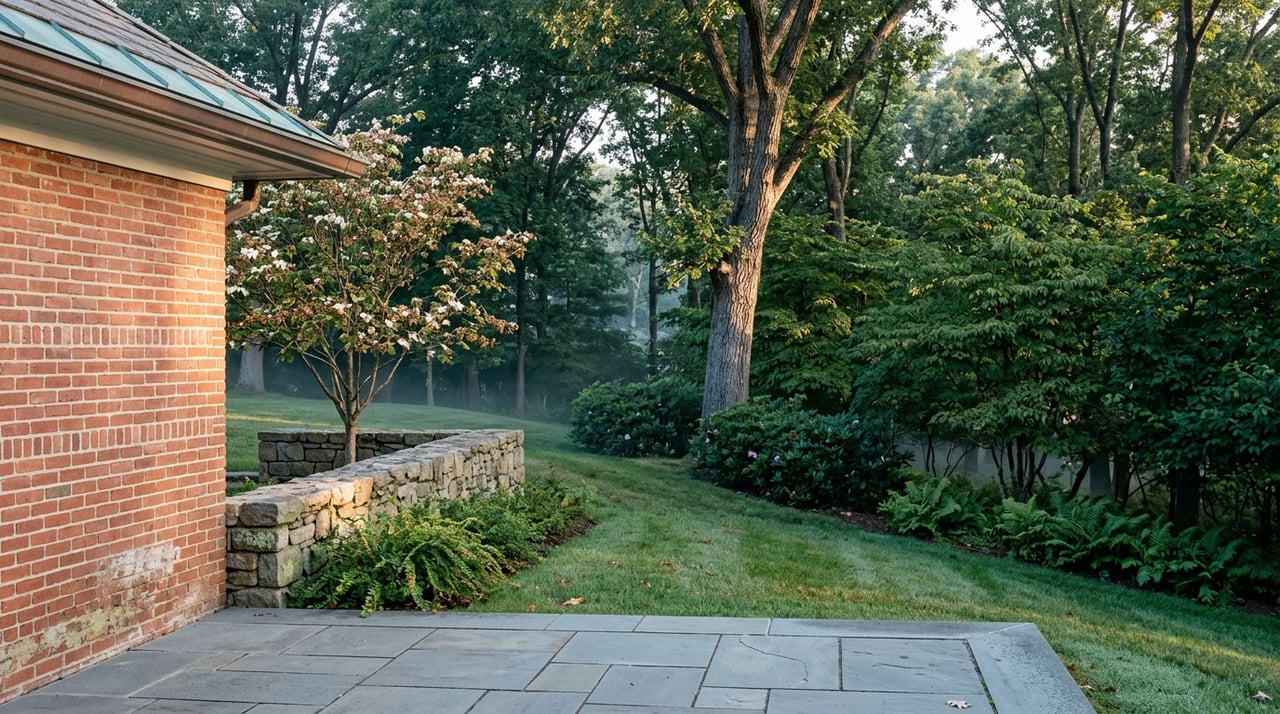
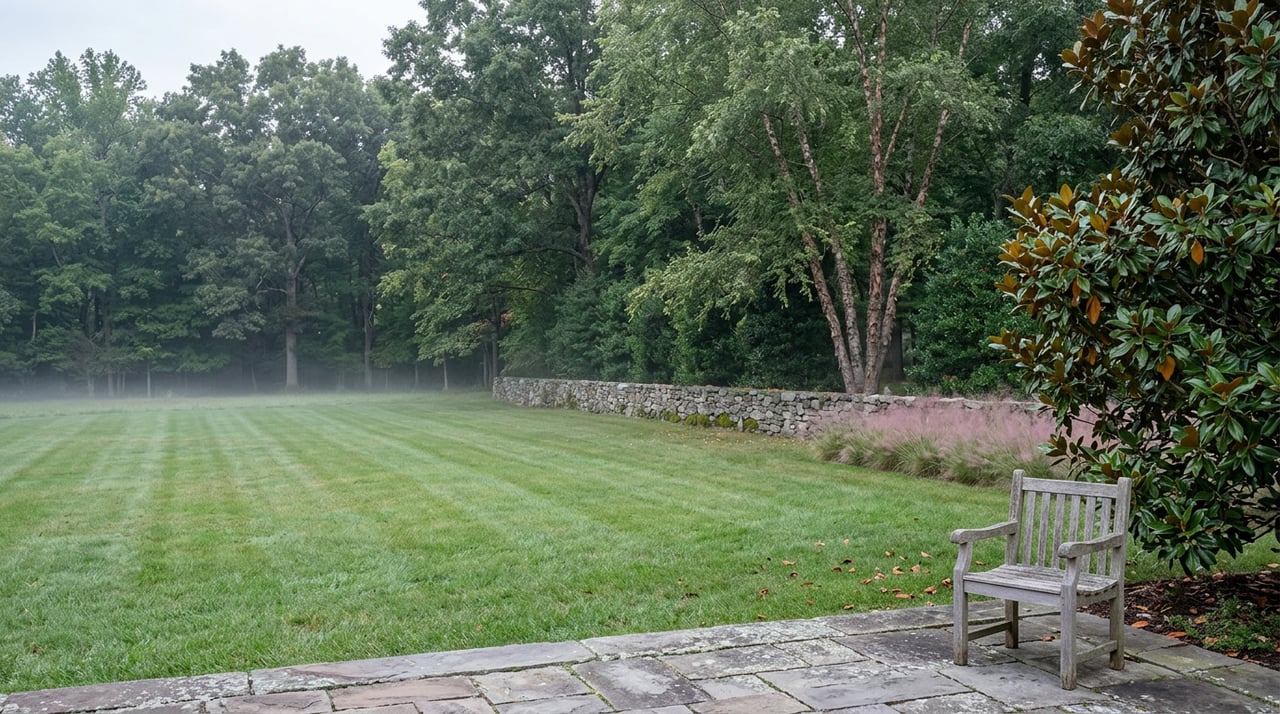
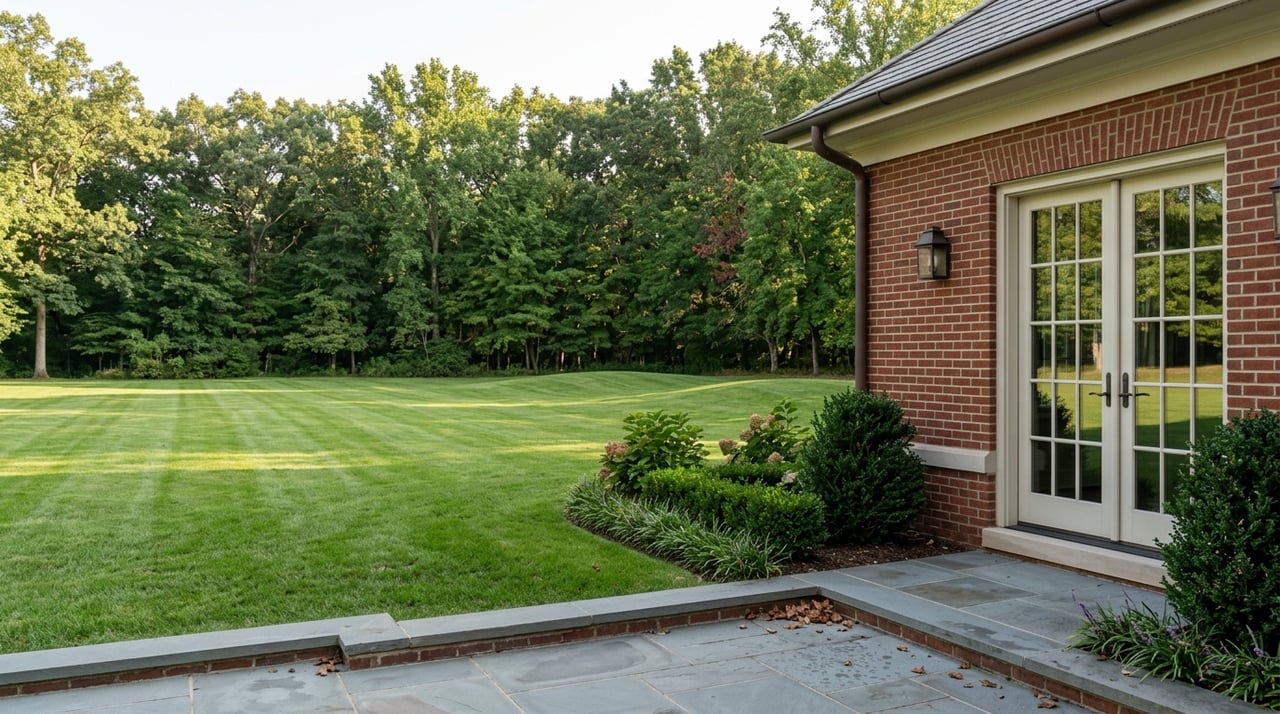
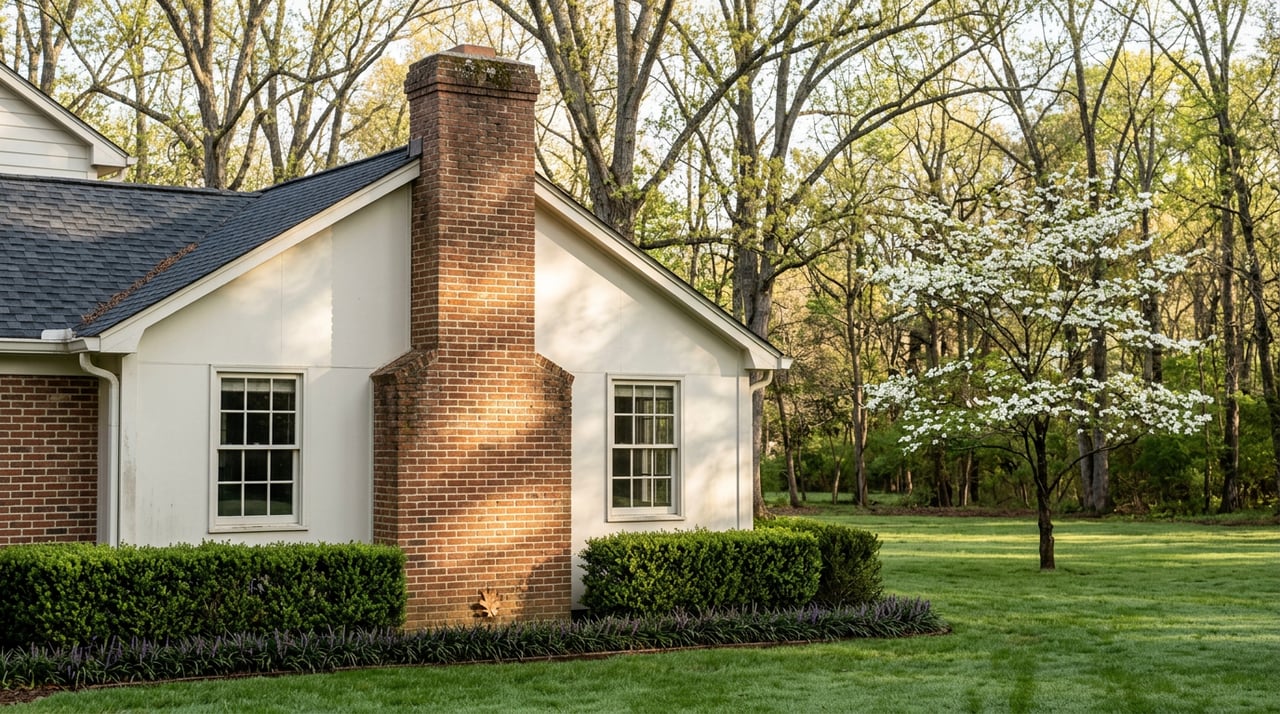
- Wooded or preserve-buffer lots. Many interiors back to mature hardwoods or conserved land, offering a quieter setting, filtered light, and a natural backdrop.
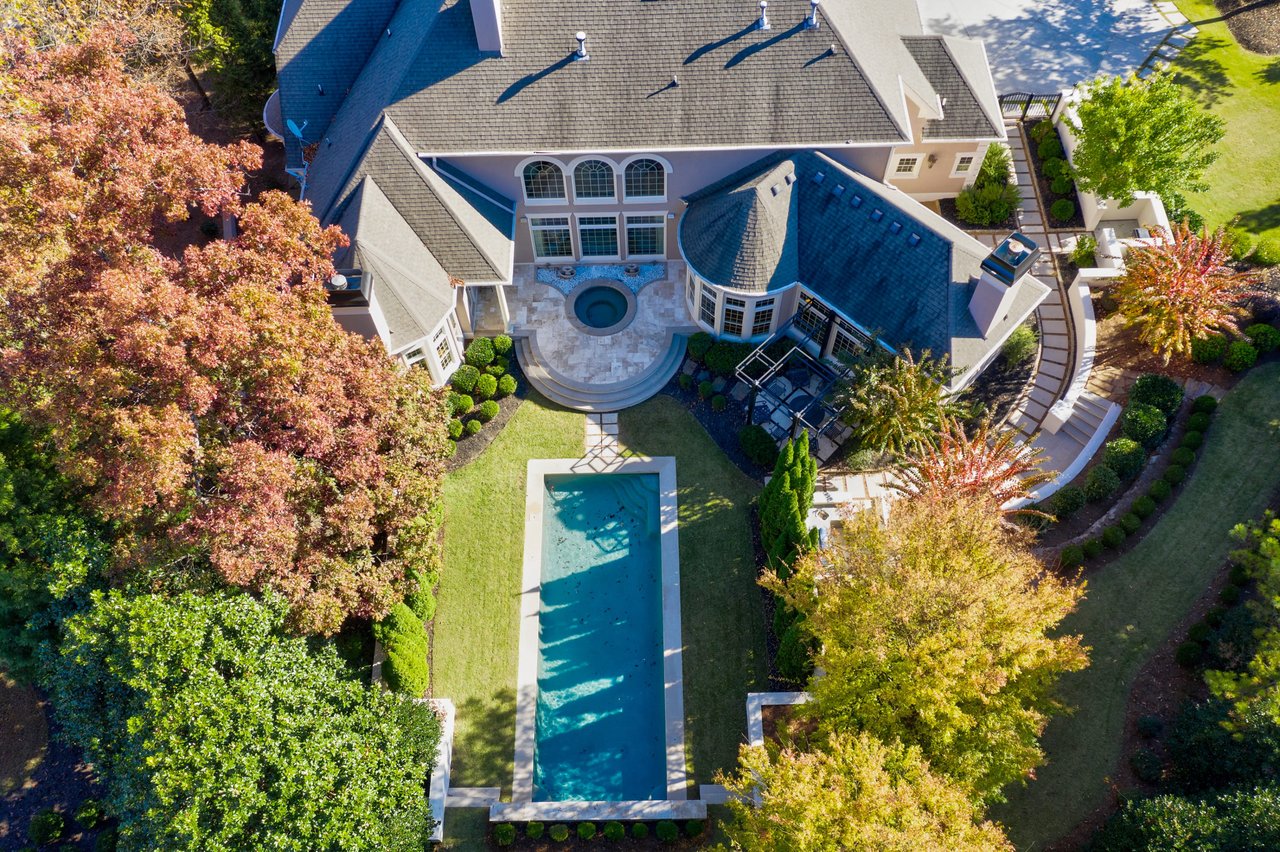
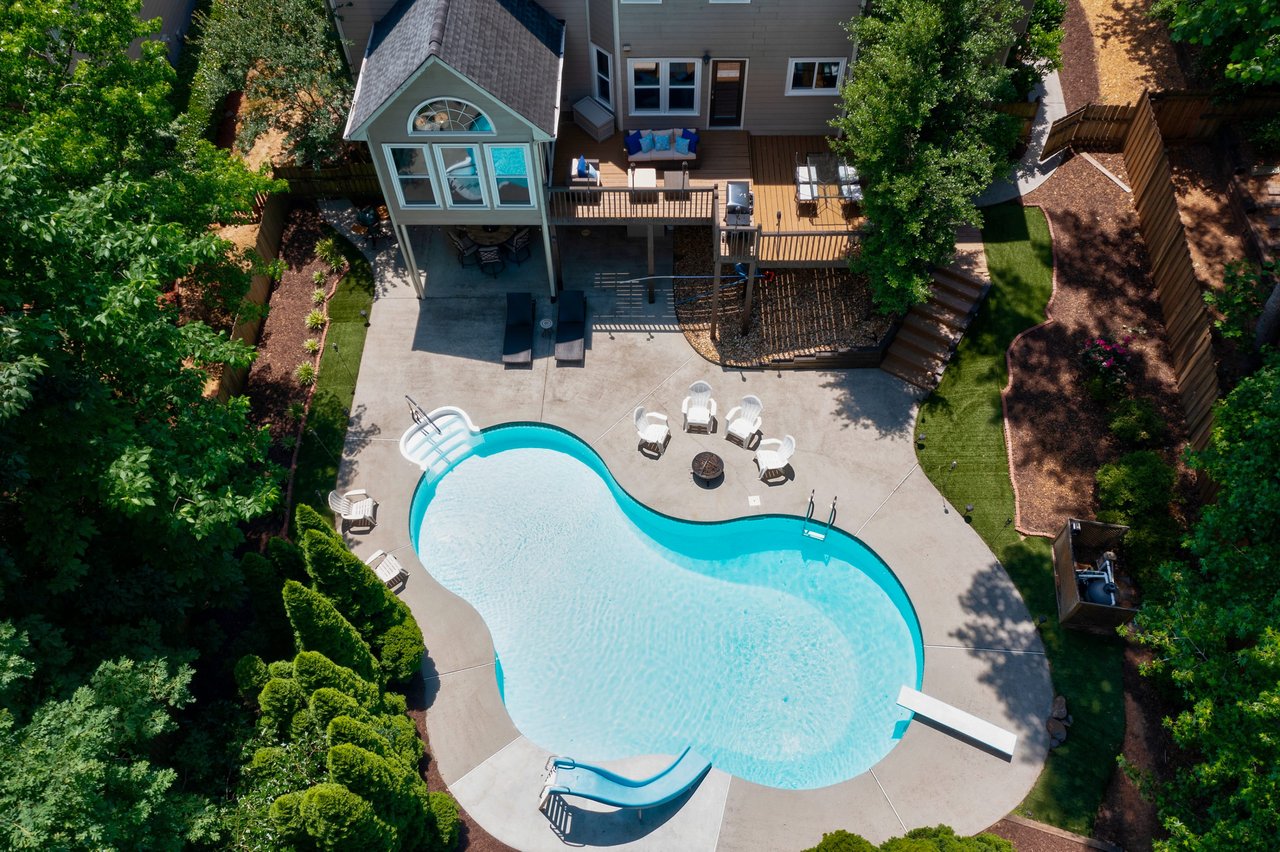
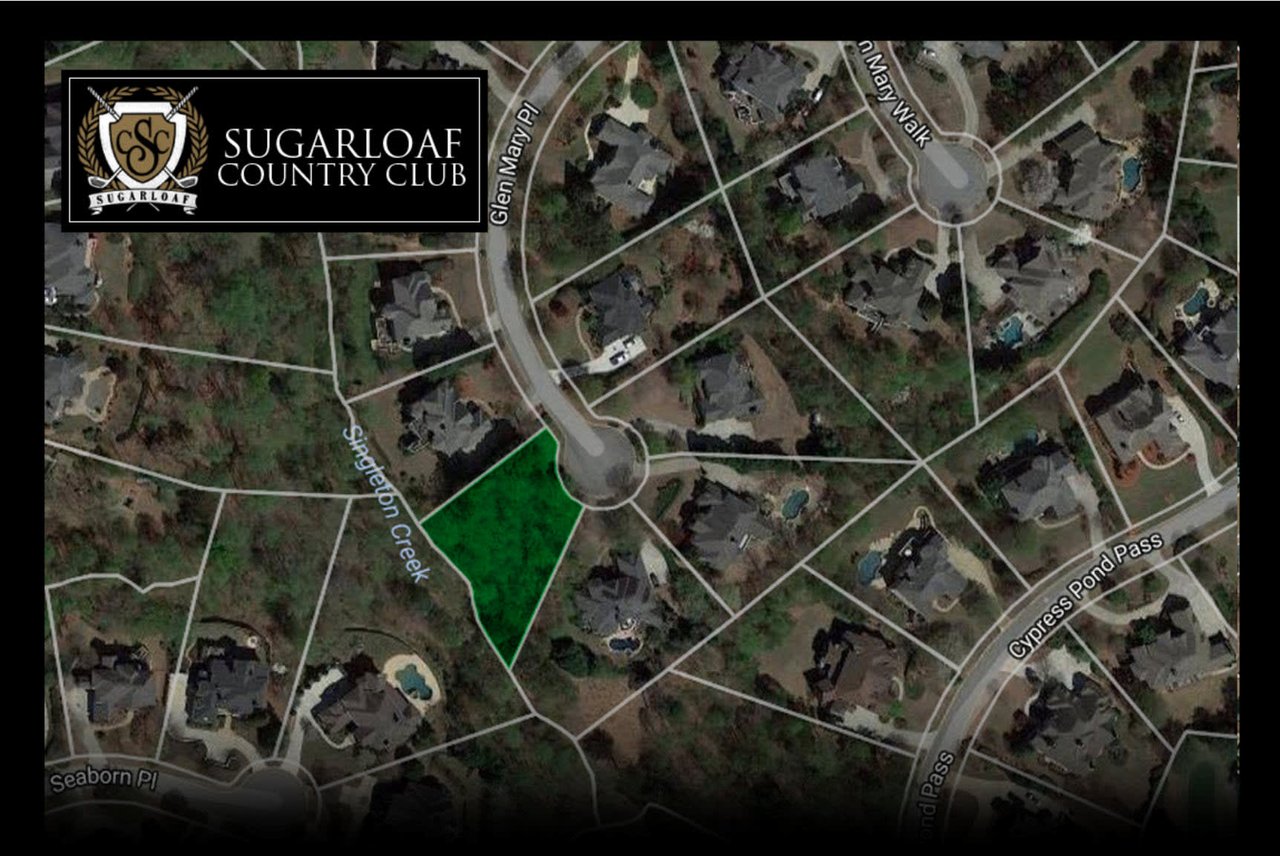
- Cul-de-sac and pie-shaped estate lots. Some large, pie-shaped parcels are designed for grand footprints, circular or courtyard drives, and walk-out terrace levels often marketed as “pool ready.”
Typical sizes and topography
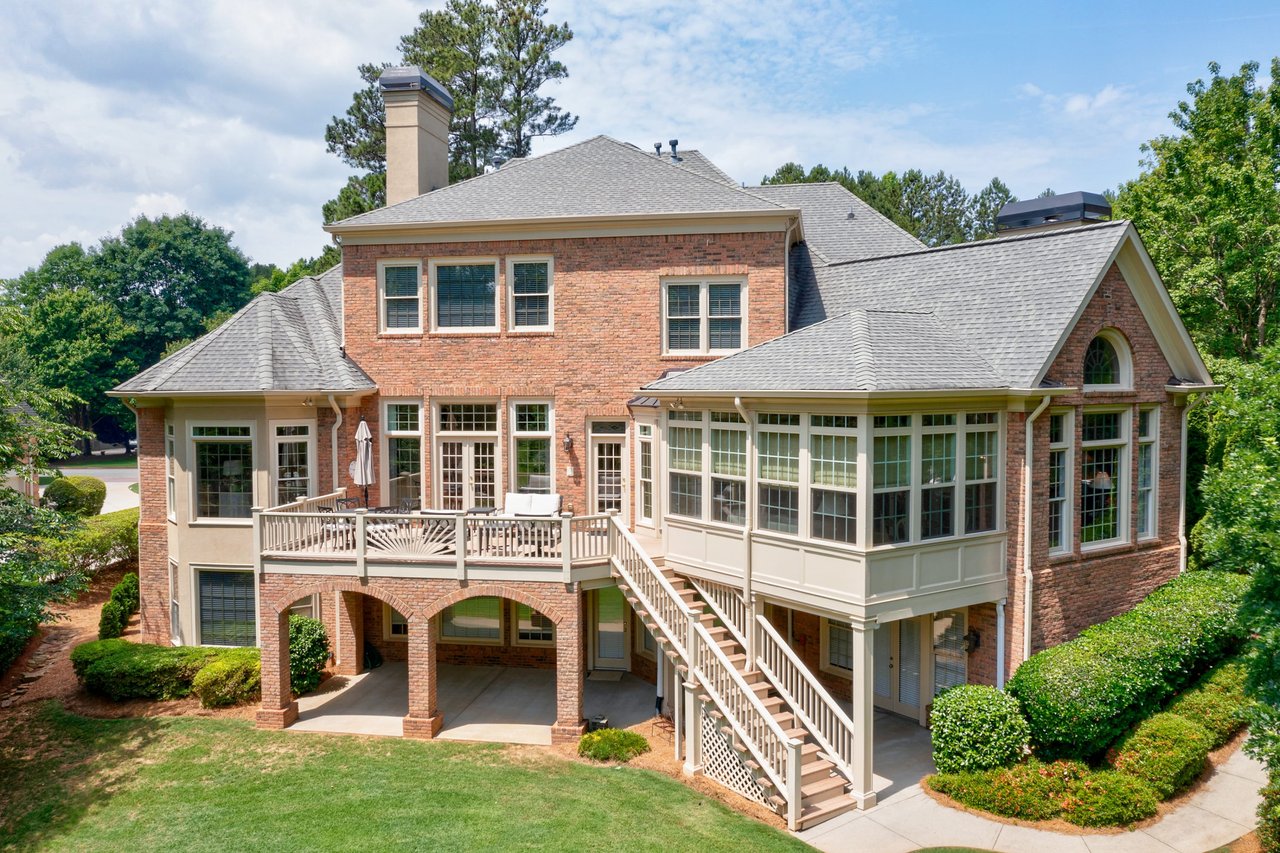
Active and recent listings show many single-home sites from roughly 0.6 acres to over 1 acre, with larger cul-de-sac parcels exceeding an acre in some cases. Rolling topography is common and often intentional, protecting trees and framing long views. Slope can enable spectacular walk-out terraces and daylight lower levels, but it also requires attention to drainage and retaining structures over time.
Orientation, slope, and sunlight
Orientation shapes how you live in the home day to day. Lots with south or southwest exposure deliver brighter main living areas and late-afternoon sun on porches and terraces. North-facing slopes and heavier tree canopy reduce direct sun, increase privacy, and may lower cooling loads. The neighborhood’s Pattern Book encourages siting that responds to existing trees, views, and grade. For sloped sites, confirm whether the home has a daylight or walk-out terrace level and review drainage details during inspections.
Design rules that protect your investment
The River Club’s Guidelines are a key reason the community looks cohesive and high-end. They specify permitted exterior materials, garage configurations, massing, and landscape practices that keep streetscapes polished and consistent. Highlights from the Design Review & Landscape Guidelines:
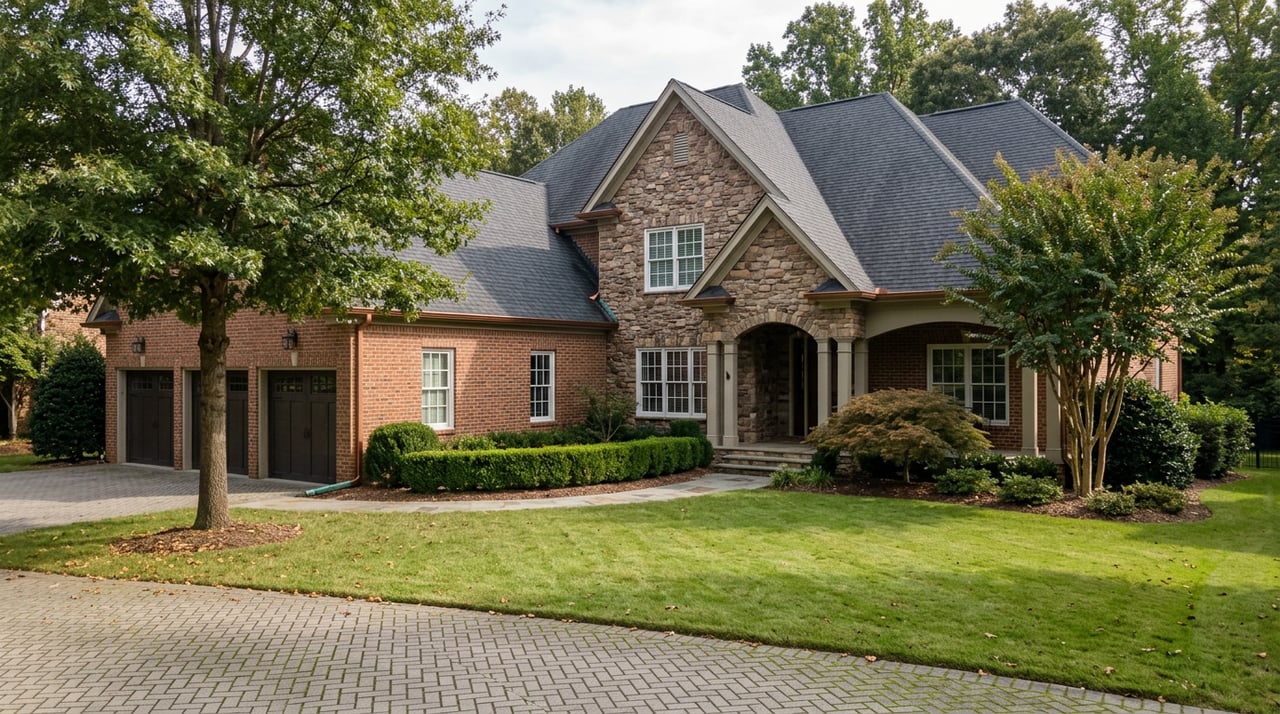
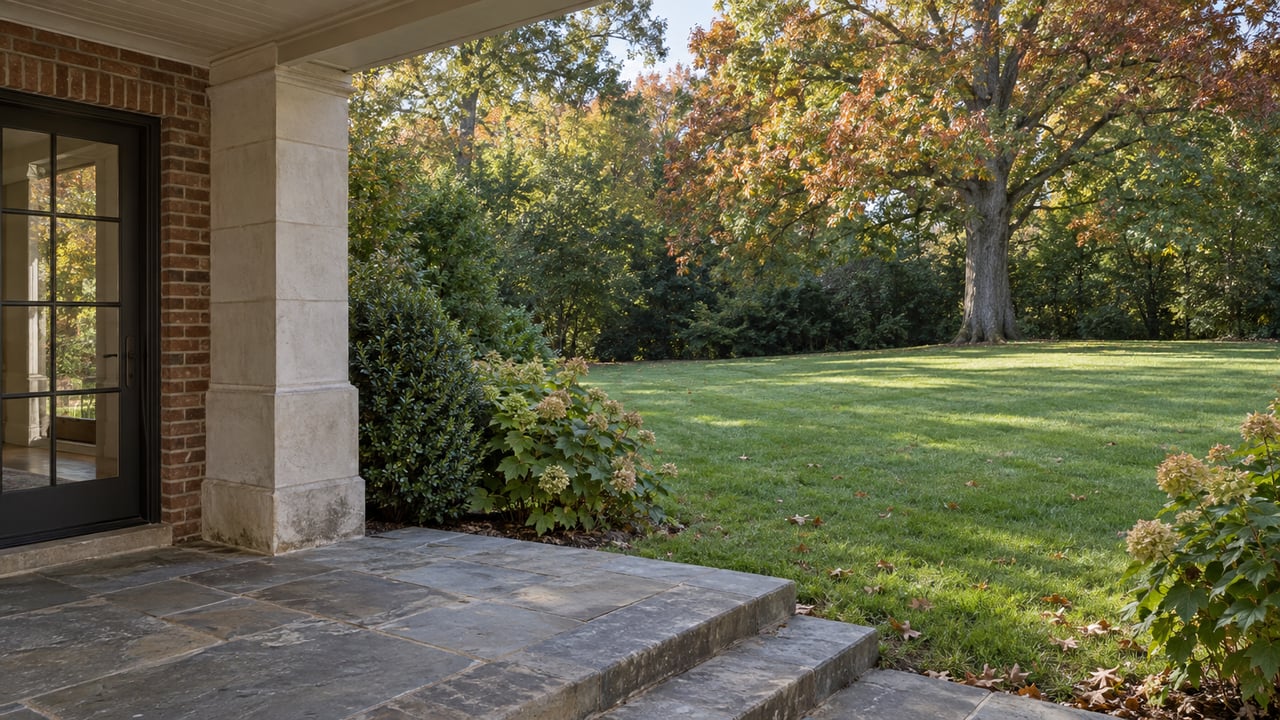
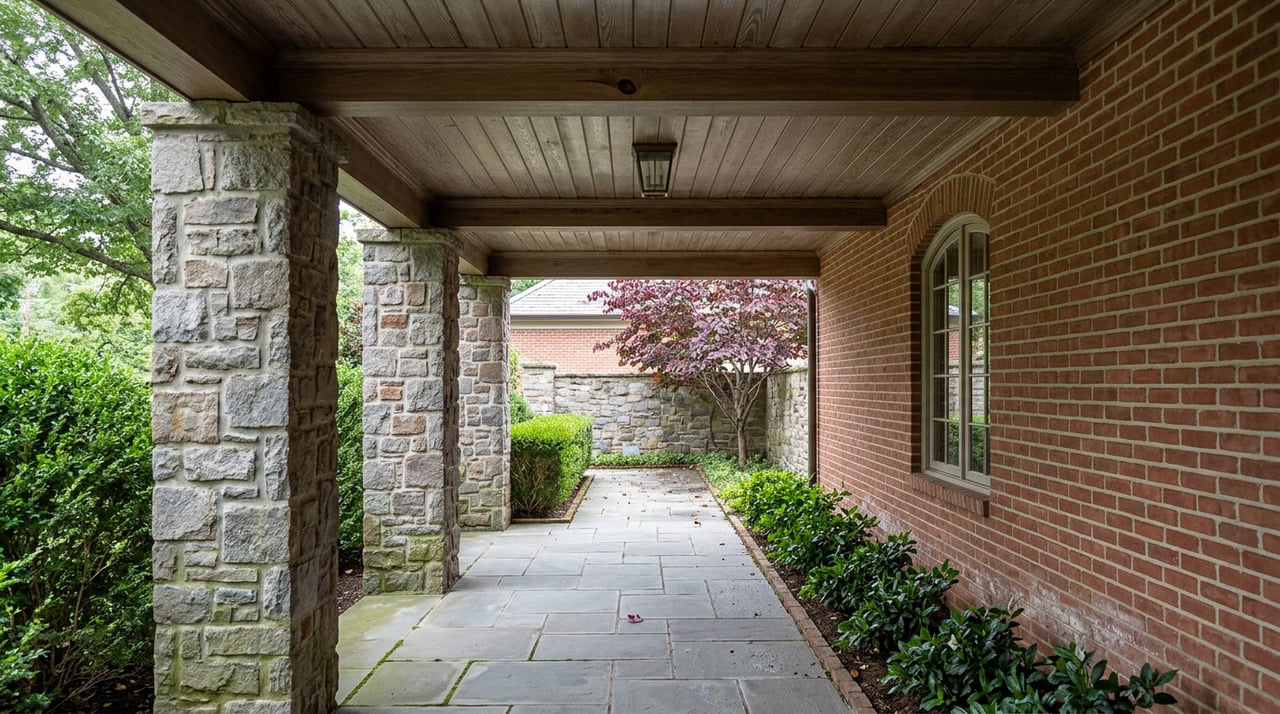
- Materials. Brick, stucco, stone, cedar shake, and real wood siding are typical; imitation stone/brick and most composite sidings require explicit approval.
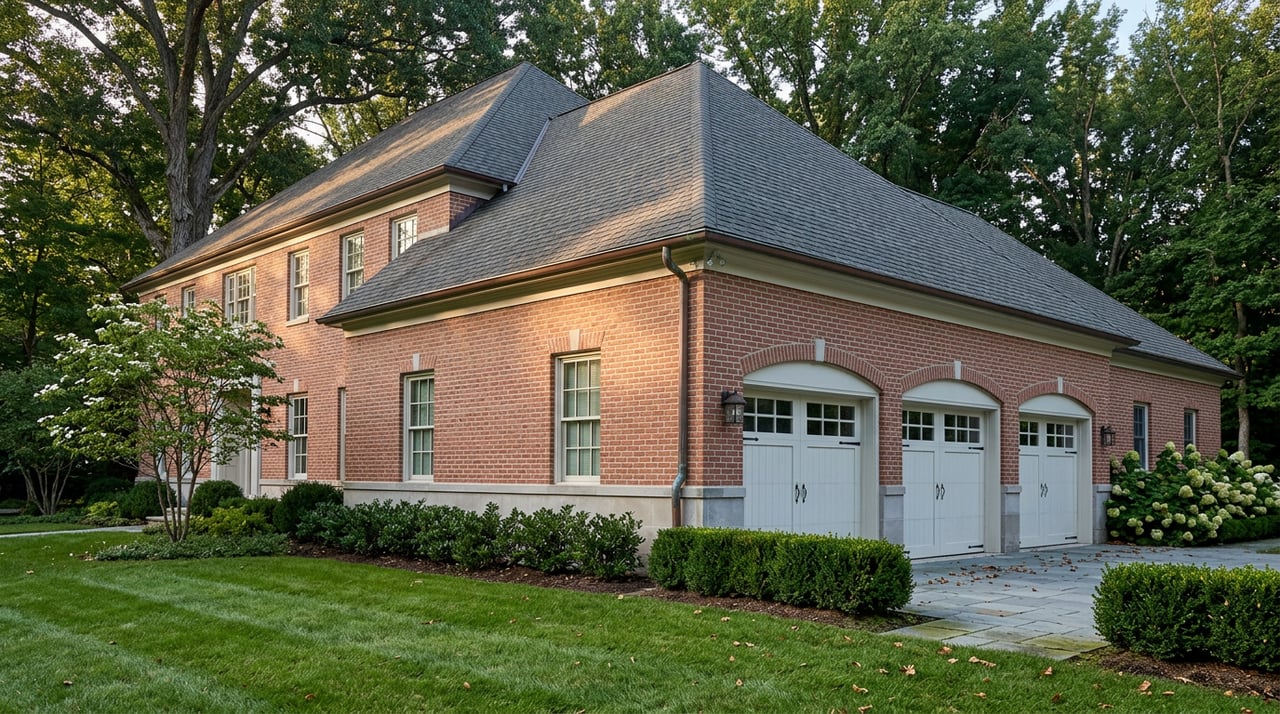
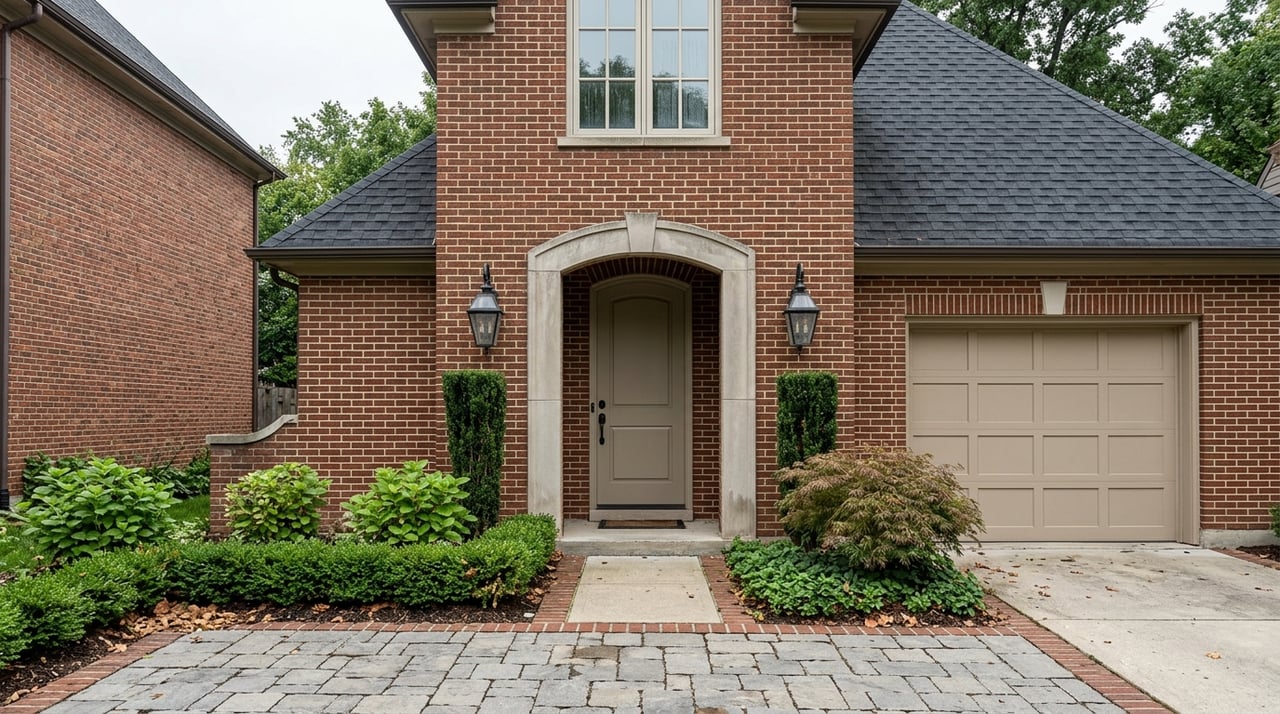
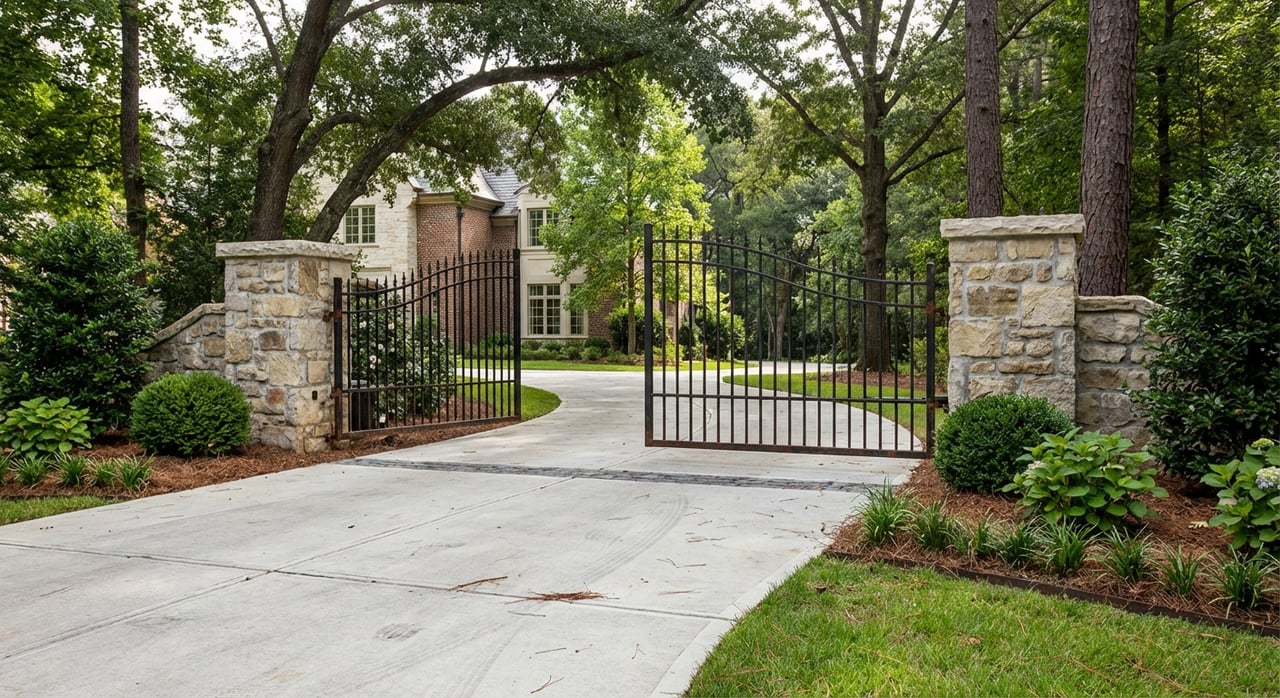
- Garages and street presence. Layouts minimize garage dominance at the front elevation, often with offsets, courtyard entries, or single-bay door groupings.
- Height and ceilings. Building height is tied to setbacks, with interior ceiling minimums such as 10 feet for major living areas guiding proportion and scale.
- Landscaping and tree protection. Tree-protection fencing, irrigation plans, and careful root-zone practices are enforced, from construction through final approval.
For you, this means exterior changes and landscape work usually require sign-off. Verified approvals help preserve value and avoid surprises at resale.
Privacy, views, and maintenance tradeoffs
Every lot offers benefits and responsibilities. Golf-front and lake-view homes lean into scenery and resale strength, but you should plan for more daytime activity along fairways and occasional stray balls. It is wise to ask about the club’s maintenance schedule, chemical use near your boundary, and insurance details. For due diligence on golf-community risks and questions to ask, review this practical overview on buying in a golf community.
Wooded or preserve-buffered lots feel serene and private, though they often require regular leaf and gutter maintenance and proactive tree care. On sloped sites designed for walk-out terraces, review grading, drains, and any retaining walls, and confirm whether the home has a history of water intrusion in lower levels.
Outdoor rooms that drive value
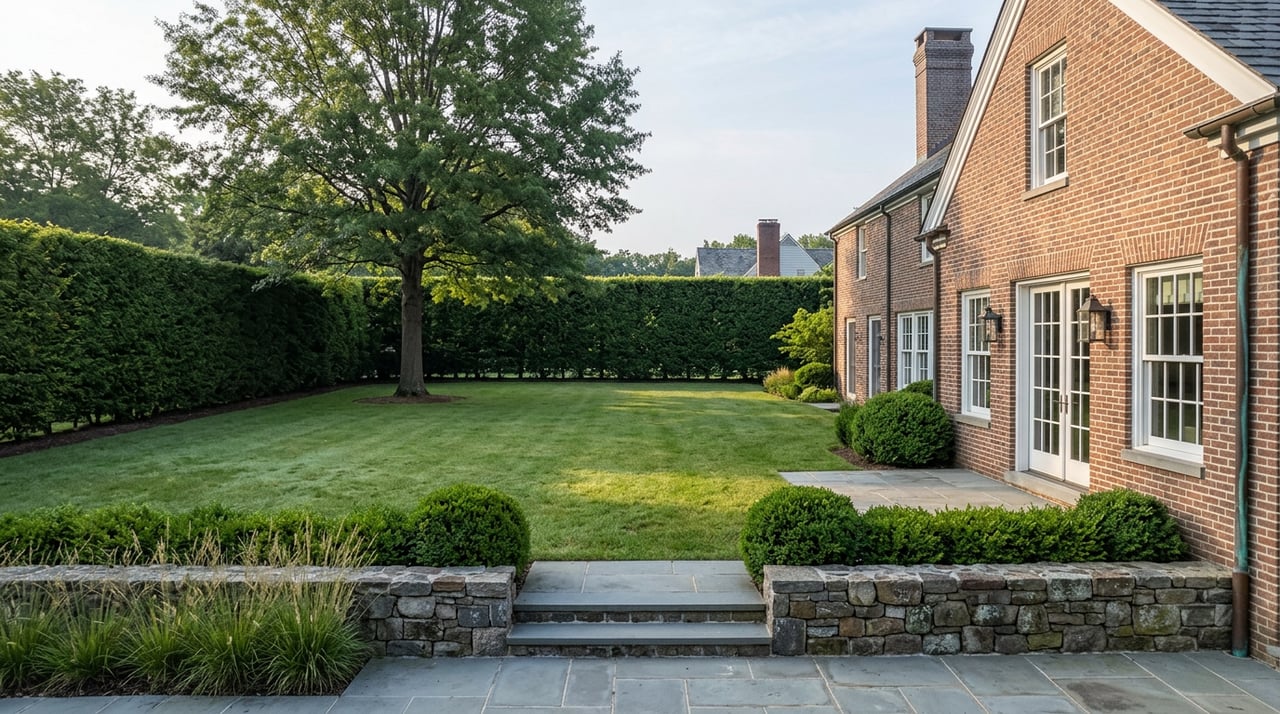
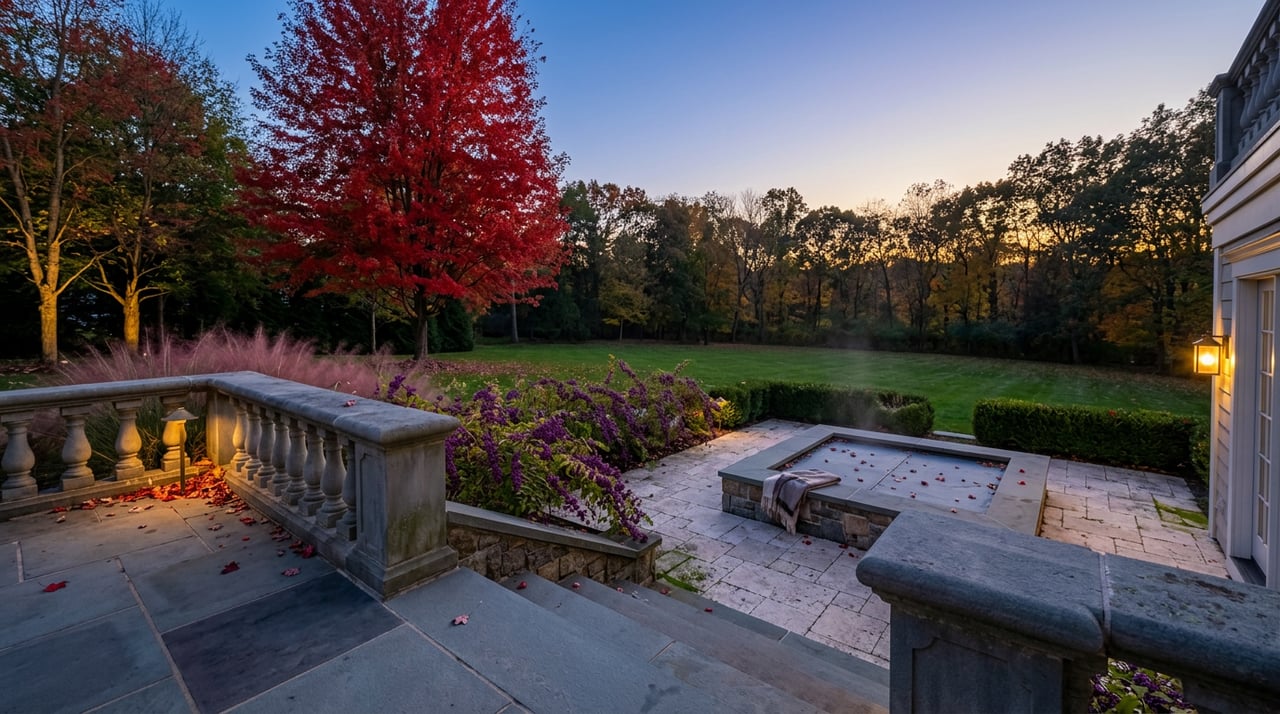
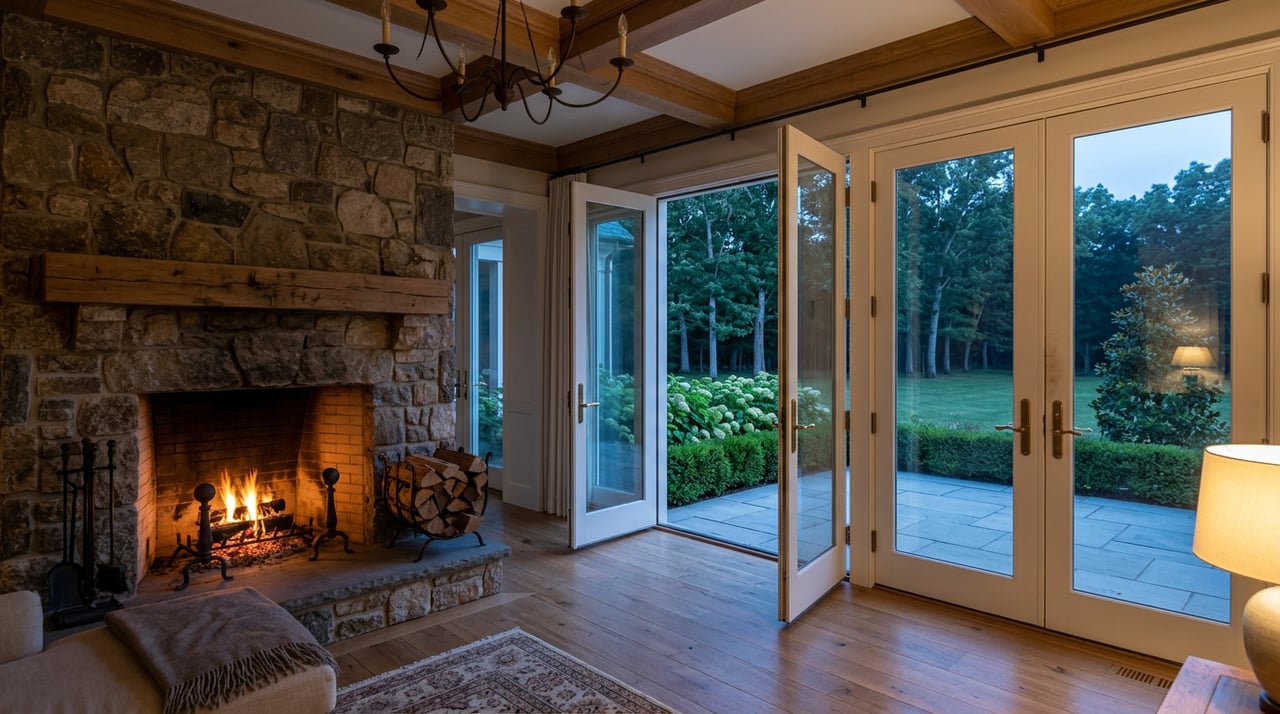
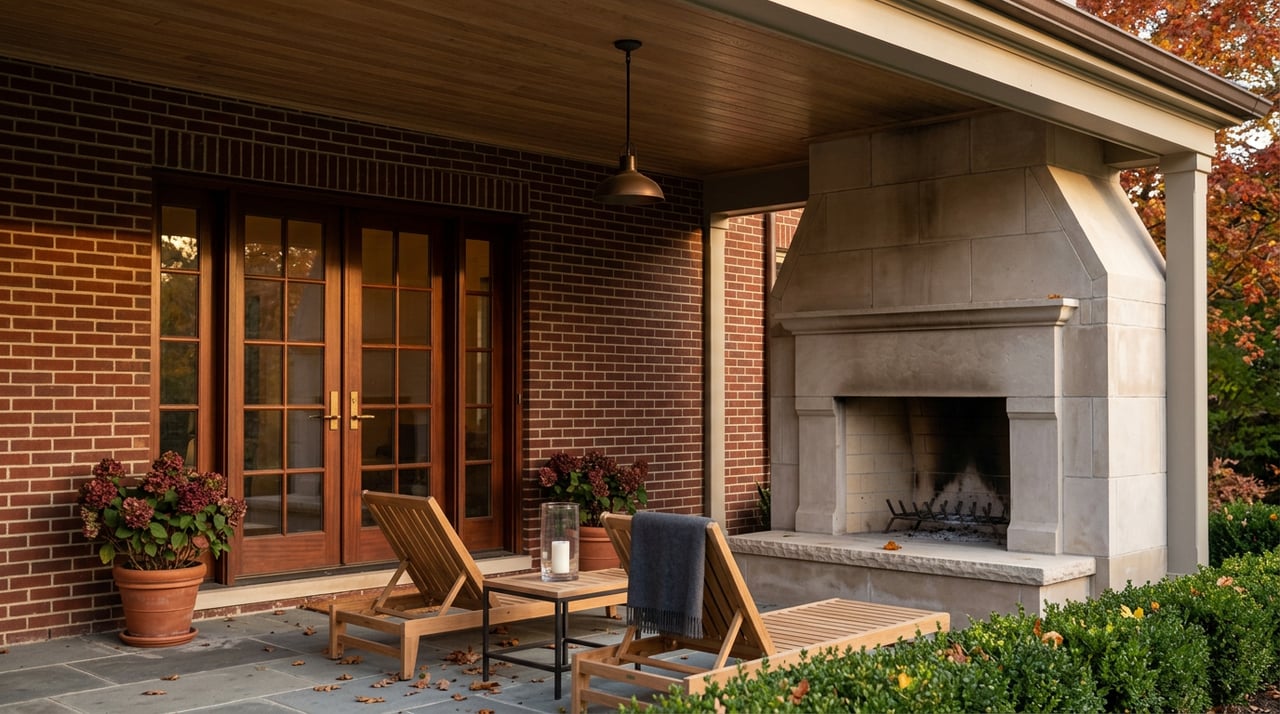
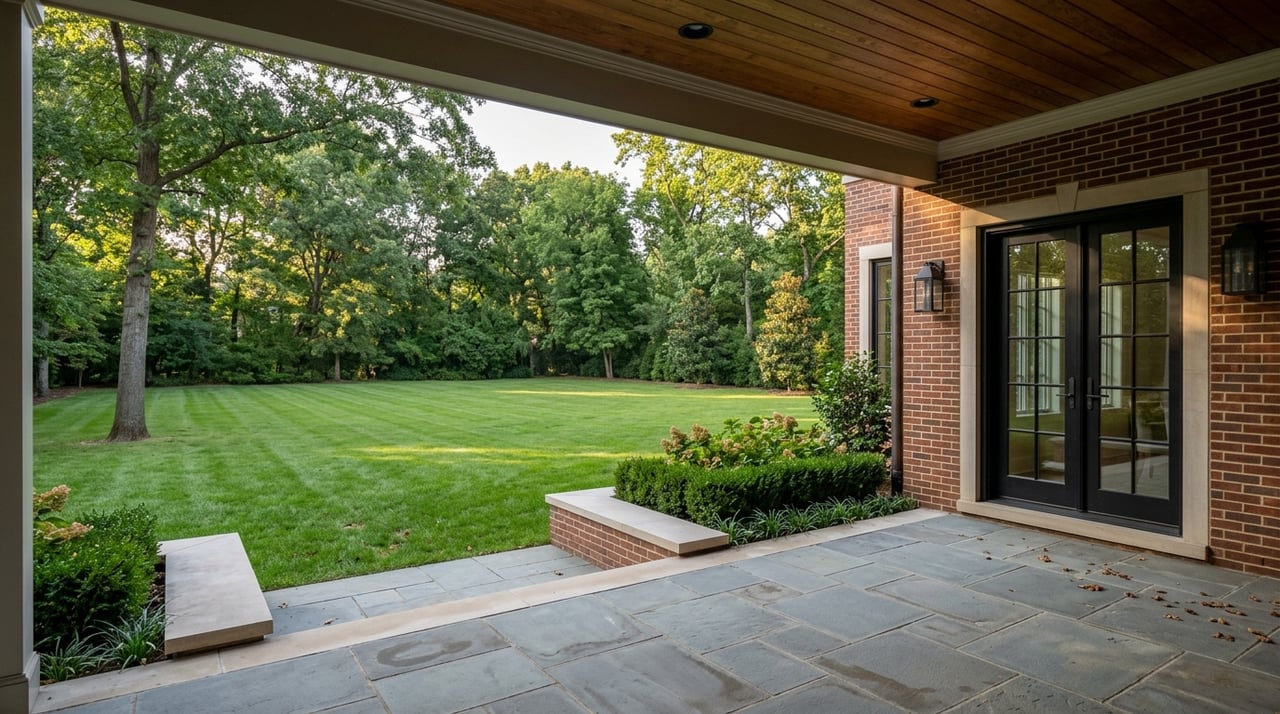
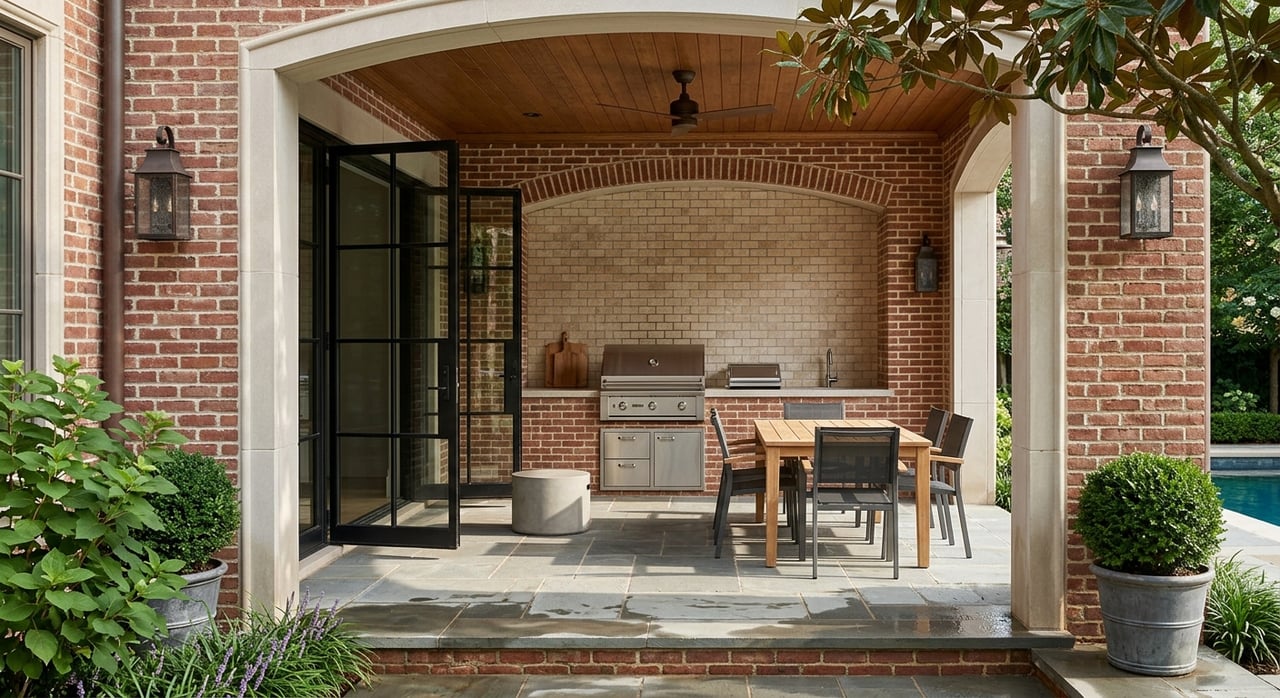
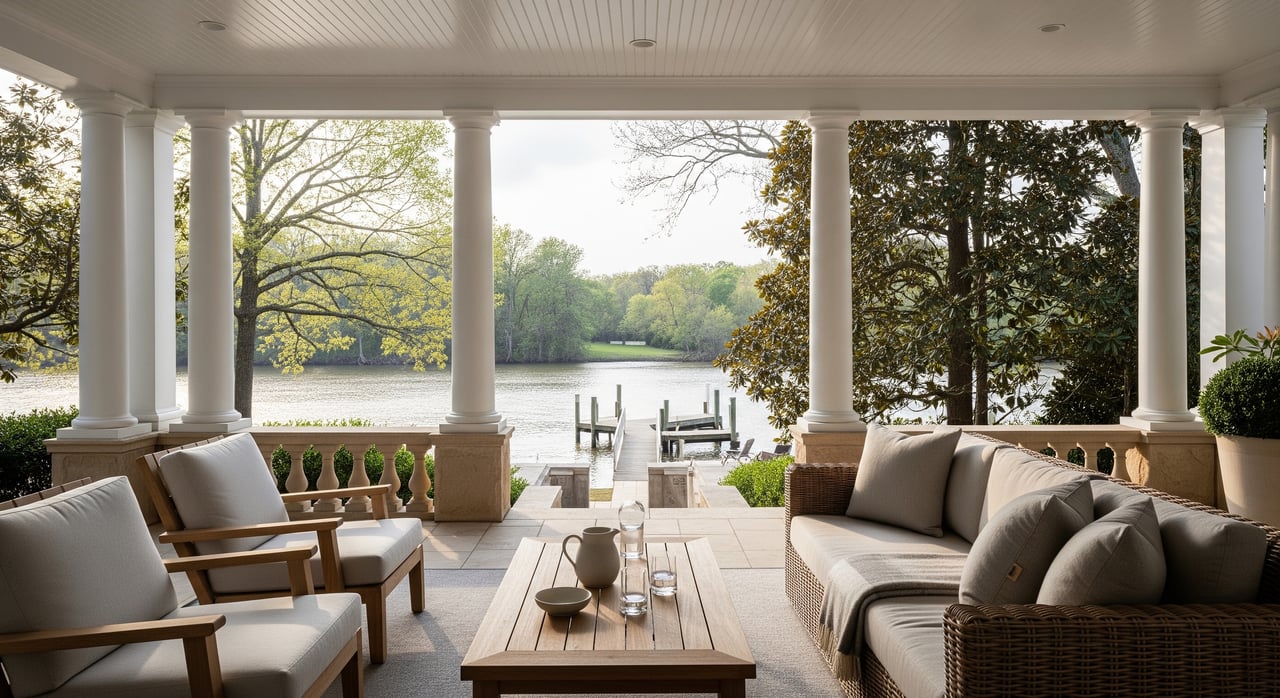
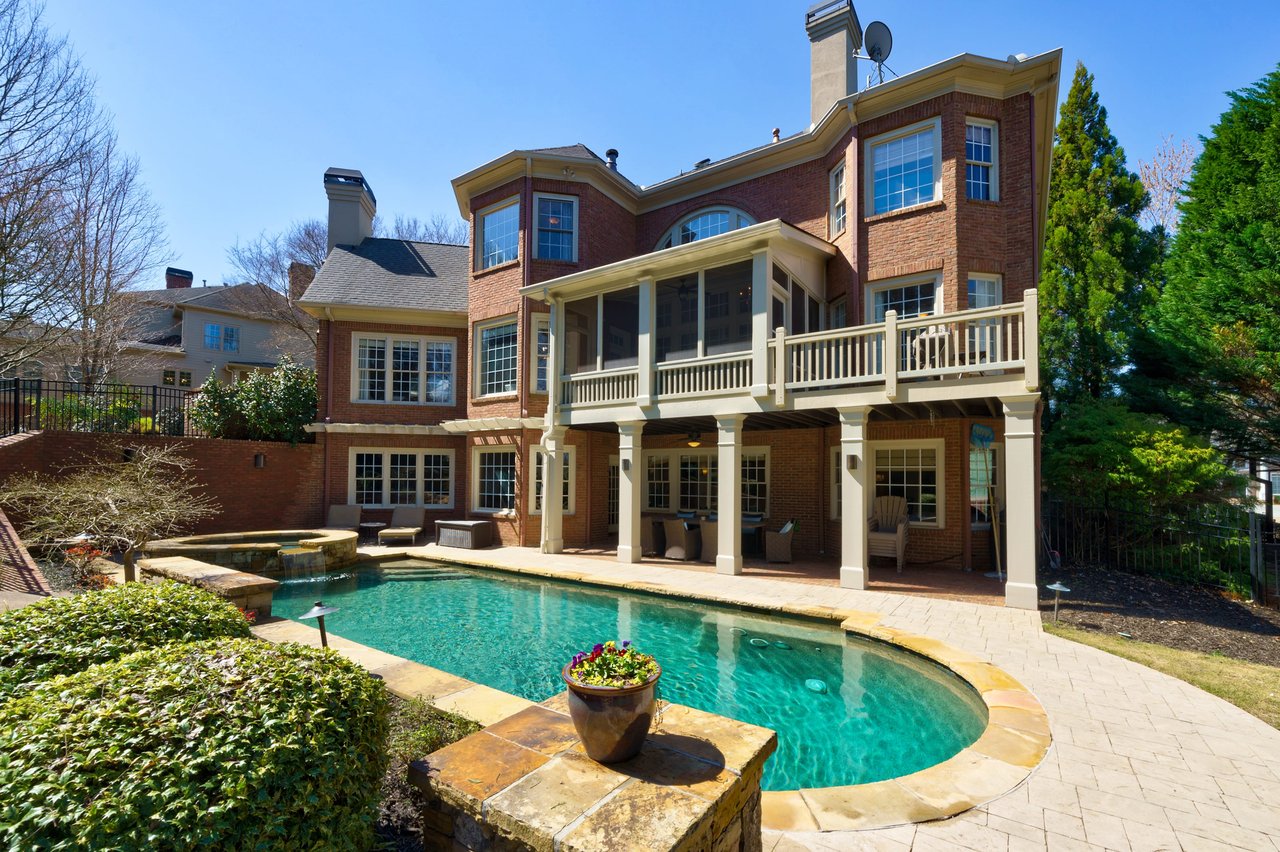
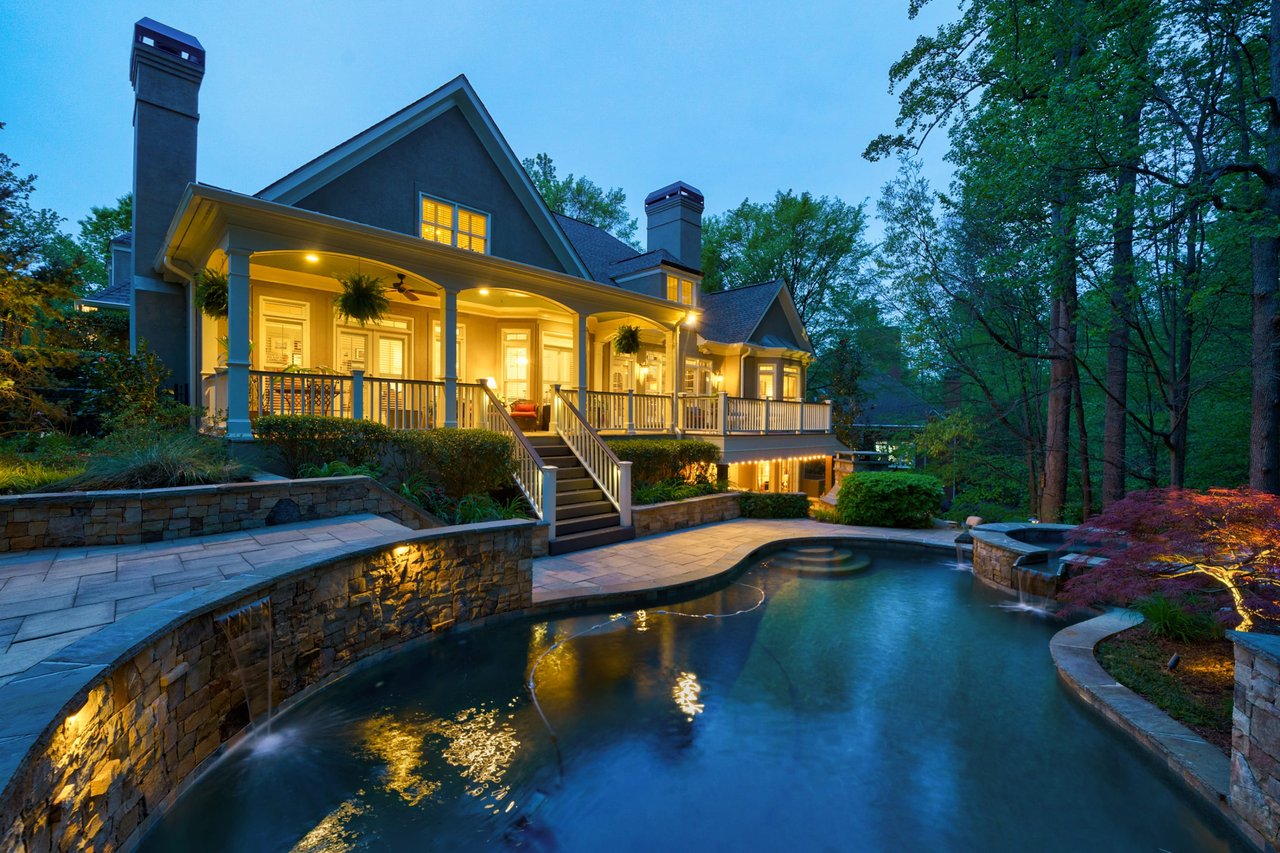
Screened porches, covered verandas, and layered rear terraces are signature features in River Club listings. These spaces extend everyday living through spring and fall, frame golf and water views, and create natural gathering zones for quiet mornings or evening entertaining. Well-designed outdoor rooms are a clear value driver in this community.
Quick pre-showing checklist
Use this list to focus your search and questions before you tour:
- Confirm lot type and orientation. Is the property golf-front, lake-oriented, wooded, or a large cul-de-sac parcel? Which direction do main living spaces and rear terraces face?
- Request the listing packet. Ask for the Covenants, Rules, Community Charter, and the current Design Review & Landscape Guidelines, plus any recent DRC approval documents.
- Review HOA and club charges. Confirm annual assessments, what access is included, and whether there are pending special assessments or transfer/initiation fees.
- Check flood and environmental risk. Look up the parcel in FEMA’s Map Service Center and ask about any flood claim history for river-adjacent areas. A helpful portal to FEMA MSC is available here.
- Verify exterior materials and prior changes. Confirm that past exterior work, paving, fencing, and major landscape updates were DRC-approved.
- Understand trees and conservation areas. Ask about tree-save zones, conservation easements, and how they affect privacy and any future plans.
- Evaluate slope and foundation. Note daylight or walk-out terrace levels, existing retaining walls, and any drainage improvements or disclosures.
- Clarify golf-course interface. Ask about stray-ball liability, protective screening, and typical early maintenance times.
- Confirm renovation records. Ensure exterior renovations were approved; unapproved work can delay closings and add cost.
Pricing and availability note
Data point for context: The River Club sits at the top end of Suwanee’s market. Recent snapshots show custom homes trading in the multi-million dollar range and homesites often marketed in the mid–six-figure to low–seven-figure range. Inventory, prices, and membership options change frequently. Data note: As of February 2026, always verify current pricing and availability with active MLS data and confirm you have the latest edition of the community Guidelines before finalizing material or design decisions.
Ready to explore River Club?
If you’re considering a custom estate or a move within the neighborhood, we can help you match the right lot, orientation, and architectural style to your goals, then navigate approvals with confidence. Tap our neighborhood-level expertise, Compass-backed tools, and hands-on guidance to move forward with clarity. When you’re ready, Floyd Real Estate Group is here to schedule a private consultation.
FAQs
What home styles are most common in The River Club?
- You’ll see European-influenced estates such as Tudor, French country/Provincial, and Georgian/Neoclassical, plus refined Craftsman and select contemporary interpretations consistent with the community’s Pattern Book.
How does the Builder Guild and DRC approval process work in River Club?
- Owners select an approved Builder Guild member and submit plans to the Design Review Committee or Founder/Reviewer, with pre-submission meetings, revisions, and final approvals guiding materials, massing, and site integration.
What should I consider before buying a golf-front lot in River Club?
- Balance long views and resale appeal with privacy, maintenance timing, potential for stray balls, and insurance; ask the club about maintenance schedules and policies.
Are there material and garage restrictions in River Club’s Guidelines?
- Yes; permitted exteriors emphasize natural materials like brick, stucco, stone, cedar shake, and real wood, and garage layouts are controlled to reduce street dominance, all per the published Guidelines.
How large are typical River Club lots and can they support a pool?
- Many sites range from roughly 0.6 acres to over 1 acre, with cul-de-sac parcels often ideal for walk-out terraces and “pool ready” designs depending on slope and approvals.
How do HOA and club fees work at The River Club?
- Confirm annual assessments and what membership tier includes, plus any transfer or initiation fees and special assessments; request the community’s most recent disclosure forms.
Is flood risk a concern near the Chattahoochee in River Club?
- It depends on the specific parcel; review FEMA flood maps, ask about any claim history, and consult your insurance advisor for coverage and cost before you close.