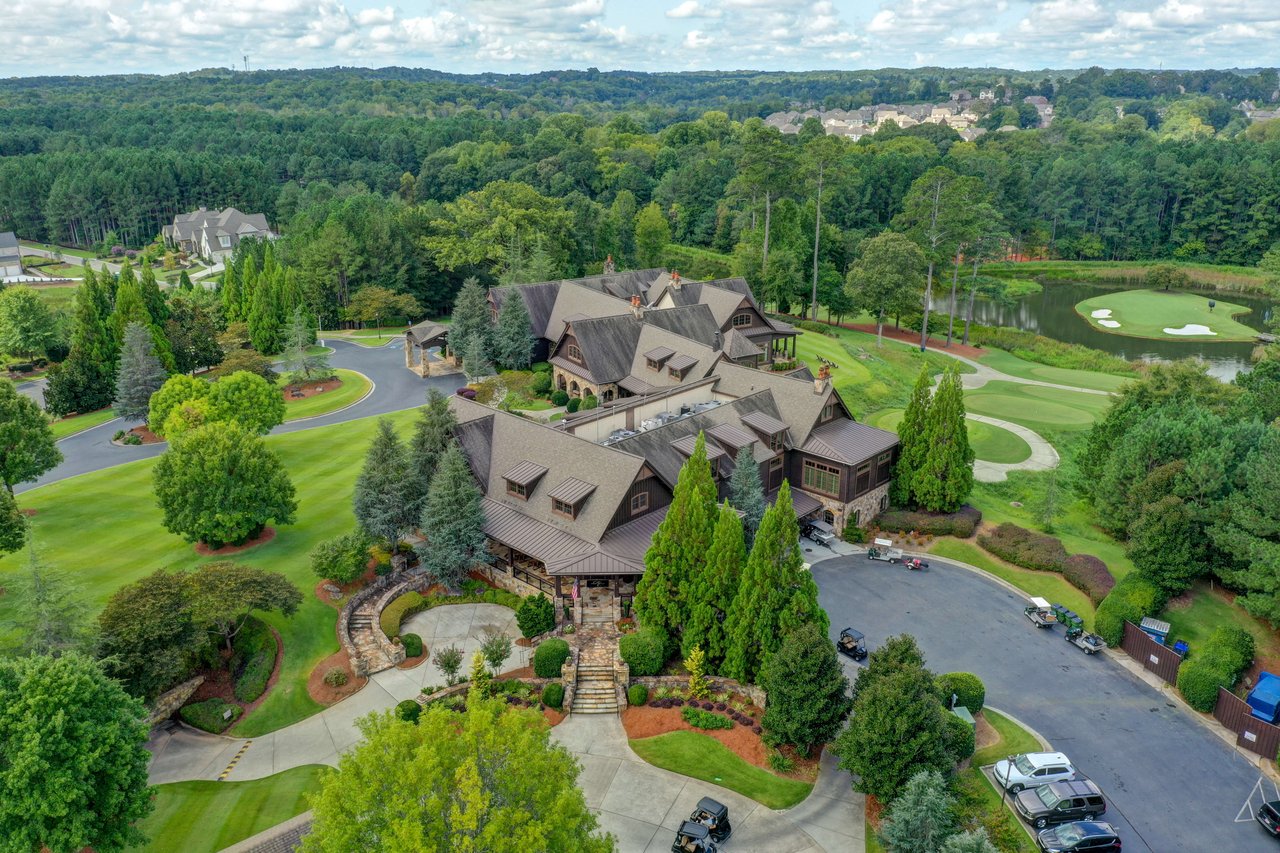
If you have started comparing North Atlanta gated communities and pulled up recent numbers for The River Club in Suwanee, you have probably seen two different stories. One says average prices fell 11.3 percent over the past year, as of July 2026. Another says the median sale price rose 13.8 percent in June 2026, from $2,800,000 to $3,187,500 (read our guide on what recent sales reveal about The River Club market). Same neighborhood, same year, opposite headlines.
Neither number is wrong. That is the part worth sitting with before you draw any conclusion about whether The River Club is cooling off or heating up.
Why a 13-home neighborhood breaks the usual math
The River Club is a small, closely held market. As of mid-July 2026, there were roughly 13 to 14 single-family homes actively listed inside the gates, according to MLS-sourced brokerage reports, with a median list price around $3,250,000 and an average asking price near $385 per square foot. In a given 30-day window, some of Redfin's own segment views for the neighborhood count as few as one closed sale and no more than four, depending on which home features you filter for (learn strategies for buying confidently in a low-inventory River Club market).
When a neighborhood closes one to four homes a month, "average price" and "median price" stop behaving the way they do in a market with hundreds of monthly transactions. In a large market, those two figures converge because outliers get diluted by volume. In The River Club, one $4.8 million riverfront estate closing in the same month as a $2.9 million interior lot can swing the average by six figures without reflecting anything about broader demand. That is not a flaw in the data. It is what happens to any statistic once the sample size gets small enough that a single transaction becomes a meaningful share of it.
The homes themselves are not one product
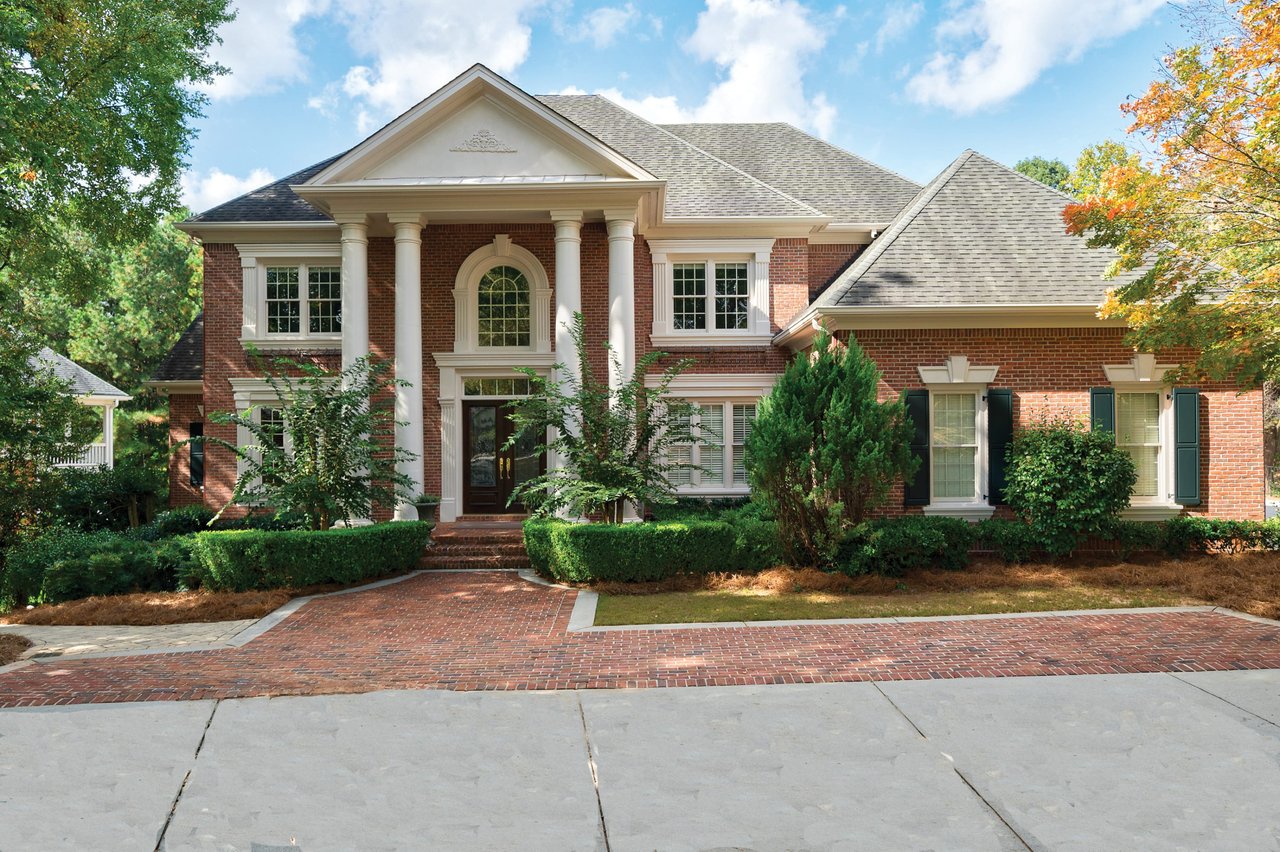
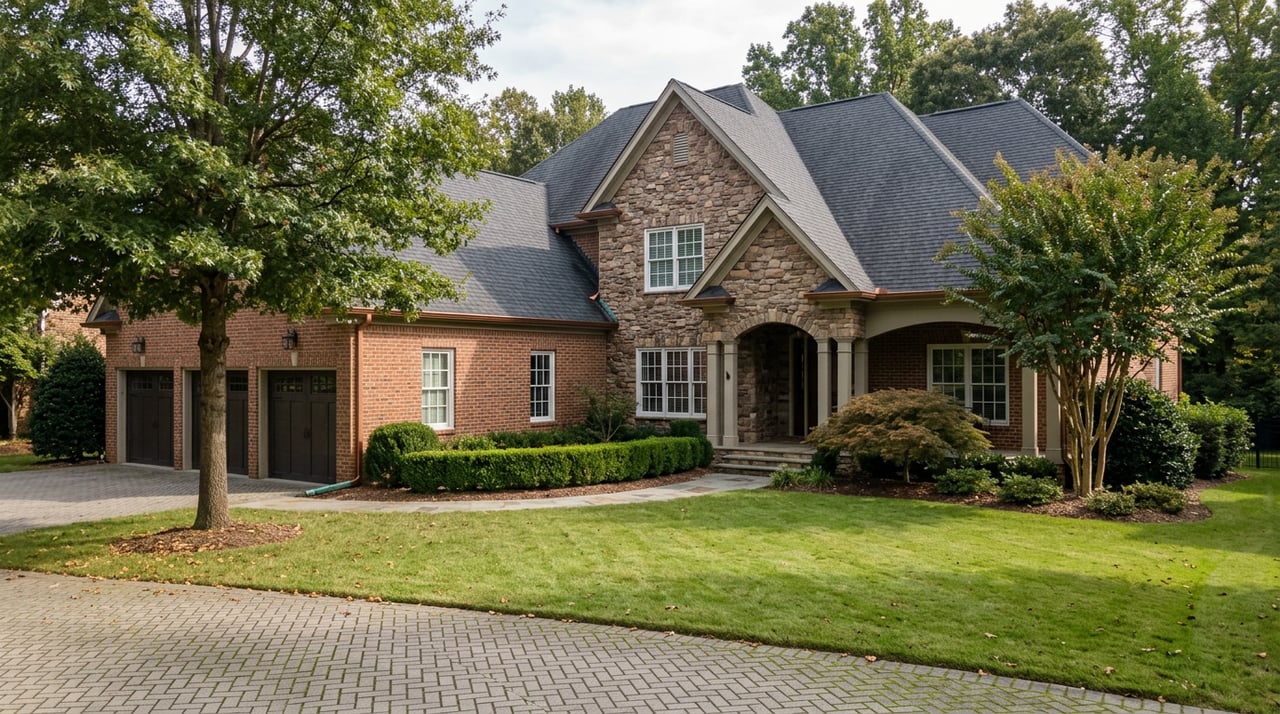
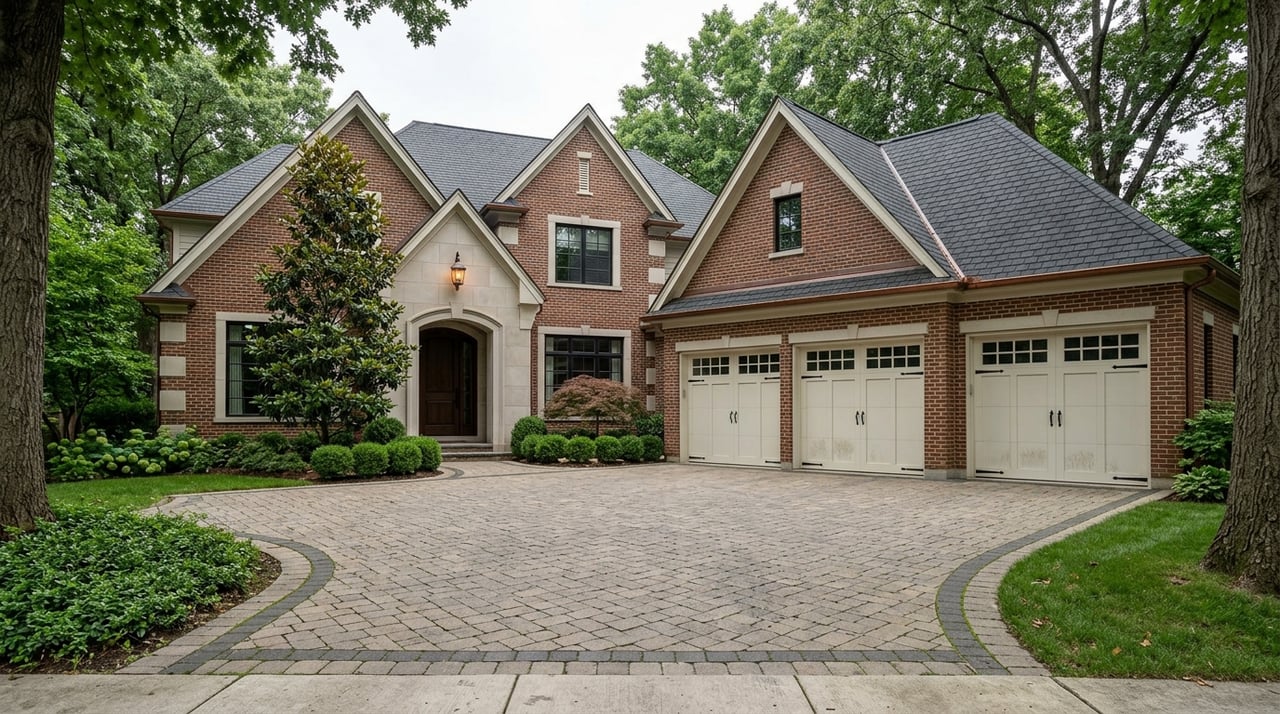
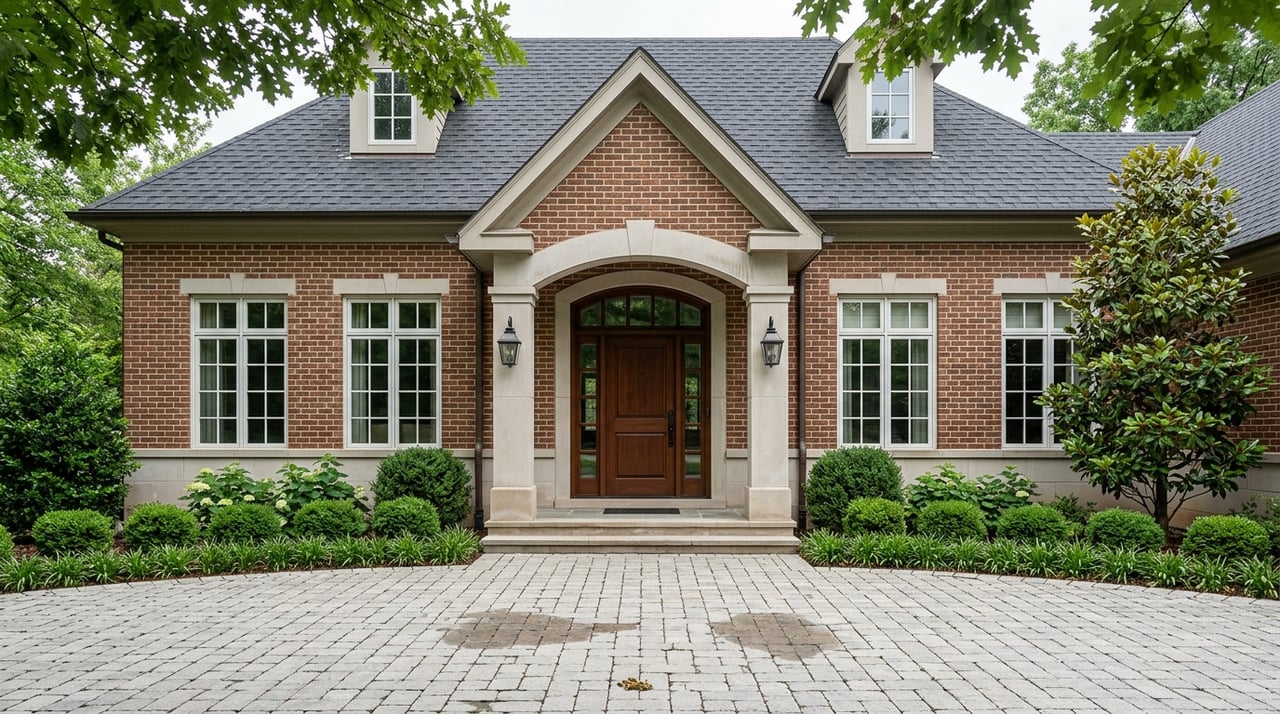
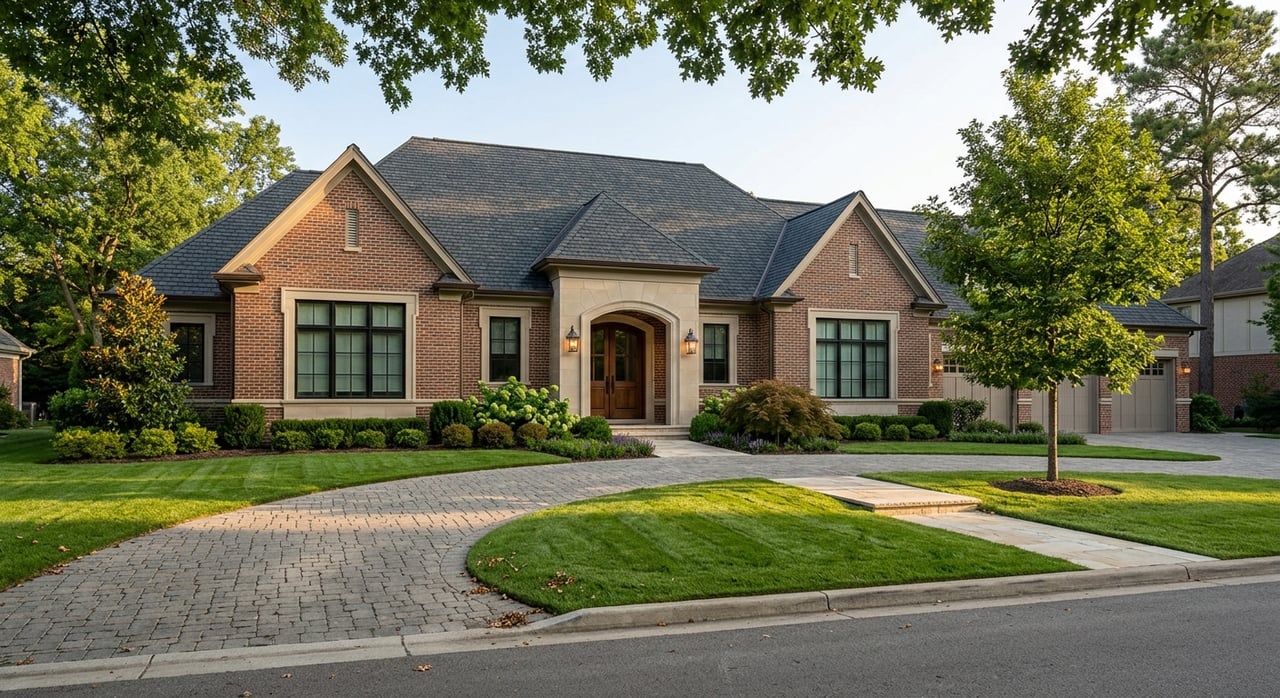
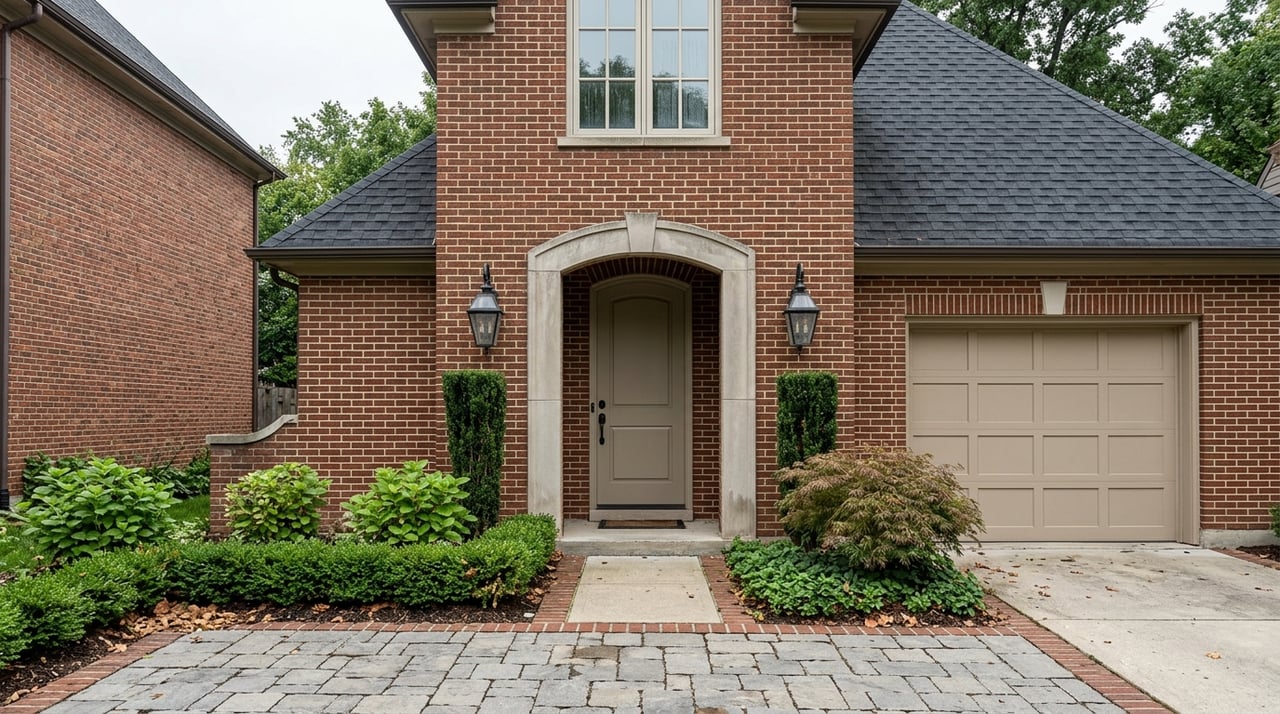
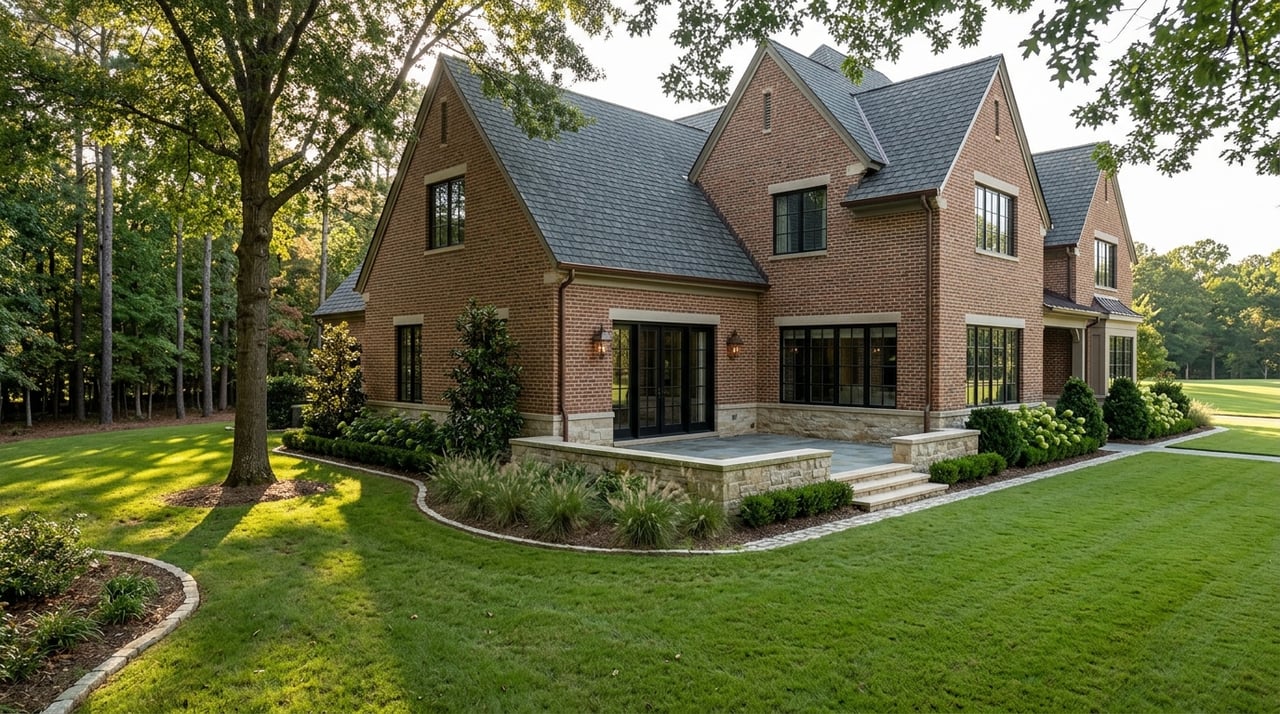
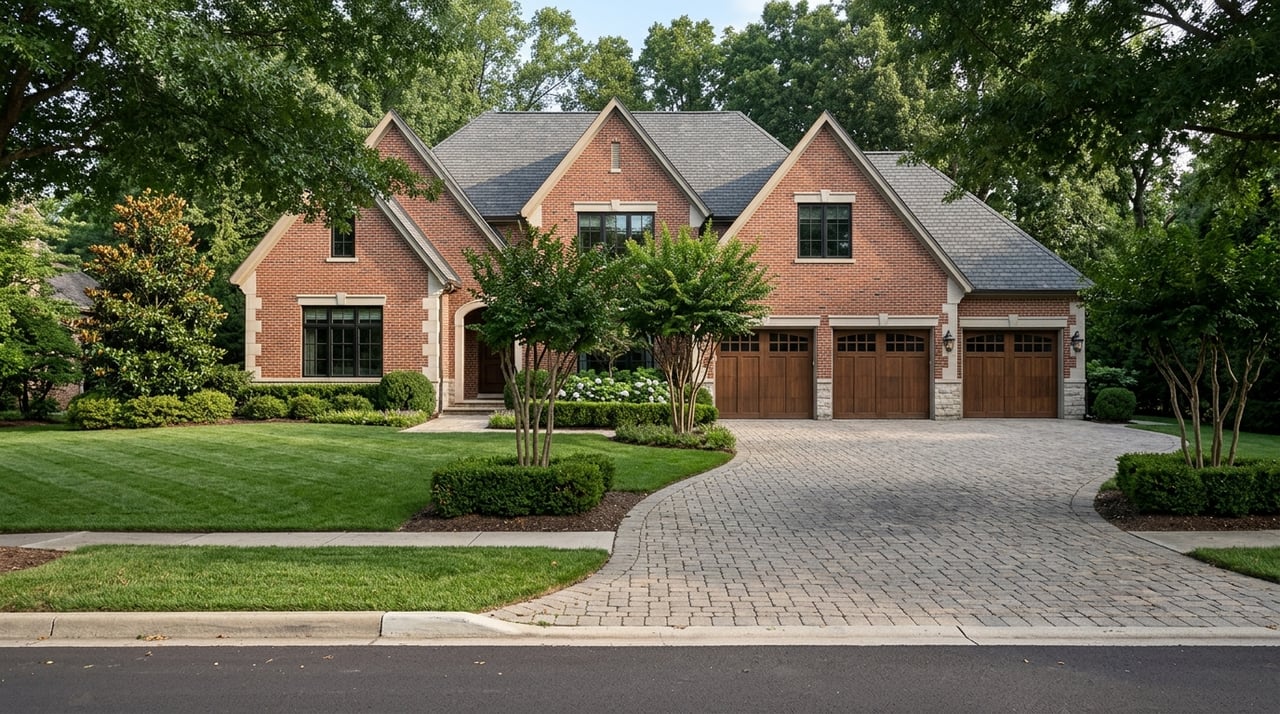
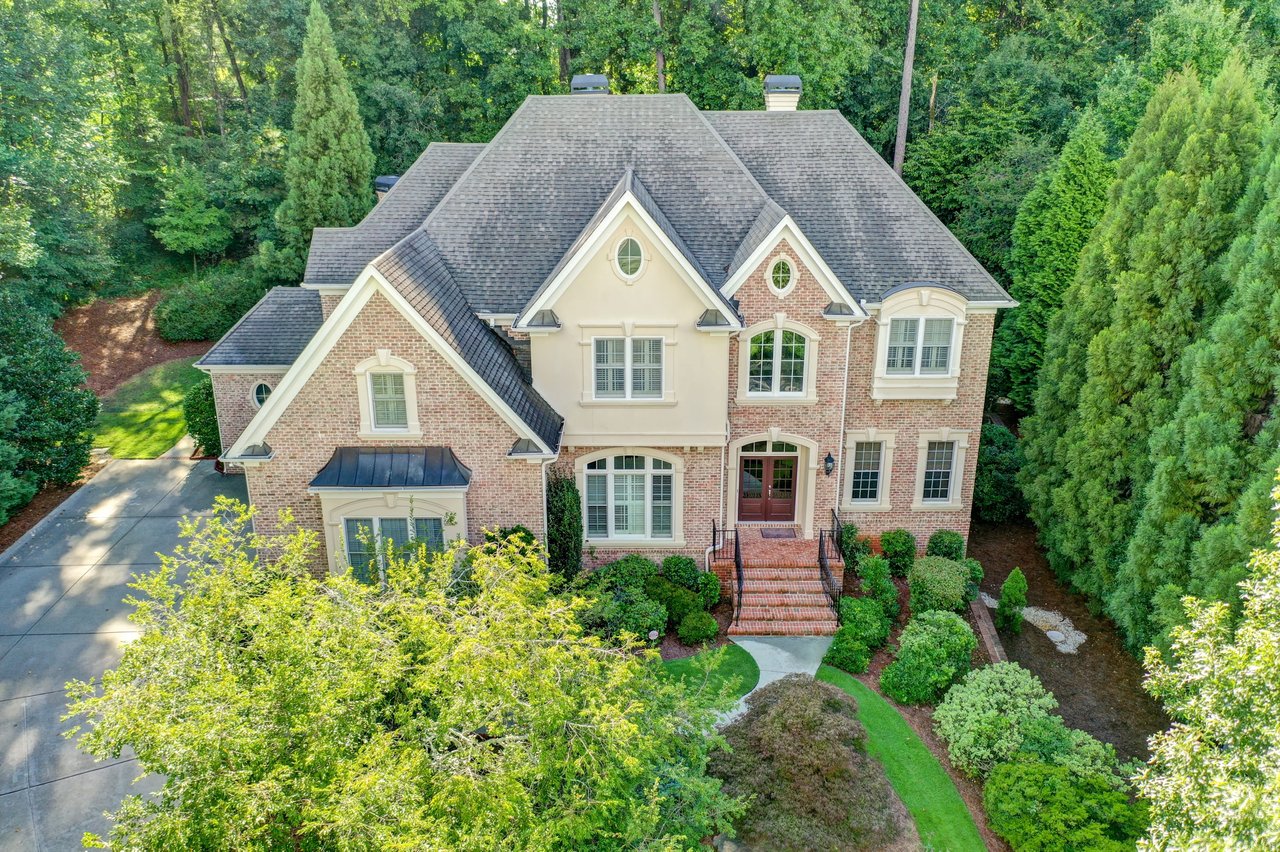
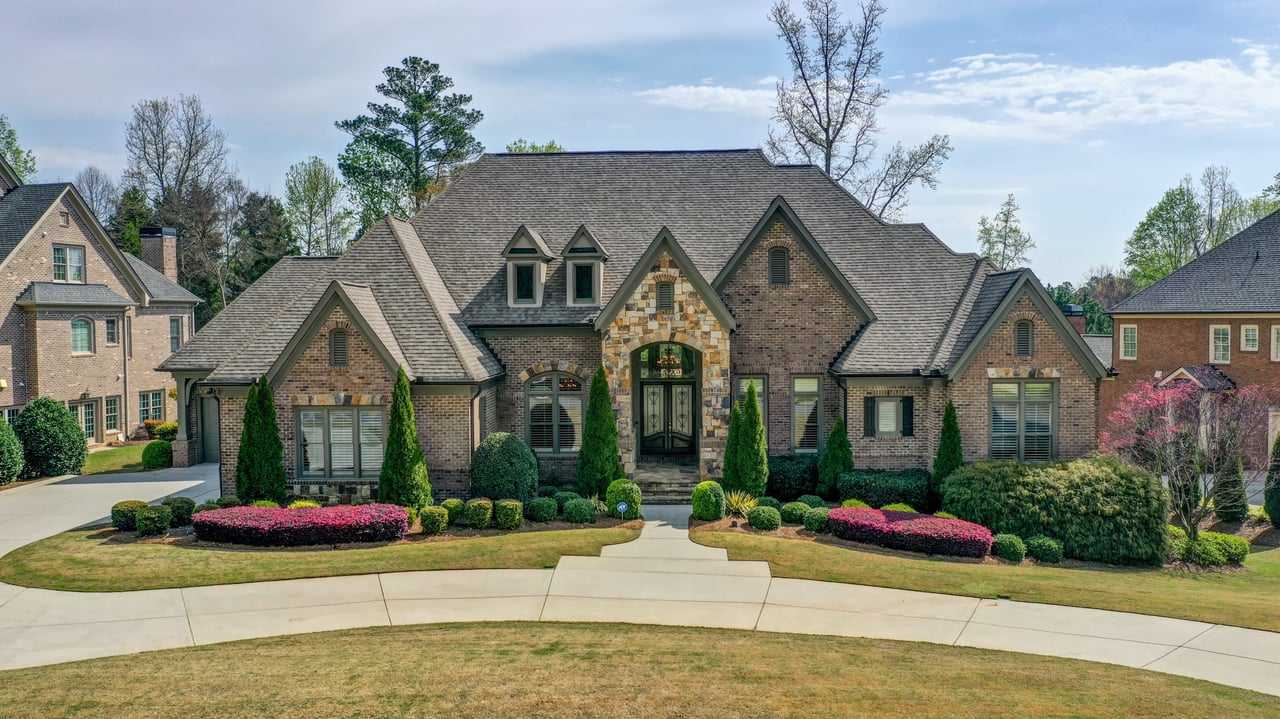
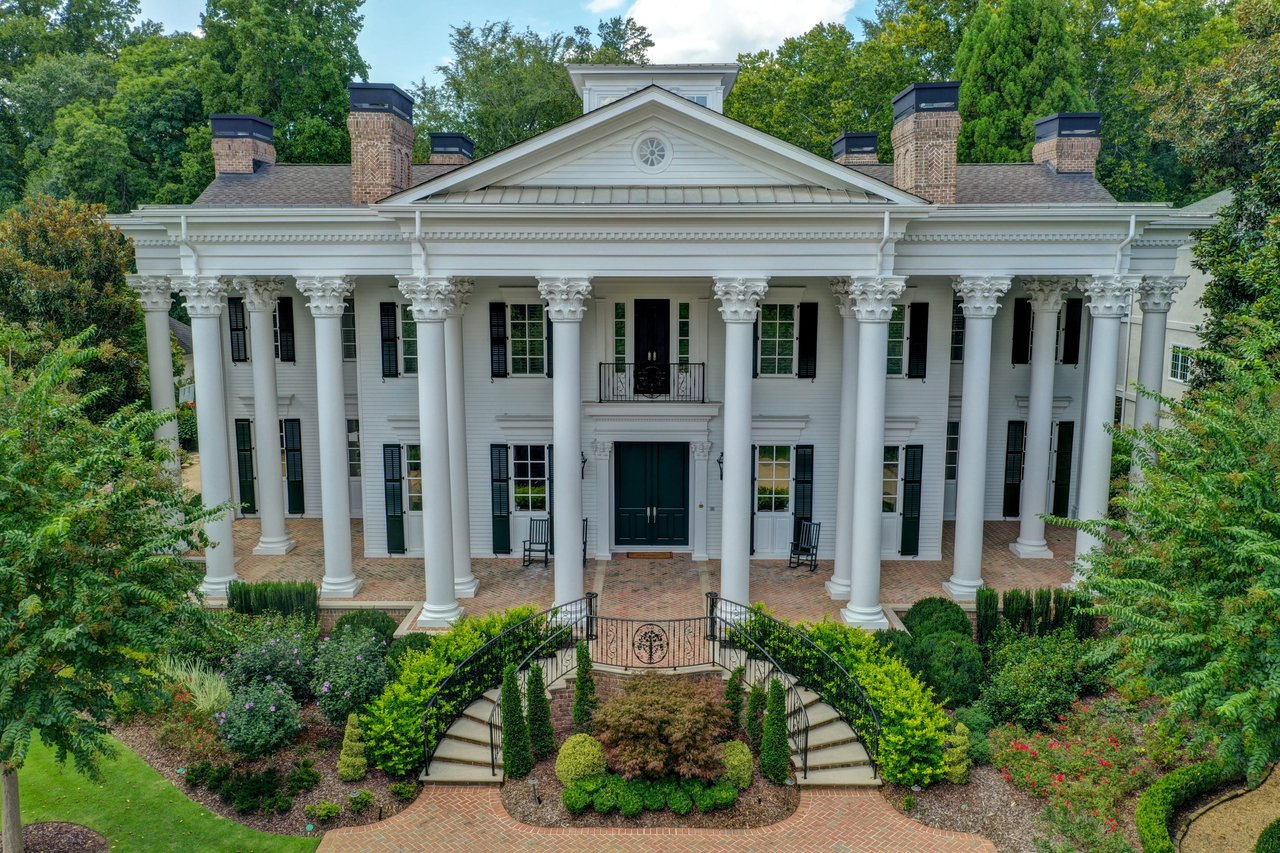
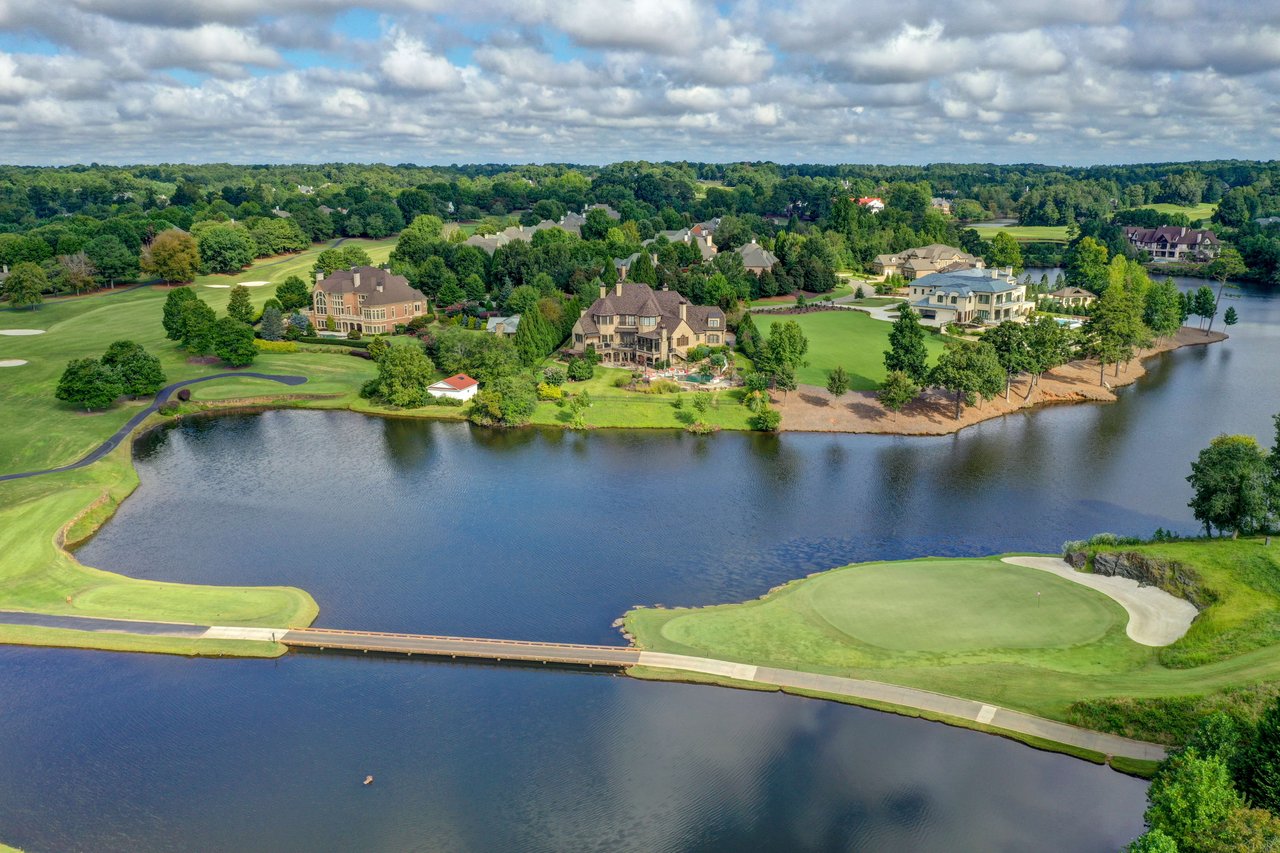
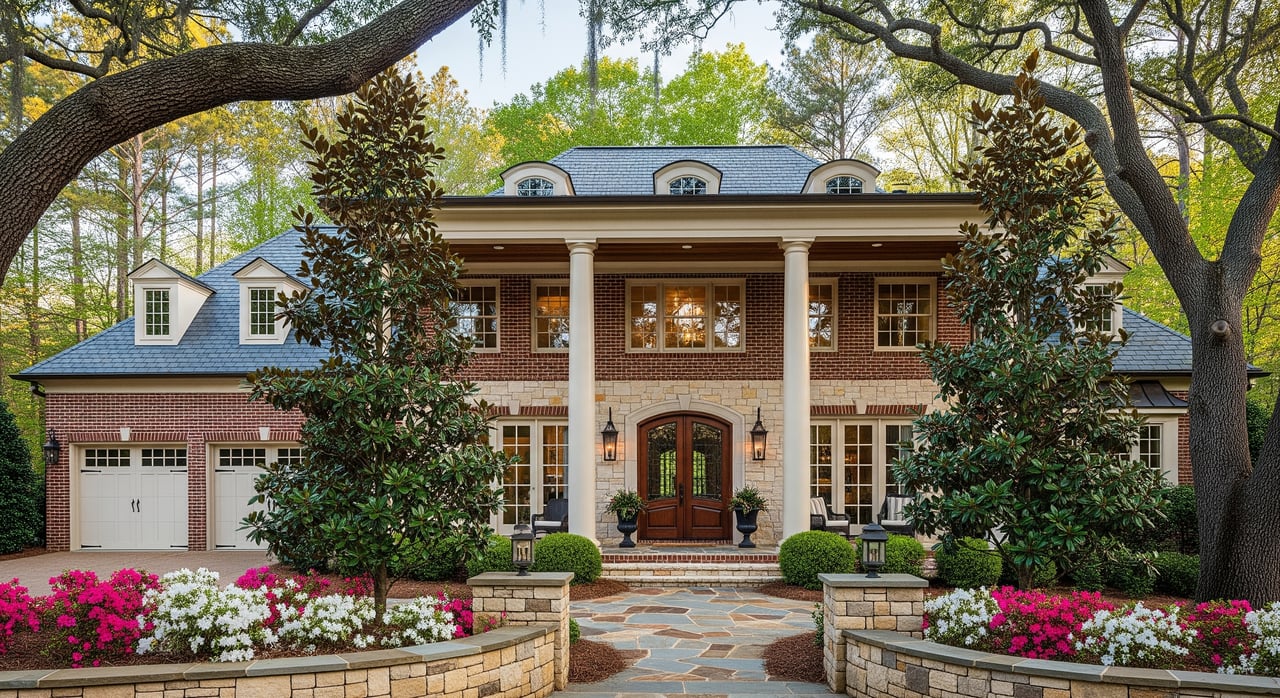
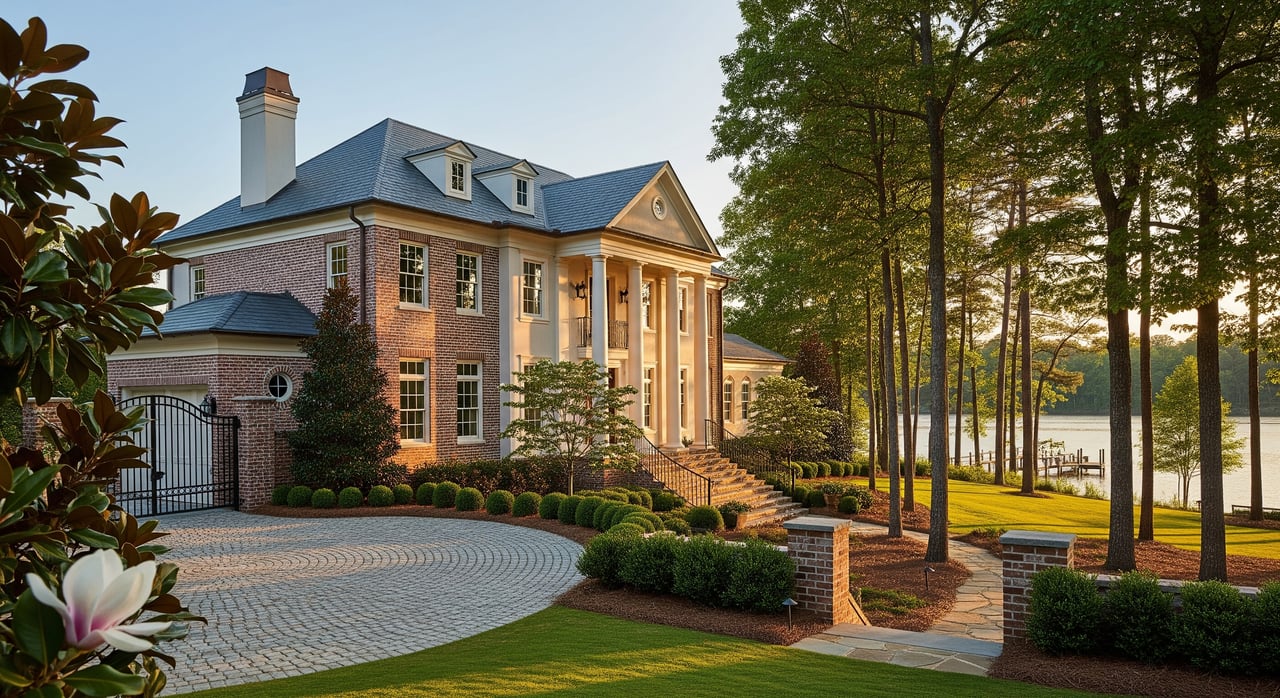
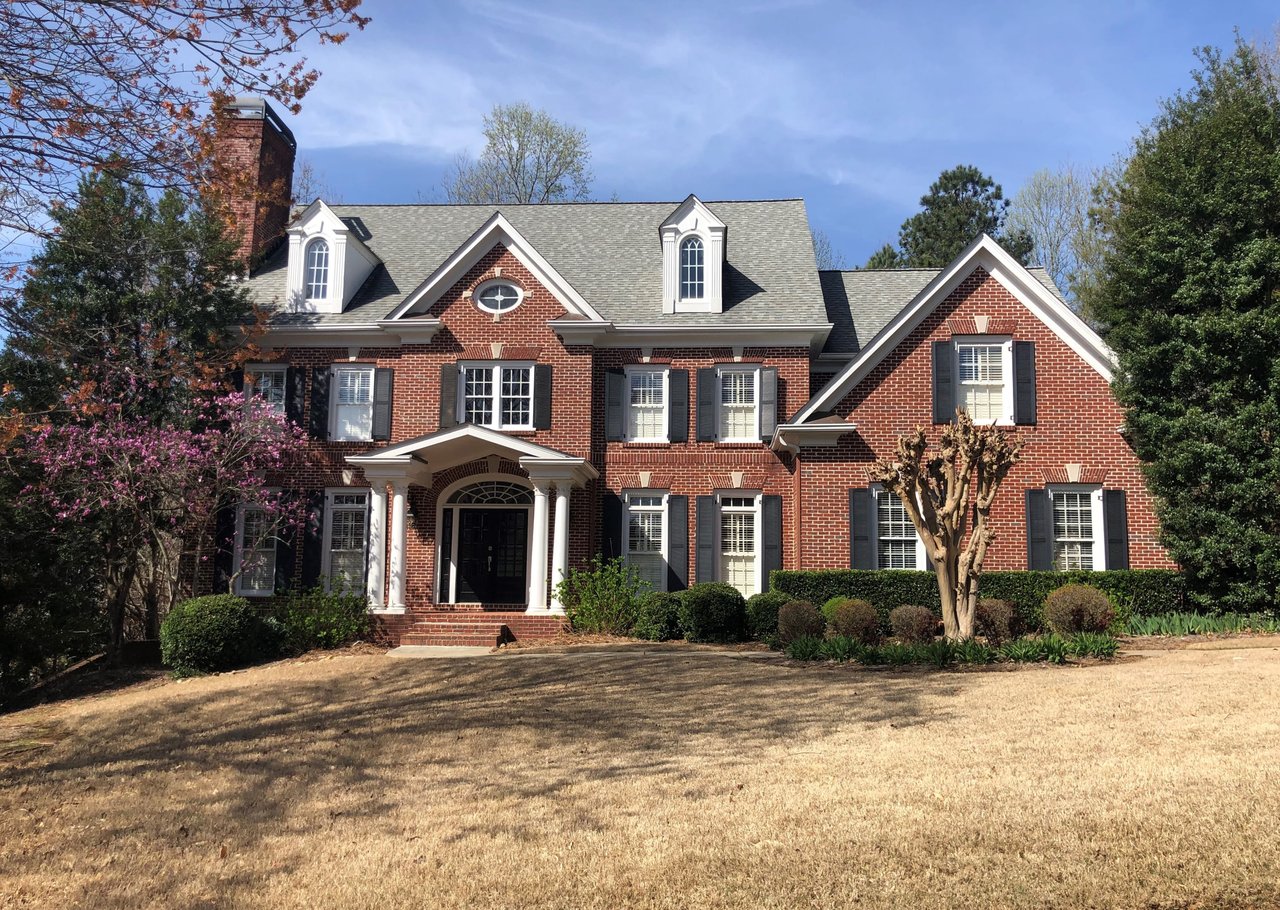
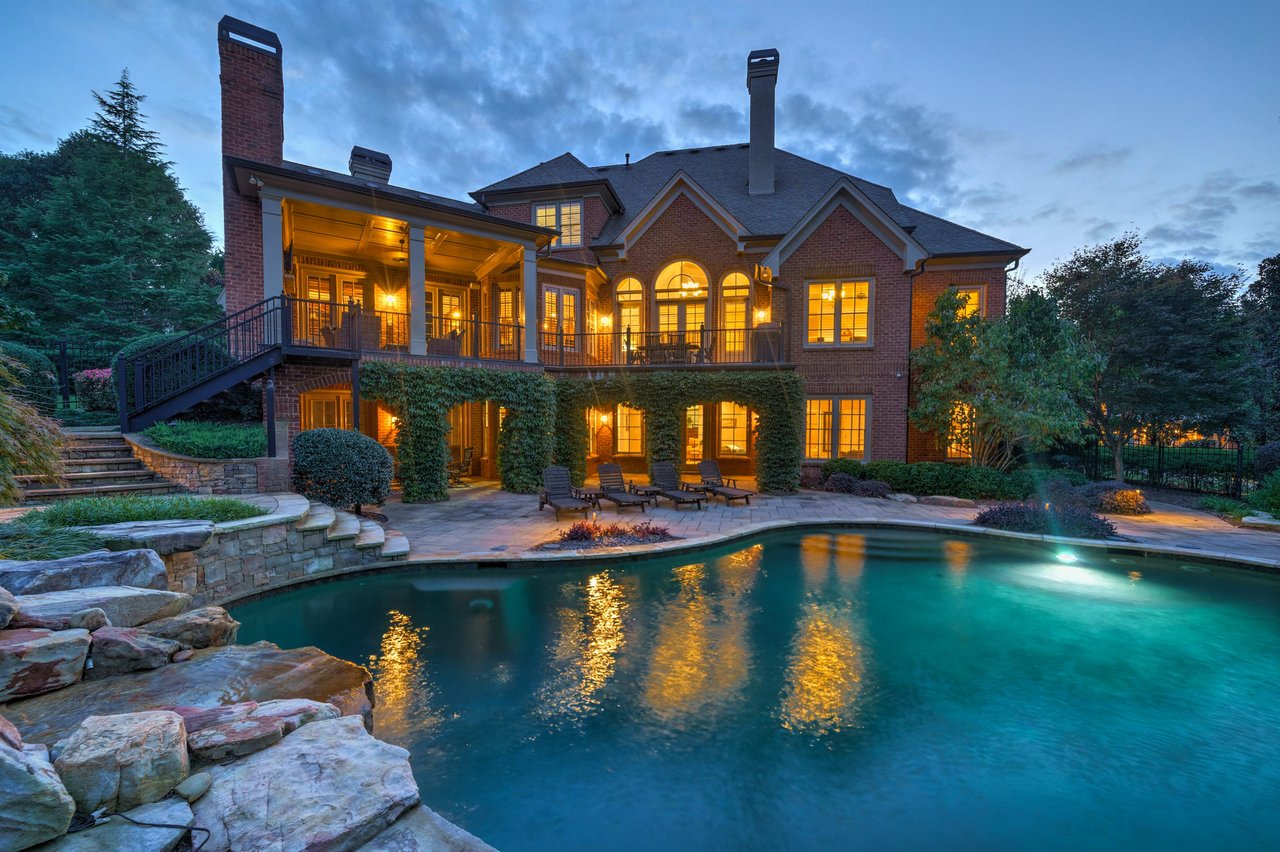
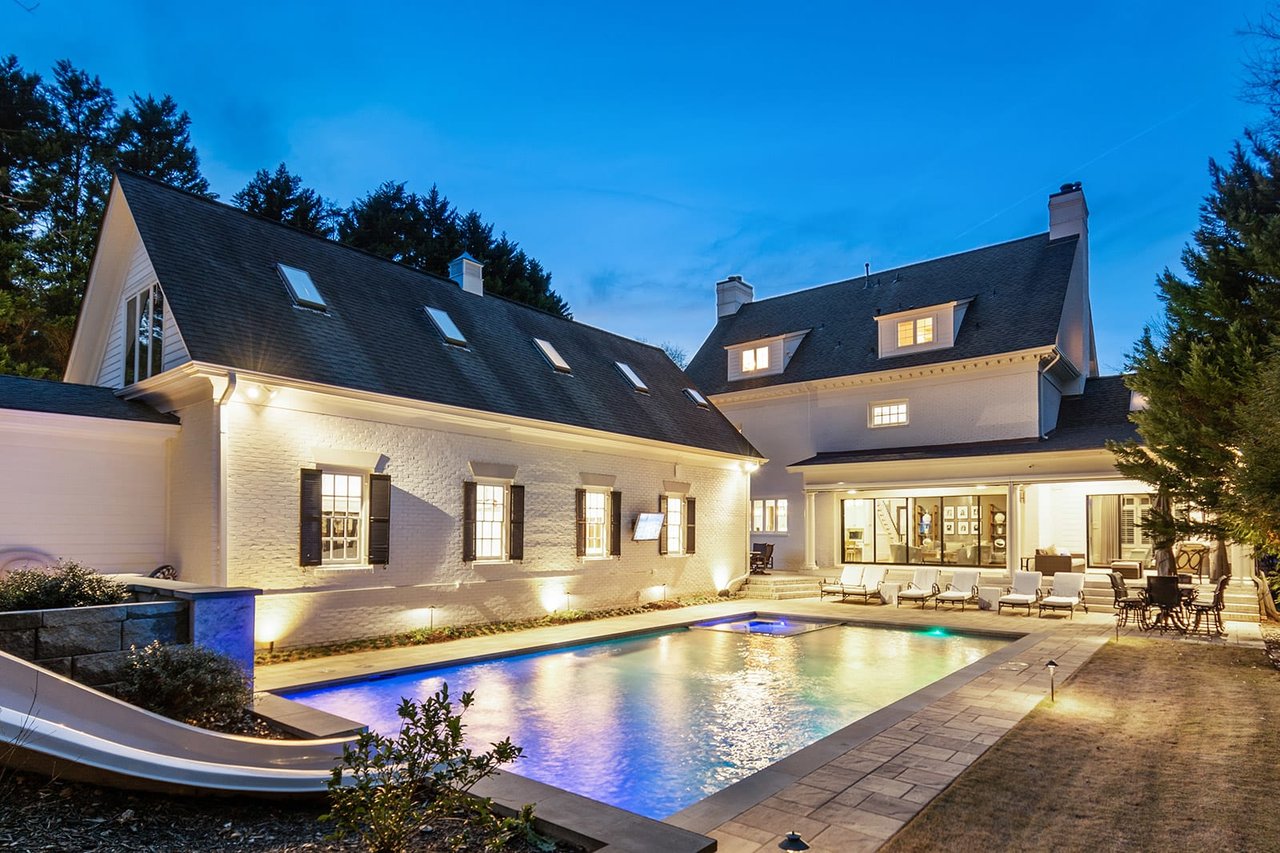
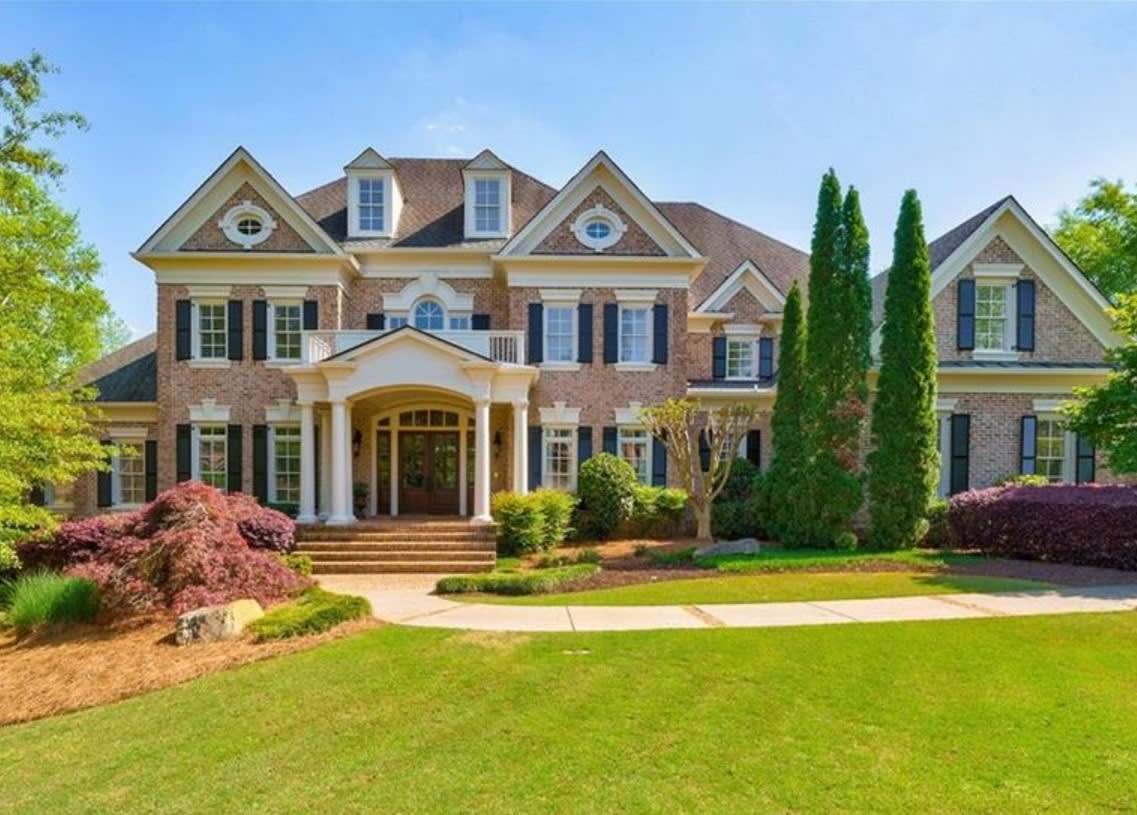
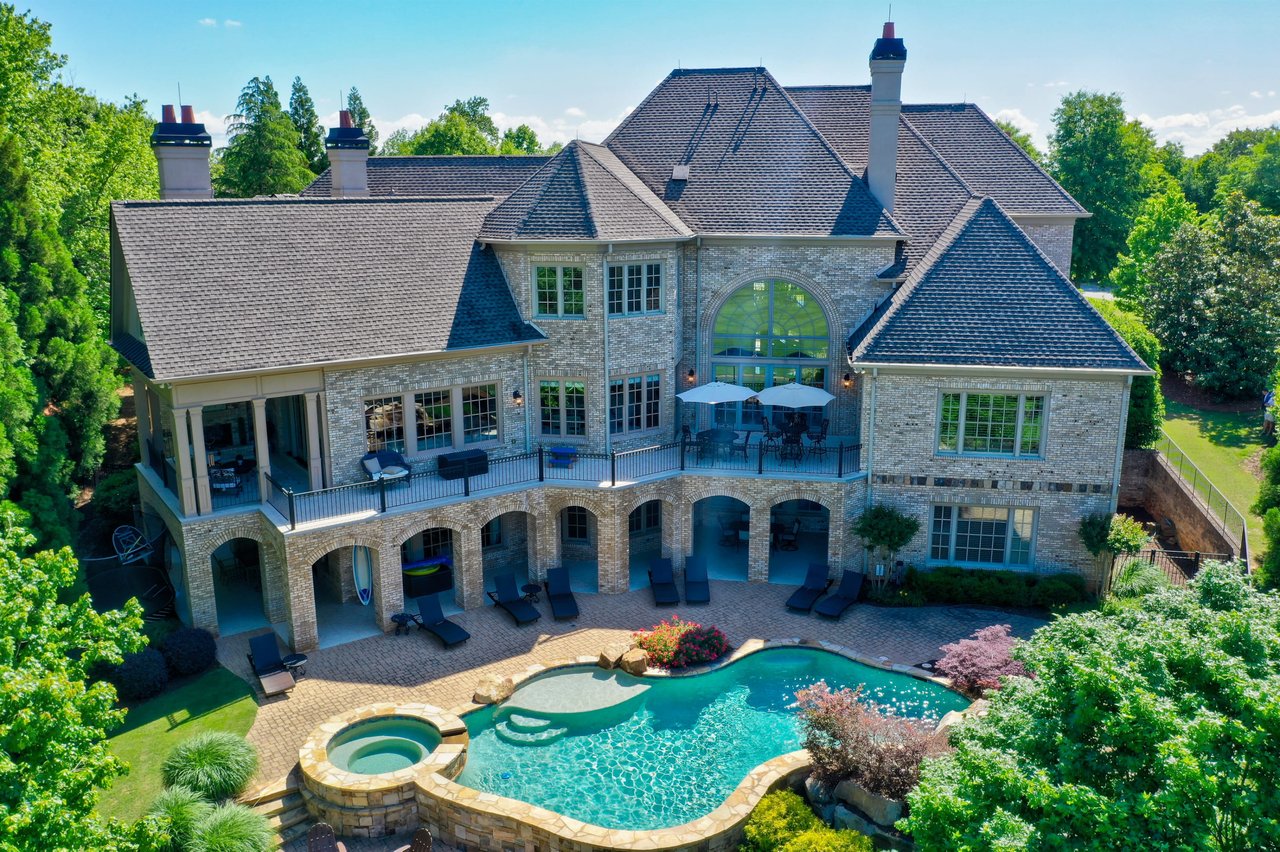
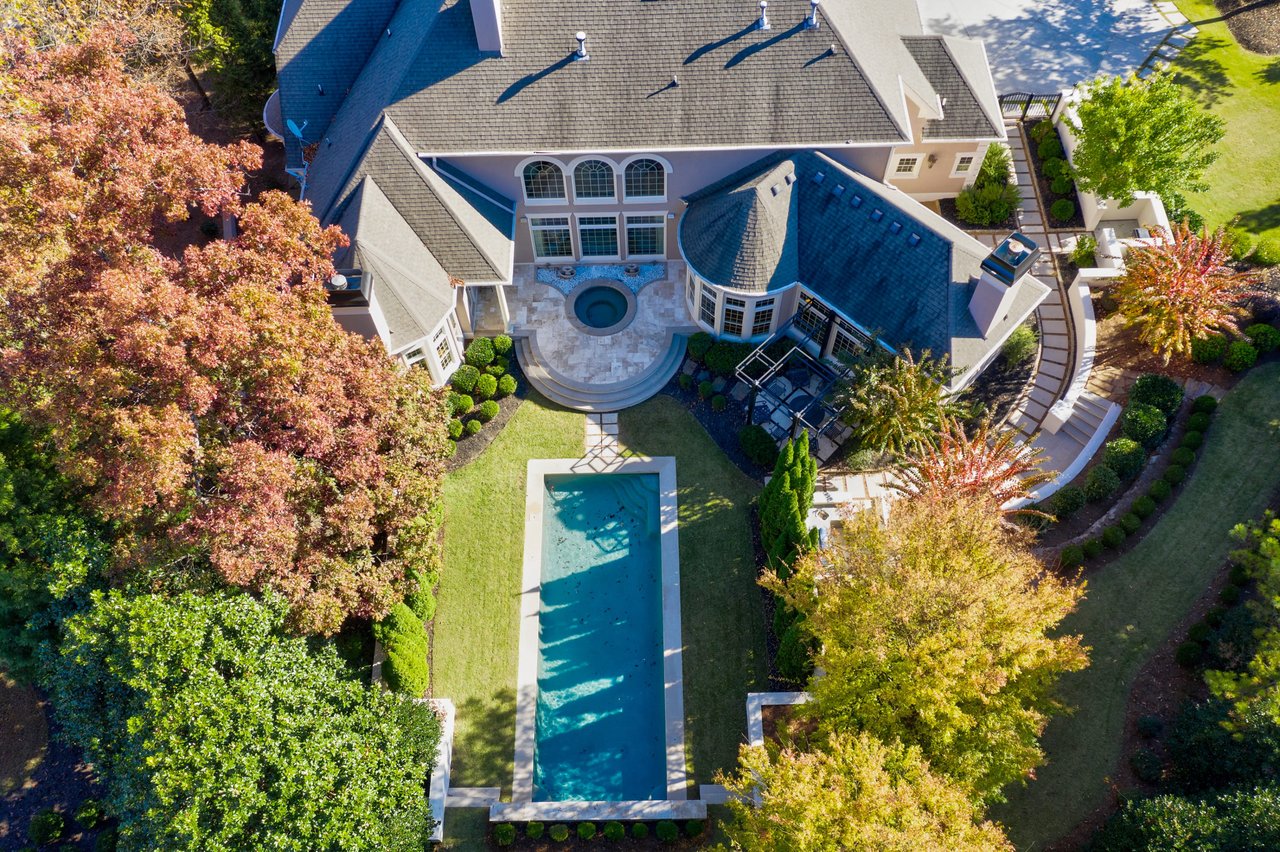
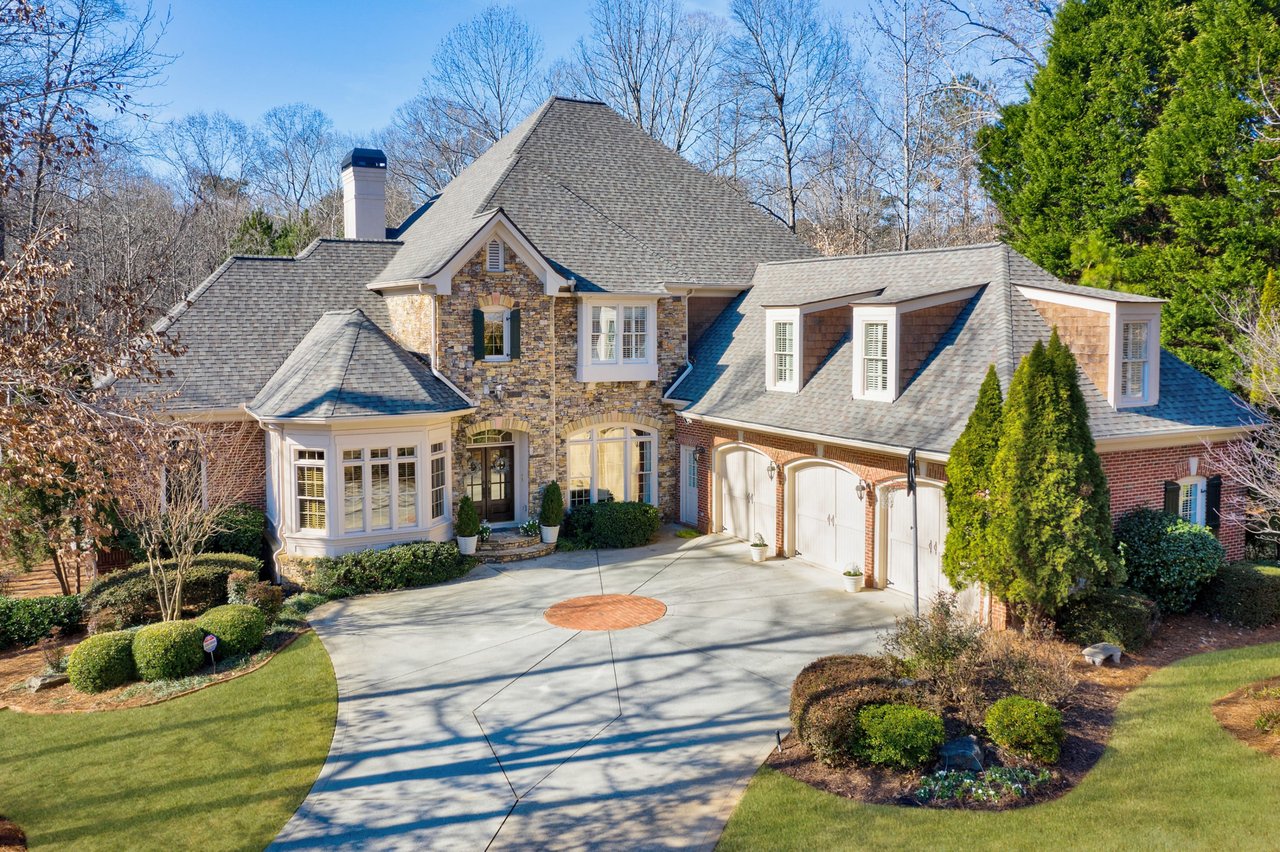
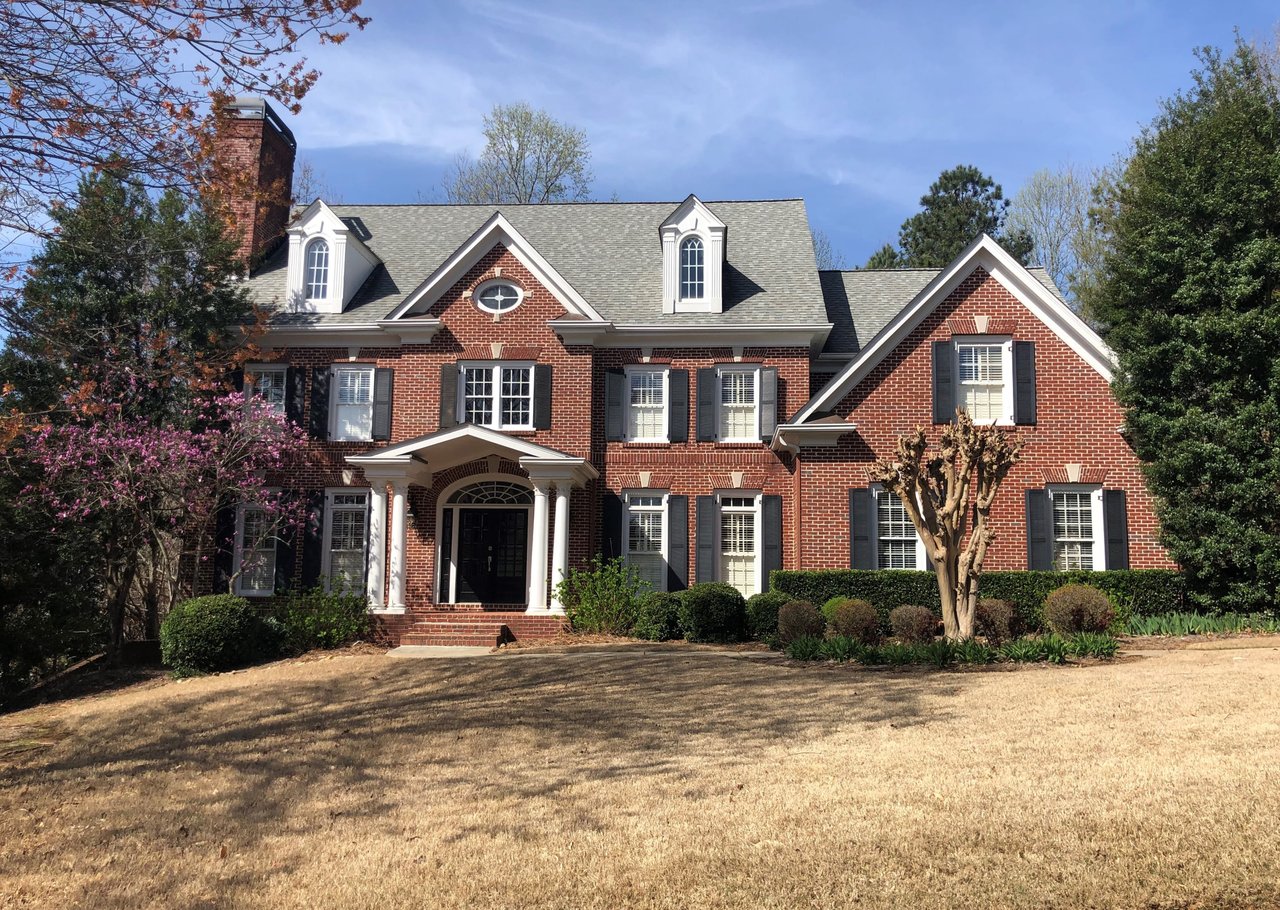
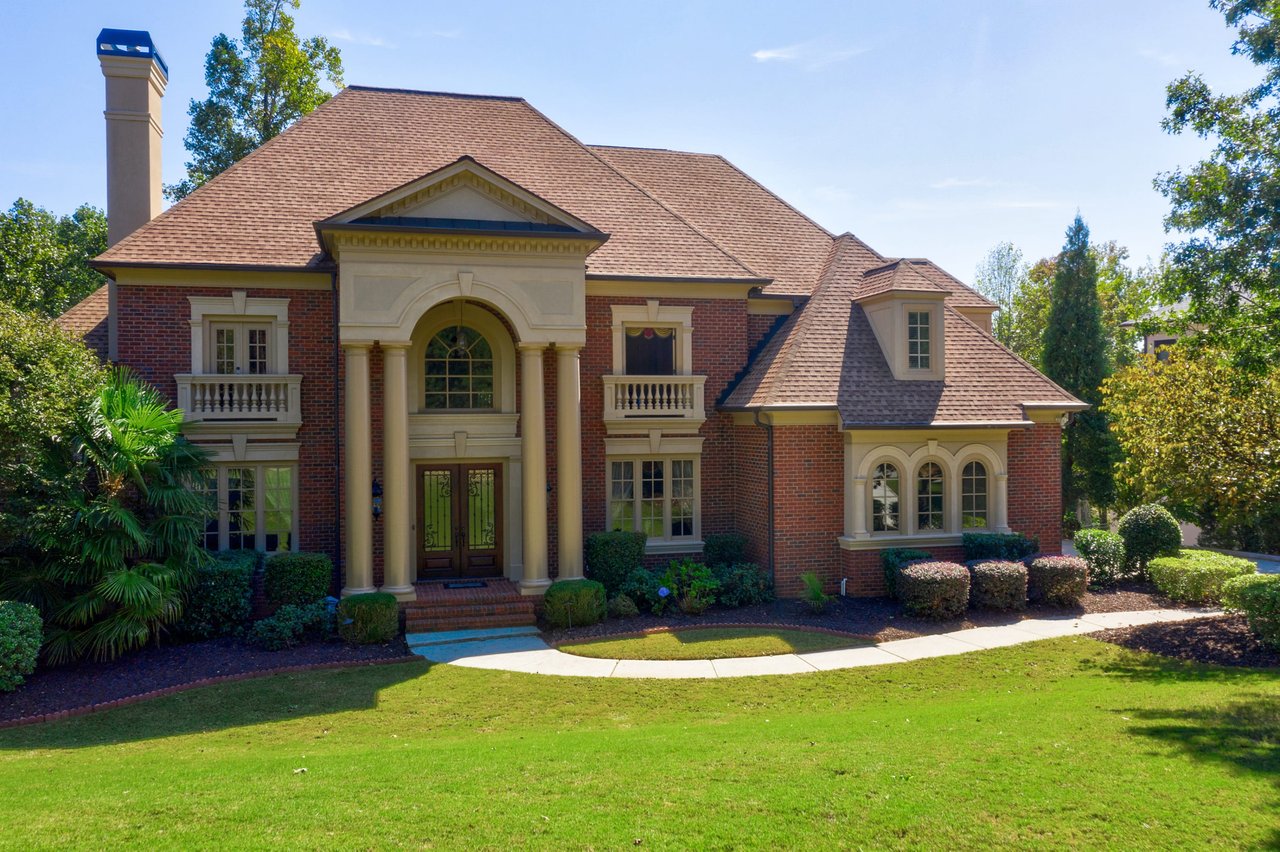
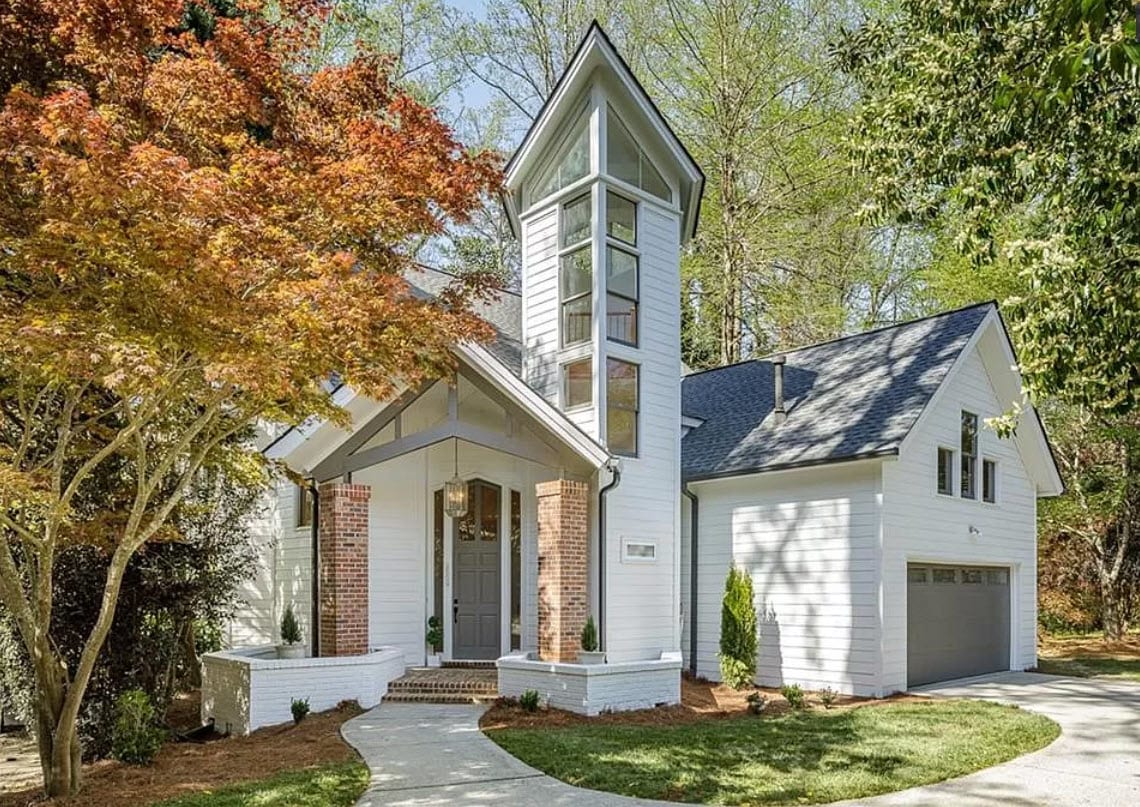
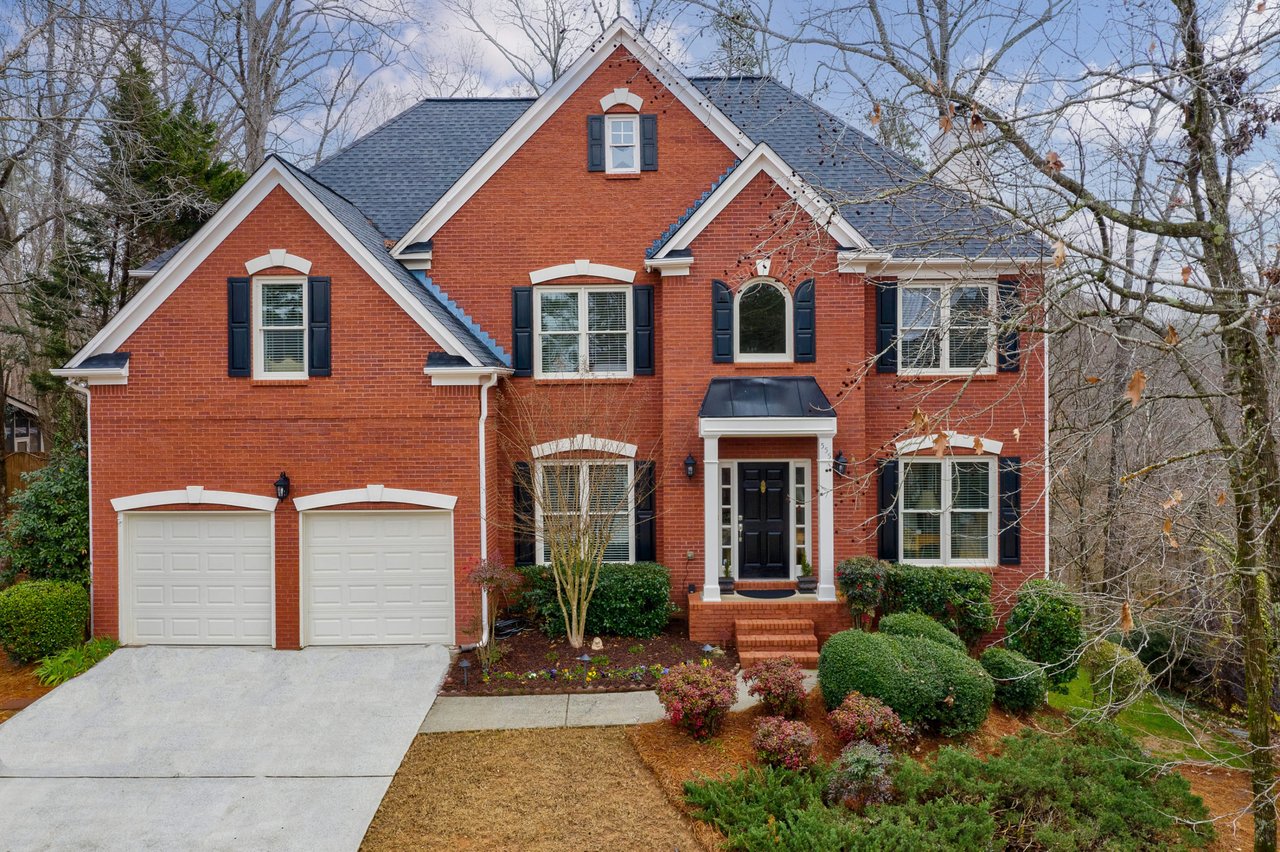
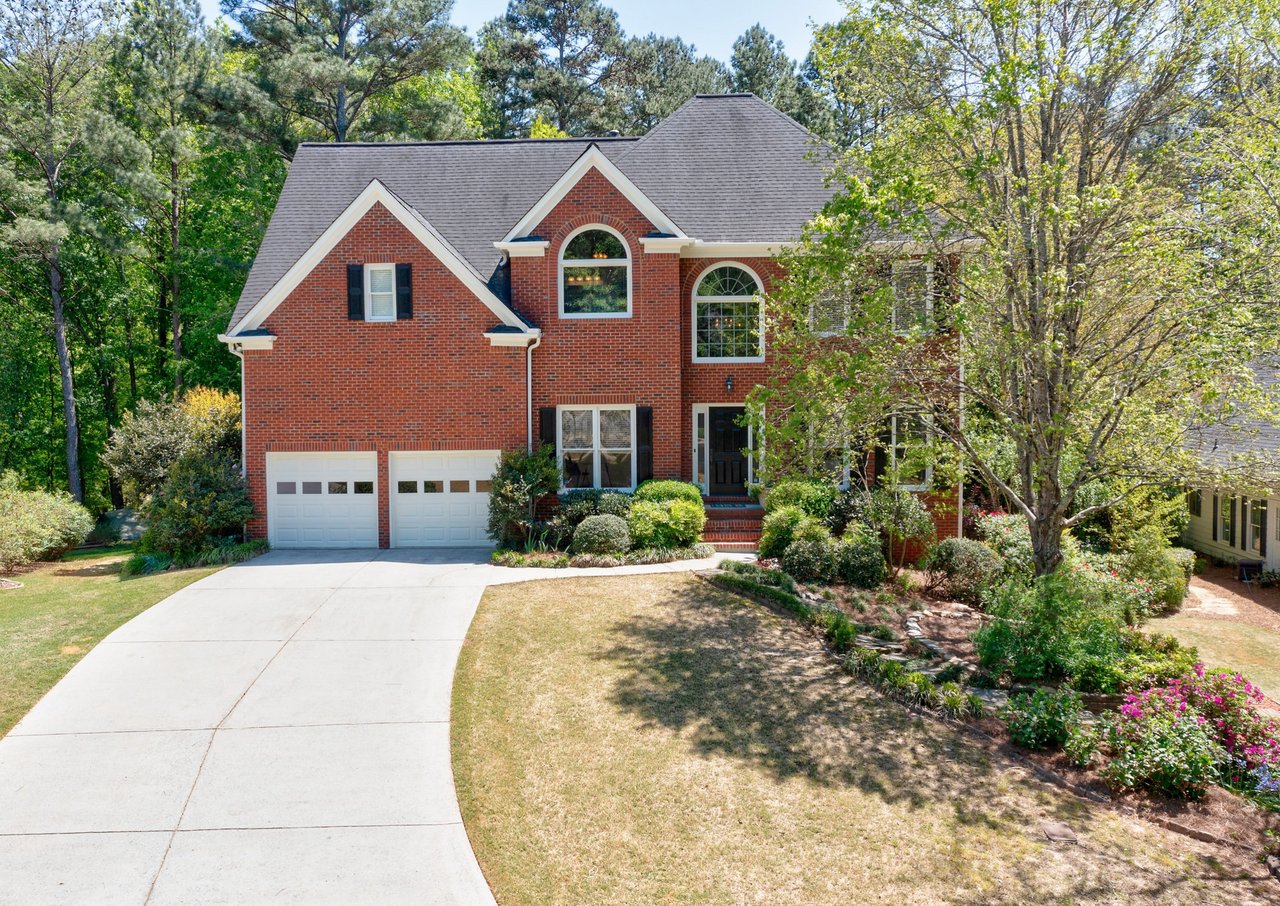
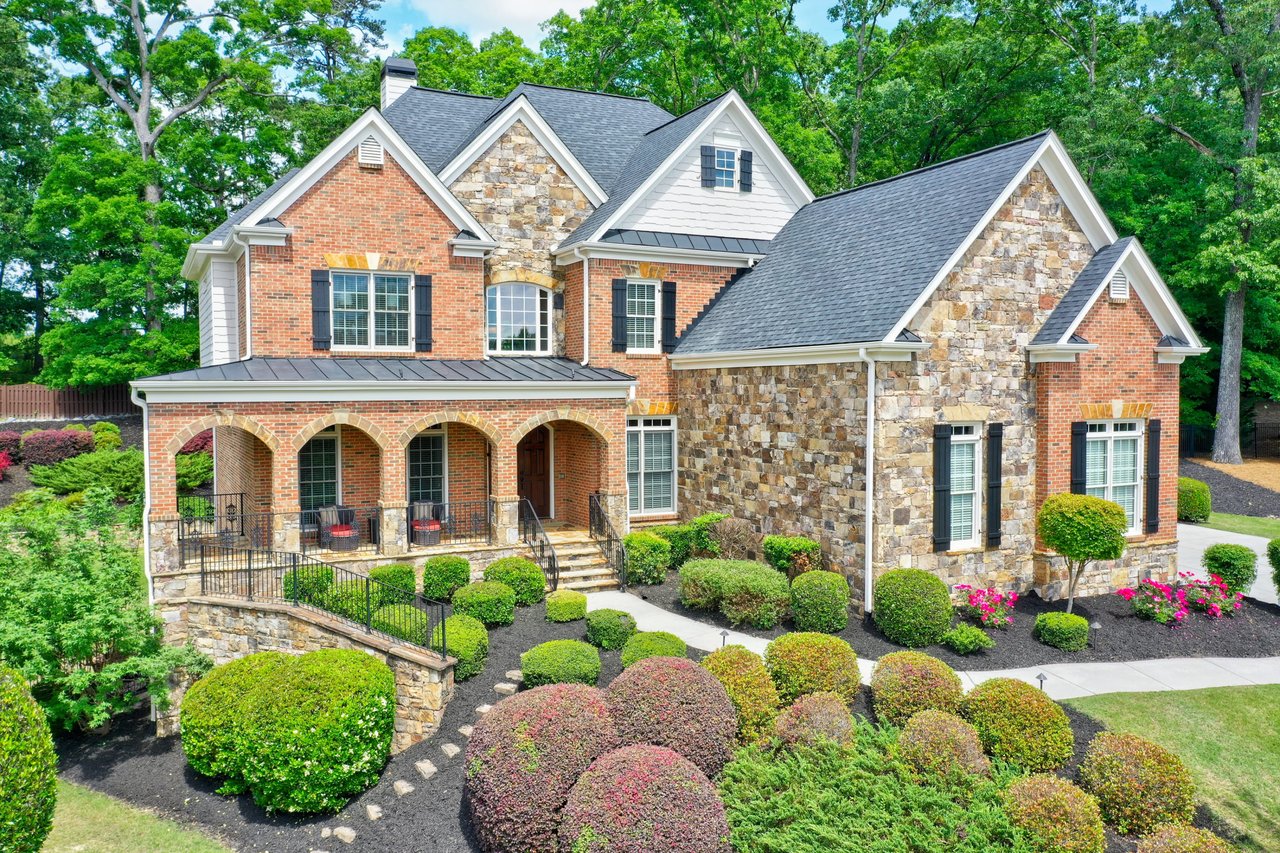
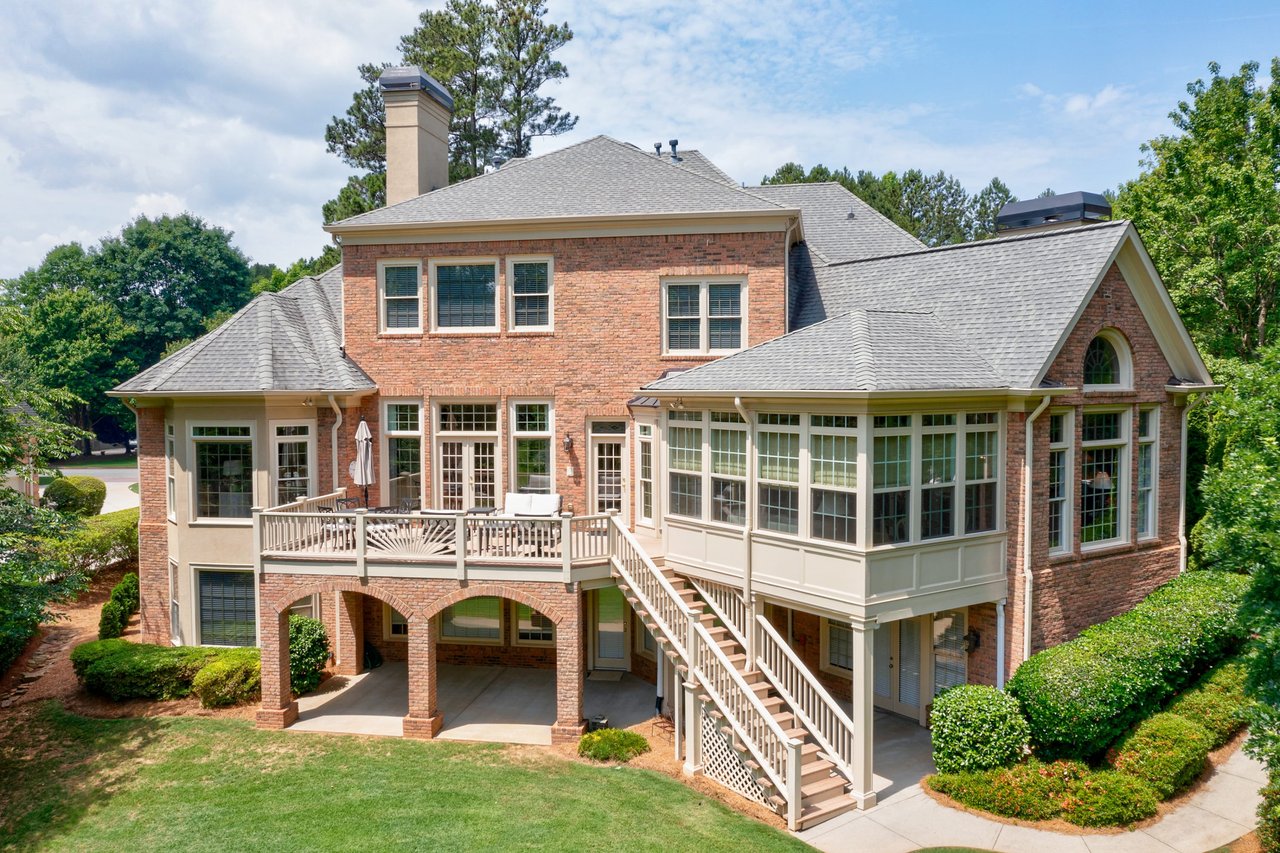
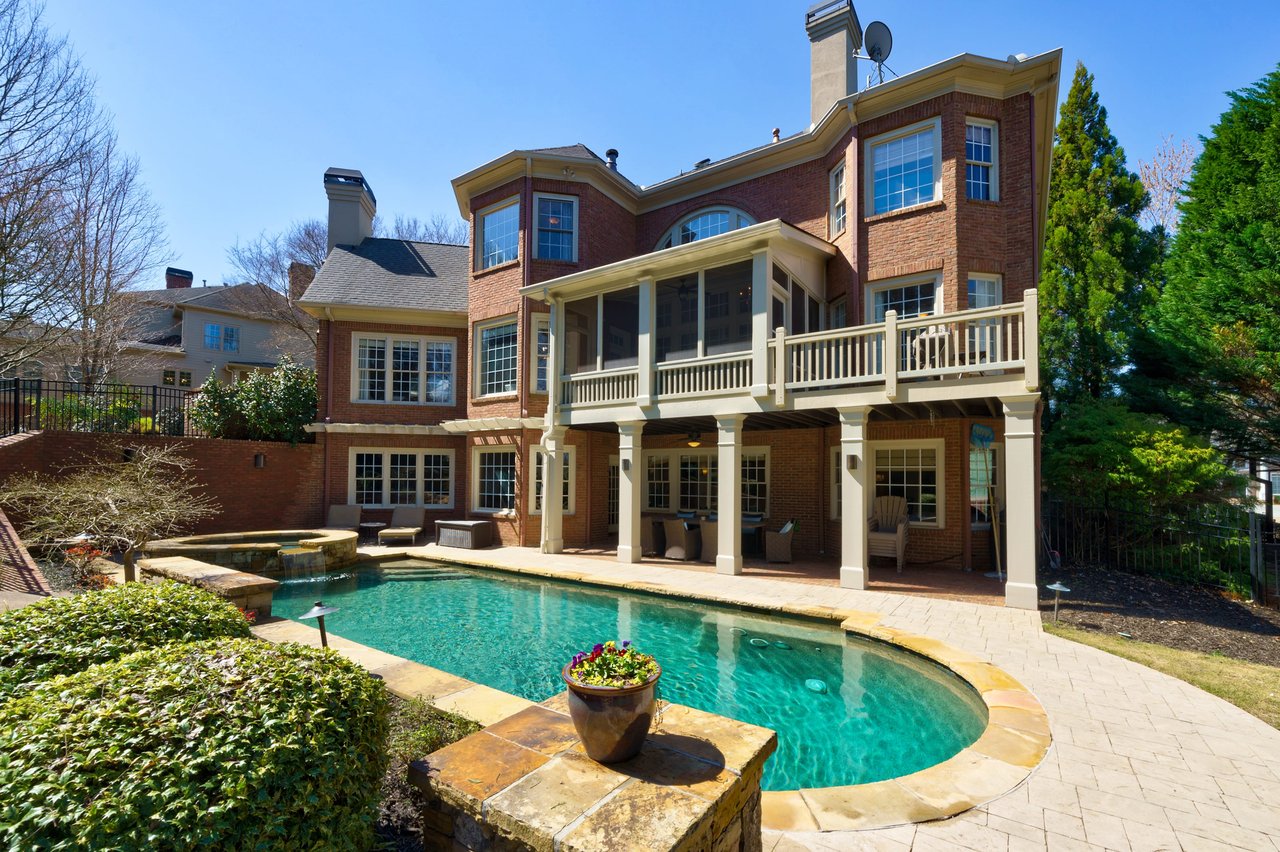
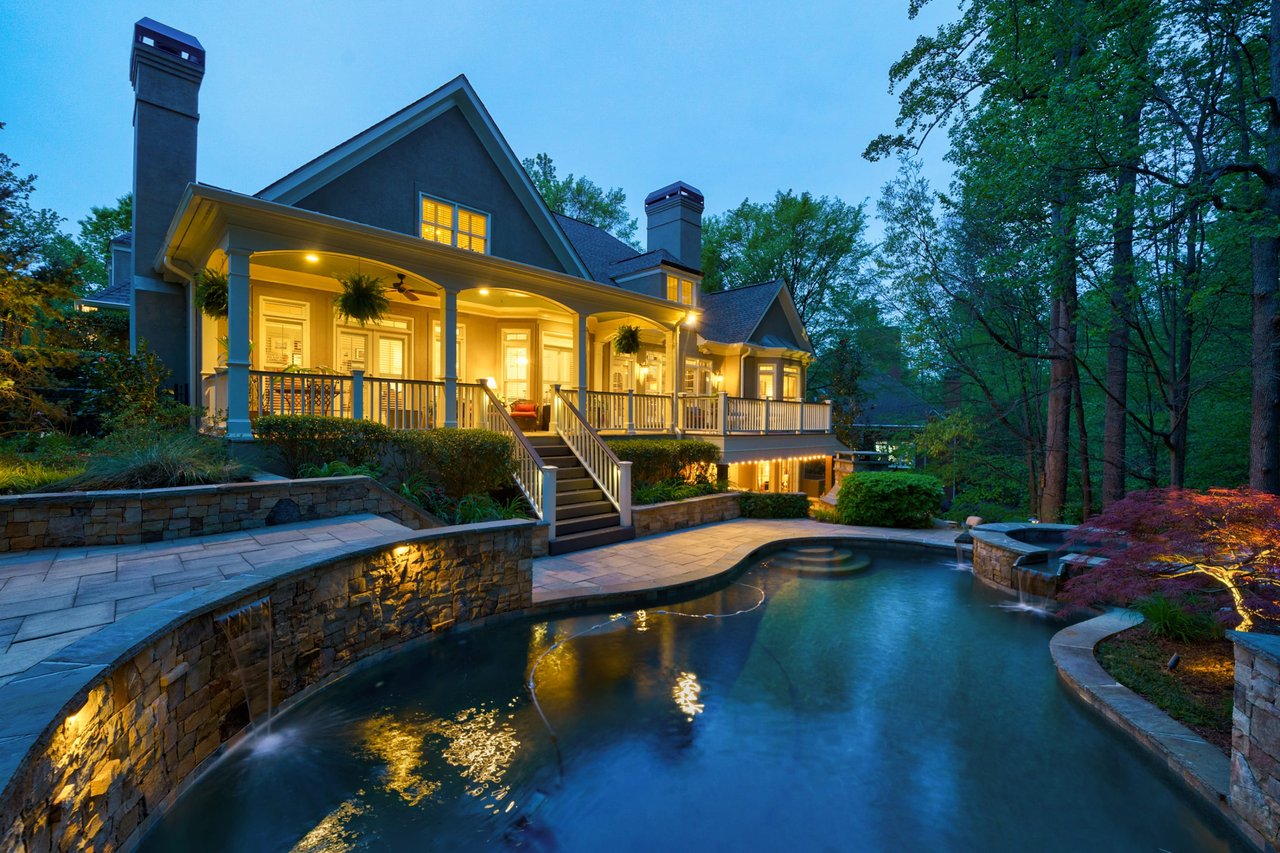
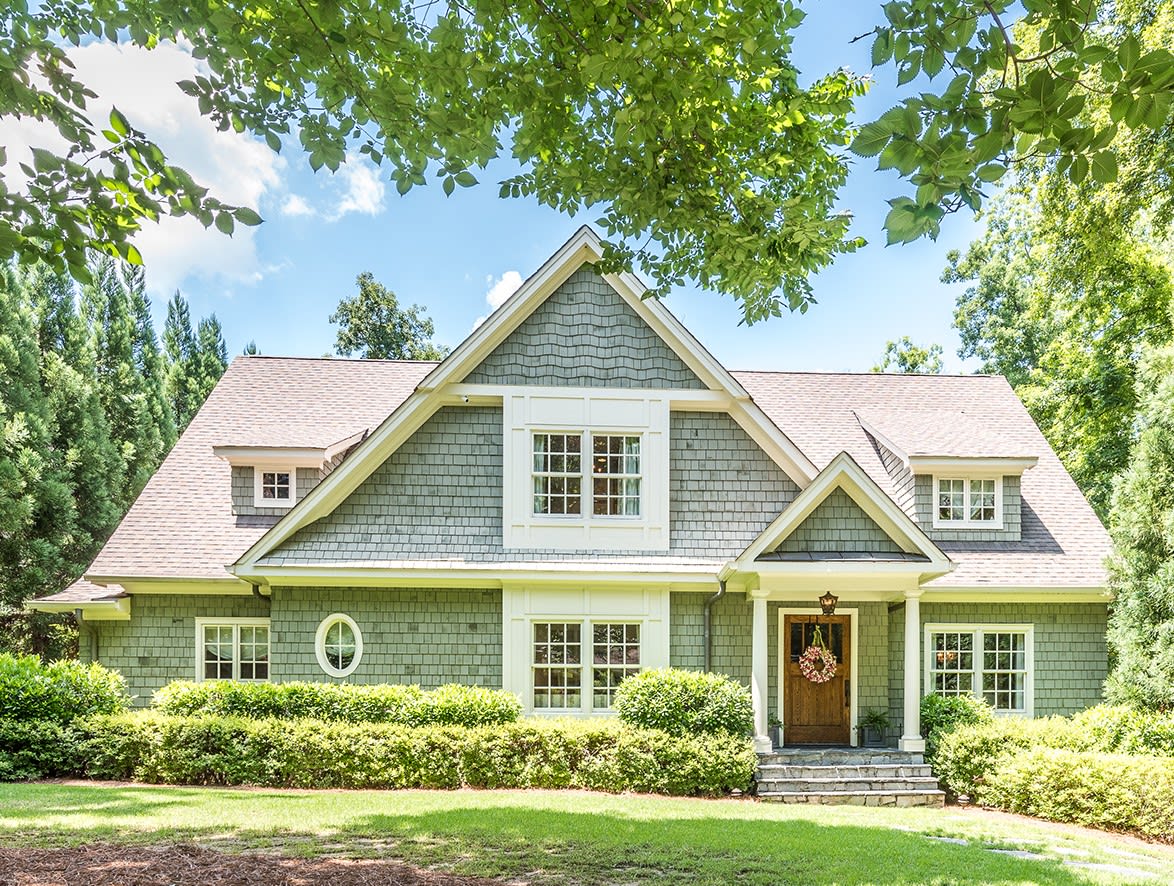
Part of what makes The River Club's pricing data so noisy is that "a home in The River Club" is not a consistent unit of measurement. Current listings and recent sales in the community span roughly 3,900 to nearly 19,000 square feet, a range wide enough to include a compact custom build and a legacy estate on the same street (explore custom home styles and lots in The River Club or see what $2M to $5M buys in The River Club).
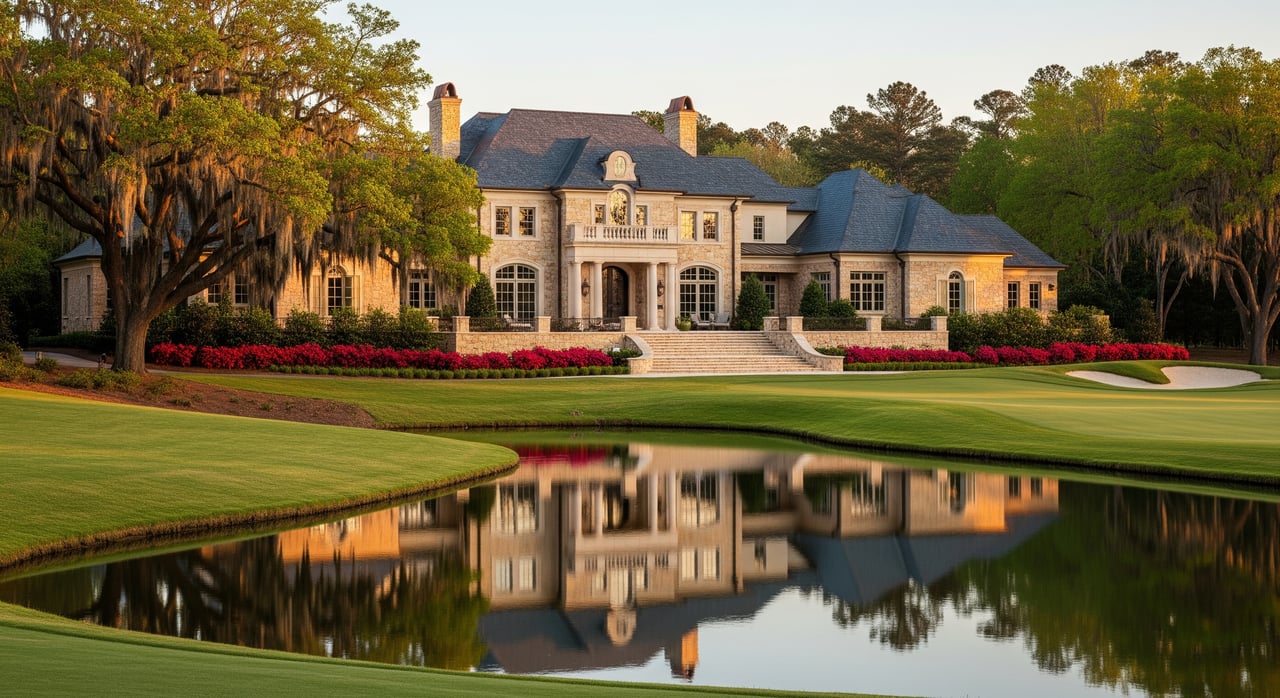
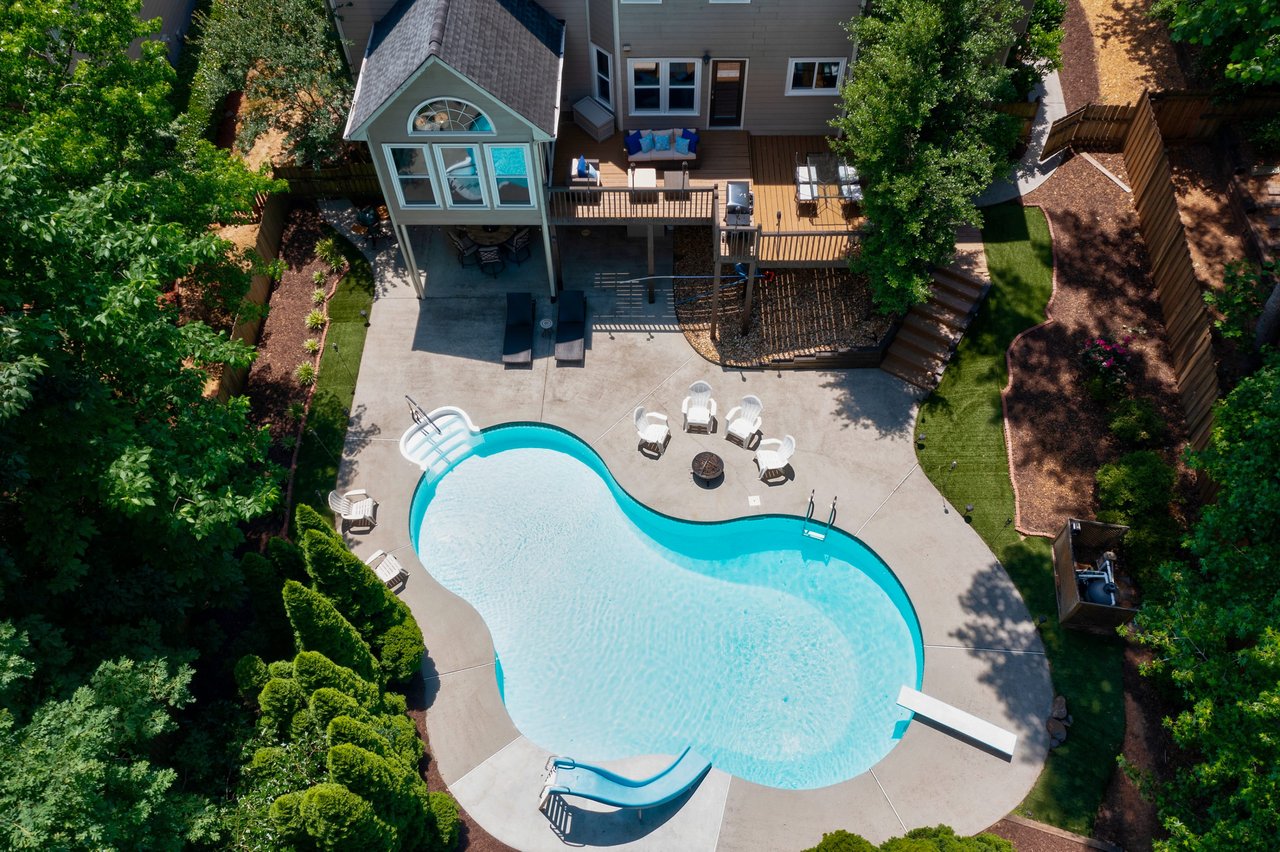
Add lot size, river frontage, golf course adjacency, and build year into the mix, and you have a neighborhood where the "typical" home is really several different products sharing one gate code. A median or average price move in The River Club rarely tells you that homes are worth more or less across the board. More often it tells you which slice of inventory happened to trade that month. A 14 percent median jump in June is consistent with a run of larger estate closings. An 11 percent average decline the following month is consistent with more mid-size homes changing hands. Neither is proof of appreciation or depreciation at the neighborhood level.
What days on market actually reveals
The clearest evidence that The River Club is not one market but several sits in how long different kinds of homes take to sell. Redfin's blended figure for the neighborhood puts the average time to pending at 43 days, with homes typically selling around 3 percent below list. That number is real, but it hides enormous variation underneath it (read about everyday lifestyle at The River Club in Suwanee).
Segment (active listings) | Typical time on market |
|---|---|
All active listings | 195 days |
Newer, efficiency-certified homes | 30 days |
Homes with pools | 99 days |
Homes with garages | 201 days |
A newer, efficiency-certified home in The River Club can move in about a month. A larger, garage-heavy legacy estate can sit for over six months. Both are accurate descriptions of the same neighborhood at the same time. Blend them into a single "days on market" figure and you get a number that describes no actual home for sale in The River Club, only a mathematical average of two very different buying experiences.
This is the same mechanism at work in the price data. Segment mix, not overall buyer appetite, is driving the swings in both DOM and sale price. A neighborhood can look like it is speeding up and slowing down in the same season simply because the mix of what is closing has shifted.
What this means if you are comparing neighborhoods
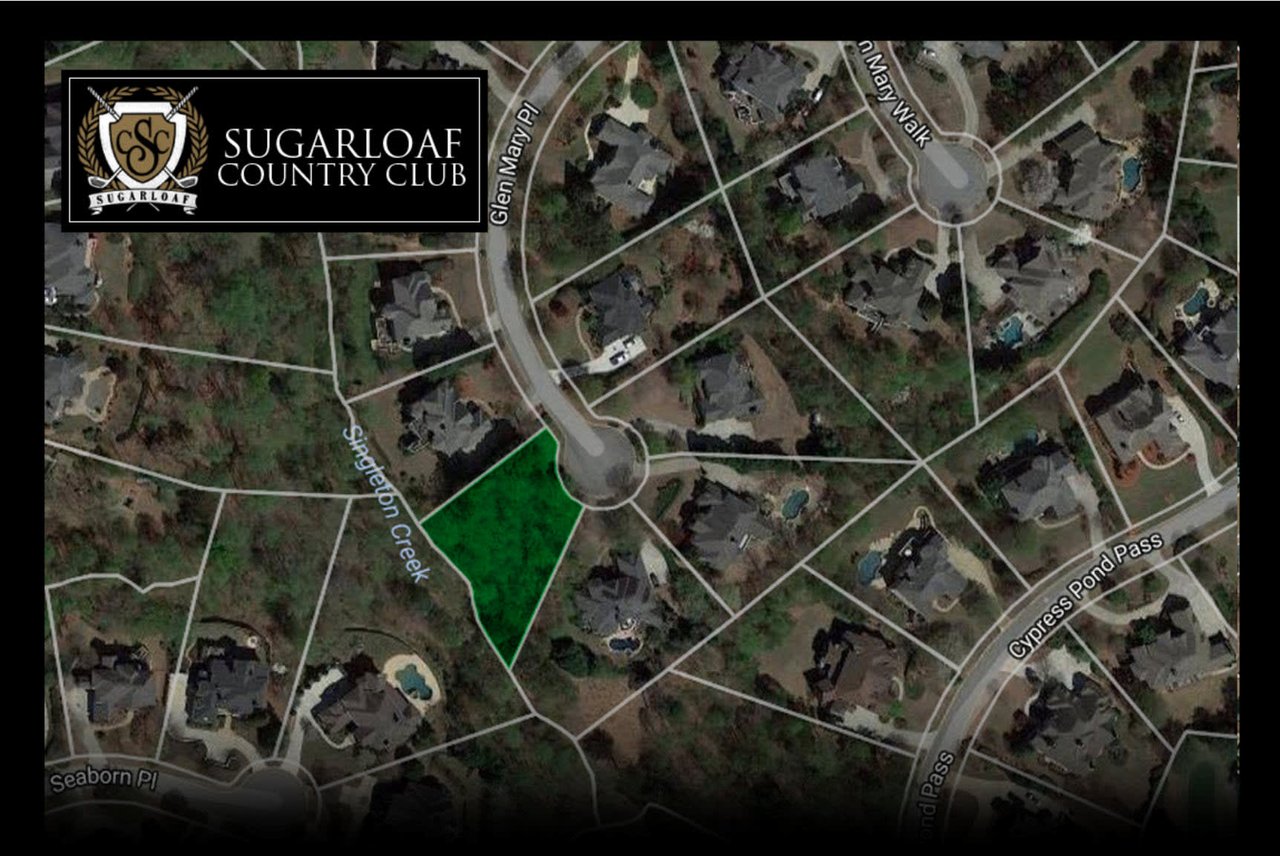
If you are cross-shopping The River Club against other Gwinnett County gated communities—such as Sugarloaf Country Club or St. Marlo Country Club (read our in-depth comparison on Sugarloaf vs. The River Club)—the practical move is to stop treating the headline average or median as a verdict on the neighborhood's direction and start asking about the mix behind it.
A few questions do more work than any single stat:
- How many homes actually closed in the window being quoted: If the answer is under five, treat the percentage change as descriptive, not predictive.
- What size and price band did those closings fall into: A neighborhood's median can jump because three estate-level homes traded, not because every home in it gained value.
- What does price per square foot look like within a comparable size band: At roughly $385 per square foot for active listings as of July 2026, The River Club's asking prices give you a steadier yardstick than the raw dollar figure, since it partially controls for the size dispersion driving so much of the noise.
- What is the time-on-market pattern for homes that resemble the one you actually want: A newer, efficient 6,000-square-foot home behaves nothing like a dated 12,000-square-foot estate in this market, even though both show up in the same dataset.
None of this means the numbers are meaningless. It means a single percentage change, pulled from a market this thin, is a starting question rather than a finished answer. The property tax load in The River Club runs close to $19,500 a year on average, and HOA dues span a wide range depending on amenities included, both of which matter more to your actual monthly cost than whether last month's average ticked up or down.
FAQs
Does a falling average price mean now is a good time to buy in The River Club?
Not by itself. A drop in the average is often a mix effect, meaning more mid-size homes closed relative to estate-level ones, rather than a sign that comparable homes are selling for less than they were a year ago. Look at price per square foot within your target size range before treating any single month's average as a buying signal.
How do I compare The River Club to other neighborhoods if the numbers move around this much?
Anchor on price per square foot and segment-level days on market rather than the topline average or median. Those figures are less sensitive to a single large or small sale skewing the picture, and they let you compare like-sized homes across communities rather than blended averages that describe no specific property.
Where should I look for more current numbers before making an offer?
Ask for a comparative market analysis built from closed sales in your specific size and price band, not just the neighborhood-wide average. In a market this thin, a report built around the last three to five comparable closings will tell you more than a year-over-year percentage change ever will.
If you are weighing The River Club against another North Atlanta enclave and want the actual sales mix behind the headline numbers—whether searching for homes for sale in The River Club or wanting to find out what your home is worth—local real estate specialists at Floyd Real Estate Group work these neighborhoods closely enough to know which comparables actually apply to your goals. Book a private consultation with us to walk through the real comps today.
Related Blog Posts
- What Recent Sales Reveal About The River Club Market
- Buying Confidently in a Low-Inventory River Club Market
- What $2M to $5M Buys You in The River Club, Suwanee, GA
- Sugarloaf vs. The River Club: Choosing Your Club Community
- Custom Home Styles and Lots in The River Club
- Buying a Golf Course Home Inside The River Club