The headline number out of Sugarloaf Country Club this year is a median sale price of $1.9 million over the three months ending in August 2026, up 16.2 percent from the same stretch last year. Anyone using that figure to size up the neighborhood before comparing it to St. Ives or The River Club would reasonably conclude the market is running hot across the board.
The median price per square foot tells a different story. It sits at $214, down 4.0 percent over the same period. A neighborhood cannot get meaningfully more valuable and less valuable in the same twelve months using the same sales. What actually happened is that a different set of homes sold this year, and the difference between those homes explains both numbers at once.
The Sample Is Ten Homes
Ten homes sold in Sugarloaf Country Club in August 2026, up from seven the year before. That is not a large enough pool to describe a 200-plus-home gated community with a single median. It is large enough to be swung hard by two or three outsized closings.
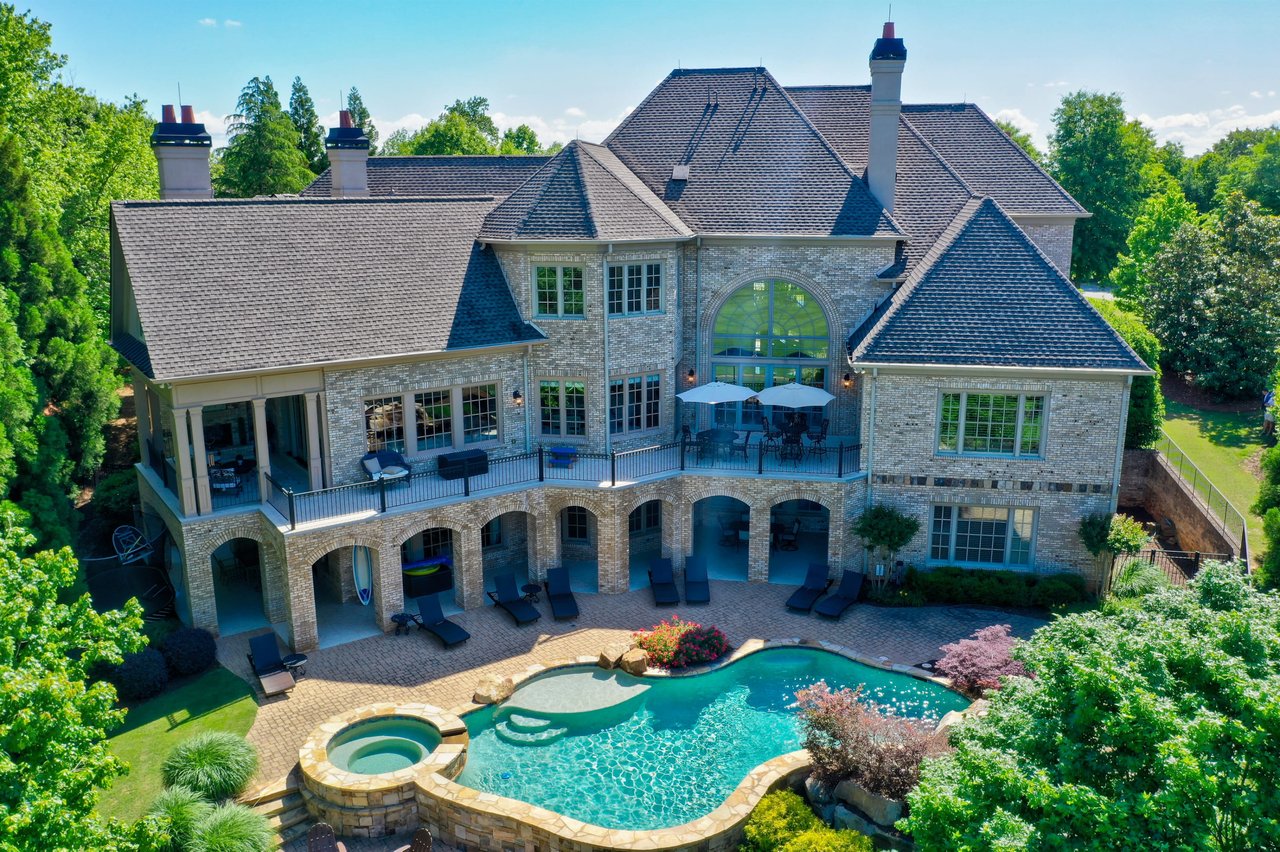
Homes in Sugarloaf Country Club typically run from roughly 4,000 to over 10,000 square feet, with prices ranging from the high $800,000s to $3 million and up. A community with that much size variation will show median-price swings that have nothing to do with appreciation and everything to do with which homes happened to close. If three of the ten August sales were larger estate-style properties on golf or lake frontage rather than mid-size interior lots, the median price climbs even if the market rate for square footage stays flat or eases slightly, which is close to what the price-per-square-foot number suggests happened.
This is the trap with any monthly or even quarterly median in a market this size. The number is real. It is just not measuring what it looks like it is measuring.
The Faster Signal: How Long Homes Actually Sit
Price is noisy in a ten-home sample. Time on market is a sturdier signal, and the change there is larger than the price swing.
Recently closed sales in Sugarloaf Country Club averaged 16 days on market over the past few months, down from 98 days over the same period a year earlier. That is not a modest tightening. That is a market where the typical seller went from waiting more than three months to waiting barely two weeks.
But that 16-day average sits alongside other numbers describing the same neighborhood that do not move in lockstep:
| Metric | Figure | What it's measuring |
|---|---|---|
| Recently closed sales, avg. days on market | 16 days (vs. 98 a year ago) | Homes that already sold |
| General competitiveness estimate | ~34 days to pending | Typical current listing |
| "Hot homes" estimate | ~11 days to pending, ~2% below list | Best-positioned current listings |
| Active luxury listings (9 homes) | ~62 days on market so far | Homes still sitting, median list $2.14M |
Four numbers, four different slices of the same neighborhood, and none of them contradict each other once you separate what each one is counting. Some homes in Sugarloaf are going under contract in about eleven days. Those are very likely the sales pulling the closed-sale average down to 16. Meanwhile, a smaller set of active luxury listings, priced at a median of $2.14 million, has been sitting for an average of 62 days with no closing yet to show for it.
That is not one market accelerating. That is a market splitting into a fast lane and a slow lane, and the split is happening inside the same gated community, on the same golf course, under the same HOA.
What Separates the 11-Day Homes From the 62-Day Homes
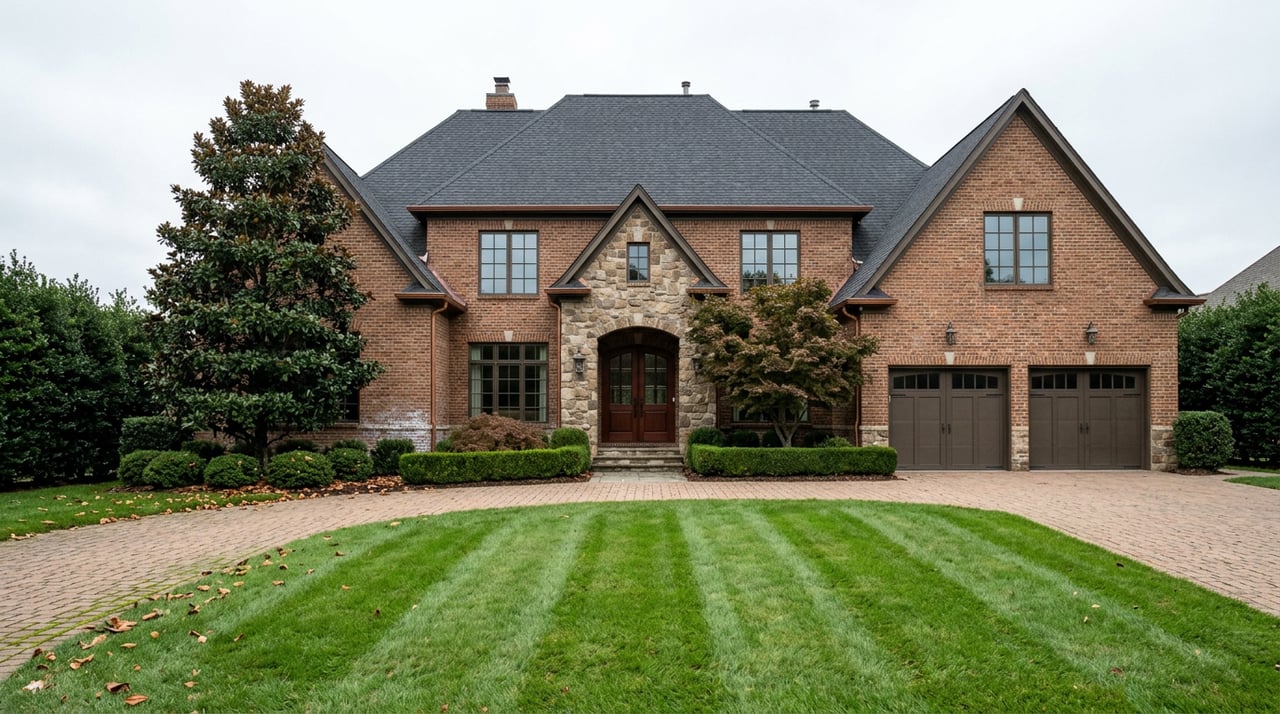
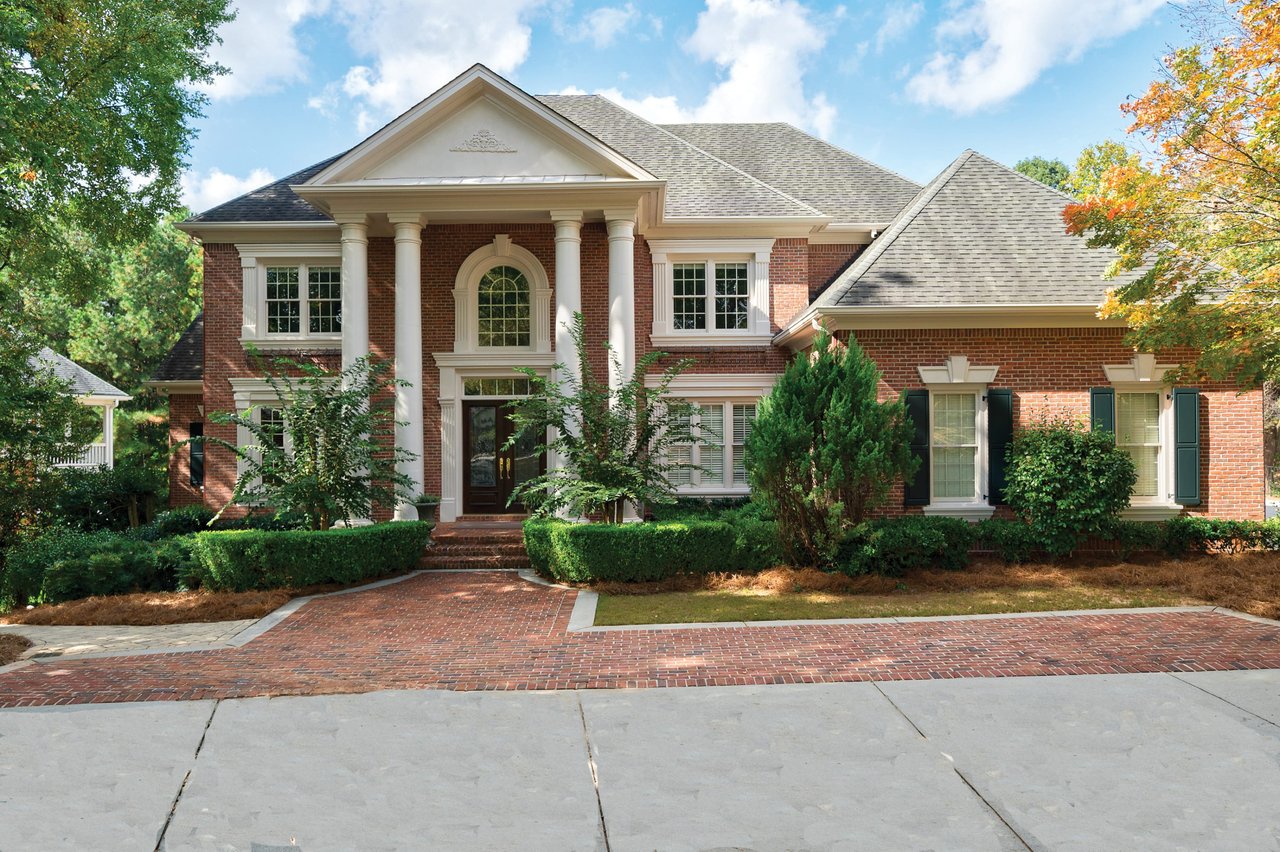
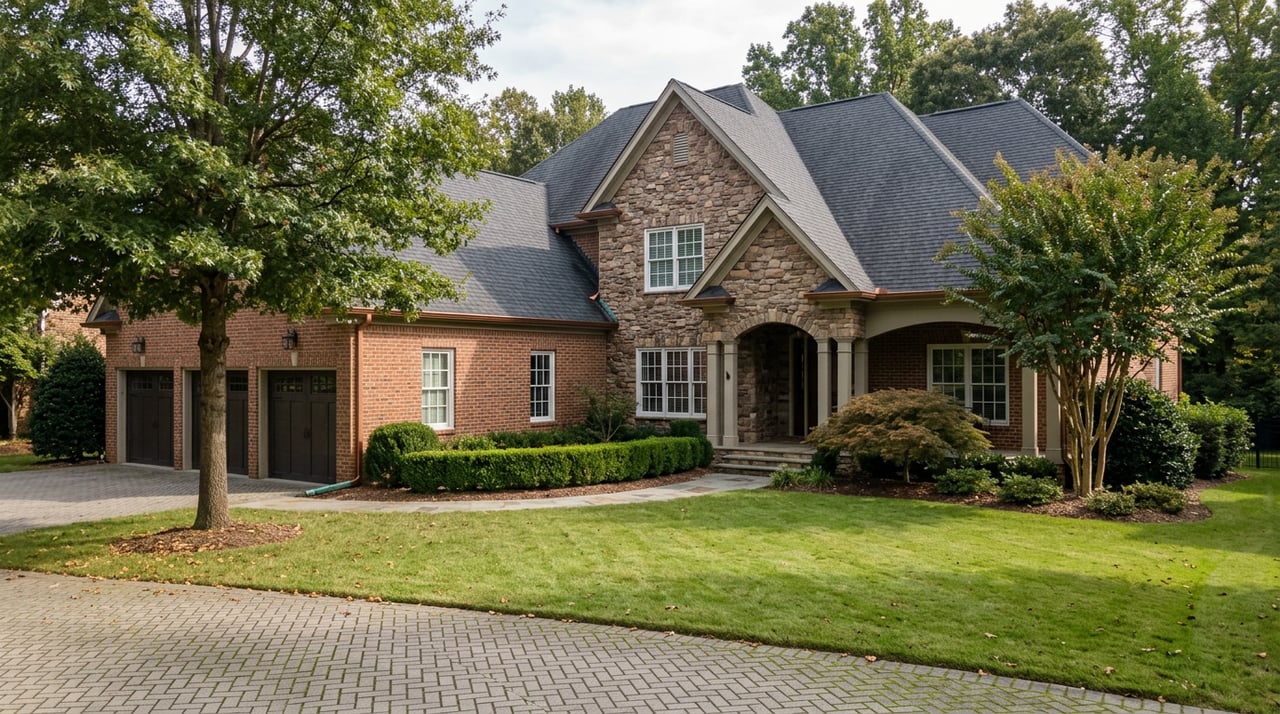
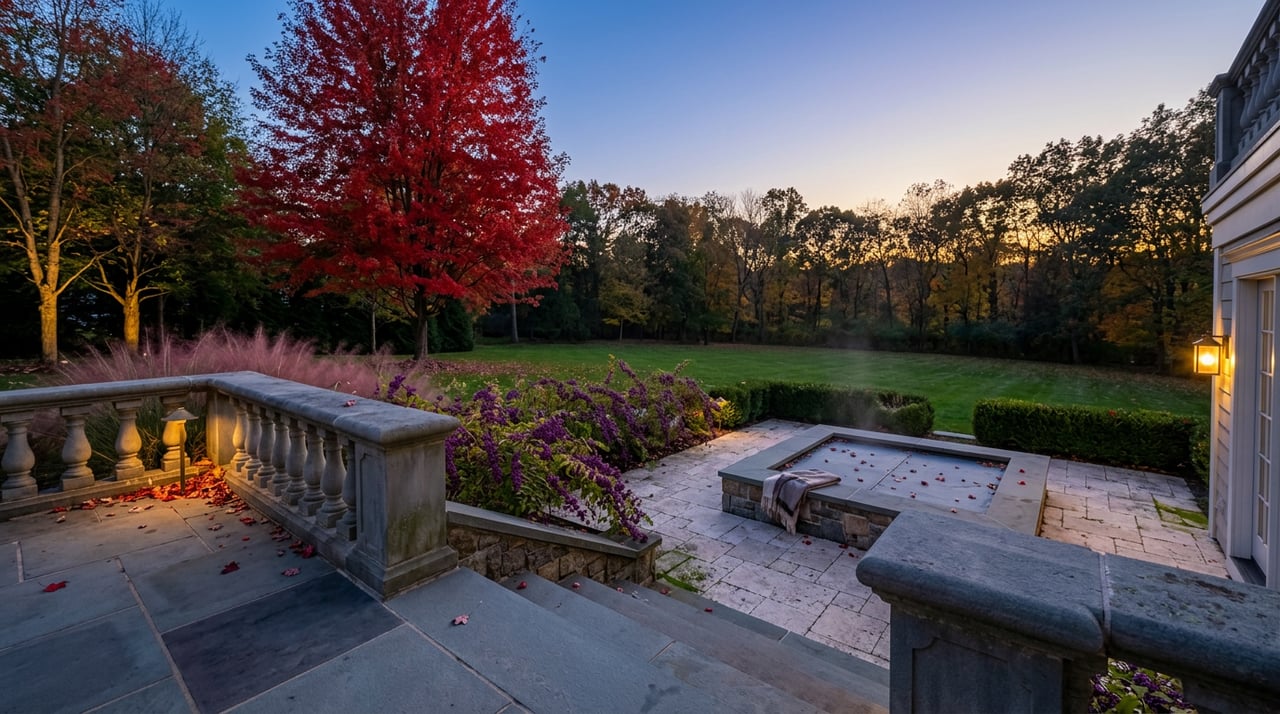
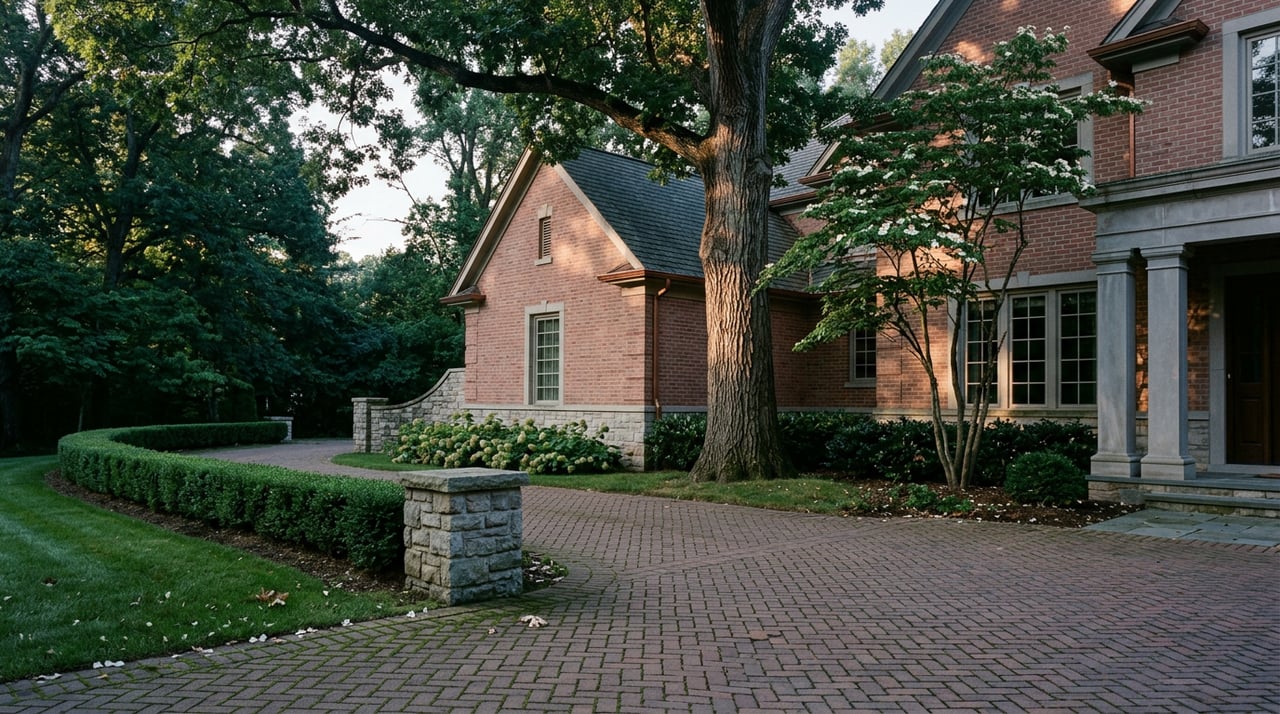
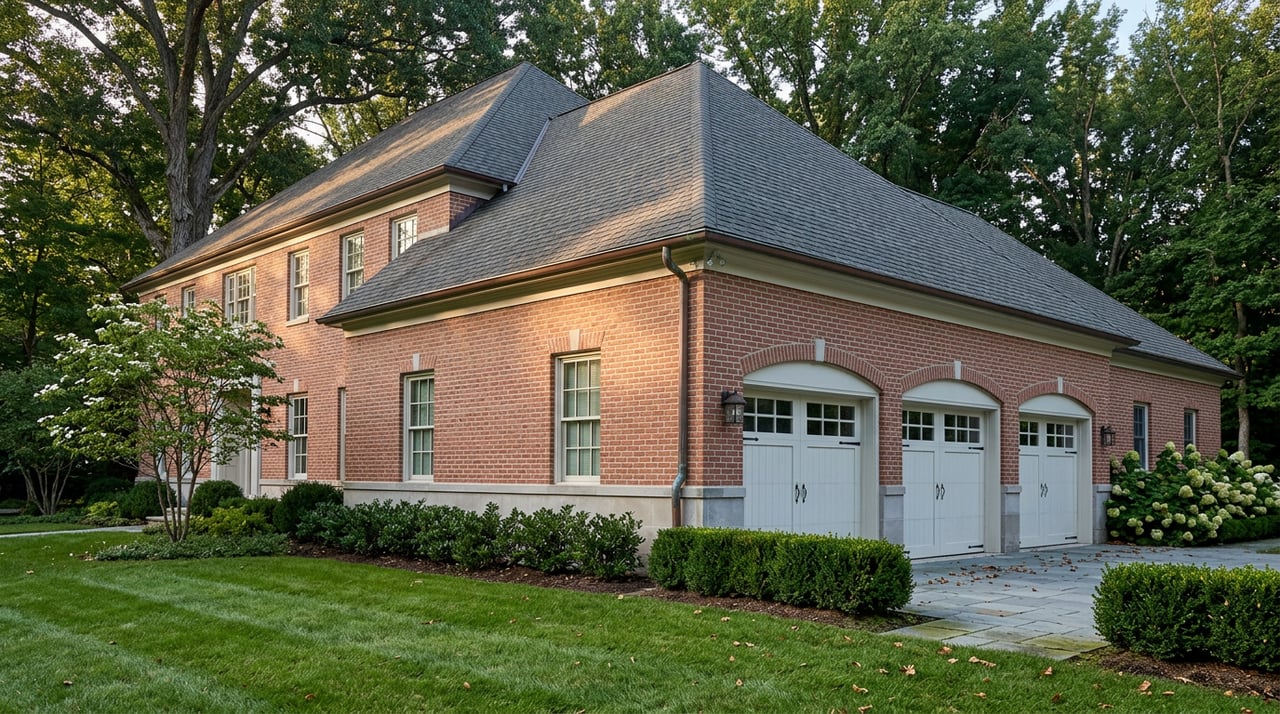
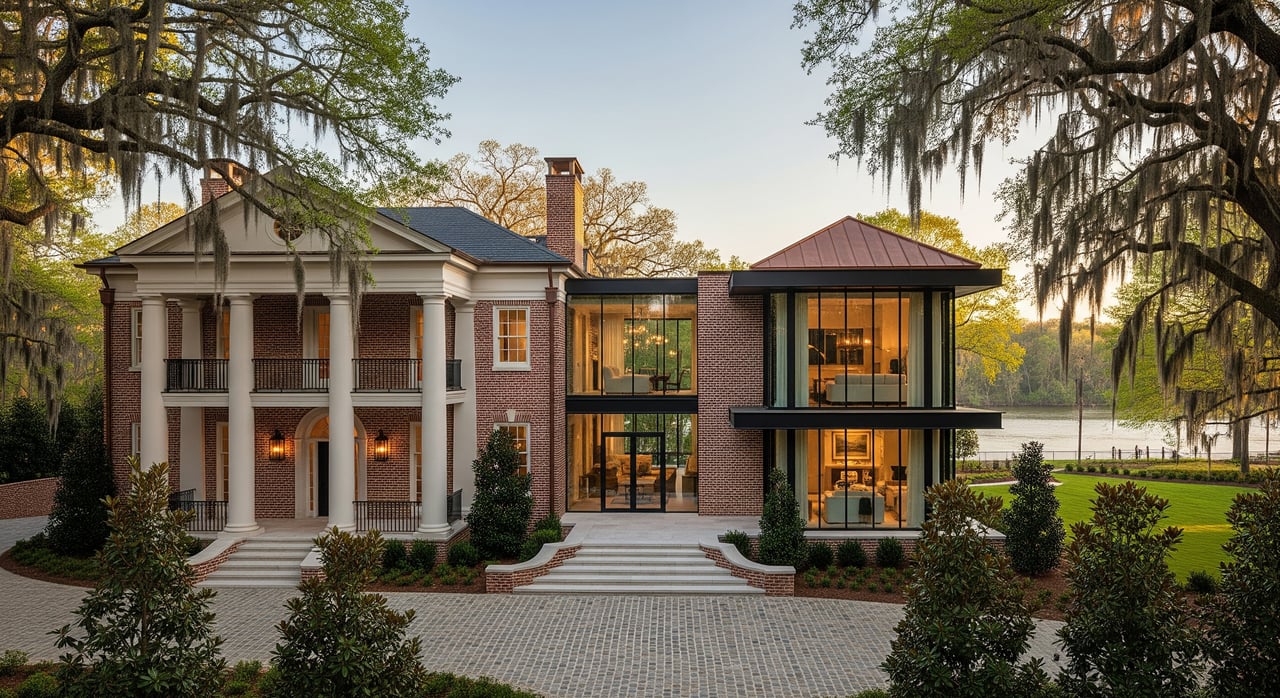
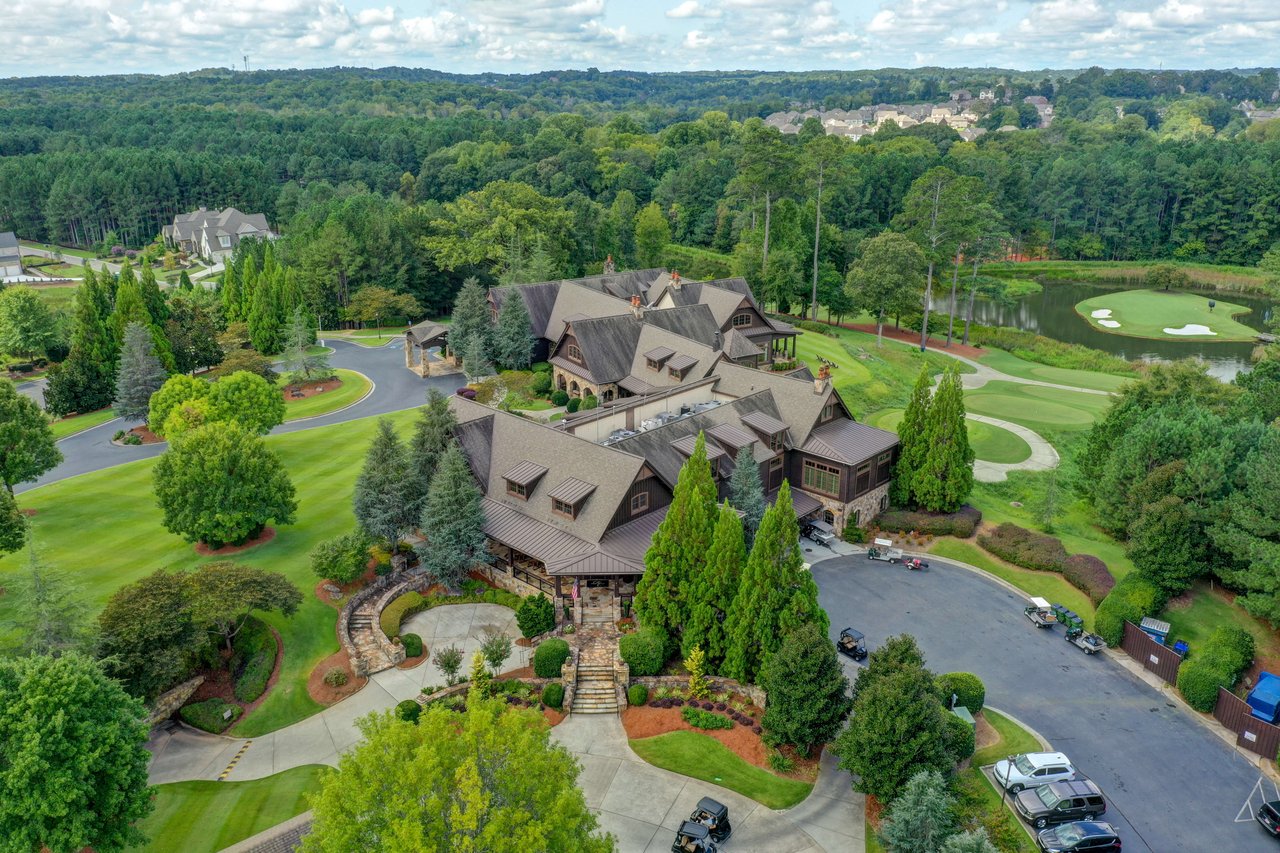
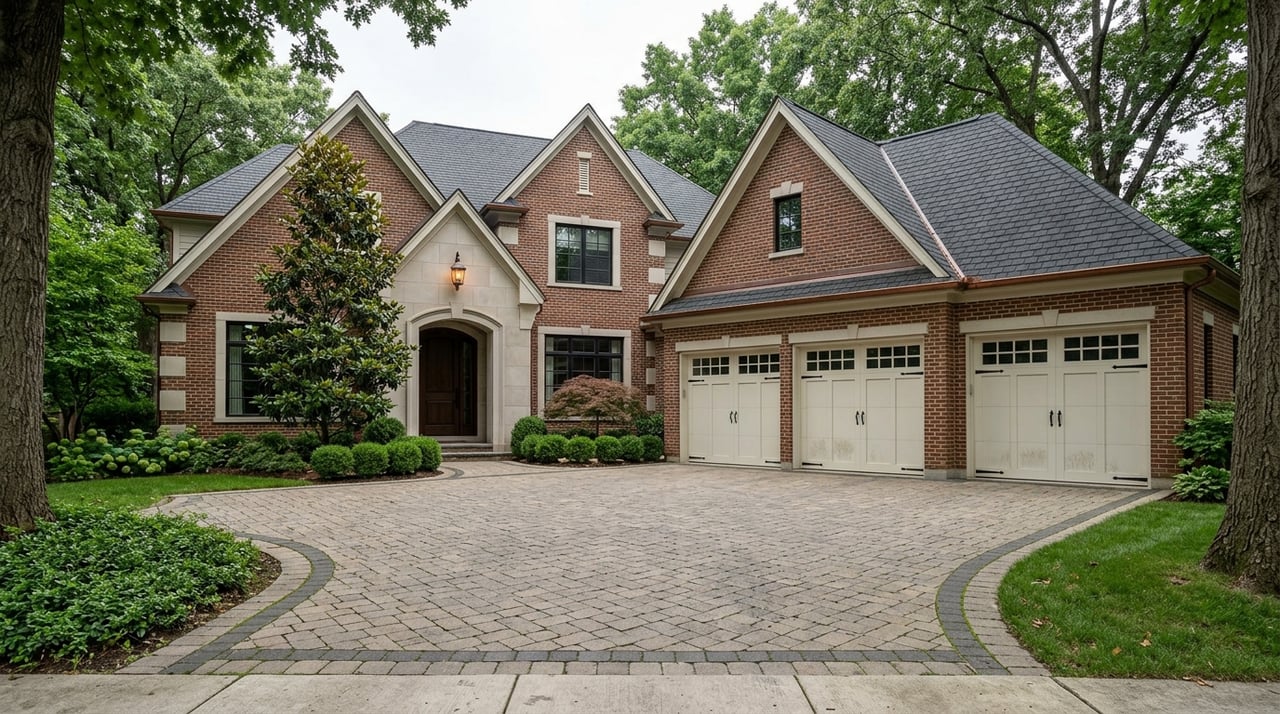
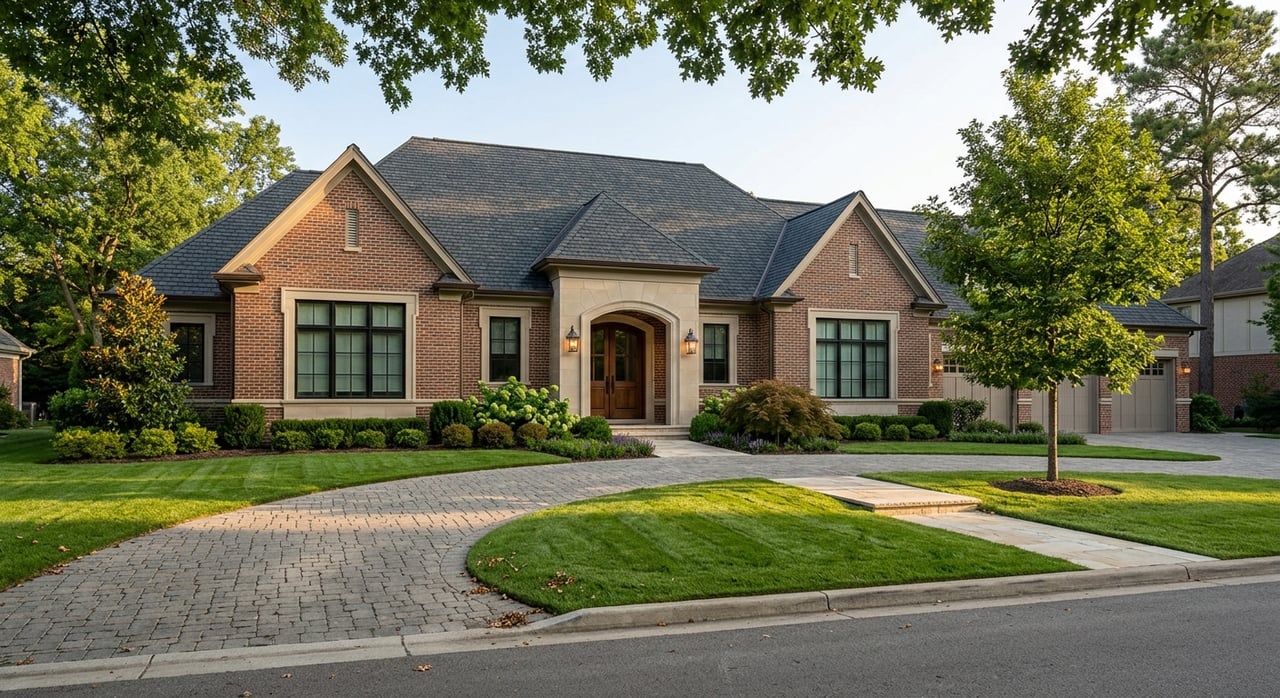
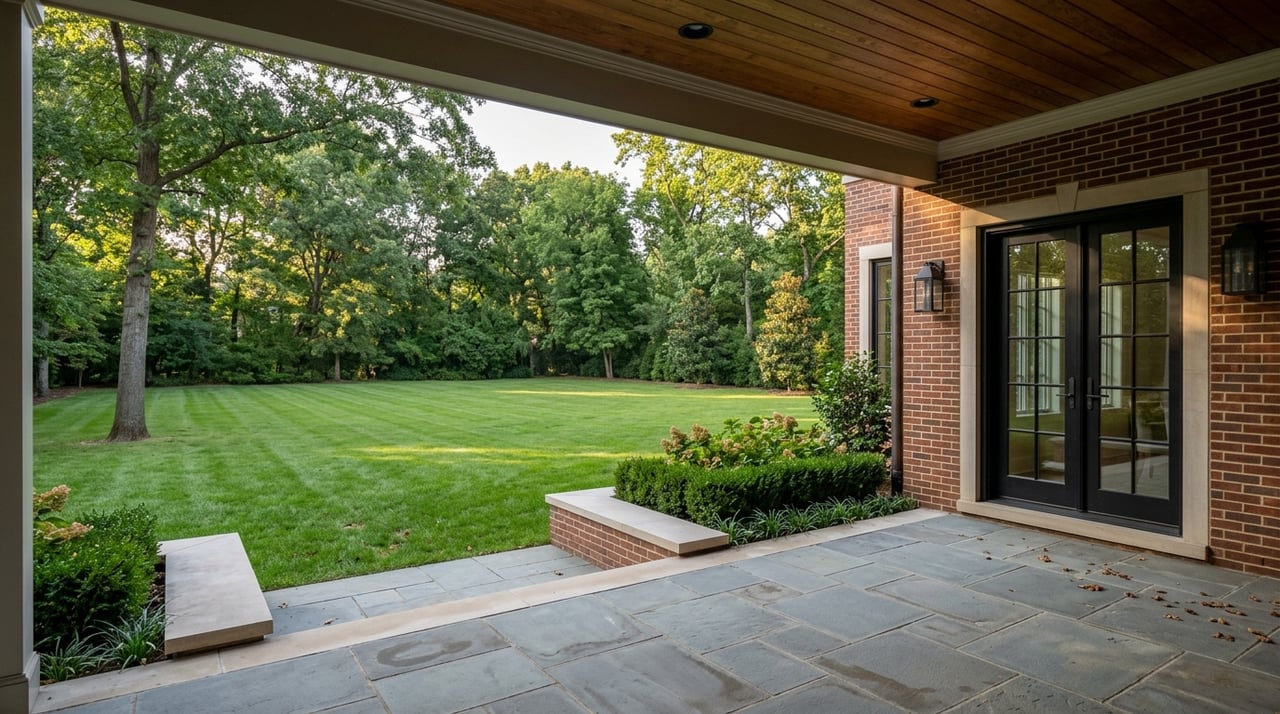
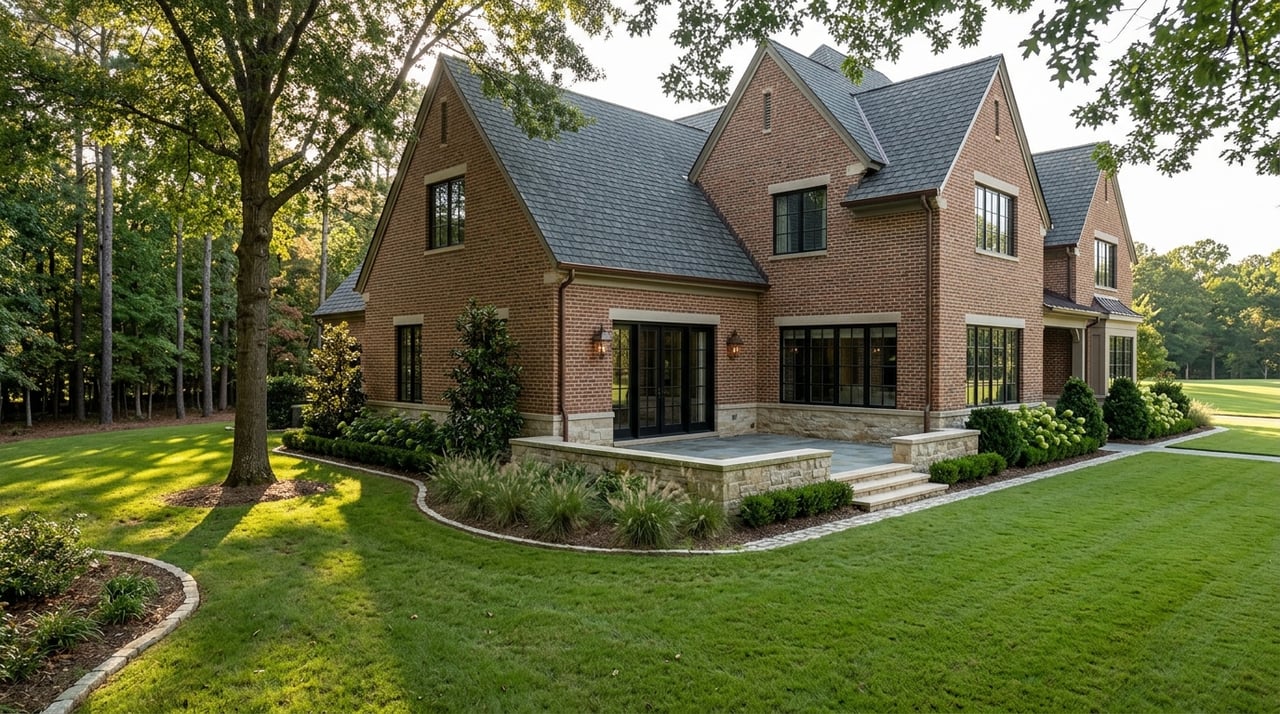
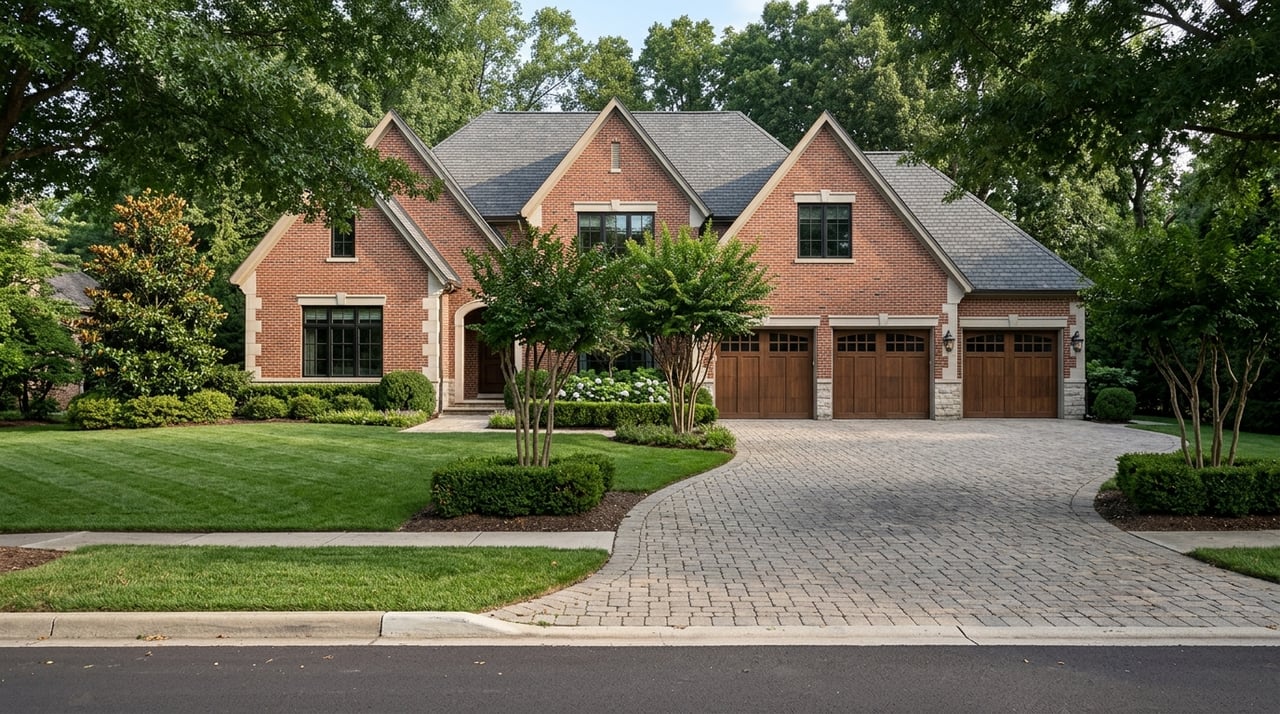
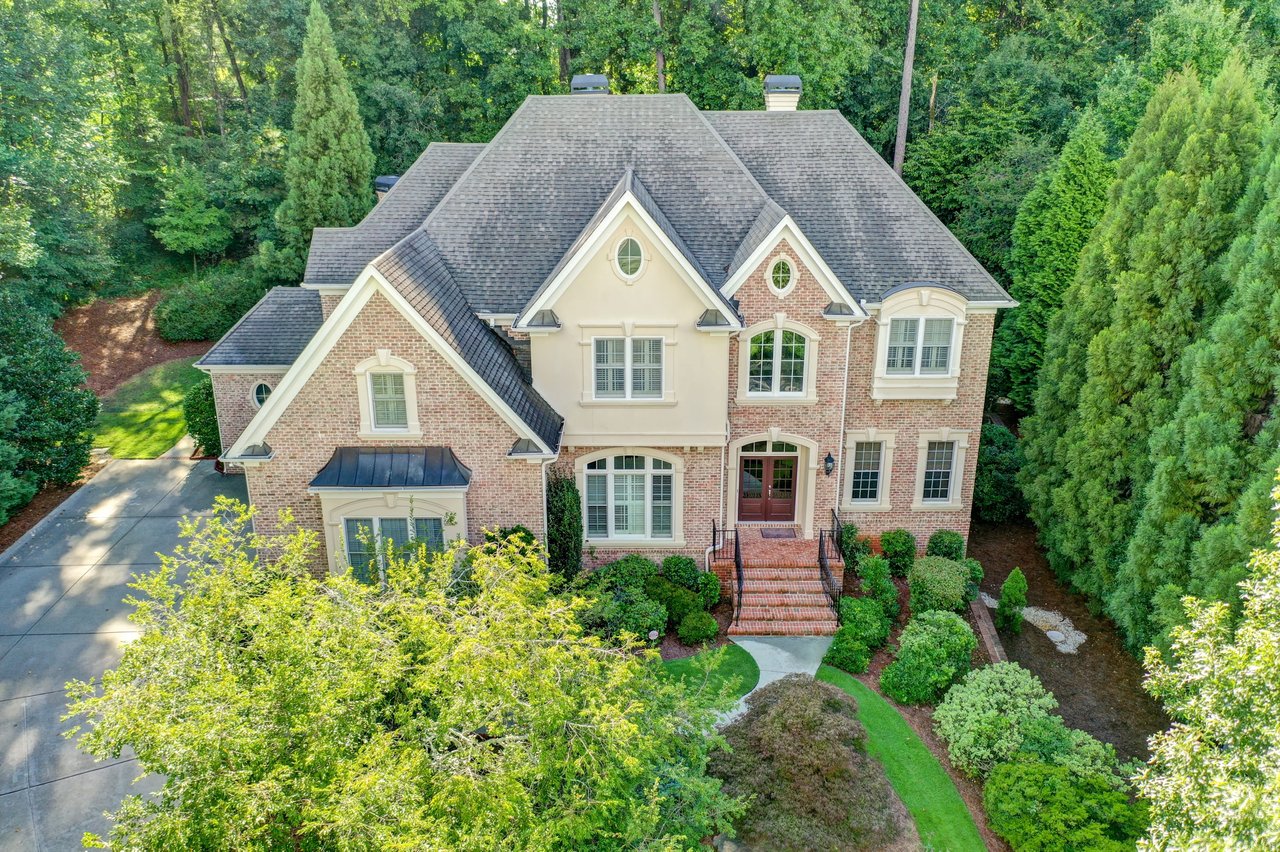
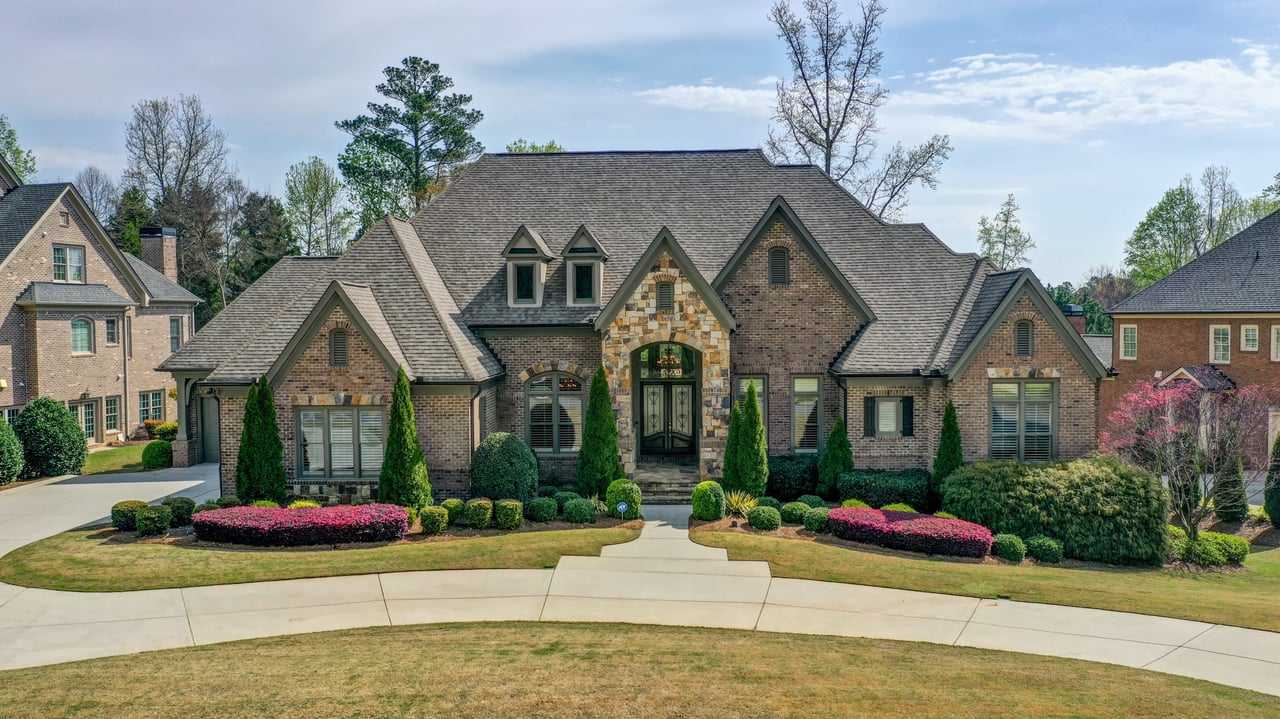
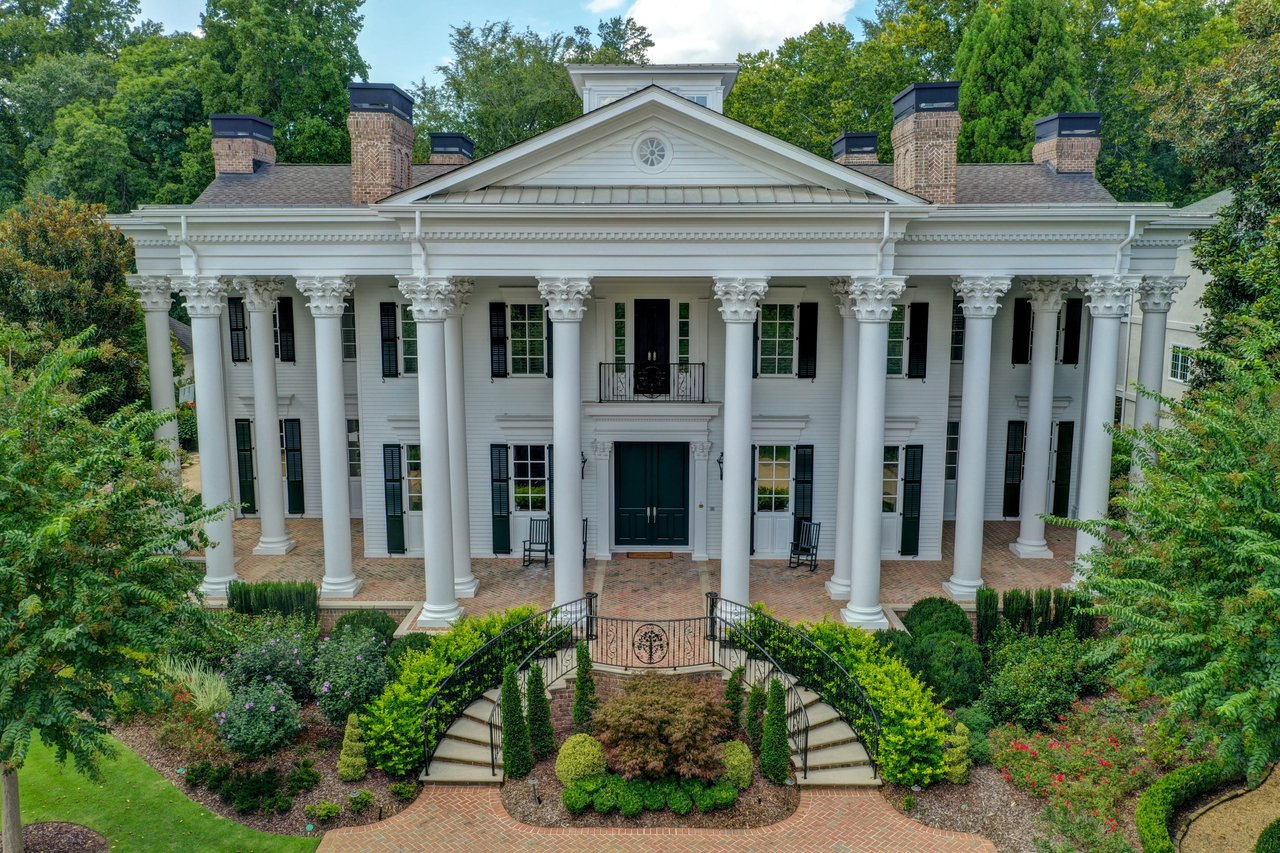
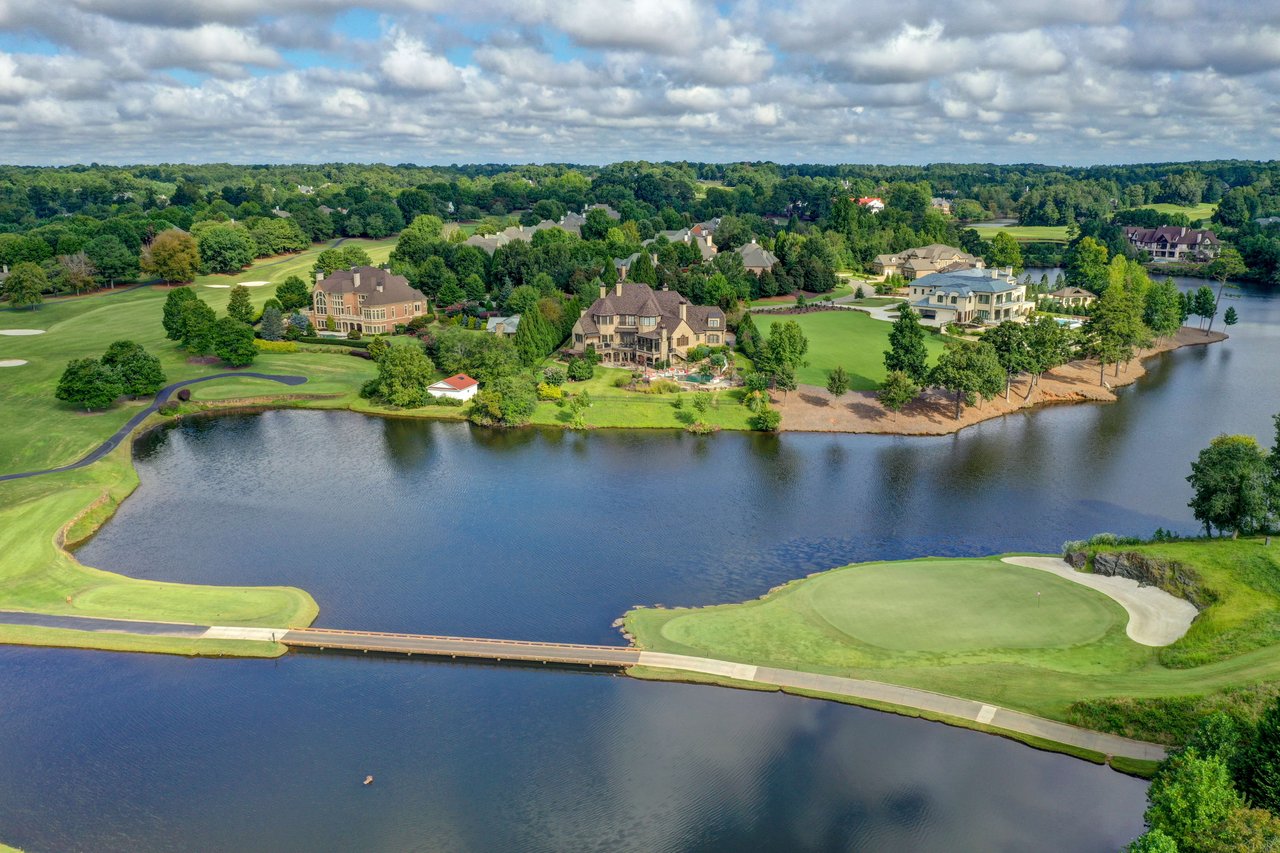
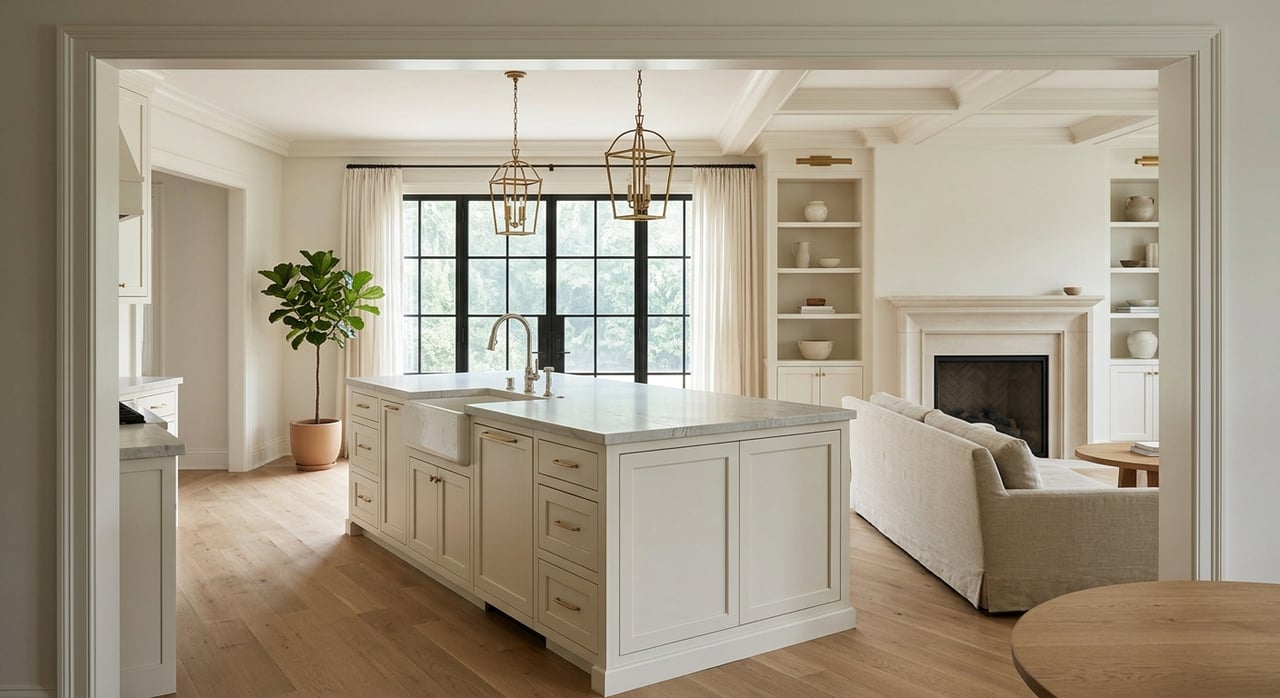
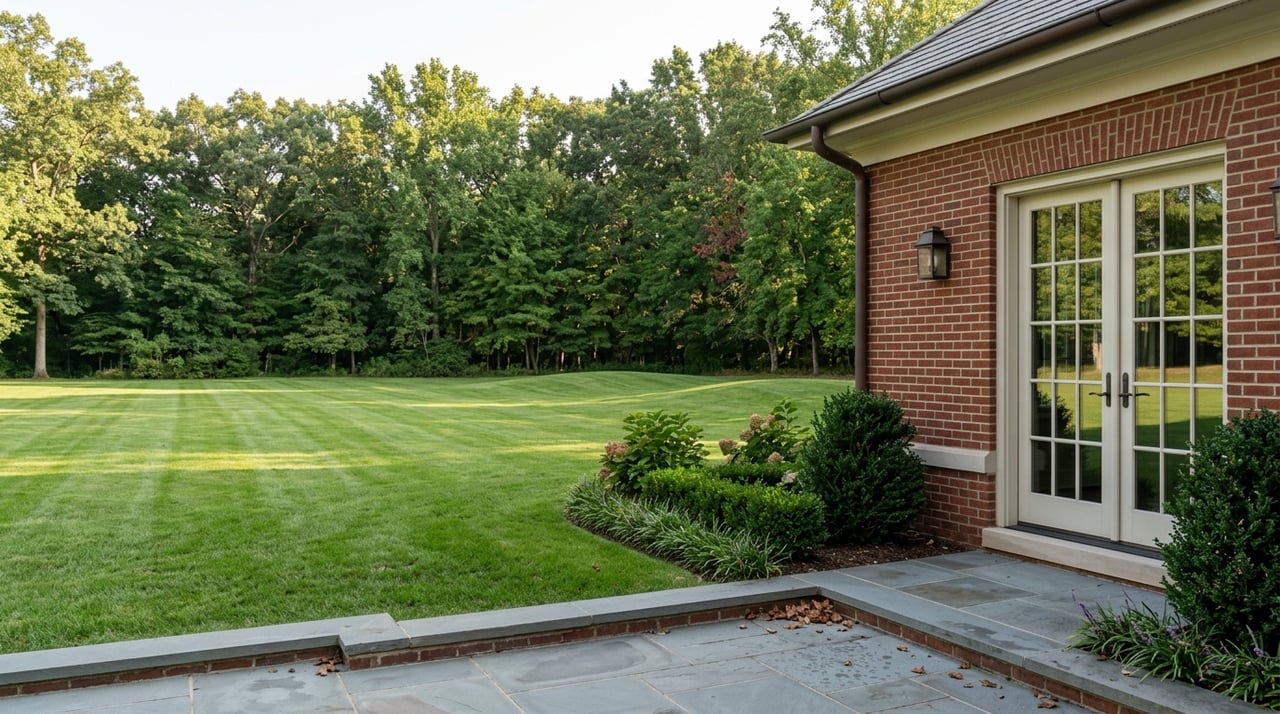
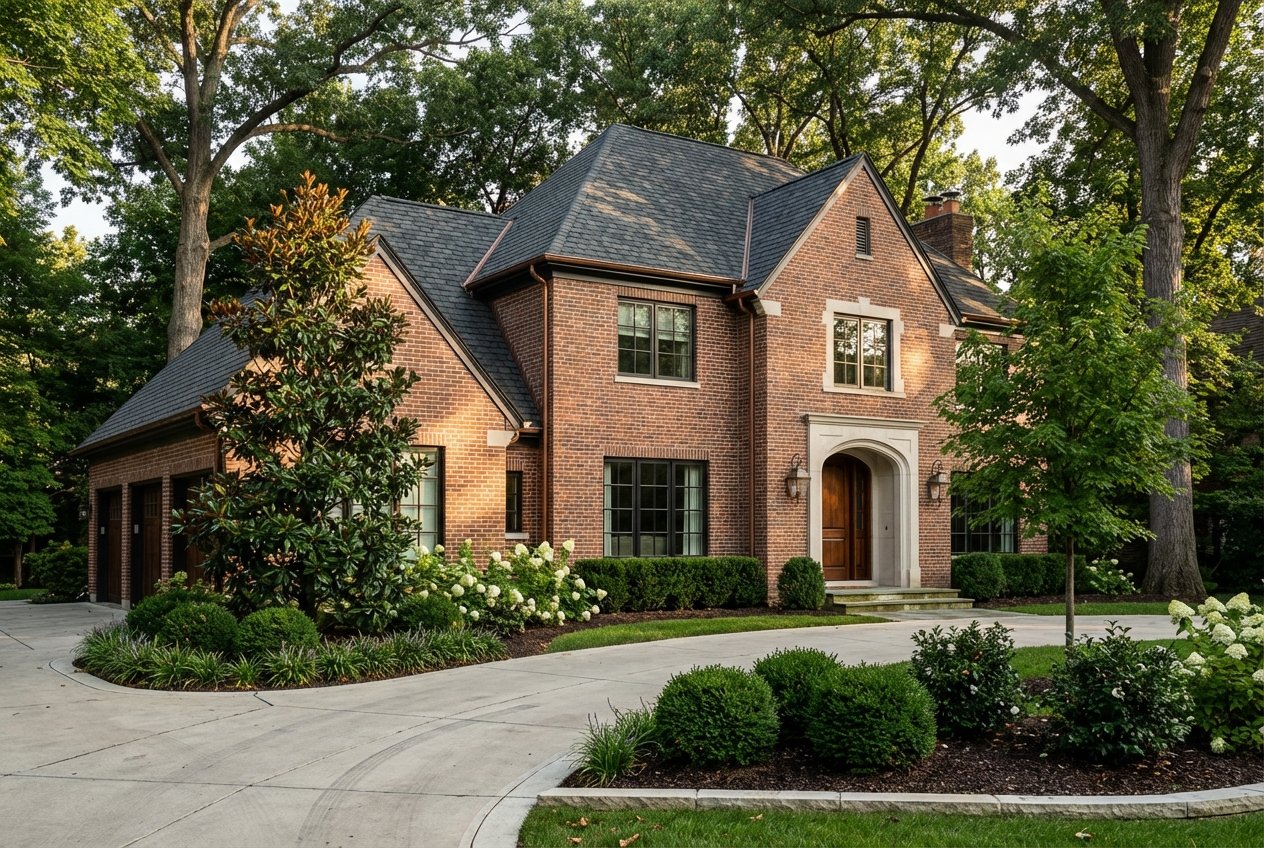
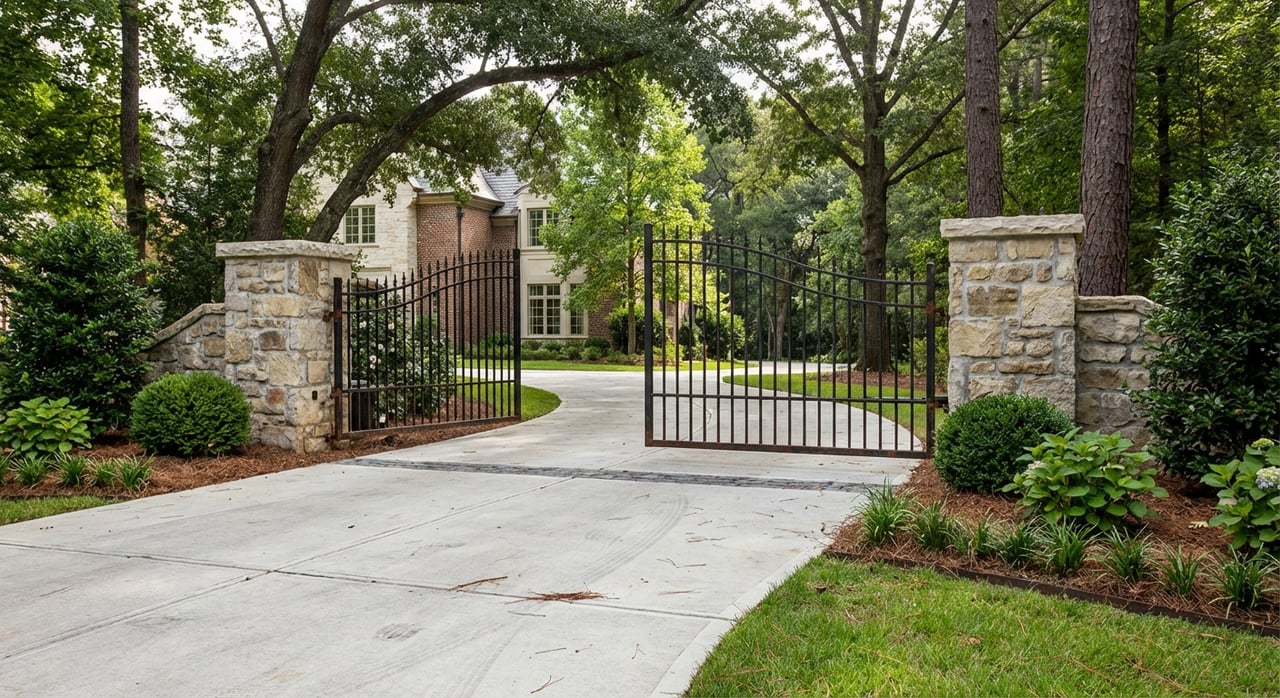
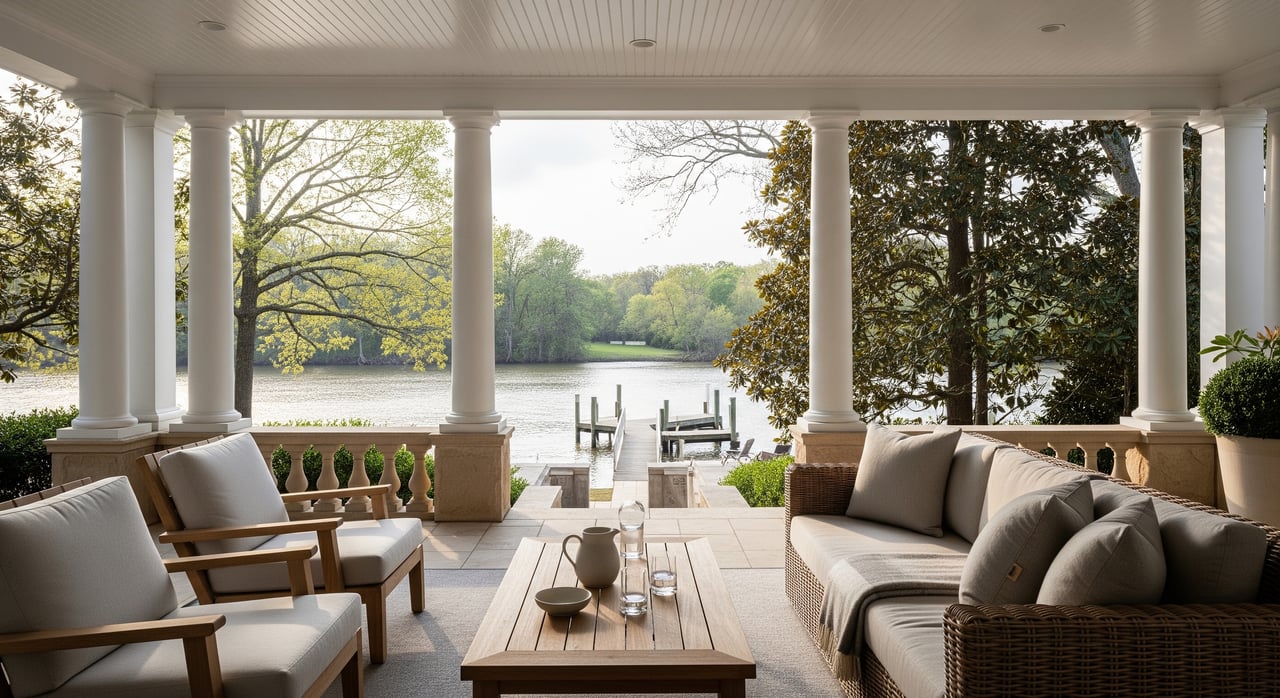
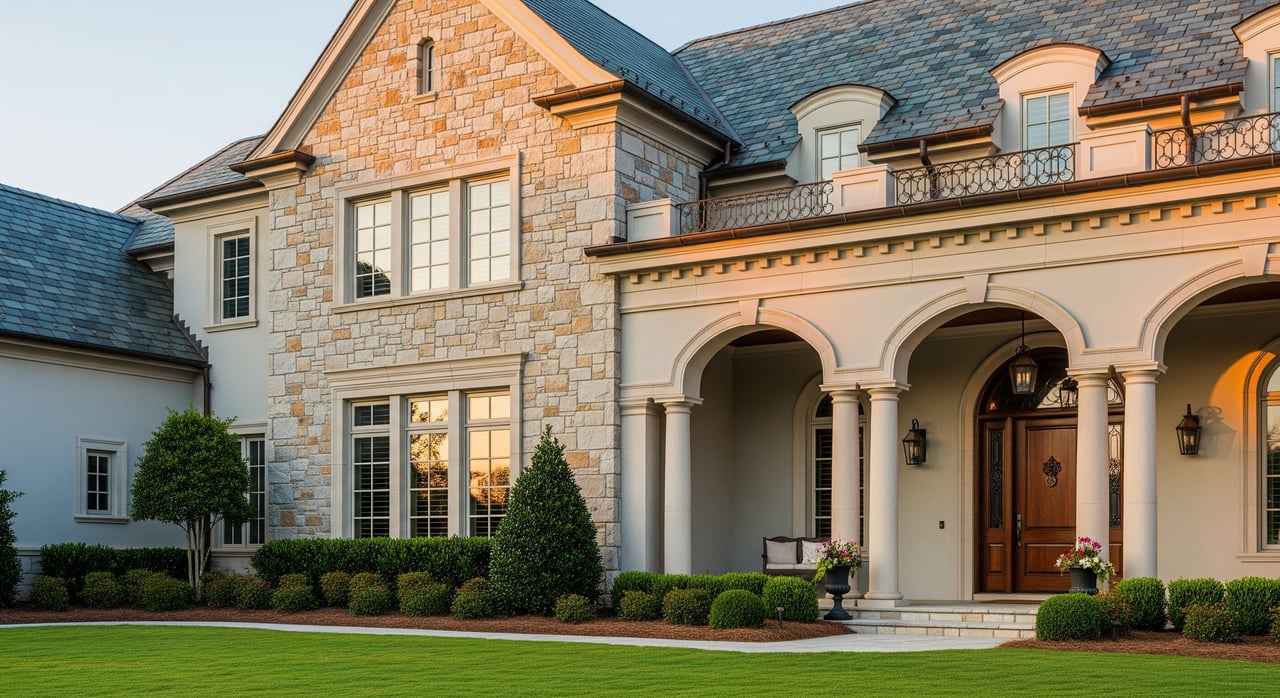
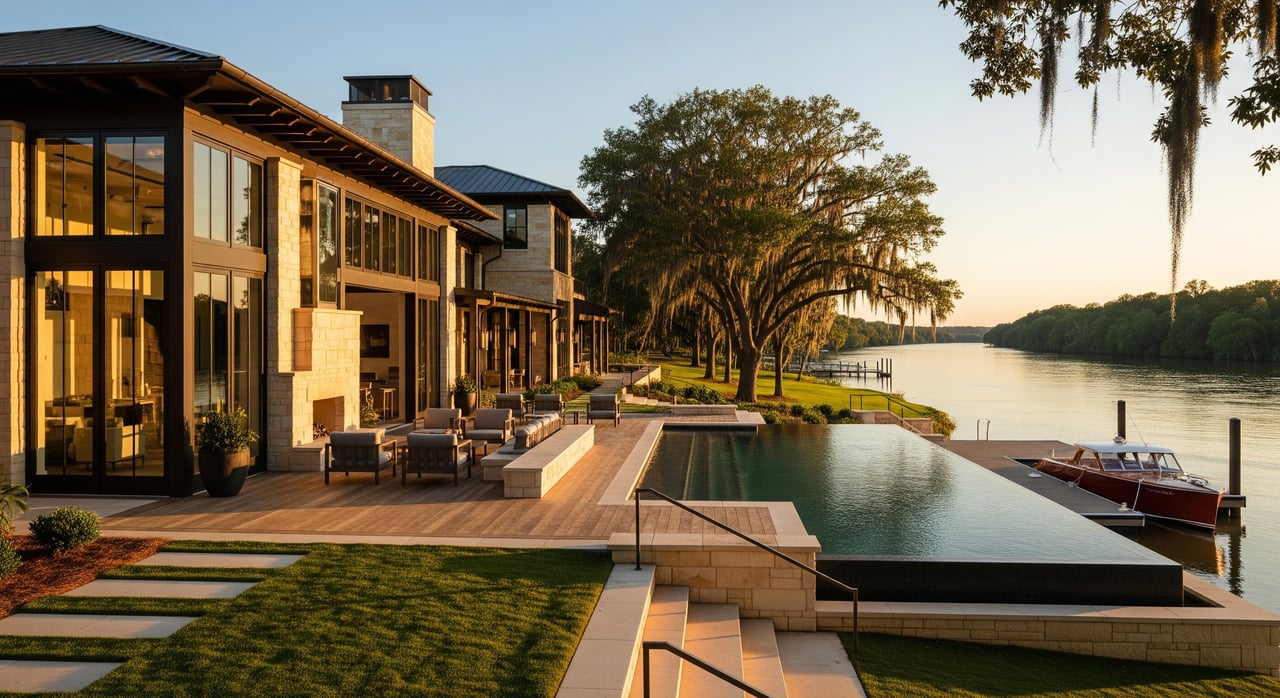
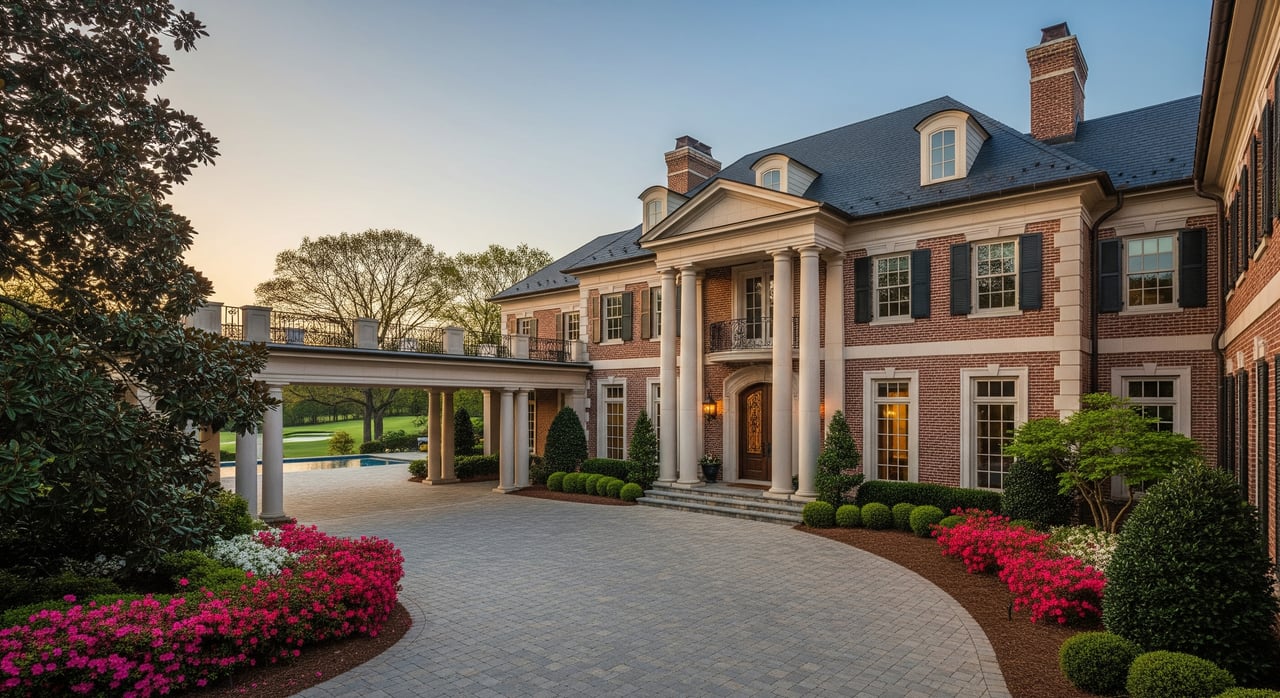
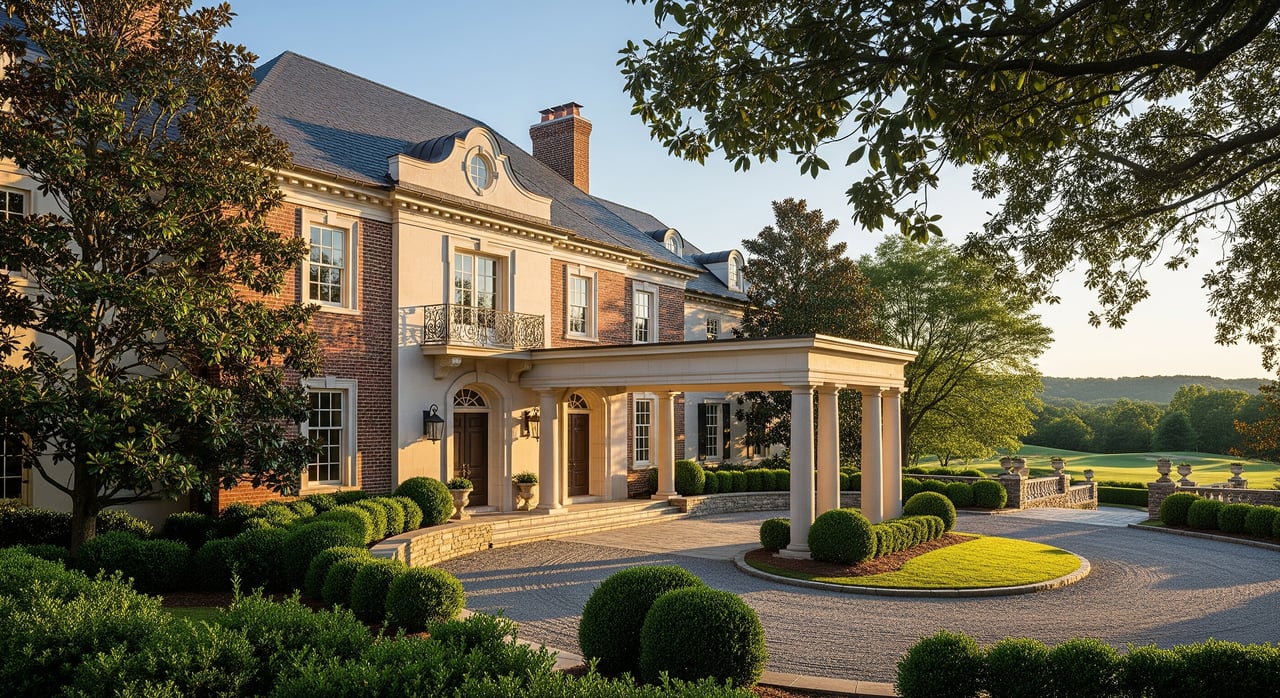
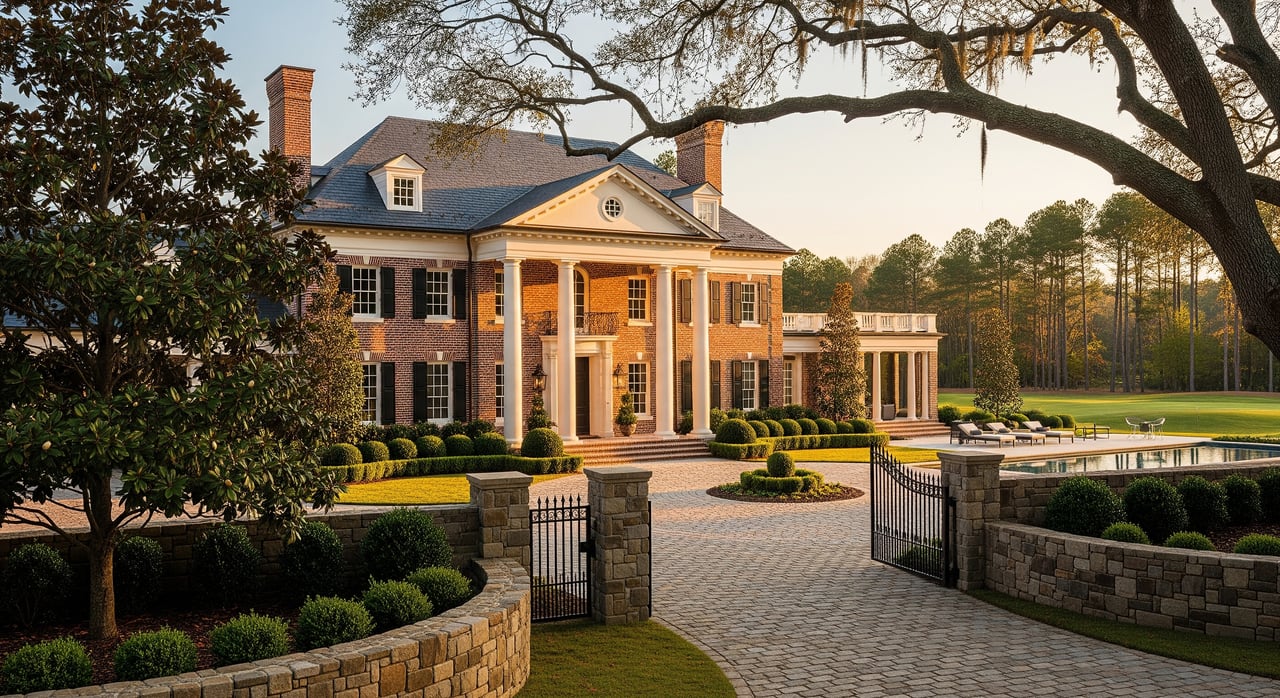
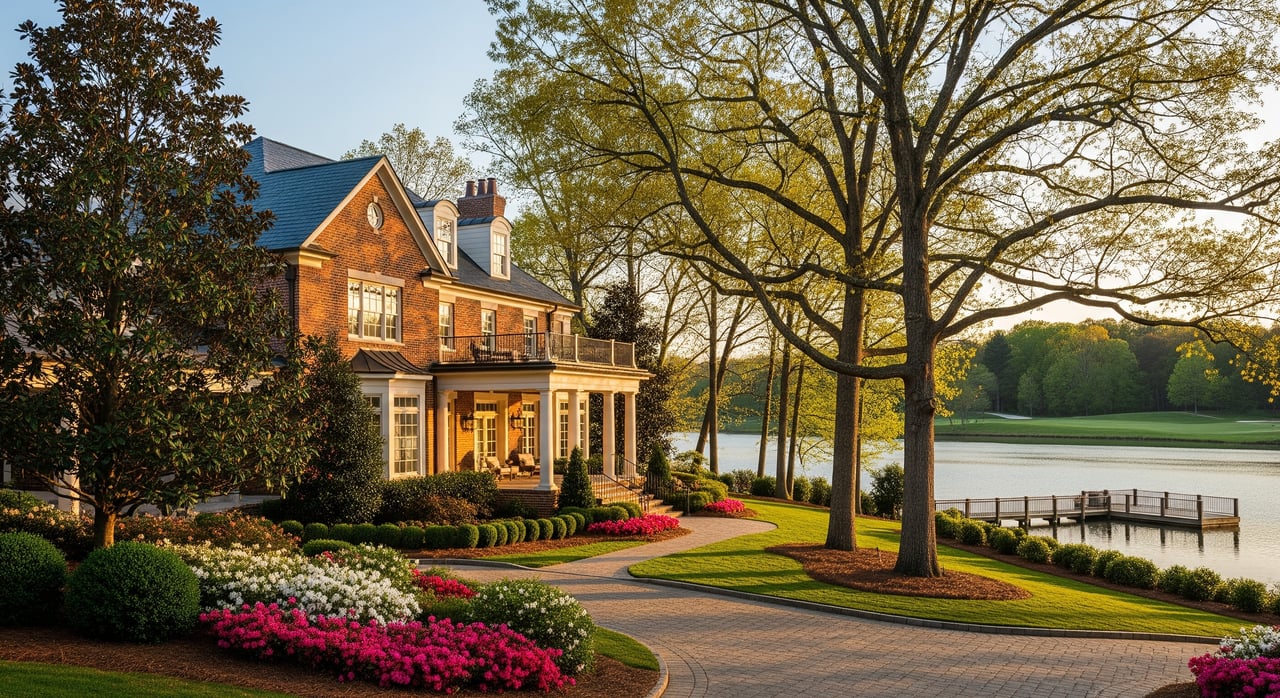
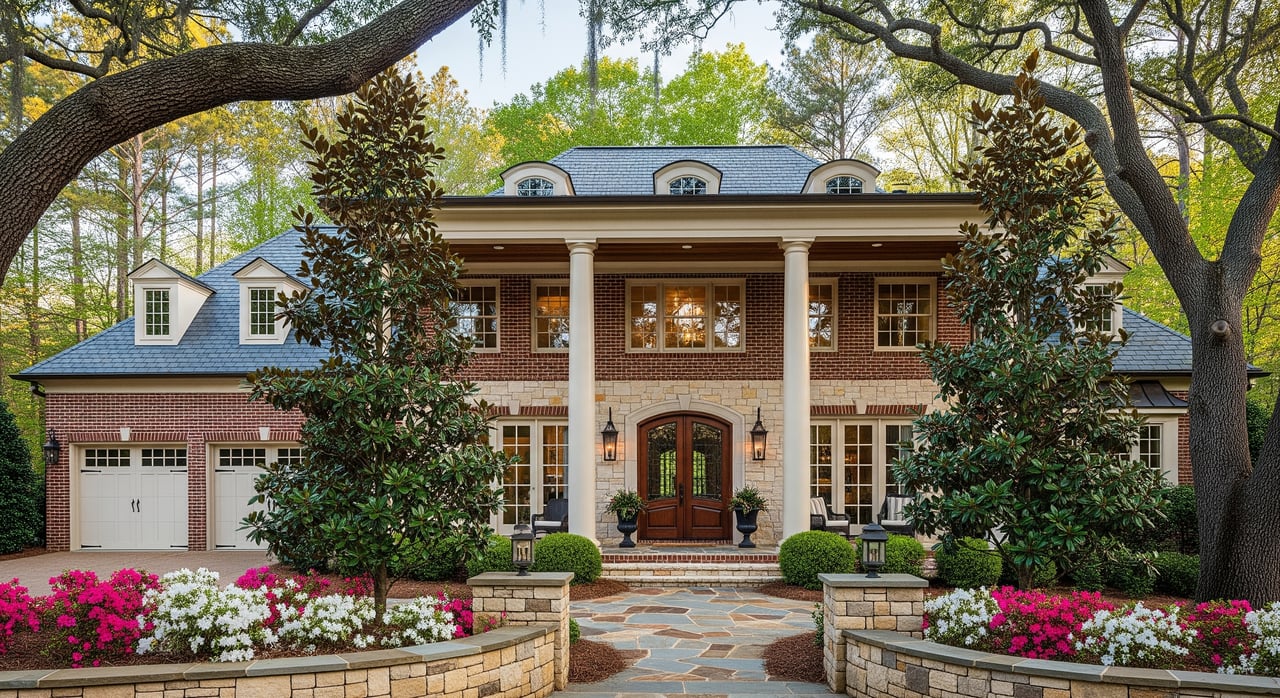
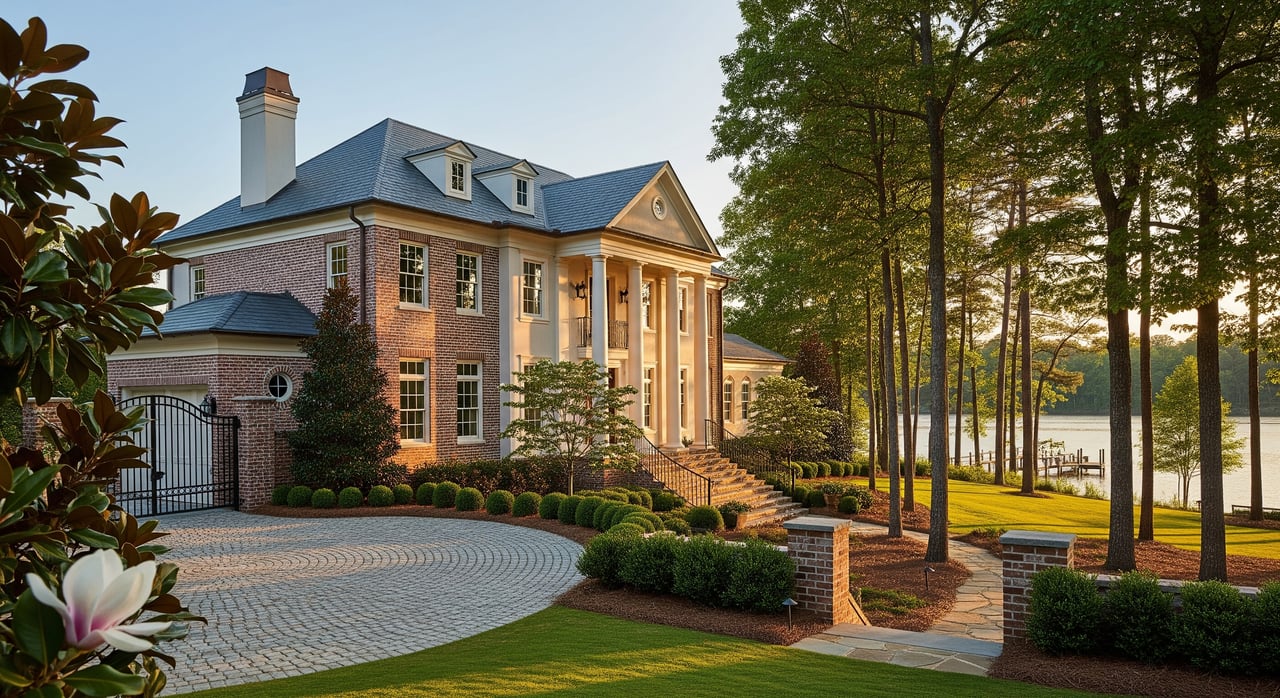
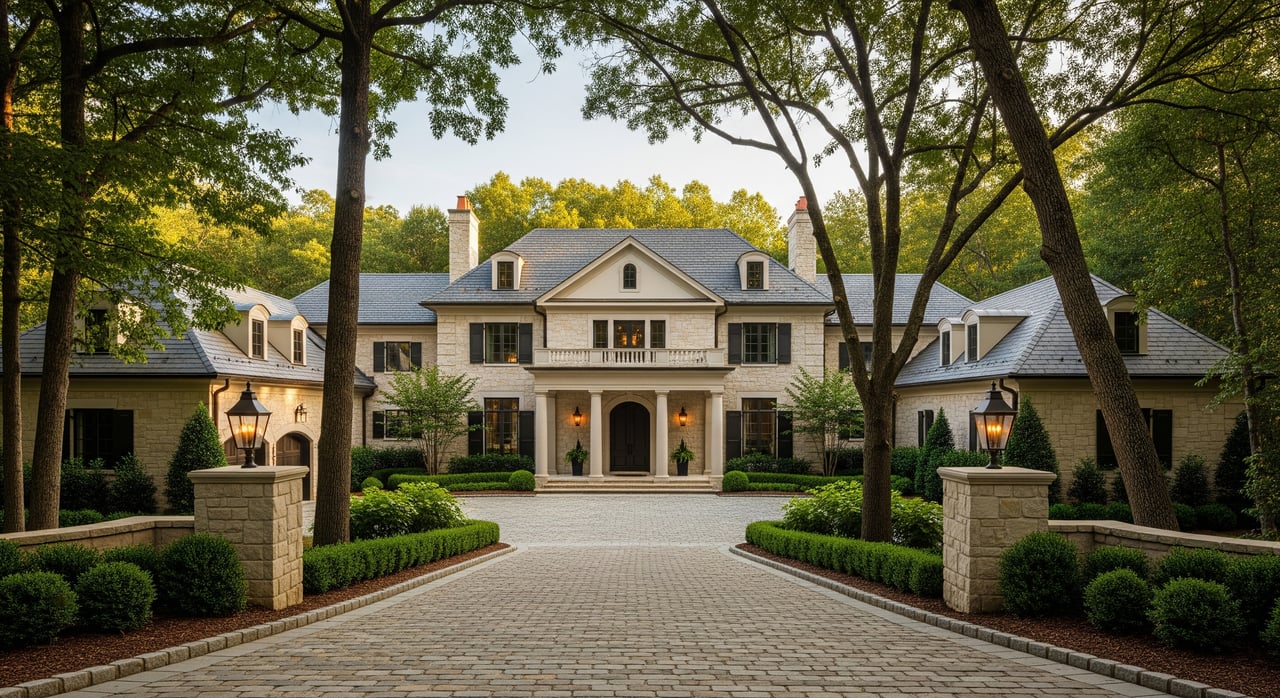
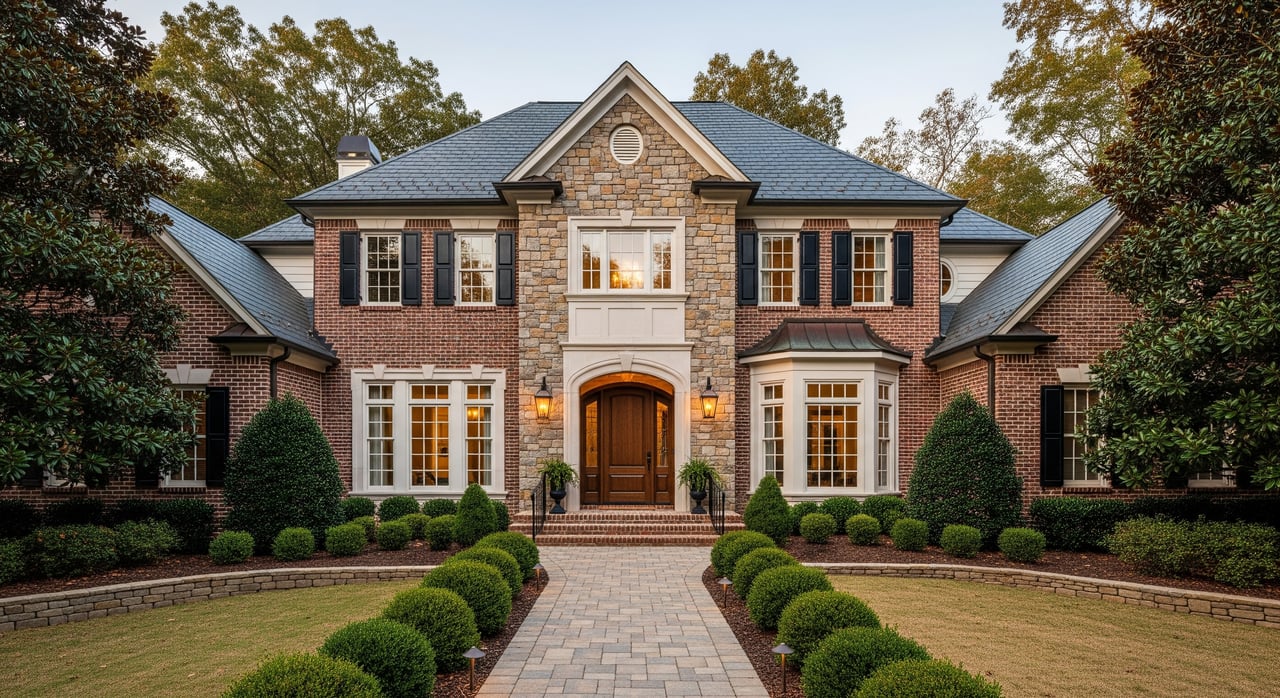
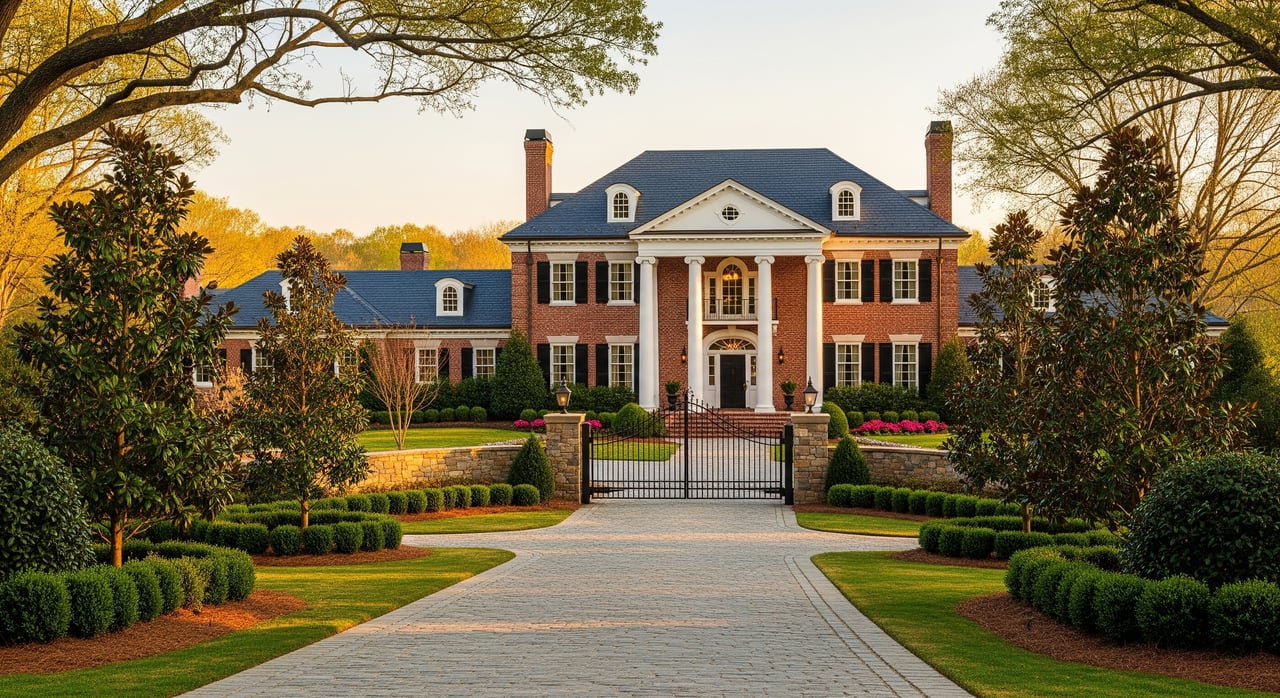
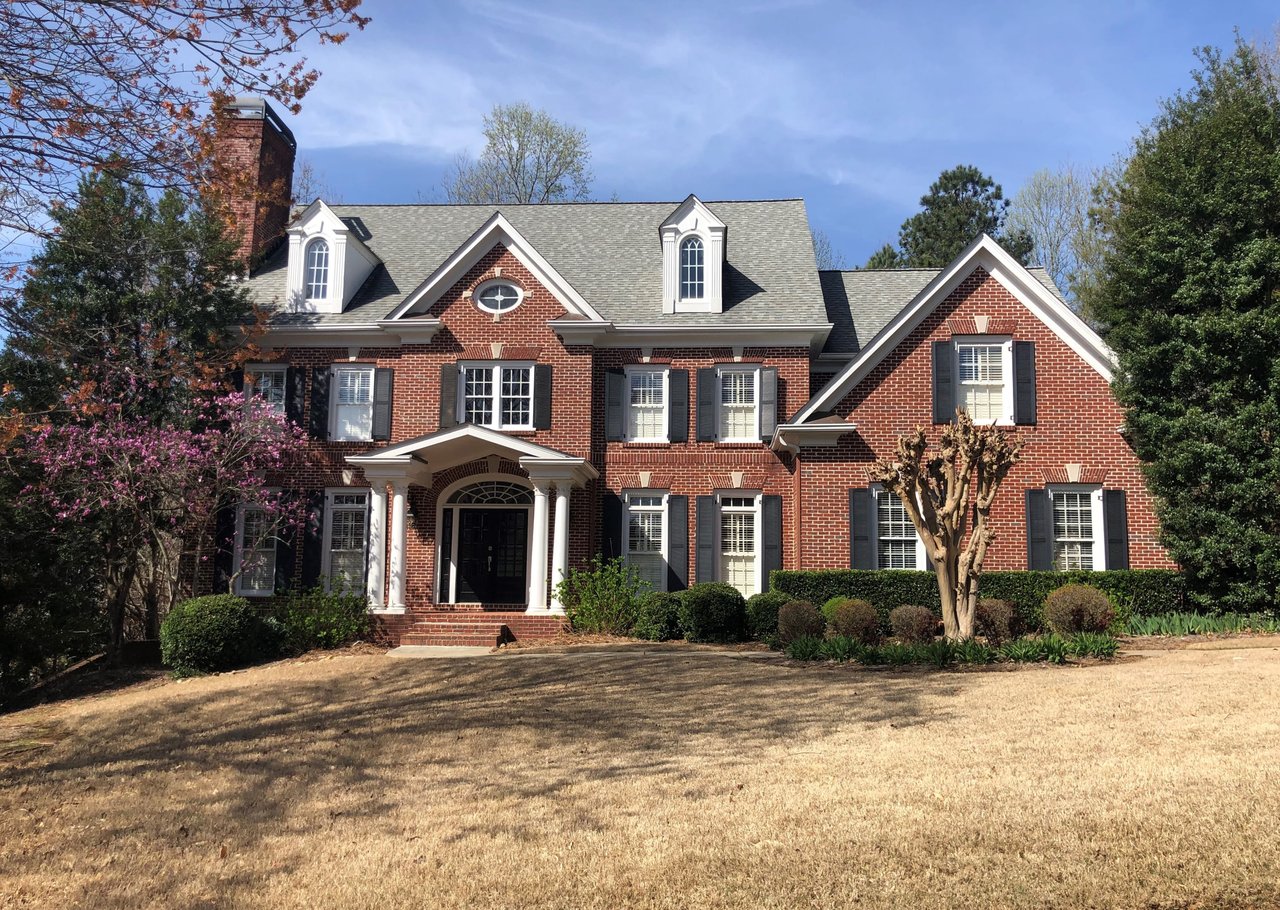
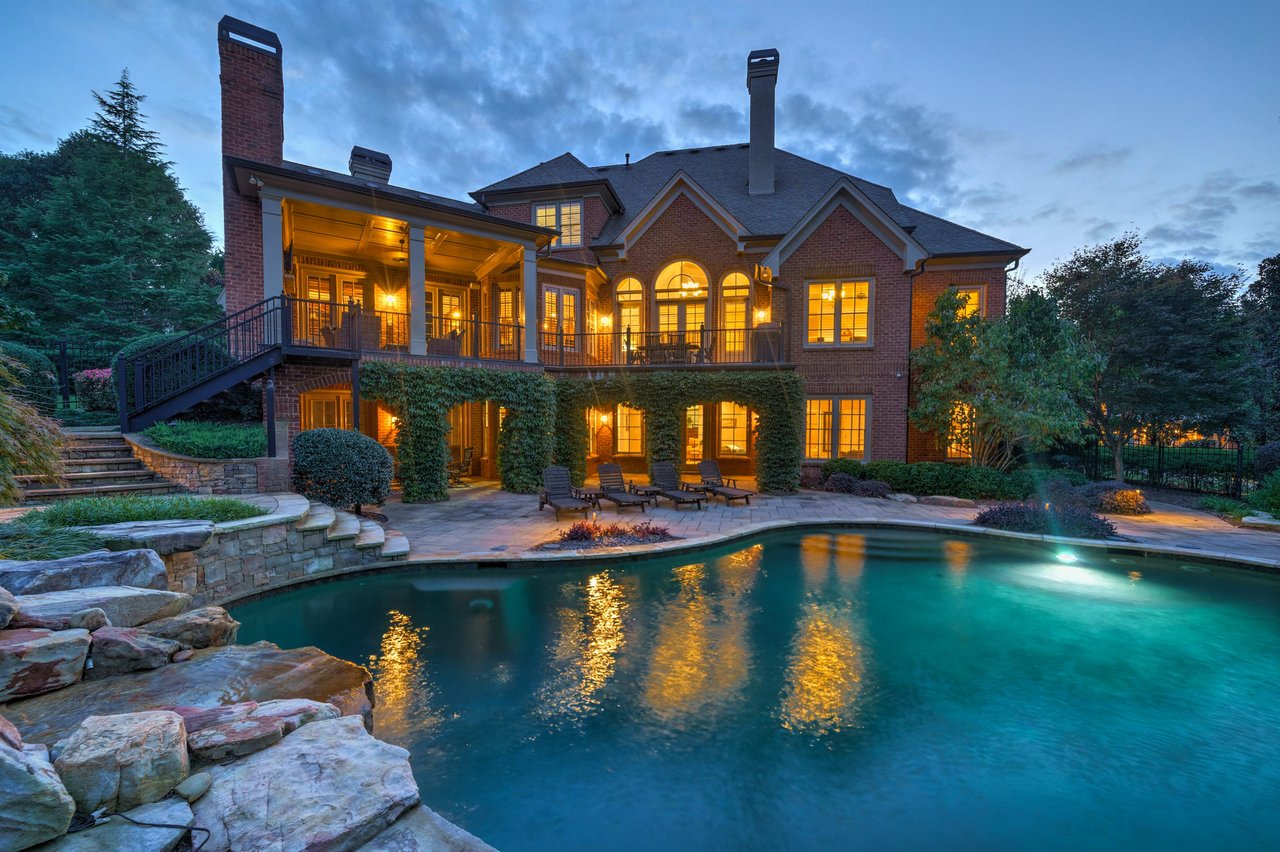
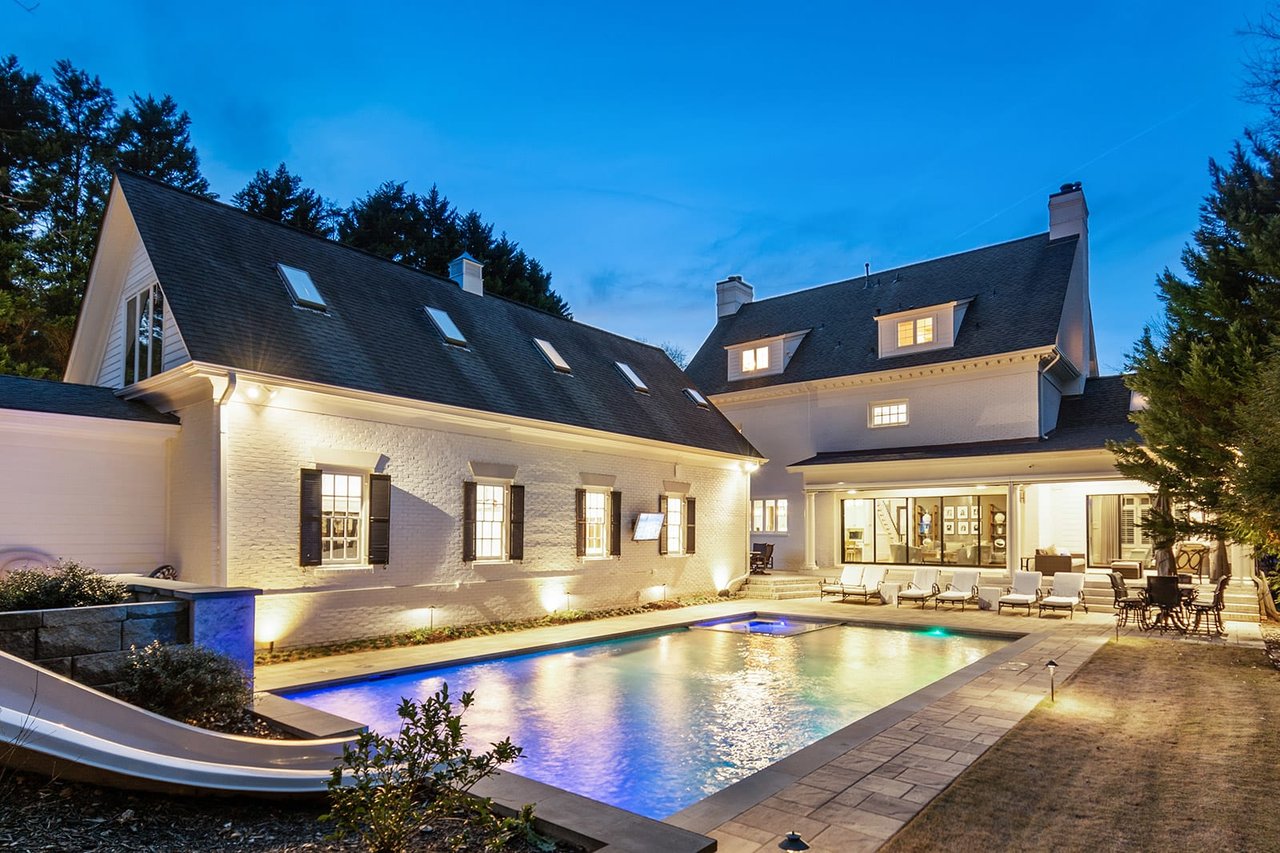
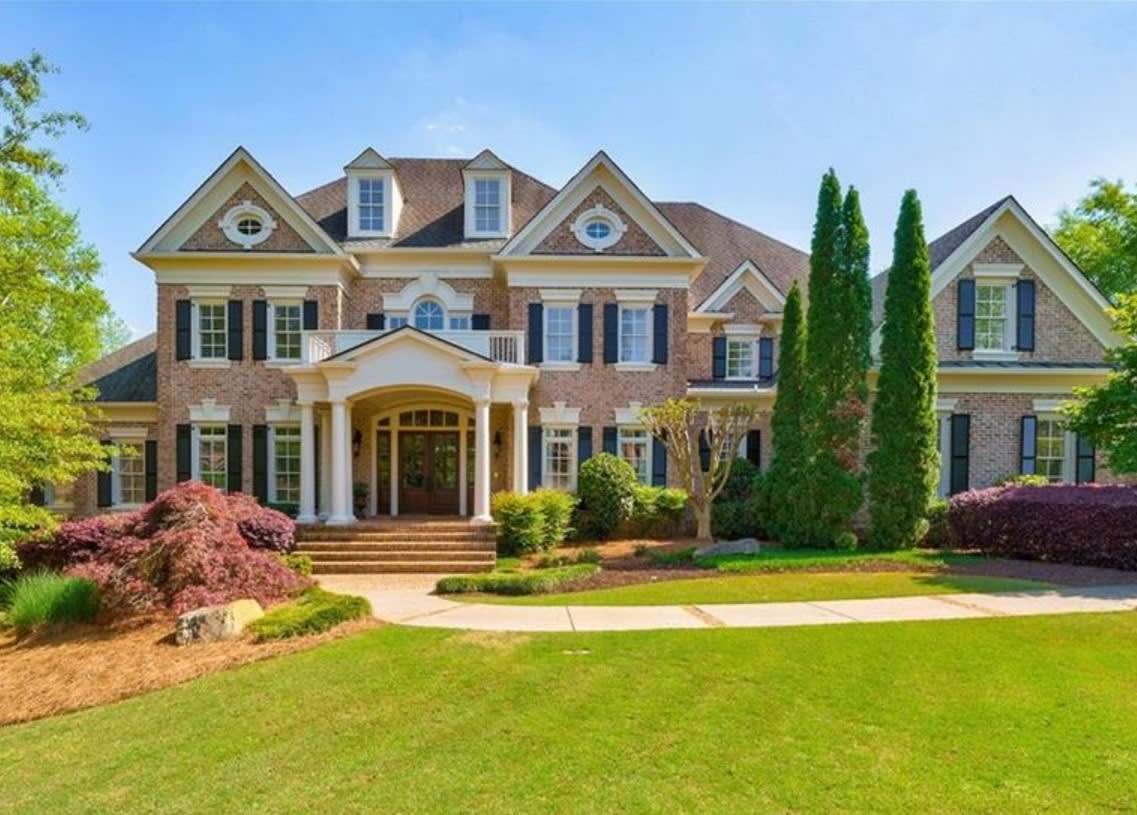
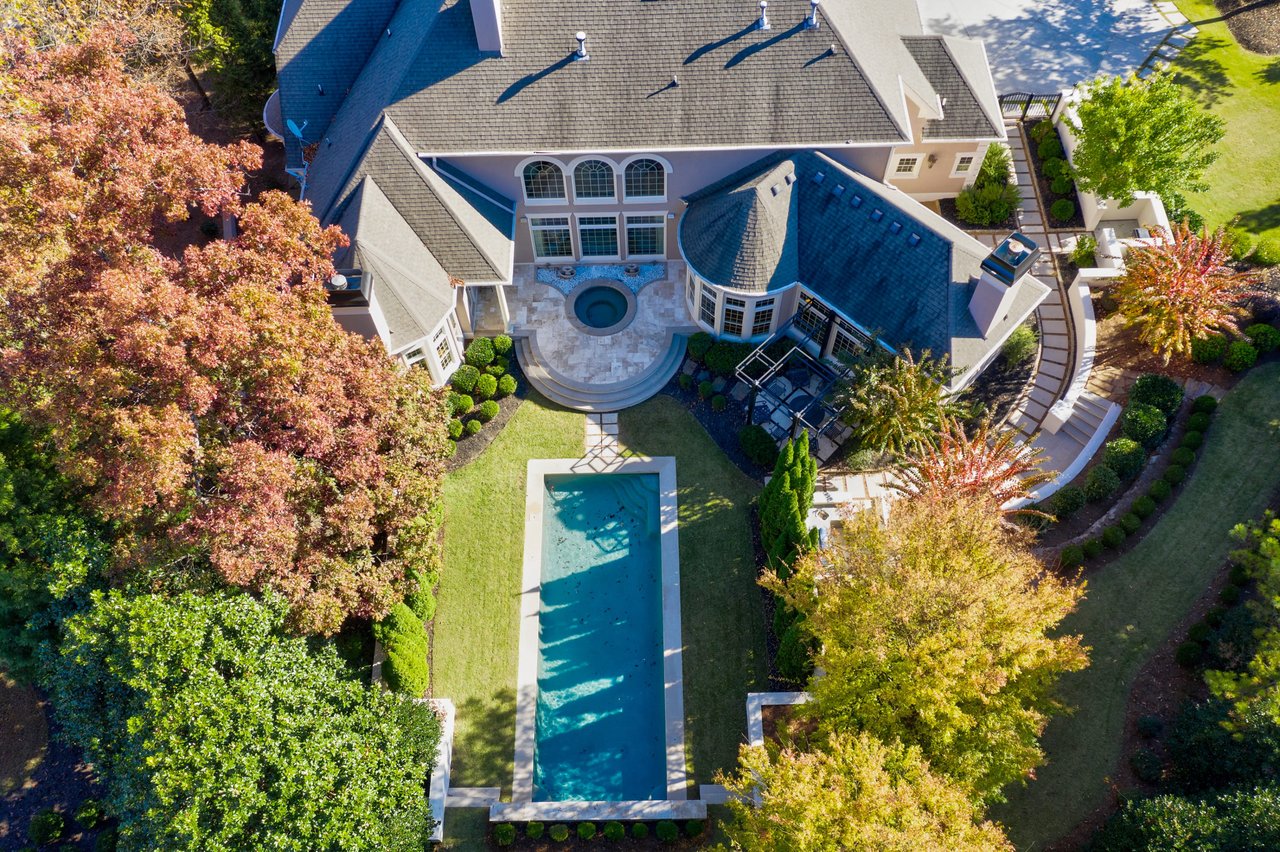
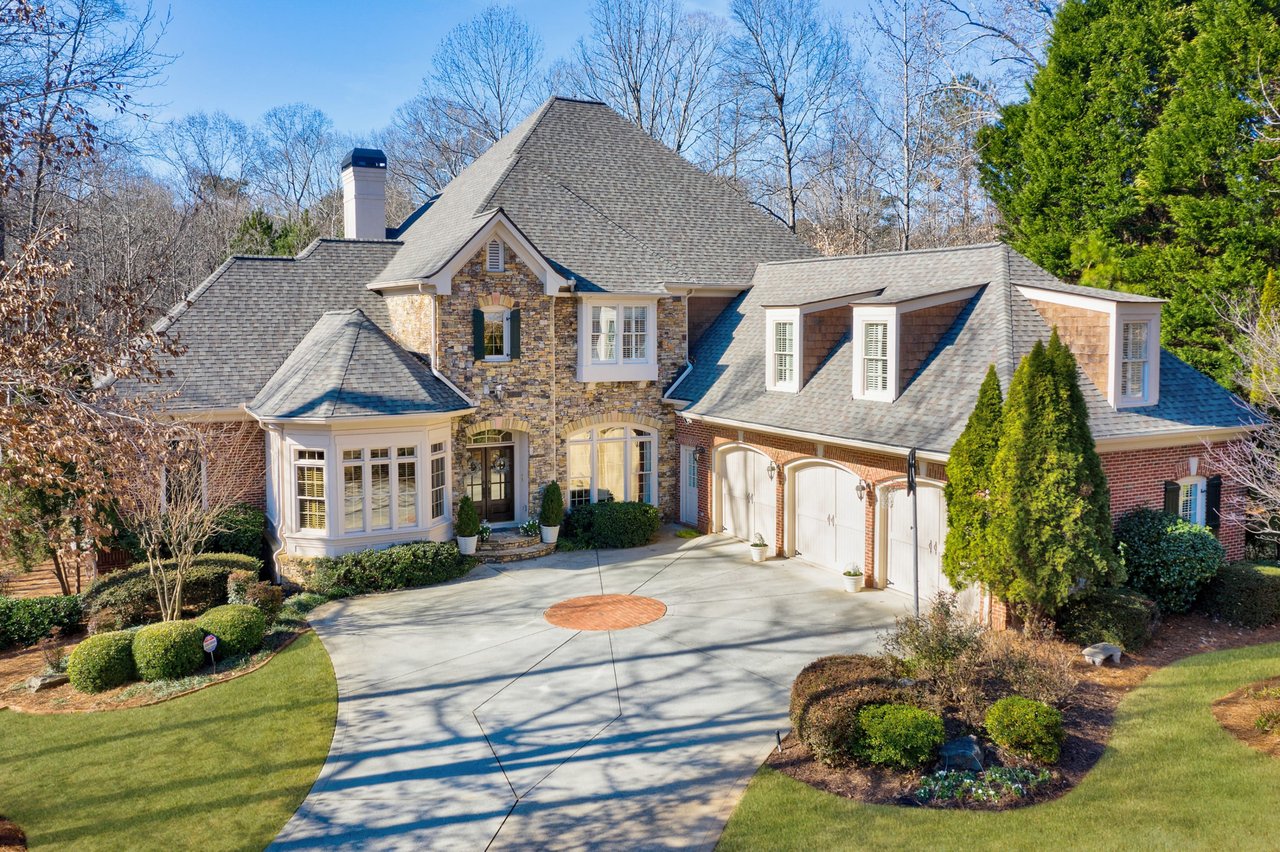
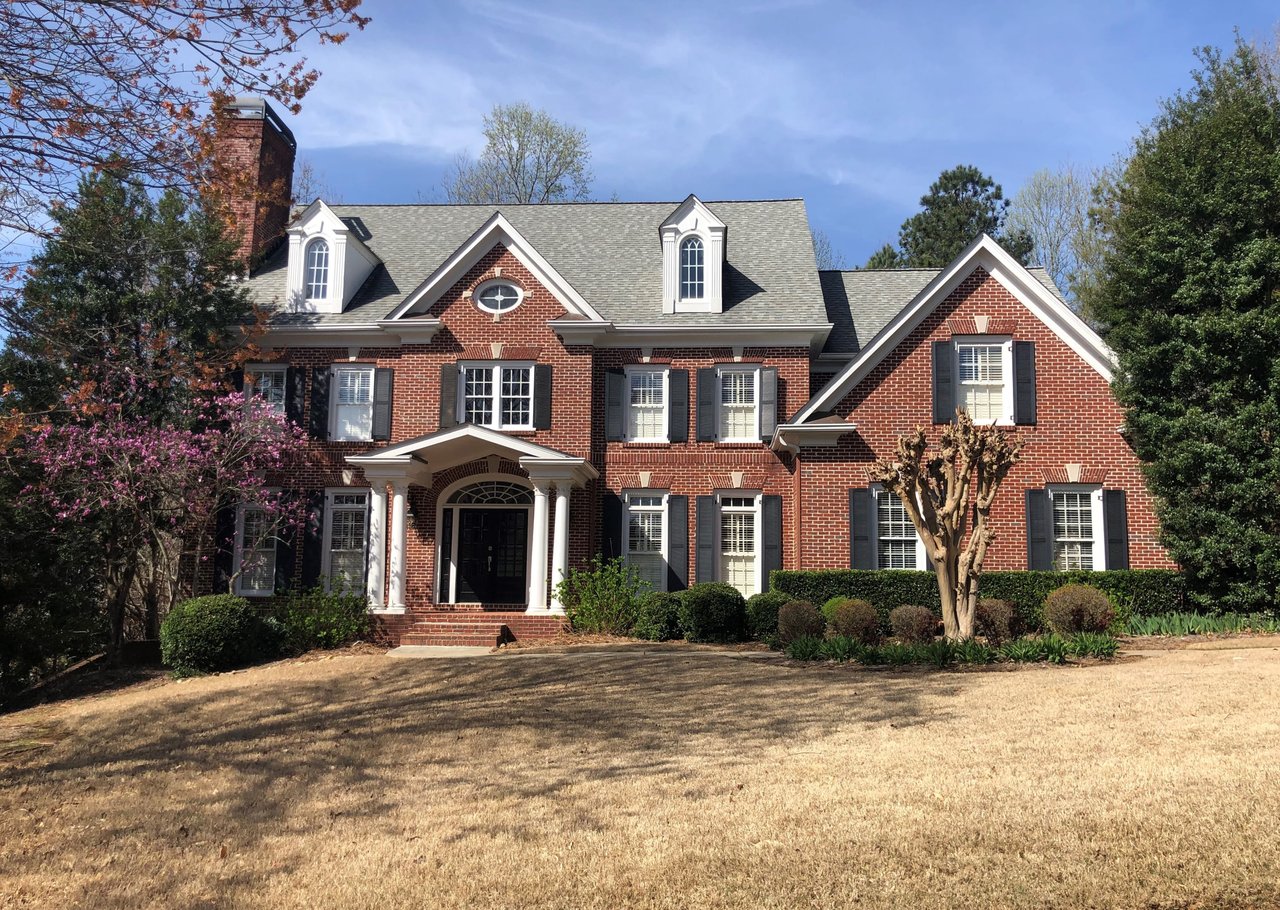
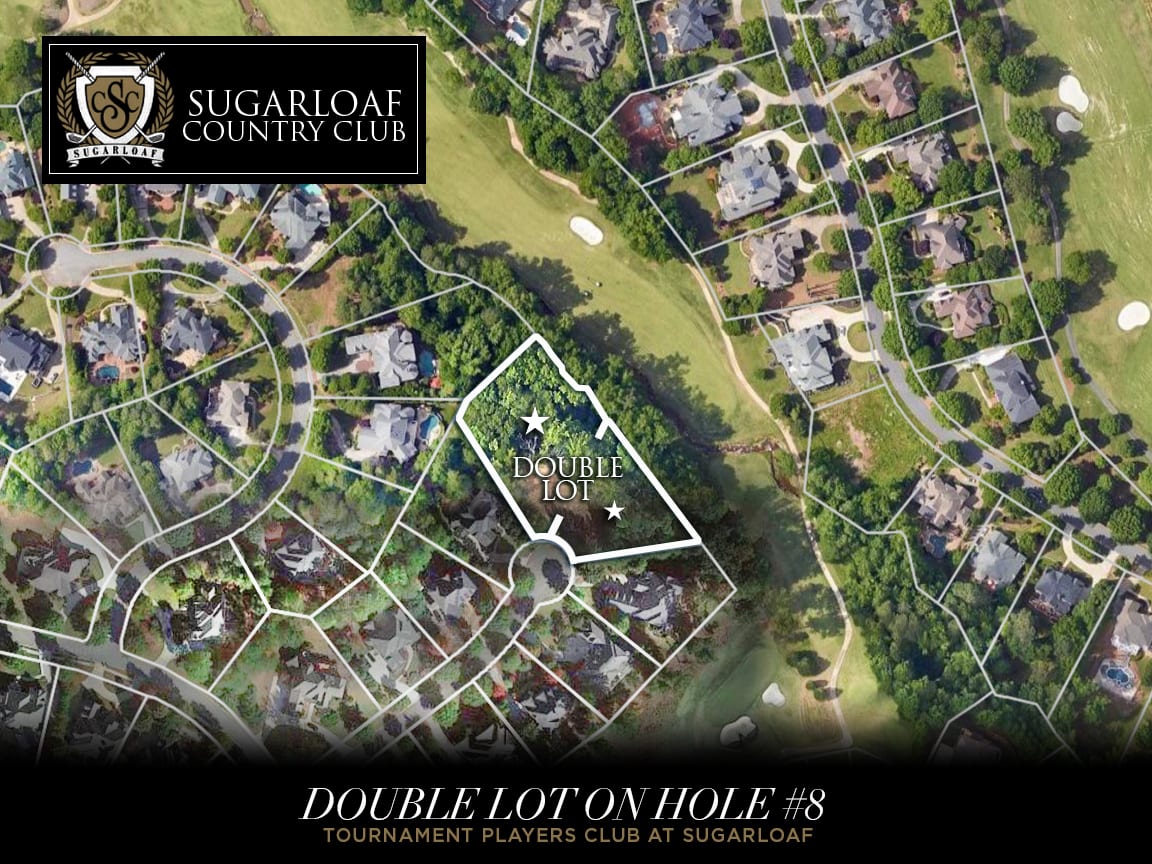
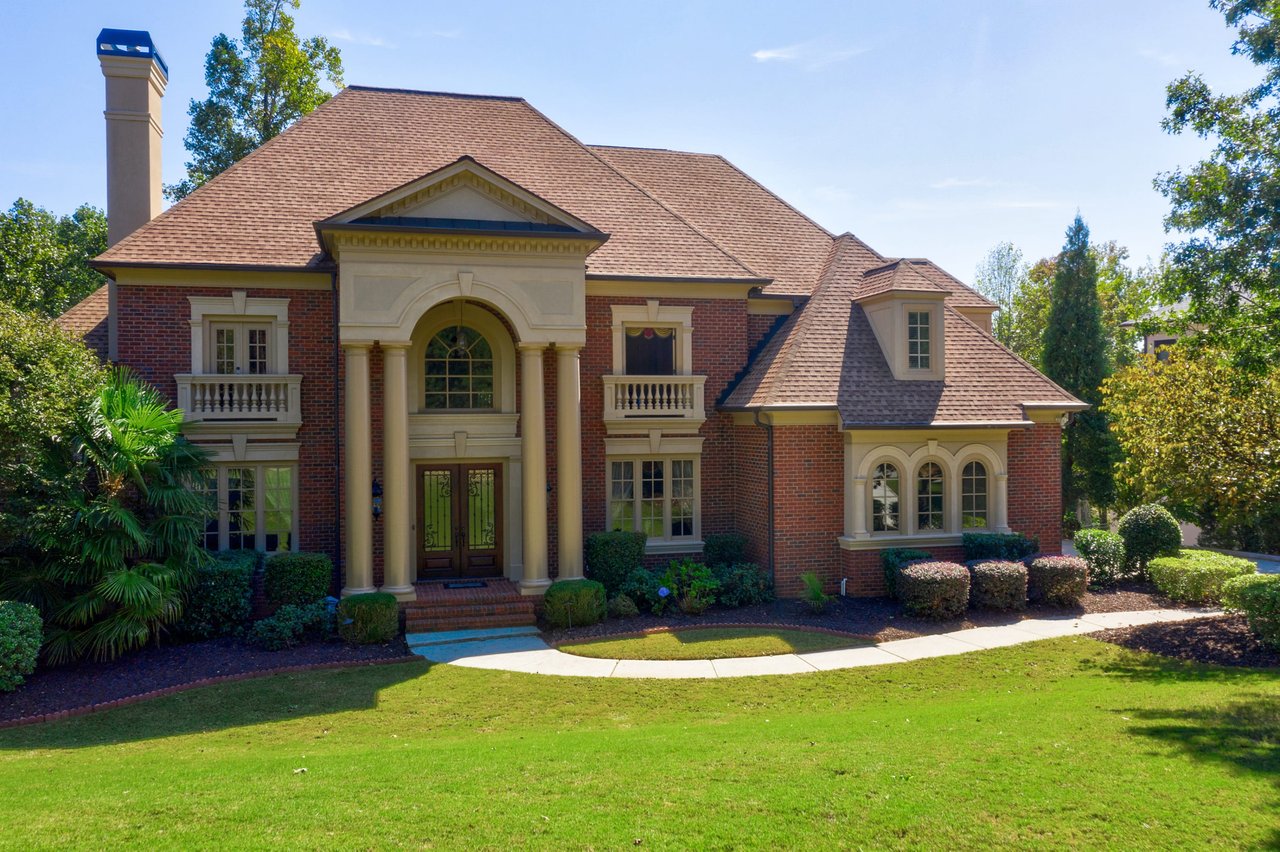
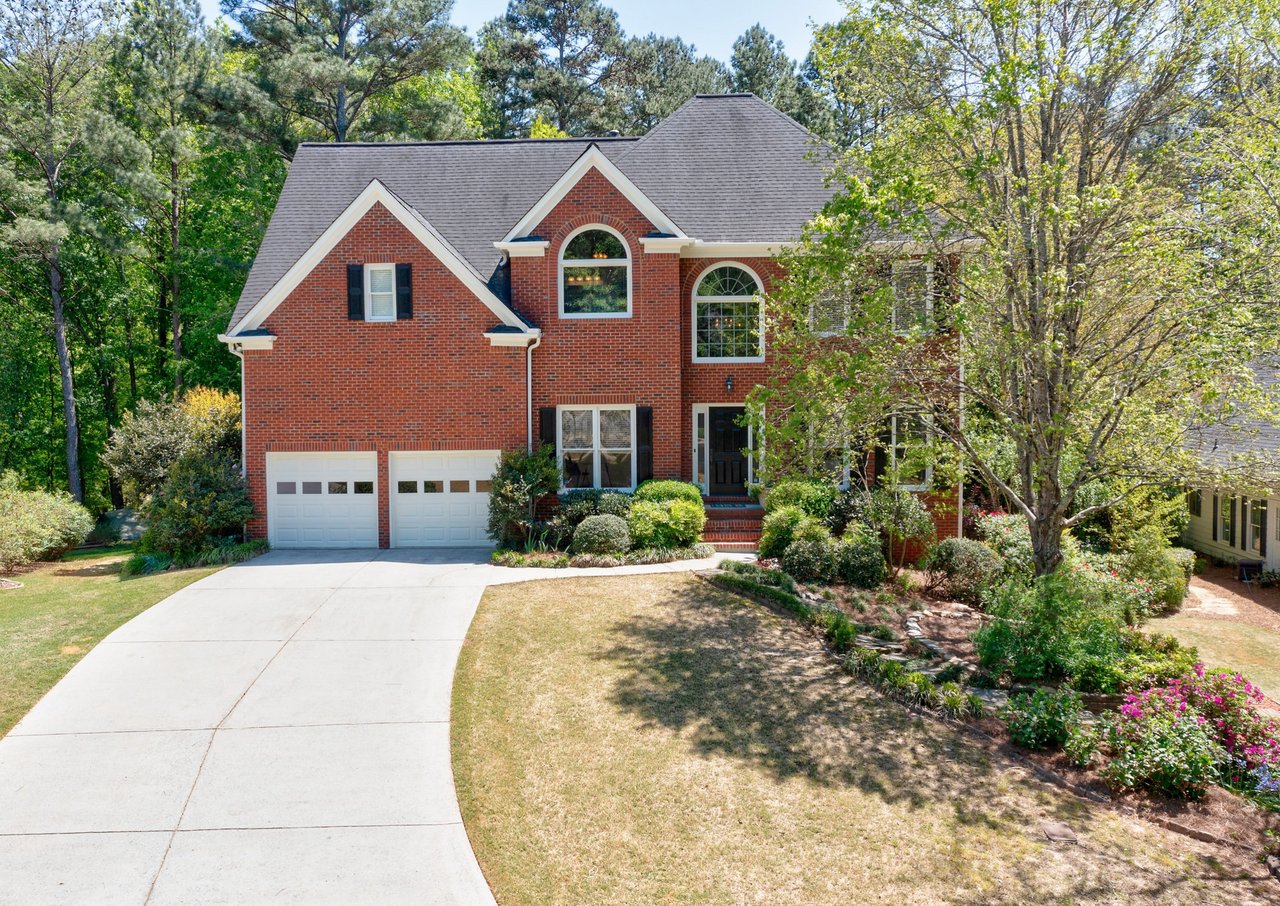
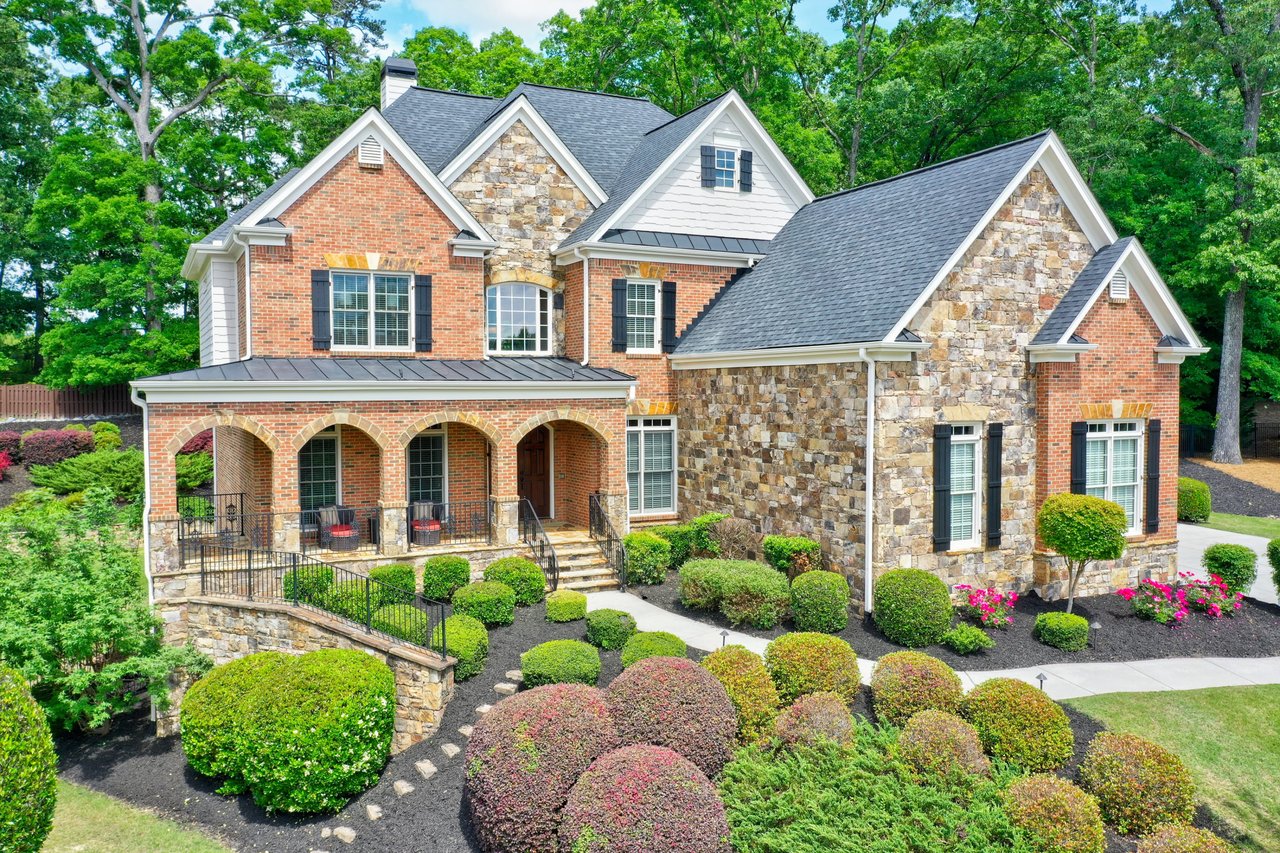
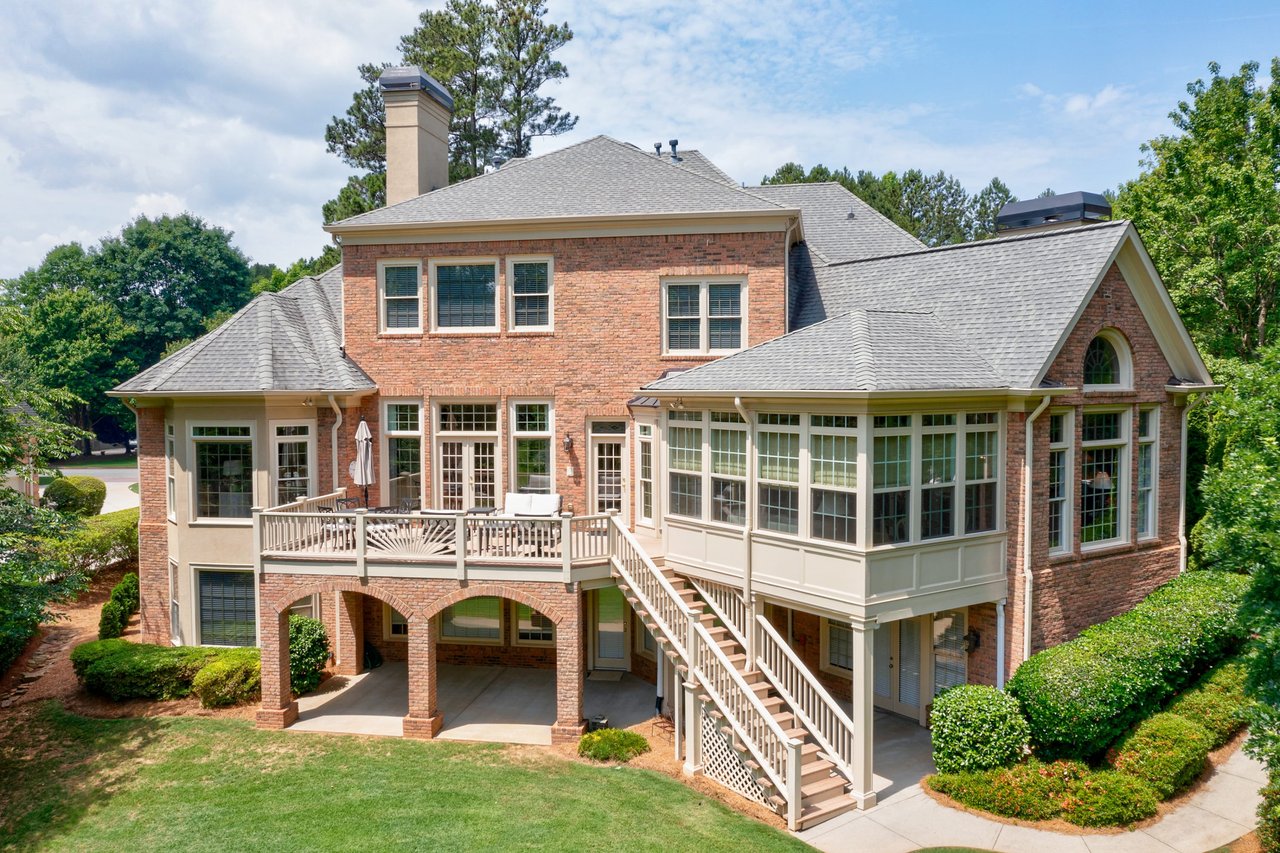
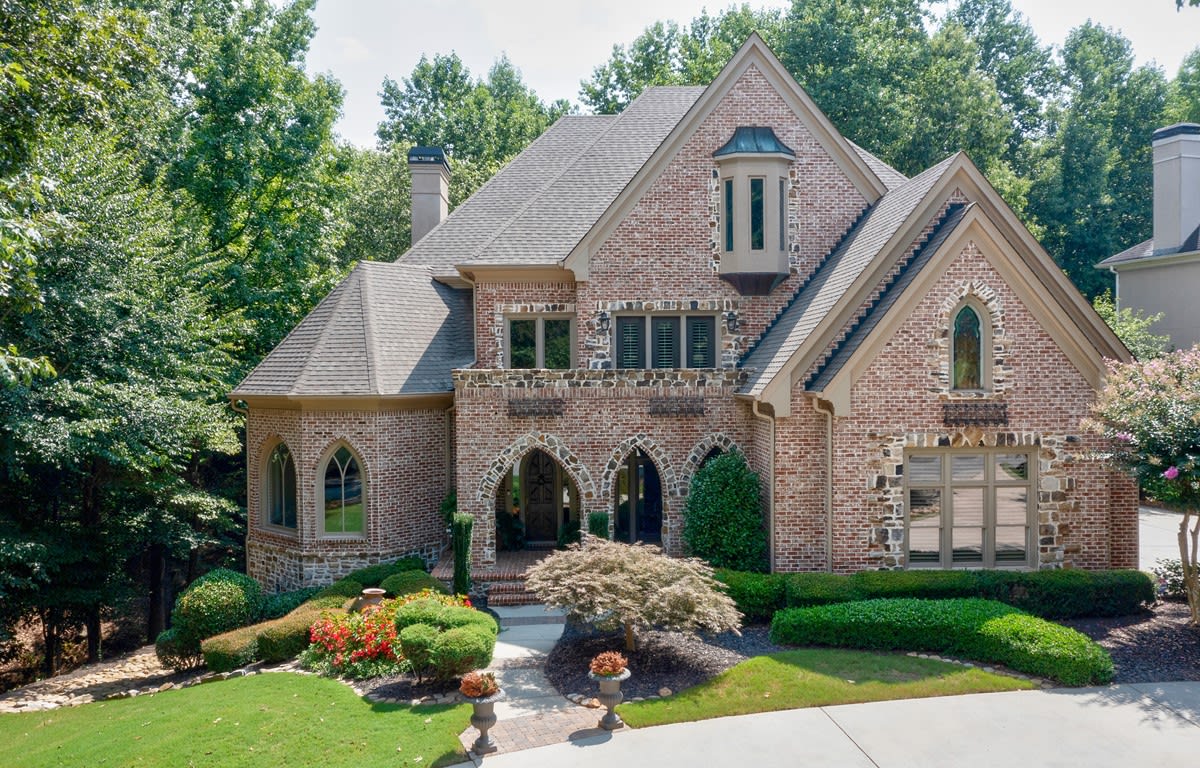
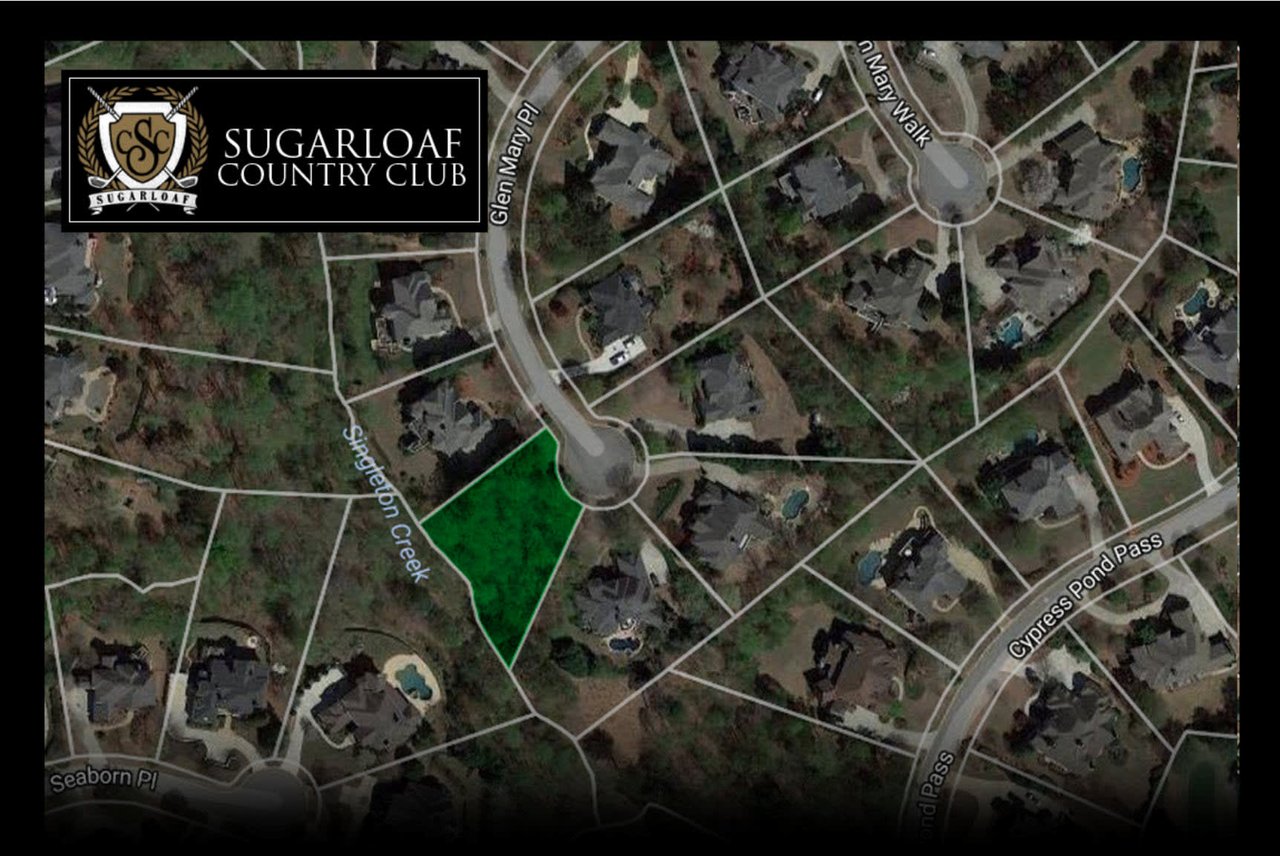
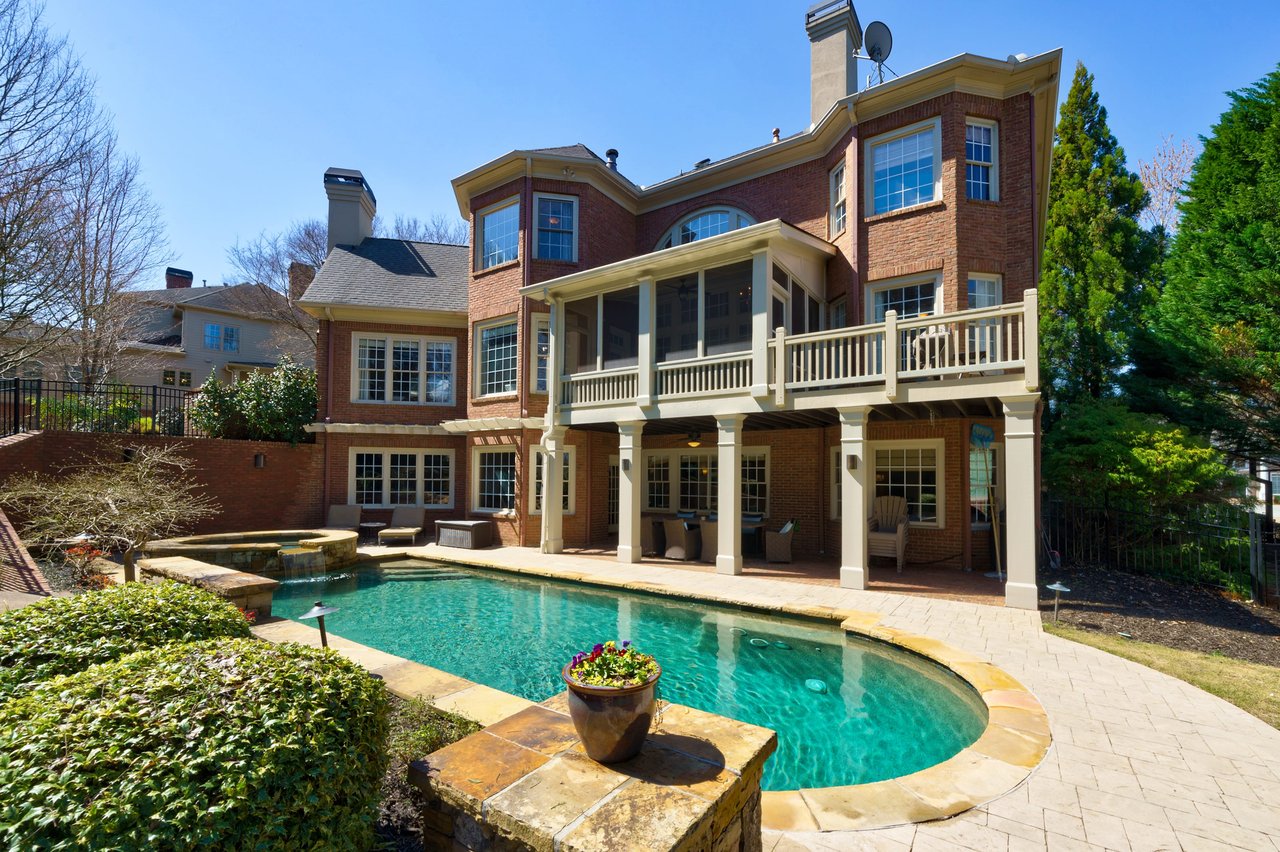
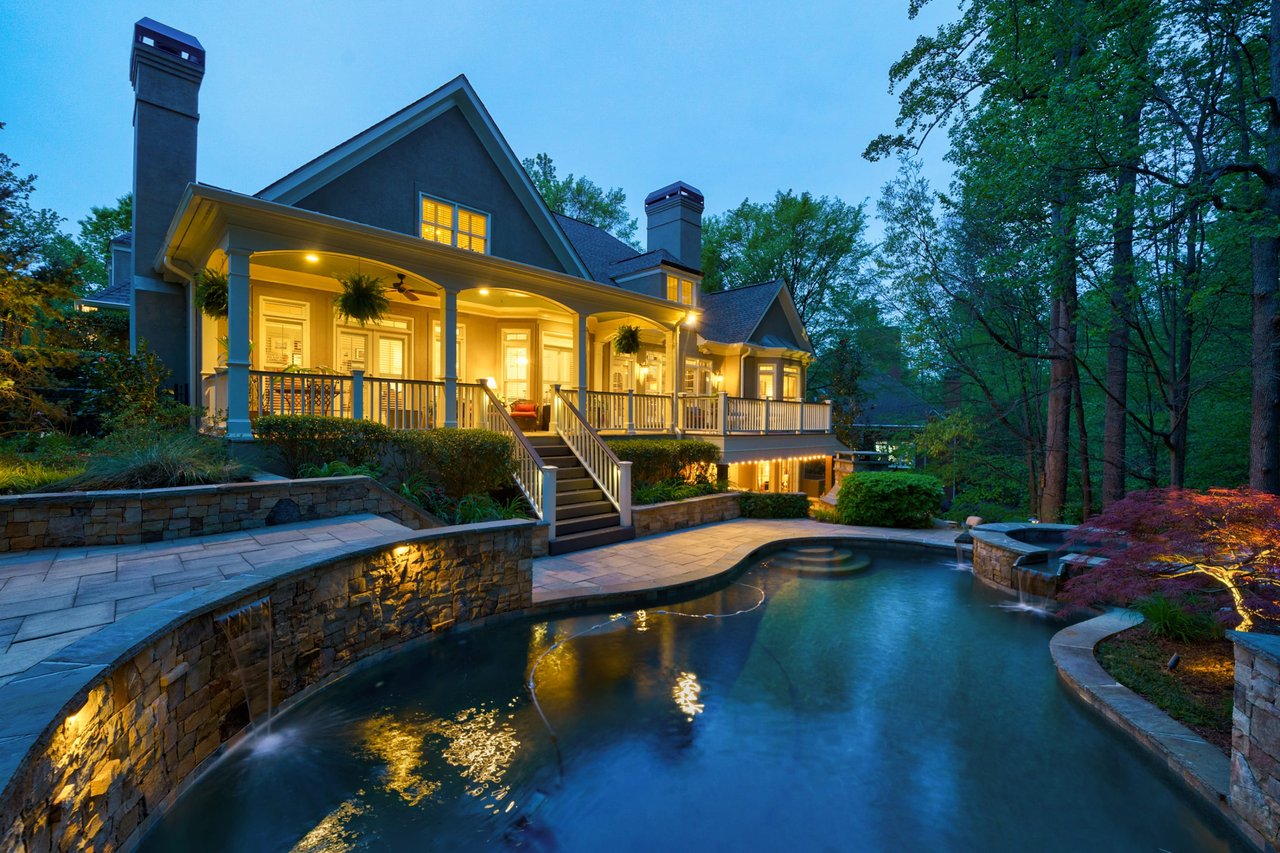
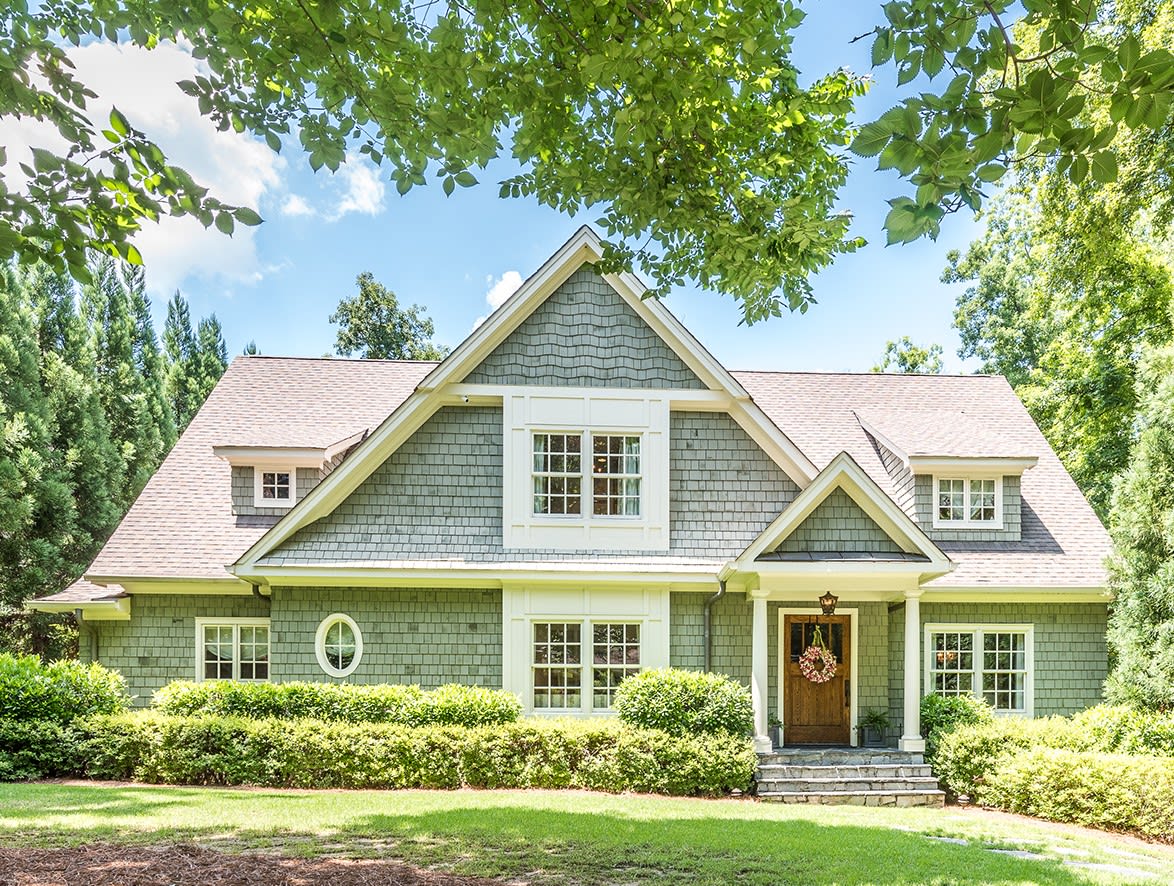
The listing detail that shows up most often in current Sugarloaf Country Club marketing gives a hint. Homes here were mostly custom-built in the late 1990s and early 2000s in Mediterranean, French Provincial, and traditional styles, on lots from a half acre to more than two acres, many with views of the community's Greg Norman-designed golf course or its private lakes.
That range, from a well-kept four-bedroom on an interior lot to a ten-thousand-square-foot estate on golf frontage, is wide enough that "priced right for what it is" means something completely different depending on which end of the range a listing sits on. A home priced accurately against recent comparable closings in its own size and lot-position tier is a candidate to be one of the 11-day sales. A home priced off a stale comp, or one that leans on the neighborhood's overall reputation rather than its own specific position within it, is a much better candidate for the 62-day column.
None of this shows up in a headline median. It shows up in the gap between what is currently listed and what has already closed.
Why the Distinction Matters More Than the Median
For someone comparing Sugarloaf Country Club against another North Atlanta gated community using portal medians, the risk is treating $1.9 million and 16 days as the baseline expectation for any home in the neighborhood. That number describes what already sold, weighted toward whatever mix of homes closed in a given month. It says very little about how a specific home, at a specific size and price point, is likely to perform right now.
The more useful question is which of the two markets a given property or offer actually belongs to. A seller with a golf-frontage estate priced against three-month-old comps from a slower stretch of the market may be underpricing into a fast lane they don't realize they're in. A buyer chasing a listing that has already sat 45 or 50 days is negotiating in a different environment than one competing for a home that hit the market last week and is already drawing offers.
Redfin's own read on the broader competitiveness of the neighborhood describes it as "somewhat competitive," with some homes drawing multiple offers and closing below list, which lines up with a market that is fast for some properties and slow for others rather than uniformly hot.
A Few Questions We Hear Often
Does a 16-day average mean every home in Sugarloaf sells that fast? No. That figure describes recently closed sales, which this year have leaned toward a smaller number of well-positioned, accurately priced homes. Active luxury listings currently on the market are averaging closer to 62 days with no closing yet.
Is the 16.2 percent price increase a sign the neighborhood is appreciating? Not on its own. With only ten sales in the underlying month, a shift toward larger or higher-priced homes can move the median significantly without reflecting a broad increase in value. The price-per-square-foot figure, which fell over the same period, is a useful check against reading too much into the median alone.
What does this mean for pricing a home to sell quickly? It means the comparable sales that matter are the ones closest to your home's size, lot position, and view, not the neighborhood-wide median. A home priced against the right narrow set of comps has a much better shot at landing in the fast lane than one priced against a headline number pulled from a handful of unrelated closings.
Sugarloaf Country Club's numbers this year reward a closer look, not a faster read. If you're weighing a purchase or a sale here and want the comparable-sales conversation instead of the median-price one, Floyd Real Estate Group would welcome the chance to walk through what your specific property or search actually looks like against the current data.