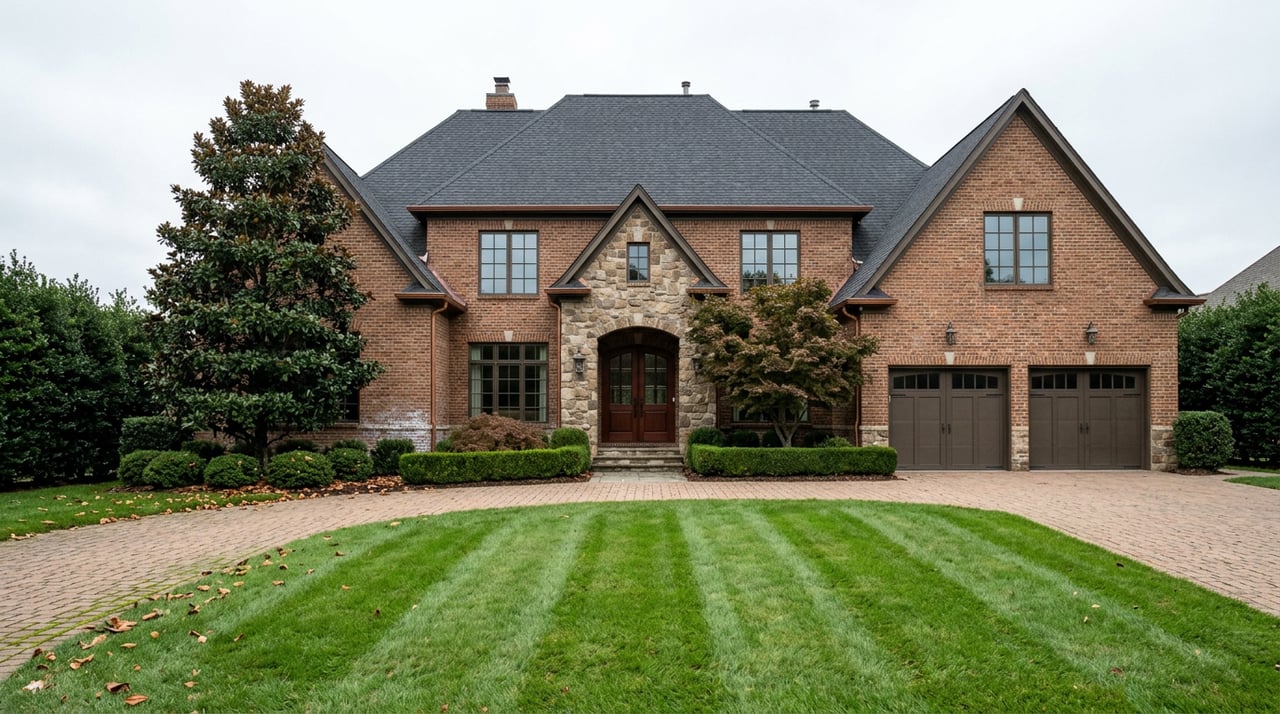
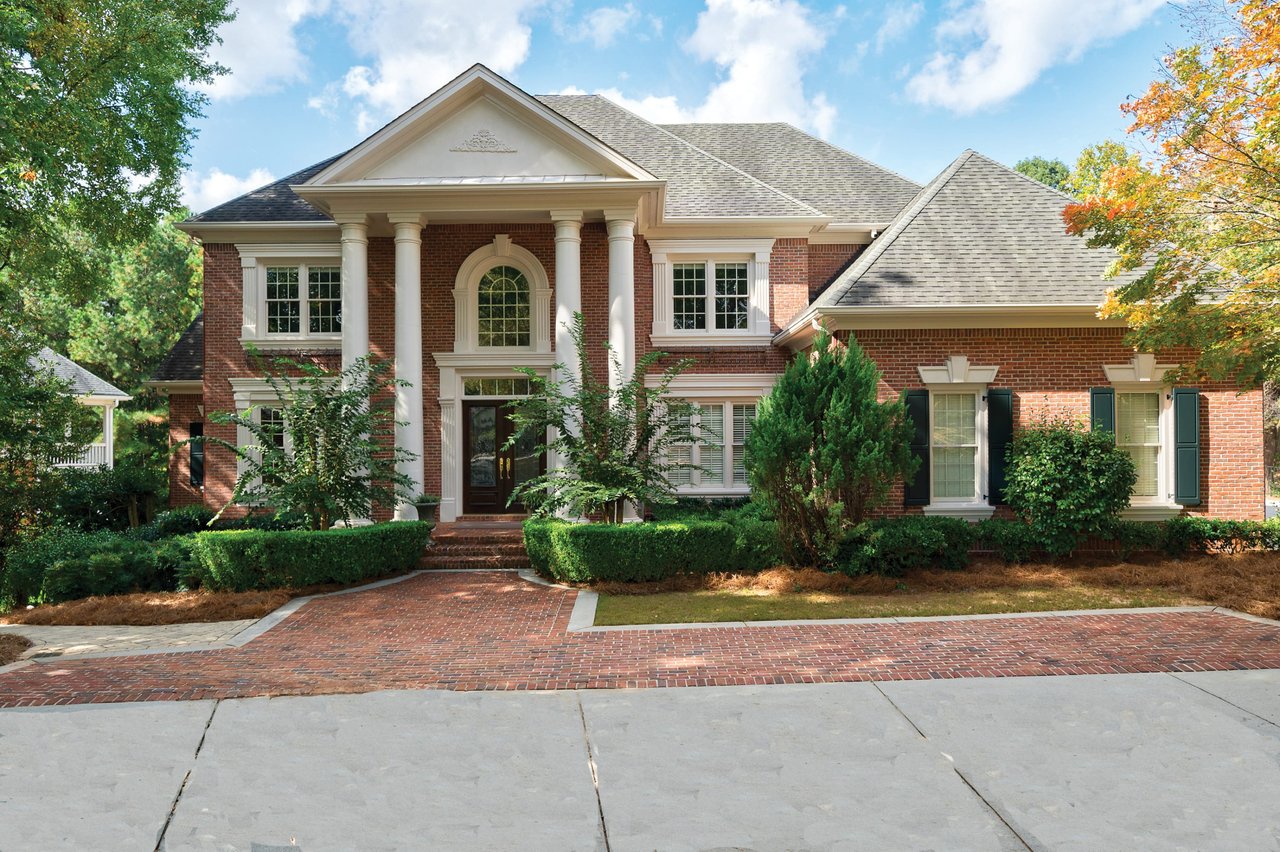
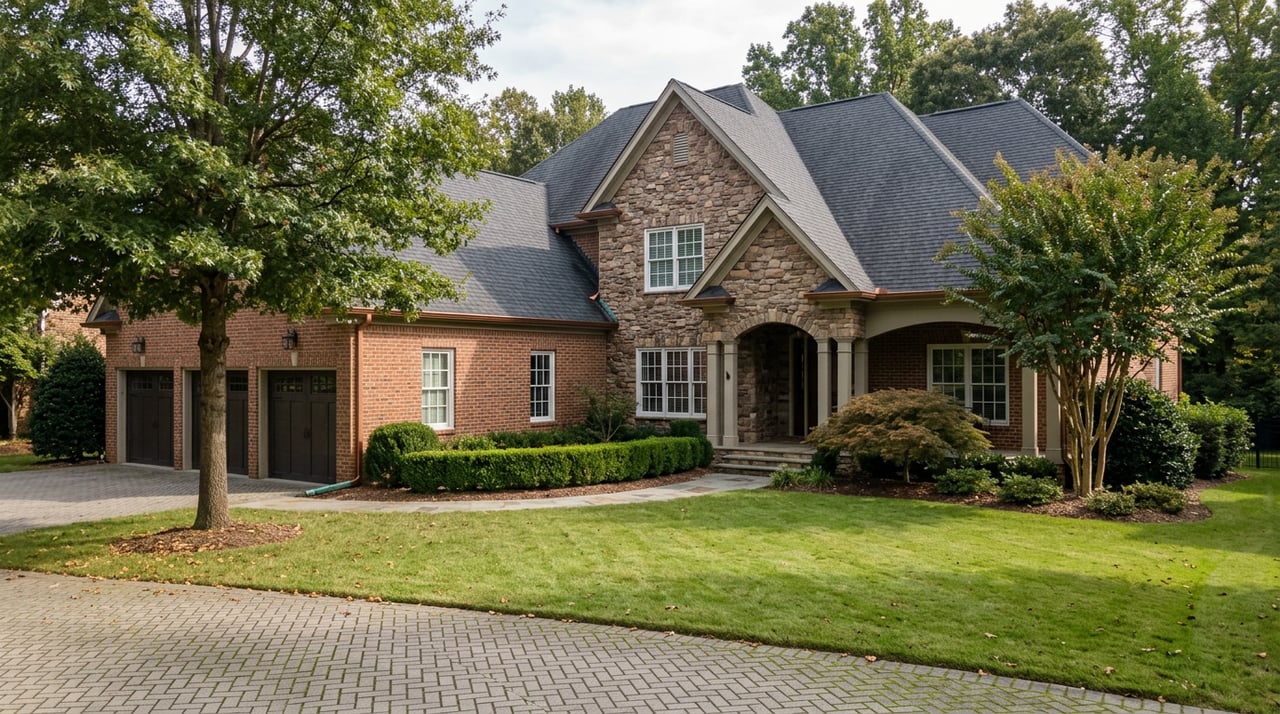
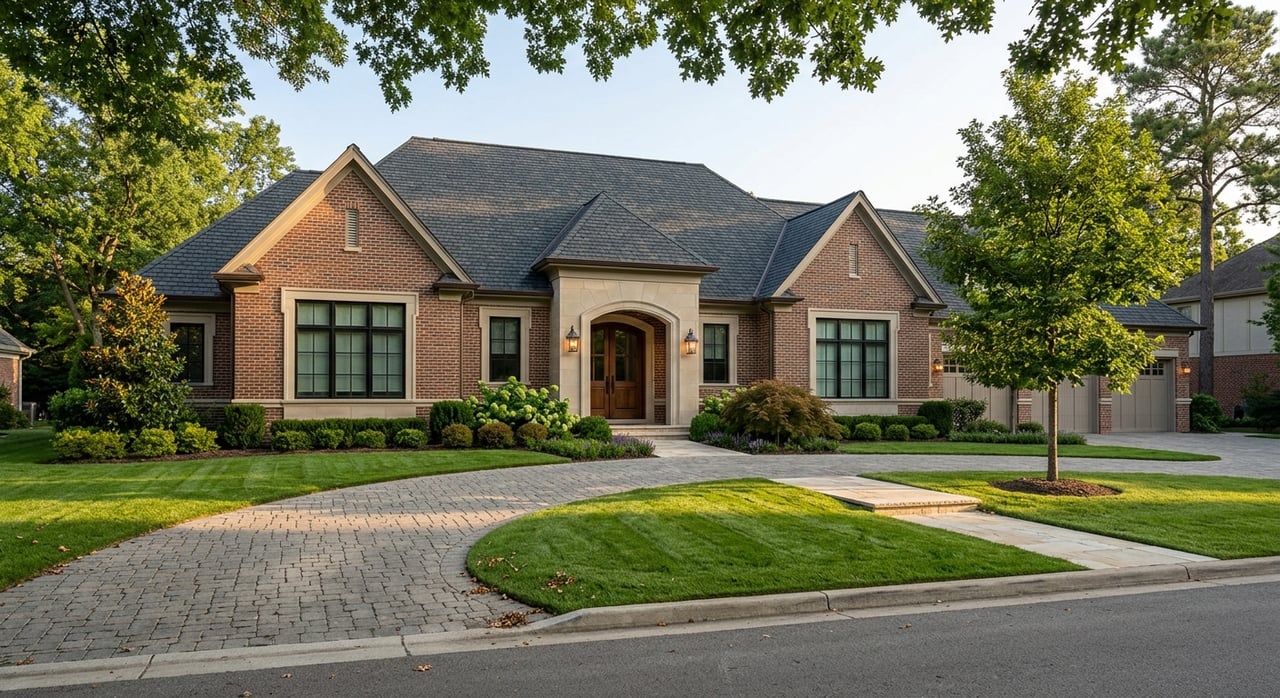
You are three weeks from closing on a home in Sugarloaf Country Club. The listing sheet shows a property tax line, and it looks manageable for a house in this price range. You budget around it. Then your first full year as the owner arrives, and the number on your bill is nowhere close to what you planned for.
This is not a mistake on anyone's part. It is a mechanism built into how Gwinnett County taxes homesteaded property, and it means the tax figure attached to almost every Sugarloaf listing describes the seller's exemption history, not your future bill.
Two Different Numbers Living on the Same Bill
Georgia assesses real property at 40 percent of its fair market value. That much is uniform statewide. What varies, and what matters here, is how fast that assessed value is allowed to climb once a homeowner has a homestead exemption in place.
Gwinnett County has run its own version of tax relief since 2001, called the Value Offset Exemption. Once a homeowner is granted a homestead exemption, the VOE sets a base year assessed value and freezes it for the county government portion of the bill. If the market value of the home doubles, the county's share of the tax bill does not move. It stays locked at whatever the assessed value was in the base year, for as long as that same owner holds the homestead exemption.
That sounds like a strong protection, and for the county's roughly one-fifth share of a typical bill, it is. The complication is that the county's slice is only one line among several. School district taxes, which run closer to six out of every ten dollars on a typical Gwinnett tax bill as of the 2026 tax digest, are not covered by the VOE freeze at all.
The Suwanee Example Gwinnett County Uses to Explain Its Own Rule
When Georgia passed a new statewide floating homestead exemption in 2024, Gwinnett County had a decision to make: adopt the new statewide version, or keep its own, older VOE. In February 2025, after three public hearings, the Board of Commissioners voted to opt out of the statewide exemption and keep the VOE instead, arguing it already did more for county-level taxes than the new law would.
To make its case, the county published a real example. A home in the city of Suwanee carried a market value of $420,300 in 2021. By 2024, that same home was valued at $746,500, a jump of more than 77 percent. Despite that swing, the homeowner's county tax stayed flat at $1,254.71 in every one of those four years, because the assessed value had been frozen back in 2013 when the homestead exemption was first granted.
The VOE saved this homeowner $5,691.11 over four years.
That is real money, and it is exactly the kind of number that shows up when you pull a current owner's tax history off a listing. What it does not show is what happens the moment that home changes hands.
What Actually Resets at Closing
The Value Offset Exemption belongs to the person, not the property. It is not something a seller can pass along in the deed. When a Sugarloaf home sells, the frozen base year disappears with the previous owner. The new buyer has to apply for their own homestead exemption, which requires owning and occupying the home as of January 1 and filing with the Gwinnett County Tax Commissioner by April 1 of that year. Only after that application is granted does a new VOE base year get set, and it gets set at whatever the assessed value is at that point, not at the seller's old, frozen number.
In practice, that means a longtime Sugarloaf owner's tax bill and a new buyer's first-year tax bill can differ by thousands of dollars on the exact same house, with nothing about the property itself having changed. Average annual property tax across Sugarloaf Country Club homes runs around $18,407, but that figure blends owners who have carried a frozen county assessment for a decade or more with anyone who has bought more recently. It is not a preview of what a new purchase will actually cost.
The gap is largest on school taxes, which is the part of the bill Gwinnett opted out of protecting. Gwinnett's own tax office has been direct about this in taxpayer materials: recent increases on most Gwinnett bills have come from school and city taxes rising with the market, not from the county portion, because the county piece is the one thing the VOE actually holds still.
A Law Change That Applies Going Forward, Not Retroactively
There is a second piece of this worth knowing before you write an offer. In May 2026, Governor Brian Kemp signed the HOME Act, Senate Bill 33, which removes counties' ability to opt out of the statewide inflation-rate cap starting with the 2027 tax year. Once that takes effect, Gwinnett will no longer be able to let school and city assessments float freely with the market the way they have through 2026. Every taxing authority, county, school district, and city, will be required to cap annual increases at the inflation rate for homesteaded property.
That is meaningful relief for whoever owns the home starting in 2027. It does nothing for the reset itself. If you close on a Sugarloaf home in 2026 and apply for your homestead exemption, your new VOE base year and your new school tax exposure both get set at that year's assessed value first. The 2027 cap then slows how fast that new, higher number is allowed to grow. It does not lower the number you are starting from.
What to Ask For Before You Close
A buyer working with the actual mechanism, rather than the listing sheet's tax line, has a short list to run through before signing:
- Ask the seller or their agent what year their VOE base was set, not just what their current bill is.
- Request the Gwinnett County Tax Assessor's current millage breakdown by authority (county, school, city) so you can see which slice is frozen and which is not.
- Run your own estimate using the property's current fair market value, not the assessed value on the seller's most recent bill, since the assessed value understates what your bill will reset to.
- Confirm your homestead exemption application timeline against the January 1 occupancy requirement and the April 1 filing deadline, since missing that window pushes your own VOE base year out by a full year.
None of this changes whether Sugarloaf is the right neighborhood for you. It changes whether the number you budget with on day one matches the number that actually arrives.
A Few Questions We Hear Often
Does the seller's VOE transfer to me if I buy their home? No. The exemption is tied to the homeowner, not the property. You have to apply for your own homestead exemption and your own VOE base year after closing.
Does this apply if I already have a homestead exemption on another Georgia property? No. Homestead exemptions, and the VOE that rides along with them, require that you own and occupy the property as your primary residence as of January 1 of the application year. A second home or investment property in Sugarloaf would not qualify.
Will the 2027 statewide cap fix the gap once it takes effect? It slows future growth for whoever owns the home at that point, but it does not undo the reset that happens when a home sells before 2027. If you close in 2026, your new base year is set at that year's value first, and the cap applies to increases after that.
Sugarloaf Country Club rewards buyers who look past the listing sheet, and the tax line is one of the clearest examples of why. If you are comparing homes in Sugarloaf or getting ready to make an offer, Floyd Real Estate Group can walk through the current assessment on a specific property with you before you write a contract. Book a Private Consultation and we will pull the numbers that actually apply to your purchase, not just the seller's.